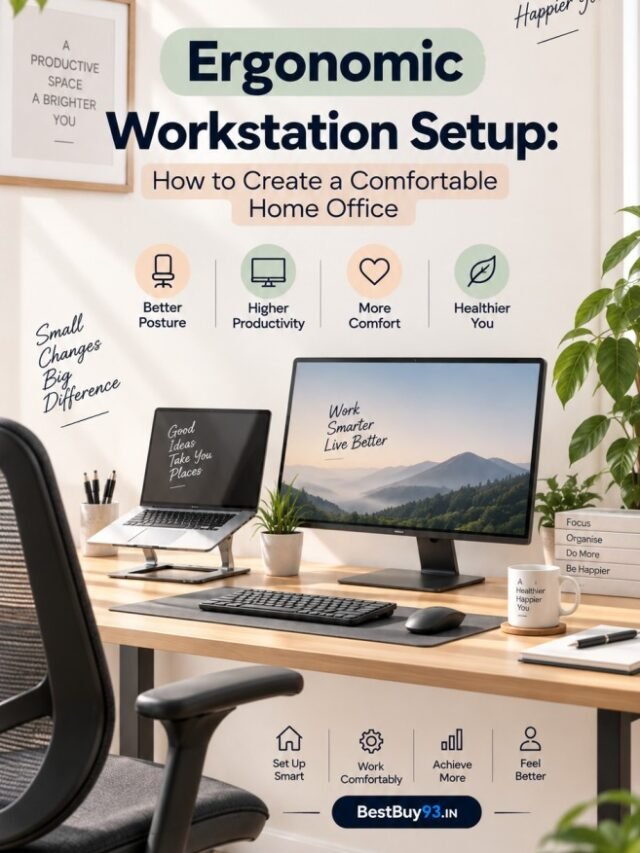


Bookshelves are more than just storage furniture. 📚 They can bring personality to a living room, create a cosy reading corner, organise a home office, or turn an empty wall into a beautiful focal point.
But when choosing a bookshelf, one question often comes up: Should you buy an open bookshelf or a closed bookshelf?
Open shelves make books and décor easy to see, while closed bookshelves help conceal clutter and create a more streamlined look. Both can work beautifully the right choice depends on your space, storage needs, and interior style.
In this guide, we’ll explore the differences between open and closed bookshelves, their advantages and limitations, and simple styling ideas for living rooms, bedrooms, study spaces, and small homes. 🏡
Also Read | Best Office Desks: Straight vs L-Shaped & Setup Ideas
Open vs Closed Bookshelves: Quick Comparison
| Feature | Open bookshelf | Closed bookshelf |
|---|---|---|
| Design | Open shelves with visible contents | Shelves concealed behind doors |
| Accessibility | Books are easy to reach | Doors need to be opened |
| Visual appearance | Airy and decorative | Neat and streamlined |
| Display | Ideal for books, plants, and décor | Contents remain mostly hidden |
| Dust | Contents are more exposed | Doors can reduce dust exposure |
| Organisation | Requires more visible tidiness | Can conceal everyday clutter |
| Space | Open design can feel visually light | Solid doors may feel heavier |
| Best suited for | Displays, reading corners, curated collections | Concealed storage and a tidy appearance |
Quick takeaway: Choose open shelves if you want your books and décor to be part of the room’s design. Choose closed storage if you prefer a more concealed, organised appearance.
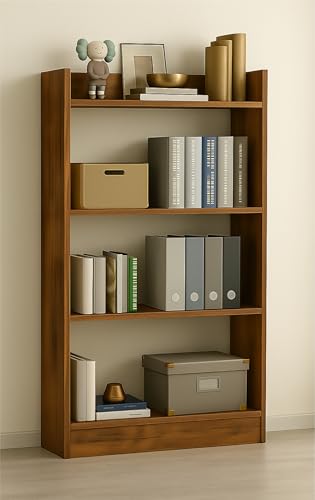
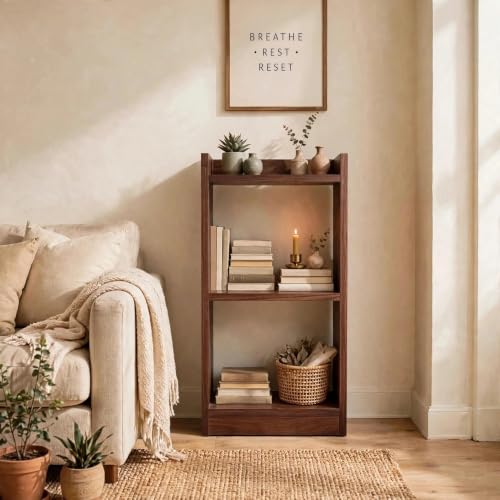
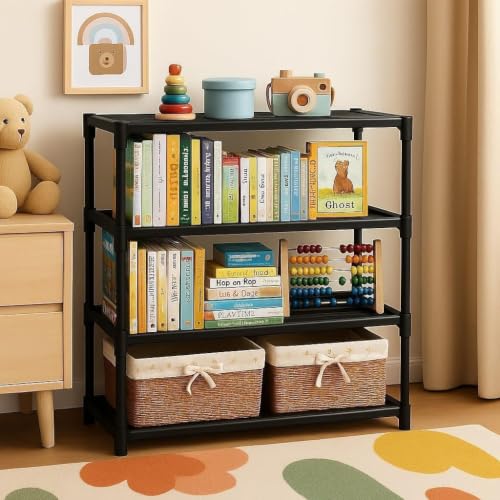
What Is an Open Bookshelf? 📖

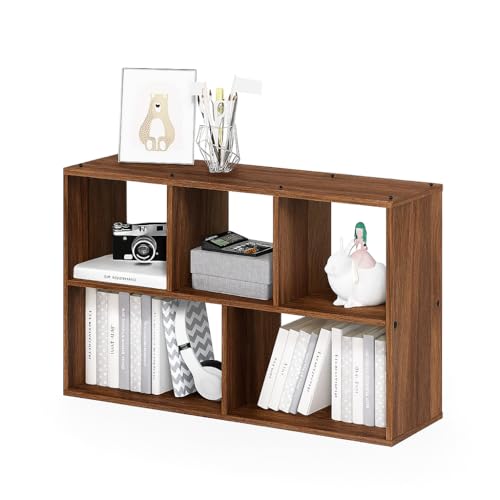
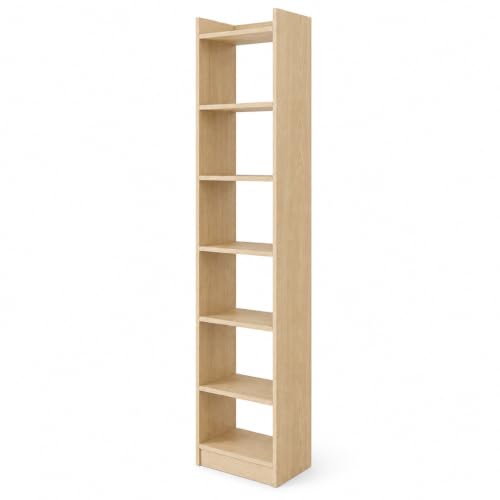
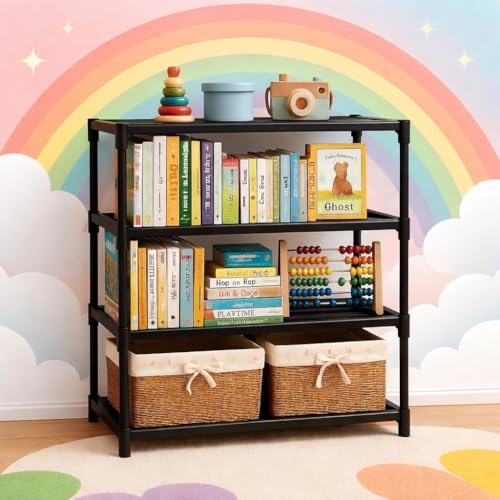
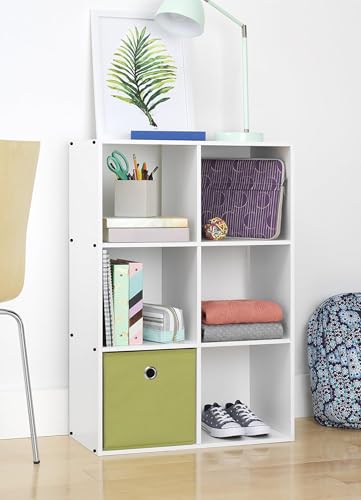
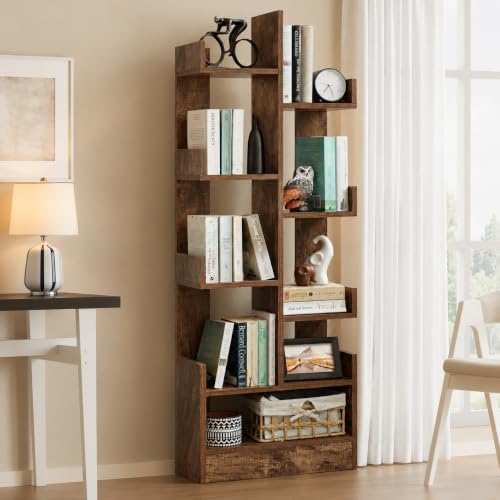
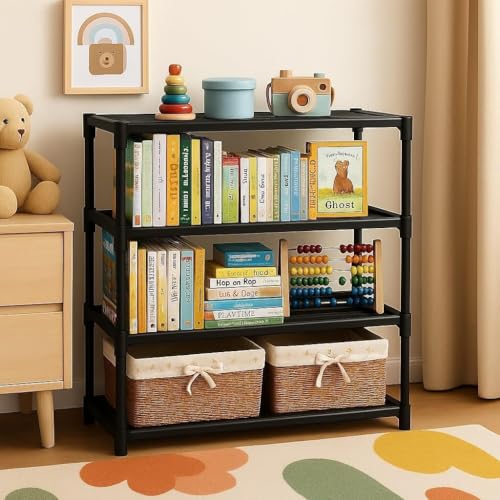
An open bookshelf has shelves without doors, allowing you to see and access everything stored on them.
It can be a practical storage solution as well as a decorative feature. Books, framed photographs, small plants, and selected accessories can all contribute to the overall look.
Benefits of open bookshelves
Easy access: You can quickly pick up a book without opening a door.
Decorative potential: The books and objects on display become part of your room’s styling.
Airy appearance: Open shelves can feel visually lighter than a large cabinet with solid doors.
Flexible arrangement: You can change the display whenever you want a fresh look.
Useful for frequently used books: Keep your current reads, reference books, or favourite collections within easy reach.
Things to consider
Open bookshelves also require a little more attention.
- Books and décor are exposed to dust.
- Clutter is visible from across the room.
- Too many colours and objects can make the shelves feel busy.
- Items need to be arranged thoughtfully if you want a coordinated appearance.
Styling tip: You do not need to decorate every shelf. Leaving some empty space can make an open bookshelf look more intentional. ✨

What Is a Closed Bookshelf? 🚪

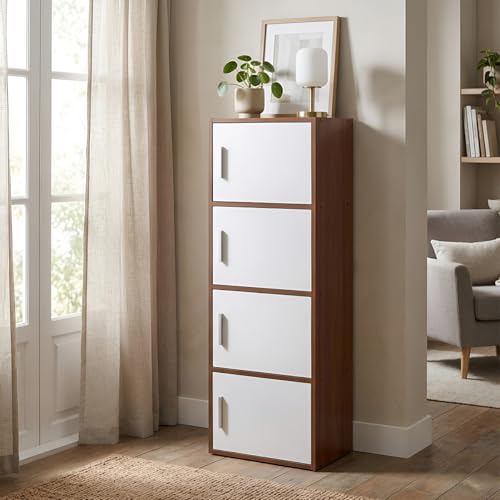
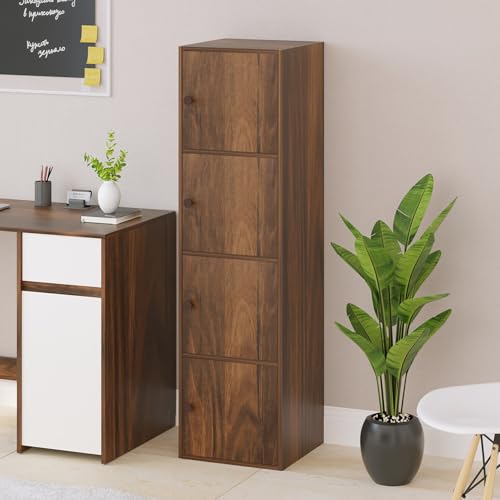
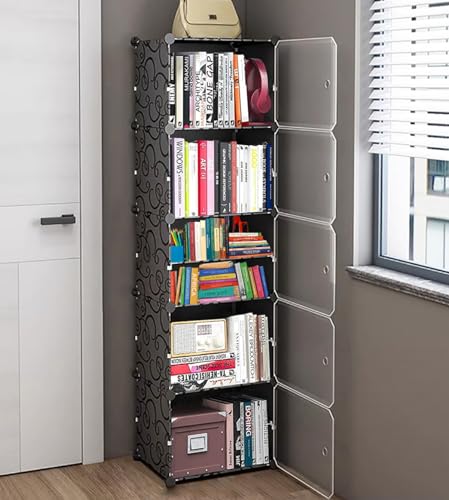
A closed bookshelf stores books and belongings behind doors. Depending on the design, it may feature solid doors, glass panels, or a combination of open and closed sections.
Closed bookshelves are useful when you want storage to blend into the room rather than display everything inside.
Benefits of closed bookshelves
Concealed storage: You can keep less attractive or miscellaneous items out of sight.
A streamlined appearance: Closed doors can create a more uniform visual look.
Reduced dust exposure: Doors can help limit dust settling directly on stored items, although they do not eliminate dust completely.
Useful for mixed storage: Store books alongside files, stationery, board games, and other household items.
Suitable for curated interiors: A closed cabinet can complement minimalist and contemporary spaces.
Things to consider
- You need to open the doors to access books.
- Solid doors can make a large unit feel visually heavier.
- The cabinet needs enough clearance for its doors to open.
- Glass doors still reveal the contents and may need regular cleaning.
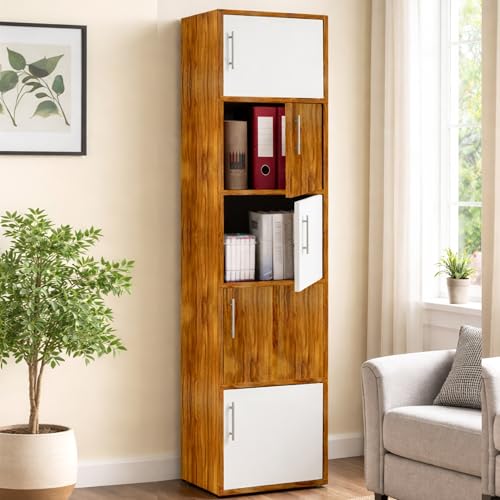
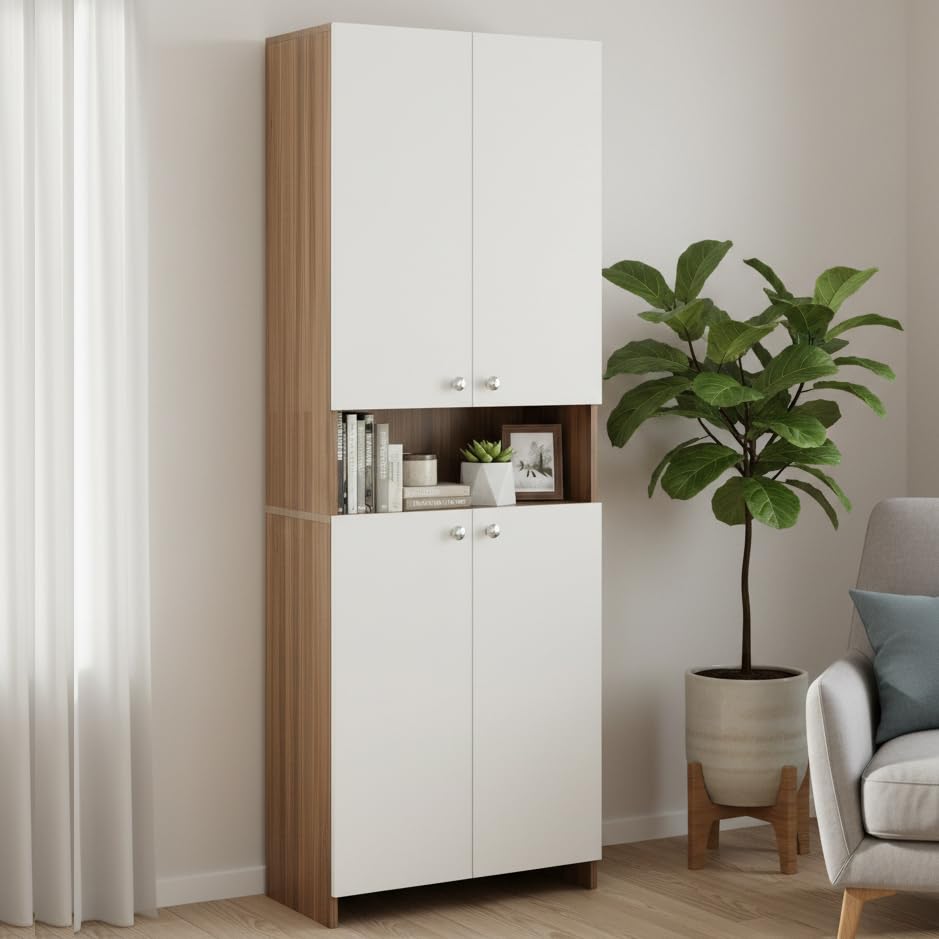
Styling tip: If you love displaying a few favourite books but want to conceal the rest, consider a bookshelf with both open and closed sections. 💡
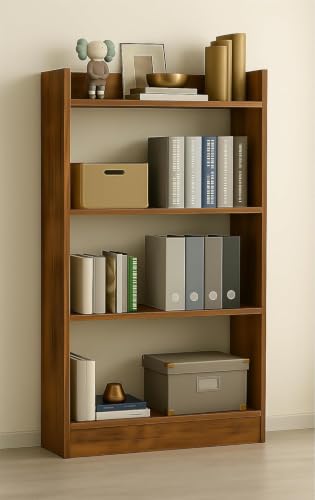
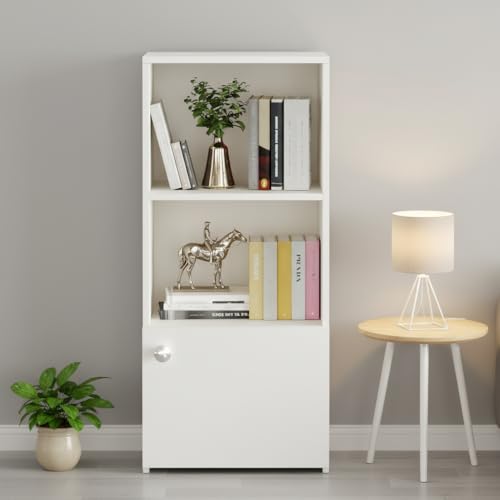
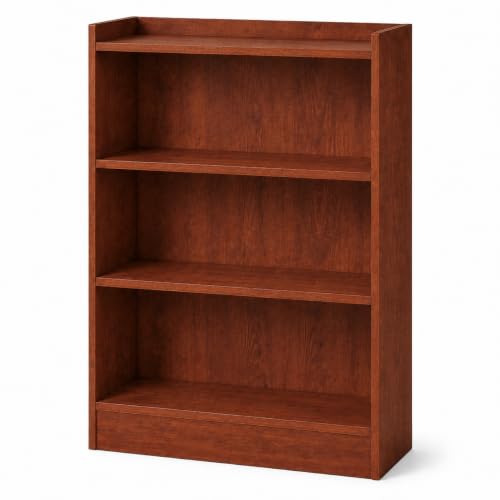
Open vs Closed Bookshelves: Which Should You Choose?
There is no universal winner. Think about how you use your bookshelves and what you want your room to look like.
Choose an open bookshelf if…
- You enjoy displaying books and collectibles.
- You want frequently used books within easy reach.
- You like changing your décor seasonally.
- You prefer an airy, open furniture design.
- You have a collection that you want to showcase.
Choose a closed bookshelf if…
- You prefer concealed storage.
- You want to store books alongside everyday household items.
- You dislike the appearance of visible clutter.
- You want a more uniform furniture finish.
- You would rather keep stored items less exposed to dust.
Consider a combination bookshelf if…
You want the advantages of both designs.
A combination unit can have open shelves for favourite books and décor, with closed cabinets for files, stationery, and miscellaneous belongings.
This can be especially useful in a living room or home office where storage needs vary.
Best Bookshelf Styles for Different Rooms
The right bookshelf should complement both the room and the way you use it. 🏡
Living room bookshelves

In a living room, a bookshelf can serve as a decorative focal point as well as a storage unit.
Consider:
- A tall bookshelf beside a sofa.
- A low bookshelf beneath framed artwork.
- A combination bookshelf with display shelves and concealed cabinets.
- A wall-mounted bookshelf for selected books and accessories.
Keep the display coordinated with the room’s existing colours and materials.
Bedroom bookshelves

A bedroom bookshelf can help create a comfortable reading corner.
A compact shelf beside a reading chair or desk can hold your current books, a reading light, and a few decorative objects.
For a calmer appearance, choose a simple finish and avoid filling every shelf with accessories.
Home office bookshelves

A home office bookshelf can organise books, documents, and work-related accessories.
Open shelves make frequently used books easy to access, while closed cabinets can conceal files and miscellaneous office supplies.
If you work from home, consider the shelf’s location relative to your desk so that frequently used items remain convenient to reach.
Study room bookshelves

Study spaces often need practical storage more than decorative display.
Look for shelves that accommodate the size and weight of your books, with enough room for notebooks and reference materials.
Group books by subject or use, and keep the ones you use most often at an accessible height.
Entryway bookshelves

A narrow bookshelf or compact storage unit can work in a spacious entryway or hallway.
Use it for a small selection of books, decorative objects, or baskets for everyday items.
Make sure the furniture does not obstruct the walking path or door movement.
10 Bookshelf Styling Ideas to Refresh Your Space ✨
You do not need expensive accessories or a complete room makeover to style a bookshelf beautifully. A few thoughtful choices can make a noticeable difference.
1. Arrange books both vertically and horizontally

Instead of placing every book upright, create a few horizontal stacks between vertical rows.
This adds variation and gives you a place to display a small decorative object.
Keep the stacks stable and avoid placing heavy objects where they could fall.
2. Use a coordinated colour palette

Choose two or three colours that complement your room.
For example:
- Beige, cream, and natural wood.
- White, grey, and muted green.
- Navy, warm brown, and brass accents.
- Soft pastels with light wood.
You do not have to arrange every book by colour. Simply repeating a few tones through accessories can help the shelf feel coordinated.
3. Add small indoor plants 🌿

A small plant can bring a natural element to a bookshelf.
Choose plants that suit the light and conditions of the room, and use a suitable saucer or planter to protect the furniture from moisture.
Avoid overcrowding the shelves or placing water-sensitive pots directly on wooden surfaces.
4. Display framed photographs and artwork

Small framed artwork or photographs can make a bookshelf feel personal.
Lean lightweight frames securely against the back of a shelf or use suitable stands.
Mixing artwork with books can create a relaxed, collected appearance.
5. Use decorative baskets

Baskets can help organise smaller belongings while adding texture.
They may be useful for:
- Cables and accessories.
- Notebooks and stationery.
- Small household items.
- Reading accessories.
Choose baskets that fit the shelf dimensions and can be removed easily.
6. Create a dedicated reading shelf

Give your current reads their own section.
You might include a few favourite novels, a reading journal, and a small decorative object.
Keeping frequently used books together makes it easier to return to your reading routine.
7. Add subtle lighting

Lighting can help highlight a bookshelf in the evening.
Depending on the unit, you could consider suitable LED strip lighting or a small lamp nearby.
Choose lighting that does not create excessive heat near books or other materials, and follow the manufacturer’s installation and safety instructions.
8. Style with ceramics and sculptural objects

A small ceramic vase, simple sculpture, or decorative bowl can add visual interest.
Use a limited number of objects so that the bookshelf still functions as storage.
Keep fragile or heavy items securely positioned, especially on higher shelves.
9. Leave breathing room

One of the simplest ways to improve bookshelf styling is to remove a few things.
Empty space allows individual books and objects to stand out. It can also make a small room feel less visually crowded.
10. Style with seasonal accents

Refresh your bookshelf with small seasonal changes.
You could swap a decorative object, add a new book, or change a small arrangement to complement the season or a festival.
Keep the main arrangement functional so you do not need to redesign the entire shelf every time.
Bookshelf Ideas for Small Homes 🏡
In compact homes, the goal is to maximise useful storage without making the room feel crowded.
Choose vertical storage
A tall bookshelf can use wall height while taking up less floor space than a wide unit.
Check the ceiling height and make sure the unit can be installed and secured safely.
Consider a narrow bookshelf
A slim design may fit beside a desk, sofa, or wardrobe where a wider unit would be inconvenient.
Measure the available width and depth before purchasing.
Use wall-mounted shelves thoughtfully
Wall-mounted shelves can free up floor space and create a light visual effect.
They need suitable wall fixings and installation appropriate to the wall type and expected load.
Use furniture with dual purposes
A low bookshelf can sometimes double as a display surface, provided it is designed for that use and items are positioned safely.
Avoid using furniture for seating unless the manufacturer explicitly specifies that it is suitable.
Keep the arrangement simple
In smaller rooms, too many decorative accessories can make a bookshelf feel busy.
Choose a few useful items and leave space between groups.
How to Choose the Right Bookshelf
Before buying a bookshelf, consider these practical factors.
Measure your available space
Measure the height, width, and depth of the area where you plan to place the bookshelf.
Also check:
- Door and drawer clearance.
- Walking space around the unit.
- Nearby switches and sockets.
- Skirting boards and wall features.
- Ceiling height and installation access.
A bookshelf that fits the wall may still interfere with a door or make a walkway uncomfortable.
Check your storage needs
Think about what you want to store.
Are you organising novels, large textbooks, files, decorative objects, or a mixture of items?
Check the shelf spacing and internal dimensions to ensure that your belongings will fit comfortably.
Consider the shelf’s load capacity
Books can be heavy, especially when stored in large quantities.
Review the manufacturer’s weight limits for individual shelves and the complete unit. Do not assume that a shelf can safely support a full collection simply because it looks sturdy.
Choose a suitable design
Match the design to your room’s function.
- Open shelves for visible collections and display.
- Closed cabinets for concealed storage.
- Combination units for mixed needs.
- Narrow or tall units for selected compact spaces.
Check stability and installation
A tall or heavily loaded bookshelf can tip if it is unstable.
Follow the manufacturer’s assembly instructions and use the recommended wall-anchoring system where required. Make sure the unit is placed on a suitable, level surface.
Think about maintenance
Different finishes need different care.
Check the manufacturer’s cleaning instructions, particularly for wood, engineered wood, metal, glass, and painted finishes.
Bookshelf Materials and Finishes
The material affects the bookshelf’s appearance, weight, maintenance, and durability.
| Material | What to consider |
|---|---|
| Solid wood | Natural appearance; check construction, finish, and maintenance requirements |
| Engineered wood | Common in home furniture; inspect thickness, edge finishing, and load limits |
| Metal | Can suit industrial or contemporary interiors; check stability and finish |
| Glass | Creates a lighter display appearance; requires careful handling and cleaning |
| Wood and metal combination | Mixes materials and can complement contemporary interiors; check joints and overall stability |
Which finish should you choose?
Light wood: Can complement Scandinavian-inspired, minimal, and natural interiors.
Dark wood: Can create contrast and a more traditional or dramatic appearance.
White: Works with many palettes and can feel visually simple.
Black: Can create a defined accent, especially against lighter walls.
Natural or muted finishes: Often easy to coordinate with existing furniture, but the final effect depends on the room’s lighting and colours.
Choose a finish that complements your existing furniture rather than trying to match every item exactly.
Common Bookshelf Styling Mistakes
Filling every shelf
When every space is packed with books and accessories, the arrangement can feel crowded.
Try this: Leave a few intentional gaps and group related items together.
Using too many decorative objects
A bookshelf should still be practical storage.
Try this: Select a small number of meaningful accessories rather than filling every shelf with ornaments.
Ignoring book sizes
Very tall or wide books may not fit comfortably on every shelf.
Try this: Measure your largest books and check the shelf spacing before buying.
Placing heavy items too high
Heavy books and objects can be difficult to access and may create additional risks if they fall.
Try this: Store heavier items on lower shelves, within the unit’s stated load limits.
Forgetting dust and maintenance
Open shelves expose their contents to dust.
Try this: Include regular dusting in your cleaning routine, or consider closed storage for items you do not want on display.
Choosing a bookshelf that is too large
An oversized bookshelf can dominate a small room or obstruct movement.
Try this: Measure the space and consider a narrow, tall, or wall-mounted option where suitable.
Ignoring wall anchoring
A tall bookshelf may need to be secured to the wall.
Try this: Follow the manufacturer’s stability and anchoring instructions, especially in homes with children or pets.
Frequently Asked Questions
1. Are open bookshelves better than closed bookshelves?
Neither is universally better. Open bookshelves make items easy to access and display, while closed bookshelves conceal contents and can help reduce dust exposure.
2. Which bookshelf is better for a living room?
Both can work. Open shelves suit decorative displays, while closed cabinets are useful for concealed storage. A combination unit can provide both.
3. Are closed bookshelves dustproof?
Not necessarily. Doors can reduce dust exposure, but they do not guarantee a dust-free interior. The amount of protection depends on the design and how well the doors fit.
4. Are open bookshelves suitable for small rooms?
They can be, particularly when the design is narrow or vertically oriented. Avoid overcrowding the shelves and make sure the unit does not obstruct movement.
5. How do I style a bookshelf beautifully?
Combine books arranged vertically and horizontally, a few decorative objects, and some empty space. Repeat colours or materials that complement your room.
6. How many decorative items should I put on a bookshelf?
There is no fixed number. Start with a few selected pieces and adjust the arrangement according to the shelf size and the number of books you need to store.
7. Should I arrange books by colour or subject?
Either approach can work. Arrange books by subject or use if easy access is your priority; use colour coordination if you prefer a curated display.
8. Can I put plants on a bookshelf?
Yes, if the shelf can safely support the planter and the plant receives suitable conditions. Protect the furniture from water and moisture.
9. What should I store in closed bookshelf cabinets?
Closed sections can hold books, files, stationery, board games, and other household items that you prefer to keep out of sight. Check shelf dimensions and load limits.
10. How do I choose a bookshelf for a home office?
Consider your books, documents, desk layout, and available space. Open shelves can keep frequently used materials accessible, while closed cabinets can conceal miscellaneous supplies.
11. What bookshelf is suitable for a rental home?
A freestanding bookshelf may be convenient, but tall units still need appropriate stability measures. Follow the manufacturer’s instructions and check any restrictions on wall drilling before installation.
12. How do I keep an open bookshelf organised?
Group similar books together, use baskets for small items, return books after use, and leave some space between decorative arrangements.
13. How often should I clean a bookshelf?
The frequency depends on your home, dust levels, and whether the shelves are open or closed. Clean as needed and follow the care instructions for the material.
14. Can I mix open and closed bookshelves in one room?
Yes. Combining the two can create a balance between display and concealed storage. Repeating finishes or proportions can help the furniture feel coordinated.
15. What is the most important thing to check before buying a bookshelf?
Check the dimensions, shelf load capacity, stability, and whether the design fits your storage needs. These practical details matter just as much as appearance.
Final Thoughts 📚
A bookshelf can make your home more organised while adding character to your interior.
Open bookshelves are useful when you want to display books, décor, and favourite collections. Closed bookshelves are practical when you prefer concealed storage and a streamlined appearance. A combination bookshelf can offer both display space and hidden storage in one unit.
Before choosing, measure your room, consider what you need to store, check the shelf dimensions and load limits, and make sure the unit can be installed safely.
And when it comes to styling, remember: you don’t need to fill every shelf to make it beautiful. A few favourite books, thoughtful accessories, and some breathing room can create a bookshelf that feels personal, practical, and effortlessly stylish. ✨