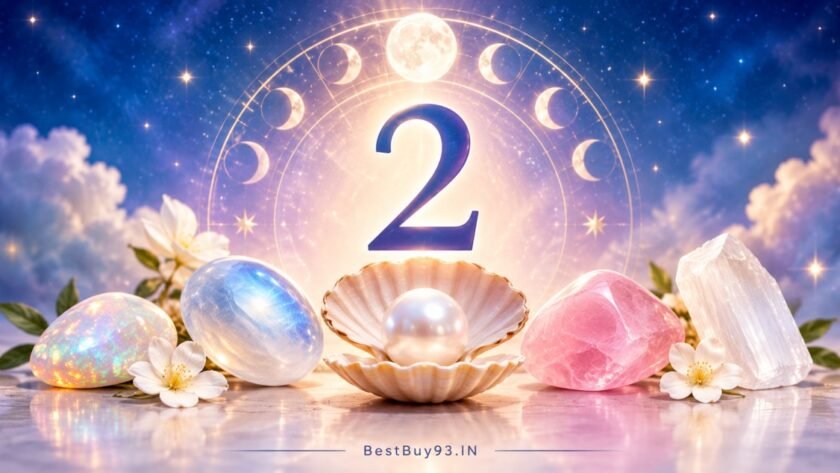

If your birth date is 2, 11, 20 or 29, you belong to Mulank 2 in Indian numerology. This number is traditionally associated with the Moon, also known as Chandra. And when the Moon enters the gemstone conversation, one name appears again and again: Pearl (Moti).
But is Pearl the only gemstone associated with Mulank 2? Not quite. Moonstone, rose quartz and selenite are also mentioned in modern numerology and crystal practices. Some gemstone recommendations vary depending on the numerology school or astrological tradition being followed.
In this guide, we’ll explore the gemstones commonly associated with Mulank 2, what makes each one different, how to choose one, and what to know before spending money on a gemstone. No magical promises, no unnecessary expensive purchases just a practical look at the traditions and the stones themselves.
Know Everything About Mulank 1
Quick Answer: Which Is the Main Gemstone for Mulank 2?
Pearl (Moti) is the traditional planetary gemstone associated with the Moon, which rules Mulank 2 in popular Indian numerology. Moonstone is another commonly suggested option because of its lunar appearance and symbolism.
Here’s a quick overview:
| Gemstone | Traditional or popular association | How it is commonly used |
|---|---|---|
| Pearl (Moti) | Moon (Chandra) | Traditional astrological gemstone |
| Moonstone | Lunar symbolism | Modern crystal and spiritual practices |
| Rose Quartz | Love and emotional warmth | Contemporary crystal practices |
| Selenite | Moon-inspired symbolism and clarity | Meditation and decorative crystal use |
| White Opal | Appears in some alternative gemstone recommendations | Varies by tradition |
A useful distinction: Pearl has a clearer connection to traditional planetary gemstone systems. The other stones are popular in contemporary crystal practices, but they should not automatically be treated as equivalent astrological substitutes for Pearl.
What Is Mulank 2 in Numerology?
Mulank, also called the root number or birth number, is calculated using only the date of birth not the month or year.
You get Mulank 2 if you were born on:
- 2nd of any month
- 11th of any month
- 20th of any month
- 29th of any month
The calculation is simple.
| Date of birth | Calculation | Mulank |
|---|---|---|
| 2 | Already a single digit | 2 |
| 11 | 1 + 1 | 2 |
| 20 | 2 + 0 | 2 |
| 29 | 2 + 9 = 11; 1 + 1 | 2 |
In popular Indian numerology, Mulank 2 is associated with the Moon. People who follow this system often connect the number with qualities such as sensitivity, imagination, intuition, cooperation and emotional awareness.
These are traditional numerological interpretations, not scientifically established personality assessments. Your birth date does not determine your entire personality.
Why Is Mulank 2 Associated with the Moon?
In popular Indian numerology, each root number is linked with a ruling planet. Mulank 2 is connected with Chandra, or the Moon.
The Moon has a special place in Indian astrology and cultural traditions. It is often symbolically associated with the mind, emotions, nurturing qualities and changing moods.
This lunar connection explains why white, cream and silvery shades are frequently associated with Mulank 2.
It also explains the popularity of Pearl and Moonstone in gemstone recommendations.
In traditional Vedic gemstone associations, Pearl is linked with Chandra. This connection is also documented in traditional Jyotisha gemstone references.
However, remember that Mulank 2 and your Moon sign are not the same thing. Your Mulank comes from your birth date, while your Moon sign is calculated from the Moon’s astronomical position at your birth.
That distinction matters when someone recommends an expensive astrological gemstone based on your birth details.
Which Gemstones Are Traditionally Associated with Mulank 2?
Let’s look at the stones commonly mentioned in traditional astrology and modern crystal practices.
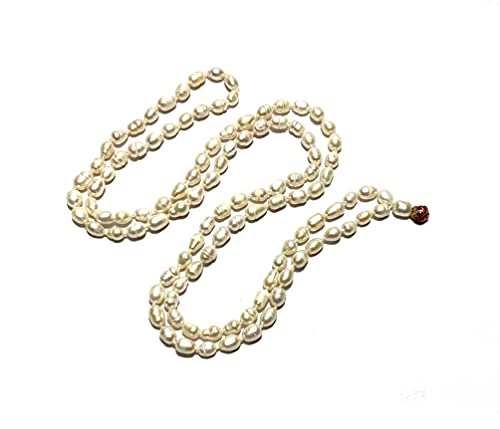
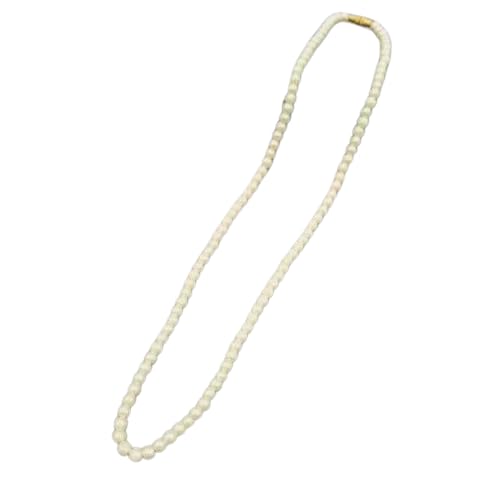
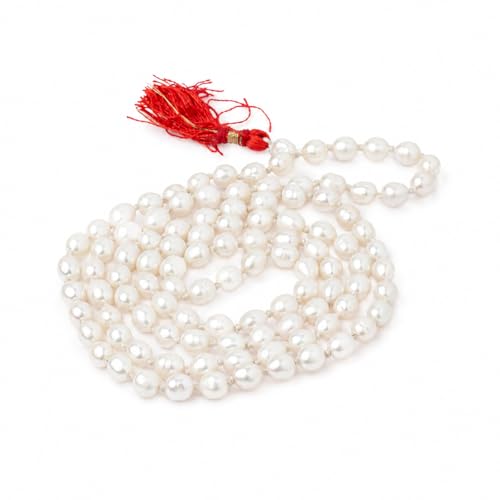
1. Pearl (Moti)
Primary traditional gemstone associated with the Moon
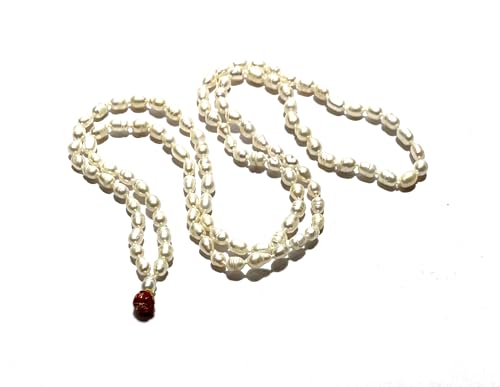
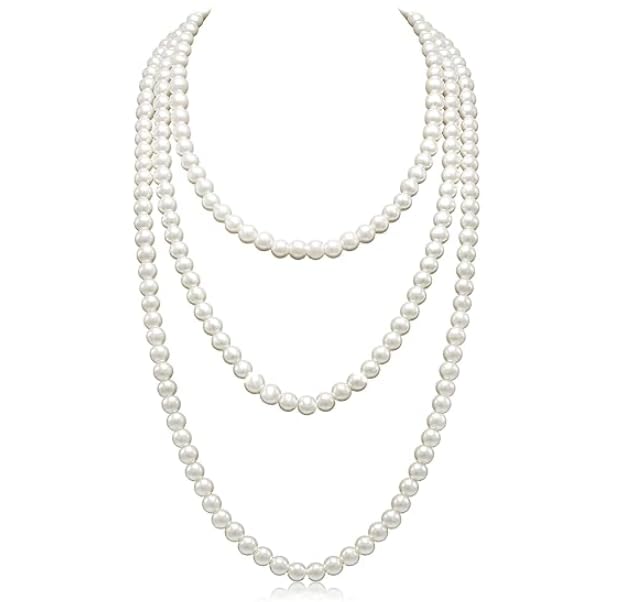
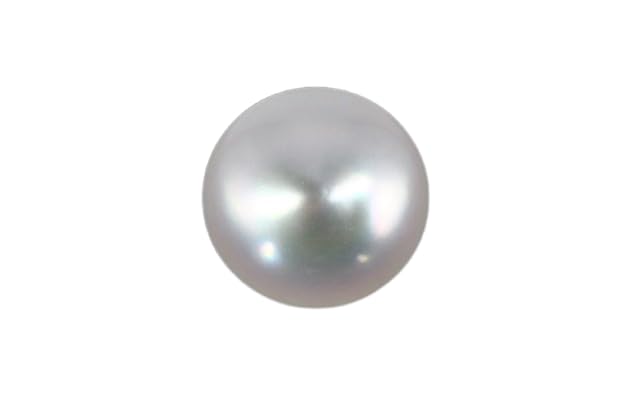
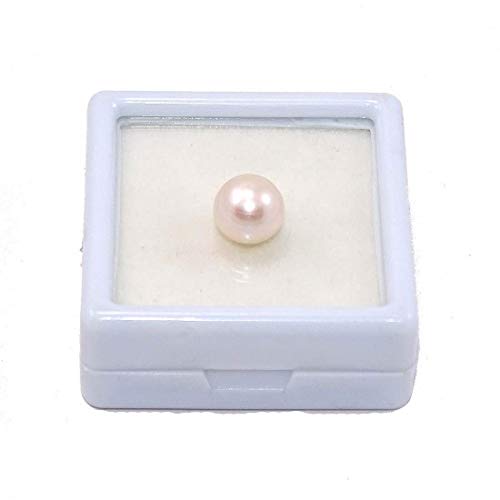
Pearl is the most widely recognised traditional planetary gemstone associated with Chandra. It is therefore the first gemstone many people encounter when researching Mulank 2.
Unlike most gemstones, pearls are organic gems formed inside certain molluscs. They are available in natural and cultured varieties.
Why is Pearl associated with Mulank 2?
In traditional astrological beliefs, Pearl is connected with the Moon’s symbolic qualities. It is commonly associated with:
- Calmness and emotional steadiness
- Nurturing and caring qualities
- Gentleness and sensitivity
- Peace and harmony
- Lunar symbolism and spiritual traditions
These are traditional beliefs, not guaranteed effects of wearing a pearl.
What should you look for when buying Pearl?
- Lustre: Look for a bright, attractive reflection rather than a dull surface.
- Surface quality: Check for visible pits, scratches and irregularities.
- Shape: Pearls can be round, oval, drop-shaped or baroque.
- Type: Ask whether the pearl is freshwater, saltwater, natural or cultured.
- Treatment: Check whether it has been dyed, coated or otherwise treated.
Cultured pearls are real pearls. Natural pearls are much rarer, and most pearls available in today’s jewellery market are cultured.
Best for: Readers interested in the traditional astrological association between Chandra and Pearl.
What we like:
- Strong traditional association with the Moon.
- Available in several colours and jewellery styles.
- Can be worn as a pendant, earrings or other jewellery.
What to keep in mind:
- Pearl is relatively soft and can scratch easily.
- Quality varies considerably between pearls.
- Natural pearls can be expensive.
- It requires more careful maintenance than many harder gemstones.
Our verdict: If you’re looking for the gemstone most directly associated with Mulank 2 in traditional planetary gemstone systems, Pearl is the natural starting point. However, don’t purchase an expensive Moti simply because your birth number is 2.







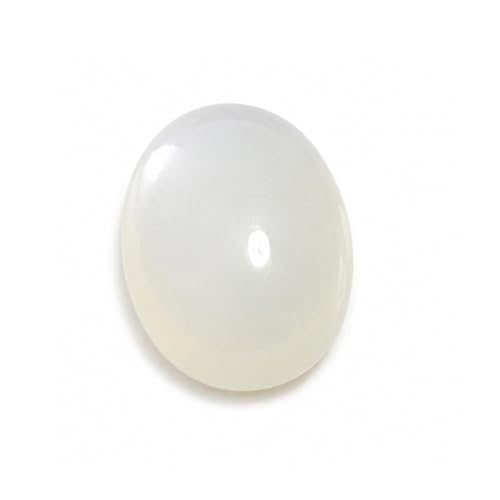
2. Moonstone
A popular lunar-inspired gemstone
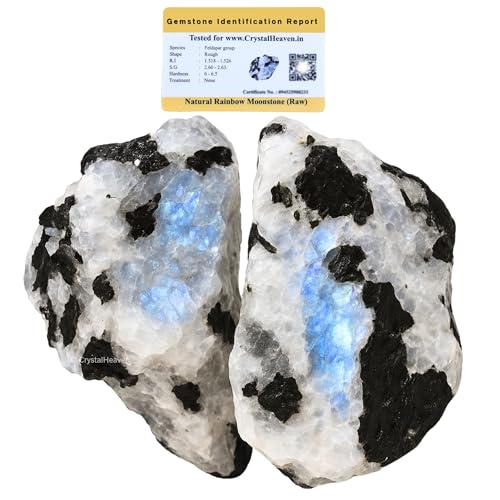
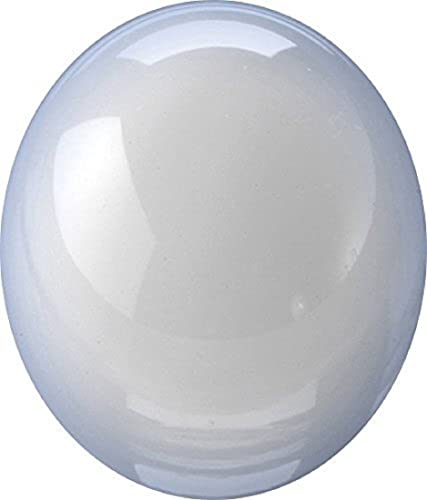
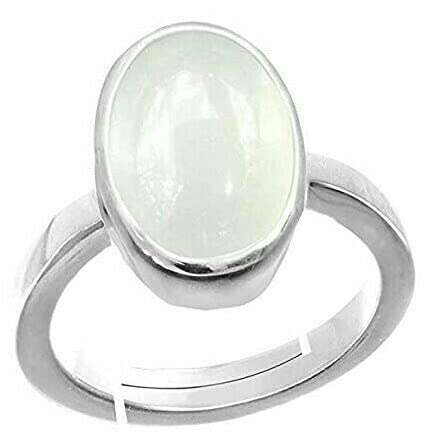
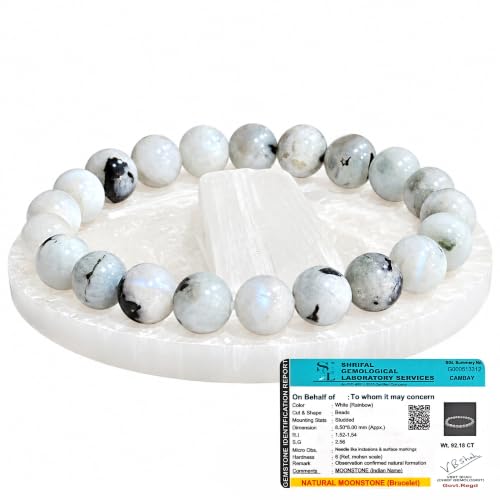
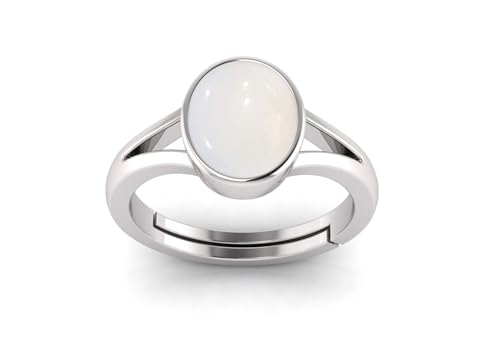
Moonstone is another gemstone frequently associated with Mulank 2. Its name and distinctive glow make it a natural choice for people interested in Moon-related symbolism.
Moonstone belongs to the feldspar mineral group. Its most recognisable feature is adularescence a soft, floating glow that seems to move beneath the surface of the stone.
It is available in several shades, including white, colourless, peach, grey and brown. Some stones display a beautiful blue sheen.
Why is Moonstone associated with Mulank 2?
Modern crystal practices commonly connect Moonstone with:
- Intuition
- Emotional awareness
- Feminine and lunar symbolism
- New beginnings
- Reflection and self-awareness
These associations come from spiritual and cultural beliefs rather than established scientific evidence.
What should you look for when buying Moonstone?
- Look for an attractive, visible sheen.
- Check the stone for cracks and chips.
- Examine the transparency and overall appearance.
- Ask whether the stone is natural or an imitation.
- Check the seller’s description of any treatments.
One interesting detail: Moonstone has a Mohs hardness of approximately 6–6.5, but it has relatively poor toughness and can chip or cleave after a hard impact.
Best for: People who like lunar symbolism and want a gemstone with a soft, distinctive appearance.
What we like:
- Attractive natural glow.
- Available in different colours and designs.
- Suitable for pendants and earrings.
What to keep in mind:
- Can be damaged by hard knocks.
- Requires careful cleaning.
- Some products marketed as rainbow moonstone are technically labradorite.
Our verdict: Moonstone is a lovely option if you prefer the visual appeal and symbolism of lunar-inspired crystals. It is not the same gemstone as Pearl, and the two should not be treated as interchangeable in every astrological system.




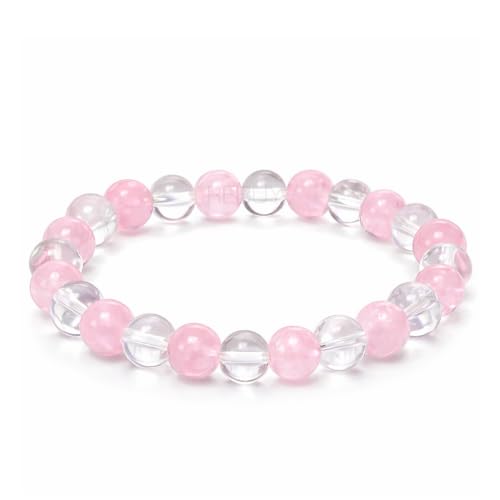
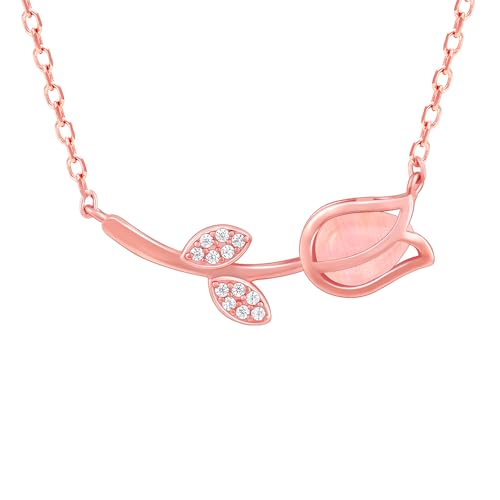
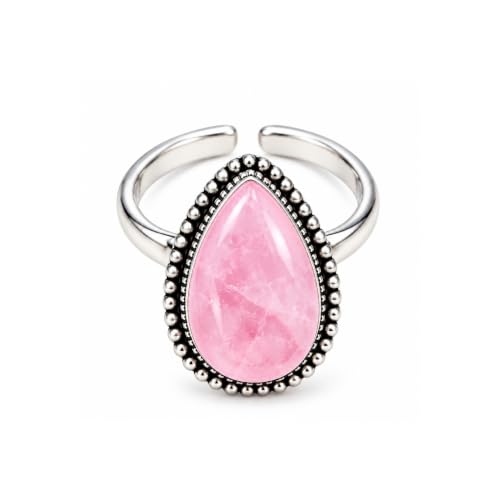
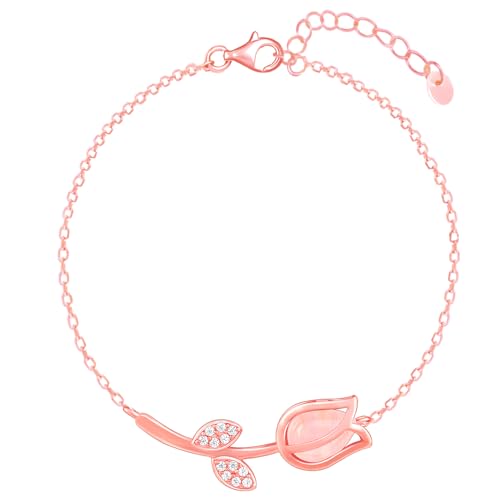
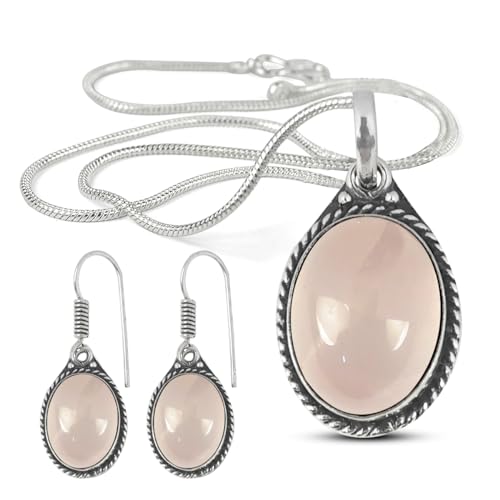
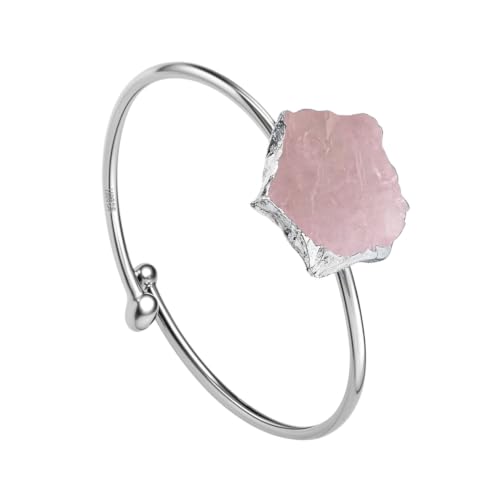
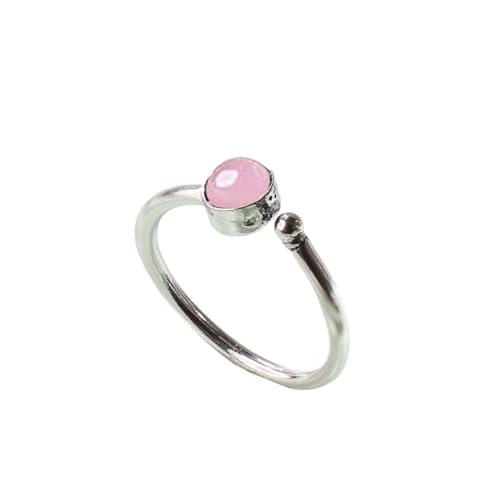
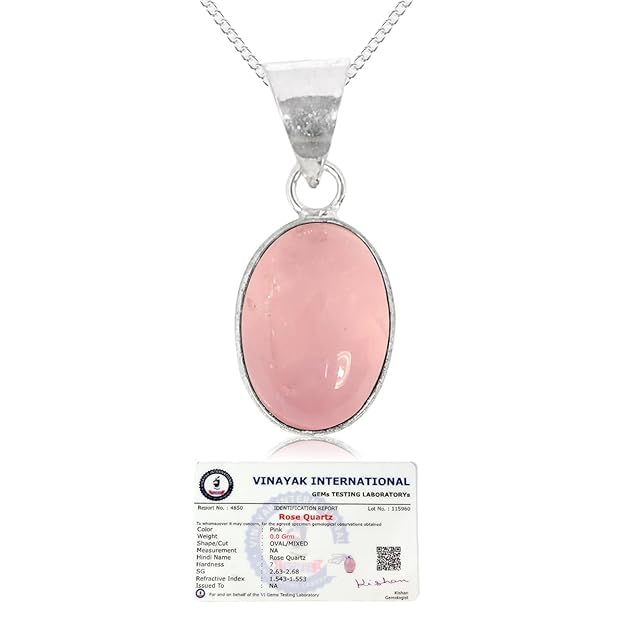
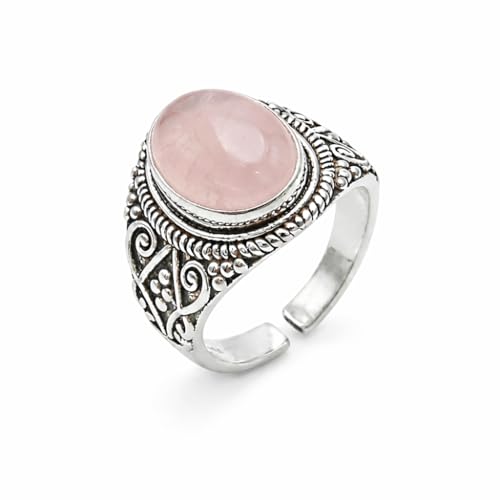
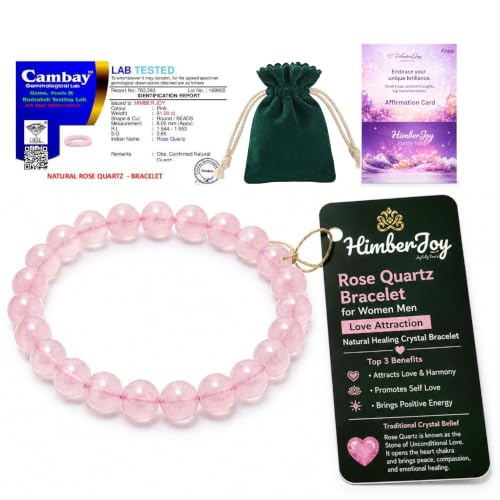
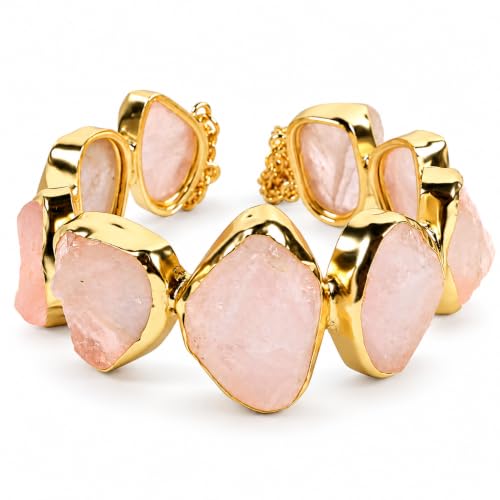
3. Rose Quartz
A contemporary crystal associated with love and warmth
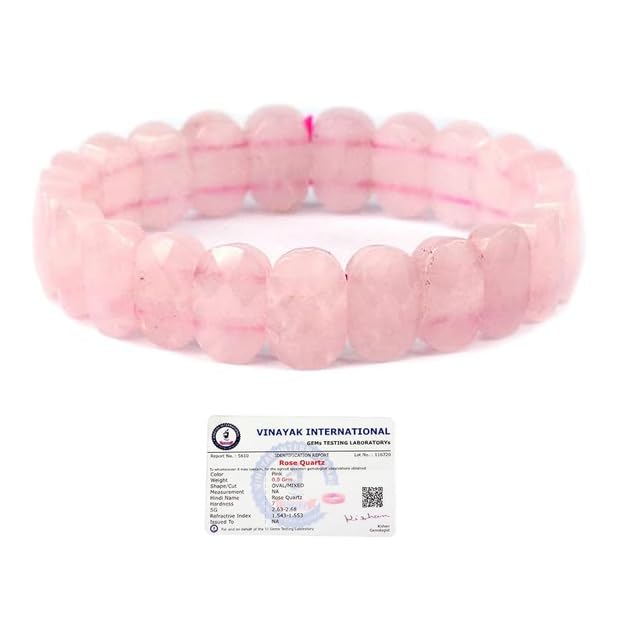
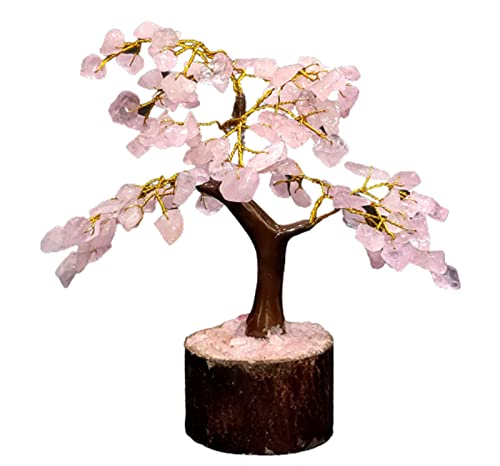
Rose Quartz is a pink variety of quartz that is popular in modern crystal practices.
Unlike Pearl, it is not the primary traditional planetary gemstone for the Moon. It is more commonly associated with love, compassion, kindness and emotional warmth.
People exploring crystals for Mulank 2 sometimes include Rose Quartz because of the gentle, nurturing qualities traditionally attributed to the number.
Why do people choose Rose Quartz?
Its common spiritual associations include:
- Love and affection
- Self-acceptance
- Compassion
- Positive relationships
- Emotional warmth
These are symbolic interpretations, not scientifically proven benefits.
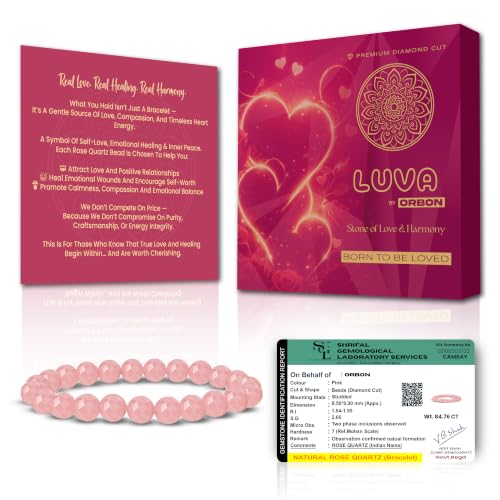
What should you look for when buying Rose Quartz?
- Look for a pleasing pink colour.
- Check for cracks and unwanted surface damage.
- Compare transparency and colour consistency.
- Ask whether the product is natural quartz or a glass imitation.
Best for: People who enjoy pink crystals and the symbolism of love and compassion.
What we like:
- Attractive soft pink appearance.
- Widely available in jewellery and decorative forms.
- Generally more accessible than many precious gemstones.
What to keep in mind:
- It is not the primary traditional gemstone for Chandra.
- Colour and clarity vary.
- Cheap crystal bracelets may contain imitation materials.
Our verdict: Rose Quartz can be a meaningful personal crystal if you enjoy its symbolism. Just don’t confuse a contemporary crystal recommendation with a traditional astrological prescription.

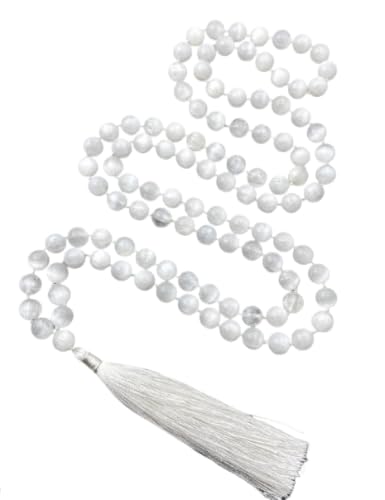
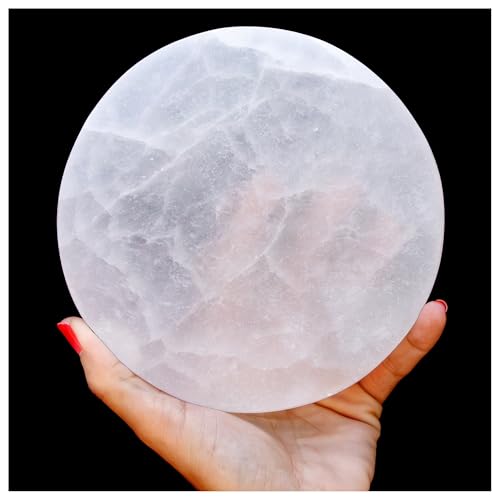
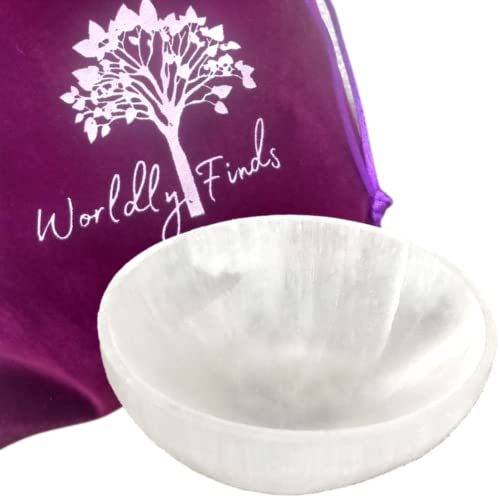
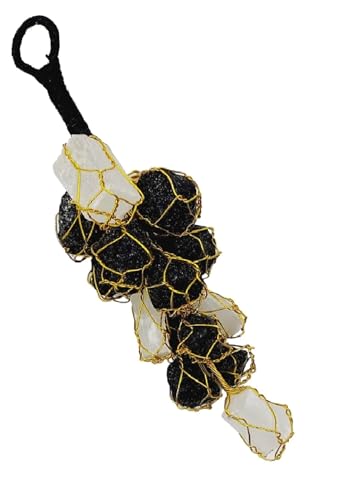
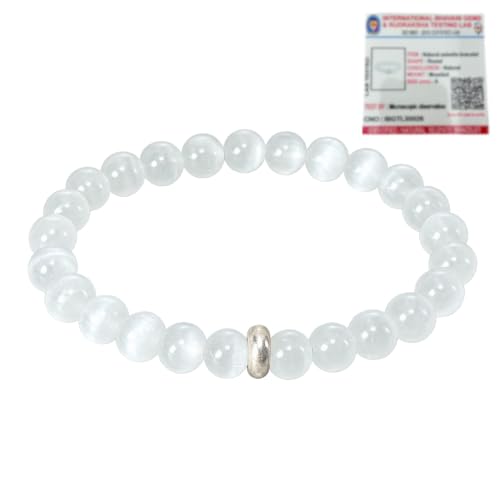
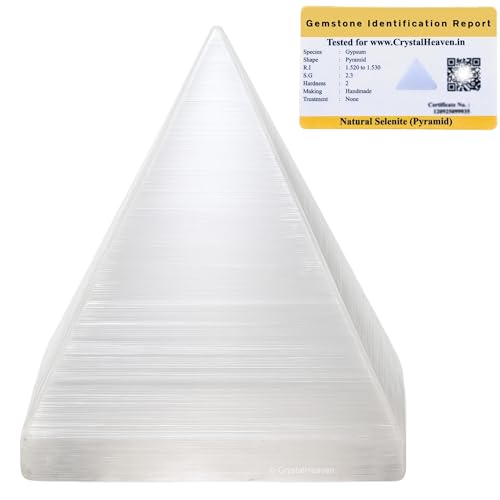
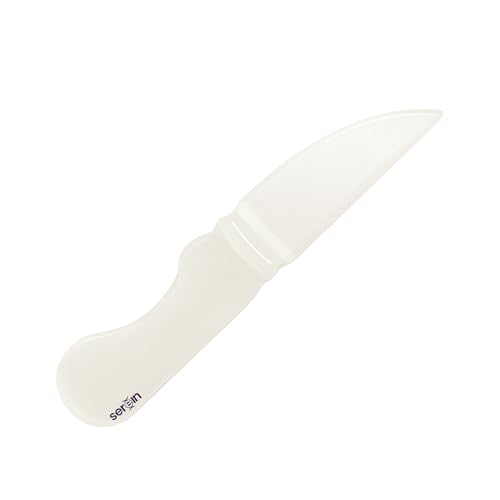
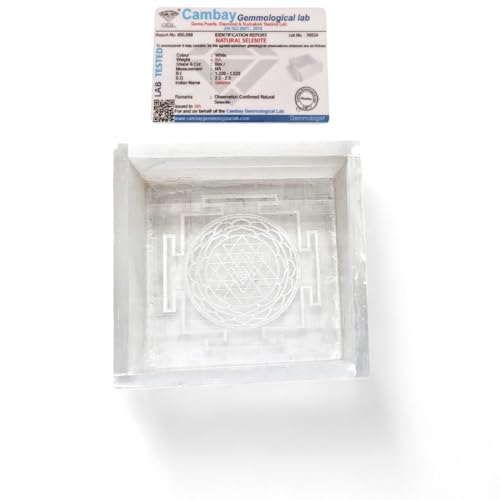
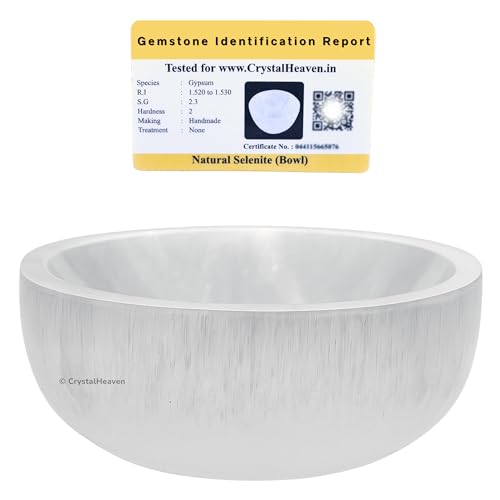
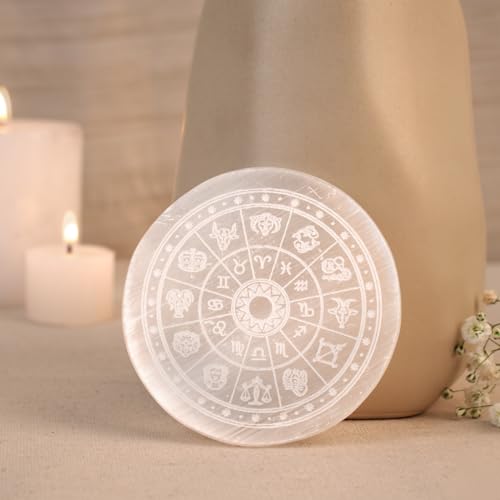
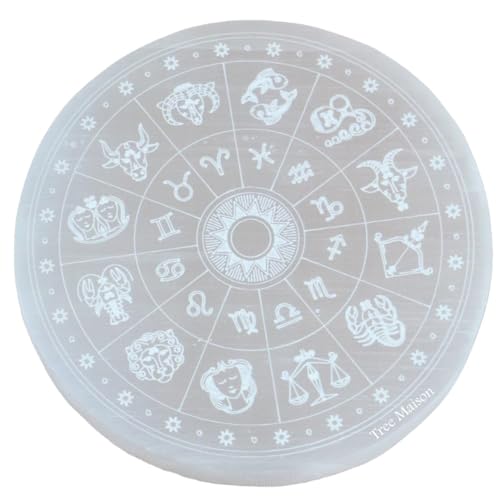
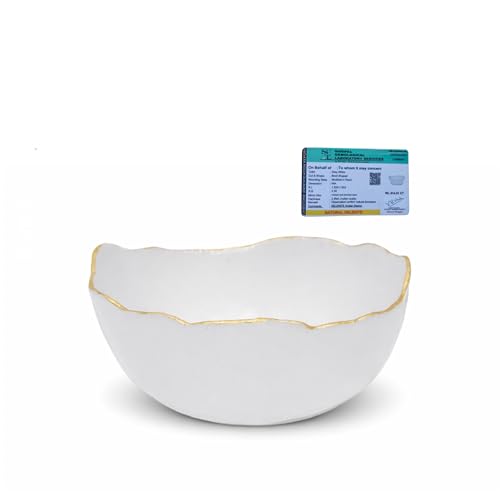
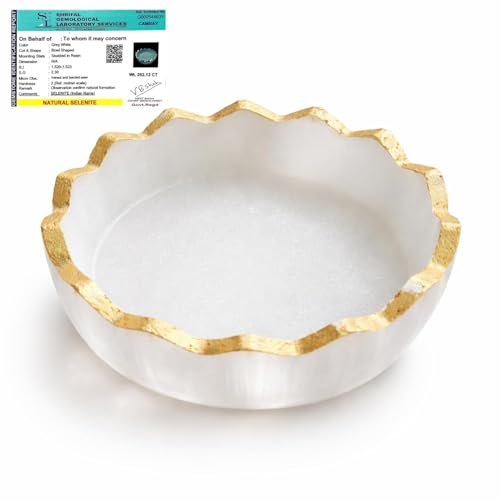
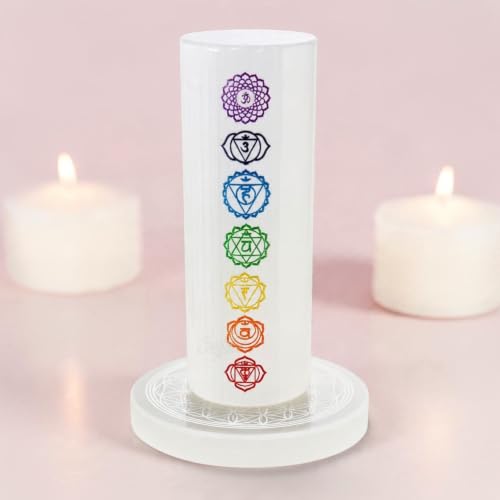
4. Selenite
A white crystal popular in meditation and spiritual spaces
Selenite is a variety of gypsum known for its soft, translucent appearance. Its white, moonlike look makes it popular in modern spiritual and decorative practices.
It is sometimes included in crystal recommendations for Moon-associated numbers, including Mulank 2.
Why is Selenite popular?
Contemporary crystal traditions commonly associate it with:
- Clarity
- Peaceful surroundings
- Meditation
- Reflection
- Spiritual awareness
Again, these are belief-based associations. There is no established scientific evidence that carrying Selenite produces these effects.
What should you look for when buying Selenite?
- Check that the surface is not badly chipped.
- Look for a clean, attractive translucent appearance.
- Ask whether it is natural gypsum.
- Choose a suitable form, such as a decorative tower, palm stone or display piece.
Best for: People who want a decorative crystal for a meditation corner or personal spiritual space.
What we like:
- Distinctive white, translucent appearance.
- Popular for decorative arrangements.
- Available in several shapes and sizes.
What to keep in mind:
- It is a very soft mineral.
- Water can damage its surface.
- It is unsuitable for rough everyday jewellery use.
Our verdict: Selenite is better considered a decorative or meditation crystal than a traditional planetary gemstone for Mulank 2.


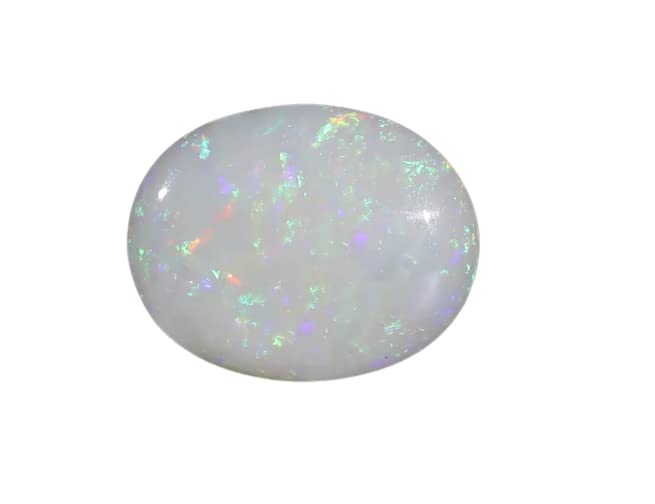
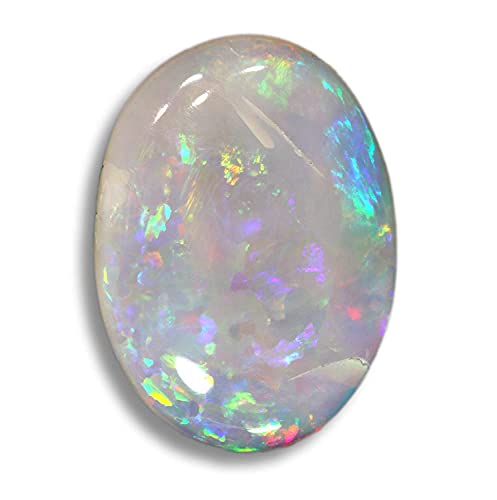
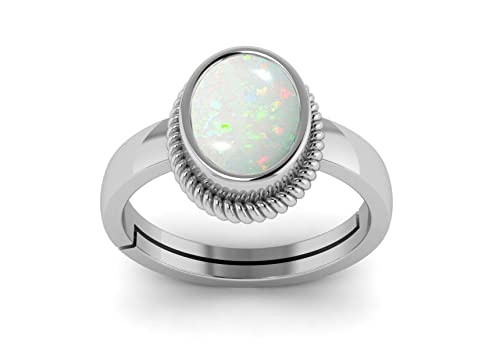
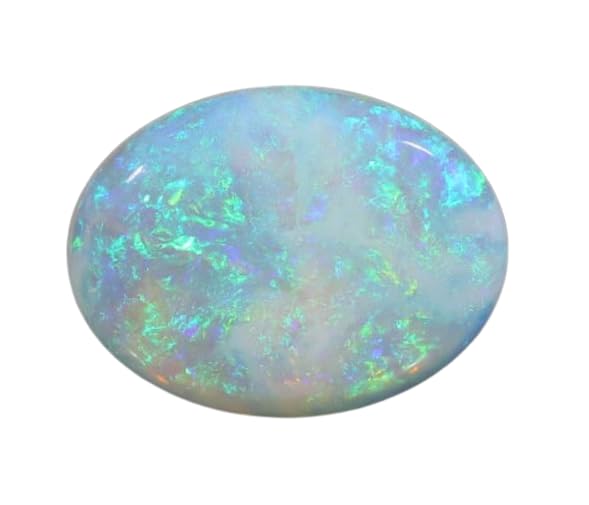
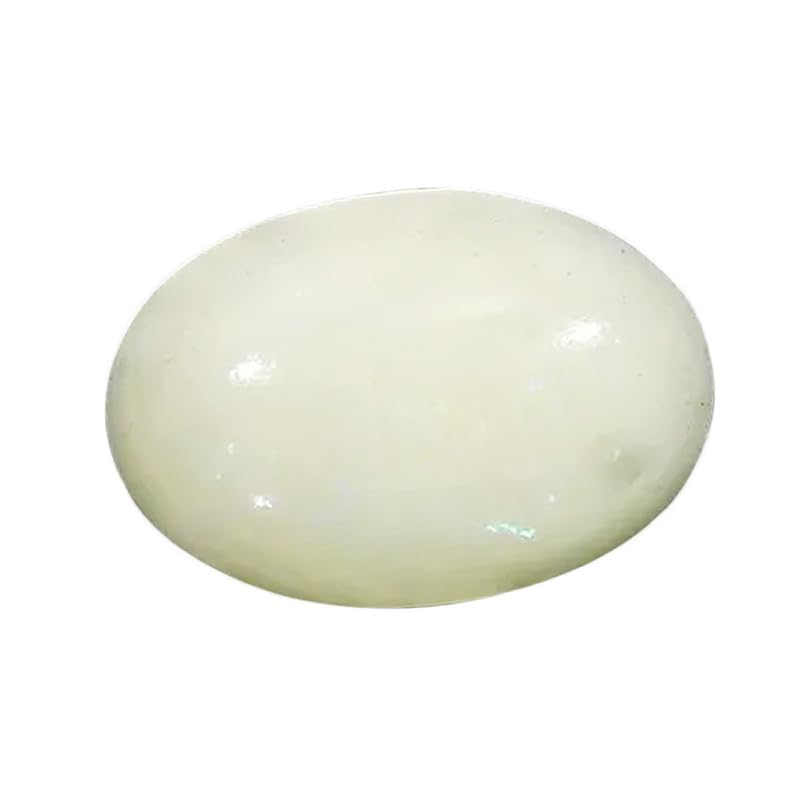
5. White Opal
An alternative gemstone found in some numerology recommendations
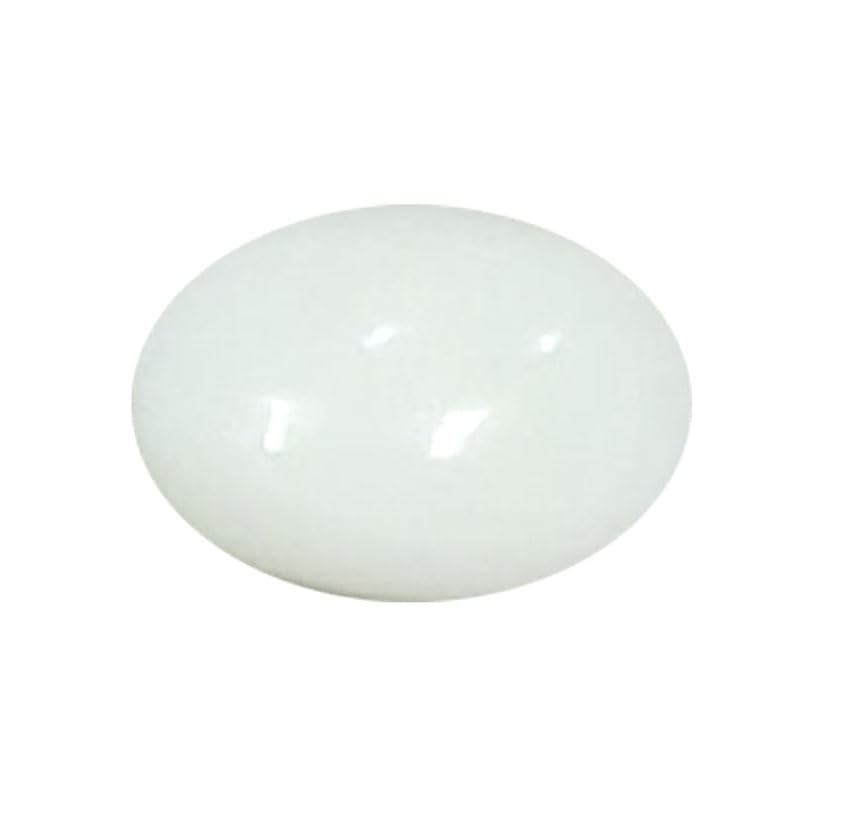
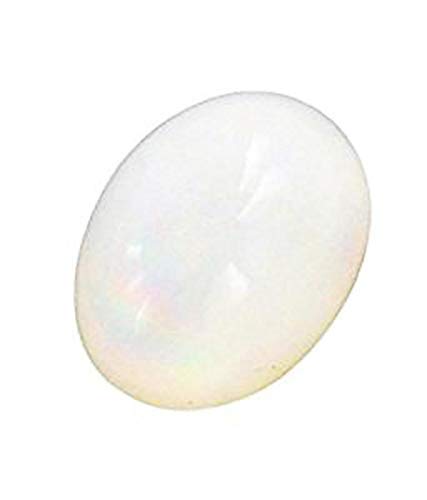
White Opal occasionally appears in alternative gemstone recommendations for Moon-associated numbers. However, its place in Mulank 2 recommendations is not as consistent as Pearl.
Opal is known for its beautiful play-of-colour in varieties that display flashes of different colours. Some white opals have a milky appearance, while others show colourful flashes.
Why do people consider White Opal?
In contemporary gemstone and spiritual traditions, Opal is sometimes associated with:
- Creativity
- Imagination
- Emotional expression
- Individuality
- Inspiration
These meanings vary across traditions and should not be treated as fixed astrological rules.
What should you look for when buying Opal?
- Check whether the stone is solid opal, a doublet or a triplet.
- Examine the play-of-colour, if present.
- Ask about treatments and stability.
- Check for cracks and crazing.
- Understand the care requirements before buying.
Best for: People who appreciate opal jewellery and want to explore alternative gemstone traditions.
What we like:
- Distinctive appearance.
- Available in different varieties.
- Can make attractive statement jewellery.
What to keep in mind:
- Not a universally accepted Mulank 2 gemstone.
- Some varieties need careful handling.
- Treatments and assembled stones should be disclosed by the seller.
Our verdict: White Opal is an optional alternative in some recommendations, not a substitute for Pearl in every traditional astrological system.





Pearl vs Moonstone: What’s the Difference?
This is one of the most common questions people have when researching Mulank 2 gemstones.
Both stones have lunar associations, but they are completely different materials.
| Feature | Pearl (Moti) | Moonstone |
|---|---|---|
| Material | Organic gem | Feldspar mineral |
| Traditional Moon association | Strong and well established in Jyotisha | More commonly symbolic and contemporary |
| Appearance | Lustrous, often round or irregular | Translucent or milky with a floating sheen |
| Mohs hardness | Approximately 2.5–4.5, depending on type | Approximately 6–6.5 |
| Durability | Easily scratched | Can chip or cleave |
| Common jewellery | Rings, pendants, necklaces, earrings | Pendants, earrings, rings |
| Care | Avoid chemicals, perfume and heat | Avoid hard impacts, steam and ultrasonic cleaning |
Which one should you choose?
If you’re following the traditional planetary gemstone association for Chandra, Pearl is the more established choice.
If you’re interested in lunar symbolism and prefer a gemstone with a glowing appearance, Moonstone may appeal to you.
Neither should be purchased with the expectation of guaranteed changes in luck, relationships or emotional well-being.
How to Choose a Gemstone for Mulank 2
Before choosing a gemstone, decide what you’re actually looking for. Are you interested in traditional astrology, crystal symbolism or simply attractive jewellery?
Here are a few things to consider.
A. Understand the tradition behind the recommendation
Not every gemstone recommendation comes from the same system.
Traditional Vedic gemstone associations, Indian numerology and contemporary crystal practices can overlap, but they are not identical.
Pearl has a recognised association with Chandra in traditional planetary gemstone systems. Moonstone and Rose Quartz are frequently discussed in contemporary crystal practices.
B. Decide your budget
You don’t need to purchase an expensive gemstone to participate in a spiritual or personal practice.
Pearl prices vary based on type, size, lustre, shape, surface quality and matching. Moonstone prices also vary depending on its clarity and sheen.
Set your budget before approaching a seller.
C. Check authenticity
A gemstone’s appearance alone cannot always establish whether it is natural, treated, cultured or imitation.
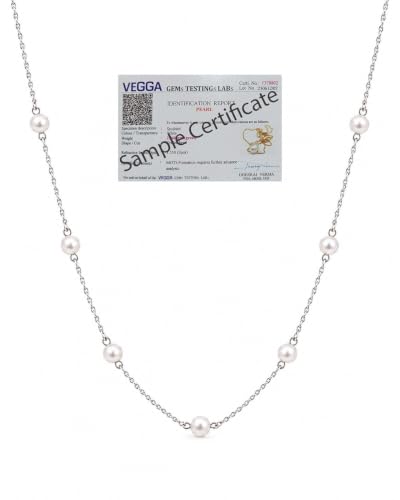
Ask the seller for clear product information and an appropriate gem identification report when the purchase justifies it.
D. Consider everyday wear
Think about your lifestyle before choosing a ring or bracelet.
Pearls are delicate and need protection from scratches, cosmetics and chemicals. Moonstone can chip if knocked against hard surfaces. Selenite is too soft for rough everyday use.
A pendant or pair of earrings may be more practical than a ring for delicate stones.
E. Don’t follow pressure-based sales advice
Be cautious if a seller insists that you must purchase a costly stone immediately or promises guaranteed results.
A responsible seller should explain the gemstone’s identity, treatments, quality and return policy without making frightening claims.
What to Check Before Buying a Mulank 2 Gemstone
Use this checklist before making a purchase:
| Buying factor | What to check |
|---|---|
| Gemstone identity | Is it Pearl, Moonstone, Rose Quartz or an imitation? |
| Natural or cultured | Especially important when buying Pearl |
| Treatments | Ask whether it is dyed, coated, filled or otherwise treated |
| Certification | Check whether a suitable independent gem identification report is available |
| Appearance | Examine colour, lustre, clarity and visible damage |
| Jewellery setting | Check metal, stone security and workmanship |
| Seller information | Look for a clear invoice, return policy and product description |
| Price | Compare similar stones rather than choosing only by the lowest price |
Why gemstone certification matters
A certificate or identification report can help establish what you are purchasing. It may describe the gemstone’s identity, whether it is natural or cultured, and any detectable treatments, depending on the laboratory and report type.
For pearls, the Gemological Institute of America (GIA) explains that its identification reports can distinguish natural and cultured pearls from imitation materials and document detectable treatments.
For a valuable purchase, consider an independent report from a recognised gemological laboratory rather than relying entirely on a seller’s verbal assurance.
Common Gemstone Buying Mistakes to Avoid
Buying a gemstone can be exciting, especially when you are exploring numerology for the first time. But don’t let attractive packaging or dramatic claims make the decision for you.
Here are some common mistakes worth avoiding.
1. Assuming every white stone is a Moon gemstone
Pearl, Moonstone, White Opal and Selenite may share a light appearance, but they are different materials with different traditional associations.
2. Treating every crystal recommendation as a Vedic astrological remedy
Rose Quartz and Selenite are popular in modern crystal practices. That does not make them equivalent to Pearl in traditional planetary gemstone systems.
3. Buying an expensive stone based only on your Mulank
Your root number is only one part of a numerological system. Traditional astrological gemstone recommendations may involve examining a complete birth chart.
4. Ignoring gemstone treatments
A stone may be dyed, coated or otherwise treated to improve its appearance. Always ask for disclosure.
5. Believing guaranteed-result claims
No gemstone has been scientifically established to guarantee wealth, marriage, career growth, emotional balance or protection from negative events.
6. Ignoring maintenance
Pearls can be scratched, Moonstone can chip and Selenite can be damaged by water. Choose a stone you can realistically care for.
Should You Wear a Gemstone Based Only on Mulank 2?
This depends on why you want to wear it.
If you simply enjoy the symbolism of Mulank 2 and want to wear a Pearl or Moonstone as jewellery, you can make that personal choice based on your taste, budget and comfort.
However, if you intend to wear a gemstone as an astrological remedy, it is worth consulting a qualified practitioner who can explain the reasoning behind the recommendation.
In traditional astrology, planetary gemstones are not always prescribed solely according to a birth number. The full birth chart may be considered.
Also, don’t treat a gemstone as a replacement for medical care, financial planning, relationship communication or professional advice.
A beautiful stone can be a meaningful personal reminder. It does not need to carry the responsibility of fixing your entire life!
Frequently Asked Questions About Mulank 2 Gemstones
1. Which is the luckiest gemstone for Mulank 2?
Pearl (Moti) is the primary traditional gemstone associated with Mulank 2 because the number is linked with the Moon (Chandra) in popular Indian numerology. Moonstone is another commonly suggested lunar-inspired option.
2. Can Mulank 2 people wear Moonstone?
Moonstone is commonly associated with lunar symbolism and is popular in modern crystal practices. People may choose it as jewellery or for personal spiritual reasons. However, it is not identical to Pearl in traditional Vedic gemstone systems.
3. Is Pearl better than Moonstone for Mulank 2?
If you’re following the traditional planetary gemstone association for Chandra, Pearl has the stronger and more established connection. Moonstone is a popular alternative in contemporary crystal recommendations. The choice depends on the tradition you’re following and your personal preference.
4. Can Mulank 2 people wear Rose Quartz?
Rose Quartz is popular in modern crystal practices and is commonly associated with love, compassion and emotional warmth. It is not the primary traditional planetary gemstone for Mulank 2.
5. Which colour gemstones are associated with Mulank 2?
White, cream and silvery shades are commonly associated with Moon symbolism in popular Indian numerology. Pearl and white or colourless Moonstone are therefore frequent recommendations.
6. Can someone born on the 29th wear Pearl?
A person born on the 29th has Mulank 2 because 2 + 9 = 11 and 1 + 1 = 2. Pearl is traditionally associated with this root number through its connection with Chandra. However, anyone considering Pearl as an astrological remedy may wish to have their full birth chart assessed first.
7. Is Moonstone the same as Pearl?
No. Pearl is an organic gem formed inside certain molluscs, whereas Moonstone is a mineral from the feldspar group. They have different compositions, physical properties, appearances and care requirements.
8. Do gemstones really change luck or personality?
There is no reliable scientific evidence that wearing a particular gemstone changes luck, personality, relationships or financial circumstances. Gemstone recommendations are rooted in cultural, astrological and spiritual beliefs. You can enjoy their symbolism without treating their claimed effects as guaranteed outcomes.
Final Thoughts: Which Gemstone Should Mulank 2 Choose?
Mulank 2 has a strong symbolic connection with the Moon, which explains why Pearl and Moonstone appear so frequently in gemstone recommendations.
Here’s a simple final roundup:
| If you’re looking for… | Consider |
|---|---|
| Traditional Chandra gemstone | Pearl (Moti) |
| Lunar-inspired jewellery | Moonstone |
| Love and compassion symbolism | Rose Quartz |
| Meditation and decorative crystal use | Selenite |
| An alternative gemstone recommendation | White Opal, depending on the tradition |
Our final recommendation: Start by understanding the difference between traditional astrological gemstones and modern crystal recommendations. Pearl is the clearest traditional choice associated with the Moon, while Moonstone is a popular option for people who enjoy lunar symbolism.
And remember: you don’t need the most expensive gemstone in the jewellery shop to connect with a tradition. Choose something authentic, affordable and meaningful to you.
Explore more numerology guides, traditional gemstone associations and lifestyle insights at BestBuy93.IN.