


There is something special about a freshly made aloo paratha: a golden-brown exterior, a soft potato filling, slightly crisp edges and that delicious aroma of ghee sizzling on a hot tawa. Whether you enjoy yours with homemade white butter, curd, pickle or a bowl of raita, getting the texture right starts with choosing the right cookware.
A good paratha tawa does more than provide a flat cooking surface. It needs to distribute heat properly, maintain a steady temperature and give you enough room to flip and rotate stuffed parathas without making a mess. The wrong tawa can leave you with burnt patches, undercooked dough or filling that remains cold in the centre.
But which type should you buy? Cast iron, traditional iron, hard-anodised aluminium or non-stick? Each has its own advantages, depending on your cooking style, preferred amount of oil and maintenance preferences.
In this guide, we explore the best paratha tawa options to consider in India in 2026, compare different materials, explain what to look for before buying and share practical tips for making crispy aloo parathas at home.
What Makes a Good Paratha Tawa?
A paratha tawa should heat evenly, retain enough heat for consistent browning and provide sufficient space for stuffed flatbreads.
Unlike a thin roti, an aloo paratha contains a filling that needs time to warm through. If the cooking surface gets excessively hot in one area, the outside can brown before the inside is properly cooked.
Here are the characteristics worth considering. Best Paratha Tawa
Even Heat Distribution
A good-quality tawa should distribute heat across its cooking surface rather than concentrating it in the centre. This helps the paratha develop an even golden-brown colour.
Heat Retention
Heat retention is particularly useful when preparing several parathas in succession. A tawa that loses temperature quickly may require frequent adjustments to the flame.
Cast iron generally retains heat well because of its mass, although it takes longer to heat up.
Suitable Diameter
A 25–28 cm tawa is a practical size for many household parathas. A larger surface can accommodate bigger stuffed parathas, but it should also match your burner size.
Comfortable Handling
The tawa should be manageable enough to lift, move and clean. Cast iron models can be considerably heavier than aluminium alternatives.
Suitable Surface
Some cooks prefer seasoned iron or cast iron, while others prefer coated surfaces for easier food release and cleaning.
Your choice should depend on how much maintenance you are comfortable with.
Best Paratha Tawas to Consider in India
The following shortlist covers different cookware materials and designs. These are options to compare rather than a claim that every model has been tested side by side. Best Paratha Tawa
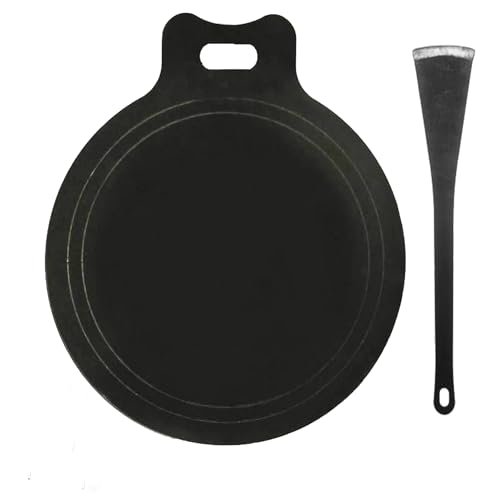
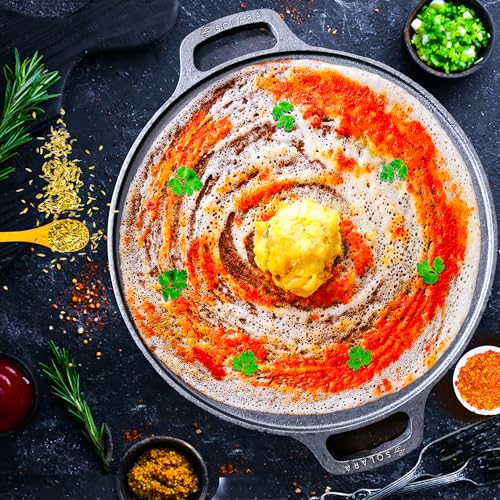
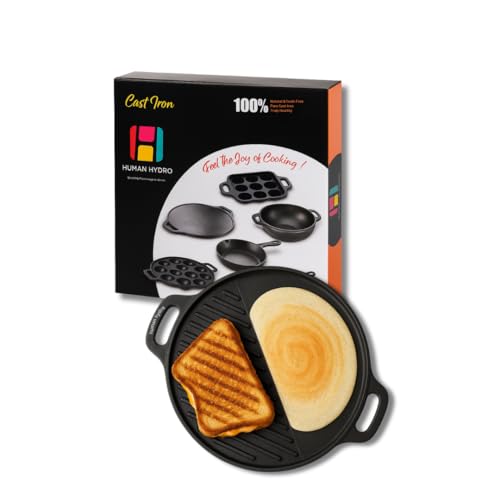
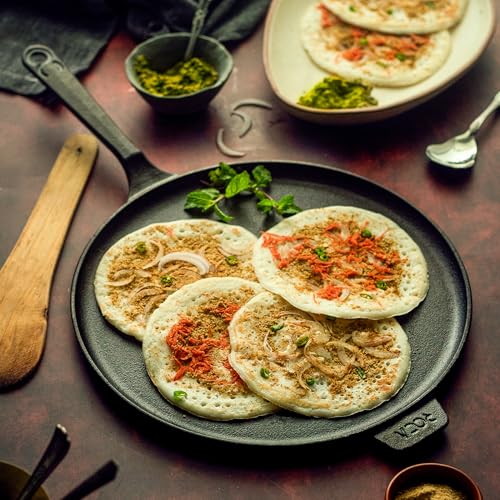
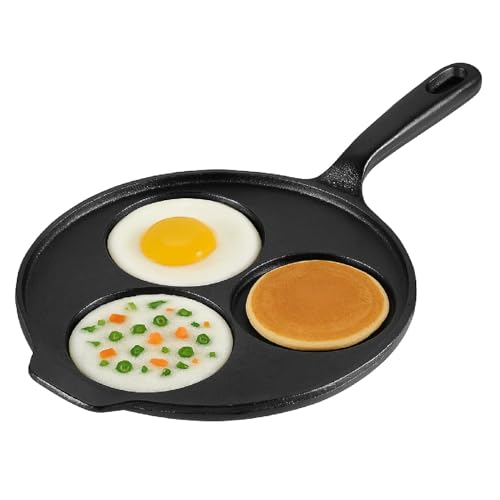
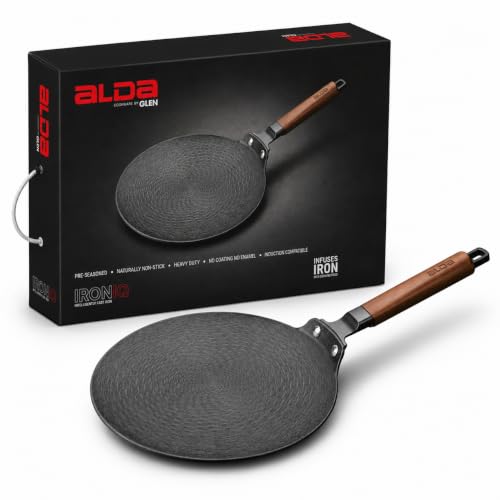
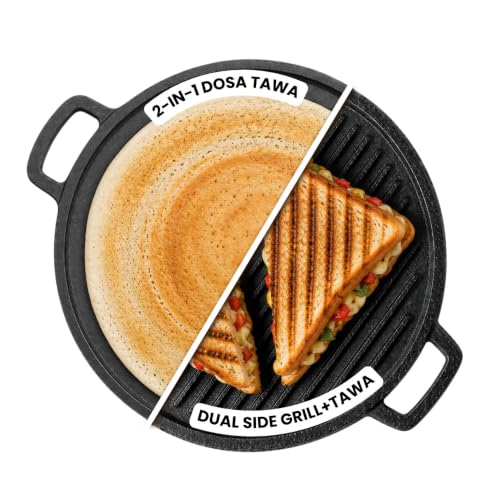
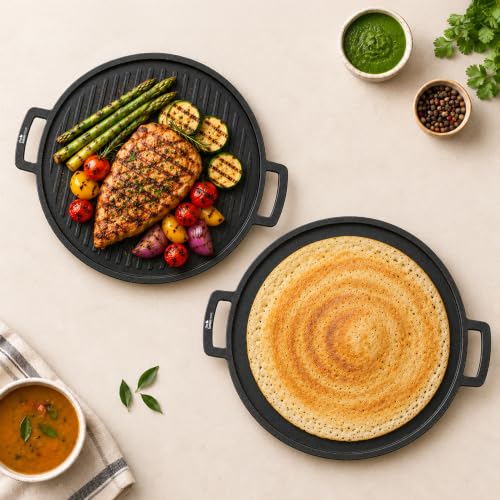
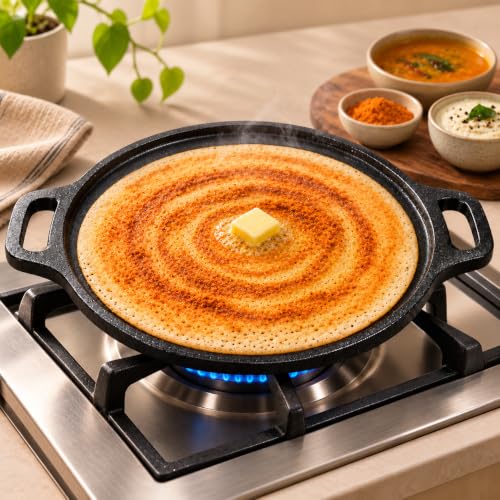
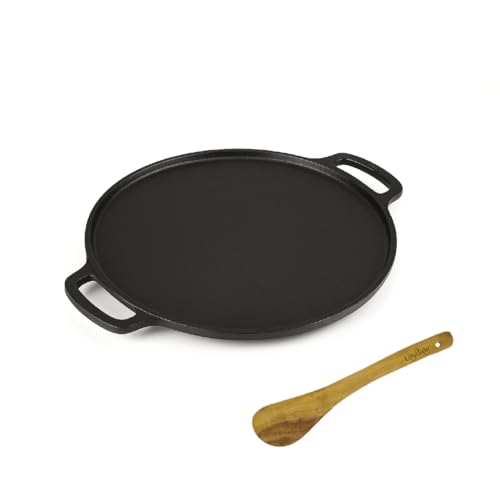
1. Pre-Seasoned Cast Iron Tawa
Best for: Traditional cooking and steady heat retention.
A pre-seasoned cast iron tawa is worth considering if you regularly prepare aloo parathas, paneer parathas, plain parathas and other Indian flatbreads.
Cast iron is known for its ability to retain heat once it becomes hot. This can help maintain a steady cooking temperature while preparing multiple parathas.
A pre-seasoned surface also provides a starting layer of protection and helps with food release. However, it still requires appropriate cleaning, drying and occasional oiling. Best Paratha Tawa
Reasons to buy:
- Strong heat retention.
- Suitable for regular paratha cooking.
- Can last for years with proper care.
- Compatible with induction when the model is made entirely from suitable magnetic cast iron.
What we like:
- Traditional cooking experience.
- Good for consistent browning once properly heated.
- No conventional non-stick coating to wear away.
What we don’t like:
- Heavy compared with aluminium tawas.
- Needs seasoning and careful drying.
- Takes longer to heat.




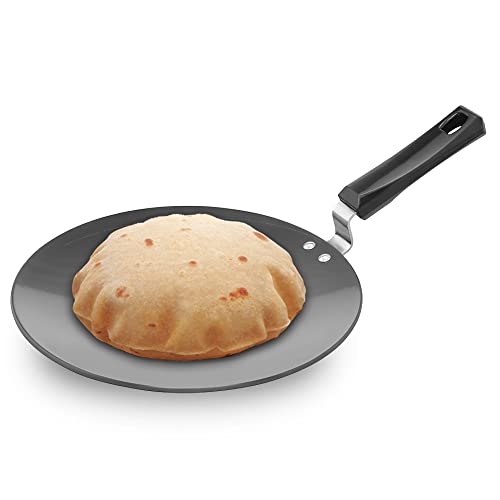
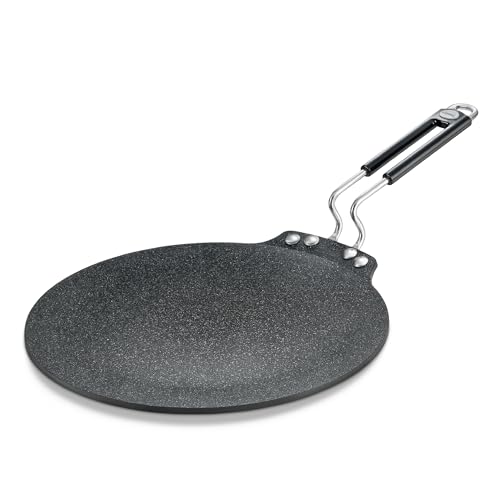
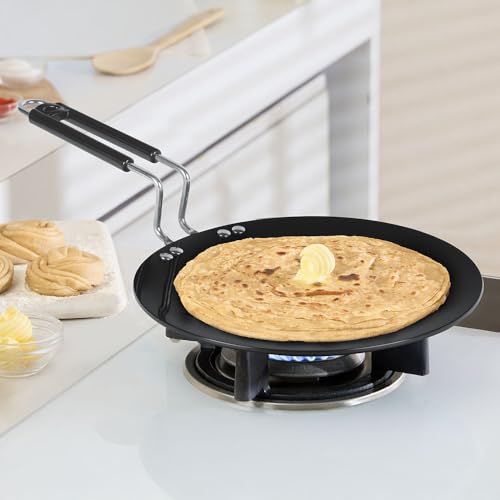
2. Hard-Anodised Paratha Tawa
Best for: Everyday cooking with easier handling.
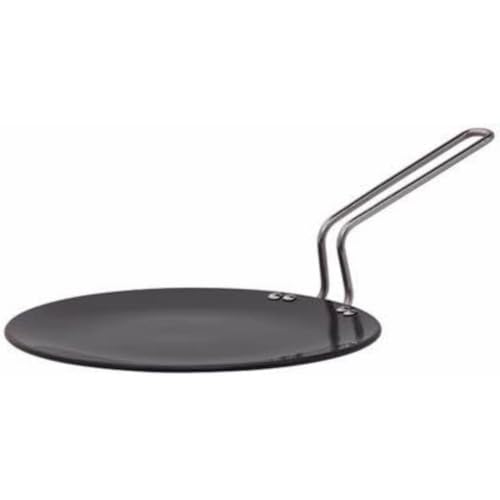
Hard-anodised aluminium tawas are popular among home cooks who want a relatively lightweight alternative to cast iron.
The hard-anodised surface is produced through an electrochemical treatment of aluminium. It is different from a conventional non-stick coating.
Depending on the design, a hard-anodised tawa can offer a durable cooking surface and convenient everyday handling.
Check whether the specific model is suitable for your cooktop. Aluminium cookware does not automatically work on induction; it needs an appropriate induction-compatible base. Best Paratha Tawa
Reasons to buy:
- Lighter than many cast iron models.
- Convenient for regular kitchen use.
- No cast iron seasoning routine.
- Available in different sizes and surface designs.
What we like:
- Practical for everyday parathas.
- Easier to lift and handle.
- A useful middle ground between traditional iron and coated cookware.
What we don’t like:
- Induction compatibility varies by model.
- Surface care depends on the manufacturer’s instructions.
- Not every hard-anodised tawa has a non-stick coating.





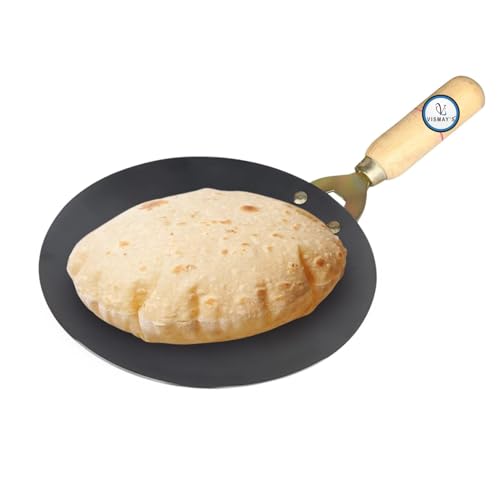
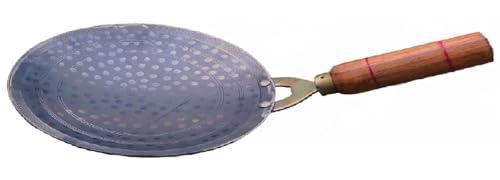
3. Traditional Iron Tawa
Best for: Buyers who prefer traditional Indian cookware.
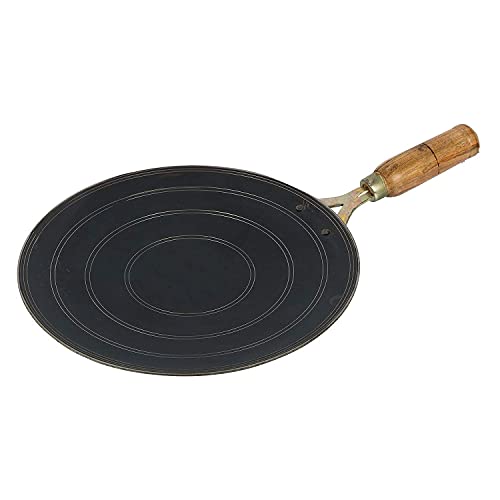
A traditional iron tawa is a familiar choice in many Indian kitchens. It can be suitable for making stuffed parathas, rotis and other flatbreads.
Iron cookware can develop a seasoned surface with regular cooking and appropriate maintenance. However, the thickness and construction matter.
A thin iron tawa may heat quickly but can be more prone to temperature fluctuations. A thicker model generally stores more heat, although it can take longer to warm up. Best Paratha Tawa
Reasons to buy:
- Traditional cooking surface.
- Durable when maintained properly.
- Can be seasoned.
- Often available at accessible price points.
What we like:
- Straightforward design.
- Suitable for several Indian flatbreads.
- No synthetic non-stick coating on an uncoated iron model.
What we don’t like:
- Can rust if stored wet.
- Requires oiling and drying.
- Quality varies with thickness and construction.






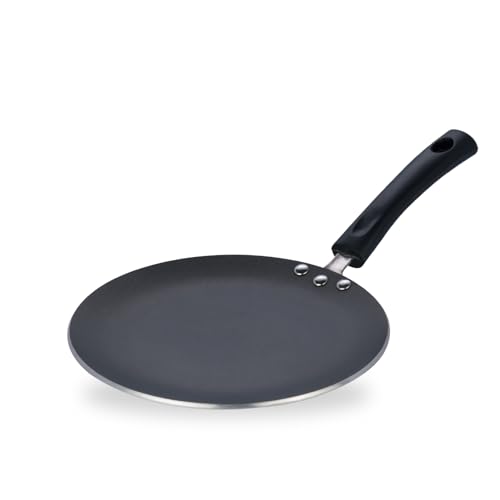
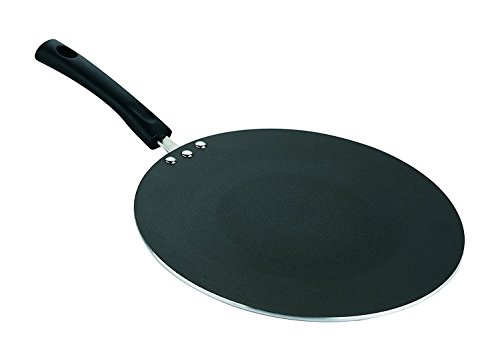
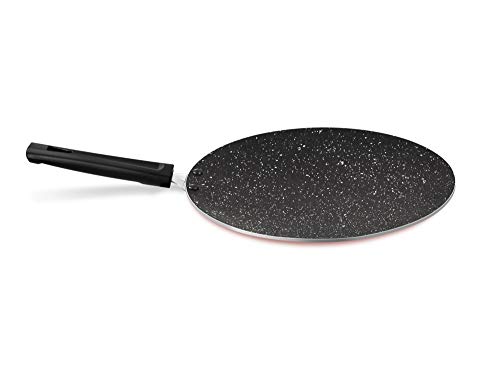
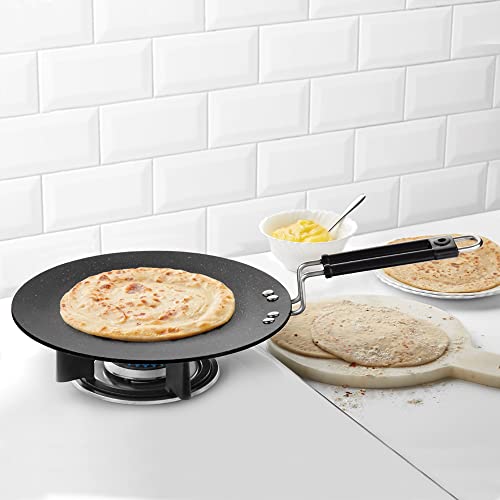
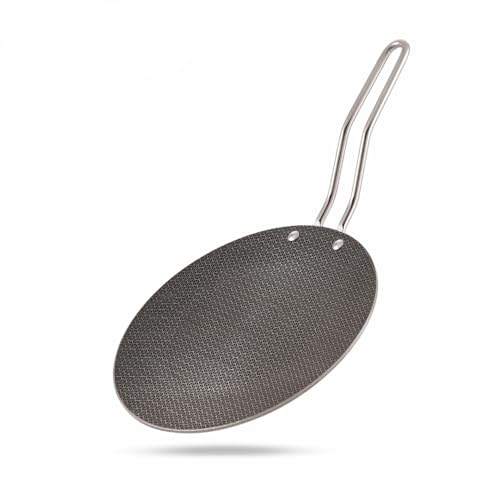
4. Concave Non-Stick Tawa
Best for: Beginners who prefer easy food release.
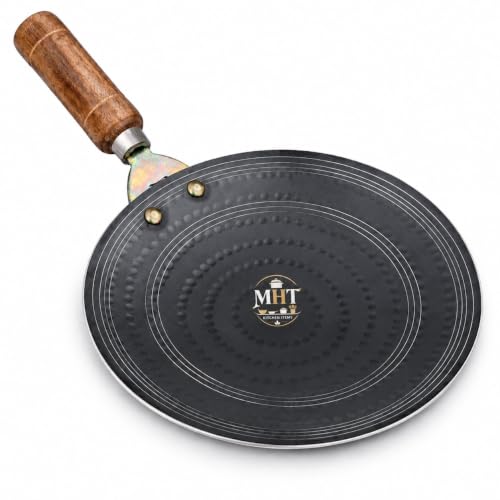
A concave non-stick tawa has a slightly curved cooking surface and a coated finish designed to reduce sticking.
This type of cookware can be convenient when preparing parathas with a relatively generous amount of stuffing. The curved surface can also help keep some oil or ghee towards the middle.
However, a concave tawa is not necessarily better than a flat one. If you prefer making large, evenly shaped parathas, check how much usable cooking space the design provides. Best Paratha Tawa
Reasons to buy:
- Convenient food release.
- Easier cleaning.
- Useful for cooks who prefer a coated surface.
- Requires less oil for cooking, depending on the recipe.
What we like:
- Beginner-friendly handling.
- Convenient for everyday cooking.
- Less sticking when the coating is in good condition.
What we don’t like:
- Coating needs careful handling.
- Metal utensils and abrasive scrubbers can damage many coated surfaces.
- Should not be overheated or left empty on high heat.






5. Concave Hard-Anodised Tawa
Best for: Buyers looking for a traditional shape with a treated aluminium surface.
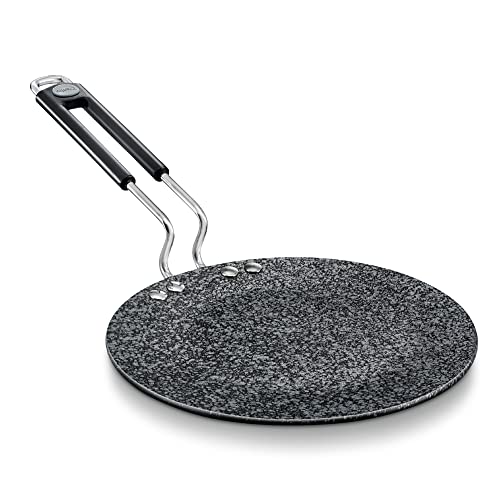
A concave hard-anodised tawa combines the curved shape of a traditional paratha pan with the properties of hard-anodised aluminium.
It can be a practical option if you prefer a slightly recessed cooking surface and want something easier to handle than heavy cast iron.
Remember that hard-anodised does not automatically mean non-stick. Check the exact surface finish and manufacturer’s cooking instructions before buying. Best Paratha Tawa
Reasons to buy:
- Practical for everyday flatbread cooking.
- Generally lighter than cast iron.
- Available in different diameters.
- Some models offer induction-compatible bases.
What we like:
- Useful alternative to traditional iron cookware.
- No cast iron seasoning routine.
- Comfortable for frequent kitchen use.
What we don’t like:
- Induction support depends on the base.
- Surface characteristics vary between products.
- Not all models are suitable for metal utensils.
Paratha Tawa Comparison Table
| Tawa type | Heat retention | Maintenance | Best suited for |
|---|---|---|---|
| Cast iron | High | Regular drying and seasoning | Traditional parathas |
| Traditional iron | Depends on thickness | Drying and oiling | Everyday flatbreads |
| Hard-anodised aluminium | Depends on construction | Generally easy | Daily cooking |
| Non-stick | Depends on base and design | Gentle cleaning | Easy-release cooking |
| Concave hard-anodised | Depends on construction | Manufacturer-specific care | Stuffed parathas |
Our takeaway: Cast iron is a strong option if heat retention is your priority. Hard-anodised aluminium is worth considering if you want easier handling, while non-stick cookware offers convenience when you prefer easy food release. Best Paratha Tawa
Cast Iron vs Iron vs Non-Stick: Which Is Better for Aloo Parathas?
This is one of the most important decisions when purchasing a paratha tawa.
Cast Iron
Cast iron is a good choice for cooks who value heat retention and traditional cookware. It takes time to heat, but once hot, it can maintain a relatively stable temperature.
It is particularly useful when you are cooking multiple stuffed parathas in succession.
The downside is weight and maintenance. You must dry it properly after washing and maintain its seasoning.
Traditional Iron
Traditional iron tawas are often thinner and lighter than cast iron alternatives, although construction varies.
They can heat up relatively quickly and are suitable for everyday cooking. However, thin versions may have less heat retention and can develop hot spots depending on the burner and thickness.
Non-Stick
Non-stick tawas are convenient when you want easier food release and simpler cleaning.
They can be useful for beginners and cooks who prefer using less oil. However, coated cookware needs appropriate heat management and utensils.
Avoid overheating an empty non-stick tawa, and follow the manufacturer’s care instructions.
Which one should you choose?
- Choose cast iron if heat retention and long-term traditional use matter most.
- Choose traditional iron if you prefer a simple, uncoated cooking surface.
- Choose hard-anodised aluminium if you want easier handling.
- Choose non-stick if convenience and easy food release are your priorities.
There is no single best material for every household.
What to Look for When Buying a Paratha Tawa
Before placing an order, check these important specifications.
A. Diameter
A tawa measuring around 25–28 cm is a useful starting point for most household parathas.
Consider a larger model if you regularly make oversized Punjabi-style parathas.
Also check the size of your burner. A very large tawa on a small burner may heat unevenly.
B. Thickness
Thickness affects how the tawa responds to heat.
A very thin tawa may heat quickly but can be more vulnerable to hot spots or warping. A thicker model can provide better thermal stability, although it may take longer to heat.
Look for the manufacturer’s stated thickness rather than relying on appearance alone.
C. Flat or Concave Surface
A flat tawa provides a broad surface for rolling and flipping parathas.
A slightly concave tawa may suit cooks who prefer a traditional paratha-style pan and want oil or ghee to collect towards the centre.
Consider your cooking technique before choosing the shape.
D. Induction Compatibility
If you use an induction cooktop, confirm compatibility in the product specifications.
Cast iron and suitable magnetic iron tawas generally work on induction. Aluminium and hard-anodised models need an induction-compatible base.
Do not assume that every product in the same brand range has identical compatibility.
E. Handle Design
A sturdy handle makes a difference when you are moving a hot tawa.
Look for:
- Secure handle attachment.
- Comfortable grip.
- Suitable heat resistance.
- Enough clearance from the cooking surface.
Follow the manufacturer’s instructions about handle heating and use of protective gloves.
F. Coating and Utensil Compatibility
If you are buying a coated tawa, check the manufacturer’s instructions for suitable utensils and cleaning methods.
Wooden and silicone utensils are commonly recommended for many coated surfaces.
Avoid abrasive scrubbing and overheating.
G. Warranty and Brand Support
Check the warranty period, service availability and return policy.
A tawa is a frequently used kitchen accessory, so a clear warranty and reliable seller support are useful considerations.
How to Make Crispy Aloo Parathas on a Tawa
Even the best tawa cannot compensate for poor cooking technique. A few small adjustments can make a noticeable difference.
Step 1: Prepare a Soft Dough
Use whole wheat flour, water, a little oil and salt. Knead until the dough is smooth and soft.
Cover and rest it for around 15–20 minutes.
Step 2: Prepare the Potato Filling
Boil potatoes until cooked but not excessively watery. Mash them thoroughly.
Add chopped coriander, green chillies, grated ginger, salt, cumin powder, coriander powder and a little garam masala.
Mix everything evenly. Avoid large potato lumps because they can tear the dough.
Step 3: Stuff the Paratha
Divide the dough into equal portions.
Roll one portion into a small disc, place the potato filling in the centre and bring the edges together.
Seal carefully and remove excess dough if necessary.
Step 4: Roll Gently
Dust with flour and roll gently into a round paratha.
Avoid applying too much pressure because the filling may escape.
Step 5: Preheat the Tawa
Heat the tawa over medium heat.
It should be hot enough to cook the dough properly but not so hot that the surface burns before the filling warms through.
Step 6: Cook Both Sides
Place the rolled paratha on the tawa.
When small bubbles appear and the surface begins to change colour, flip it.
Apply a little ghee or oil and cook the other side. Flip again and cook until golden-brown spots appear.
Step 7: Serve Hot
Remove the paratha when both sides are cooked and the filling is heated through.
Serve with curd, pickle, white butter or fresh coriander chutney.
Cooking tip: Medium heat and patience are your friends. Very high heat can burn the outside before the centre is properly cooked.
How to Clean and Maintain Your Paratha Tawa
Different materials require different care routines.
Cast Iron and Traditional Iron
- Allow the tawa to cool slightly before cleaning.
- Wash according to the manufacturer’s care instructions.
- Avoid leaving it submerged in water.
- Dry thoroughly after washing.
- Apply a very thin layer of cooking oil if recommended.
- Store in a dry place.
Some mild soap can be used on properly seasoned cast iron when needed. The important thing is to avoid prolonged soaking and dry the cookware thoroughly. Best Paratha Tawa
Hard-Anodised Tawa
- Follow the manufacturer’s cleaning instructions.
- Use a soft sponge or suitable cleaning cloth.
- Avoid harsh abrasive cleaners.
- Dry after washing.
- Check whether the model has a separate non-stick coating.
Non-Stick Tawa
- Allow it to cool before washing.
- Use a soft sponge and mild dishwashing liquid.
- Avoid steel wool and abrasive scrubbers.
- Use suitable utensils.
- Never leave the empty tawa heating unattended.
If the coating becomes damaged, starts peeling or shows significant wear, discontinue using the cookware and follow the manufacturer’s replacement guidance. Best Paratha Tawa
Common Buying Mistakes to Avoid
1. Choosing only by price: A very cheap tawa may have a thin base or unsuitable construction. Compare thickness, material and warranty.
2. Ignoring the burner size: A tawa larger than your cooking zone may not heat evenly.
3. Buying cast iron without considering weight: Cast iron is durable, but it may not be comfortable for everyone to handle.
4. Assuming every hard-anodised tawa is non-stick: These are different surface characteristics. Check the exact model.
5. Ignoring induction compatibility: Verify the product specifications rather than assuming all aluminium tawas work on induction.
6. Overheating non-stick cookware: Excessive heat can damage coatings. Follow the manufacturer’s temperature and use instructions.
7. Forgetting maintenance: Iron and cast iron cookware need proper drying to prevent rust.
In Case You Are Looking For –
- Best Chakla Belan Sets for Making Soft Rotis and Parathas
- Best Puri Presses for Making Perfectly Round Pooris
- Best Dosa Tawa for Making Crispy Restaurant-Style Dosas at Home
- Best Appam Pans for Making Soft-Centred, Crispy-Edged Appams
- Best Paniyaram Pans for Making Crispy South Indian Paniyarams
- Best Idli Moulds for Making Soft and Fluffy Idlis
Frequently Asked Questions
Which tawa is best for making crispy aloo parathas?
A good-quality cast iron or thick iron tawa is worth considering if you prioritise heat retention and browning. Hard-anodised and non-stick tawas are alternatives for easier handling and cleaning. Best Paratha Tawa
Is cast iron better than non-stick for parathas?
Cast iron offers strong heat retention and a traditional cooking surface, while non-stick offers easier food release and cleaning. The better choice depends on your cooking preferences and maintenance routine.
What size tawa is suitable for aloo parathas?
A diameter of around 25–28 cm is a practical choice for many household parathas. Choose a larger size if you regularly prepare bigger stuffed parathas and your burner can heat it evenly. Best Paratha Tawa
Can I use a paratha tawa on an induction cooktop?
Yes, provided the specific tawa is induction-compatible. Cast iron and suitable iron models generally work on induction, while aluminium models require an appropriate magnetic base. Best Paratha Tawa
Is a concave tawa good for stuffed parathas?
A slightly concave design can suit traditional paratha cooking, but it is not essential. A flat tawa can also cook stuffed parathas very well. Best Paratha Tawa
Why do my aloo parathas burn on the outside but remain raw inside?
The tawa may be too hot, or the paratha may be too thick. Use medium heat, roll the dough evenly and allow sufficient cooking time on both sides. Best Paratha Tawa
Do I need to season a new cast iron tawa?
Many cast iron tawas arrive pre-seasoned, but additional seasoning may improve the surface. Follow the manufacturer’s instructions and keep the tawa dry after washing. Best Paratha Tawa
Can I cook parathas without ghee?
Yes. You can cook parathas with oil or a smaller quantity of fat. The texture and flavour will differ depending on the fat used. Best Paratha Tawa
Final Verdict: Which Paratha Tawa Should You Buy?
The best paratha tawa is the one that suits your cooking habits, preferred material and kitchen setup.
If you enjoy traditional cooking and want strong heat retention, a cast iron tawa is an excellent option to investigate. If you want something easier to lift and maintain, hard-anodised aluminium may be more practical.
A non-stick tawa is worth considering if you prefer convenient food release and easy cleaning, while a traditional iron tawa remains a familiar option for everyday Indian flatbreads.
Before purchasing, compare diameter, thickness, handle design, surface finish and induction compatibility.
And remember: crispy aloo parathas are not just about the tawa. Properly prepared filling, evenly rolled dough, medium heat and a little patience make all the difference.