

Diwali decoration is incomplete without beautiful lighting. Whether it’s a balcony covered in golden fairy lights, a colourful rangoli surrounded by glowing earthen lamps, or a beautifully decorated entrance, lighting is what brings the festive atmosphere to life. 🪔
But when it comes to decorating your home, which option should you actually choose: modern LED lights or traditional diyas?
Both have their own appeal. LED lights make decorating easier, offer multiple styles, and can be reused for several festive seasons. Traditional diyas bring warmth, cultural significance, and the timeless charm of an actual flame.
However, the decision isn’t just about appearance. You also need to consider electricity consumption, purchase costs, maintenance, fire safety, durability, and the kind of decoration you want to create.
In this guide, we’ll compare LED lights vs diyas for Diwali decoration, explore their advantages and disadvantages, discuss which option is more suitable for apartments, and share practical decorating ideas to help you create a beautiful festive setup without overspending.
Let’s find out whether modern LED lighting deserves the spotlight or traditional diyas still win the Diwali decoration game!
LED Lights vs Diyas: Quick Comparison
Before exploring individual options, here’s a quick comparison of the two most popular Diwali lighting choices.
| Comparison Factor | LED Lights | Traditional Diyas |
|---|---|---|
| Appearance | Modern and decorative | Traditional and elegant |
| Initial investment | Varies by design and quality | Usually inexpensive individually |
| Electricity consumption | Low for efficient LED products | No electricity required |
| Running expenses | Electricity or battery replacement | Oil/ghee and cotton wicks |
| Reusability | Generally reusable | Reusable if the lamp remains intact |
| Maintenance | Relatively low | Requires cleaning and refilling |
| Fire safety | No open flame, but electrical risks remain | Requires open-flame precautions |
| Decoration options | Fairy, curtain, strip and rope lights | Clay, brass and decorative lamps |
| Best location | Balconies, windows, walls and ceilings | Puja spaces and supervised decorative areas |
| Weather suitability | Depends on outdoor rating | Wind and rain can affect the flame |
| Environmental considerations | Electricity use and electronic waste | Fuel emissions and material sourcing |
Quick verdict: LED lights are more practical for decorating larger spaces, while traditional diyas are ideal for creating an authentic festive atmosphere. If you want the best of both worlds, combining them is an excellent option.
What Makes LED Lights So Popular for Diwali?
LED lights have become a favourite for modern Diwali decorations, particularly in apartments where people want attractive lighting without spending hours arranging individual lamps.
From simple warm-white fairy lights to elaborate curtain lighting, there are plenty of options for decorating different areas of your home.
Popular LED Lighting Options for Diwali
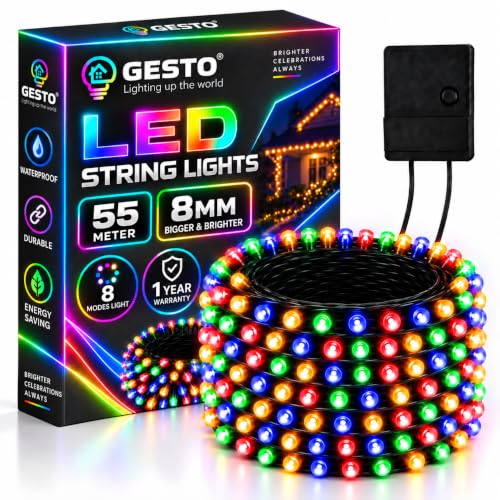
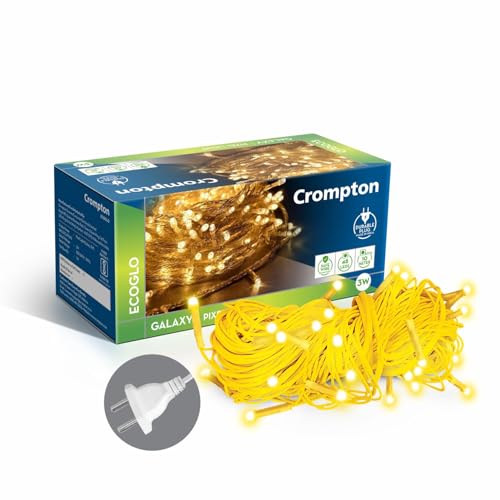
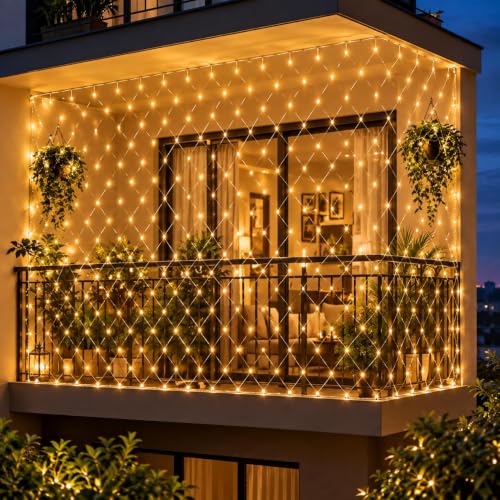
LED Fairy Lights: These are perfect for balcony railings, windows, indoor plants, shelves, and decorative corners. Warm-white fairy lights are particularly suitable for creating a cosy festive atmosphere.
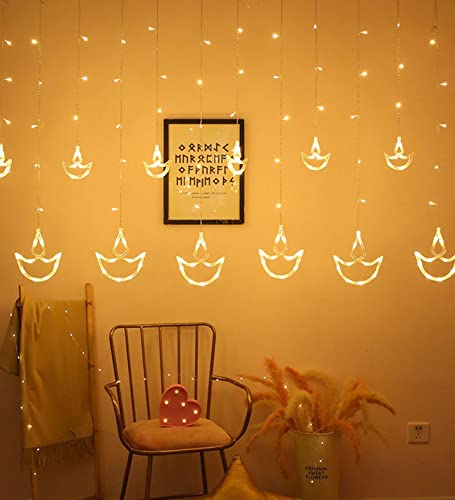
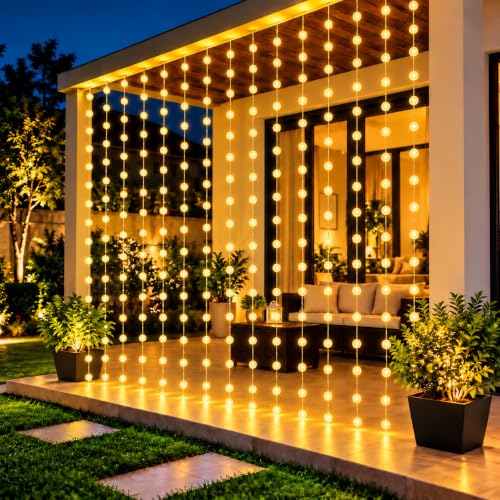
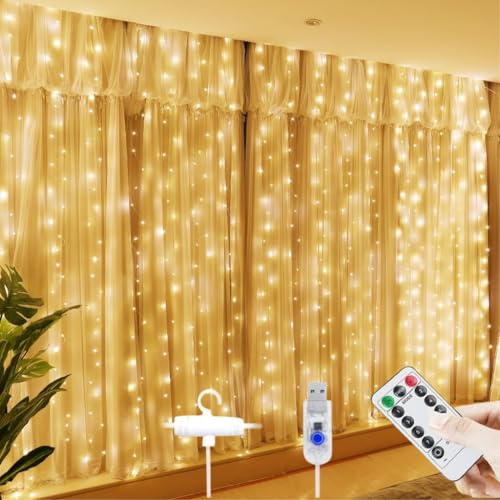
LED Curtain Lights: If you want to decorate a large window or an empty wall, curtain lights create an attractive backdrop without requiring multiple separate decorative pieces.
LED Strip Lights: These can be installed along shelves, false ceilings, TV units, and selected architectural edges to add subtle accent lighting.
LED Rope Lights: Flexible rope lights are useful for outlining balcony railings, door frames, and other decorative areas.
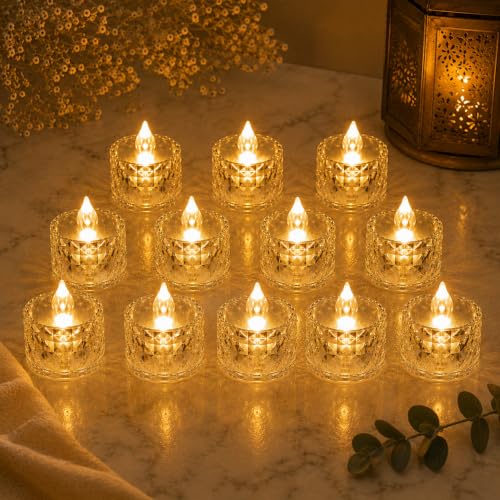
LED Lanterns: Decorative LED lanterns offer a traditional-inspired appearance without an exposed flame.
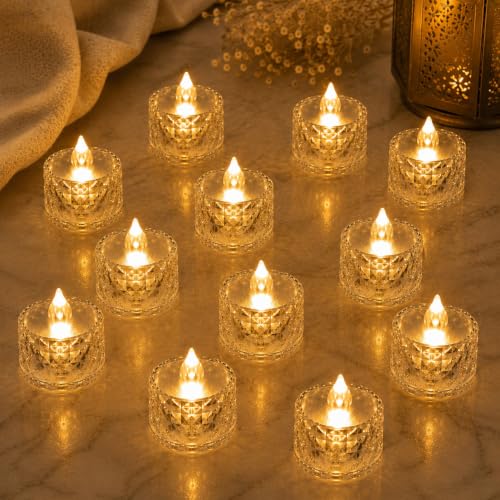
LED Diyas: Battery-operated LED diyas are a practical alternative when you want the appearance of traditional lamps without the need for oil or a burning wick.
Pros and Cons of LED Lights
| Reasons to Buy | Things We Don’t Like |
|---|---|
| Energy-efficient lighting technology | Cheap products may have poor build quality |
| Multiple decorative designs | Wires can become tangled |
| Reusable across festive seasons | Battery-operated versions need replacements |
| Convenient for larger spaces | Requires electricity or batteries |
| No exposed decorative flame | Electrical connections still need care |
| Available in different colours | Poor-quality products may fail early |
Best for: Apartment balconies, windows, living rooms, decorative walls, and households looking for convenient festive lighting.
Also Read | Best Festive Food Platter Ideas for Guests






Why Traditional Diyas Are Still Special
Let’s be honest: there’s something beautiful about traditional diyas that modern decorative lights cannot completely recreate.
The gentle flicker of an earthen lamp, the warmth of its flame, and the familiar sight of diyas arranged around a rangoli make Diwali feel like Diwali.
Traditional clay lamps are also closely associated with Indian festive customs and religious practices. Many families light them during Lakshmi Puja and place them around their entrances, courtyards, and prayer spaces.
Popular Types of Traditional Diyas
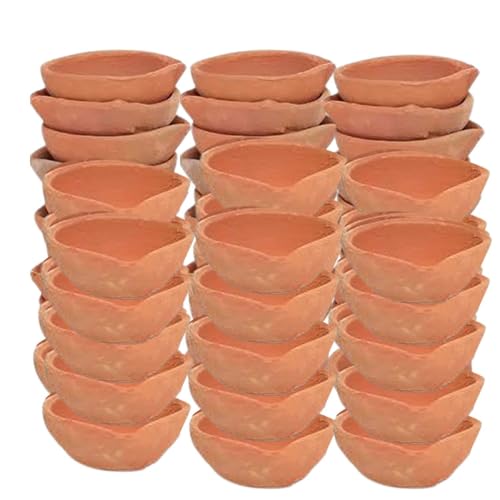
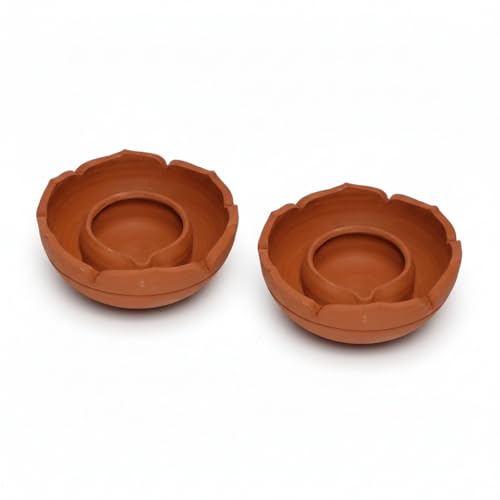
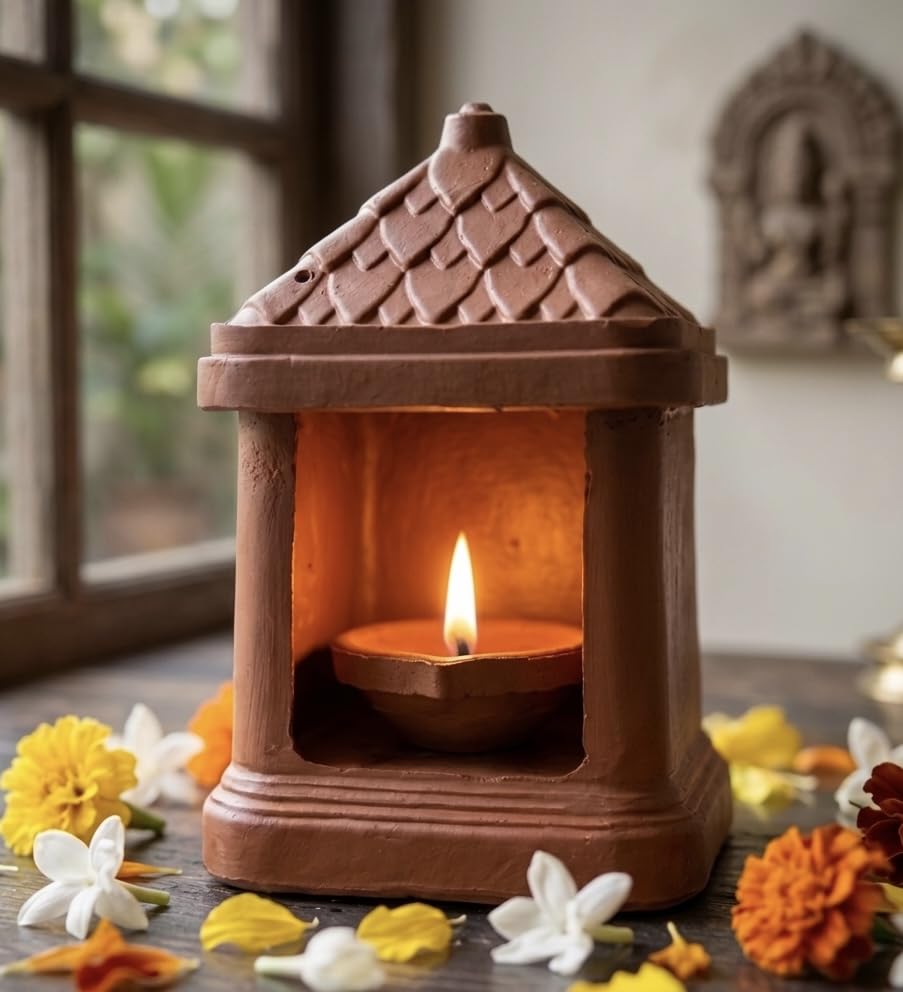
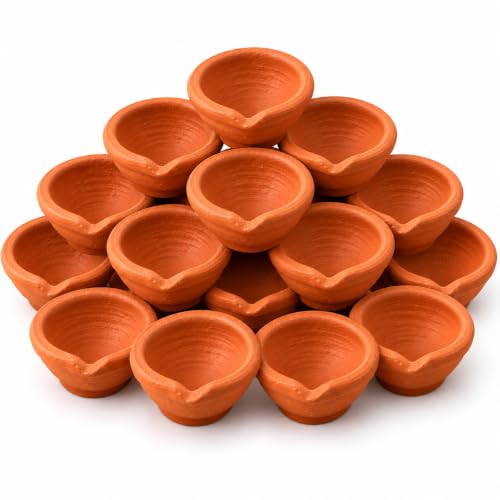
Terracotta Clay Diyas: These are the classic earthen lamps commonly used during Diwali. They are available in simple and decorative designs.
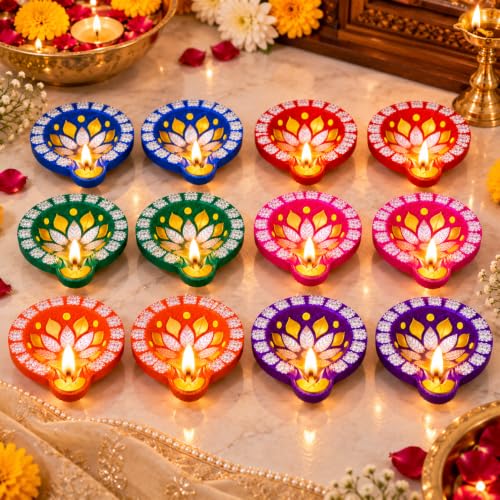
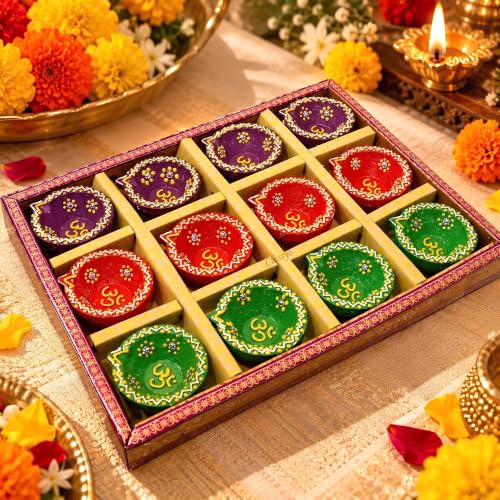
Decorative Painted Diyas: Painted clay lamps add colour to festive arrangements and can complement your rangoli.
Brass Diyas: Brass lamps offer a traditional appearance and can be reused for years with appropriate cleaning and maintenance.
Urli-Style Floating Diyas: Decorative floating arrangements can look beautiful, but they should be placed securely and used only with suitable floating lamps and supervision.
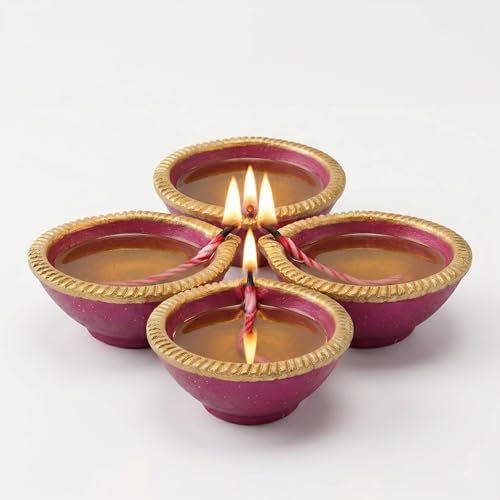
Multi-Wick Diyas: These lamps feature multiple wick positions and are often used as decorative centrepieces or for religious ceremonies.
Pros and Cons of Traditional Diyas
| Reasons to Buy | Things We Don’t Like |
|---|---|
| Authentic traditional appearance | Requires supervision |
| Adds warmth to festive decorations | Open flame creates fire risk |
| Supports local pottery artisans | Oil or ghee needs replenishment |
| Beautiful for rangoli arrangements | Can break if made of clay |
| Reusable when maintained properly | Oil spills can stain surfaces |
| No electricity required | Wind can extinguish the flame |
Best for: Puja corners, rangoli arrangements, traditional entrances, and carefully supervised festive displays.
Also Read | Best Dining Table Decor Sets: Minimal vs Traditional






LED Lights vs Diyas: Which Is More Cost-Effective?
Budget is an important consideration when planning Diwali decorations. You might want to decorate your balcony, entrance, windows, and living room without spending too much.
But comparing the purchase price alone doesn’t tell the complete story.
LED lights have an initial purchase cost, but reusable products can serve you over multiple festive seasons. Their electricity consumption depends on the actual wattage and the number of hours they remain switched on.
Traditional diyas can be inexpensive individually, but oil or ghee and cotton wicks are recurring expenses.
Example: LED Electricity Consumption
Suppose you purchase a 10-watt LED string light and use it for five hours daily over five days.
- LED power: 10 watts
- Daily usage: 5 hours
- Total duration: 5 days
- Total electricity consumption: 0.25 kWh
At an illustrative electricity rate of ₹8 per unit, the energy cost would be approximately ₹2.
This is an example, not a guaranteed electricity bill. Actual consumption depends on the product’s rated wattage, power supply, and usage.
What About the Cost of Diyas?
The cost of traditional diyas depends on:
- Number of lamps purchased
- Material and decorative finish
- Quantity of oil or ghee required
- Burning duration
- Whether the lamps can be reused
If you are lighting just a few diyas during puja, the recurring expense may be modest. If you’re planning a large decorative arrangement, the fuel requirement can increase.
Our verdict: LED lights are generally more economical for extended decorative lighting over larger areas. Traditional diyas can be a budget-friendly choice for smaller arrangements.
Also Read | Best Curtain Sets: Festive Blackout vs Sheer
Which Is Safer for Apartments?
Apartment decoration requires a little more planning than decorating an independent house. You have limited space, balconies, curtains, furniture, electrical sockets, and sometimes children or pets moving around.
This is where LED lights have a practical advantage: they don’t need an exposed flame.
However, that doesn’t mean all LED products are automatically safe. Poor-quality wiring, damaged adapters, overloaded sockets, and moisture exposure can create electrical hazards.
Traditional diyas need additional attention because their flames can come into contact with curtains, artificial flowers, paper decorations, and other combustible materials.
Safety Tips for LED Lights
- Purchase decorative lights from reputable sellers.
- Check the rated voltage and wattage before installation.
- Avoid damaged wires, loose plugs, and exposed connections.
- Keep electrical connections away from water and oil.
- Use products specifically rated for outdoor conditions on balconies.
- Avoid overloading electrical sockets.
- Switch off decorative lighting when not in use.
Safety Tips for Traditional Diyas
- Place diyas on stable, heat-resistant surfaces.
- Keep them away from curtains, paper, artificial flowers, and fabrics.
- Never leave burning lamps unattended.
- Keep children and pets away from open flames.
- Avoid placing lamps where people may accidentally knock them over.
- Extinguish flames before leaving the room or going to sleep.
Our verdict: LED lights are generally more convenient for extended apartment decoration. Traditional diyas are best used in carefully selected locations where they can be supervised.
Which Is More Environmentally Friendly?
This is an interesting comparison because neither option is completely impact-free.
LED lights consume electricity, but efficient models can use considerably less energy than traditional incandescent decorative bulbs. Their environmental impact also depends on how long they last and how responsibly they are disposed of.
On the other hand, traditional clay diyas avoid electronic components, but their production, transportation, and fuel consumption also have environmental impacts.
How to Make Your LED Decorations More Sustainable
- Choose durable lights instead of extremely cheap disposable products.
- Reuse decorative lights across multiple festivals.
- Store them properly to prevent damage.
- Switch them off when they’re not needed.
- Dispose of damaged electronic lighting through appropriate e-waste collection channels.
How to Make Traditional Diyas More Sustainable
- Purchase reusable clay or brass lamps.
- Support local potters and artisans.
- Clean and store intact lamps for future celebrations.
- Avoid purchasing more decorative lamps than you actually need.
- Use fuel thoughtfully and minimise unnecessary burning.
Our verdict: Reusability matters more than simply choosing one material over another. A durable LED string reused for several years or a traditional diya reused across festivals can both be sensible choices.
Seven Beautiful Ways to Combine LED Lights and Diyas This Diwali
Why choose between modern lighting and traditional decorations when you can combine both?
Here are seven ways to create a festive home that looks elegant without becoming overcrowded.
1. Decorate Your Balcony with Warm-White Fairy Lights
Use warm-white LED fairy lights along balcony railings and window frames. Add a few potted plants and decorative lanterns to complete the look.
This works particularly well for compact apartments.
2. Create a Traditional Rangoli with Clay Diyas
Make a colourful rangoli near your entrance and arrange a few earthen diyas around it on stable, heat-resistant holders. Keep the flames away from flower petals and other combustible decorations.
3. Use Curtain Lights for Your Living Room
LED curtain lights make a beautiful background for festive photographs and family gatherings. Choose warm-white lighting for a softer appearance.
4. Decorate Your Puja Corner with Brass Diyas
A brass diya placed on a suitable puja tray can create a beautiful traditional arrangement. Add marigold flowers and other decorations, while keeping combustible materials away from the flame.
5. Add LED Lanterns to Decorative Shelves
Decorative LED lanterns are useful for adding festive lighting to shelves, side tables, and entryway consoles without introducing an open flame.
6. Create a Window Lighting Display
Combine small star-shaped LED lights with warm-white fairy lights around your windows. This creates an attractive festive display that can be seen from outside.
7. Choose Flameless LED Diyas for Busy Areas
Battery-operated LED diyas can provide a traditional-inspired look on shelves, near curtains, or in other locations where an open flame would be unsuitable.
What to Look for Before Buying Diwali Decorative Lights and Diyas
Before spending money on festive decorations, think about where you intend to use them and how frequently you plan to reuse them.
Buying Guide for LED Lights
1. Choose the Right Colour Temperature
Warm white and golden-yellow lights create a cosy festive atmosphere. Cool-white lights look brighter and more contemporary.
2. Check the Length of the String
Measure your balcony, windows, and walls before ordering. This helps prevent purchasing lights that are too short or unnecessarily long.
3. Check the Wattage
Look at the product specifications to understand its power consumption. Don’t assume every LED string has the same energy requirement.
4. Check Outdoor Suitability
For balconies exposed to rain or moisture, choose products with an appropriate IP rating. Remember that the plug and adapter must also be suitable for the intended location.
5. Examine Build Quality
Check wire thickness, connectors, adapter quality, manufacturer details, and warranty information.
6. Look for Appropriate Indian Standards
Where applicable, check the product’s compliance information and relevant BIS requirements. BIS lists standards for LED luminaires and lighting chains on its official portal.
Buying Guide for Traditional Diyas
1. Choose the Right Material
Clay diyas are ideal for traditional arrangements, while brass lamps are suitable for longer-term reuse.
2. Check Stability
Choose lamps with a flat, stable base so they are less likely to tip over.
3. Consider the Size
Small diyas work well for compact arrangements, while larger lamps can be used as decorative centrepieces.
4. Check the Finish
If purchasing painted or decorative diyas, inspect the finish and ensure the lamp is suitable for its intended use.
5. Consider Cleaning and Storage
Reusable diyas should be easy to clean and store without breaking.
Our Research Methodology
For this comparison, we evaluated LED lights and traditional diyas across several practical factors relevant to Indian households.
Our editorial assessment considered:
- Initial purchase cost and recurring expenses
- Energy consumption and fuel requirements
- Ease of installation and maintenance
- Reusability and durability
- Fire and electrical safety considerations
- Environmental impact and disposal
- Decorative flexibility for apartments and independent homes
We also referred to publicly available lighting and safety guidance, including the Bureau of Indian Standards’ information on LED lighting standards and the Government of India’s fire-safety recommendations.
This is a specification- and research-based editorial comparison, not a hands-on product test. Individual product performance will depend on the manufacturer, materials, and actual usage.
Frequently Asked Questions
1. Are LED lights better than traditional diyas for Diwali?
LED lights are more convenient for decorating larger areas and generally require less maintenance. Traditional diyas are better suited to creating an authentic festive atmosphere. Both can be used together.
2. Which LED lights are best for Diwali decoration?
Warm-white fairy lights, curtain lights, LED strips, rope lights, and decorative lanterns are popular choices. Select a style based on the area you want to decorate.
3. Do LED fairy lights consume a lot of electricity?
Most efficient LED fairy lights have relatively low power requirements. However, actual consumption depends on their wattage and daily operating hours.
4. Are traditional clay diyas reusable?
Yes. Intact clay diyas can be cleaned, dried, and stored for future use. Handle them carefully because earthen lamps can crack or break.
5. Can I use LED lights and diyas together?
Absolutely. Use LED lights for balconies, windows, and walls, and place traditional diyas in suitable supervised locations.
6. Which is better for small apartments?
LED fairy lights, compact curtain lights, and battery-operated LED diyas are convenient for small apartments. A few traditional diyas can also be used safely in suitable locations.
7. Are LED diyas better than oil diyas?
LED diyas eliminate the open flame and reduce the need for supervision associated with burning oil lamps. However, they do not reproduce the exact appearance or ritual experience of traditional diyas.
8. Which colour LED lights look best for Diwali?
Warm white and golden-yellow are excellent choices for traditional and contemporary home interiors. Multicolour lights are better suited to brighter, playful decoration themes.
9. Are traditional diyas environmentally friendly?
Their impact depends on how they are manufactured, the fuel used, how long they burn, and whether they are reused. Supporting local artisans and reusing intact lamps can help reduce waste.
10. How can I decorate my apartment balcony for Diwali?
Start with warm-white fairy lights around the railing, add a few decorative lanterns, and include potted plants. If you want traditional elements, use a small, safely supervised diya arrangement.
Final Verdict: LED Lights or Diyas — What Should You Choose?
So, which one wins the Diwali decoration debate?
If convenience, flexibility, lower maintenance, and decorating larger areas are your priorities, LED lights are the practical choice.
If you love traditional Indian decorations, the warm glow of an actual flame, and the cultural significance of earthen lamps, traditional diyas remain irreplaceable.
But our favourite approach is a combination of both.
Use LED fairy lights to illuminate your balcony, windows, and living room. Add a few traditional diyas around your rangoli or puja area, keeping them safely positioned and supervised.
The result? A home that combines modern convenience with the timeless charm of Diwali traditions.
After all, the beauty of Diwali lies in celebrating light, togetherness, and traditions that make a house feel like home. ❤️🪔