
If your birth date falls on the 1st, 10th, 19th or 28th of any month, your birth number in Indian numerology is Mulank 1. This number is traditionally associated with the Sun (Surya), which symbolises confidence, leadership, ambition, individuality and determination.
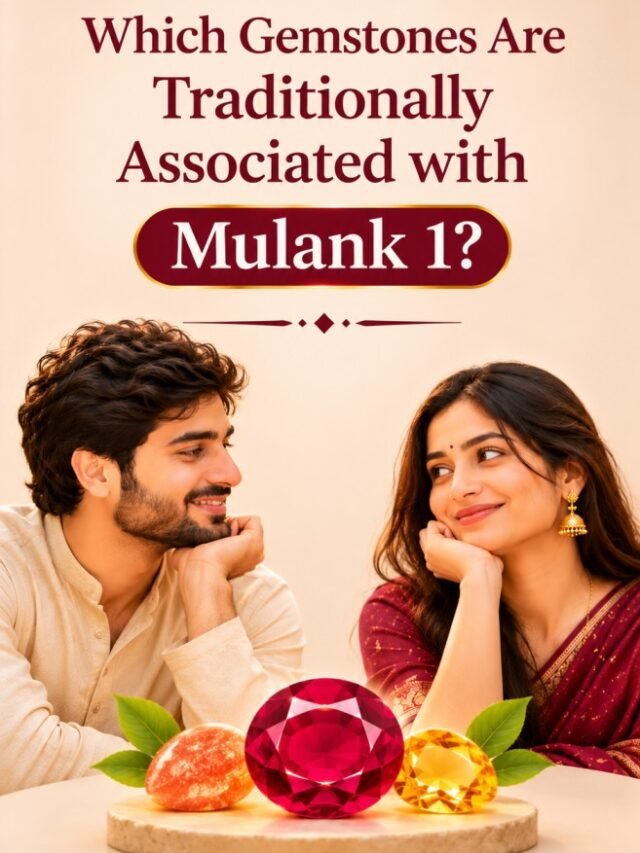
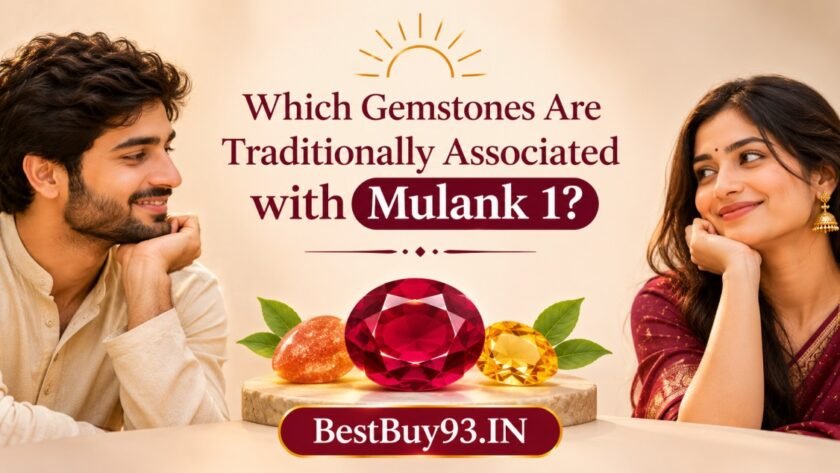
In numerology and traditional spiritual practices, gemstones are often selected according to their symbolic associations with planetary energies. For Mulank 1, Ruby (Manik) is the gemstone most commonly linked with the Sun. Other stones, including Red Garnet, Red Spinel, Sunstone, Citrine and Amber, are also discussed in gemstone and crystal traditions.
But are all these stones considered equally suitable for Mulank 1? Not exactly. Some have stronger traditional astrological associations, while others are popular because of their colour, symbolism or modern crystal interpretations.
In this guide, we explore the gemstones traditionally associated with Mulank 1, their symbolic meanings, differences, advantages, limitations and buying considerations. We will also explain why you should not choose an expensive gemstone simply because your birth number is 1.
Disclaimer: Numerology, astrology and crystal healing are belief-based practices. There is no established scientific evidence that gemstones change personality, attract wealth, improve relationships or influence life outcomes. This article is for informational purposes, not a substitute for professional financial, medical or personal advice.
What Is Mulank 1 in Numerology?
Mulank, also known as the birth number or root number, is calculated using the day of the month on which a person is born.
If you were born on any of these dates, your Mulank is 1:
| Birth Date | Calculation | Mulank |
|---|---|---|
| 1 | 1 | 1 |
| 10 | 1 + 0 | 1 |
| 19 | 1 + 9 = 10; 1 + 0 | 1 |
| 28 | 2 + 8 = 10; 1 + 0 | 1 |
In Indian numerology, Mulank 1 is associated with the Sun (Surya). People with this birth number are traditionally described as independent, ambitious, confident and inclined towards leadership.
The number is also associated with qualities such as:
- Leadership and authority
- Confidence and individuality
- Ambition and determination
- Creativity and initiative
- Independence and self-expression
These are traditional numerological interpretations, not scientifically established personality traits. Your personality and life experiences cannot be determined by your birth date alone.
Why Is Ruby Associated with Mulank 1?
Ruby, traditionally known as Manik or Manikya, is the gemstone most strongly associated with the Sun in Vedic astrology.
The Sun is considered an important planetary symbol in traditional astrology. It represents authority, vitality, recognition, self-confidence and leadership. Since Mulank 1 is also associated with the Sun in Indian numerology, Ruby is commonly discussed as the traditional gemstone for this birth number.
Ruby is a red variety of the mineral corundum. Its rich red colour makes it one of the most recognisable gemstones in fine jewellery.
In traditional gemstone practices, Ruby is associated with:
- Confidence and self-expression
- Leadership and authority
- Personal strength and determination
- Recognition and reputation
- Sun-related symbolism
However, it is important to understand that a Ruby does not scientifically guarantee success, confidence, career growth or financial improvement. Its association with these qualities comes from traditional astrological beliefs.
Another important point: a numerology birth number is not the same as a complete astrological birth chart. Anyone considering a gemstone as an astrological remedy should not assume that their Mulank alone is enough to determine whether they should wear Ruby.
6 Gemstones Traditionally or Commonly Associated with Mulank 1
Here are six gemstones that appear in discussions about Mulank 1 and Sun-related symbolism. Their traditional status and associations are not identical.
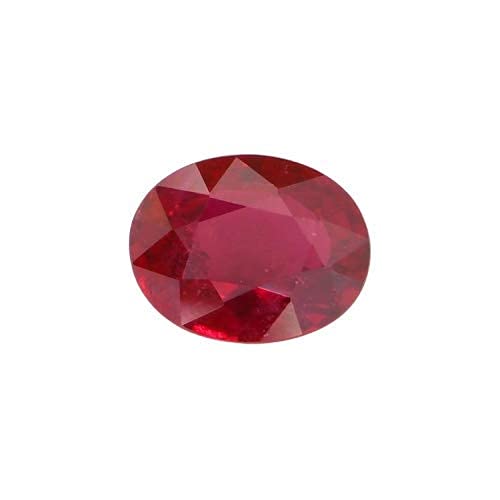
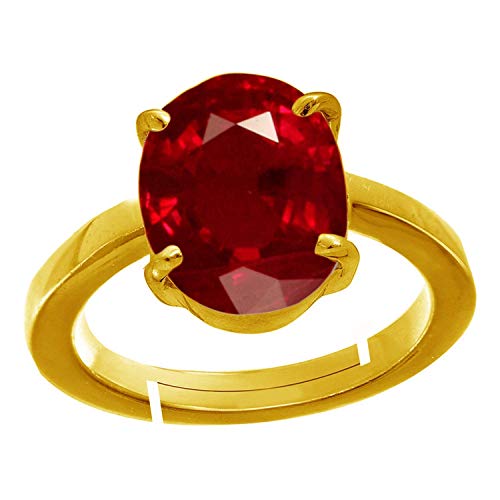
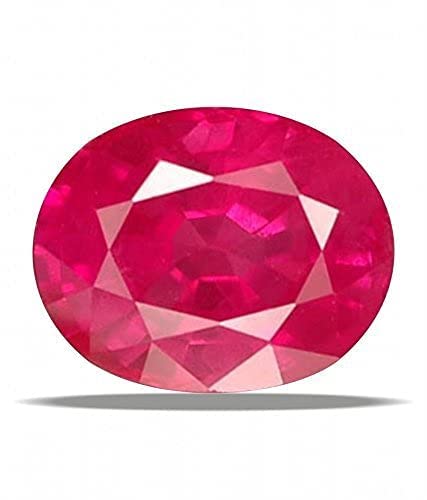
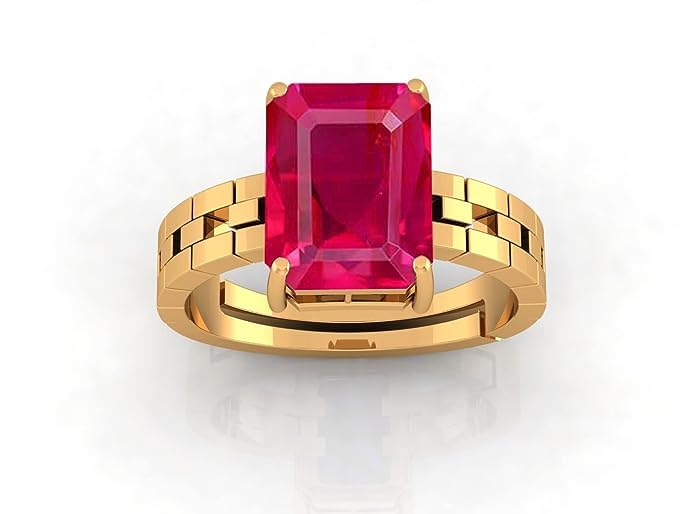
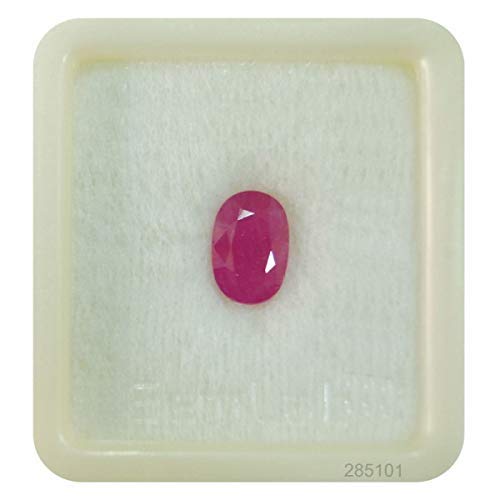
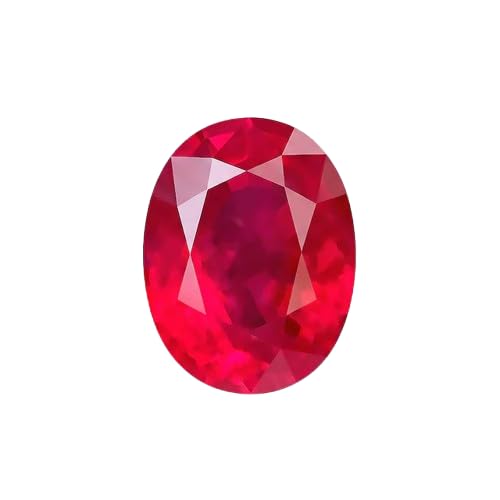
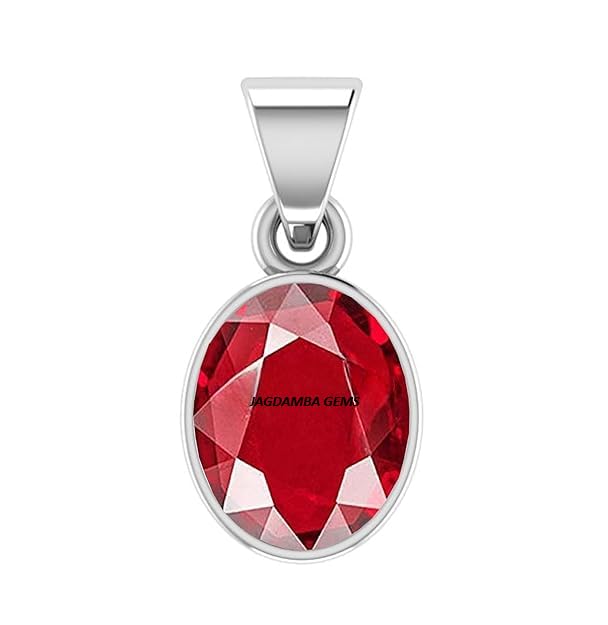
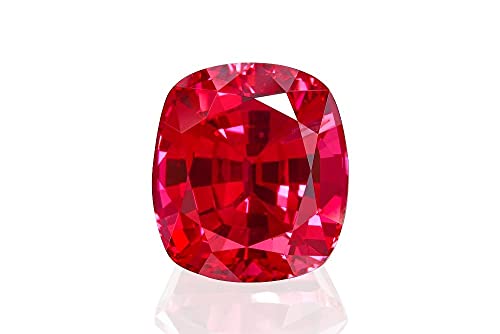
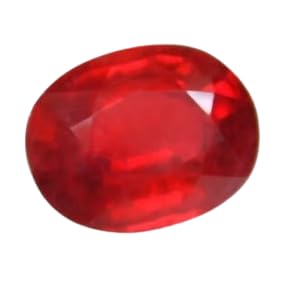
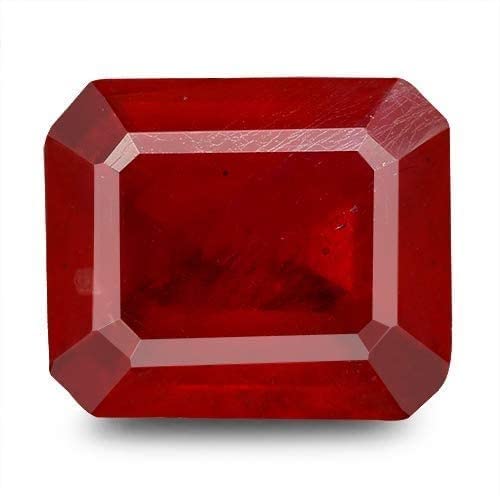
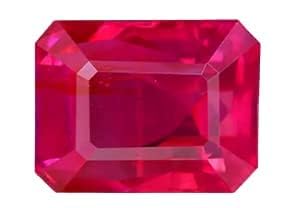
1. Ruby (Manik) – The Traditional Sun Gemstone
Ruby is the most established gemstone associated with the Sun in traditional Vedic astrology. It is therefore the first stone to consider when researching the gemstone traditionally linked with Mulank 1.
Its red colour and association with Surya have made it a popular choice in traditional jewellery and astrological gemstone discussions.
Traditional associations:
- Confidence and leadership
- Authority and recognition
- Vitality and determination
- Sun-related symbolism
What we like:
- Strong traditional association with the Sun
- Classic and premium gemstone appearance
- Suitable for fine jewellery
- Relatively durable, with a Mohs hardness of 9
What to consider:
- High-quality natural Rubies can be expensive.
- Many Rubies available in the market are treated.
- Synthetic Ruby and imitation red stones are also sold.
- An expensive stone should not be purchased based only on a numerology recommendation.
Best suited for: Readers researching the traditional Vedic gemstone associated with the Sun and Mulank 1.








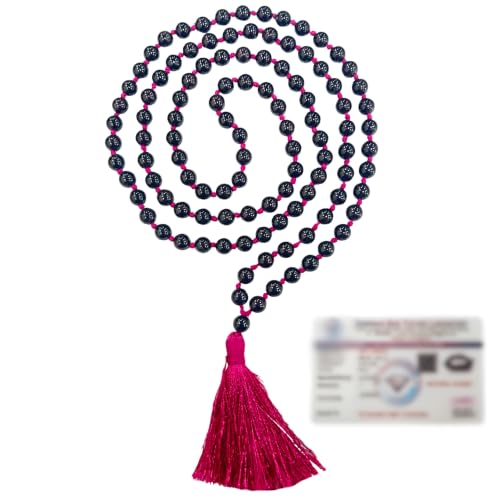
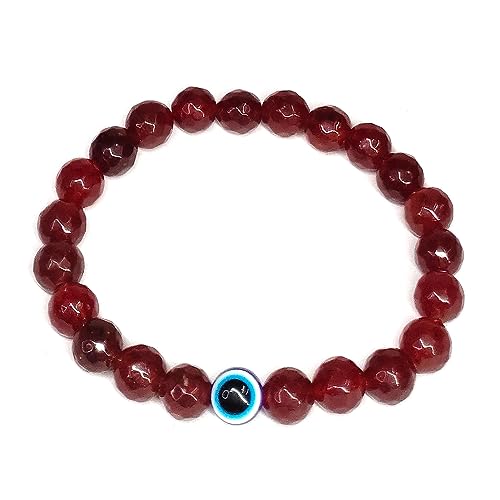
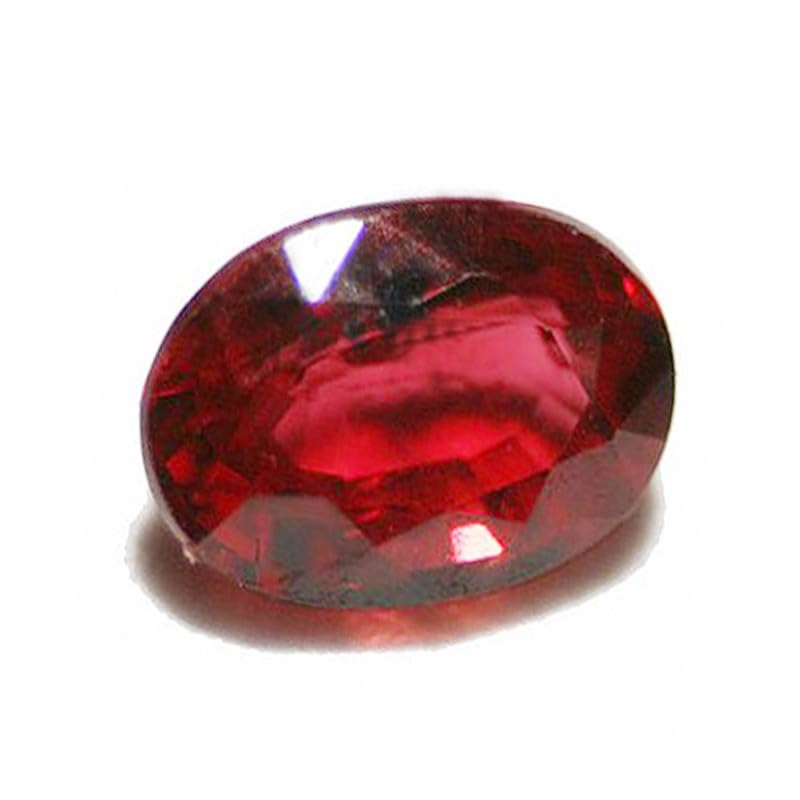
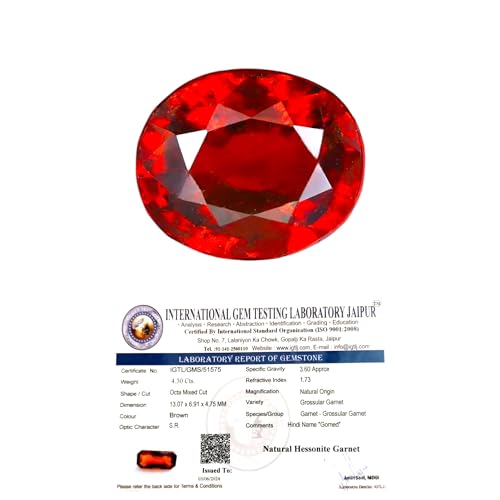
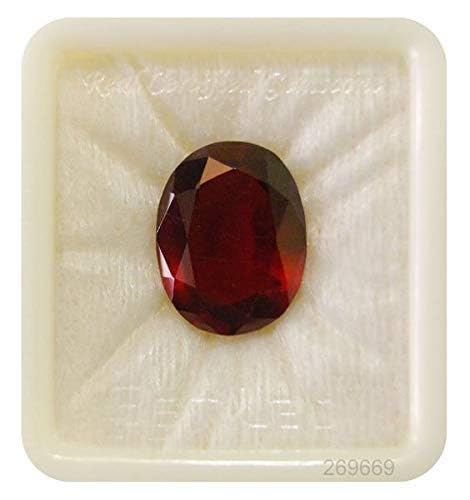
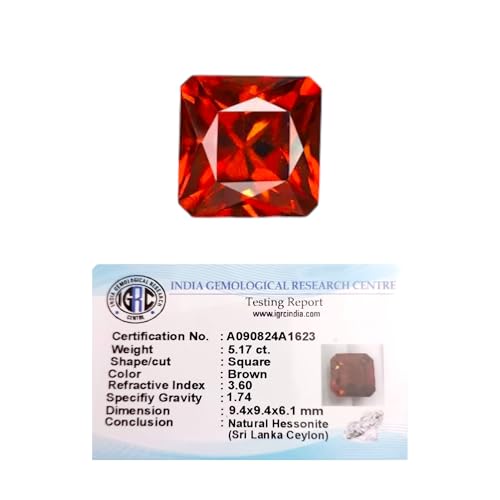
2. Red Garnet – A Commonly Mentioned Ruby Alternative
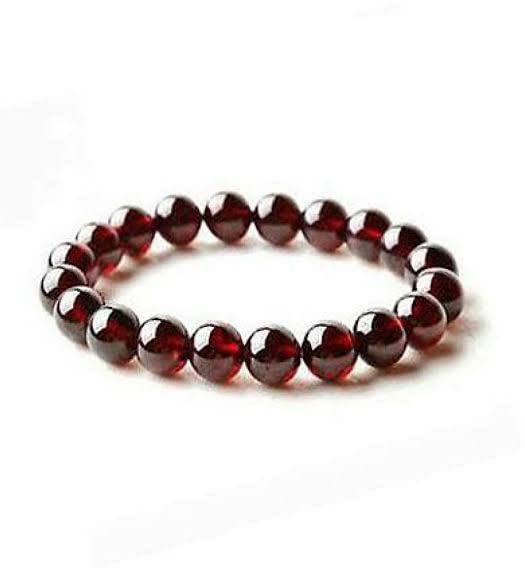
Red Garnet is another gemstone sometimes mentioned in modern gemstone guides as an alternative to Ruby.
It is known for its deep red, wine-red and reddish-brown shades. Garnet is also used extensively in rings, pendants, earrings and other jewellery.
However, Red Garnet should not automatically be treated as an astrological substitute for Ruby. Its use as an alternative depends on the particular tradition or practitioner’s recommendation.
Traditional or symbolic associations:
- Energy and motivation
- Passion and determination
- Confidence and personal strength
What we like:
- Attractive deep-red appearance
- Available in different jewellery styles
- Often more affordable than fine-quality Ruby
- Works well in everyday jewellery designs
What to consider:
- Garnet is not the same mineral as Ruby.
- Its durability varies by variety.
- Its astrological status is not equivalent to Ruby’s established Sun association.
Best suited for: People who appreciate red gemstones and want an alternative for jewellery, rather than assuming it has identical astrological properties.




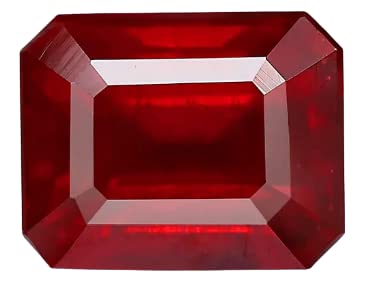
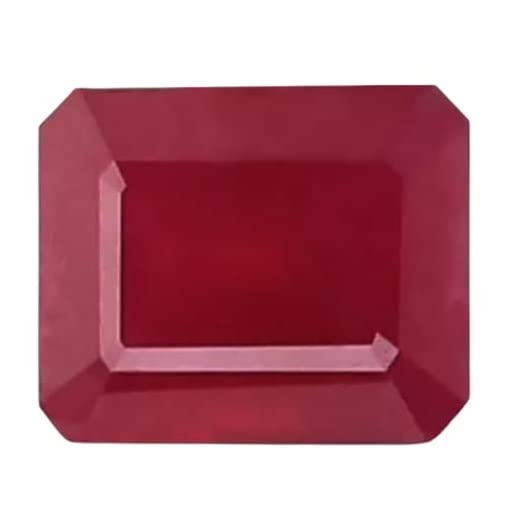
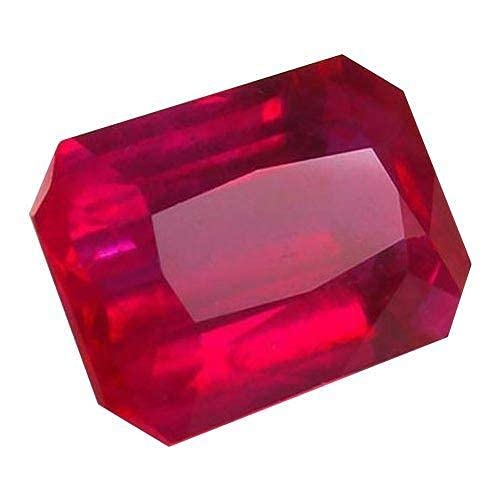
3. Red Spinel – A Beautiful Red Gemstone Option
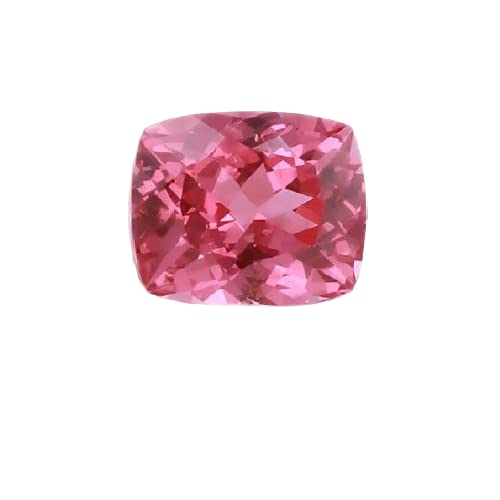
Red Spinel is often confused with Ruby because both gemstones can have an intense red colour. Historically, some famous red stones once identified as Rubies were later recognised as Spinels.
Spinel is a distinct gemstone with its own mineral identity and jewellery appeal.
In some contemporary gemstone discussions, Red Spinel is presented as an alternative to Ruby. However, it should not be described as a universally accepted classical substitute for Manik.
Traditional or symbolic associations:
- Confidence
- Courage
- Personal strength
- Positive self-expression
What we like:
- Beautiful red colour
- Good durability for jewellery
- A distinct alternative to Ruby in appearance
- Available in different shades and designs
What to consider:
- It is a different gemstone from Ruby.
- Its astrological role is not universally established.
- Buyers should verify its identity and any treatments.
Best suited for: Jewellery lovers who want a red gemstone with a distinctive identity and appearance.


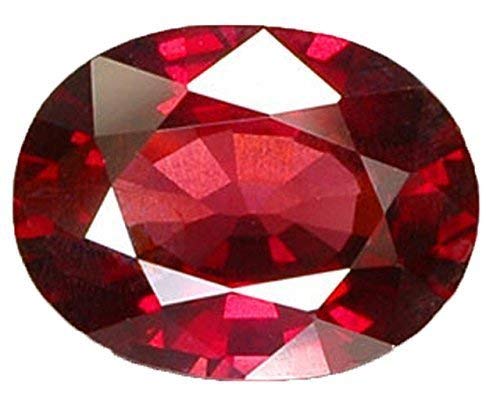
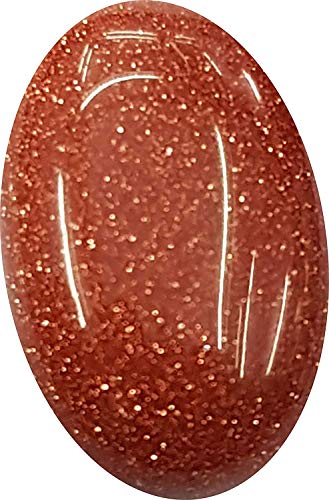
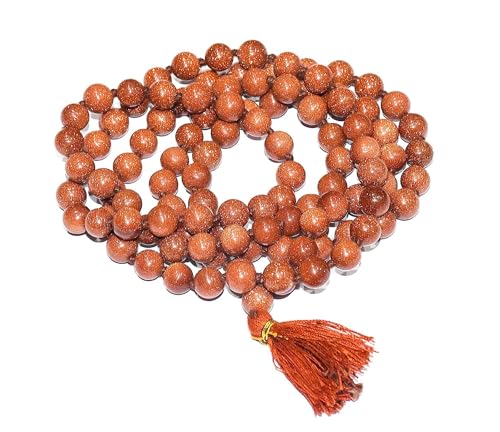
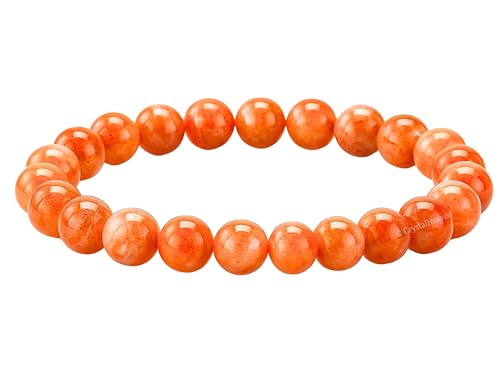
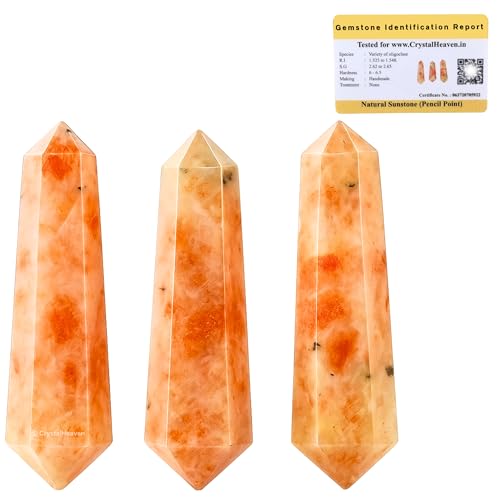
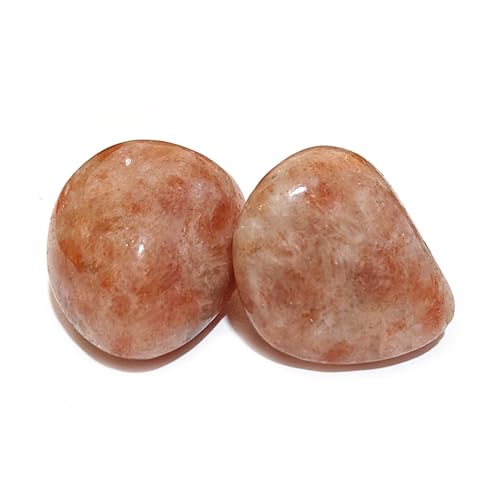
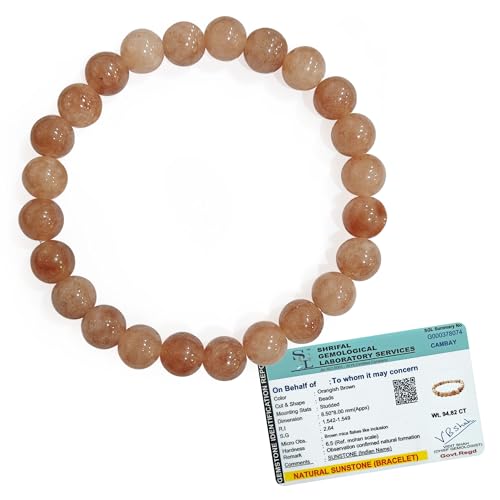
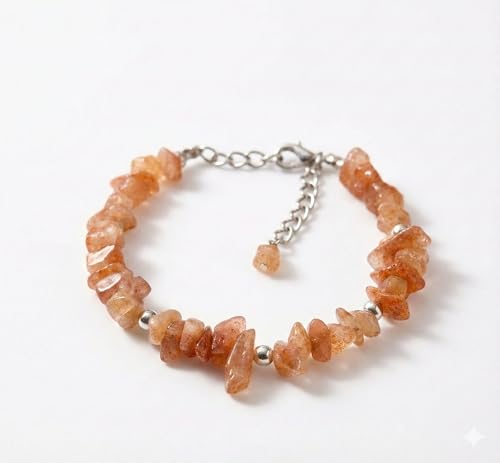
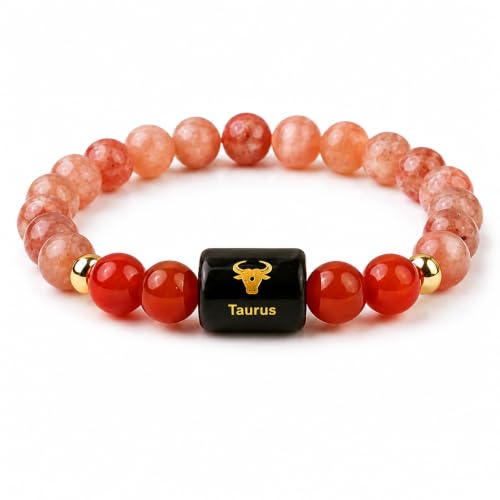
4. Sunstone – A Gemstone Associated with Solar Symbolism
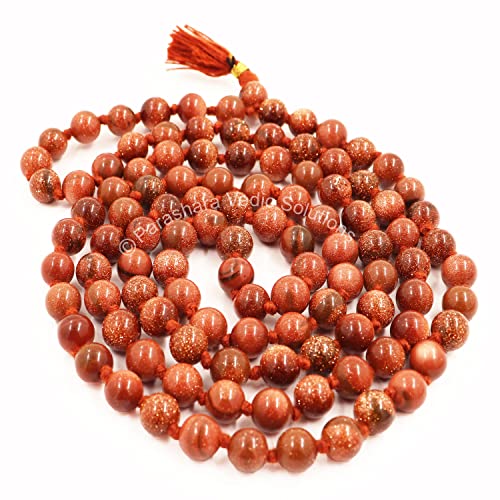
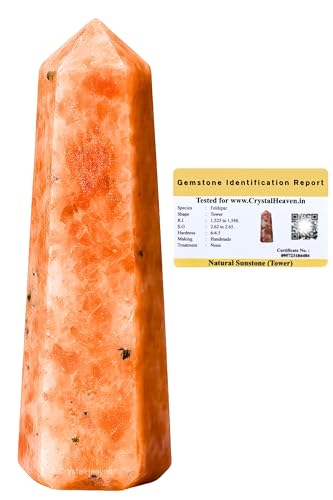
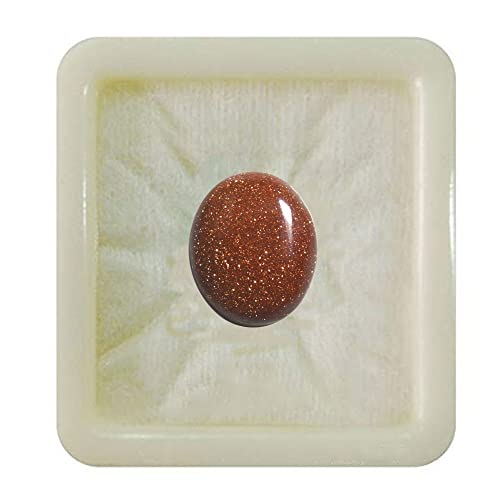
Sunstone is a popular gemstone in modern crystal practices. It is often associated with warmth, optimism, independence and positive energy.
Its sparkling appearance can include glitter-like reflections known as aventurescence. Depending on the stone, it may display orange, peach, golden or reddish tones.
Because of its name and solar symbolism, Sunstone is frequently discussed alongside Mulank 1.
However, Sunstone’s association with the Sun in modern crystal traditions should not be confused with Ruby’s established position in Vedic astrology.
Traditional or modern symbolic associations:
- Optimism and positivity
- Confidence and independence
- Creativity and motivation
- Warmth and personal expression
What we like:
- Attractive golden-orange appearance
- Unique reflective effect
- Available in pendants, bracelets and rings
- Popular in contemporary crystal jewellery
What to consider:
- It is not the classical Vedic gemstone for the Sun.
- Its spiritual associations are belief-based.
- Quality and appearance vary between specimens.
Best suited for: People interested in modern crystal symbolism and warm-toned gemstone jewellery.




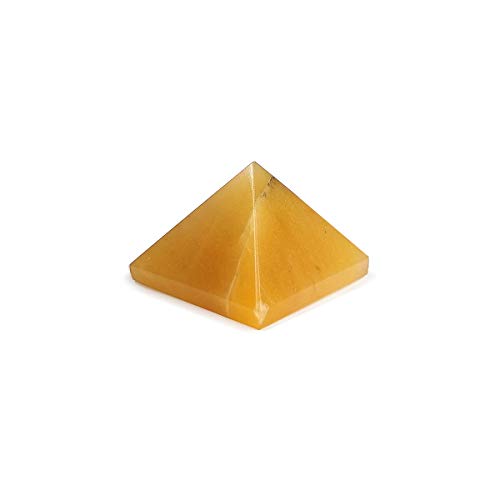
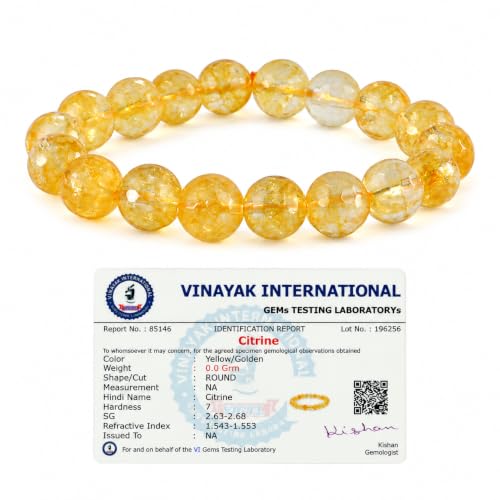
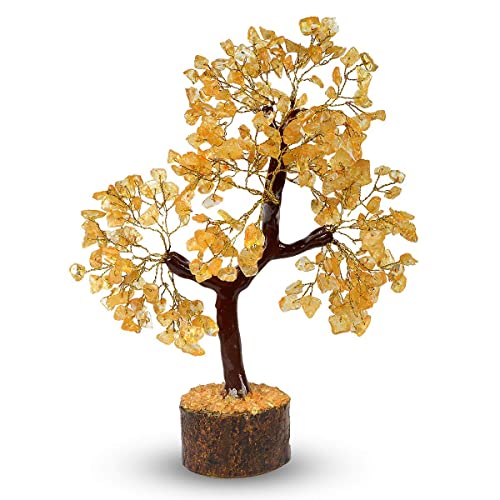
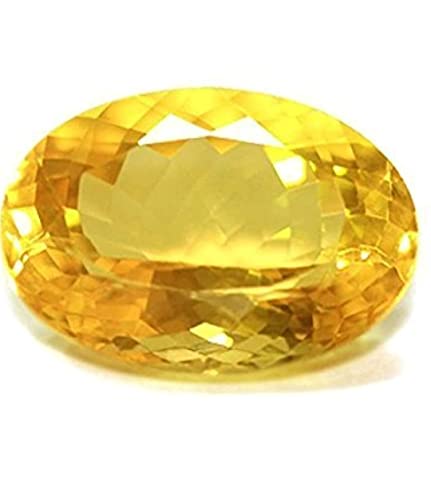
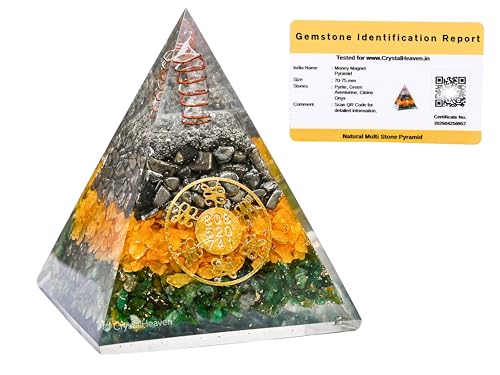
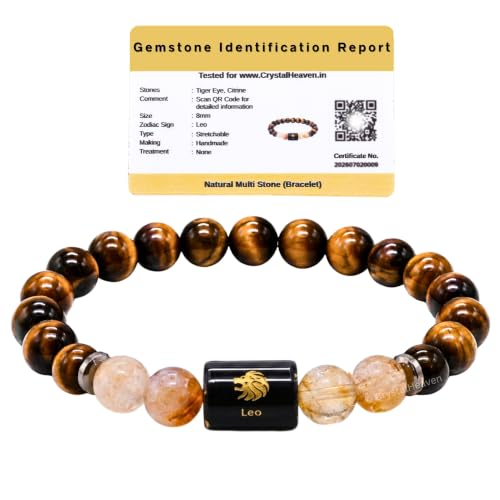
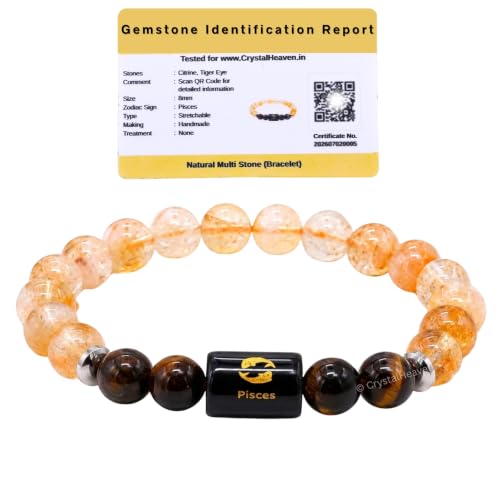
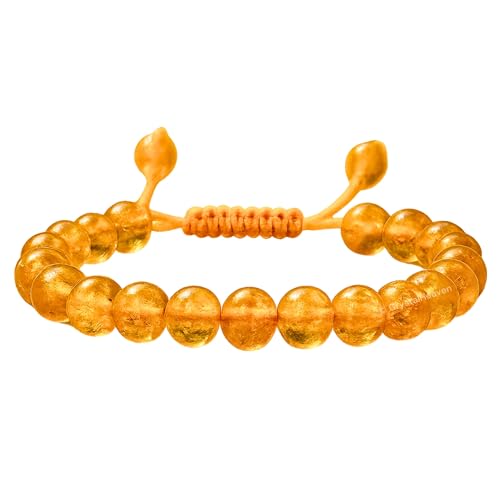
5. Citrine – The Golden Gemstone Associated with Positivity
Citrine is a yellow-to-golden variety of quartz. It is widely used in jewellery and modern crystal practices.
It is commonly associated with abundance, optimism, creativity and personal motivation. Its golden appearance also makes it a natural fit for discussions involving solar symbolism.
Some contemporary numerology and crystal guides include Citrine among stones associated with Mulank 1. However, Citrine is not the traditional Vedic gemstone of the Sun in the same way Ruby is.
Traditional or modern symbolic associations:
- Optimism and positivity
- Creativity and motivation
- Abundance symbolism
- Confidence and self-expression
What we like:
- Attractive golden colour
- Suitable for rings, pendants and bracelets
- Quartz is relatively durable for regular jewellery use
- Available in a range of jewellery designs
What to consider:
- Citrine is not equivalent to Ruby in Vedic gemstone practice.
- Some commercial Citrine is heat-treated Amethyst.
- Natural and treated stones should be clearly identified by sellers.
Best suited for: People who like golden gemstones and are interested in modern crystal symbolism.





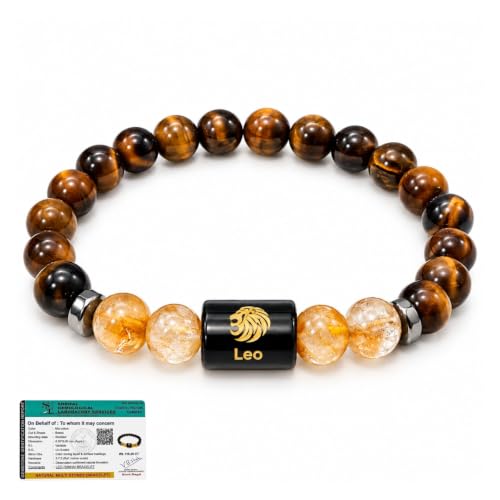
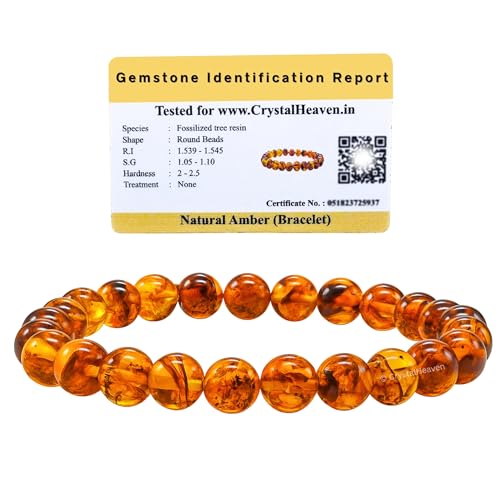
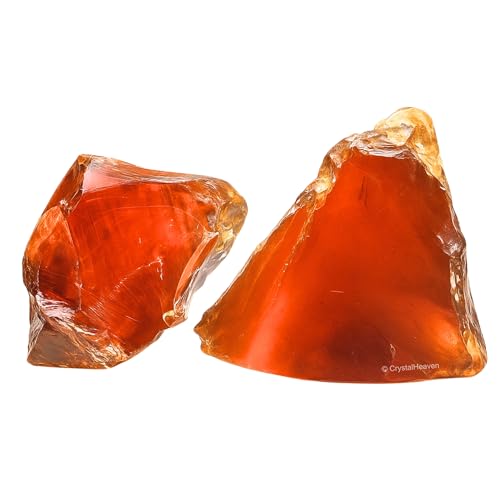
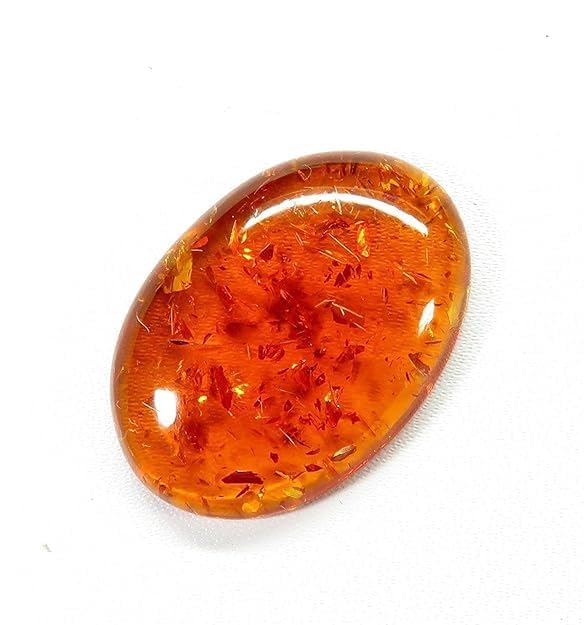
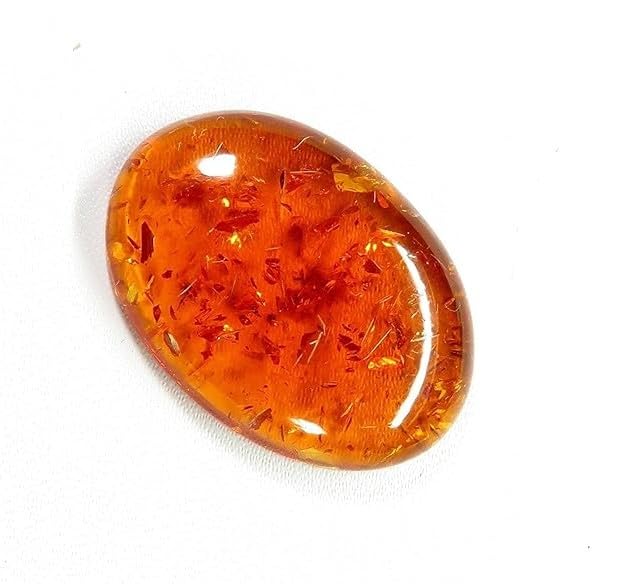
6. Amber – A Warm Golden Stone with Solar Associations
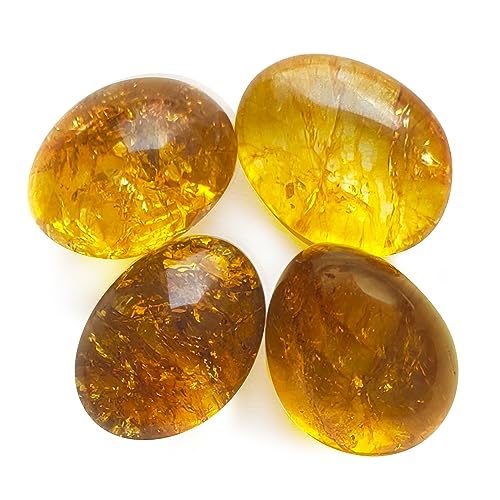
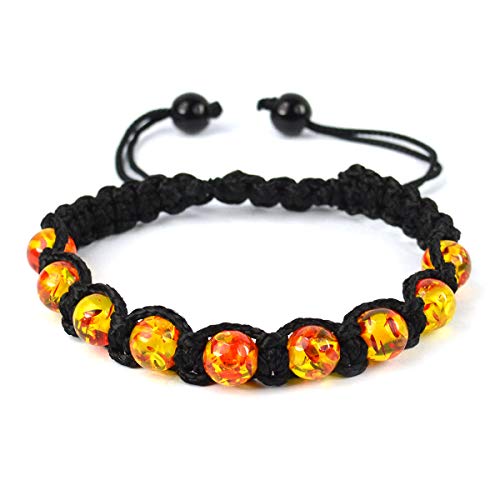
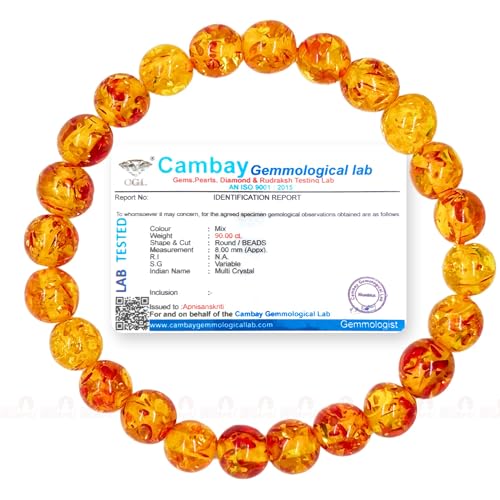
Amber is different from the other stones in this list. It is fossilised tree resin, not a mineral gemstone.
Its warm honey, golden, orange and reddish-brown colours have made it popular in jewellery for centuries.
In some modern crystal and spiritual practices, Amber is associated with warmth, positivity and sunlight. It may therefore appear in lists of stones connected with Mulank 1.
But Amber should be understood as a symbolic or contemporary crystal association, not as a traditional Vedic substitute for Ruby.
Traditional or modern symbolic associations:
- Warmth and positivity
- Optimism
- Vitality and sunlight
- Comfort and emotional warmth
What we like:
- Distinctive natural appearance
- Lightweight compared with many mineral gemstones
- Available in attractive warm shades
- Long history of use in decorative jewellery
What to consider:
- Amber is softer and more easily scratched than Ruby.
- It can be sensitive to heat and certain chemicals.
- Imitations and reconstructed Amber are available.
- It is not a classical equivalent of Manik.
Best suited for: People who enjoy warm-toned natural jewellery and modern crystal symbolism.



Mulank 1 Gemstone Comparison Table
Here is a quick comparison of the six gemstones discussed in this guide.
| Gemstone | Main Association | Traditional Status for Mulank 1 | Jewellery Durability |
|---|---|---|---|
| Ruby (Manik) | Sun, leadership, authority | Strongest traditional association | Excellent |
| Red Garnet | Confidence, passion | Sometimes discussed as an alternative | Good, varies by variety |
| Red Spinel | Strength, confidence | Contemporary alternative in some guides | Very good |
| Sunstone | Optimism, solar symbolism | Modern crystal association | Moderate to good, varies |
| Citrine | Positivity, abundance symbolism | Modern crystal association | Good |
| Amber | Warmth, vitality | Modern symbolic association | Relatively soft |
Durability descriptions are general jewellery considerations. Actual suitability depends on the specific stone, its quality, treatments, setting and care requirements.
Ruby vs Sunstone vs Citrine: What’s the Difference?
Ruby, Sunstone and Citrine are three stones that frequently appear in discussions about Mulank 1. However, their traditional associations are different.
| Feature | Ruby | Sunstone | Citrine |
|---|---|---|---|
| Appearance | Red to purplish red | Orange, peach or golden | Yellow to golden |
| Mineral identity | Corundum | Feldspar group | Quartz |
| Traditional association | Sun in Vedic astrology | Solar symbolism in modern crystal practices | Positivity and abundance symbolism |
| Mohs hardness | 9 | Generally around 6–6.5 | 7 |
| Jewellery use | Fine jewellery | Fashion and gemstone jewellery | Everyday jewellery with suitable care |
| Main buying concern | Treatments and authenticity | Quality and durability | Natural vs treated material |
Which one has the strongest traditional connection with Mulank 1?
Ruby is the clear answer when discussing the traditional Vedic gemstone associated with the Sun. Sunstone and Citrine are better understood as modern crystal or symbolic choices.
Pros and Cons of Choosing a Gemstone for Mulank 1
Before purchasing a gemstone, it is worth looking at the practical advantages and limitations.
| Reasons to Consider | What to Be Careful About |
|---|---|
| Gemstones have cultural and traditional significance. | Their spiritual effects are not scientifically established. |
| They can be meaningful personal jewellery. | A birth number alone does not establish astrological suitability. |
| Different stones offer attractive colours and designs. | Natural, synthetic and imitation stones can look similar. |
| Ruby has a well-known association with the Sun. | Fine-quality natural Ruby can be expensive. |
| Gemstones can make thoughtful gifts. | Avoid sellers promising guaranteed wealth, success or relationship outcomes. |
The best approach is to appreciate gemstones for their beauty, craftsmanship and cultural meaning while making purchasing decisions based on reliable information.
How to Choose the Right Gemstone for Mulank 1
Choosing a gemstone should involve more than matching a stone with your birth number. Consider these points before making a purchase.
1. Understand the Difference Between Numerology and Astrology
Mulank 1 is calculated from your birth date. Vedic astrology, on the other hand, involves a complete birth chart that considers details such as birth date, time and location.
A gemstone recommendation based only on Mulank 1 is not the same as an individual astrological recommendation.
2. Decide Whether You Want Traditional Jewellery or Crystal Jewellery
If your interest is in traditional Vedic gemstone associations, Ruby is the primary stone to research.
If you are more interested in contemporary crystal jewellery, you may also explore Sunstone, Citrine, Red Garnet or Amber.
3. Set a Realistic Budget
Do not stretch your finances to purchase an expensive gemstone because someone claims it will bring guaranteed benefits.
Ruby prices can vary considerably depending on colour, clarity, origin, size and treatment. A lower-priced gemstone is not automatically a bad purchase, but its identity and quality should be clearly disclosed.
4. Check the Gemstone’s Authenticity
Ask the seller whether the gemstone is:
- Natural
- Laboratory-grown or synthetic
- Treated
- Imitation or assembled
These categories are not interchangeable. A synthetic Ruby, for example, has the same basic chemical composition as natural Ruby but is created in a laboratory.
5. Consider Jewellery Comfort and Maintenance
Think about how frequently you plan to wear the gemstone.
Ruby and Spinel are generally suitable for jewellery that receives regular use. Citrine can also be used in everyday jewellery with reasonable care. Amber and some varieties of Sunstone require more attention to scratches, impact and exposure to heat.
What to Check Before Buying a Gemstone
A beautiful gemstone is only part of the purchase. Documentation, disclosure and seller credibility matter just as much.
| Buying Factor | What to Check |
|---|---|
| Gemstone identity | Confirm the exact gemstone name. |
| Natural or synthetic | Ask whether it is natural or laboratory-grown. |
| Treatment | Check whether heating, filling, dyeing or other treatments have been disclosed. |
| Certification | Request a report from a reputable gemological laboratory when appropriate. |
| Colour | Look for an even, attractive colour suitable for the variety. |
| Clarity | Understand the stone’s natural inclusions and visible imperfections. |
| Price | Compare similar stones with similar quality and treatment disclosures. |
| Return policy | Check the seller’s return and refund conditions. |
| Setting | Make sure the jewellery setting protects the gemstone properly. |
Should You Buy a Certified Ruby?
If you are considering a costly natural Ruby, an independent gemological report can be a useful safeguard.
The report should help identify the gemstone and disclose relevant treatments. Remember that a certificate is not automatically a guarantee of astrological suitability or future benefits.
For a high-value purchase, buy from a reputable seller and understand exactly what the documentation covers.
Also Read | How Is Love Compatibility for Mulank 1?
Frequently Asked Questions About Gemstones for Mulank 1
1. Which is the lucky gemstone for Mulank 1?
Ruby (Manik) is the gemstone most traditionally associated with Mulank 1 because the number is linked with the Sun in Indian numerology. However, the idea of a lucky gemstone is based on traditional belief, not scientific evidence.
2. Can Mulank 1 people wear Ruby?
Ruby is traditionally associated with the Sun and is commonly recommended in discussions about Mulank 1. However, anyone considering it as an astrological remedy should seek an individual assessment rather than relying only on their birth number.
3. Is Sunstone good for Mulank 1?
Sunstone is associated with solar symbolism, optimism and confidence in modern crystal practices. It can be considered as a symbolic jewellery choice, but it is not equivalent to Ruby in classical Vedic gemstone practice.
4. Is Citrine associated with Mulank 1?
Some modern numerology and crystal guides associate Citrine with Mulank 1 because of its golden colour and symbolism of positivity and abundance. Its association is not the same as Ruby’s traditional connection with the Sun.
5. Can I wear Red Garnet instead of Ruby?
Red Garnet is sometimes discussed as a Ruby alternative in contemporary gemstone guides. However, it is a different gemstone, and it should not automatically be treated as an astrological substitute for Ruby.
6. Is Red Spinel the same as Ruby?
No. Ruby and Red Spinel are different gemstones, even though they can have similar red colours. Their mineral identities and gemological properties are different.
7. What is the difference between Manik and Ruby?
Manik or Manikya is the traditional Indian name commonly used for Ruby. Both names refer to the red variety of corundum.
8. Can Mulank 1 people wear Citrine and Ruby together?
From a jewellery perspective, gemstones can be combined in a design if the setting and materials are suitable. However, claims about the astrological compatibility of wearing multiple stones together belong to specific belief systems and should not be treated as established facts.
9. Does wearing Ruby bring wealth and success?
There is no scientific evidence that wearing Ruby guarantees wealth, professional success, recognition or improved relationships. These benefits are part of traditional astrological interpretations.
10. Should I choose a gemstone based only on my date of birth?
No. Your birth number is one numerological calculation, not a complete assessment of your personality or astrological chart. If you follow a particular astrological tradition, consult a knowledgeable practitioner before making an expensive gemstone purchase.
Final Verdict: Which Gemstone Should Mulank 1 Explore First?
If you are researching gemstones associated with Mulank 1, Ruby (Manik) is the most important stone to know about. Its traditional association with the Sun makes it the primary gemstone discussed in Vedic astrology for this birth number.
Red Garnet and Red Spinel are sometimes mentioned as alternative red gemstones, while Sunstone, Citrine and Amber are more commonly connected with modern crystal practices and solar symbolism.
The right choice ultimately depends on what you are looking for: traditional astrological symbolism, contemporary crystal jewellery or simply a beautiful gemstone to wear.
Do your research, verify gemstone authenticity and set a sensible budget. A gemstone should be a meaningful purchase, not a financial gamble based on promises of guaranteed luck.
Explore more numerology, lifestyle and gemstone guides on BestBuy93.IN.