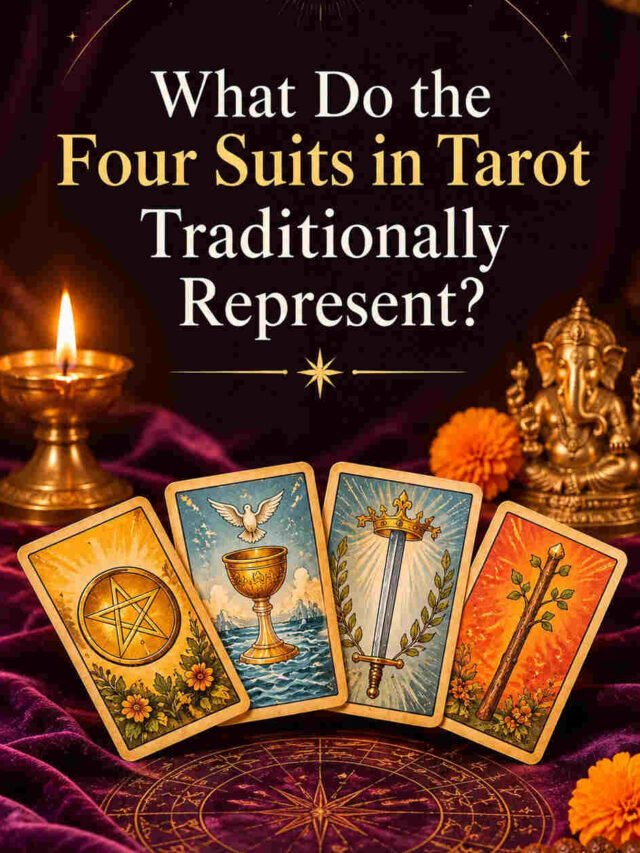
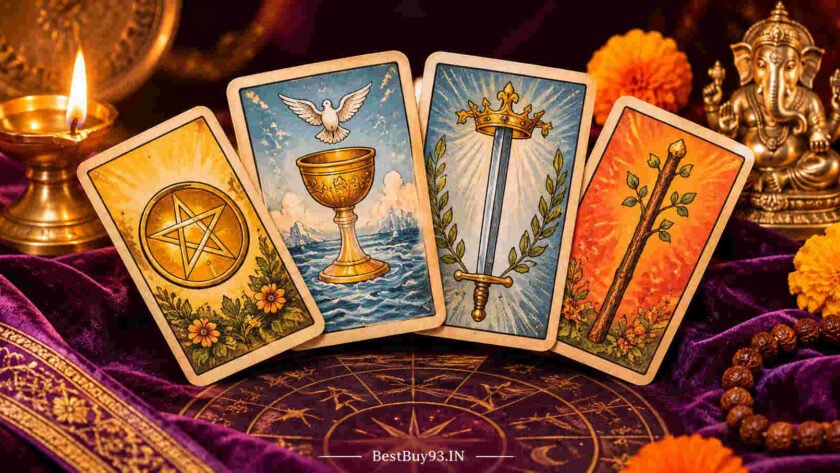

Tarot cards are often associated with intuition, symbolism, self-reflection, and spiritual exploration. If you have ever looked at a traditional Tarot deck, you may have noticed that the Minor Arcana is divided into four different suits: Wands, Cups, Swords, and Pentacles. Each suit carries its own symbolism and represents different aspects of everyday life.
But what do these four Tarot suits actually mean? Why are they connected to the elements of Fire, Water, Air, and Earth? And how can beginners understand their meanings during a Tarot reading?
The four suits traditionally represent different areas of human experience, including creativity, emotions, thoughts, relationships, career, finances, and material stability. Understanding their symbolism can make Tarot cards much easier to interpret, especially if you are just starting to explore Tarot reading.
In this guide, we will explore the traditional meanings of all four Tarot suits, their associated elements, their symbolism, and how they may influence the interpretation of a Tarot reading.
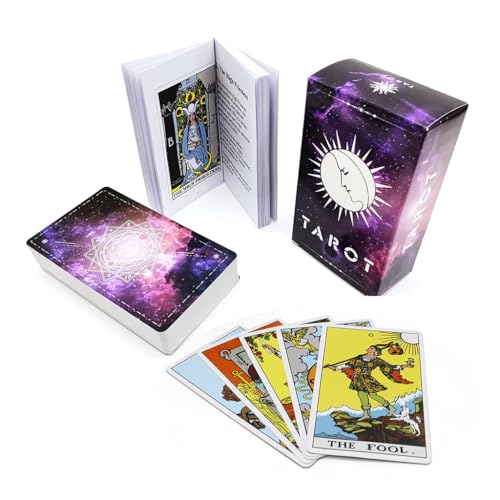
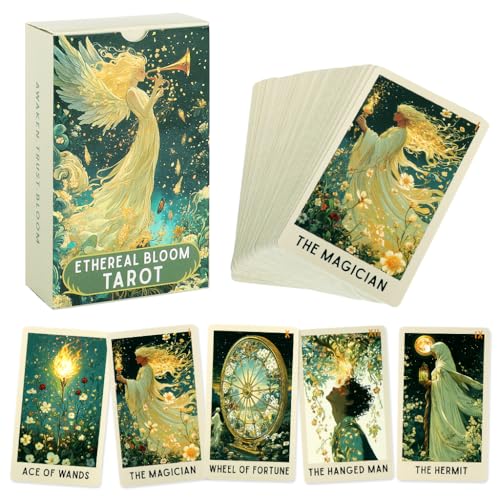
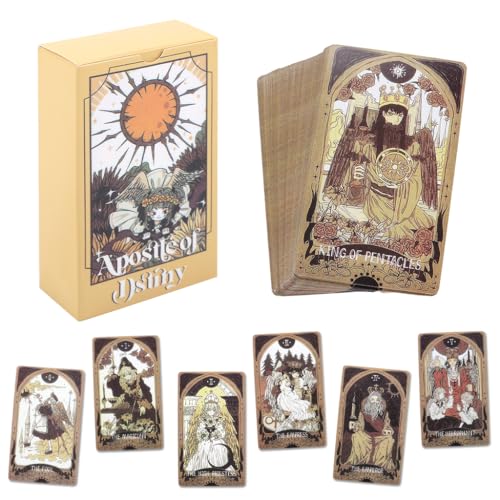
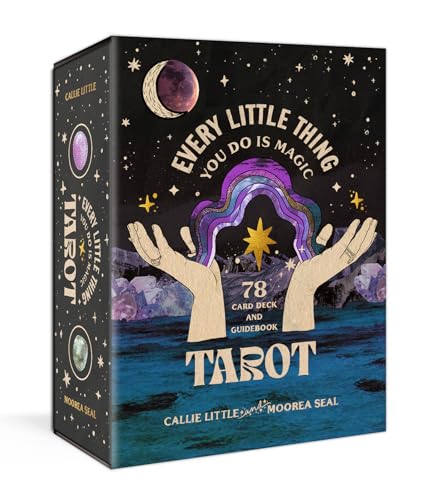
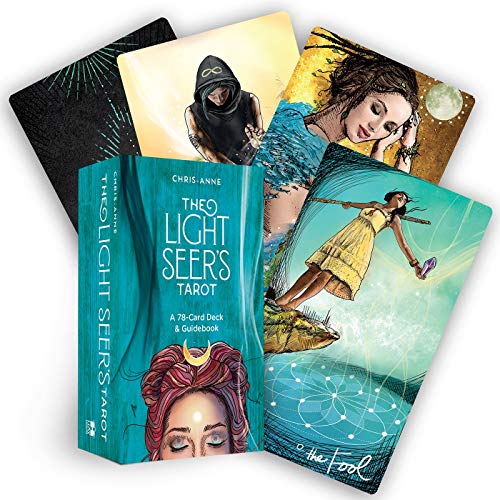
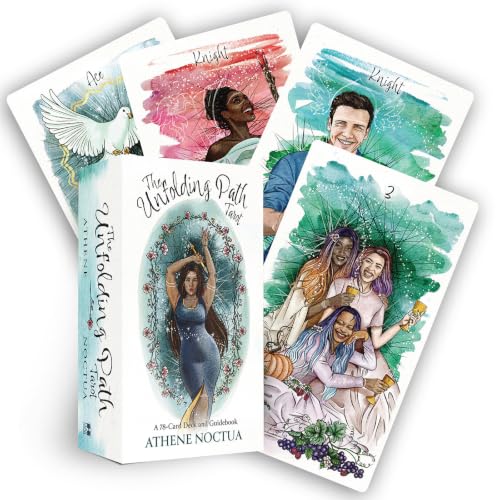
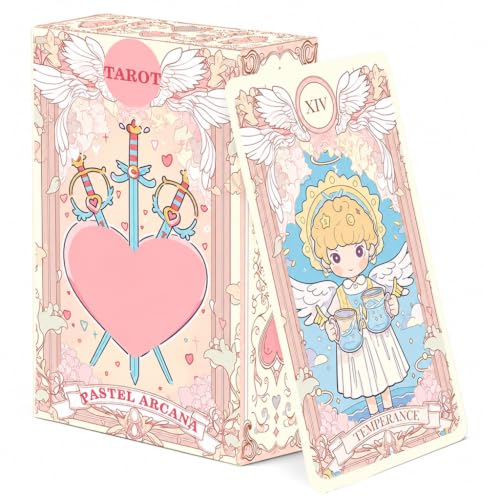
Buy Latest Tarot Card Deck on Amazon India
Understanding the Four Suits in Tarot
A traditional Tarot deck contains 78 cards, divided into two main groups: the Major Arcana and the Minor Arcana.
The Major Arcana consists of 22 cards associated with significant life themes, spiritual lessons, personal transformation, and important experiences.
The Minor Arcana contains 56 cards divided into four suits:
- Wands
- Cups
- Swords
- Pentacles
Each suit contains 14 cards, including Ace through Ten and four court cards: Page, Knight, Queen, and King.
While the Major Arcana often represents broader life themes, the Minor Arcana generally focuses on everyday situations, personal experiences, emotions, decisions, and practical matters.
Each suit is traditionally connected to one of the four classical elements. These elemental associations help readers understand the themes and energies represented by individual cards.
What Do Wands Represent in Tarot?
Element: Fire
Traditional themes: Creativity, passion, ambition, inspiration, energy, and action.
The Suit of Wands is traditionally associated with the element of Fire. It represents enthusiasm, personal motivation, creative thinking, ambition, and the desire to turn ideas into action.
Wands often appear in readings connected to new opportunities, personal projects, entrepreneurship, artistic interests, and professional ambitions.
If you draw several Wands cards during a reading, the symbolism may point towards an active period filled with motivation, creativity, or the desire to pursue something meaningful.
What Wands Mean in Different Areas of Life
- Career: Professional ambition, leadership, business opportunities, and career growth.
- Relationships: Passion, attraction, excitement, and shared adventures.
- Personal Growth: Confidence, motivation, independence, and discovering new interests.
- Creativity: Artistic expression, innovation, inspiration, and new ideas.
What Do Wands Symbolise?
Wands represent the spark that encourages people to take action. They are associated with enthusiasm and the courage to explore new possibilities.
However, Fire can also symbolise impatience, impulsiveness, and burnout when its energy becomes excessive.
For example, the Ace of Wands is traditionally associated with new inspiration and creative beginnings, while the Ten of Wands is commonly linked to responsibilities, pressure, and carrying too many burdens.






What Do Cups Represent in Tarot?
Element: Water
Traditional themes: Emotions, relationships, love, intuition, compassion, and feelings.
The Suit of Cups is connected to the element of Water. It represents the emotional side of human experiences, including love, friendship, family relationships, compassion, and personal connections.
Cups are particularly important in readings involving relationships, emotional well-being, romantic interests, and intuitive feelings.
When multiple Cups cards appear in a reading, they may suggest that emotions, relationships, or personal connections deserve greater attention.
What Cups Mean in Different Areas of Life
- Career: Job satisfaction, workplace relationships, creativity, and emotional fulfilment.
- Relationships: Romance, affection, friendship, emotional connection, and commitment.
- Personal Growth: Emotional awareness, intuition, empathy, and self-understanding.
- Family: Love, support, bonding, forgiveness, and meaningful connections.
What Do Cups Symbolise?
Water is often associated with depth, flexibility, and emotional movement. Similarly, Cups represent feelings that can change depending on personal experiences and circumstances.
However, excessive emotional energy can also symbolise unrealistic expectations, emotional confusion, or difficulty maintaining boundaries.
For example, the Two of Cups traditionally represents partnership, mutual attraction, and emotional connection. The Five of Cups is associated with disappointment, loss, and focusing on what has gone wrong.








What Do Swords Represent in Tarot?
Element: Air
Traditional themes: Thoughts, communication, logic, truth, decisions, and challenges.
The Suit of Swords is traditionally associated with the element of Air. It represents the intellectual side of human experiences, including reasoning, communication, decision-making, and mental clarity.
Unlike Cups, which focus on emotions, Swords are associated with thoughts, facts, and the way people process information.
These cards frequently appear in readings involving difficult decisions, disagreements, misunderstandings, personal challenges, and important conversations.
What Swords Mean in Different Areas of Life
- Career: Strategic thinking, workplace communication, negotiations, and important decisions.
- Relationships: Honest conversations, misunderstandings, disagreements, and setting boundaries.
- Personal Growth: Self-awareness, mental clarity, critical thinking, and learning from challenges.
- Decision-Making: Analysing situations, evaluating options, and understanding consequences.
What Do Swords Symbolise?
Swords represent the power of the mind and the importance of clear thinking. They can encourage people to look at situations logically rather than allowing emotions to influence every decision.
However, the Suit of Swords is not always associated with positive experiences. Its symbolism can also include anxiety, conflict, overthinking, and difficult truths.
For example, the Ace of Swords is traditionally associated with clarity, truth, and new ideas, while the Three of Swords commonly represents heartbreak, emotional pain, and disappointment.




What Do Pentacles Represent in Tarot?
Element: Earth
Traditional themes: Money, career, finances, stability, material possessions, and practical matters.
The Suit of Pentacles is traditionally associated with the element of Earth. It represents the physical and material aspects of life, including financial security, employment, business, health-related routines, and long-term stability.
Pentacles are particularly relevant in readings involving money management, professional development, investments, business opportunities, and building a secure future.
When several Pentacles cards appear in a reading, they may suggest that practical decisions, financial responsibilities, or long-term goals deserve attention.
What Pentacles Mean in Different Areas of Life
- Career: Employment, promotions, professional development, and business growth.
- Relationships: Commitment, reliability, shared responsibilities, and building a stable partnership.
- Personal Growth: Discipline, patience, consistency, and practical learning.
- Finances: Savings, income, investments, budgeting, and financial planning.
What Do Pentacles Symbolise?
Earth represents grounding, stability, patience, and the physical world. Similarly, Pentacles encourage attention towards practical decisions and sustainable progress.
However, their symbolism can also highlight materialism, financial worries, resistance to change, or excessive attachment to possessions.
For example, the Ace of Pentacles traditionally represents a new material opportunity, financial beginning, or practical possibility. The Ten of Pentacles is associated with long-term wealth, family security, inheritance, and lasting foundations.


Four Tarot Suits: Comparison Table
Although all four suits belong to the Minor Arcana, their traditional symbolism differs significantly.
Here is a quick comparison to help beginners understand their meanings.
| Tarot Suit | Element | Main Representation | Common Themes |
|---|---|---|---|
| Wands | Fire | Action and creativity | Passion, ambition, inspiration |
| Cups | Water | Emotions and relationships | Love, intuition, compassion |
| Swords | Air | Thoughts and communication | Logic, truth, decisions |
| Pentacles | Earth | Material and practical life | Money, career, stability |
How Do the Four Elements Differ?
The four elements provide another way to understand the traditional symbolism of Tarot:
- Fire: Encourages action, motivation, passion, and creative expression.
- Water: Represents emotional depth, intuition, relationships, and sensitivity.
- Air: Symbolises communication, intellectual activity, reasoning, and clarity.
- Earth: Represents physical resources, financial security, stability, and practical progress.
Together, these elements represent different dimensions of everyday human experiences.
How to Interpret the Four Suits During a Tarot Reading
Understanding the four suits is a useful starting point, but their meanings should not be interpreted in isolation.
A Tarot card’s meaning can depend on its position in a spread, the surrounding cards, the question being asked, and whether the card appears upright or reversed.
Here are some beginner-friendly ways to understand the four suits during a reading.
Look at the Suit First
Before examining the detailed meaning of an individual card, identify its suit.
For example:
- A Wands card may point towards ambition or taking action.
- A Cups card may highlight emotional experiences or relationships.
- A Swords card may indicate a decision or intellectual challenge.
- A Pentacles card may relate to finances, work, or practical responsibilities.
This simple approach can help you identify the general theme of a reading.
Pay Attention to Repeated Suits
If several cards from the same suit appear together, that suit’s themes may become particularly important.
For instance, multiple Cups cards may highlight emotional matters, while several Pentacles cards may draw attention towards financial or professional concerns.
This is not a fixed prediction. It is a traditional interpretive approach that helps readers explore recurring themes.
Consider Upright and Reversed Cards
Many Tarot readers interpret cards differently depending on their orientation.
An upright card is generally read through its conventional symbolism, while a reversed card may suggest blocked energy, delays, internal struggles, or an alternative expression of the card’s meaning.
However, not every Tarot reader uses reversed cards. Some prefer to interpret all cards upright and rely on the surrounding context.
Understand the Complete Reading
A Tarot reading involves looking at the relationship between individual cards rather than interpreting every card separately.
For example, a reading containing Wands, Cups, Swords, and Pentacles may invite reflection on ambition, emotional needs, decision-making, and practical responsibilities.
Looking at these themes together can provide a broader perspective.
What Should Beginners Know About Tarot Suits?
If you are learning Tarot for the first time, remembering all 56 Minor Arcana cards may seem overwhelming.
Fortunately, understanding the four suits provides a useful foundation.
Here are a few things beginners should keep in mind:
- Learn the elements first: Remember Fire for Wands, Water for Cups, Air for Swords, and Earth for Pentacles.
- Understand the central themes: Associate Wands with action, Cups with emotions, Swords with thoughts, and Pentacles with material matters.
- Study individual cards: Once you understand the suits, explore the meanings of the Ace through Ten and the court cards.
- Practise with simple spreads: A one-card or three-card spread can help you become familiar with Tarot symbolism.
- Consider the surrounding cards: Individual cards may communicate different ideas depending on the overall reading.
- Avoid treating Tarot as a guaranteed prediction: Tarot is best approached as a symbolic and reflective practice rather than a scientifically established method of predicting the future.
Most importantly, take your time. Learning Tarot is a gradual process, and understanding the four suits makes the journey much easier.
Frequently Asked Questions
1. What are the four suits in a Tarot deck?
The four suits in a traditional Tarot deck are Wands, Cups, Swords, and Pentacles. They belong to the Minor Arcana and represent different aspects of everyday life.
2. Which element is associated with Wands in Tarot?
Wands are traditionally associated with Fire. They represent creativity, passion, ambition, motivation, and action.
3. What do Cups represent in Tarot readings?
Cups are associated with Water and traditionally represent emotions, love, relationships, intuition, compassion, and emotional experiences.
4. What is the meaning of Swords in Tarot?
Swords are associated with Air and represent thoughts, communication, logic, truth, decisions, and intellectual challenges.
5. What do Pentacles mean in Tarot?
Pentacles are associated with Earth and represent money, career, financial security, material possessions, stability, and practical matters.
6. How many cards are there in each Tarot suit?
Each Minor Arcana suit contains 14 cards: Ace through Ten, followed by Page, Knight, Queen, and King.
7. Which Tarot suit is associated with money and career?
Pentacles are traditionally associated with finances, career, business, employment, material resources, and long-term stability.
8. Can beginners learn Tarot by understanding the four suits?
Yes. Learning the four suits and their elemental associations is an excellent starting point. It helps beginners recognise the general themes of Minor Arcana cards before studying their individual meanings.
Final Thoughts
The four Tarot suits offer a fascinating way to understand the different dimensions of everyday life.
Wands represent creativity and ambition, Cups explore emotions and relationships, Swords focus on thoughts and decisions, while Pentacles highlight finances, career, and material stability.
Their connections with Fire, Water, Air, and Earth provide a traditional symbolic framework that makes Tarot easier to understand.
Whether you are exploring Tarot out of curiosity, learning how to interpret cards, or simply interested in its traditional symbolism, understanding these four suits is an excellent first step.
Remember, Tarot interpretations vary between traditions and readers. Explore the symbolism with an open mind, take time to understand the cards, and enjoy learning something new.
Discover more interesting guides on spirituality, numerology, lifestyle, technology, and everyday essentials at BestBuy93.IN.