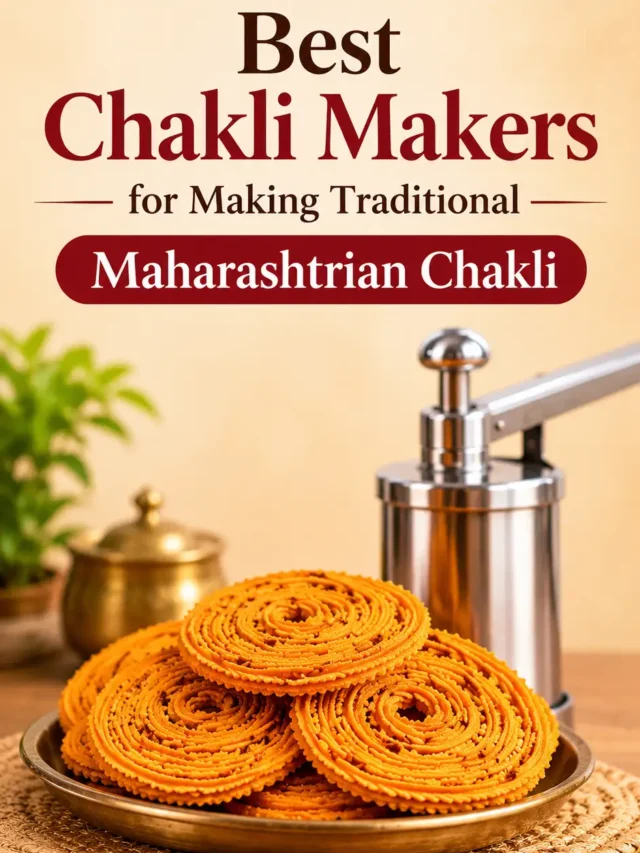
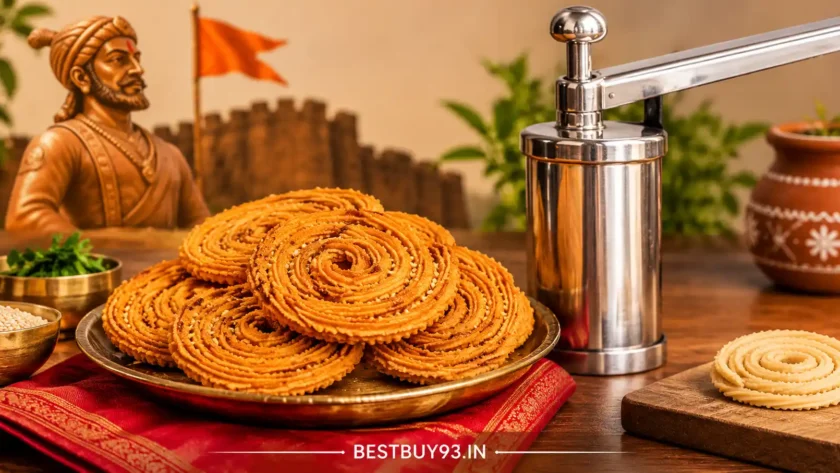

There is something special about homemade Maharashtrian chakli. That crunchy bite, the familiar taste of roasted bhajani, the aroma of sesame seeds and ajwain, and those beautiful golden spirals make it a festive favourite in many Indian households.
Whether you prepare chakli for Diwali, Ganesh Chaturthi, family gatherings or simply because someone at home is craving a crunchy snack, making it from scratch can be a rewarding experience.
But let’s be honest: shaping chakli by hand can become tiring, especially when preparing several batches. This is where a good chakli maker comes in.
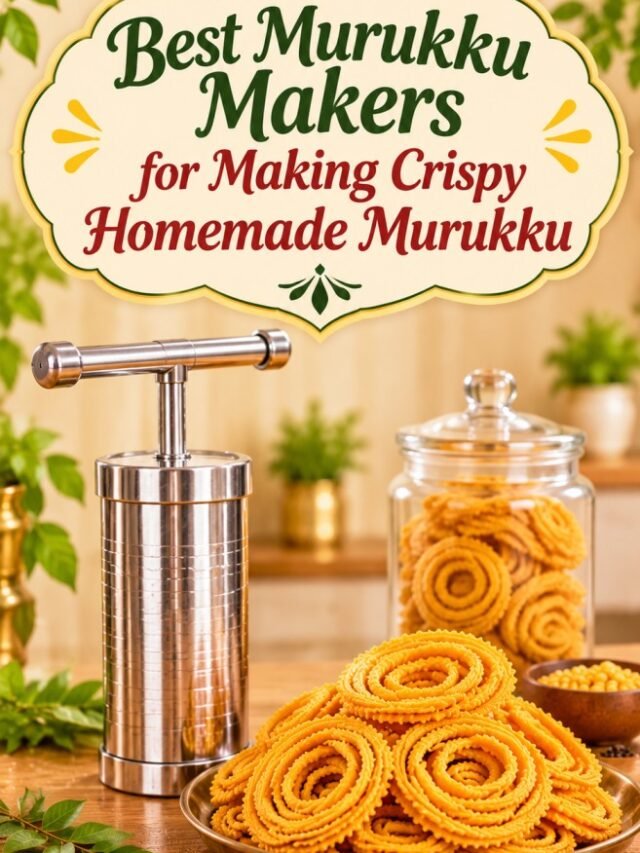
A chakli maker, also called a chakli press, chakli sancha, murukku maker or murukku achu, helps press prepared dough through a shaped disc. The result is a more consistent spiral pattern and a convenient way to prepare multiple chaklis.
In this guide, we explore traditional brass chakli presses, stainless-steel makers, multi-jali kitchen presses and wooden-style options. We will also explain what to check before buying, how to choose the right jali, and how to get better results with traditional Maharashtrian bhajani chakli.
Quick Answer: Which Chakli Maker Should You Buy?
If you want a traditional kitchen tool, consider a brass chakli press with interchangeable jalis. If easy cleaning and regular household use matter more, a stainless-steel model is worth considering.
For most home cooks, the best choice is a sturdy manual press with a comfortable handle, a secure bottom plate and a suitable chakli-shaped jali.
Remember that a chakli maker only shapes the dough. Your bhajani quality, dough consistency, pressing technique and frying temperature play equally important roles in getting crispy chakli.
Best Chakli Makers to Consider
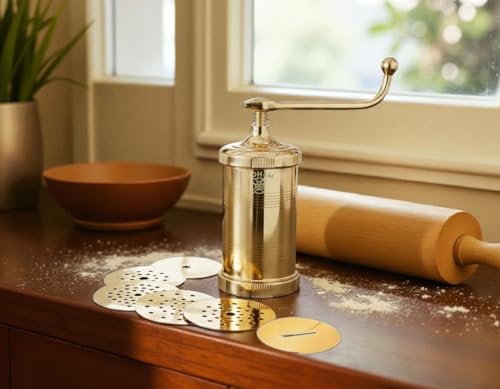
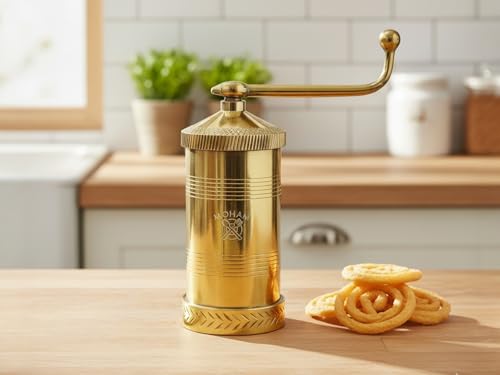
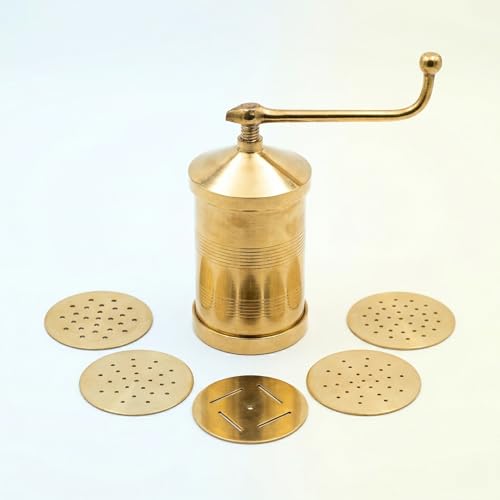
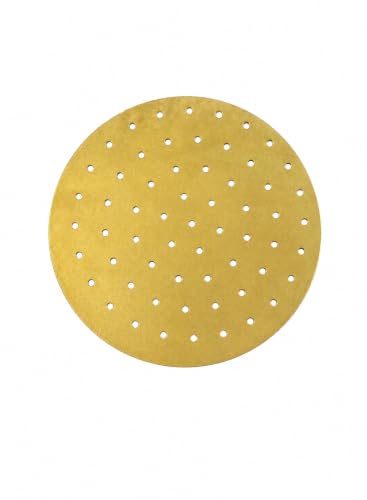
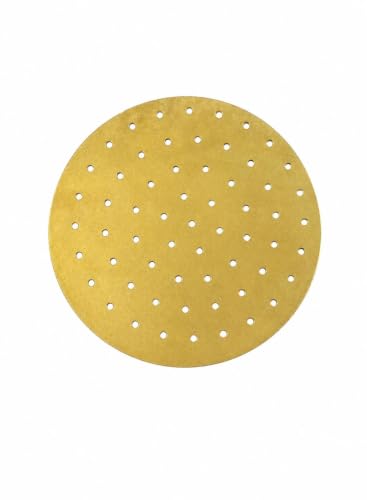
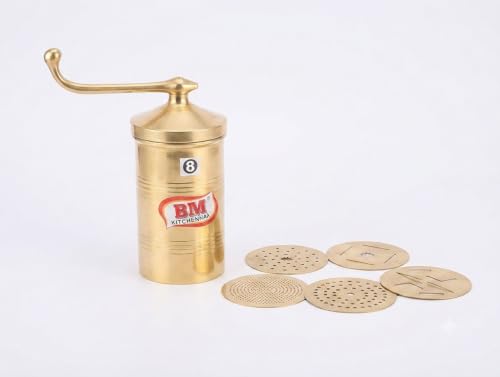
1. Traditional Brass Chakli Press – Best for Traditional Kitchenware
If you appreciate traditional Indian kitchen utensils, a brass chakli press is worth considering.
Brass presses have been used in Indian kitchens for generations. A conventional design generally consists of a hollow cylinder, a pressing mechanism and interchangeable metal discs that help create different snack shapes.
A traditional brass press is especially appealing to people who enjoy preparing festive snacks using familiar kitchen tools.
Why consider it?
- Traditional brass construction.
- Manual pressing mechanism.
- Suitable for compatible chakli and murukku dough.
- Can be used with different shaping plates, depending on the model.
- No electricity required.
Reasons to buy
- Traditional appearance and construction.
- Suitable for festive snack preparation.
- Can offer several shaping options.
What we don’t like
- Brass models can be relatively heavy.
- Some designs require more effort to operate.
- Cleaning and drying need attention.
- The number and shape of included jalis vary by seller.
Who should buy it?
Choose a brass chakli press if you prefer traditional kitchenware and want a reusable tool for preparing homemade snacks.
Who should skip it?
If you prefer lightweight equipment or want something especially easy to maintain, compare stainless-steel models before making a decision.
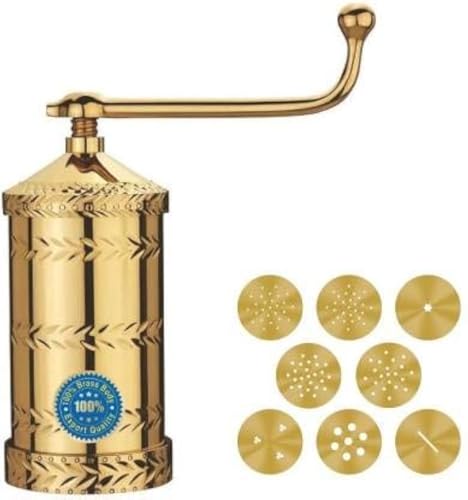
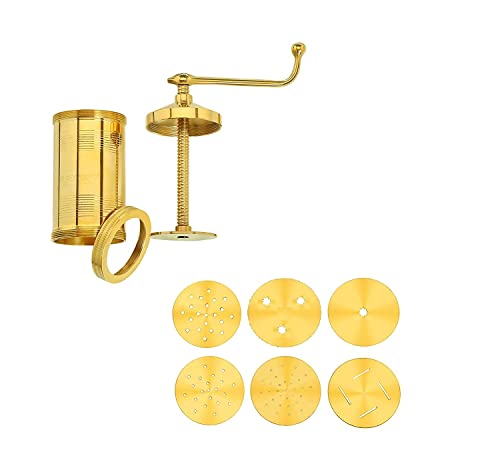
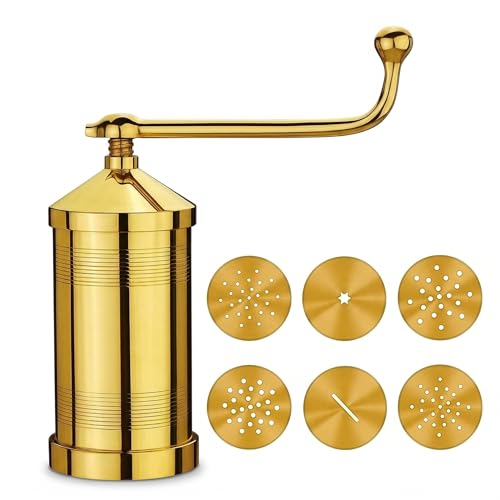
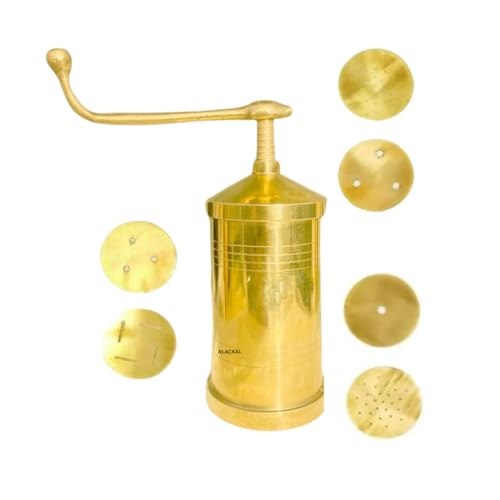

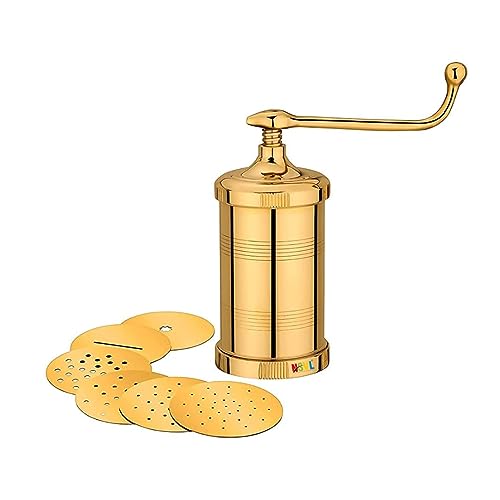
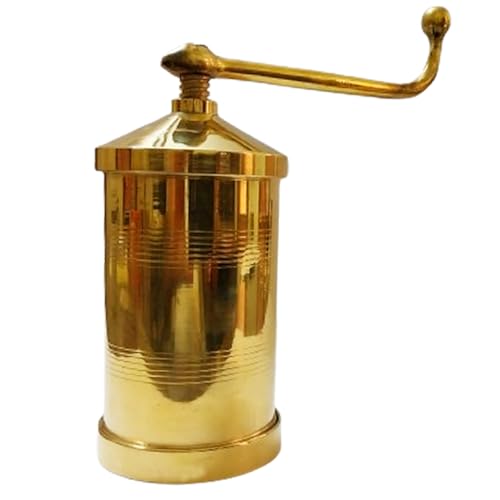
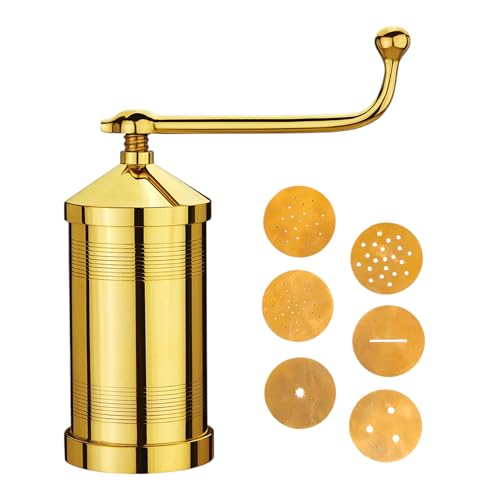

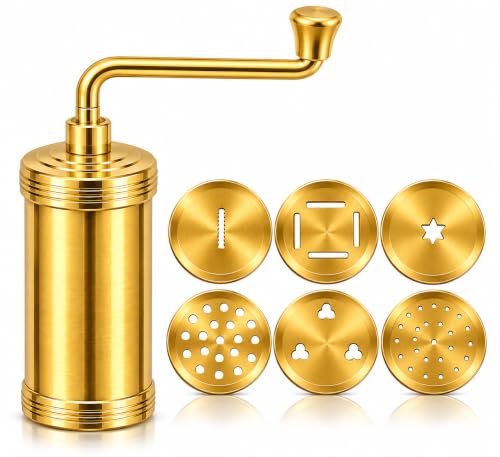
2. Beezy Brass Chakli Sancha with 6 Jalis – Best for Multiple Shapes
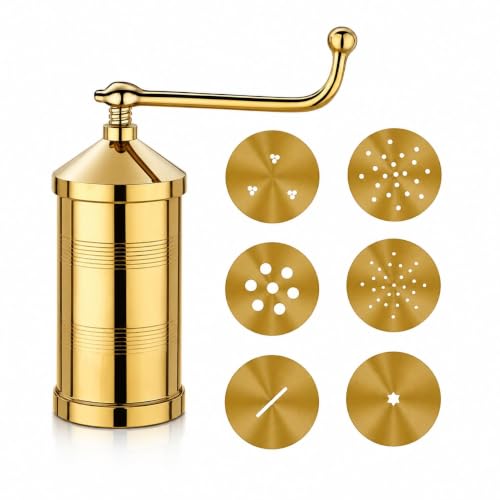
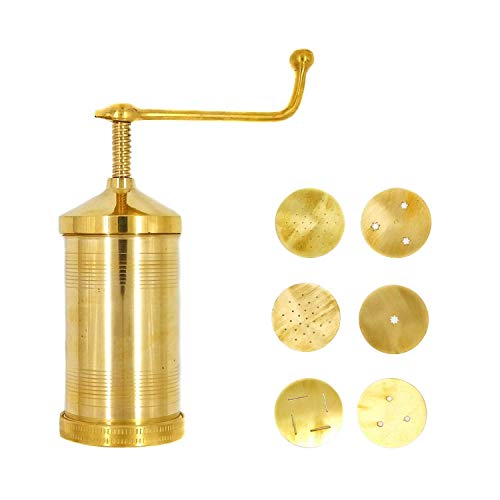
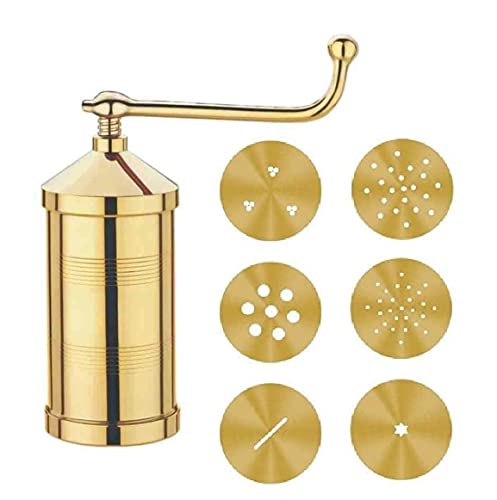
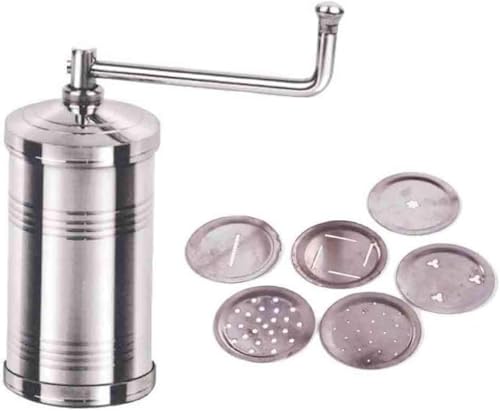
A chakli maker with interchangeable jalis offers more flexibility than a press with just one shaping plate.
The Beezy brass chakli sancha is listed with six jalis, making it an option for households that prepare different types of pressed snacks.
Different discs can produce different patterns and strand shapes. However, always check that the set includes the particular chakli-style disc you need.
Why consider it?
- Brass construction.
- Six jalis advertised in the listing.
- Multiple shaping possibilities.
- Manual operation.
- Suitable for traditional snack preparation.
Reasons to buy
- Several shaping options in one tool.
- Traditional brass design.
- Useful for experimenting with different snack patterns.
What we don’t like
- Multiple jalis mean more small parts to clean.
- The exact disc shapes should be checked before ordering.
- Brass may require more careful maintenance than stainless steel.
Who should buy it?
This is worth considering if you regularly prepare chakli, sev and other compatible pressed snacks.
Who should skip it?
If you only make one type of chakli occasionally, a simpler press may be sufficient.


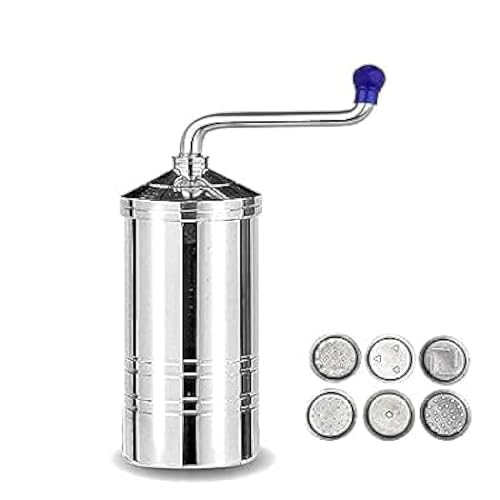
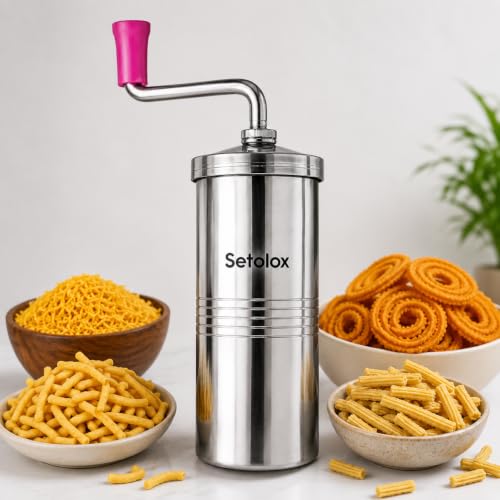
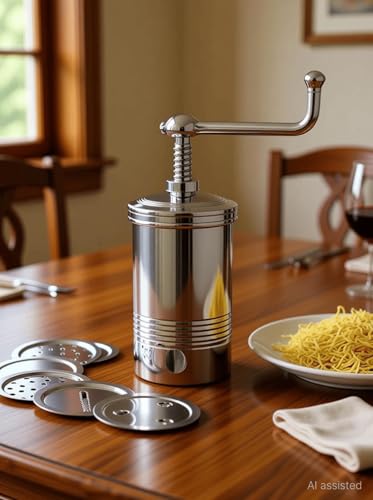
3. Nutristar Stainless Steel Sev Sancha and Chakli Maker – Best for Everyday Use
Stainless steel is a practical choice for households that prefer easy-to-maintain kitchen tools.
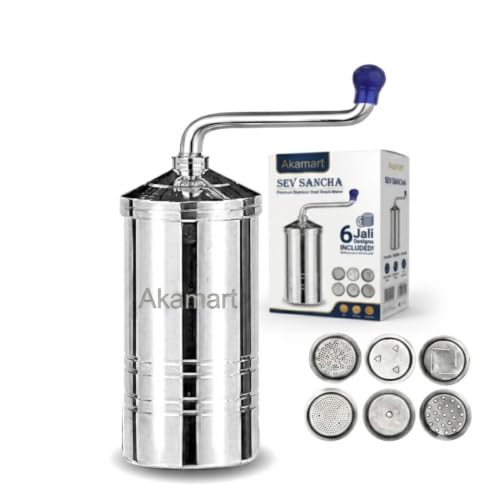
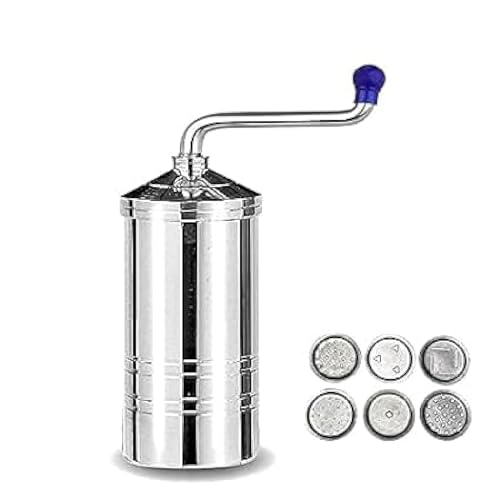
The Nutristar stainless-steel sancha is a manual kitchen press designed for making sev, chakli, murukku and similar snacks using compatible dough and shaping discs.
Its interchangeable jalis provide different shaping options without requiring a separate tool for every snack.
Why consider it?
- Stainless-steel construction.
- Manual operation.
- Interchangeable shaping discs.
- Suitable for several traditional snacks.
- No electricity required.
Reasons to buy
- Practical material for regular kitchen use.
- Reusable design.
- Multiple snack-making applications.
What we don’t like
- The pressing mechanism may require effort with stiff dough.
- Buyers should check the exact number and type of included jalis.
- Stainless steel does not automatically mean every component is dishwasher-safe.
Who should buy it?
Choose a stainless-steel chakli maker if you want a practical tool for frequent homemade snack preparation.
Who should skip it?
If you specifically want a traditional brass utensil, compare brass models instead.

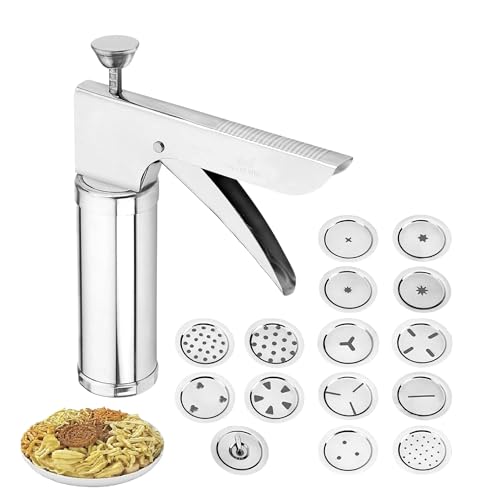


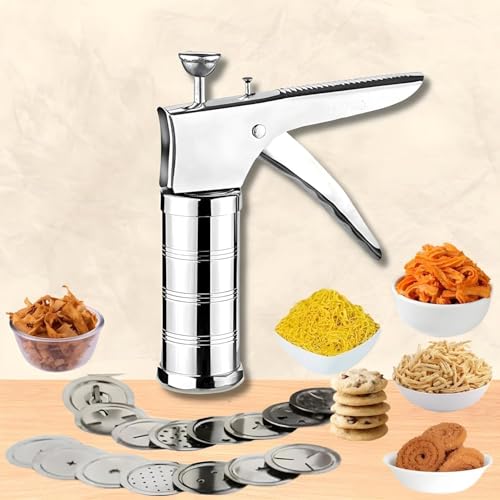
4. Anjali Kitchen Express Gripper with 12 Stainless-Steel Jalis – Best for Attachment Variety
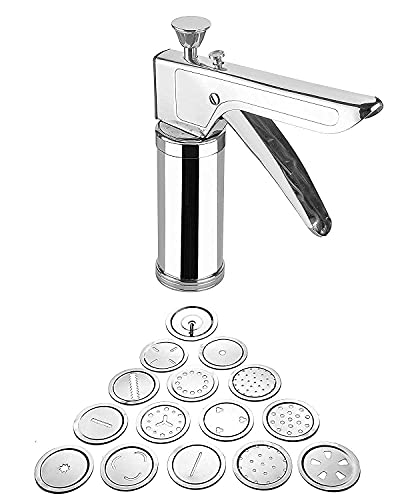
Some households prefer a single kitchen press that can be used for several recipes.
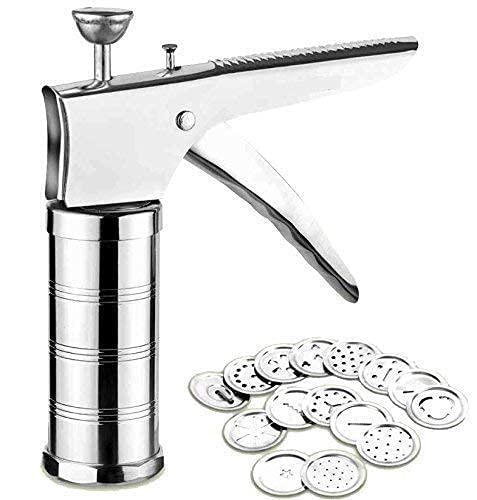
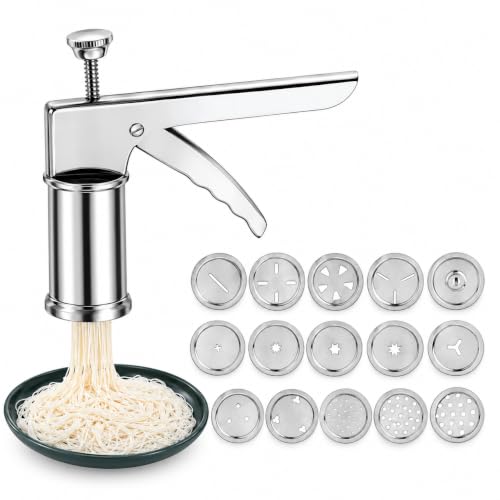
The Anjali Kitchen Express Gripper is listed with 12 stainless-steel jalis. Its multiple attachments make it an interesting option for people who prepare different pressed snacks.
The important thing is to identify which attachment produces the spiral or ridged shape suitable for your chakli recipe.
Why consider it?
- Gripper-style kitchen press.
- Twelve stainless-steel jalis advertised.
- Multiple shaping options.
- Useful for compatible pressed snacks.
Reasons to buy
- Variety of attachments.
- Compact multi-purpose concept.
- Can be useful beyond chakli preparation.
What we don’t like
- Buyers need to inspect the included attachments carefully.
- A large attachment count does not guarantee a good chakli shape.
- Gripper comfort depends on the actual design and dough consistency.
Who should buy it?
Consider it if you want a multi-purpose kitchen press and enjoy making different snacks.
Who should skip it?
If you mainly prepare large batches of chakli, a traditional cylinder-style press may offer a more suitable capacity and operating experience.
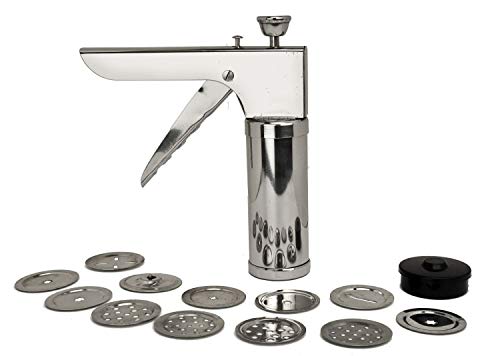
- Make healthy snacks at home. Ideal hand press.
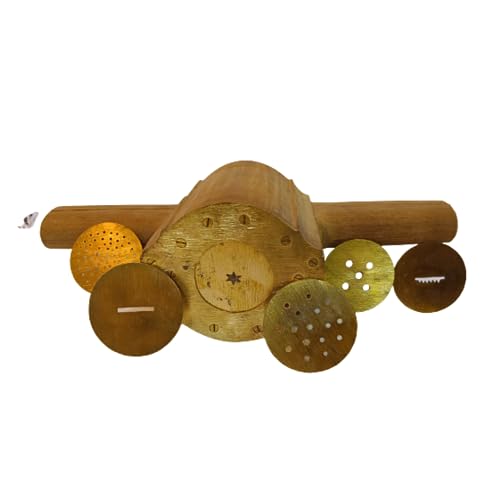
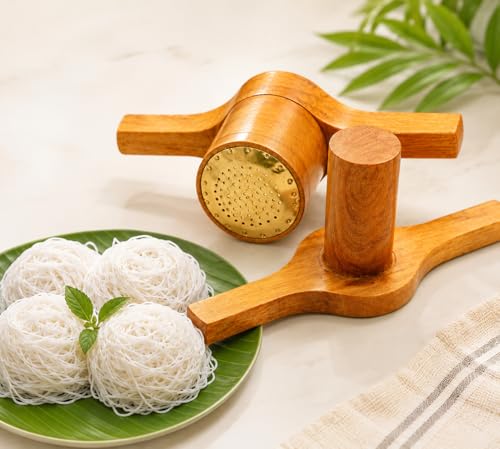
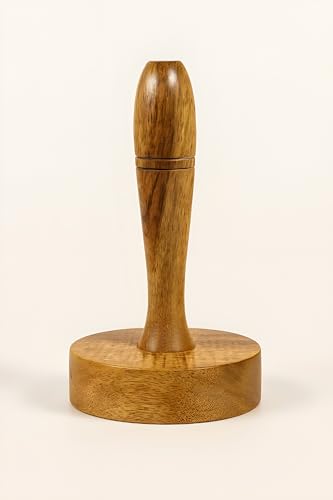
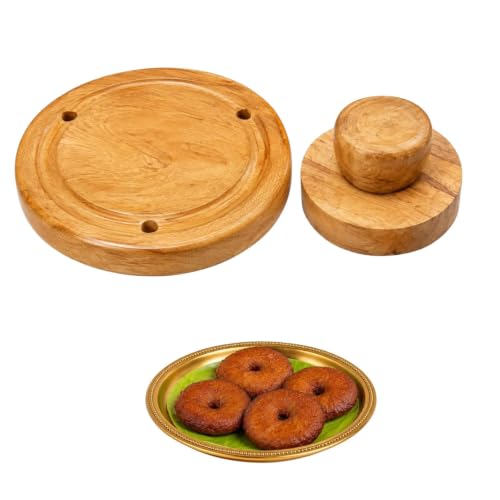
5. Wooden Murukku Maker with Brass Bottom Plate – Best for Traditional-Style Preparation
A wooden murukku maker offers a different experience from modern stainless-steel and brass presses.
This type of tool combines a wooden body with a brass bottom plate. It may appeal to people who enjoy traditional kitchen equipment and simple manual snack-making tools.
Before ordering, check the construction, dimensions, bottom plate and the exact pressing mechanism. Wooden designs can vary considerably between sellers.
Why consider it?
- Traditional-style wooden construction.
- Brass bottom plate.
- Manual operation.
- Suitable for compatible pressed-dough preparations.
Reasons to buy
- Distinct traditional design.
- Simple kitchen-tool concept.
- No electrical components.
What we don’t like
- Wooden parts need careful cleaning and drying.
- The capacity and operating mechanism may differ from modern presses.
- Replacement attachments may not be readily available.
Who should buy it?
Choose this style if you enjoy traditional kitchen tools and prefer a simple manual design.
Who should skip it?
If you want multiple interchangeable jalis or a more conventional modern press, stainless-steel and brass alternatives may be more suitable.




Chakli Maker Comparison Table
| Chakli maker | Material/design | Main advantage | Best for |
|---|---|---|---|
| Traditional brass press | Brass | Traditional construction | Festive preparation |
| Beezy brass sancha | Brass | Six jalis listed | Multiple snack shapes |
| Nutristar sancha | Stainless steel | Practical manual press | Regular home use |
| Anjali gripper | Gripper with SS jalis | Attachment variety | Multi-purpose use |
| Wooden murukku maker | Wood and brass | Traditional-style design | Occasional preparation |
Our recommendation: For regular household use, start by comparing a stainless-steel press with a comfortable mechanism. For a more traditional experience, look at brass models with a clearly specified chakli disc.
Types of Chakli Makers: Which Design Is Right for You?
Not every chakli maker works in exactly the same way. Understanding the designs can help you avoid buying the wrong tool.
Brass Chakli Press
Brass presses are traditional manual tools. They generally use a cylindrical body and interchangeable shaping plates.
They are suitable for people who enjoy traditional kitchenware and want a sturdy manual press.
Stainless-Steel Chakli Maker
Stainless-steel presses are popular for their practical construction and relatively straightforward maintenance.
They are available in different shapes and mechanisms, including screw-operated and lever-operated models.
Gripper-Style Kitchen Press
A gripper-style press uses a squeezing mechanism to push dough through an attachment.
It can be convenient for smaller batches, depending on the capacity and handle design.
Wooden Chakli Maker
Wooden presses are traditional-style alternatives, sometimes supplied with brass or metal shaping plates.
They require careful drying and storage to maintain the wooden components.
What to Look for When Buying a Chakli Maker
Before purchasing a chakli maker, consider these important factors.
1. Material Quality
The main materials you will find are brass, stainless steel, aluminium and wood.
- Brass: Traditional appearance and heavier construction.
- Stainless steel: Practical for repeated household use.
- Aluminium: Often lightweight, but check the grade and finish.
- Wood: Traditional design, but requires careful maintenance.
For a regular-use tool, pay attention to the quality of the pressing mechanism and shaping plate, not just the material name.
2. Correct Chakli Jali
This is one of the most important buying considerations.
A chakli maker may include several attachments, but not every jali will create the traditional spiral pattern you want.
Check product photographs carefully and confirm that the set includes a suitable chakli or star-shaped disc.
3. Comfortable Handle
Making chakli involves pressing dough repeatedly. A handle that is uncomfortable to grip can make the process tiring.
Look for:
- Comfortable grip.
- Stable pressing mechanism.
- Smooth movement.
- Securely fitted components.
- Enough leverage for your preferred dough consistency.
4. Capacity
A small press may be sufficient for occasional snacks, but larger batches require more frequent refilling.
Check the cylinder dimensions and the amount of dough it can comfortably hold.
Do not assume that a larger-looking product necessarily has a larger usable capacity.
5. Easy Cleaning
Dough can stick inside the cylinder, plunger and small jali openings.
Choose a model that can be disassembled easily. Removable parts make cleaning much more manageable.
6. Number of Attachments
More jalis can be useful, but only if they serve a purpose.
Check whether the attachments include:
- Chakli-shaped disc.
- Fine sev disc.
- Thick sev disc.
- Ribbon-style disc.
- Other compatible snack patterns.
A set with six useful attachments can be more valuable than a set with fifteen shapes you never use.
7. Price and Warranty
Compare the price with the construction, attachments, seller reputation and return policy.
Also check whether the manufacturer or seller offers replacement jalis.
How to Make Better Traditional Maharashtrian Chakli
The chakli maker is only one part of the process. Traditional Maharashtrian chakli is commonly prepared using bhajani flour, spices and carefully prepared dough.
Step 1: Prepare the Bhajani
Maharashtrian chakli bhajani is a roasted flour mixture. The exact ingredients and proportions vary between household recipes.
Rice and different pulses or dals are commonly used, depending on the family recipe.
The roasted ingredients are ground into a flour suitable for chakli preparation.
Step 2: Prepare the Dough
Combine the bhajani with the recipe’s seasonings, salt and liquid ingredients.
Common flavouring ingredients include:
- Red chilli powder.
- Sesame seeds.
- Ajwain.
- Cumin.
- Turmeric.
- Asafoetida.
- Salt.
Add water gradually and knead until the dough becomes soft enough to pass through the chakli maker.
The dough should not be excessively dry or sticky.
Step 3: Fit the Chakli Jali
Choose the appropriate spiral or star-pattern attachment.
Secure it properly at the bottom of the press before filling the cylinder.
Step 4: Fill the Maker
Place manageable portions of dough inside the cylinder.
Avoid overfilling, especially if you are using a smaller press.
Step 5: Shape the Chaklis
Press the dough onto a clean surface or suitable food-safe sheet.
Create circular spirals with consistent spacing. Keep the pressure steady so the dough comes out evenly.
Step 6: Fry Carefully
Heat oil in a suitable kadai.
Test the oil temperature with a small piece of dough before frying a full batch. If the oil is too hot, the chakli may brown quickly without cooking evenly. If it is too cool, the chakli may absorb excess oil.
Fry in manageable batches and follow your recipe’s temperature and cooking instructions.
Step 7: Cool and Store
Allow the chaklis to cool completely before storing them.
Use a clean, dry, airtight container to maintain their crunchiness.
Common Chakli Maker Buying Mistakes
Avoid these mistakes before placing your order.
Buying only because the product has many jalis: The number of attachments matters less than whether the right chakli disc is included.
Ignoring the handle design: A press that looks attractive may still be uncomfortable to operate.
Not checking the material: Read the complete product description rather than relying on the main photograph.
Choosing a very small press for large batches: Frequent refilling can slow down festive preparation.
Ignoring cleaning requirements: Small openings can trap dough. Choose a model that can be cleaned properly.
Expecting the press to make chakli crispy: The tool shapes the dough. Flour quality, dough consistency and frying technique determine the final texture.
Frequently Asked Questions
1. Which chakli maker is best for Maharashtrian chakli?
A traditional brass or stainless-steel manual chakli press with a suitable spiral-shaped jali is a good starting point. Choose based on material preference, handle comfort and batch size.
2. Is a brass chakli maker better than stainless steel?
Not necessarily. Brass offers a traditional design, while stainless steel is a practical option for regular household use. Construction quality and ease of operation matter more than material alone.
3. Can I use a murukku maker for Maharashtrian chakli?
Yes, provided it has a compatible chakli-shaped disc and can handle your bhajani dough. Check the included attachments before purchasing.
4. How many jalis should a chakli maker have?
There is no fixed requirement. Even a single suitable chakli disc can be sufficient if you mainly prepare one snack. Multiple jalis are useful when you also make sev, murukku and other pressed snacks.
5. Why does chakli dough get stuck in the maker?
The dough may be too dry, the press may be overfilled, or the jali openings may be blocked. Adjust the dough consistency and clean the attachments before use.
6. Can I make chakli without a chakli maker?
Yes, but shaping consistent spirals by hand requires practice. A chakli press makes the process more convenient and helps produce more uniform shapes.
7. How should I clean a chakli maker?
Disassemble removable parts and wash them with mild dishwashing liquid. Use a soft brush to clean small openings, rinse thoroughly and dry completely before storing.
8. Can one chakli maker be used for sev and murukku?
Many multi-purpose presses support these snacks, provided the appropriate shaping discs are included. Always match the attachment to the recipe.
Final Verdict: Which Chakli Maker Should You Choose?
The best chakli maker depends on how frequently you prepare traditional snacks and what kind of kitchen tool you prefer.
- For traditional kitchenware: Choose a brass chakli press.
- For multiple shaping options: Consider a brass sancha with interchangeable jalis.
- For regular home use: Compare stainless-steel models.
- For attachment variety: Look at a gripper-style kitchen press.
- For traditional-style equipment: Consider a wooden maker with a metal bottom plate.
Our practical advice? Do not get carried away by the number of attachments. First, check the chakli disc, handle comfort, construction quality and cleaning requirements.
After all, the goal is to enjoy homemade chakli without turning snack preparation into an arm workout!