


Artificial plants are wonderfully low-maintenance, but low-maintenance doesn’t mean no-maintenance.
Unlike real plants, they don’t need watering, sunlight, pruning or fertilizing. But they do collect dust, lose their shape, and can start looking noticeably artificial when they’re neglected. A dusty artificial Monstera isn’t exactly giving “fresh botanical corner.” 😭
The good news? Artificial plant care is incredibly simple when you follow a consistent routine.
Whether you have a small faux succulent on your desk, a large artificial tree in the living room, or hanging plants cascading from a shelf, a little regular cleaning can keep them looking fresh and realistic for years.
In this part, we’ll cover the basic artificial plant care routine, including how often to clean your plants, how to remove everyday dust, how to clean leaves and stems, and how to care for the planter itself.
Also Read | Indoor vs Outdoor Artificial Plants: Which Is Better? | Best Artificial Hanging Plants for Your Home
🌿 Artificial Plant Care at a Glance
| Care Task | Recommended Frequency | Why It Matters |
|---|---|---|
| Dust leaves | Every 1–2 weeks | Prevents visible buildup |
| Wipe large leaves | Monthly or as needed | Removes stubborn dust |
| Clean stems | Every few weeks | Keeps the entire plant fresh |
| Clean planter | Monthly | Prevents dusty, dull appearance |
| Rearrange foliage | As needed | Restores natural shape |
| Deep clean | Every few months | Removes accumulated dirt |
| Check for fading | Every few months | Helps identify sun damage |
| Inspect hanging plants | Periodically | Ensures secure placement |
The exact frequency depends on where your plant is placed.
A plant near an open window in a dusty area may need cleaning more often than one sitting inside a closed bedroom.
🪴 Do Artificial Plants Need Maintenance?
Yes but very little.
Real plants require ongoing biological care.
Artificial plants don’t.
You don’t have to worry about:
- Watering
- Fertilizing
- Repotting
- Pruning
- Pest control
- Sunlight for growth
But artificial plants are still exposed to their surroundings.
Over time, they can collect:
- Household dust
- Pet hair
- Pollen
- Cooking residue
- Pollution
- Dirt
- Moisture-related residue
This buildup can make the foliage look dull.
More importantly, dust can make an otherwise realistic artificial plant look obviously fake.
Regular cleaning is therefore less about “plant health” and more about appearance and longevity.


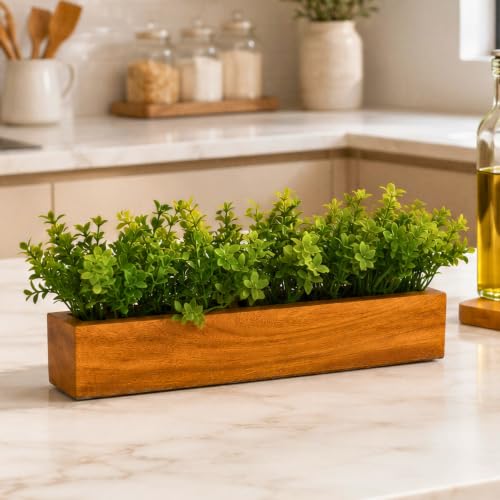
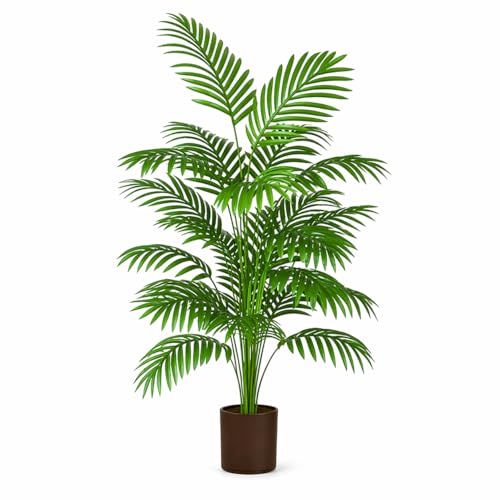
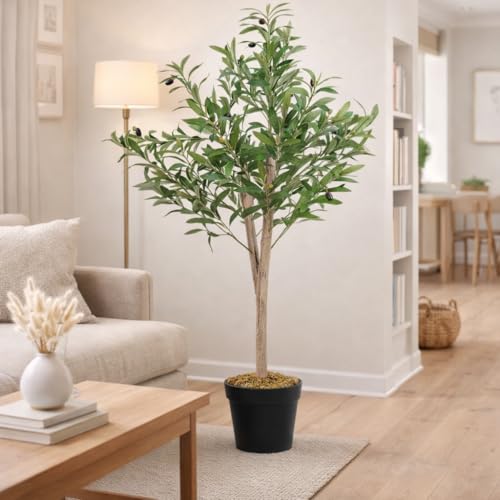
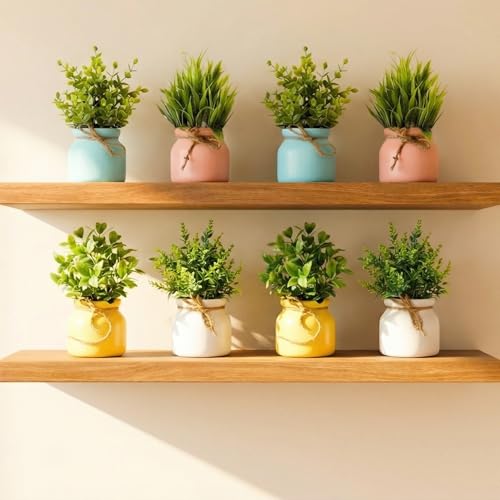


🧹 Why Do Artificial Plants Get Dusty?
Artificial plants are essentially decorative surfaces sitting in your home.
And dust loves surfaces.
Large leaves are particularly good at collecting dust because they provide a broad horizontal or angled surface.
Trailing plants can also collect dust because their leaves often remain undisturbed for long periods.
Plants Most Likely to Show Dust
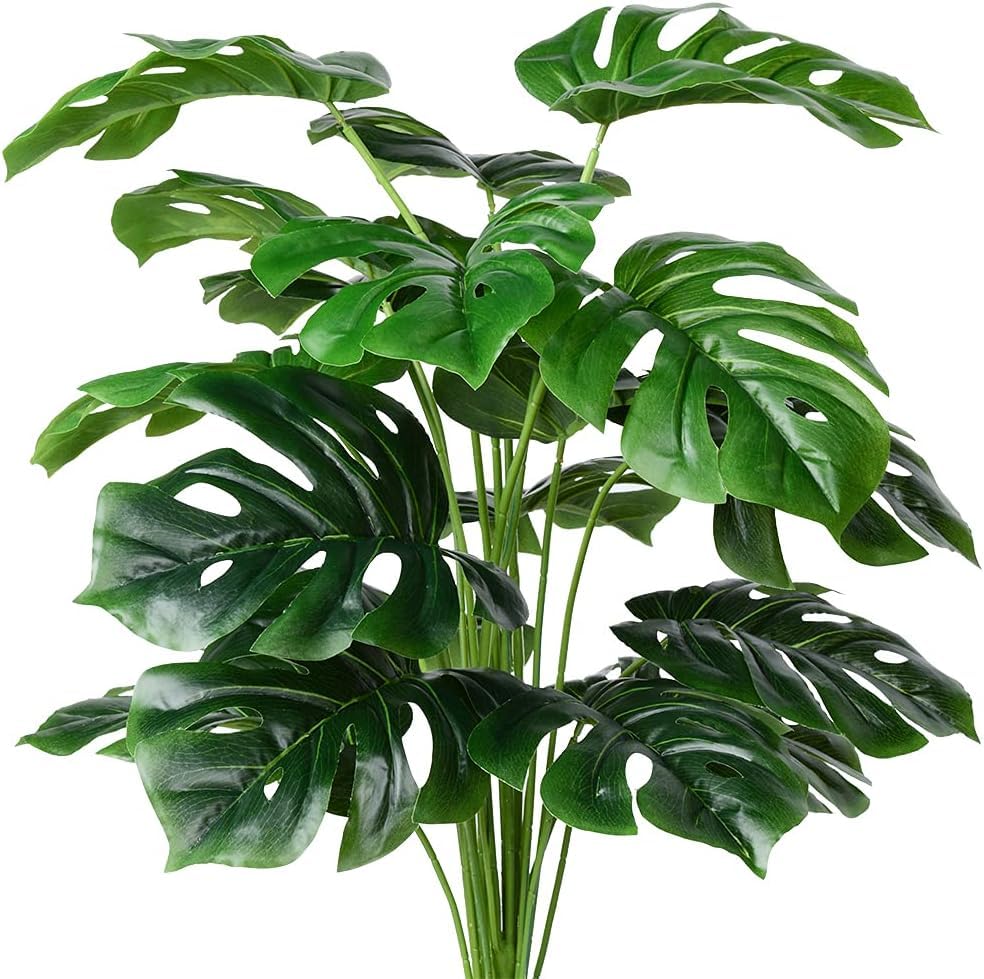
Large Monstera leaves
Fiddle Leaf Fig
Artificial Palm
Large Ferns
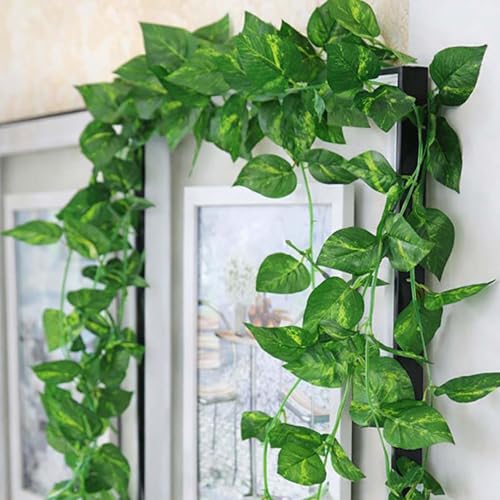
Hanging Pothos
Artificial Olive Trees
Smaller foliage can hide dust more easily, but that doesn’t mean it isn’t there.
⏰ How Often Should You Clean Artificial Plants?
There’s no universal schedule because every home is different.
However, a simple routine works well.
🌿 Every 1–2 Weeks
Give the foliage a quick dust.
This prevents buildup from becoming difficult to remove later.
🧹 Once a Month
Do a slightly more thorough cleaning.
Check:
- Leaves
- Stems
- Planter
- Decorative filler
- Areas underneath the foliage
🧼 Every Few Months
Consider a deeper clean, particularly for plants in:
- Living rooms
- Kitchens
- Balconies
- Entryways
- High-traffic areas
Outdoor artificial plants may require more frequent cleaning because they’re exposed to environmental debris.
🍃 1. Start With Simple Dusting
For regular maintenance, you don’t need complicated cleaning products.
A soft, clean microfiber cloth can work well for larger leaves.
Gently wipe each leaf rather than aggressively rubbing it.
For Large Leaves
Support the leaf underneath with one hand while wiping with the other.
This reduces the chance of bending or damaging delicate stems.
🌿 2. Use a Soft Brush for Delicate Foliage
Some artificial plants have very small or densely packed leaves.
Trying to wipe every individual leaf with a cloth would be an exercise in patience nobody asked for. 😂
For delicate foliage, a soft-bristled brush can help loosen dust.
Use gentle strokes.
This is particularly useful for:
- Ferns
- Small-leaf plants
- Artificial herbs
- Dense hanging plants
- Fine decorative foliage
🌬️ 3. Use Air for Hard-to-Reach Areas
For plants with dense foliage, gentle air can help dislodge loose dust.
You can use an appropriate low-pressure air source, keeping it gentle enough that the leaves and stems aren’t bent or damaged.
Avoid blasting delicate foliage aggressively.
The goal is:
Remove dust not recreate a hurricane indoors.
🍃 4. Clean Large Artificial Leaves Carefully
Large leaves are easy to clean but can also show streaks if cleaned incorrectly.
Start by removing loose dust.
Then, if the manufacturer’s care instructions allow it, gently wipe the leaf with a slightly damp microfiber cloth.
Don’t Soak It
Excess moisture can collect around:
- Stem connections
- Internal wires
- Adhesive points
- Decorative components
Use only enough moisture to clean the surface.

🌿 5. Clean the Stems Too
People often clean the leaves and completely forget about the stems.
But stems collect dust as well.
Run a soft cloth gently along accessible stems.
For narrow stems, a soft brush can be more convenient.
Pay Attention To:
- Stem joints
- Branch connections
- Lower sections
- Areas hidden beneath leaves
These are often the places where dust quietly accumulates.
🪴 6. Don’t Forget the Planter
A dusty plant sitting in a dusty planter isn’t going to look fresh.
Clean the container regularly according to its material.
Ceramic Planter
Usually easy to wipe clean.
Plastic Planter
Can generally be wiped with a soft cloth.
Woven Basket
Use gentle dry cleaning methods appropriate for the material.
Stone-Look Planter
Check the manufacturer’s recommendations, particularly if it has a special finish.
🌿 7. Clean Decorative Fillers
Some artificial plants have decorative elements around the base, such as:
- Pebbles
- Artificial moss
- Decorative stones
- Bark-style fillers
These can collect dust too.
Don’t forget the base when cleaning the plant.
A beautifully clean leaf sitting above a visibly dusty planter base defeats the whole exercise.
🌱 8. Be Careful With Delicate Artificial Plants
Not every artificial plant should be cleaned in exactly the same way.
Some have:
- Fabric leaves
- Delicate coatings
- Thin stems
- Small glued components
- Decorative finishes
For these, start with dry cleaning methods.
Use a soft brush or microfiber cloth before considering any moisture.
🧽 9. Don’t Automatically Wash Every Artificial Plant
This is an important point.
You may see advice online suggesting that artificial plants can simply be placed under running water.
That isn’t appropriate for every product.
Before washing an artificial plant, check:
- Manufacturer instructions
- Leaf material
- Stem construction
- Attached components
- Planter construction
If you’re unsure, use a gentle dry-cleaning method instead.
🌿 10. Pay Attention to Plant Location
Your cleaning routine should depend partly on where the plant lives.
Living Room
Usually moderate dust accumulation.
Bedroom
Generally lighter dust, depending on ventilation.
Kitchen
May collect grease and cooking residue in addition to dust.
Entryway
Can collect more dust because of outdoor traffic.
Balcony
May accumulate dust, pollen and environmental debris.
Bathroom
May experience moisture and residue depending on ventilation.
The location determines how frequently your artificial plant needs attention.
🍳 Artificial Plants in the Kitchen
Kitchen plants need a little extra attention.
Grease and cooking residue can settle on foliage, especially if the plant is positioned near the cooking area.
If you’re using artificial greenery in the kitchen:
Keep It Away From
- Gas flames
- Hot cooking surfaces
- Steam-heavy areas
- Direct heat
- Grease splashes
And clean it more frequently if you notice residue accumulating.
🌿 11. Rearrange the Foliage
Artificial plants can sometimes look flattened or overly symmetrical after sitting in one position for a long time.
This is particularly common with:
- Large artificial trees
- Hanging plants
- Boxed or packaged plants
- Artificial Ferns
- Pothos-style trailing plants
Gently adjust the stems and leaves.
Try:
Some leaves outward
Some slightly inward
A few stems lower
A few stems higher
The goal is an irregular, natural-looking silhouette.
🪴 12. Don’t Force the Stems
Many artificial plants contain flexible internal wires.
That’s useful because you can shape them.
But don’t repeatedly bend the same area aggressively.
Over time, excessive bending can damage the internal structure or cause visible creasing.
Better Approach
Make gradual adjustments and avoid sharp bends.
☀️ 13. Check for Sun Exposure
Artificial plants don’t need sunlight to survive, but sunlight can affect synthetic materials.
Long-term direct exposure may cause some artificial foliage to fade.
If you notice:
- Uneven colour
- Faded leaves
- Brittle-looking foliage
consider moving the plant away from prolonged direct sunlight.
For outdoor areas, choose products specifically designed for outdoor use and check whether they have appropriate UV resistance.
🧹 14. Don’t Let Dust Build Up
The easiest artificial plant care strategy is also the most boring:
Clean regularly.
A few minutes of dusting every couple of weeks is much easier than trying to remove months of accumulated dirt.
This is particularly important for plants with:
- Dense foliage
- Large leaves
- Trailing stems
- Textured surfaces
Regular light cleaning is usually better than occasional aggressive cleaning.
🌿 15. Create a Simple Artificial Plant Care Routine
You don’t need a complicated maintenance calendar.
Try this:
Every 1–2 Weeks
🌿 Dust the leaves
Monthly
🧹 Clean leaves and stems more thoroughly
🪴 Wipe the planter
Every Few Months
☀️ Check for fading
🌿 Reshape the foliage
🔎 Inspect the overall condition
For Outdoor Plants
🌧️ Check for weather exposure
☀️ Check for fading
💨 Check stability
🧹 Clean environmental debris
This simple routine can keep artificial greenery looking significantly fresher.
🧼 How to Deep Clean Artificial Plants
Regular dusting is enough for everyday maintenance, but sometimes artificial plants need a deeper clean.
This is especially true for plants placed in:
- Kitchens
- Entryways
- Balconies
- Open windows
- High-traffic areas
- Shelves that haven’t been cleaned regularly
Before using water or any cleaning solution, check the manufacturer’s care instructions. Different foliage materials can react differently to moisture.
Basic Deep-Cleaning Method
- Remove loose dust with a soft brush or cloth.
- Separate tangled or compressed stems.
- Gently wipe suitable leaves with a damp microfiber cloth.
- Clean the stems.
- Clean the planter separately.
- Allow any damp components to dry completely.
- Reshape the foliage before putting the plant back.
The key word here is gentle.
Artificial plants don’t need to be scrubbed like bathroom tiles. 😭
🌿 Cleaning Artificial Hanging Plants
Hanging plants can be slightly trickier because they’re often positioned high up and have lots of trailing foliage.
Start With Safety
If the plant is hanging from a ceiling or high shelf, make sure you can reach it safely.
Don’t stand on unstable furniture just to dust a Pothos.
A suitable step ladder is much safer.
Cleaning Method
Use a soft brush or microfiber cloth to remove loose dust from:
- Leaves
- Stems
- Hanging basket
- Upper foliage
- Lower trailing sections
Pay particular attention to the undersides of leaves, where dust can accumulate.
After cleaning, gently separate the stems so they don’t look like one giant tangled green noodle.
🌿 Cleaning Large Artificial Plants
Large artificial trees and floor plants can collect considerable dust because they have lots of surface area.
Examples include:
- Artificial Olive Trees
- Fiddle Leaf Figs
- Monstera
- Areca Palms
- Artificial Bamboo
- Large Ferns
The Easiest Method
Work from top to bottom.
Start with the highest foliage and gradually move downward.
This prevents dust from falling onto areas you’ve already cleaned.
For large leaves, use a slightly damp microfiber cloth if the material permits it.
For delicate or dense foliage, use a soft brush instead.
🧽 Removing Stubborn Dust
Sometimes dust isn’t just loose powder.
It can combine with moisture, pollen or household residue and become slightly sticky.
For suitable materials, a lightly damp microfiber cloth can help.
Avoid:
❌ Hard scrubbing
❌ Abrasive sponges
❌ Strong household cleaners
❌ Bleach
❌ Solvents
❌ Excessive water
These products may damage colour, coatings or synthetic materials.
If you’re uncertain about a cleaning solution, don’t experiment on the entire plant.
Test any appropriate cleaning method on a small, inconspicuous area first.
🍳 Cleaning Artificial Plants in the Kitchen
Kitchen greenery can require more frequent cleaning because airborne grease can settle on foliage.
If the plant is near your cooking area, inspect it regularly.
For Suitable Materials
Use a soft microfiber cloth slightly dampened with water.
Gently wipe the leaves without soaking the plant.
Important
Keep artificial plants away from:
- Open flames
- Hot stovetops
- Ovens
- Direct heat
- Grease splashes
Artificial greenery is décor not heat-resistant cookware. 😅
🌿 Cleaning Artificial Plants on Shelves
Shelf plants tend to collect dust because they’re often left undisturbed.
When cleaning them, remove the plant from the shelf if practical.
Then clean:
- Leaves
- Stems
- Pot
- Decorative filler
- Shelf underneath
This gives you a proper reset instead of simply wiping the most visible leaves.
🌱 Cleaning Outdoor Artificial Plants
Outdoor artificial plants have a tougher job.
They can collect:
- Dust
- Pollen
- Pollution
- Soil
- Rain residue
- Leaves
- Other environmental debris
Their cleaning frequency depends on the location.
A sheltered balcony may need occasional cleaning, while an exposed terrace can require much more frequent attention.
Outdoor Cleaning Routine
Remove loose debris first.
Then clean suitable foliage according to the manufacturer’s instructions.
After cleaning, allow the plant and planter to dry properly.
☀️ Protecting Artificial Plants From Sunlight
Artificial plants don’t require sunlight, but sunlight can still affect them.
Prolonged direct UV exposure can cause some synthetic materials to fade or deteriorate.
For Indoor Plants
If a plant is sitting directly in intense sunlight for long periods, consider moving it slightly away from the window.
For Outdoor Plants
Choose products specifically designed for outdoor use and look for UV-resistant construction where appropriate.
This is particularly important for:
- Sunny balconies
- Open terraces
- Rooftops
- Outdoor patios
🌿 What If an Artificial Plant Has Faded?
Unfortunately, fading isn’t always reversible.
If the foliage has changed colour because of prolonged UV exposure or material deterioration, cleaning won’t restore the original colour.
You can sometimes improve its appearance by:
- Repositioning the plant
- Reshaping the foliage
- Replacing severely faded stems
- Moving it away from direct exposure
For future purchases, check whether the product is designed for outdoor use and offers appropriate UV resistance.
🌱 Fixing Bent Artificial Leaves
Artificial plants often arrive with leaves and stems compressed during packaging.
This is completely normal.
How to Fix Them
Gently spread the stems apart.
Then reposition individual leaves.
Don’t force them sharply.
Many artificial plants have flexible internal wires, allowing you to create a more natural shape.
Think:
Organic movement not perfect symmetry.
🌿 Fixing Flattened Artificial Foliage
Dense plants such as Ferns, Palms and hanging plants can become flattened after storage.
Start by separating the individual stems.
Then gradually spread them outward.
Create Three Levels:
Some foliage high
Some foliage at the middle
Some foliage lower
This creates a fuller silhouette.
🪴 How to Make Artificial Plants Look More Realistic
Cleaning is only half the battle.
Styling can dramatically affect how realistic a faux plant looks.
1. Break Up Perfect Symmetry
Real plants aren’t perfectly symmetrical.
Don’t position every leaf at the same angle.
2. Vary Stem Lengths
For trailing plants, let some stems hang longer than others.
For floor plants, spread the foliage at different heights.
3. Give the Plant Space
Don’t surround the plant with dozens of decorative objects.
A little negative space helps the greenery stand out.
4. Choose the Right Planter
A realistic plant in an attractive planter can look far more sophisticated.
Minimalist
Matte cream or beige
Natural
Rattan or woven basket
Contemporary
Stone-look planter
Traditional
Decorative ceramic
🪴 Use Decorative Fillers Carefully
Some artificial plants have an exposed base that can make the arrangement look unfinished.
Depending on the planter and manufacturer’s design, you can use appropriate decorative materials such as:
- Pebbles
- Decorative stones
- Artificial moss
- Bark-style fillers
These can hide the base and make the arrangement feel more intentional.
Don’t use materials that could damage the plant or create moisture problems.
🌿 Styling Artificial Hanging Plants After Cleaning
Once you’ve cleaned a hanging plant, take a moment to reshape it.
Instead of having every vine fall in the same direction, create a natural cascade.
Try:
Short trail → medium trail → long trail
This makes the plant appear fuller and less manufactured.
For shelves, allow some foliage to fall over the edge while keeping enough of the shelf visible.
🪞 Use Mirrors to Enhance Greenery
A strategically positioned mirror can reflect artificial foliage and make the greenery appear more prominent.
Try:
Trailing Pothos + round mirror
or
Fern + tall wall mirror
This works particularly well in:
- Entryways
- Living rooms
- Bedrooms
- Small apartments
💡 Combine Artificial Plants With Lighting
Artificial foliage can look more dimensional when paired with suitable lighting.
Try positioning plants near:
- Table lamps
- Floor lamps
- Wall lights
- Ambient lighting
The shadows created by leaves can add depth to an otherwise flat corner.
Just keep artificial plants away from heat-producing fixtures and follow appropriate safety clearances.
🌿 Use Artificial Plants to Soften Furniture
Modern furniture often has strong straight lines.
Think:
- TV units
- Cabinets
- Bookshelves
- Desks
- Consoles
Trailing greenery can soften those lines.
For example:
Floating Shelf
Pothos + books + ceramic décor
TV Unit
Small trailing plant + neutral accessories
Console
Lamp + small artificial plant + decorative tray
The goal is balance not turning every surface into a botanical exhibition.
🚫 Artificial Plant Cleaning Mistakes to Avoid
❌ 1. Soaking Plants Without Checking Instructions
Not every artificial plant is washable.
❌ 2. Using Harsh Chemicals
Bleach, strong solvents and abrasive products can damage foliage.
❌ 3. Scrubbing Leaves
Aggressive cleaning can damage delicate surfaces.
❌ 4. Ignoring the Stems
Dust collects there too.
❌ 5. Cleaning Only the Visible Side
The undersides of leaves can collect plenty of dust.
❌ 6. Forgetting the Planter
A dirty pot can make a clean plant look dusty.
❌ 7. Leaving Damp Plants Packed Together
Allow suitable components to dry completely after cleaning.
❌ 8. Using Excessive Heat
Don’t use high heat to dry synthetic foliage unless the manufacturer specifically permits it.
❌ 9. Ignoring Outdoor Fading
If an outdoor plant is constantly exposed to intense sunlight, inspect it periodically for colour changes.
❌ 10. Bending Stems Aggressively
Gentle shaping is enough.
🧹 Artificial Plant Care Routine by Plant Type
| Plant Type | Cleaning Method | Frequency |
|---|---|---|
| Large-leaf plants | Microfiber cloth | Every 1–2 weeks |
| Small-leaf plants | Soft brush | Every 1–2 weeks |
| Hanging plants | Brush + gentle cloth | Every 1–2 weeks |
| Artificial Ferns | Soft brush | As needed |
| Artificial Trees | Cloth + brush | Every few weeks |
| Succulents | Soft brush | Every few weeks |
| Outdoor plants | Product-appropriate cleaning | As needed |
| Fabric foliage | Gentle dry cleaning | As recommended |
Taking care of artificial plants is thankfully much easier than caring for real ones. 🌿 You don’t need to worry about watering, fertilizing, repotting or finding the perfect amount of sunlight.
But artificial plants still need care.
Dust, dirt, cooking residue, sunlight and everyday handling can gradually make faux greenery look dull or obviously synthetic. The good news is that a simple cleaning and maintenance routine can keep your artificial plants looking fresh and attractive for a long time.
🏆 Artificial Plant Care Checklist
| Care Task | How Often | Why It Matters |
|---|---|---|
| Dust leaves | Every 1–2 weeks | Prevents buildup |
| Clean stems | Every few weeks | Keeps the whole plant fresh |
| Wipe large leaves | Monthly/as needed | Removes stubborn dust |
| Clean planter | Monthly | Improves overall appearance |
| Reshape foliage | As needed | Maintains natural shape |
| Deep clean | Every few months | Removes accumulated dirt |
| Check for fading | Every few months | Helps identify sun exposure |
| Check outdoor plants | Regularly | Identifies weather damage |
| Inspect hanging plants | Periodically | Improves safety |
| Clean before storage | Before storing | Prevents dirt buildup |
🌿 Indoor vs Outdoor Artificial Plant Care
Artificial plants don’t all require exactly the same care.
Indoor Artificial Plants
Indoor plants usually need:
- Regular dusting
- Occasional wiping
- Planter cleaning
- Stem reshaping
- Protection from prolonged direct sunlight
They generally experience less environmental exposure.
Outdoor Artificial Plants
Outdoor plants can require more attention because they may encounter:
- Dust
- Pollen
- Pollution
- Rain residue
- Wind
- Direct sunlight
- Temperature changes
For outdoor plants, always check that the product is specifically suitable for outdoor use.
If the plant receives strong sunlight, UV resistance is particularly important.



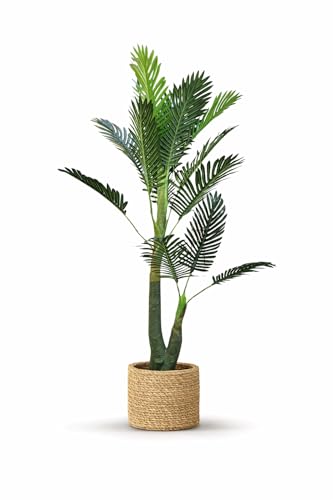
☀️ How to Protect Artificial Plants From Fading
Artificial plants don’t need sunlight to survive, but excessive sunlight can affect some synthetic materials.
If you notice uneven or faded foliage:
- Check how much direct sunlight the plant receives.
- Move indoor plants away from prolonged direct exposure where practical.
- For outdoor plants, choose UV-resistant products.
- Rotate movable plants occasionally if appropriate.
- Follow the manufacturer’s outdoor-use recommendations.
Important:
UV resistant does not mean completely immune to fading.
Long-term environmental exposure can still affect materials over time.
🧹 How to Keep Artificial Plants Dust-Free
You don’t need to wait until the plant visibly looks dusty.
A quick routine every week or two can prevent heavy buildup.
For Large Leaves
Use a soft microfiber cloth.
Support the leaf underneath while gently wiping.
For Small Leaves
Use a soft brush.
For Dense Foliage
A gentle air-based cleaning method can help remove loose dust from difficult areas.
Avoid excessive pressure that could bend or damage the foliage.
🪴 How to Clean the Planter
The planter is part of the overall look.
A clean plant sitting in a dusty container can still appear neglected.
Ceramic
Wipe with a suitable soft cloth.
Plastic
A damp cloth is often sufficient.
Woven Basket
Use gentle dry-cleaning methods appropriate for the material.
Decorative Planters
Follow the manufacturer’s recommendations, particularly if the surface has a special finish.
🌿 How to Care for Artificial Hanging Plants
Hanging plants need a little extra attention because they’re often positioned high up.
Cleaning
Use a soft brush or microfiber cloth to remove dust.
Clean:
- Upper leaves
- Lower leaves
- Stems
- Hanging basket
- Base of the arrangement
Safety
Periodically check:
- Hooks
- Brackets
- Chains
- Mounting points
- Overall weight
Don’t ignore the hardware just because the plant itself is lightweight.
🌱 How to Fix Bent Artificial Plants
Artificial plants often arrive compressed in packaging or become flattened during storage.
Don’t immediately assume the plant is damaged.
Try This:
- Separate the stems.
- Gently reposition the branches.
- Adjust individual leaves.
- Create different heights.
- Step back and check the overall shape.
Avoid making sharp bends or repeatedly stressing the same stem.
✨ How to Make Artificial Plants Look More Real
This is where styling really matters.
1. Avoid Perfect Symmetry
Real plants don’t have identical leaves positioned at identical angles.
Let the foliage look slightly irregular.
2. Vary the Heights
For trailing plants, use:
Short + Medium + Long
For floor plants:
Low + Middle + High
This creates a fuller silhouette.
3. Don’t Overcrowd the Plant
If every leaf is packed tightly together, the plant can look artificial.
Separate stems slightly to create natural-looking gaps.
4. Choose a Good Planter
A realistic plant deserves a planter that complements it.
Minimalist
Cream or beige matte planter
Natural
Rattan or woven basket
Modern
Stone-look planter
Traditional
Ceramic pot
🌿 Artificial Plant Care for Different Rooms
🛋️ Living Room
Living room plants can usually follow a simple dusting routine.
Pay particular attention to large-leaf plants because they show dust easily.
Good Routine:
Dust → Wipe → Reshape
🛏️ Bedroom
Bedroom plants generally experience less dirt than entryway or kitchen plants.
Regular dusting is usually sufficient.
💻 Home Office
Desk and shelf plants can accumulate dust from surrounding surfaces.
Clean the plant whenever you clean the desk or shelving.
This makes maintenance easier because you don’t need a separate cleaning day.
🍳 Kitchen
Kitchen plants may collect cooking residue in addition to dust.
Clean them more frequently and keep them away from:
- Direct heat
- Flames
- Cooking surfaces
- Heavy grease exposure
🚪 Entryway
Entryways can be relatively dusty because of outdoor traffic.
Check your plants more frequently, particularly during dusty or polluted periods.
🌿 Balcony
Outdoor balcony plants should be inspected for:
- Dust
- Pollen
- Fading
- Weather exposure
- Stability
🧺 How to Store Artificial Plants
If you’re changing seasonal décor or temporarily removing plants, don’t simply throw them into a storage box.
First:
1. Clean Them
Remove dust and dirt before storage.
2. Dry Them
If you’ve used any moisture, allow the plant to dry completely.
3. Reshape Them
Don’t store foliage in a heavily compressed shape if you can avoid it.
4. Use Appropriate Storage
A clean, dry storage container can help protect the plant from dust and crushing.
5. Avoid Excessive Weight
Don’t stack heavy boxes directly on delicate artificial foliage.
🚫 What NOT to Do With Artificial Plants
❌ Don’t Use Harsh Chemicals
Avoid bleach, solvents and abrasive cleaners unless the manufacturer specifically recommends them.
❌ Don’t Scrub Delicate Leaves
Aggressive cleaning can damage surface finishes.
❌ Don’t Soak Unknown Materials
Not every artificial plant is washable.
❌ Don’t Leave Plants Wet
Moisture can become problematic around certain adhesives, wires and decorative components.
❌ Don’t Place Indoor Plants in Harsh Outdoor Conditions
Unless the manufacturer specifically says they’re suitable.
❌ Don’t Put Artificial Plants Near Flames
Synthetic materials can be damaged by heat and may present a fire risk.
❌ Don’t Ignore Fading
If a plant is visibly fading, investigate its exposure to sunlight.
🏆 Artificial Plant Care: Pros & Cons
| Pros of Artificial Plant Care | Limitations |
|---|---|
| Very little maintenance | Still needs cleaning |
| No watering required | Dust can accumulate |
| No fertilizer needed | Some materials fade |
| No pruning required | Outdoor plants need more attention |
| Easy to reshape | Delicate foliage needs careful handling |
| Can last for years with proper care | Quality affects longevity |
🛒 Artificial Plant Care Buying Checklist
Good care starts with buying a suitable product.
Before purchasing, check:
🌿 Foliage
☐ Does it look realistic?
☐ Does it have natural texture?
☐ Are the colours varied?
🪴 Construction
☐ Are the stems flexible?
☐ Does the foliage feel securely attached?
☐ Is the planter suitable?
☀️ Location
☐ Indoor or outdoor?
☐ Direct sunlight?
☐ Humid environment?
☐ Wind exposure?
🌱 Outdoor Use
☐ UV resistant?
☐ Outdoor-rated?
☐ Weather suitable?
☐ Stable planter?
📊 Recommended Cleaning Schedule
| Plant Location | Dusting | Deeper Cleaning |
|---|---|---|
| Bedroom | Every 2–3 weeks | Every few months |
| Living Room | Every 1–2 weeks | Every few months |
| Home Office | Every 1–2 weeks | Every few months |
| Kitchen | Weekly/as needed | More frequently if residue builds |
| Entryway | Every 1–2 weeks | As needed |
| Bathroom | Every 1–2 weeks | As needed |
| Balcony | As needed | Depending on exposure |
| Terrace | As needed | Depending on weather |
These are practical starting points rather than strict rules. Your home’s dust level and the plant’s environment should determine the actual frequency.
🧪 Our Research Methodology
For this Artificial Plant Care guide, we focused on the everyday maintenance challenges associated with faux greenery rather than treating artificial plants like living plants.
We considered:
- Dust accumulation
- Leaf and stem cleaning
- Foliage materials
- Planter maintenance
- Indoor vs outdoor exposure
- UV exposure
- Weather conditions
- Storage
- Reshaping
- Hanging-plant maintenance
- Cleaning frequency
- Long-term appearance
- Styling and realism
The recommendations are designed around practical home use, with particular attention to keeping artificial greenery clean, realistic, safe and visually appealing.
🥇 Final Verdict
Artificial plants are one of the easiest ways to add greenery to a home but they still benefit from a little attention.
The most effective artificial plant care routine is surprisingly simple:
🌿 Dust regularly
Don’t allow months of buildup.
🧹 Clean gently
Use soft tools and avoid aggressive scrubbing.
🪴 Keep the planter clean
The container contributes to the overall appearance.
☀️ Watch sunlight exposure
Especially with outdoor or sun-facing plants.
🌱 Reshape the foliage
A little adjustment can make a huge difference.
🧼 Follow the manufacturer’s instructions
Especially before washing or using any cleaning solution.
🌿 The Best Artificial Plant Care Routine
If you want the easiest possible routine, remember these five steps:
1. Dust every 1–2 weeks.
2. Wipe suitable leaves when needed.
3. Clean the planter monthly.
4. Reshape the foliage whenever it looks compressed.
5. Check outdoor plants regularly for fading and weather exposure.
That’s really it.
You don’t need to spend your Sunday afternoon conducting a full botanical spa treatment for a fake Monstera. 😂
A few minutes of regular care will keep your artificial plants looking considerably cleaner and more realistic.
❓ Frequently Asked Questions
How often should artificial plants be cleaned?
For most indoor plants, light dusting every one to two weeks is a good starting point. Plants in kitchens, entryways or dusty environments may need more frequent cleaning.
Can I wash artificial plants with water?
Some artificial plants can tolerate gentle washing, but not all. Always check the manufacturer’s instructions before using significant amounts of water.
What is the best way to clean artificial plant leaves?
For regular cleaning, use a soft microfiber cloth or brush. Large leaves can usually be wiped gently, provided the material allows it.
How do I clean artificial hanging plants?
Use a soft brush or microfiber cloth and carefully clean the leaves, stems and hanging basket. Make sure you can safely reach the plant and periodically inspect the hanging hardware.
How do I remove dust from artificial plants?
A soft microfiber cloth, soft brush or gentle air-based cleaning method can remove loose dust. Choose the method based on the plant’s material and construction.
Can I use soap on artificial plants?
Don’t automatically use soap or detergent. Check the manufacturer’s care instructions first, as some materials and finishes can be damaged by cleaning products.
How do I make artificial plants look realistic?
Use realistic foliage, vary the position of stems and leaves, avoid perfect symmetry, choose a suitable planter and keep the plant free from dust.
Why are my artificial plants fading?
Prolonged exposure to sunlight and UV radiation can cause some synthetic materials to fade. For outdoor areas, choose artificial plants designed for outdoor use with appropriate UV resistance.
How should I store artificial plants?
Clean and dry them before storage, avoid crushing delicate foliage and use a clean, dry storage area. Don’t place heavy objects directly on fragile plants.
Do artificial plants attract dust?
Yes. Like other decorative surfaces, artificial plants can collect household dust. Regular light cleaning prevents buildup.
Can artificial plants be used outdoors?
Some can, but only products designed for outdoor conditions should be used in exposed areas. Check UV resistance and weather suitability before placing a plant outdoors.
How long do artificial plants last?
There isn’t one fixed lifespan. Quality, materials, sunlight exposure, weather and maintenance all affect longevity. Proper cleaning and appropriate placement can help preserve their appearance.