

Artificial plants have officially moved beyond the “plastic plant sitting sadly in the corner” era. 🌿😂
Today, realistic artificial greenery can be a genuinely stylish part of home décor. With the right plant, planter, size and placement, you can add colour, height, texture and warmth to your home without worrying about watering schedules, sunlight requirements or seasonal changes.
But there is a trick to decorating with artificial plants:
It is not about adding more plants. It is about placing the right plant in the right spot.
A large artificial Monstera can completely transform an empty living-room corner, while a tiny succulent may work better on a coffee table. A trailing Pothos can soften a bookshelf, while a tall Olive Tree can bring height to an otherwise empty wall.
In this guide, we’re sharing 15 decorating with artificial plants ideas that can work across living rooms, bedrooms, entryways, home offices, shelves and other areas of your home.
We’ll also cover how to choose the right size, planter and style so your artificial greenery looks intentional, balanced and realistic.
Also Read | 10 Best Artificial Plants for Every Home
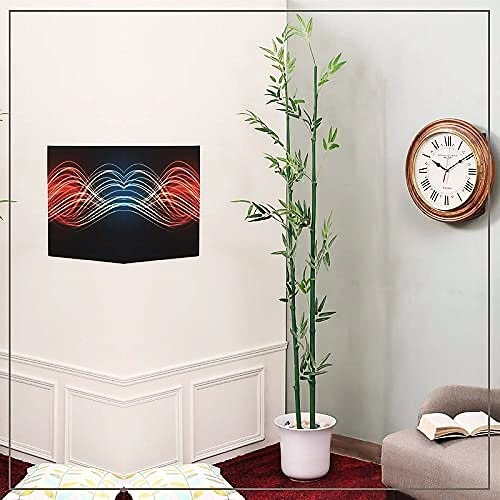
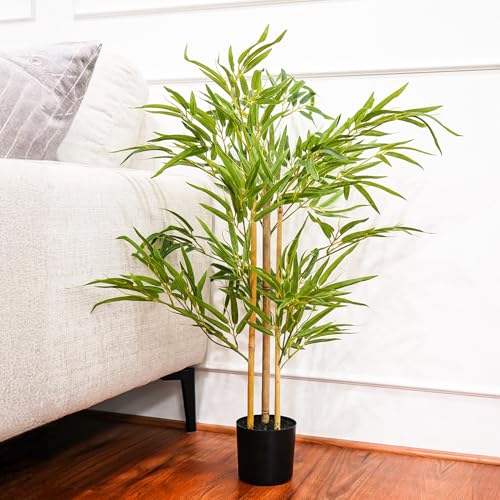
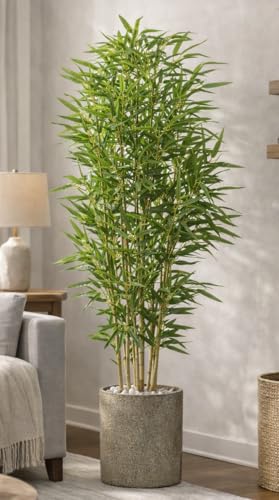
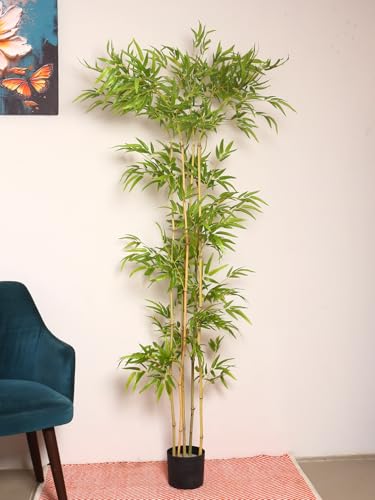
🏆 15 Decorating with Artificial Plants Ideas at a Glance
| # | Decorating Idea | Best Artificial Plant | Best For |
|---|---|---|---|
| 1 | Statement Corner | Monstera / Olive Tree | Empty corners |
| 2 | Beside the Sofa | Fiddle Leaf Fig | Living rooms |
| 3 | TV Unit Styling | Pothos / Succulent | Entertainment areas |
| 4 | Console Table | Eucalyptus / Fern | Walls & entryways |
| 5 | Floating Shelves | Pothos | Small spaces |
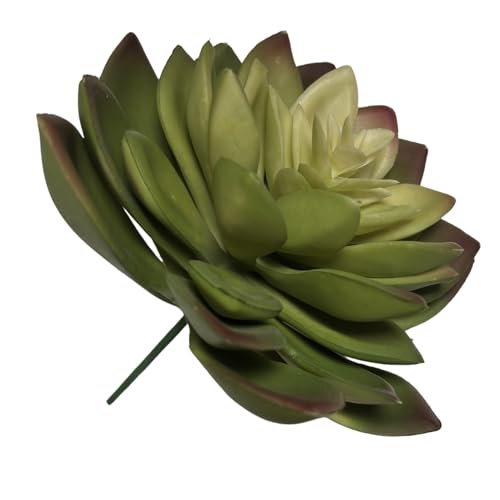
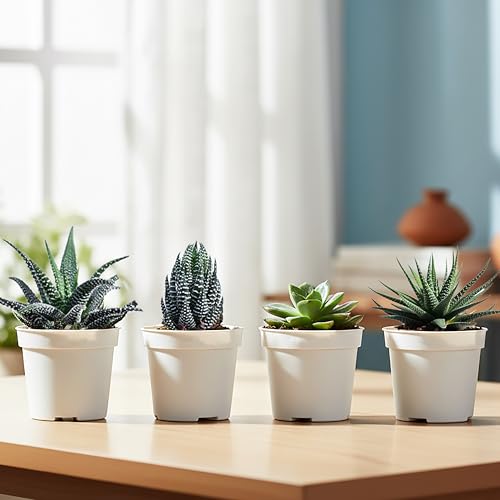
| 6 | Coffee Table | Succulent | Centre tables |
| 7 | Side Table | Small Fern | Sofa corners |
| 8 | Entryway | Bamboo / Olive Tree | Entrances |
| 9 | Bedroom | Eucalyptus / Snake Plant | Bedrooms |
| 10 | Home Office | Succulent / Pothos | Workspaces |
| 11 | Trailing Greenery | Pothos | Shelves & cabinets |
| 12 | Bookshelf | Fern / Pothos | Bookcases |
| 13 | Window Area | Olive Tree | Bright interiors |
| 14 | Accent Chair | Medium Floor Plant | Reading corners |
| 15 | Balcony | Outdoor-rated greenery | Outdoor spaces |
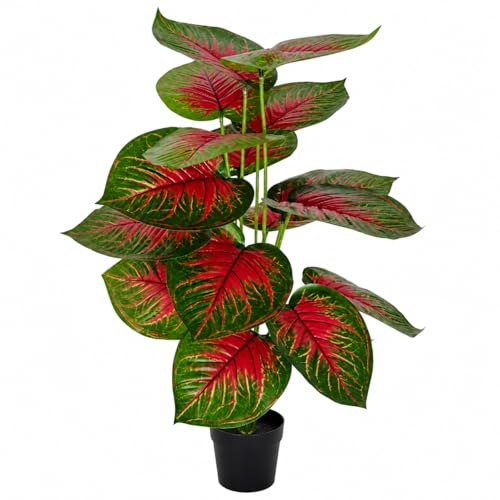
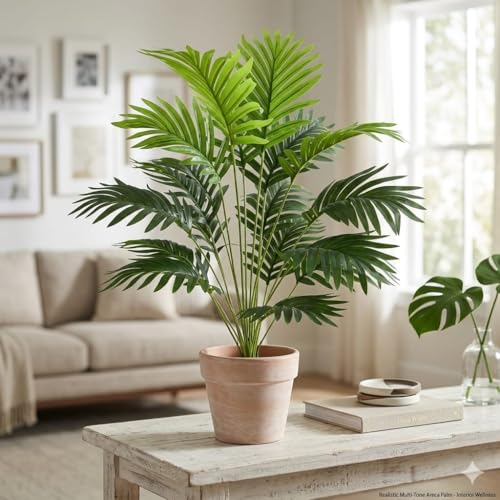
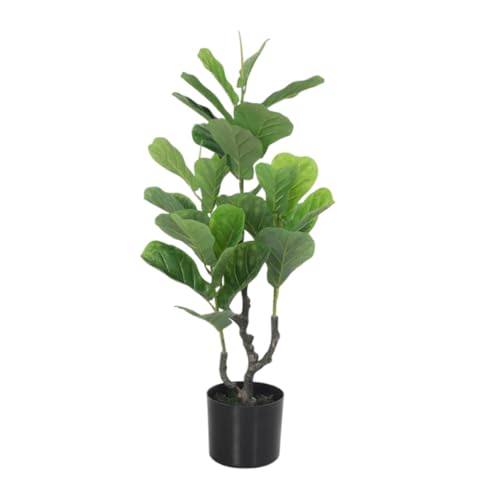
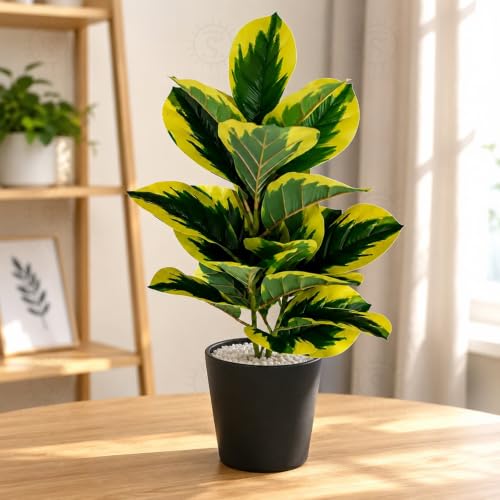
🌿 1. Create a Statement Corner
Every living room has that one awkward corner that seems to be waiting for something.
It might be next to the sofa, beside a cabinet or near an empty wall.
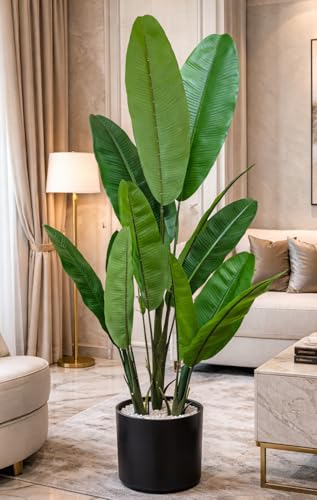
Instead of filling it with another piece of furniture, consider a large artificial plant.
Best Choices
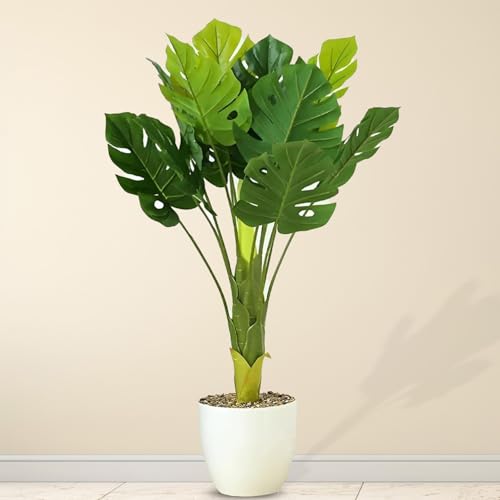
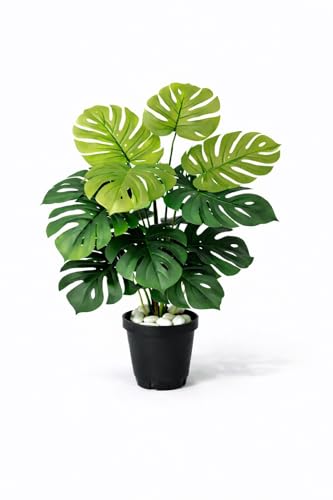
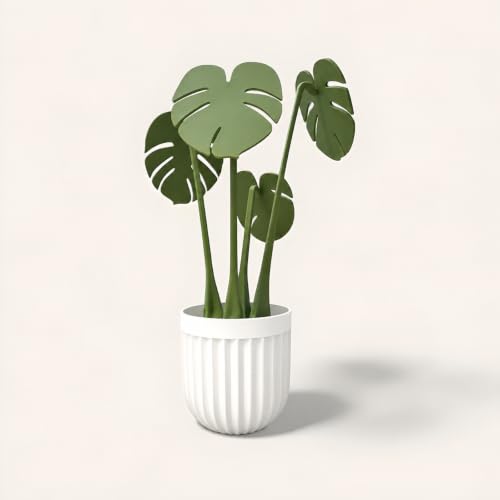
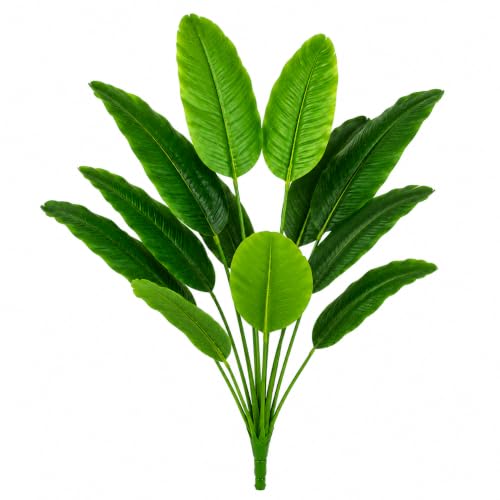
- Artificial Monstera
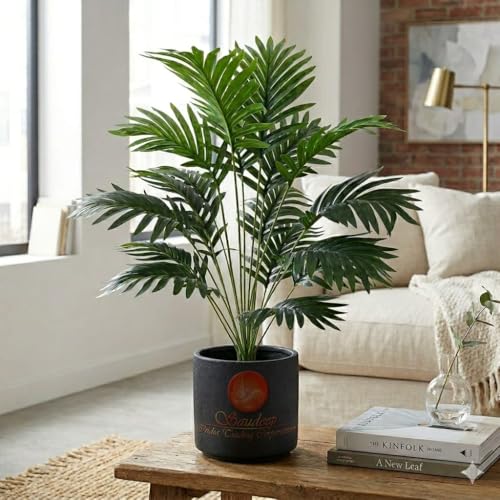
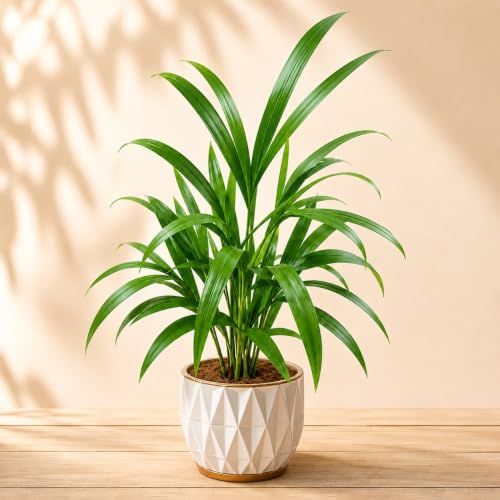
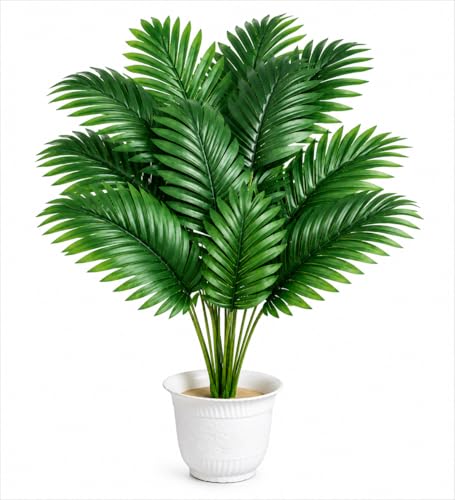
- Artificial Areca Palm
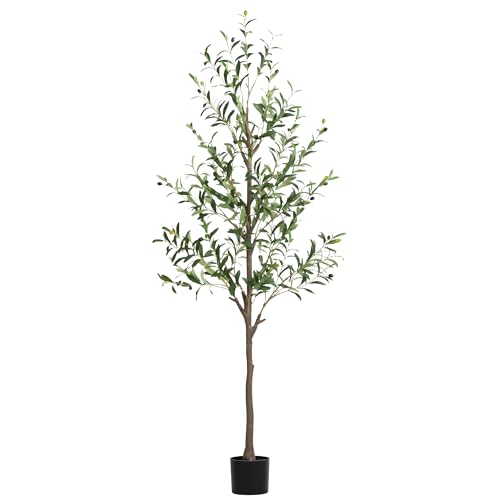
- Artificial Olive Tree
- Artificial Fiddle Leaf Fig
A tall plant can introduce vertical height while also softening the hard lines of furniture.
Styling Tip
Use a large neutral planter and allow the foliage to spread naturally.
Don’t position every leaf perfectly. Slightly irregular foliage tends to look more natural.
Best For
Medium and large living rooms.

🛋️ 2. Place a Plant Beside the Sofa
The area beside a sofa is another easy place to add artificial greenery.
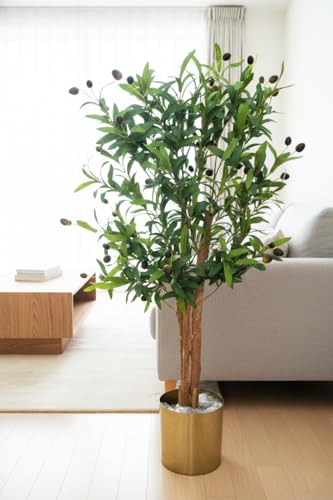
A tall plant can visually frame the seating area and make the sofa feel more integrated into the room.
Try
Sofa + side table + floor plant
or
Sofa + floor lamp + plant
The key is to avoid blocking the walkway.
For a Large Sofa
A taller artificial plant can work well.
For a Compact Sofa
Choose a smaller plant or place one on a side table.
Best Choices
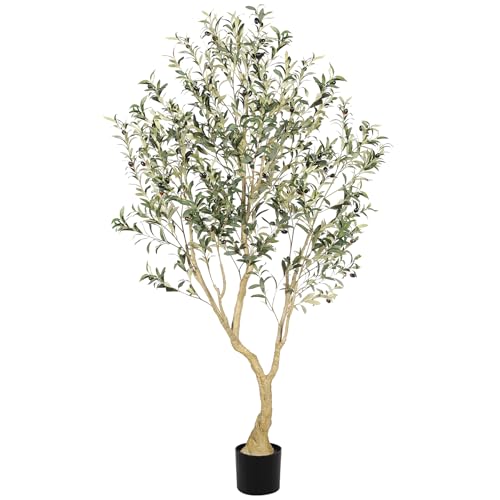
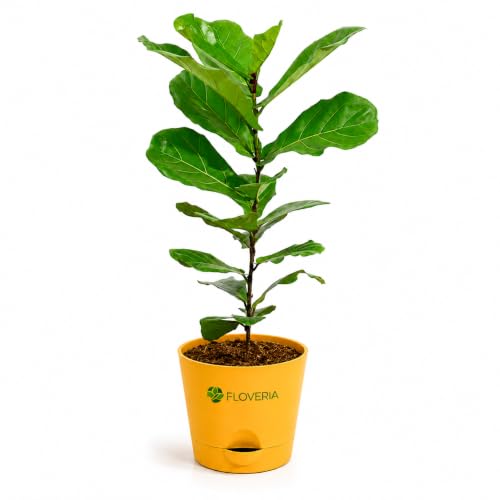
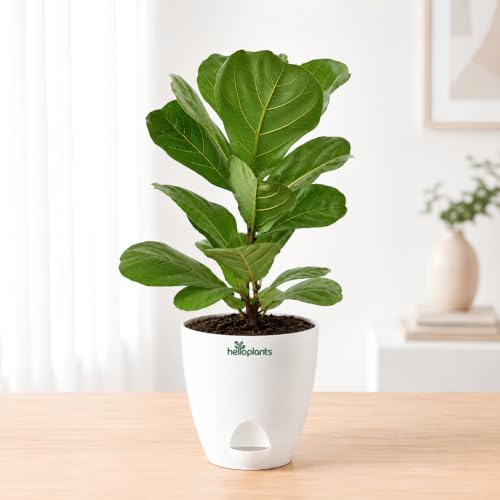
- Fiddle Leaf Fig
- Olive Tree
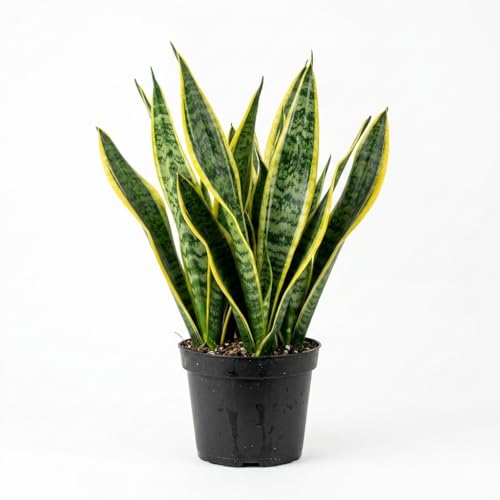
- Snake Plant
- Areca Palm

📺 3. Style Your TV Unit
TV units often contain a lot of hard, straight surfaces.
Artificial greenery can soften those lines.
But keep the arrangement controlled.
You don’t need a giant plant sitting directly beside the television.
Better Options
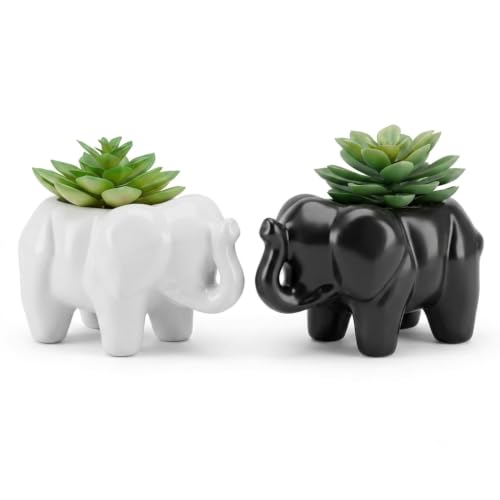
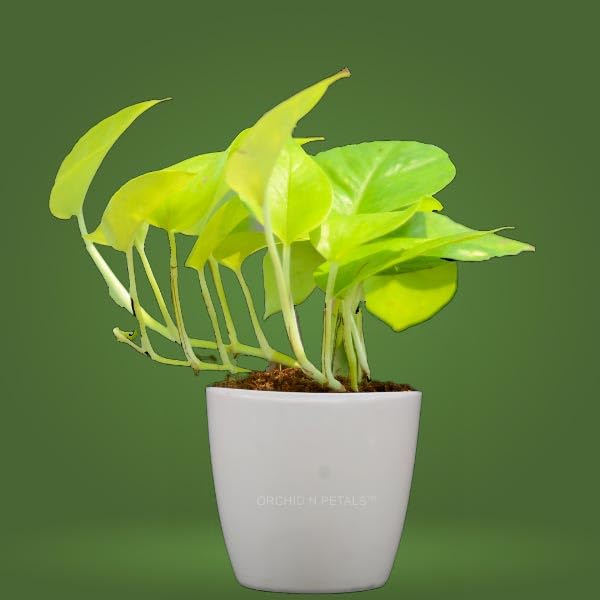
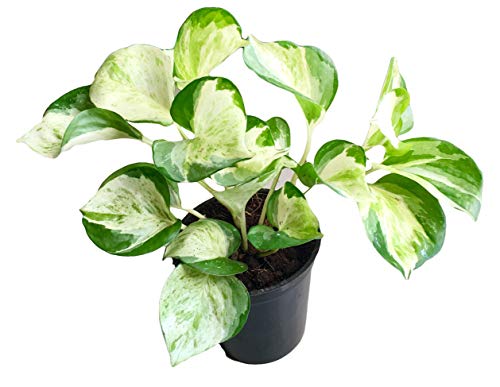
- Small Pothos
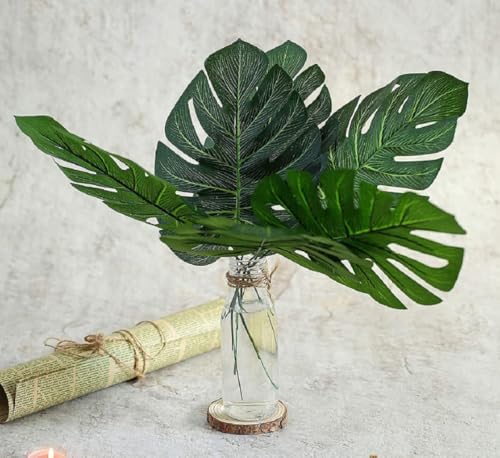
- Small Monstera
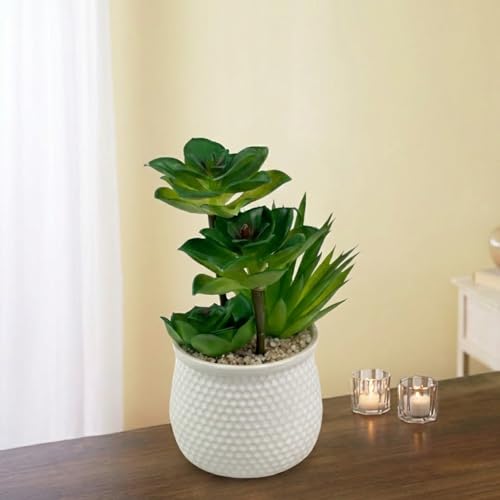
- Artificial Succulent
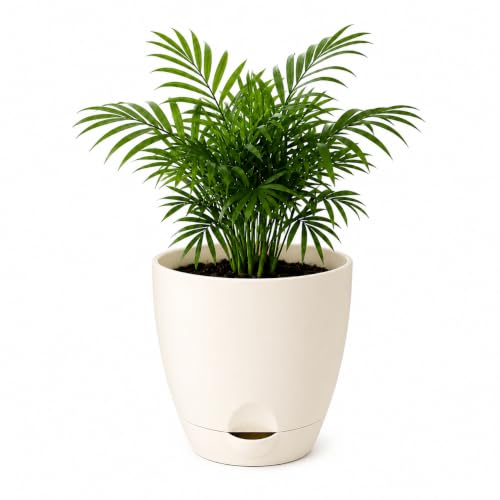
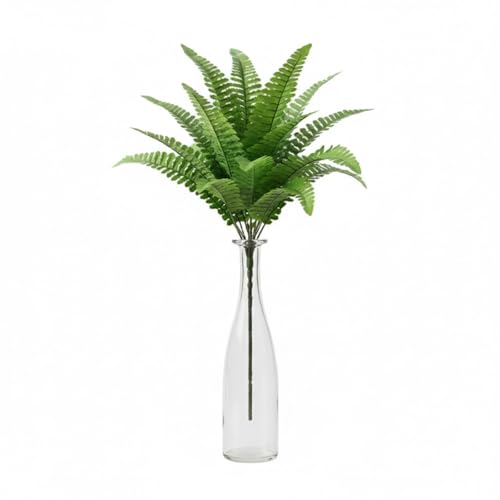
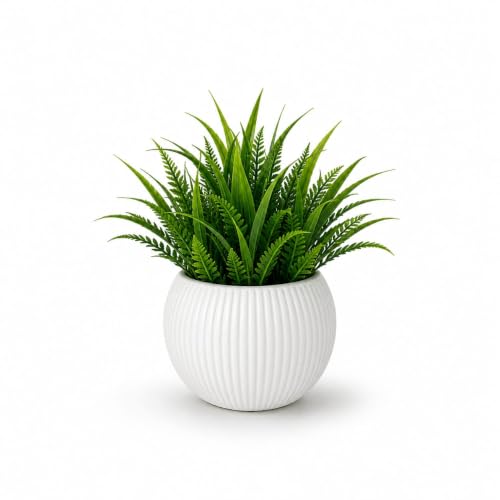
- Small Fern
Place the plant on one side of the TV unit and balance it with another decorative element on the opposite side.
Example
Plant + TV + Lamp
or
Books + TV + Plant
This creates visual balance without making the entertainment wall look crowded.

🪵 4. Decorate a Console Table
Console tables are practically begging for styling.
A simple artificial plant can become part of a layered arrangement.
Try This Formula
Plant + Lamp + Decorative Object
For example:
🌿 Eucalyptus
💡 Table lamp
🪵 Small wooden décor piece
The plant introduces softness while the lamp provides height and the decorative object adds visual weight.
Best Choices
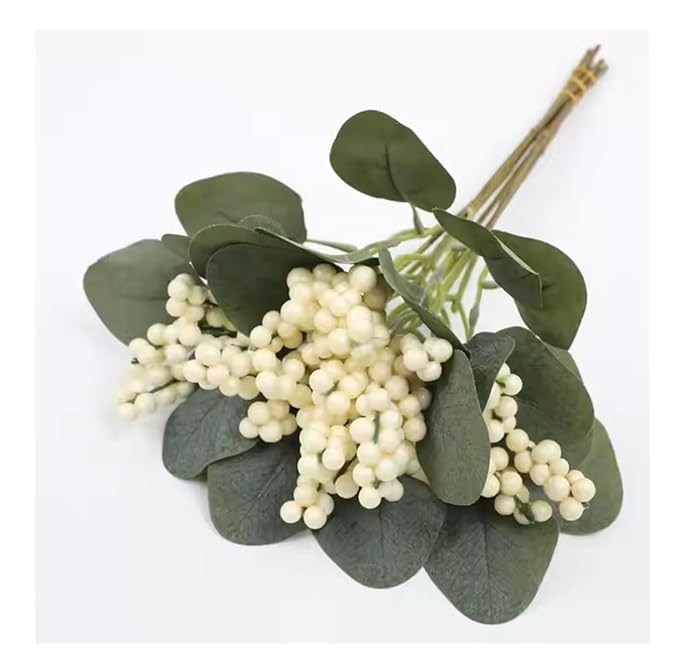
- Eucalyptus
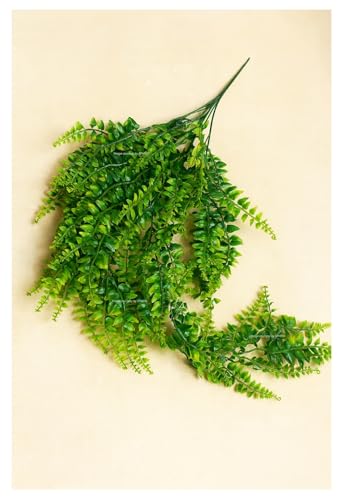
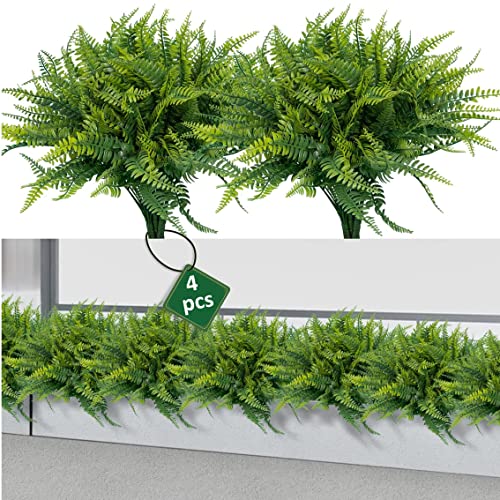
- Fern
- Small Olive Tree
- Pothos

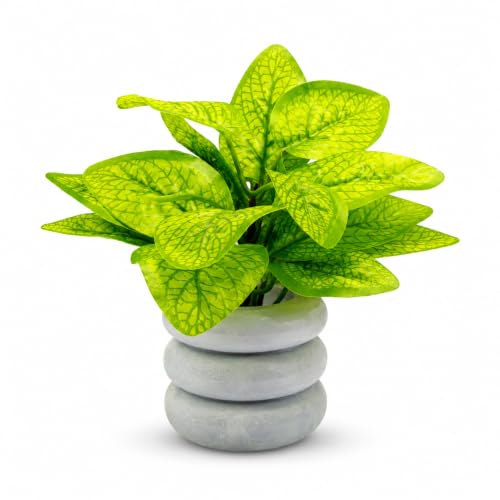
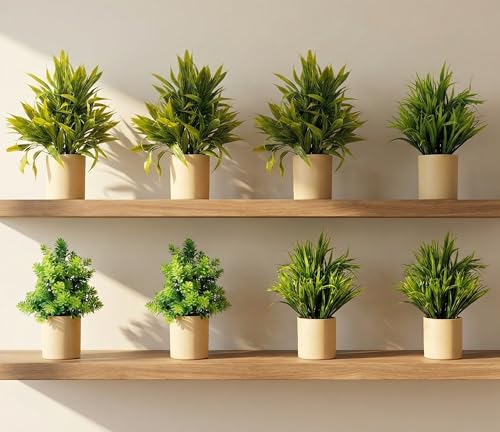
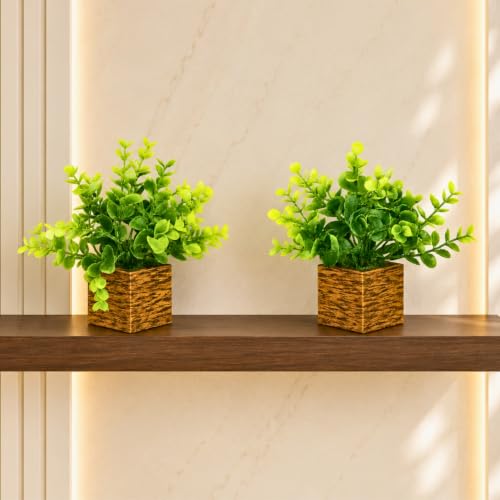
📚 5. Add Artificial Plants to Floating Shelves
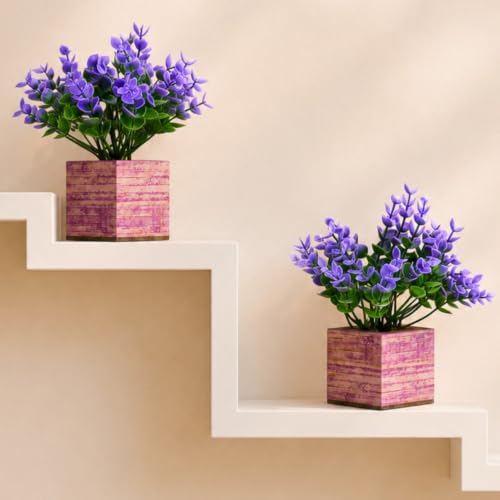
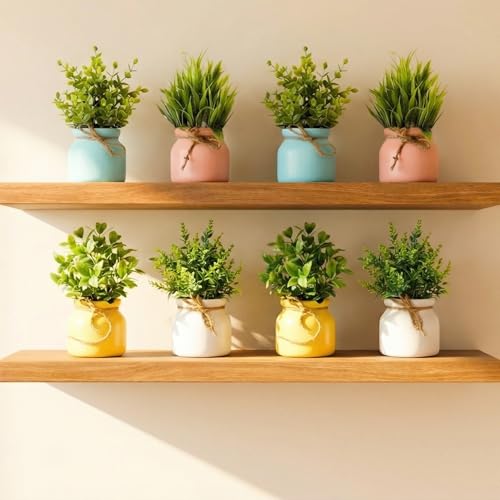
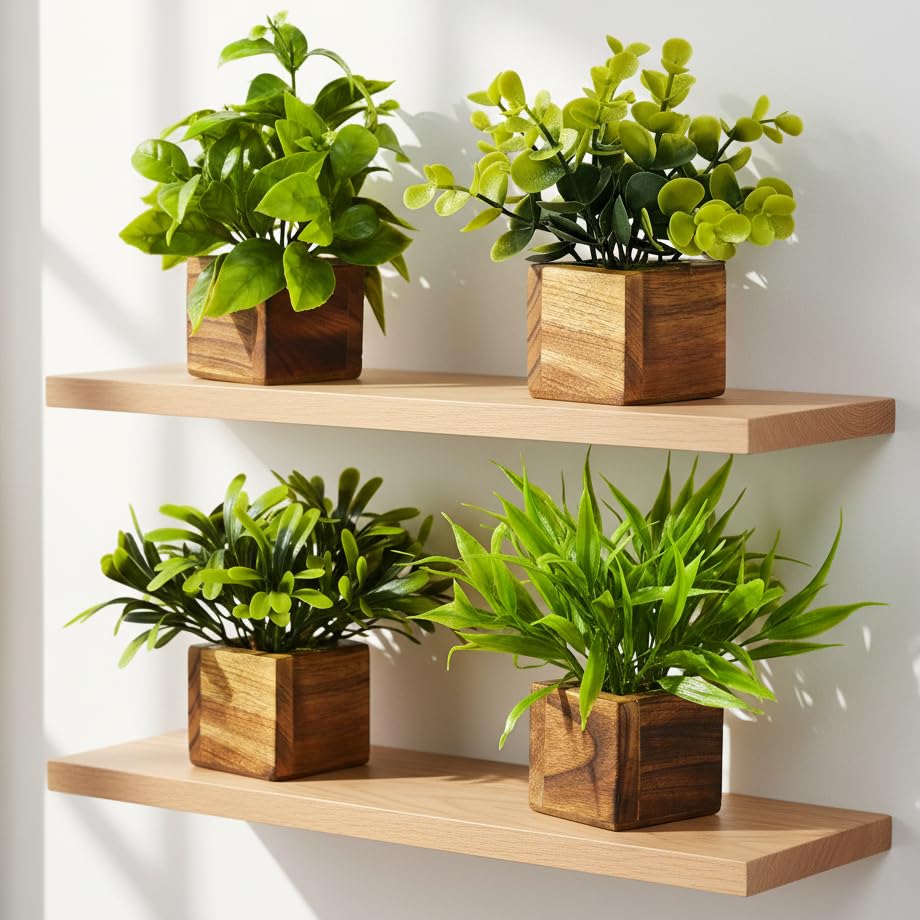
Floating shelves are excellent for artificial greenery because they use vertical space instead of valuable floor space.
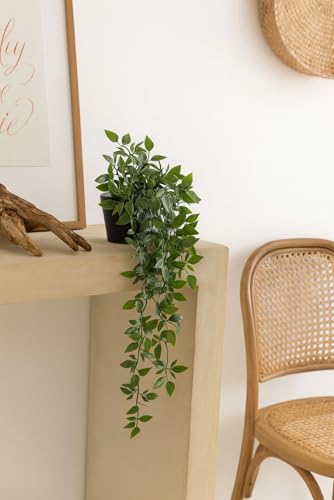
Trailing plants are particularly effective here.
Best Choice
Artificial Pothos
Allow some foliage to fall naturally over the edge of the shelf.
You can combine it with:
- Books
- Small artwork
- Ceramic objects
- Candles
- Decorative boxes
Simple Formula
Books → Plant → Décor → Empty Space
That little bit of empty space matters.
Don’t fill every inch of the shelf.


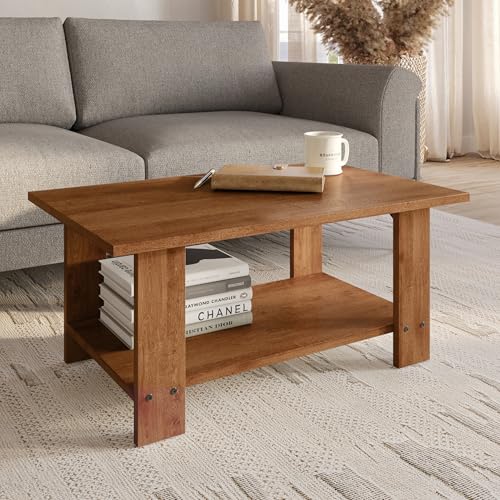
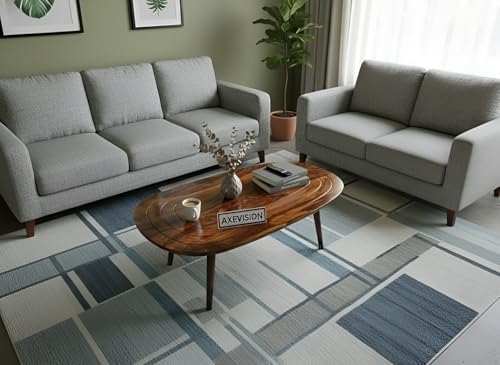
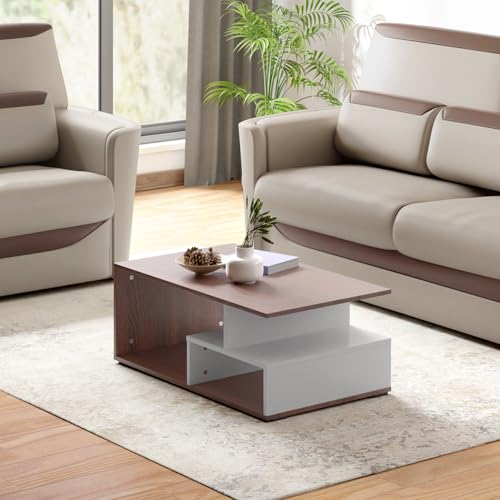
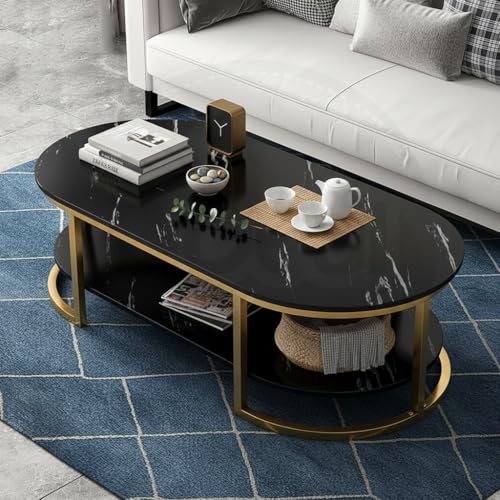
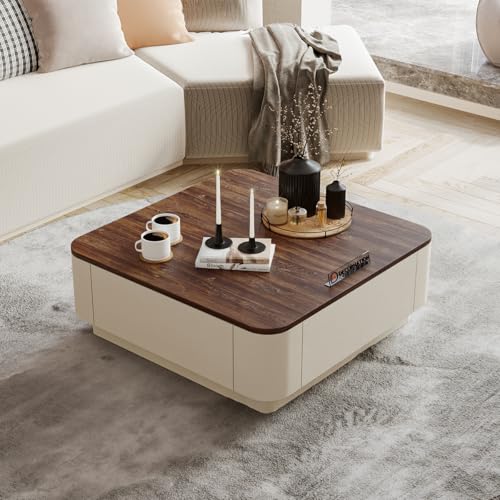
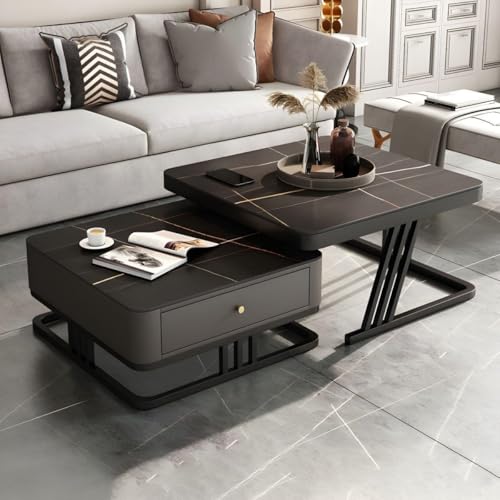
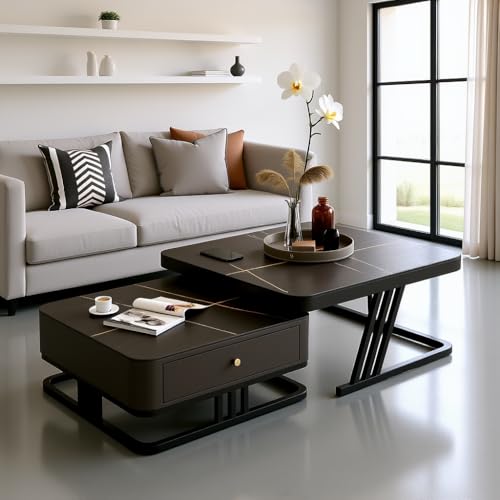
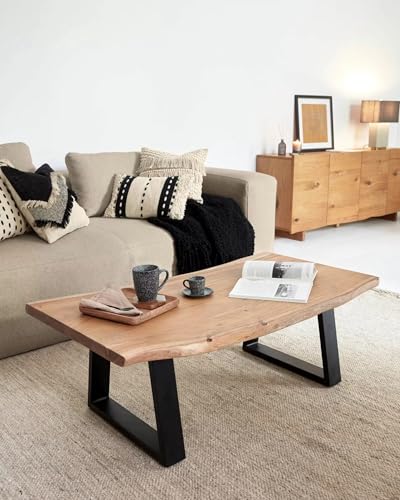
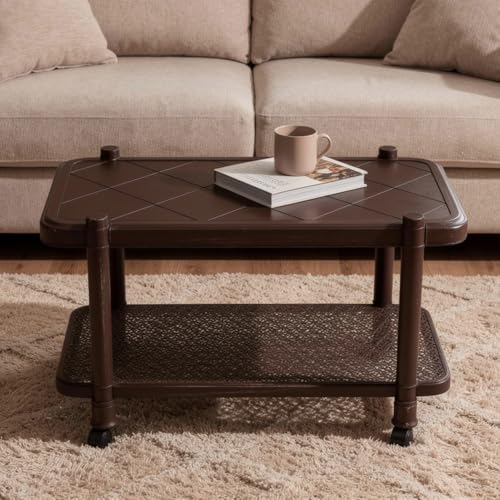
☕ 6. Style Your Coffee Table
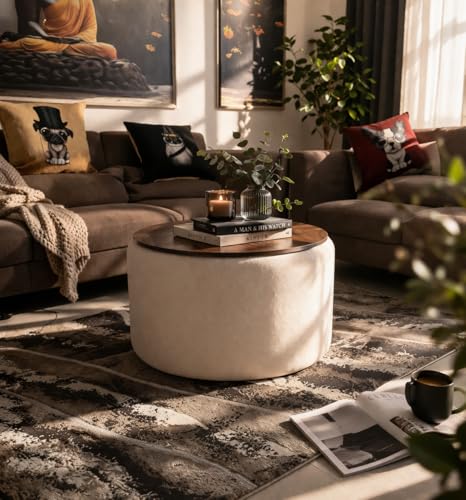
A coffee table doesn’t need a giant centrepiece.
In fact, a smaller artificial plant often works better.
Try
- Small succulent
- Mini Fern
- Eucalyptus stems
- Small Pothos
Place the plant in a decorative tray or small planter.
You can combine it with:
Plant + Book + Candle
Just remember that your coffee table is still supposed to be functional.
You need somewhere to put your coffee.
That is, quite literally, the table’s job. 😂☕

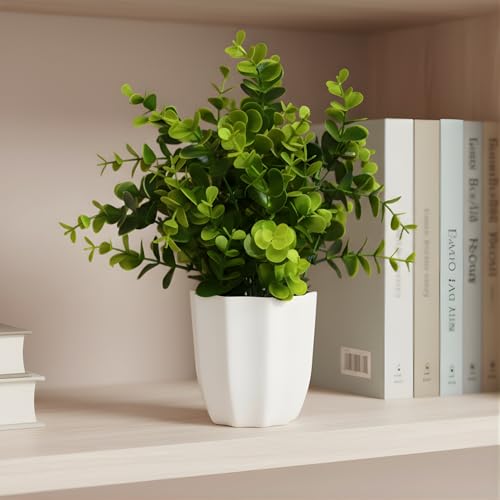
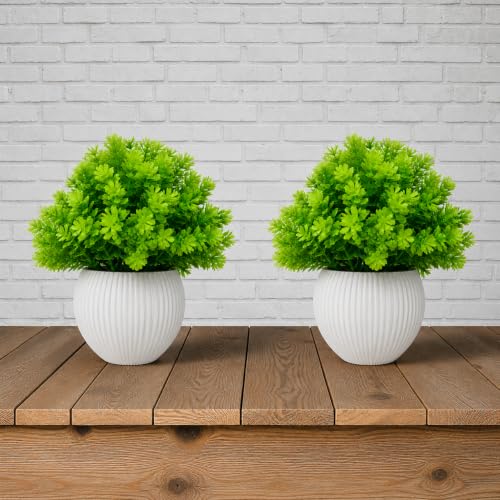
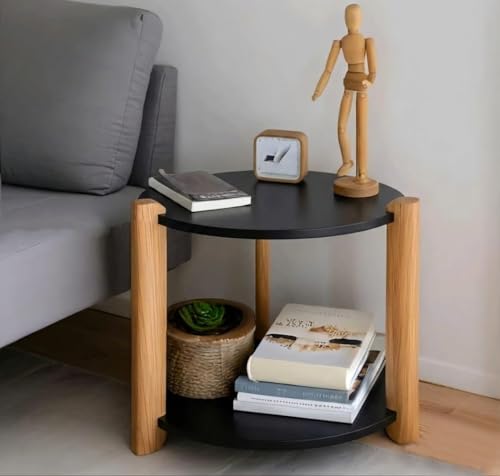
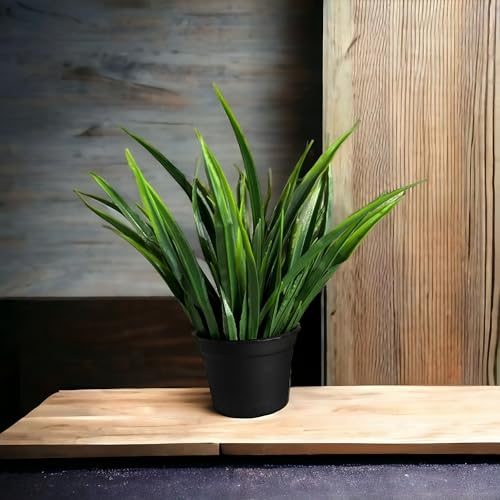
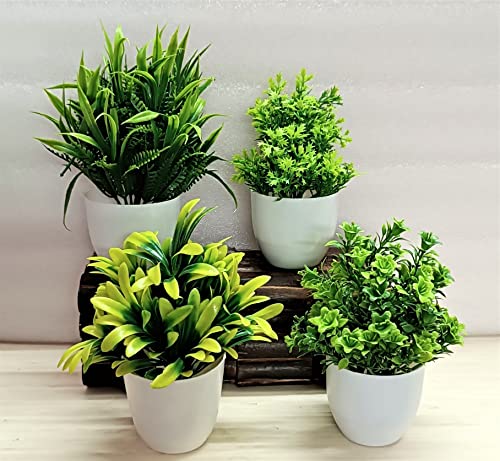
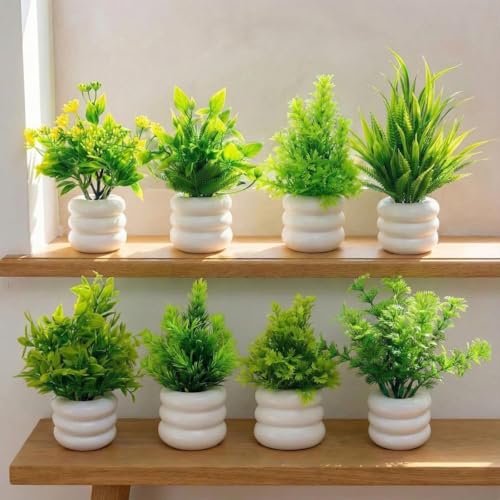
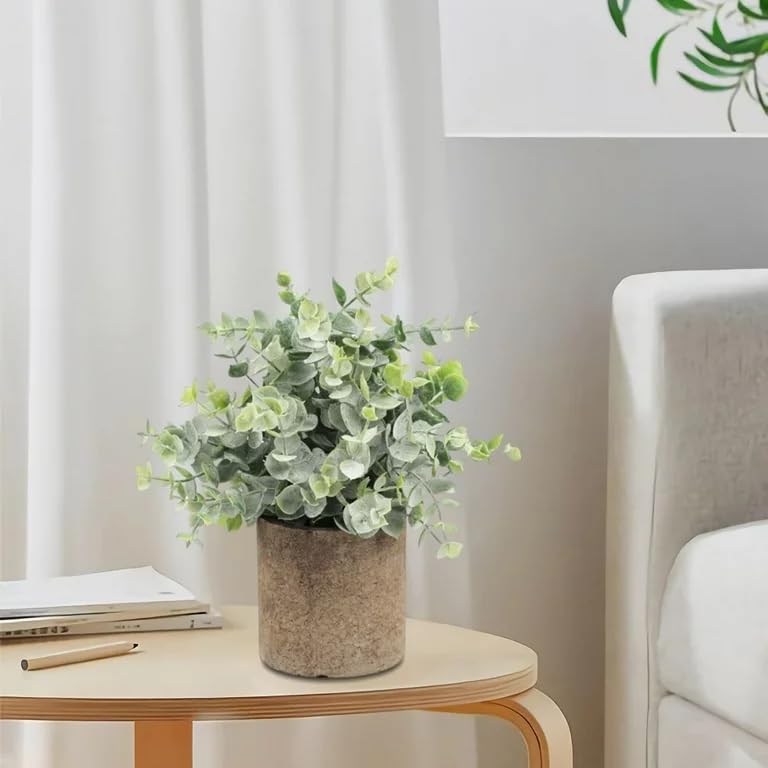
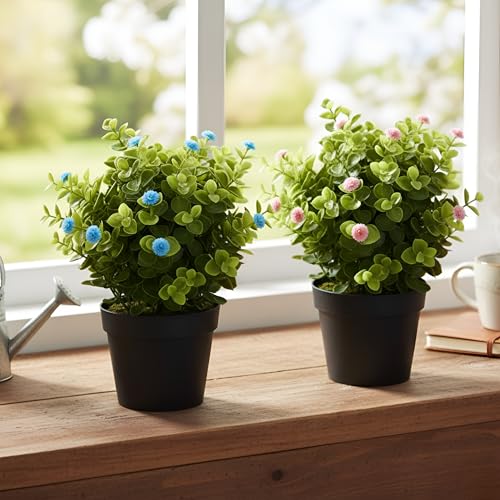
🪴 7. Add Greenery to a Side Table
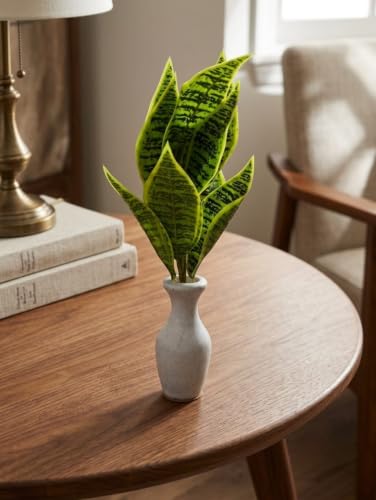
A side table is another perfect location for a small artificial plant.
This works especially well next to:
- Sofas
- Accent chairs
- Reading chairs
- Beds
Best Choices
Small Fern, Eucalyptus or Succulent
For a more layered arrangement, combine the plant with a book or small table lamp.
Avoid
Choosing a plant that’s so large that it blocks the lamp, seating area or your line of sight.
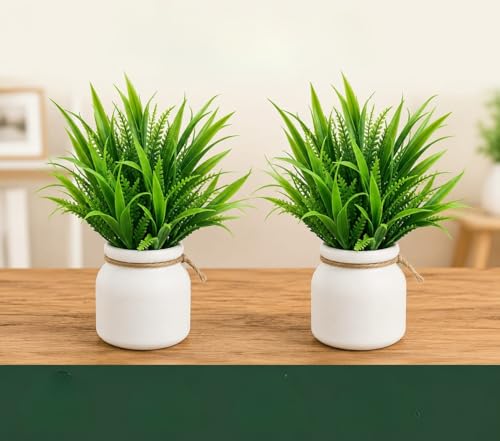
🚪 8. Create a Green Entryway
Your entryway is the first part of your home visitors see.
A tall artificial plant can make the space feel more welcoming without requiring much maintenance.
Best Choices
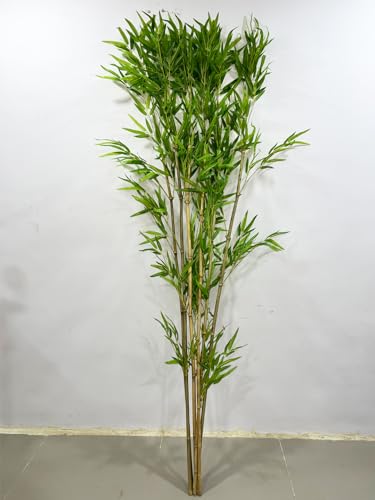
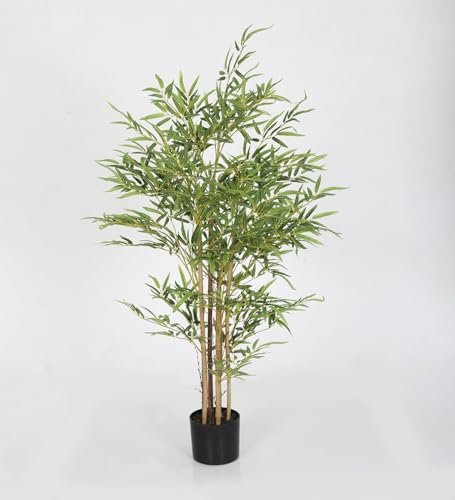
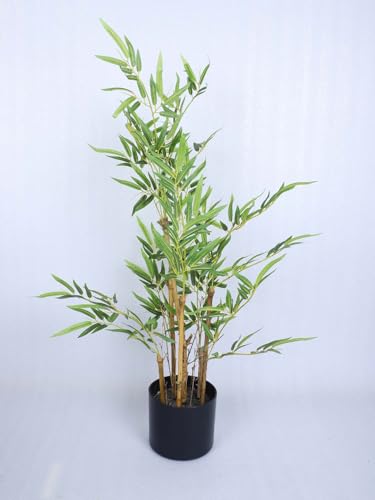
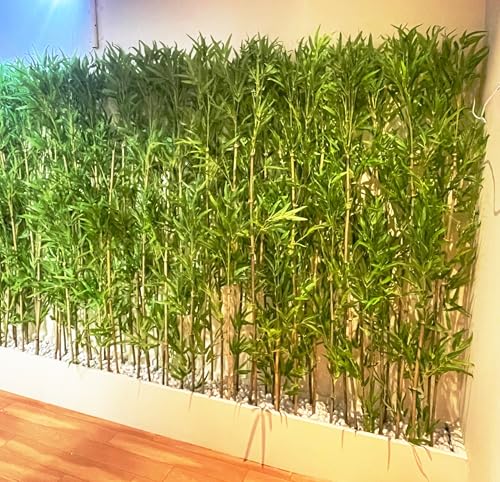
- Artificial Bamboo
- Olive Tree
- Snake Plant
- Tall Fiddle Leaf Fig
If the entryway is narrow, choose something with a slim footprint.
You don’t want your beautiful plant becoming an obstacle course every time someone walks through the door. 😭


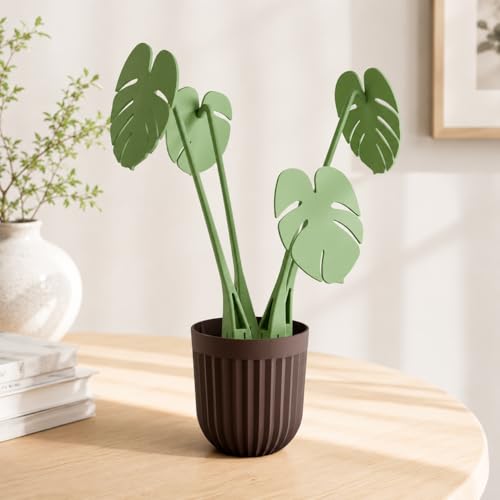
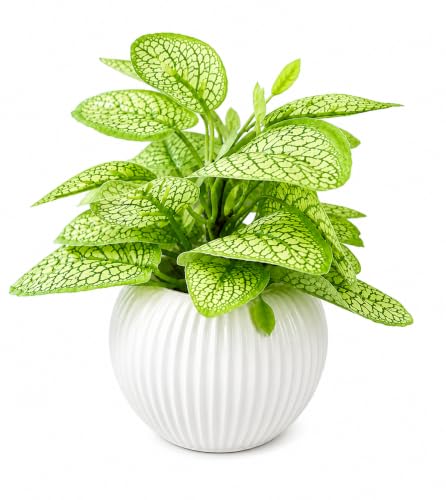
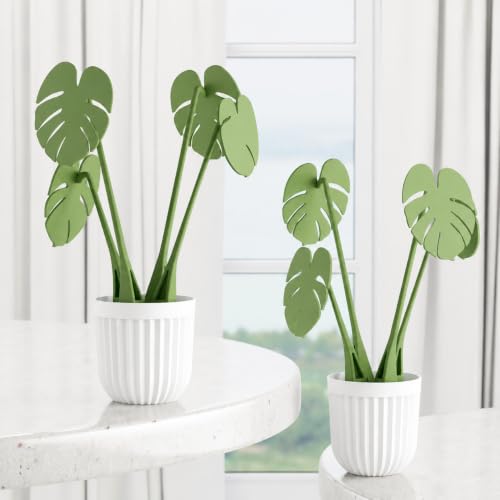
🛏️ 9. Add Artificial Plants to the Bedroom
Bedrooms generally benefit from softer and more subtle décor.
You don’t necessarily need a giant floor plant.
Try
Eucalyptus in a simple vase
or
Small Snake Plant beside a dresser
or
Pothos on a shelf
Neutral planters work particularly well in bedrooms with:
- Beige
- Cream
- White
- Taupe
- Soft brown
- Natural wood
The goal is to add greenery without overwhelming the room.
💻 10. Decorate Your Home Office
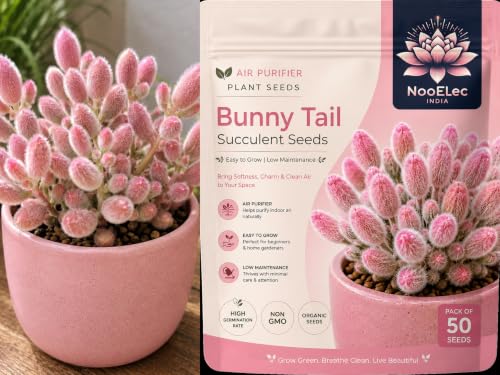
A small artificial plant can make a workspace feel less sterile.
Place one:
- On your desk
- Beside your monitor
- On a bookshelf
- On a cabinet
- Near a window
Best Choices
- Succulent
- Small Pothos
- Eucalyptus
- Small Snake Plant
If your desk is already crowded, use a shelf or cabinet instead.
Styling Tip
Choose one small plant rather than filling your entire desk with greenery.
Your laptop needs some personal space too. 😂💻
🍃 11. Use Trailing Artificial Plants
Trailing plants are one of the easiest ways to introduce greenery without taking up floor space.
Artificial Pothos is particularly useful.
Let the foliage hang naturally from:
- Floating shelves
- Cabinets
- Bookcases
- TV units
- Console tables
Why It Works
The downward movement of the leaves breaks up straight furniture lines and adds visual softness.
It can also make a simple shelf look considerably more styled.
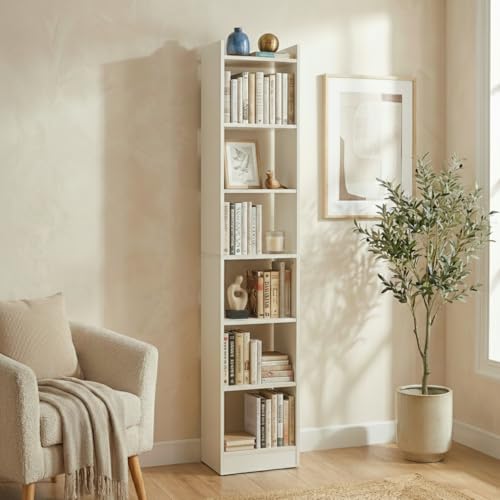
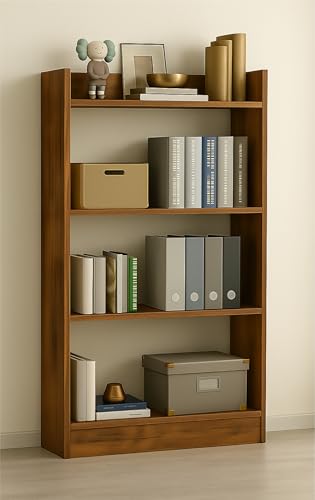
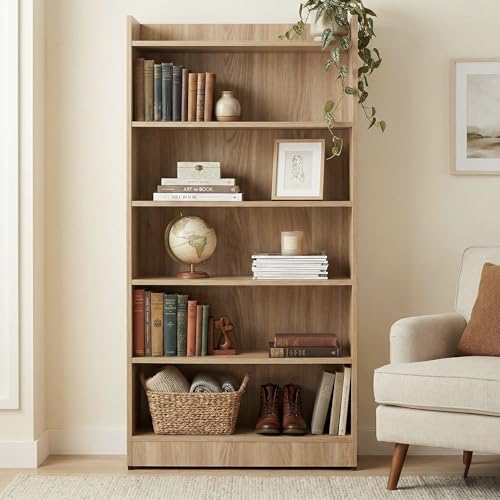
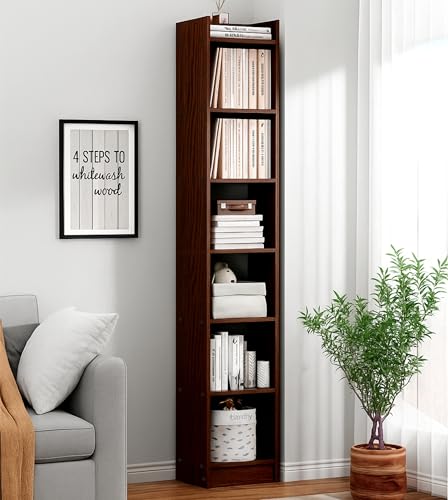
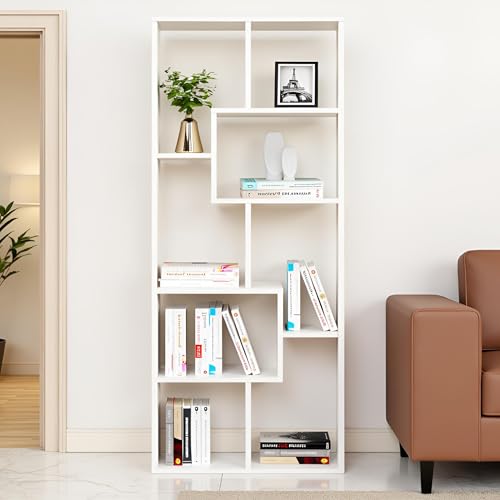
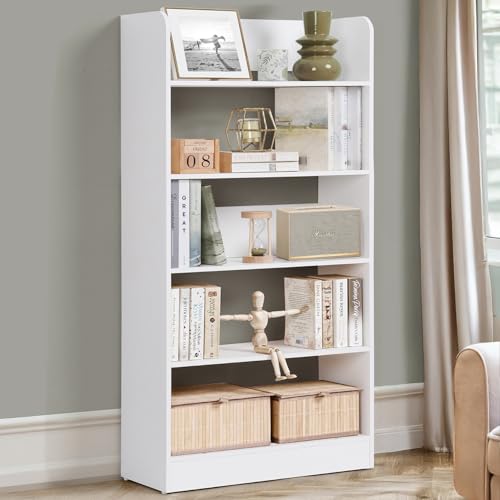
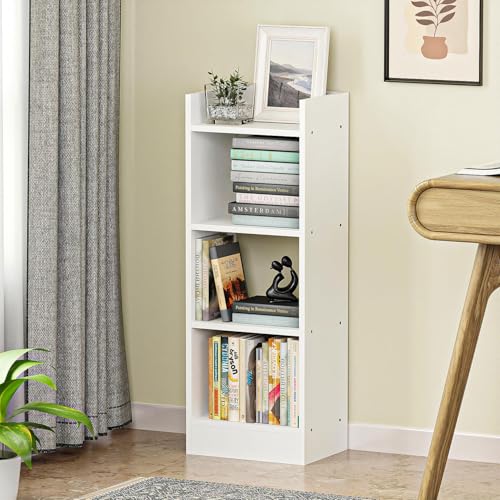
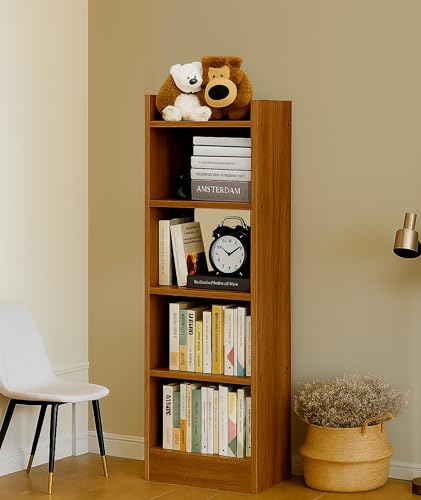
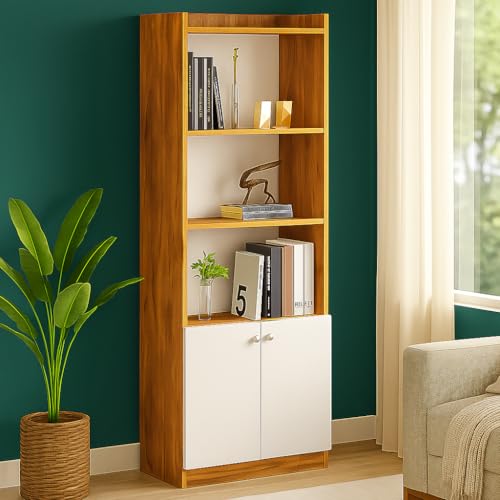
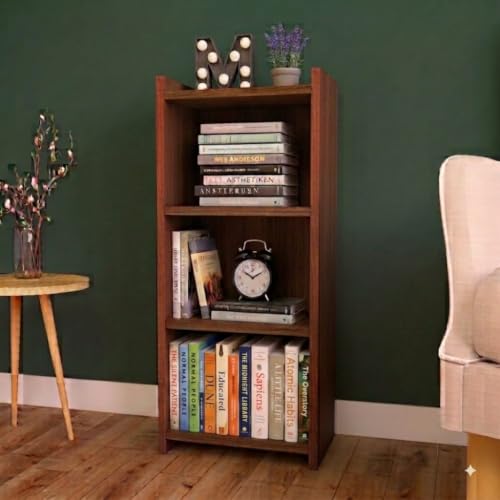
📖 12. Style a Bookshelf With Greenery
Bookshelves don’t have to contain books from top to bottom.
Artificial plants can help break up large blocks of books.
Try This Pattern
Books → Plant → Artwork
Then change the arrangement on the next shelf.
For example:
Horizontal books → Succulent → Decorative object
The variation creates rhythm.
Best Choices
- Fern
- Pothos
- Eucalyptus
- Small Succulents


☀️ 13. Use a Window Area
A large artificial plant can frame a window and introduce greenery into a bright room.
Good Options
- Olive Tree
- Monstera
- Fiddle Leaf Fig
- Areca Palm
However, if the plant will receive strong direct sunlight for long periods, check whether the material is suitable for that environment.
Some artificial foliage can fade over time.
Styling Tip
Don’t completely block the window.
Natural light should remain the star of the show.
🪑 14. Create an Artificial Plant + Accent Chair Corner
Want to create a cozy reading corner without redesigning your entire room?
Try:
Accent Chair + Side Table + Plant + Floor Lamp
That’s it.
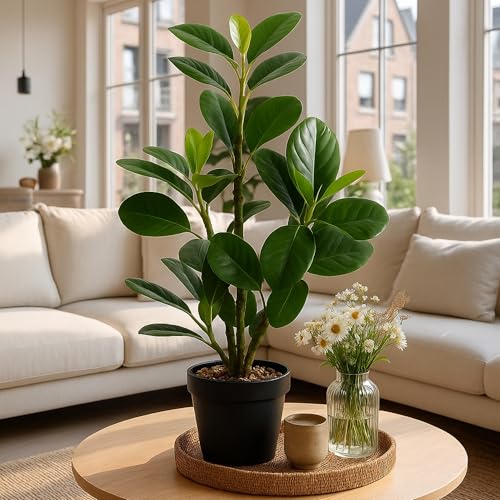
A medium-sized artificial plant beside the chair can add height, while the floor lamp creates another vertical element.
Best Plants
- Olive Tree
- Fiddle Leaf Fig
- Snake Plant
- Medium Monstera
This setup works particularly well in an unused living-room corner.

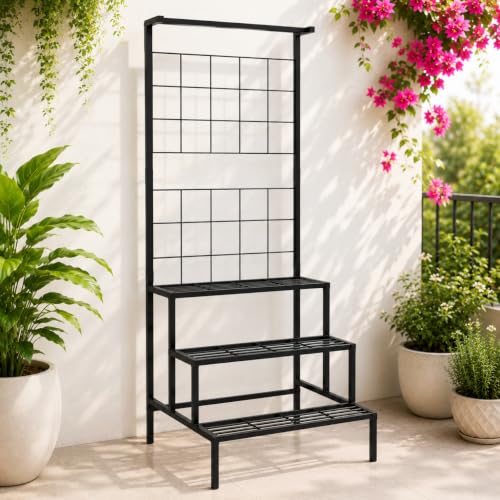
🌿 15. Decorate Your Balcony
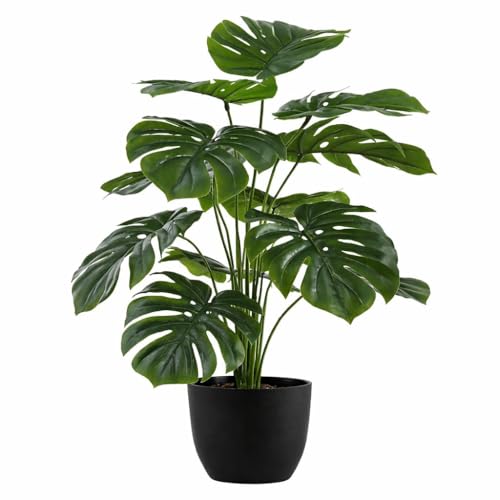
Artificial plants can also be used to create a greener-looking balcony.
However, outdoor placement requires more consideration.
Look for artificial plants specifically designed for outdoor environments or products with appropriate UV resistance and weather suitability.
Good Options
- Artificial Bamboo
- Artificial Palm
- Artificial Fern
- Artificial Boxwood
- Artificial Grass-like foliage
Use planters that are stable enough for the location and avoid placing lightweight arrangements where strong wind could knock them over.




🎨 How to Make Artificial Plants Look Intentional
Now that we’ve covered the 15 ideas, here’s the most important styling principle:
Don’t simply put a plant wherever you see empty space.
Instead, look at:
Height
Does the plant balance the furniture?
Width
Does it overwhelm the area?
Colour
Does the greenery complement the room?
Texture
Does the foliage add something different?
Planter
Does the pot work with your décor?
Spacing
Does the plant have enough breathing room?
These details are what separate decorating with artificial plants from simply placing fake greenery around the house.
🏆 Quick Styling Guide
| Location | Best Plant | Styling Approach |
|---|---|---|
| Empty Corner | Olive Tree | Use a tall planter |
| Beside Sofa | Fiddle Leaf Fig | Balance sofa height |
| TV Unit | Pothos | Keep it compact |
| Console | Eucalyptus | Pair with lamp |
| Floating Shelf | Pothos | Let foliage trail |
| Coffee Table | Succulent | Keep it small |
| Side Table | Fern | Pair with book/lamp |
| Entryway | Bamboo | Choose slim profile |
| Bedroom | Eucalyptus | Keep styling subtle |
| Desk | Succulent | Avoid clutter |
| Bookshelf | Fern | Break up books |
| Window | Olive Tree | Frame, don’t block |
| Accent Chair | Medium Plant | Add floor height |
| Balcony | Outdoor-rated plant | Use stable planters |
🌿 One Final Styling Rule
When decorating with artificial plants, less can genuinely be more.
You don’t need a plant on every table, shelf and cabinet.
Start with:
1 statement plant
Then add:
2–3 smaller plants
only where the room actually needs them.
Use different heights, leaf shapes and planter styles to create variety.
The goal is not to make your home look like a greenhouse.
The goal is to make it feel fresh, balanced and thoughtfully decorated. 🌿✨
How do you style artificial plants so they actually look good? 🌿
Because buying a beautiful artificial plant is only half the job. Put the wrong plant in the wrong corner, use an oversized planter, or arrange everything at the same height—and suddenly your carefully planned décor starts looking more like a garden centre clearance aisle. 😂
The good news? You don’t need an interior designer or a massive budget.
You mainly need to understand scale, proportion, colour, texture, height and placement.
📏 1. Choose the Right Plant Size
Size should always be your starting point.
Before buying an artificial plant, measure the space where you intend to place it.
Consider:
- Height
- Width
- Floor footprint
- Furniture height
- Ceiling height
- Walking space
A plant that looks beautiful online may be completely overwhelming once you put it inside your living room.
For Small Spaces
Choose:
- Small Pothos
- Succulents
- Eucalyptus
- Small Ferns
- Compact Snake Plants
For Medium Spaces
Consider:
- Monstera
- Medium Fiddle Leaf Fig
- Olive Tree
For Large Rooms
Go for:
- Areca Palm
- Large Monstera
- Tall Olive Tree
- Large Fiddle Leaf Fig
💡 Simple Rule
The larger the room and furniture, the more visual weight your plant can handle.
🪴 2. Match the Plant With Your Interior Style
Artificial plants shouldn’t feel disconnected from the rest of your décor.
The plant, planter and furniture should tell the same visual story.
🤍 Minimalist Interiors
Choose plants with simple silhouettes.
Good Options
- Snake Plant
- Eucalyptus
- Olive Tree
- Bamboo
Pair them with:
White, beige, cream or matte neutral planters.
Keep the arrangement simple.
🌿 Modern Interiors
Modern rooms can handle more sculptural foliage.
Try
- Monstera
- Fiddle Leaf Fig
- Olive Tree
Use:
Matte ceramic, stone-look or contemporary planters.
🪵 Natural & Earthy Interiors
If your room already uses wood, rattan, jute or earthy colours, artificial greenery can fit beautifully.
Try
- Areca Palm
- Fern
- Pothos
- Olive Tree
Pair them with:
Woven baskets, terracotta-style pots or textured planters.
🌸 Bohemian Interiors
Boho spaces can handle fuller, more relaxed arrangements.
Try
- Ferns
- Pothos
- Areca Palm
- Hanging greenery
Woven baskets and natural textures work particularly well.
🏛️ Traditional Interiors
Artificial Bamboo, Areca Palm and decorative foliage can complement classic furniture.
Choose planters with:
- Subtle patterns
- Ceramic finishes
- Traditional-inspired detailing
Avoid overly futuristic pots if the rest of the room has a traditional character.
🪴 3. Choose the Right Planter
This deserves more attention than it usually gets.
The planter isn’t just something that holds the plant.
It is part of the décor.
A premium artificial plant in a poor-quality plastic pot can instantly lose its visual appeal.
Ceramic Planters
Best for:
Modern and minimalist homes
Woven Baskets
Best for:
Boho and natural interiors
Terracotta-Style Planters
Best for:
Earthy and traditional décor
Concrete-Look Planters
Best for:
Modern and industrial interiors
Wooden Planters
Best for:
Warm, natural spaces
📐 4. Create Different Heights
One of the easiest ways to make artificial plants look more professionally styled is to vary their height.
Imagine a room with:
🌿 Plant — 4 feet
🌿 Plant — 4 feet
🌿 Plant — 4 feet
It can look repetitive.
Instead, create a visual hierarchy:
🌳 Tall plant
↓
🌿 Medium plant
↓
🌱 Small plant
This creates depth and makes the room feel more dynamic.
🍃 5. Mix Different Leaf Shapes
Don’t use five plants with identical foliage.
Instead, mix different shapes.
For example:
Large Foliage
Monstera
Upright Foliage
Snake Plant
Delicate Foliage
Eucalyptus
The contrast makes each plant more noticeable.
🎨 6. Use Greenery to Balance Furniture
Artificial plants can help balance large pieces of furniture.
For example, if your living room has a large sofa occupying one side of the room, placing a tall plant on the opposite side can create visual balance.
Similarly:
Large TV unit + tall plant
can help soften the visual weight of the furniture.
The plant doesn’t necessarily have to be symmetrical.
It simply needs to balance the composition.
🛋️ 7. Use Plants to Soften Hard Furniture Lines
Furniture tends to have strong geometric shapes:
- Rectangular TV units
- Square cabinets
- Straight shelves
- Rectangular coffee tables
Plants introduce softer, irregular shapes.
That’s one reason greenery works so well in home décor.
Example
Rectangular TV unit
Round planter
Soft foliage
The combination creates contrast.
🌿 8. Combine Artificial Plants With Real Plants
Yes—you can absolutely use both.
In fact, this can be one of the smartest ways to decorate.
Use real plants in areas where they can thrive.
Use artificial plants in areas where maintaining real greenery would be difficult.
Example
Bright Window
🪴 Real plant
Dark Corner
🌿 Artificial plant
Floating Shelf
🌿 Artificial Pothos
Work Desk
🪴 Small real plant
This gives your home a combination of living greenery and low-maintenance decoration.
🏠 9. Use Plants to Fill Awkward Corners
You don’t need furniture for every empty corner.
Sometimes a plant is enough.
Good locations include:
- Beside a cabinet
- Near an accent chair
- Next to a window
- Beside the TV unit
- At the end of a sofa
- Near an entryway
Best Choices
Tall, narrow plants work particularly well in awkward corners.
Try:
Bamboo + Olive Tree + Snake Plant
🌿 10. Make Artificial Plants Look More Realistic
This is probably the most important part of the entire article.
Even an expensive artificial plant can look fake if you style it poorly.
Avoid Perfect Symmetry
Don’t arrange every leaf so that it faces the same direction.
Create Natural Movement
Spread the foliage slightly.
Don’t Overfill the Pot
The plant should have believable proportions.
Use Natural-Looking Materials
Textured leaves generally look more convincing than highly glossy plastic.
Choose Realistic Colours
Muted and varied foliage often looks more sophisticated than extremely bright green.
🪴 11. Add Natural-Looking Pot Fillers
Depending on the design of the planter, you may be able to use decorative materials around the base to make the arrangement look more finished.
Possible styling materials include:
- Decorative stones
- Pebbles
- Natural-looking moss
- Wood chips
- Suitable potting-style fillers
Make sure the material is appropriate for the plant and planter.
Why It Helps
It hides the artificial base and creates a more finished appearance.
📚 12. Style Plants With Books
Books and plants are an easy décor combination.
Try placing:
2–3 stacked books
with
a small artificial plant
on top.
This works particularly well on:
- Coffee tables
- Side tables
- Consoles
- Shelves
Styling Tip
Choose books with neutral or complementary covers if you want a calm, editorial appearance.
💡 13. Combine Plants With Lighting
Plants and lighting can create a beautiful layered effect.
Try:
Floor Plant + Floor Lamp
Perfect beside a sofa or accent chair.
Small Plant + Table Lamp
Great for consoles and side tables.
Plant + Ambient Lighting
Useful for creating a cosy evening atmosphere.
The light can also create interesting shadows across the foliage.
🪞 14. Use Plants Near Mirrors
A plant placed near a mirror can create a layered visual effect.
The mirror reflects the greenery and can make the arrangement feel more substantial.
Good Combination
Round mirror + Olive Tree
or
Tall mirror + Fiddle Leaf Fig
This works especially well in:
- Entryways
- Living rooms
- Bedrooms
🎨 15. Coordinate the Planter With Existing Colours
You don’t need to match everything exactly.
Instead, look for colour relationships.
For example:
Beige Room
Use:
Cream + olive green + natural wood
White Room
Use:
White + muted green + light brown
Brown/Wood Interior
Use:
Deep green + beige + warm terracotta
Grey Interior
Use:
Muted green + charcoal + cream
This keeps the artificial plant from feeling like a random green object dropped into the room.
📦 16. Small-Space Artificial Plant Styling
If you live in a compact apartment, use vertical surfaces instead of filling the floor.
Use:
- Floating shelves
- Wall-mounted cabinets
- Bookshelves
- TV units
- Console tables
Best Plants
Pothos
Eucalyptus
Small Fern
Succulent
Snake Plant
A small plant placed thoughtfully can have much more impact than a large plant squeezed into an unsuitable corner.
🌿 17. Create a Greenery Zone
Instead of scattering plants randomly throughout the room, create a small greenery zone.
For example:
Reading Corner
🪑 Accent Chair
💡 Floor Lamp
🌿 Tall Plant
🪵 Side Table
Or:
TV Area
📺 TV
🪴 Small Plant
📚 Books
🕯️ Decorative Object
This makes the greenery feel intentional.
🏡 18. Use Artificial Plants to Connect Different Areas
In open-plan homes, greenery can help visually connect different zones.
For example:
Living Room → Dining Area → Entryway
You can repeat similar foliage or planter colours throughout the space.
You don’t need identical plants.
Instead, repeat a colour or material.
Example
Living room:
Olive Tree in beige planter
Dining area:
Small Olive-style foliage in beige ceramic pot
Entryway:
Greenery in a woven basket
The spaces feel connected without looking like a furniture catalogue.
🚫 19. Don’t Overcrowd Your Shelves
This is a very common decorating mistake.
If every shelf contains:
- Books
- Plants
- Frames
- Candles
- Vases
- Figurines
- Boxes
the plant won’t stand out.
Instead, create breathing room.
Try:
Books → Empty Space → Plant → Decorative Object
Negative space is not wasted space.
It helps everything around it look more intentional.
🌿 20. Don’t Put Every Plant in the Same Type of Pot
Matching planters can create consistency, but using exactly the same pot everywhere can become repetitive.
Instead, use a coordinated collection.
For example:
Living Room
Textured ceramic
Shelf
Small matte ceramic
Entryway
Woven basket
Bedroom
Simple neutral pot
Keep the overall colour palette connected.
🚨 Common Decorating Mistakes
❌ Mistake 1: Choosing Plants That Are Too Large
A massive plant can make a small room feel even smaller.
Better Approach
Measure first.
❌ Mistake 2: Using Too Many Artificial Plants
Greenery should complement your décor.
It shouldn’t become the décor.
❌ Mistake 3: Using Cheap-Looking Planters
Even realistic foliage can look inexpensive when paired with a flimsy plastic pot.
❌ Mistake 4: Making Everything Symmetrical
Perfect symmetry can make artificial plants look staged.
Introduce slight variation.
❌ Mistake 5: Ignoring the Rest of the Room
Your plant should work with:
- Furniture
- Flooring
- Wall colours
- Lighting
- Décor
- Room proportions
❌ Mistake 6: Choosing Artificial Plants With Extremely Glossy Leaves
Excessive shine can immediately reveal the synthetic material.
❌ Mistake 7: Forgetting to Clean Them
Dust can make even a premium artificial plant look neglected.
🧹 21. Keep Your Artificial Plants Looking Fresh
Artificial plants are low maintenance, but they aren’t completely maintenance-free.
Regularly:
✔ Dust leaves
✔ Clean planters
✔ Check stems
✔ Rearrange foliage if necessary
Avoid:
❌ Harsh cleaning products unless recommended
❌ Excessive water
❌ Scrubbing delicate foliage
Always follow the manufacturer’s care instructions.
🌿 22. How to Make a Budget Artificial Plant Look Better
You don’t always need an expensive plant.
You can improve the overall appearance with a few styling choices.
Upgrade the Planter
A good planter can make an inexpensive plant look considerably better.
Improve the Base
Use appropriate decorative filler around the base.
Adjust the Leaves
Create more natural spacing.
Add Surrounding Décor
Place it beside:
- Books
- A lamp
- Artwork
- A basket
- A small decorative object
The overall arrangement matters more than the plant alone.
🏆 Artificial Plant Styling Formula
If you’re unsure how to style a particular area, use this simple formula:
One Tall + One Medium + One Small
For example:
🌳 Tall Olive Tree
🌿 Medium Pothos
🌱 Small Succulent
You don’t necessarily need all three in every room.
The idea is simply to create variation in scale.
📊 Styling Guide by Interior Style
| Interior Style | Recommended Plants | Planter Style |
|---|---|---|
| Minimalist | Eucalyptus, Snake Plant | Matte ceramic |
| Modern | Monstera, Fiddle Leaf Fig | Stone-look |
| Boho | Fern, Pothos, Areca Palm | Woven basket |
| Natural | Olive Tree, Fern | Wood/terracotta |
| Traditional | Bamboo, Areca Palm | Decorative ceramic |
| Contemporary | Olive Tree, Monstera | Neutral ceramic |
| Scandinavian | Eucalyptus, Olive Tree | White/beige |
| Industrial | Snake Plant, Monstera | Concrete/metal |
🌿 The Biggest Styling Secret
Here’s the part worth remembering:
Don’t try to make your artificial plants look perfect.
Real plants aren’t perfect.
Leaves grow in different directions.
Some are larger.
Some are smaller.
Some sit behind others.
That slight irregularity creates the illusion of natural growth.
So when styling your artificial plant, avoid arranging every leaf like you’re preparing it for a military inspection. 😂🌿
Let the foliage have some movement.
How do you actually create a beautiful artificial-plant setup without making your home look cluttered or overly staged? 🌿✨
The secret isn’t having more plants. It’s choosing the right plant for the right location and giving it enough breathing room.
🏆 Complete Artificial Plant Styling Guide
| Location | Best Plant Type | Ideal Size | Styling Approach |
|---|---|---|---|
| Empty Corner | Olive Tree / Monstera | Tall | Statement piece |
| Beside Sofa | Fiddle Leaf Fig | Tall | Balance furniture |
| TV Unit | Pothos / Succulent | Small | Keep it subtle |
| Console Table | Eucalyptus / Fern | Small–Medium | Pair with lamp |
| Floating Shelf | Pothos | Small | Let foliage trail |
| Coffee Table | Succulent | Small | Keep functional |
| Side Table | Fern / Eucalyptus | Small | Add soft texture |
| Entryway | Bamboo / Olive Tree | Tall | Create height |
| Bedroom | Eucalyptus / Snake Plant | Small–Medium | Keep calming |
| Home Office | Succulent / Pothos | Small | Avoid desk clutter |
| Bookshelf | Fern / Pothos | Small | Break up books |
| Window | Olive Tree | Tall | Frame the window |
| Accent Chair | Olive Tree / Fig | Medium–Tall | Create a cosy corner |
| Balcony | Outdoor-rated foliage | Varies | Use stable planters |
| Cabinet Top | Pothos | Small | Use trailing foliage |
🌿 Artificial Plants by Interior Style
Your artificial plant should work with the overall personality of your room.
🤍 Minimalist Home
Choose:
- Eucalyptus
- Snake Plant
- Olive Tree
- Bamboo
Best Planters
Matte white, beige or warm-grey ceramic
Keep the arrangement simple.
🪵 Natural & Earthy Home
Choose:
- Fern
- Olive Tree
- Areca Palm
- Pothos
Best Planters
Woven baskets, terracotta-style pots and natural textures.
Wood, jute and rattan accessories can complement the greenery beautifully.
🌿 Modern Home
Choose:
- Monstera
- Fiddle Leaf Fig
- Olive Tree
Best Planters
Stone-look, matte ceramic or contemporary neutral planters.
🌸 Bohemian Home
Choose:
- Fern
- Pothos
- Areca Palm
- Hanging greenery
Best Planters
Woven baskets and textured natural materials.
🏛️ Traditional Home
Choose:
- Bamboo
- Areca Palm
- Fern
- Decorative foliage
Ceramic or traditionally styled planters can complement classic furniture.
🏠 Best Artificial Plants by Room
🛋️ Living Room
The living room is where you can make the biggest impact.
Best Choices
Monstera
Olive Tree
Fiddle Leaf Fig
Areca Palm
For larger rooms, a statement floor plant can anchor an empty corner.
For smaller rooms, use a tabletop plant or a slim floor plant.
🛏️ Bedroom
Keep things more understated.
Good Options
- Eucalyptus
- Snake Plant
- Pothos
- Small Fern
Use neutral planters and avoid overcrowding the bedside tables.
A bedroom should feel relaxing—not like you’re sleeping inside a greenhouse. 😂
💻 Home Office
Artificial plants are particularly useful in workspaces because they add visual softness without requiring maintenance.
Try
Small Pothos on a shelf
Succulent beside your monitor
Small Snake Plant near the desk
Keep the desk functional.
Your greenery should enhance your workspace, not steal your keyboard’s real estate.
🚪 Entryway
Use greenery to create a welcoming first impression.
Best Choices
- Bamboo
- Olive Tree
- Snake Plant
If the entryway is narrow, choose a plant with a smaller footprint.
📺 TV Unit
Keep it simple.
A TV is already a major focal point, so greenery should support the composition rather than compete with it.
Good Choices
- Small Pothos
- Small Monstera
- Succulent
- Fern
Avoid oversized plants directly beside the screen.
☕ Coffee Table
Keep artificial plants small enough that the table remains usable.
Best Choices
- Succulent
- Mini Fern
- Eucalyptus
- Small decorative foliage
A simple:
Plant + Book + Decorative Tray
can be enough.
🪴 Side Table
Small plants are ideal here.
Try:
Fern + Table Lamp
or
Succulent + Book
The plant should remain proportionate to the table.
📚 Bookshelf
Use artificial plants to break up rows of books.
A trailing Pothos can be particularly effective.
Simple Arrangement
Books → Plant → Décor → Empty Space
Don’t fill every shelf.
🪞 Mirror + Plant Combination
A plant placed near a mirror can create a lovely layered effect.
The mirror reflects the foliage and gives the greenery additional visual presence.
Try
Round Mirror + Olive Tree
or
Tall Mirror + Fiddle Leaf Fig
This works especially well in entryways and living rooms.
💡 Plant + Lighting Combination
Artificial plants can look especially attractive when combined with warm ambient lighting.
Try:
Floor Lamp + Tall Plant
beside a sofa.
Or:
Table Lamp + Small Plant
on a console.
Lighting creates shadows and depth, making the foliage feel more dimensional.
🌿 Should You Mix Artificial and Real Plants?
Absolutely.
You don’t have to choose one type for the entire home.
A hybrid approach can be extremely practical.
For Example:
Bright Window
🪴 Real plant
Dark Corner
🌿 Artificial plant
Floating Shelf
🌿 Artificial Pothos
Work Desk
🪴 Small real plant
This lets you enjoy living greenery where conditions are suitable while using artificial plants where convenience matters more.
📏 How Many Artificial Plants Do You Need?
There is no universal number.
The right quantity depends on:
- Room size
- Furniture
- Available surfaces
- Existing décor
- Plant size
- Interior style
Small Living Room
Try:
1 statement plant + 1–2 small plants
Medium Living Room
Try:
2–4 plants distributed around the room
Large Living Room
Create multiple greenery zones rather than placing everything together.
🚨 Pros & Cons of Decorating With Artificial Plants
| Pros | Cons |
|---|---|
| Very low maintenance | Can look fake if poor quality |
| No watering required | Collects dust |
| Flexible placement | Doesn’t provide living greenery |
| Great for low-light areas | Some materials may fade |
| Consistent appearance | Manufactured materials |
| Easy to rearrange | Can look repetitive if overused |
| Suitable for busy lifestyles | Quality varies significantly |
| Works in rentals | Still requires occasional cleaning |
🧹 Artificial Plant Maintenance Guide
Artificial plants are easy to maintain, but don’t completely forget about them.
Regularly
Dust the leaves.
Occasionally
Clean the planter.
When Needed
Adjust bent stems and foliage.
For Outdoor Use
Check the plant for:
- Fading
- Material deterioration
- Weather exposure
- Stability
Always follow the manufacturer’s care instructions.
🌿 How to Make Artificial Plants Look Expensive
You don’t necessarily need the most expensive artificial plant.
1. Choose a Better Planter
This can completely change the appearance.
2. Use Appropriate Base Fillers
Decorative stones, pebbles or suitable natural-looking fillers can hide the artificial base.
3. Rearrange the Leaves
Avoid perfectly symmetrical foliage.
4. Mix Heights
Use tall, medium and small plants.
5. Keep the Room Uncluttered
A beautiful plant needs breathing room.
6. Coordinate Colours
Use planters that complement your existing furniture and accessories.
🛒 Artificial Plant Buying & Styling Checklist
Before buying, run through this list.
🌿 Plant
☐ Does the foliage look realistic?
☐ Are the leaves too glossy?
☐ Is the colour natural?
☐ Are the stems convincing?
📏 Size
☐ Is the height suitable?
☐ Is the width appropriate?
☐ Does the footprint fit?
☐ Does it work with the furniture scale?
🪴 Planter
☐ Is it stable?
☐ Does it complement the room?
☐ Is the material suitable?
☐ Is the planter proportional to the plant?
🏠 Placement
☐ Is there enough space?
☐ Will it block a walkway?
☐ Will it interfere with furniture?
☐ Is it suitable for indoor/outdoor use?
🧹 Maintenance
☐ Can it be cleaned easily?
☐ Will direct sunlight affect it?
☐ Does it need UV resistance?
🚫 10 Artificial Plant Decorating Mistakes to Avoid
1. Using Too Many Plants
More isn’t always better.
2. Choosing the Wrong Scale
A plant should suit the room and furniture.
3. Ignoring the Planter
The pot is part of the visual design.
4. Using Identical Plants Everywhere
Variety makes the room feel more natural.
5. Making Everything Symmetrical
A little irregularity feels more organic.
6. Blocking Windows
Don’t sacrifice natural light for greenery.
7. Blocking Walkways
Pretty décor isn’t worth constantly bumping into.
8. Using Glossy Plastic Foliage
It can make the plant look obviously artificial.
9. Forgetting to Dust
Dusty artificial plants look neglected.
10. Filling Every Empty Surface
Some empty space is essential.
🧪 Our Research Methodology
For this Decorating with Artificial Plants guide, we evaluated styling ideas based on practical home-decor principles rather than simply listing random placement suggestions.
We considered:
- Plant size
- Room proportions
- Furniture scale
- Placement flexibility
- Interior styles
- Planter materials
- Colour coordination
- Leaf shape and texture
- Visual balance
- Small-space requirements
- Maintenance
- Indoor and outdoor suitability
- Lighting
- Practical everyday use
We also considered how artificial plants can be used across living rooms, bedrooms, home offices, entryways, shelves, TV units, tables and balconies.
The goal was to identify styling approaches that are attractive, realistic and achievable in everyday homes.
🏆 Final Verdict
So, what’s the secret to decorating with artificial plants?
It’s actually pretty simple:
Choose fewer plants, but style them better.
Instead of buying ten random artificial plants and distributing them everywhere, start with one or two statement pieces.
Then build around them.
For a Living Room
🌳 One tall statement plant
🌿 One smaller tabletop plant
For a Bedroom
🌿 One subtle plant
For a Home Office
🌱 One desk or shelf plant
For an Entryway
🌳 One tall, narrow plant
That’s often enough.
🌿 The 5 Golden Rules of Artificial Plant Décor
1. Choose the Right Scale
Big room = bigger plant.
Small room = more compact greenery.
2. Give Plants Breathing Room
Don’t cram them into every corner.
3. Treat the Planter as Décor
The pot matters almost as much as the plant.
4. Mix Heights and Textures
Tall + medium + small creates visual interest.
5. Make It Look Natural
Avoid perfect symmetry, overly glossy foliage and excessive repetition.
❓ Frequently Asked Questions
How do you decorate with artificial plants?
Choose plants according to the room’s size, furniture and interior style. Use tall plants for empty corners, smaller plants for tables and trailing plants for shelves and cabinets.
Where should artificial plants be placed in a living room?
Popular locations include empty corners, beside sofas, near TV units, next to accent chairs and on consoles. Choose the size according to the available space.
How do you make artificial plants look realistic?
Choose foliage with natural colours, varied leaf shapes and textured surfaces. Use quality planters, rearrange the leaves naturally and avoid excessive symmetry.
Are artificial plants good for small spaces?
Yes. Small Pothos, Eucalyptus, Ferns and Succulents can add greenery without taking up much floor space. Shelves and cabinets are particularly useful locations.
Can artificial plants be used on a TV unit?
Yes. Small plants such as Pothos, Ferns and Succulents can soften the straight lines of a TV unit without overwhelming the entertainment area.
What artificial plant is best for an empty corner?
Tall options such as an Olive Tree, Fiddle Leaf Fig, Monstera, Bamboo or Areca Palm can work well depending on the room’s size.
Should artificial plants match the décor?
They don’t need to match exactly, but the plant and planter should complement the room’s colours, materials and overall style.
How many artificial plants should I have in my living room?
There is no fixed number. Start with one statement plant and one or two smaller plants, then add more only if the space needs them.
Do artificial plants need sunlight?
They don’t need sunlight to grow. However, prolonged direct sunlight can cause some artificial materials to fade, so choose appropriate products for bright or outdoor locations.
How often should artificial plants be cleaned?
Clean them whenever dust becomes visible. Large leaves may need more frequent dusting. Always follow the manufacturer’s care instructions.
Can you mix artificial and real plants?
Yes. A combination can work beautifully. Use real plants where they can thrive and artificial plants in areas where maintenance or lighting makes real plants impractical.