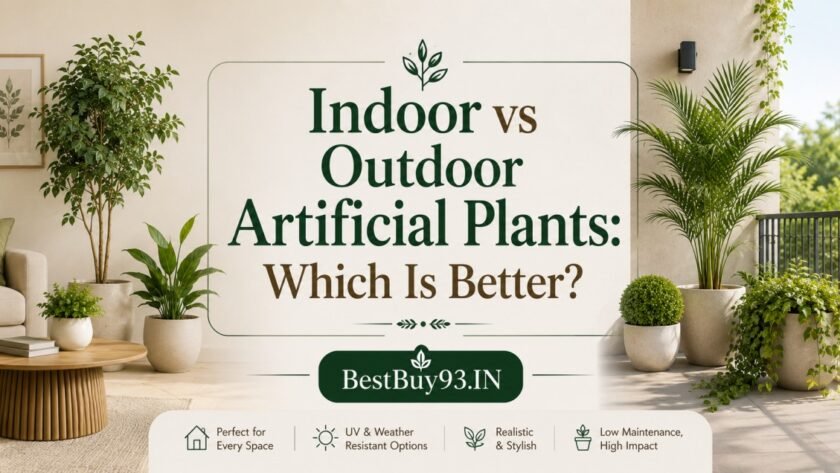

Artificial plants have become a surprisingly easy way to add greenery to a home without dealing with watering schedules, sunlight requirements or the occasional heartbreak of watching a real plant slowly give up. 🌿
But there is one important question people often overlook:
Are indoor and outdoor artificial plants actually the same?
Not necessarily.
While both are designed to recreate the appearance of natural greenery, outdoor artificial plants need to deal with much tougher conditions. Sunlight, UV exposure, rain, humidity, wind and temperature changes can all affect synthetic foliage and planters.
An artificial plant that looks perfect in your living room may not perform well on a sunny balcony.
That is why choosing between indoor vs outdoor artificial plants isn’t just about appearance. You also need to consider materials, UV resistance, durability, placement, planter quality and environmental exposure.
In this guide, we’ll compare the two options and explain where each type works best.
Also Read | Best Artificial Hanging Plants for Your Home
🏆 Indoor vs Outdoor Artificial Plants at a Glance
| Feature | 🌿 Indoor Artificial Plants | 🌱 Outdoor Artificial Plants |
|---|---|---|
| Primary Use | Interior decoration | Balconies, patios & terraces |
| UV Resistance | Usually less important | Very important |
| Weather Resistance | Generally unnecessary | Important |
| Sun Exposure | Usually limited | Often significant |
| Rain Exposure | Usually none | May be exposed |
| Wind Resistance | Less important | Important |
| Material Durability | Moderate | Higher |
| Colour Stability | Easier to maintain | UV resistance helps prevent fading |
| Planter Requirements | Mainly decorative | Stability and durability matter |
| Maintenance | Mostly dusting | Cleaning and weather checks |
| Best For | Living rooms, bedrooms, offices | Balconies, patios, terraces |
| Main Buying Priority | Realism & style | Durability & weather suitability |
🌿 What Are Indoor Artificial Plants?
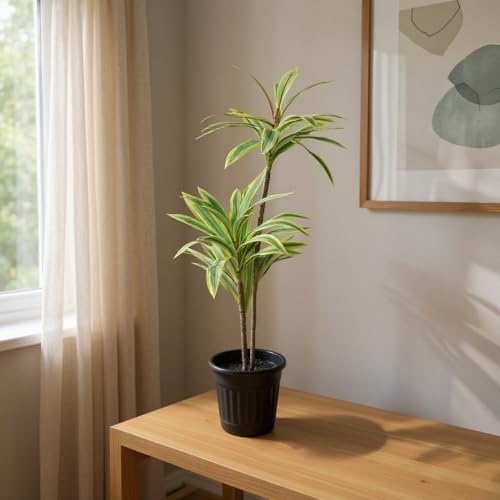
Indoor artificial plants are designed primarily for use inside your home or other protected interiors.
Since they aren’t normally exposed to constant rain, strong wind or intense outdoor sunlight, manufacturers can focus heavily on:
- Realistic foliage
- Attractive colours
- Detailed leaf textures
- Flexible stems
- Decorative planters
- Interior styling
They can be used almost anywhere indoors.
Popular Locations
- Living rooms
- Bedrooms
- Home offices
- Entryways
- Hallways
- TV units
- Shelves
- Cabinets
- Coffee tables
- Side tables
- Bathrooms
The main goal is usually aesthetic appeal.
🌱 What Are Outdoor Artificial Plants?
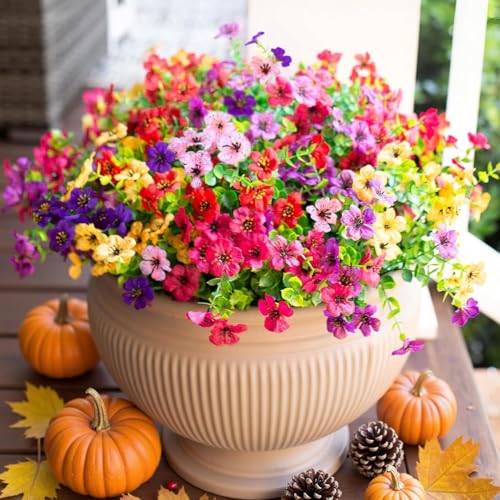
Outdoor artificial plants are designed for environments where they may experience significantly more exposure to the elements.
Depending on the product, this can include:
☀️ Direct sunlight
🌧️ Rain
💨 Wind
💧 Humidity
🌡️ Temperature fluctuations
Because of this, outdoor artificial plants generally need materials and construction that can better tolerate environmental exposure.
Common Outdoor Locations
- Balconies
- Terraces
- Patios
- Porches
- Outdoor seating areas
- Garden walls
- Covered verandas
- Outdoor entryways
The goal isn’t simply to look realistic.
It is to remain attractive and structurally suitable for the environment.
☀️ Why UV Resistance Matters
This is one of the most important differences when comparing indoor vs outdoor artificial plants.
What Is UV Exposure?
UV, or ultraviolet radiation, is part of sunlight.
Prolonged exposure can cause some synthetic materials to:
- Fade
- Discolour
- Become brittle
- Lose their original appearance
- Deteriorate over time
This is why UV-resistant artificial plants are particularly useful for outdoor locations.
Important Buying Rule
Artificial does not automatically mean outdoor-safe.
A plant being made from synthetic materials doesn’t mean it can withstand months of direct sunlight.
If you’re buying greenery for a sunny balcony or terrace, check the manufacturer’s specifications for UV resistance and outdoor suitability.
🌧️ Outdoor Plants Need More Than UV Protection
Sunlight isn’t the only concern.
Outdoor artificial plants may also encounter:
Rain
Water exposure can affect unsuitable materials, adhesives or decorative components.
Wind
Strong winds can move or knock over lightweight planters.
Humidity
Constant moisture can affect certain materials depending on their construction.
Temperature Changes
Outdoor environments experience greater temperature fluctuations than most indoor rooms.
That’s why an outdoor artificial plant needs to be selected based on the complete environment, not just how attractive it looks.
🍃 Indoor Artificial Plants: What Should You Look For?
When choosing greenery for your living room, bedroom or office, focus primarily on appearance and proportion.
1. Realistic Leaves
Look for foliage with:
- Natural colour variation
- Realistic shapes
- Visible texture
- Convincing veins
- Slightly varied leaf positions
2. Good Proportions
A plant should match the size of the room and surrounding furniture.
3. Quality Planter
The planter should complement your interior.
4. Natural-Looking Stems
Flexible stems allow you to create a more organic arrangement.
5. Suitable Colour
Muted greens can often look more sophisticated than extremely bright synthetic green.
🌱 Outdoor Artificial Plants: What Should You Look For?
Outdoor greenery needs a slightly different checklist.
☀️ UV Resistance
Essential when the plant receives significant sunlight.
🌧️ Weather Suitability
Check whether the product is intended for outdoor conditions.
💨 Stability
The planter should be sufficiently stable for the location.
🪴 Durable Construction
Look for materials appropriate for the expected exposure.
🧹 Easy Cleaning
Outdoor plants naturally collect more dust and environmental debris.
🎨 Colour Retention
UV-resistant construction can help reduce premature fading.
🪴 Material Differences
The materials used in artificial plants influence their appearance and durability.
Plastic
Plastic is widely used because it can be:
- Lightweight
- Easy to clean
- Flexible
- Durable
However, the quality varies significantly between products.
A cheap, glossy plastic leaf can look very different from a textured, realistic one.
Fabric and Polyester Foliage
Some artificial plants use fabric or polyester-based foliage.
Advantages
- Soft appearance
- Flexible
- Can reproduce delicate leaf shapes
Consideration
Not every fabric-based artificial plant is suitable for outdoor exposure.
Always check the product specifications before placing it outside.
Synthetic Material Blends
Higher-quality artificial plants may combine different materials to balance:
Realism + flexibility + durability
The specific construction matters more than simply choosing one material based on its name.
🪴 Indoor vs Outdoor Planters
The plant itself isn’t the only consideration.
The planter matters too.
Indoor Planters
Since they’re protected from harsh weather, you can focus heavily on aesthetics.
Popular choices include:
- Ceramic
- Matte-finish pots
- Stone-look planters
- Woven baskets
- Decorative pots
- Wooden planters
The objective is to match the room’s décor.
Outdoor Planters
Outdoor planters need to prioritise stability and durability.
Consider:
- Weight
- Weather suitability
- Wind exposure
- Material durability
- Overall stability
A lightweight decorative basket may look lovely indoors but may not be the smartest choice on an exposed balcony.
🏠 Where to Use Indoor Artificial Plants
Indoor artificial plants are incredibly versatile.
🛋️ Living Room
Use:
- Artificial Monstera
- Olive Tree
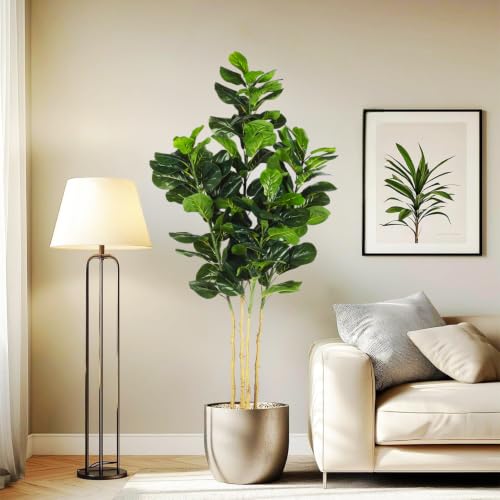
- Fiddle Leaf Fig
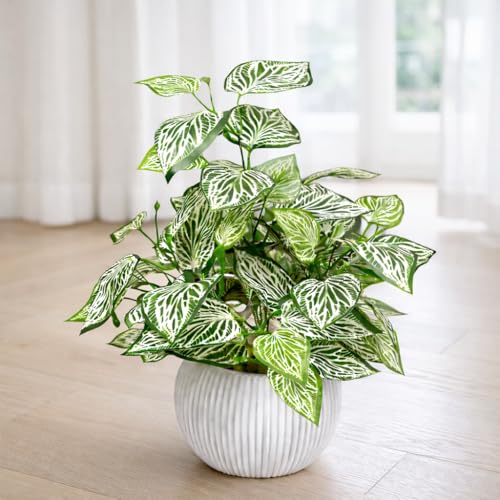
- Pothos
- Areca Palm
A tall plant can fill an empty corner, while smaller plants work beautifully on consoles and shelves.
🛏️ Bedroom
Choose softer, less visually dominant greenery.
Good options include:
- Eucalyptus
- Snake Plant
- Pothos
- Small Fern
Neutral planters work particularly well with calm bedroom colour palettes.
💻 Home Office
Small artificial plants can add greenery without taking over your workspace.
Try:
Small Pothos + Succulent
or
Eucalyptus on a shelf
🚪 Entryway
A tall artificial plant can add height and create a welcoming first impression.
Try:
Olive Tree + neutral planter
or
Bamboo + textured pot
🌿 Where to Use Outdoor Artificial Plants
Outdoor artificial plants are particularly useful where you want greenery but don’t want the ongoing care of living plants.
🌤️ Balcony
Try:
- Artificial Ferns
- Bamboo
- Palm-style plants
- Ivy
- Boxwood
For sunny balconies, look specifically for outdoor-suitable and UV-resistant options.
🏡 Patio
Use larger artificial plants to frame:
- Seating areas
- Dining spaces
- Walls
- Corners
A pair of tall plants can visually define a seating zone.
🌿 Terrace
Terraces provide more room for larger arrangements.
You could combine:
Palm + Fern + Bamboo
in stable planters to create a layered green backdrop.
⚠️ Can You Use Indoor Artificial Plants Outdoors?
Sometimes but don’t assume they are suitable.
This is one of the biggest mistakes people make.
An indoor artificial plant may look almost identical to an outdoor-rated product but may not have the same resistance to:
- UV radiation
- Rain
- Humidity
- Wind
- Temperature changes
If you want to move an indoor plant outside, check the manufacturer’s specifications first.
🌱 Can Outdoor Artificial Plants Be Used Indoors?
Yes, generally.
An outdoor-rated artificial plant can usually be used indoors from a durability perspective.
However, it may not always be the most practical option.
Outdoor plants can sometimes be:
- Heavier
- More robustly constructed
- Designed around weather resistance
- Less convenient for shelves or small tables
For interior décor, an indoor-focused artificial plant may offer a better combination of realism, styling and weight.
🆚 The Biggest Difference
Here’s the simplest way to remember it:
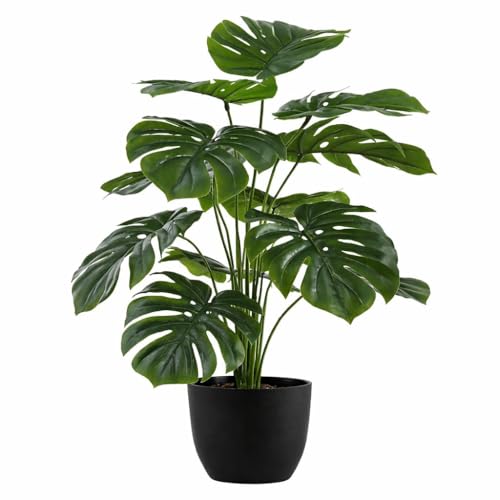
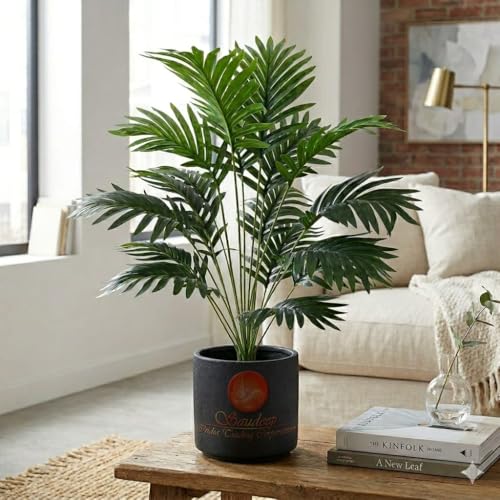
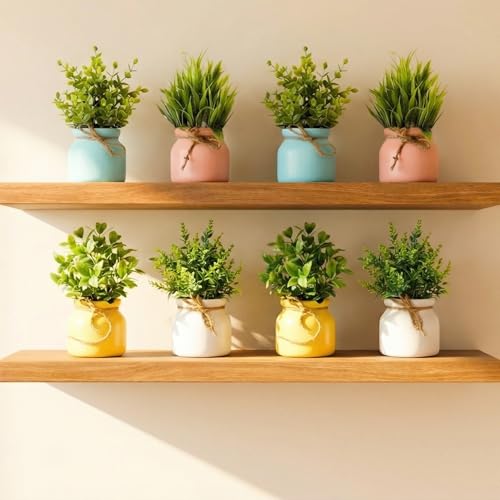
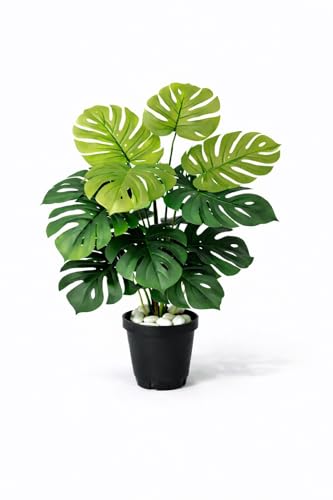
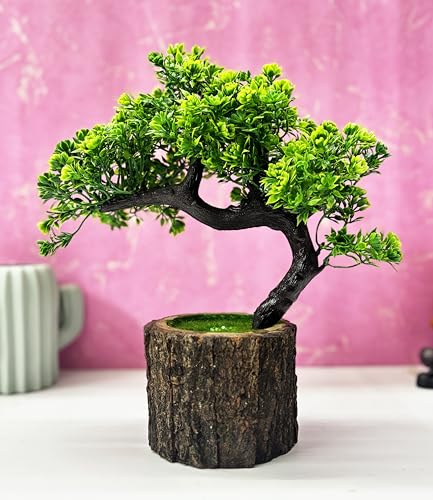
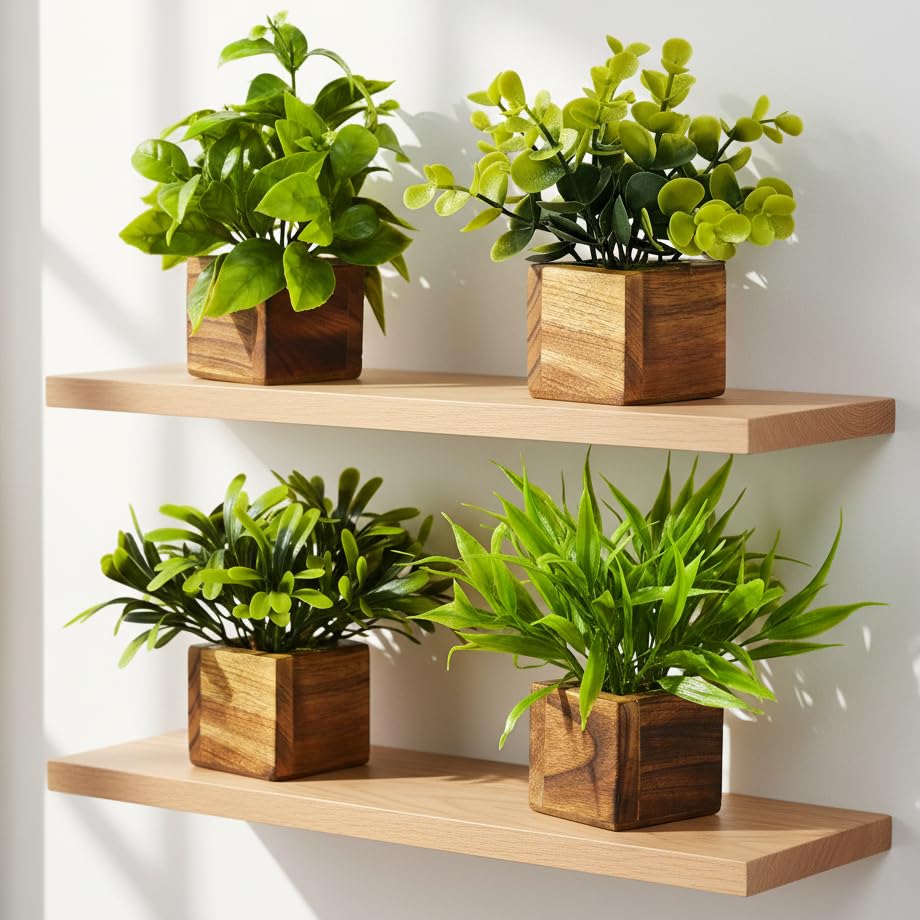
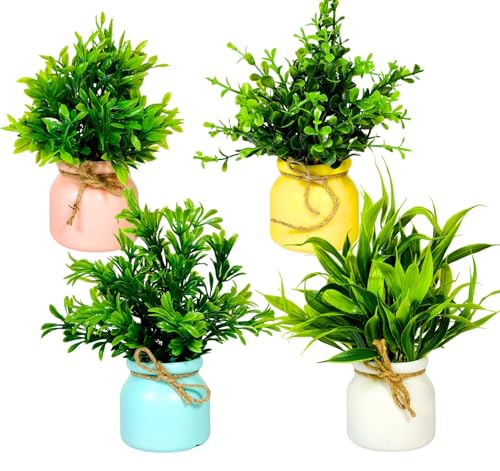
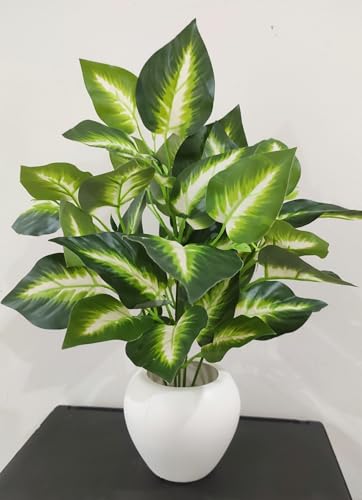
🌿 Indoor Artificial Plants
Style first.
Think:
Realism + colour + texture + proportion + décor
🌱 Outdoor Artificial Plants
Durability first, without sacrificing appearance.
Think:
UV resistance + weather suitability + stability + durability + style
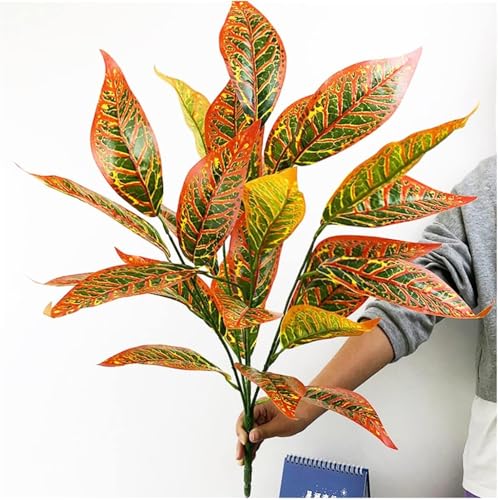
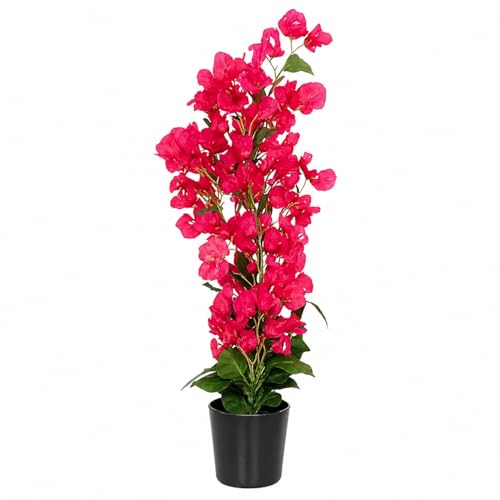
🏆 Which One Should You Choose?
It depends entirely on where the plant will live.
Choose Indoor Artificial Plants If:
✔ You’re decorating a living room
✔ You’re styling a bedroom
✔ You want shelf greenery
✔ You’re decorating a home office
✔ The plant will stay away from harsh outdoor conditions
✔ Appearance is your main priority
Choose Outdoor Artificial Plants If:
✔ You’re decorating a balcony
✔ The plant will receive direct sunlight
✔ You’re styling a terrace
✔ The plant will be exposed to weather
✔ You need greater durability
✔ Stability is important
🆚 Indoor vs Outdoor Artificial Plants: Feature-by-Feature Comparison
| Feature | 🌿 Indoor Artificial Plants | 🌱 Outdoor Artificial Plants |
|---|---|---|
| Primary Purpose | Interior decoration | Outdoor decoration |
| UV Resistance | Not always necessary | Highly recommended for sun exposure |
| Weather Resistance | Usually unnecessary | Important |
| Rain Exposure | Usually none | May be exposed |
| Wind Resistance | Usually not a concern | Important |
| Material Durability | Moderate | Higher |
| Colour Retention | Easier indoors | UV resistance helps reduce fading |
| Planter | Mostly style-focused | Stability + durability |
| Weight | Lightweight options are common | Stable/heavier options can be useful |
| Cleaning | Occasional dusting | More frequent cleaning may be needed |
| Placement | Rooms and protected areas | Balconies, patios, terraces |
| Main Buying Priority | Realism & aesthetics | Durability & environmental suitability |
☀️ 1. Check UV Resistance Before Buying for Outdoors
If there’s one specification you should never skip when shopping for outdoor artificial plants, it’s UV resistance.
Sunlight can gradually affect synthetic materials.
Depending on the material and exposure, prolonged UV radiation may cause:
- Fading
- Discolouration
- Brittleness
- Loss of texture
- Material deterioration
A plant that starts out deep green may eventually look noticeably different after prolonged exposure if it isn’t designed for that environment.
Our Rule:
Sunny balcony = check UV resistance.
Don’t assume that every artificial plant is automatically suitable for outdoor use.
🌧️ 2. Think About Rain and Moisture
If your balcony or terrace is exposed to rain, consider whether the plant and planter are suitable for wet conditions.
Look for products specifically described as suitable for outdoor use.
Also think about the container, not just the foliage.
A weather-suitable plant sitting in a delicate decorative container doesn’t magically become weatherproof.
💨 3. Don’t Underestimate Wind
Wind is one of the biggest practical differences between indoor and outdoor décor.
A lightweight artificial plant can easily move, tip or fall in a strong breeze.
For outdoor spaces, consider:
- Heavier planters
- Stable bases
- Secure positioning
- Appropriate mounting
- Wind exposure
Especially Important For:
Balconies + terraces + rooftops
If your location regularly experiences strong winds, choose a setup with enough stability for the environment.
🪴 4. Choose the Right Planter for Outdoor Spaces
Indoor planters can focus heavily on appearance.
Outdoor planters need to balance:
Appearance + durability + stability
Good Outdoor Choices
- Durable synthetic planters
- Suitable resin/fibreglass-style containers
- Heavy decorative pots
- Weather-suitable materials
The exact material should match the conditions where you’ll place the plant.
🏠 5. Best Artificial Plants for Living Rooms
For indoor living spaces, you have much more freedom.
🌿 Best Choices
Monstera
Olive Tree
Fiddle Leaf Fig
Areca Palm
Pothos
For Empty Corners
Choose a tall floor plant.
For Shelves
Choose Pothos or smaller trailing greenery.
For Coffee Tables
Choose compact foliage or succulents.
🛏️ 6. Best Artificial Plants for Bedrooms
Bedrooms usually benefit from softer, less dramatic greenery.
Good Choices
- Eucalyptus
- Snake Plant
- Small Pothos
- Fern
- String of Hearts
Styling Tip
Stick to neutral planters such as:
Cream + beige + warm white
This keeps the room calm and cohesive.
💻 7. Best Artificial Plants for Home Offices
Artificial plants can soften a workspace without creating maintenance.
Best Choices
Small Pothos
Eucalyptus
Succulent
Spider Plant
Instead of putting a large plant directly on your desk, consider a shelf beside or behind the workspace.
That gives you the visual benefit without stealing precious desk real estate.
🚪 8. Best Artificial Plants for Entryways
Entryways are perfect for vertical greenery.
Try:
Artificial Olive Tree
Artificial Bamboo
Tall Snake Plant
For narrow spaces, look for plants with a relatively small footprint.
The goal is to create height—not block the passage.
🌿 9. Best Artificial Plants for Balconies
Balconies are probably one of the most popular places for artificial outdoor greenery.
Good Options
- Artificial Ferns
- Bamboo
- Palm-style plants
- English Ivy
- Boxwood
- Outdoor-rated trailing plants
For Sunny Balconies
Prioritise:
UV resistance
For Windy Balconies
Prioritise:
Stable planters
For Covered Balconies
You may have more flexibility, depending on how much sunlight and weather exposure the space receives.
🏡 10. Best Artificial Plants for Terraces
A terrace gives you more room to create larger arrangements.
Instead of placing plants randomly, create green zones.
Example
Tall Palm
↓
Medium Fern
↓
Small decorative greenery
This creates layers and makes the space feel more intentional.
🪑 11. Best Artificial Plants for Patios
Patios often already contain furniture, so use plants to frame the space.
For example:
Seating Area
Two tall artificial plants
on either side.
Or:
Corner
Large artificial Palm + stable planter
This creates a visual boundary without building a physical wall.
🌿 12. Use Artificial Plants to Define Outdoor Zones
If your balcony or terrace is large enough, greenery can help visually separate different areas.
Example:
Plant cluster → seating area
Plant cluster → dining area
Plant → entry point
You don’t need a huge number of plants.
A few strategically placed pieces can define the space.
🎨 13. Match Outdoor Plants With Your Décor
Outdoor greenery should still complement your existing colour palette.
Neutral Balcony
Try:
Green + beige + natural wood
Modern Balcony
Try:
Deep green + charcoal + cream
Boho Balcony
Try:
Green + rattan + terracotta
Natural Balcony
Try:
Green + wood + jute
The planter can be used to connect the plant with the rest of your décor.
🪴 14. How to Choose Between Indoor and Outdoor Versions
Imagine you’re looking at two similar artificial Olive Trees.
Ask yourself:
Question 1
Where will it live?
Inside?
Choose indoor-focused.
Outside?
Continue checking.
Question 2
Will it receive direct sunlight?
If yes, look for UV resistance.
Question 3
Will it get wet?
If yes, check outdoor suitability.
Question 4
Is the area windy?
If yes, choose a stable planter.
Question 5
Do I need maximum realism or maximum durability?
Your answer can help determine which type is more suitable.
🔎 15. How to Check a Product Listing
When shopping online, don’t stop at the product title.
Look for specifications or descriptions mentioning:
- Indoor use
- Outdoor use
- UV resistant
- Weather resistant
- Fade resistant
- Suitable for balconies
- Suitable for outdoor conditions
- Material
- Dimensions
- Weight
If the listing doesn’t clearly establish outdoor suitability, don’t assume it is outdoor-safe simply because it looks like an outdoor plant.
📏 16. Size Matters Indoors and Outdoors
The right size depends on the environment.
Indoor
A large plant can become the focal point of a room.
Outdoor
A larger plant can help fill open spaces, but you also need to consider:
- Wind
- Stability
- Balcony dimensions
- Walking clearance
- Furniture placement
A giant planter in a tiny balcony is still a giant planter.
Artificial or not. 😂
🌿 17. Small Balcony? Go Vertical
If floor space is limited, don’t fill the entire balcony with pots.
Use:
- Wall-mounted planters
- Hanging plants
- Vertical greenery
- Railing-compatible solutions where appropriate and safe
Artificial hanging plants are particularly useful here because they provide greenery without requiring floor space.
🪴 18. Combine Different Plant Heights
Whether indoors or outdoors, varying heights creates a more natural composition.
Try:
Tall
Artificial Palm
Medium
Artificial Fern
Small
Artificial trailing plant
This layered arrangement feels much more intentional than putting everything at the same height.
🌿 19. Don’t Mix Indoor and Outdoor Styles Randomly
You can absolutely mix different artificial plants.
But there should still be a visual connection.
For example:
Olive Tree + Eucalyptus + Fern
works because the greenery feels relatively natural and understated.
But combining:
bright tropical leaves + tiny succulent + formal boxwood
without any connection can make the arrangement feel random.
🧹 20. Maintenance: Indoor vs Outdoor
Artificial plants are low maintenance, but the maintenance isn’t identical.
Indoor
Mostly:
✔ Dusting
✔ Occasional cleaning
✔ Rearranging foliage
Outdoor
Expect more:
✔ Dust
✔ Dirt
✔ Environmental debris
✔ Sun exposure
✔ Weather exposure
✔ Occasional fading checks
Outdoor plants generally require more attention simply because they’re exposed to more environmental factors.
🚨 Common Buying Mistakes
❌ Mistake 1: Assuming All Artificial Plants Are Outdoor-Safe
They aren’t.
Always check the specifications.
❌ Mistake 2: Ignoring UV Resistance
Especially problematic for continuously sunny balconies.
❌ Mistake 3: Choosing Lightweight Outdoor Planters
Wind can easily move unstable arrangements.
❌ Mistake 4: Buying Based Only on Appearance
A beautiful plant isn’t automatically durable.
❌ Mistake 5: Ignoring the Dimensions
Check:
Height + Width + Planter Diameter
before ordering.
❌ Mistake 6: Forgetting About Wind
A rooftop terrace has very different requirements from a sheltered indoor balcony.
❌ Mistake 7: Using Delicate Indoor Foliage Outdoors
If it isn’t designed for outdoor exposure, it may fade or deteriorate faster.
❌ Mistake 8: Overcrowding the Balcony
You still need space to move.
🏆 Indoor vs Outdoor: Which Is Better?
The answer depends entirely on where you’re placing it.
Choose Indoor Artificial Plants For:
🏠 Living rooms
🛏️ Bedrooms
💻 Home offices
🚪 Entryways
📚 Shelves
📺 TV units
☕ Coffee tables
Choose Outdoor Artificial Plants For:
🌿 Balconies
🏡 Patios
☀️ Terraces
🌱 Outdoor seating areas
🏠 Porches
🌤️ Exposed outdoor corners
🌿 Indoor vs Outdoor Artificial Plants: Which Is Better?
Choosing between indoor and outdoor artificial plants isn’t really about deciding which one is universally better. It’s about choosing the type that matches where you want to use it and what conditions it will face.
An artificial plant for a living room can focus almost entirely on realism, colour and styling. A plant for a sunny balcony needs something extra: UV resistance, durability and stability.
So before you buy, here’s the final comparison and buying guide to help you make the right choice.
🏆 Indoor vs Outdoor Artificial Plants: Final Comparison
| Feature | Indoor Artificial Plants | Outdoor Artificial Plants |
|---|---|---|
| Best For | Living rooms, bedrooms, offices | Balconies, patios, terraces |
| Main Priority | Realism & appearance | Durability & weather suitability |
| UV Resistance | Usually optional | Important for sun exposure |
| Weather Resistance | Usually unnecessary | Important |
| Rain Exposure | Generally none | May be exposed |
| Wind Resistance | Less important | Important |
| Planter | Décor-focused | Stable & durable |
| Colour Retention | Easier indoors | UV resistance helps |
| Maintenance | Mainly dusting | Cleaning + weather checks |
| Design Options | Very broad | More durability-focused |
| Weight | Often lightweight | Stability may require heavier options |
| Best Overall Environment | Protected interiors | Outdoor or exposed areas |
🌿 Pros & Cons
Indoor Artificial Plants
| Pros | Cons |
|---|---|
| Huge variety of styles | Not necessarily suitable outdoors |
| Excellent realistic options | Some may fade in strong sunlight |
| Easy to style | Can collect dust |
| Lightweight options available | Doesn’t provide benefits of a real plant |
| Perfect for low-light rooms | Quality varies between products |
| Easy to move around | Some cheaper options look artificial |
Best Reason to Buy
You want attractive, low-maintenance greenery for your interior.
Outdoor Artificial Plants
| Pros | Cons |
|---|---|
| Designed for tougher environments | Usually more expensive |
| UV-resistant options available | Can still fade over time |
| Great for balconies and terraces | Need suitable planters |
| No watering required | Outdoor versions need occasional cleaning |
| Can withstand suitable weather conditions | Quality varies considerably |
| Ideal for creating outdoor greenery | Stability is important in windy locations |
Best Reason to Buy
You want greenery for an outdoor area without regular plant care.
🥇 Best Choice by Location
| Location | Recommended Type | Good Options |
|---|---|---|
| Living Room | Indoor | Monstera, Pothos, Olive Tree |
| Bedroom | Indoor | Eucalyptus, Fern, Snake Plant |
| Home Office | Indoor | Pothos, Succulent, Eucalyptus |
| Entryway | Indoor | Olive Tree, Bamboo |
| Bathroom | Indoor | Fern, Pothos, Eucalyptus |
| Balcony | Outdoor | Fern, Ivy, Palm, Bamboo |
| Terrace | Outdoor | Palm, Bamboo, Fern |
| Patio | Outdoor | Boxwood, Palm, Ivy |
| Covered Balcony | Indoor/Outdoor depending on exposure | Pothos, Fern, Eucalyptus |
| Sunny Terrace | Outdoor | UV-resistant Palm, Bamboo, Fern |
☀️ Best Choice by Sun Exposure
Low or No Direct Sunlight
Choose:
Indoor artificial plants
You have much more freedom when selecting foliage.
Bright Indirect Light
Choose:
Indoor artificial plants
unless the area is regularly exposed to strong direct sunlight.
Several Hours of Direct Sunlight
Choose:
UV-resistant outdoor artificial plants
This is where checking the product specifications becomes particularly important.
Constant Outdoor Exposure
Choose:
Outdoor-rated, UV-resistant artificial plants
Also consider the planter and mounting method.
🌿 Best Artificial Plant Styles for Indoors
🥇 Pothos
Best for:
- Shelves
- Cabinets
- TV units
- Hanging planters
Its trailing foliage adds movement without requiring much space.
🥈 Monstera
Best for:
- Living rooms
- Large corners
- Modern interiors
Its large leaves create a stronger statement.
🥉 Eucalyptus
Best for:
- Bedrooms
- Minimalist interiors
- Home offices
Its muted foliage works beautifully with neutral décor.
🌱 Best Artificial Plant Styles for Outdoors
🥇 Artificial Palm
Excellent for creating a tropical outdoor atmosphere.
Best For:
Terraces + patios + larger balconies
🥈 Artificial Bamboo
Useful when you want height and privacy-like visual screening.
Best For:
Balconies + terraces
🥉 Artificial Fern
Its fuller foliage works well in hanging baskets and outdoor corners.
Best For:
Balconies + patios + covered outdoor spaces
🪴 How to Choose the Right Planter
The planter can completely change the appearance of an artificial plant.
For Indoor Décor
Consider:
Ceramic
Elegant and versatile.
Matte Planters
Great for modern and minimalist interiors.
Woven Baskets
Ideal for boho and natural décor.
Stone-Look Planters
Good for contemporary interiors.
For Outdoor Décor
Prioritise:
Stability
Especially in windy areas.
Durability
Choose materials suitable for outdoor exposure.
Weight
A heavier base can help prevent tipping.
Weather Suitability
Make sure the planter can handle the environment.
🔎 Outdoor Artificial Plant Buying Checklist
Before buying an outdoor artificial plant, check all of these:
🌞 UV Resistance
☐ Is it specifically described as UV resistant?
☐ Is it suitable for direct sunlight?
🌧️ Weather Suitability
☐ Is outdoor use mentioned?
☐ Can it handle the expected exposure?
📏 Dimensions
☐ Height checked?
☐ Width checked?
☐ Planter size checked?
🪴 Planter
☐ Stable?
☐ Suitable for outdoor use?
☐ Heavy enough for the location?
💨 Wind
☐ Is the plant positioned safely?
☐ Is the planter secure?
🎨 Appearance
☐ Does the foliage look realistic?
☐ Does the colour suit your outdoor décor?
🏠 Indoor Artificial Plant Buying Checklist
For indoor plants, concentrate more heavily on appearance and proportion.
🍃 Foliage
☐ Realistic leaves
☐ Natural colour
☐ Good texture
☐ Varied shapes
📏 Size
☐ Appropriate for the room
☐ Doesn’t block furniture
☐ Doesn’t interfere with walkways
🪴 Planter
☐ Matches your décor
☐ Proportionate to the plant
☐ Stable on the surface
🎨 Styling
☐ Works with existing colours
☐ Doesn’t overcrowd the space
☐ Has enough breathing room
🚫 Mistakes to Avoid
1. Assuming Artificial Means Outdoor-Safe
It doesn’t.
Always check the specifications.
2. Ignoring UV Resistance
This is particularly important for sunny balconies and terraces.
3. Choosing the Wrong Size
A huge plant can overwhelm a small room just as easily as it can overwhelm a small balcony.
4. Forgetting Wind
Outdoor plants need stable positioning.
5. Buying Only Based on the Product Photo
Look at:
- Dimensions
- Material
- UV protection
- Intended use
- Planter specifications
The product photo doesn’t tell you everything.
6. Using Too Many Plants
Whether indoors or outdoors, greenery needs breathing room.
7. Ignoring the Planter
A beautiful plant paired with a cheap-looking or unsuitable planter can ruin the overall effect.
🧹 Maintenance Guide
Artificial plants are much easier to maintain than real plants, but they still need occasional attention.
Indoor Plants
Every few weeks or whenever dusty:
- Dust the leaves
- Clean the planter
- Check the foliage
- Reposition bent stems
Outdoor Plants
Outdoor plants may need more frequent cleaning because they are exposed to:
- Dust
- Pollution
- Pollen
- Rain residue
- Environmental debris
Occasionally Check:
- Fading
- Cracked materials
- Loose stems
- Planter stability
- Mounting hardware
Always follow the manufacturer’s cleaning recommendations.
🌿 How to Make Artificial Plants Look More Realistic
Even a good-quality artificial plant can look fake if styled poorly.
1. Avoid Perfect Symmetry
Let leaves face slightly different directions.
2. Vary the Stems
Don’t leave every stem at exactly the same height.
3. Use the Right Planter
The container should look intentional.
4. Create Breathing Room
Don’t surround one plant with ten other decorative objects.
5. Mix Textures
Combine foliage with:
- Wood
- Ceramic
- Woven materials
- Stone
- Books
- Soft textiles
6. Choose Natural Colours
Muted and varied greens generally feel more sophisticated than extremely bright, uniform foliage.
💡 Styling Ideas
Modern Living Room
Artificial Olive Tree + Beige Planter + Neutral Sofa
Simple, clean and timeless.
Minimalist Bedroom
Artificial Eucalyptus + White Ceramic Planter
Keep the rest of the arrangement understated.
Boho Balcony
Artificial Fern + Woven Basket + Rattan Furniture
Add natural textures rather than excessive decoration.
Modern Terrace
Artificial Palm + Large Neutral Planter
Use one or two statement plants instead of filling every corner.
Small Apartment
Hanging Pothos + Floating Shelf
You get greenery without sacrificing floor space.
🧪 Our Research Methodology
For this guide, we evaluated indoor vs outdoor artificial plants based on practical decorating and purchasing considerations.
Our assessment focused on:
- Realistic appearance
- Material quality
- UV exposure
- Weather suitability
- Durability
- Size and proportions
- Planter requirements
- Indoor and outdoor placement
- Maintenance
- Styling flexibility
- Small-space suitability
- Stability and safety
We also considered how different artificial plant styles work across living rooms, bedrooms, home offices, balconies, patios and terraces.
The objective was to identify practical choices that balance appearance, usability and long-term suitability for the intended environment.
🏆 Final Verdict: Indoor vs Outdoor Artificial Plants
So, which is better?
🌿 For Indoor Use: Choose Indoor Artificial Plants
If you’re decorating:
- Living rooms
- Bedrooms
- Offices
- Entryways
- Shelves
- TV units
prioritise realism, texture, size and décor compatibility.
🥇 Best Overall Indoor Choice
Artificial Pothos
It’s versatile, easy to style and works beautifully in both modern and traditional interiors.
🌱 For Outdoor Use: Choose Outdoor Artificial Plants
If you’re decorating:
- Balconies
- Terraces
- Patios
- Outdoor seating areas
prioritise UV resistance, weather suitability, durability and stability.
🥇 Best Overall Outdoor Style
Artificial Palm or Bamboo
These can create a strong outdoor statement, particularly in larger spaces.
⭐ Our Simple Buying Rule
If you remember only one thing from this guide, make it this:
Buy according to the environment, not just the appearance.
A beautiful indoor artificial plant is perfect for your living room.
A UV-resistant outdoor plant is a much smarter choice for a sunny balcony.
And if you have a covered balcony with limited exposure, you may have more flexibility—but it’s still worth checking the product specifications.
❓ Frequently Asked Questions
Are indoor and outdoor artificial plants different?
Yes. Outdoor artificial plants are generally designed with greater emphasis on UV resistance, durability and environmental exposure, while indoor plants focus more heavily on appearance and interior styling.
Can indoor artificial plants be used outdoors?
Only if the manufacturer indicates that they are suitable for outdoor conditions. Don’t assume an artificial plant is outdoor-safe simply because it is made from synthetic materials.
Can outdoor artificial plants be used indoors?
Yes, generally. However, outdoor-rated plants may be heavier or more robust than necessary for interior shelves and tabletops.
What is the most important feature of an outdoor artificial plant?
For areas receiving direct sunlight, UV resistance is one of the most important specifications to check. Weather suitability and stability are also important.
Are artificial plants good for balconies?
Yes. They’re particularly useful when you want greenery without watering and regular plant maintenance. For exposed balconies, choose outdoor-suitable and UV-resistant options.
Do outdoor artificial plants fade?
They can, depending on the materials, exposure and product quality. UV-resistant products are designed to better withstand sunlight, but no material should be assumed to be completely immune to long-term environmental exposure.
Which artificial plant is best for a living room?
Pothos, Monstera, Olive Tree, Fiddle Leaf Fig and Areca Palm are versatile choices. The best option depends on the room’s size and decorating style.
Which artificial plants are best for balconies?
Outdoor-suitable Ferns, Palms, Bamboo, Ivy and other UV-resistant artificial greenery can work well, depending on the amount of sunlight and weather exposure.
How do I protect artificial plants outdoors?
Choose products designed for outdoor use, look for UV resistance, use stable planters and position them appropriately for wind and weather exposure.
How often should artificial plants be cleaned?
Indoor plants generally need occasional dusting. Outdoor plants may require more frequent cleaning because they’re exposed to dust, pollen, pollution and weather.
Are artificial plants worth buying?
For people who want decorative greenery without watering, pruning or sunlight requirements, artificial plants can be a practical décor solution. The key is choosing a quality product appropriate for its intended location.