


A good study table can completely change the way your study or work space feels. When your books, laptop, notebooks and stationery are scattered across the bed or dining table, getting anything done can become a struggle. But with the right desk, suddenly everything has a place and your room feels a lot less chaotic. 📚✨
The Best Study Tables aren’t necessarily the biggest or most expensive ones. The right choice depends on your room size, how much storage you need, whether you use a laptop or desktop, and how many hours you spend sitting at the desk.
A student preparing for exams may need plenty of space for books and notebooks, while someone working from home may prioritize a larger tabletop, cable management and drawers. If you’re furnishing a small bedroom, a compact or wall-mounted study table may make much more sense than a massive workstation.
In this guide, we’ll look at different types of Best Study Tables, what makes each suitable for different users, the features worth paying attention to, and the things you should check before buying one.
Also Read | Pantry Storage Mistakes 15 Common Errors to Avoid
🏆 10 Best Study Table Types for Different Needs
Instead of assuming that one table works for everyone, we’ve selected different styles based on common study and work requirements.
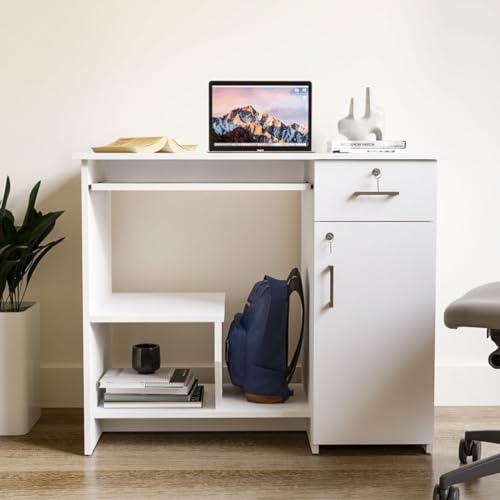
1. Best Overall Study Table
A medium-sized study table with storage is the safest all-round choice for most homes.
It gives you enough surface area for:
- Laptop
- Books
- Notebook
- Desk lamp
- Stationery
- Small accessories
A drawer or small cabinet underneath is an added bonus because it keeps everyday clutter away from the tabletop.
Best For:
Students, teenagers and everyday home study
2. Best Study Table for Small Rooms
If you’re working with a compact bedroom, don’t try to squeeze a huge desk into the room.
A compact study table around a practical width can provide enough room for a laptop and notebook without taking over the entire space.
Look for:
- Slim construction
- Minimal depth
- Open leg space
- Small drawers
- Lightweight design
A simple compact desk can often be more useful than a large table that makes the room difficult to move around.
Best For:
Small bedrooms and apartments

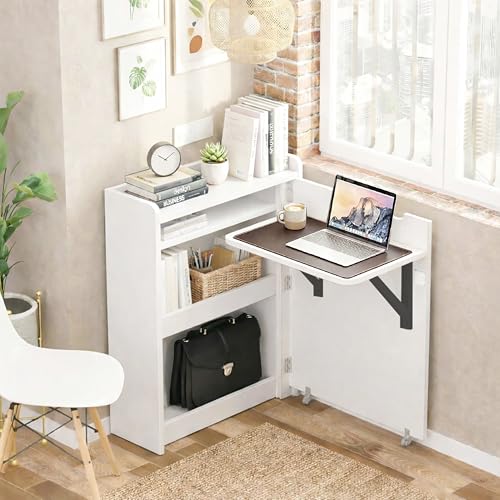
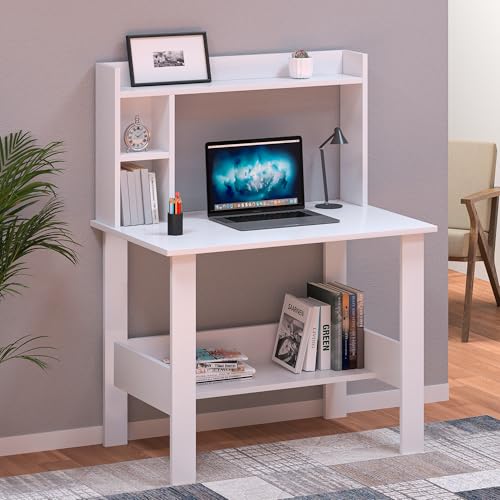
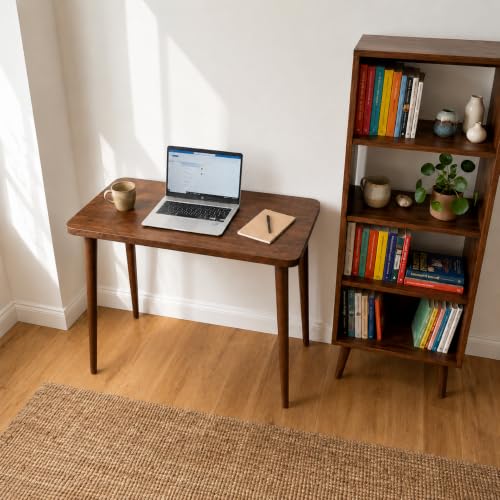
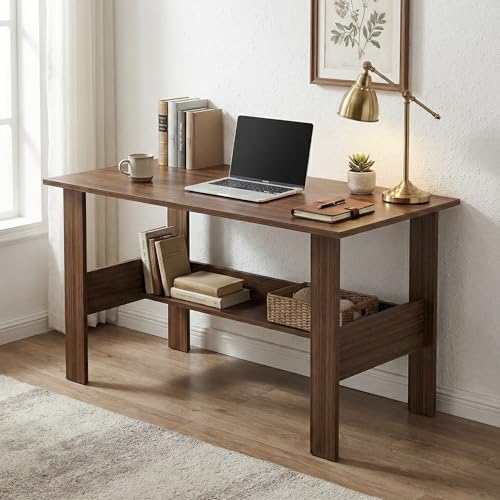
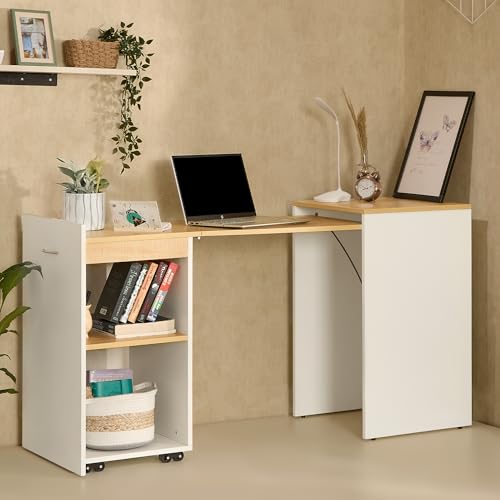
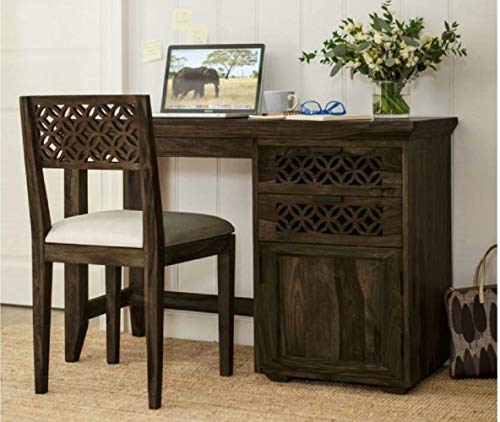
3. Best Study Table With Storage
If your desk regularly disappears under books and stationery, storage should be a priority.
A study table with:
- Drawers
- Shelves
- Cabinets
- Side compartments
can help keep the main work surface clear.
This is particularly useful for students who need to keep textbooks, notebooks and stationery nearby.
Best For:
Students with lots of books and supplies
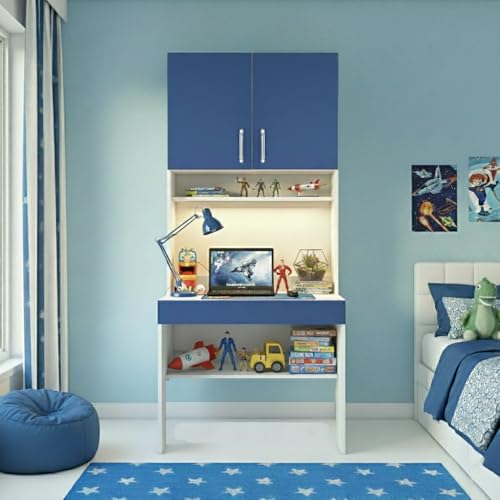
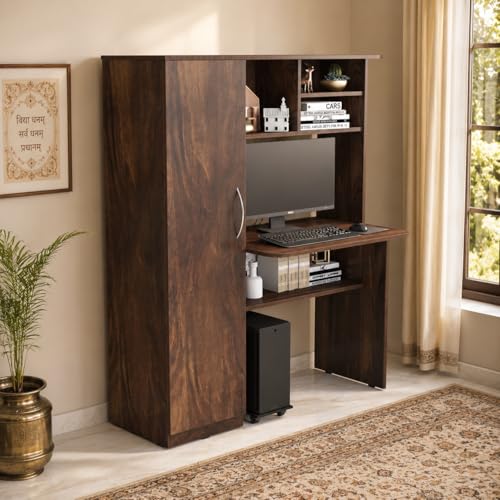
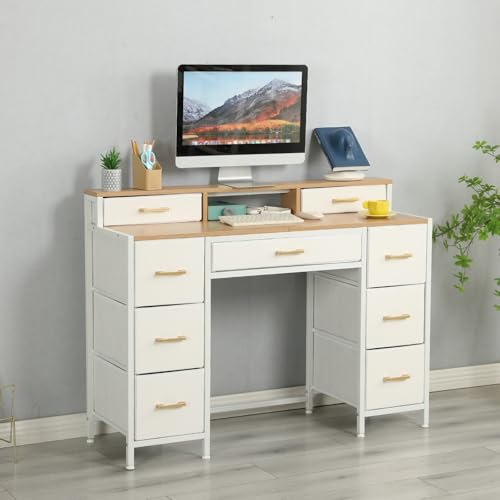
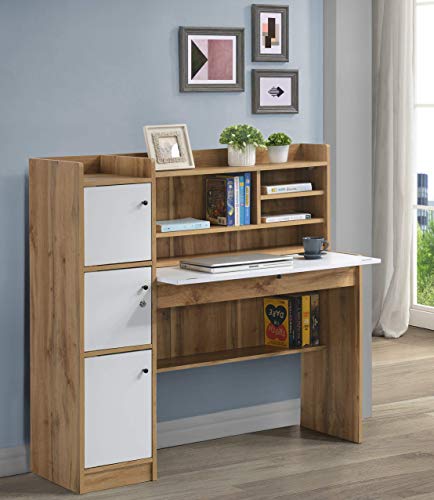
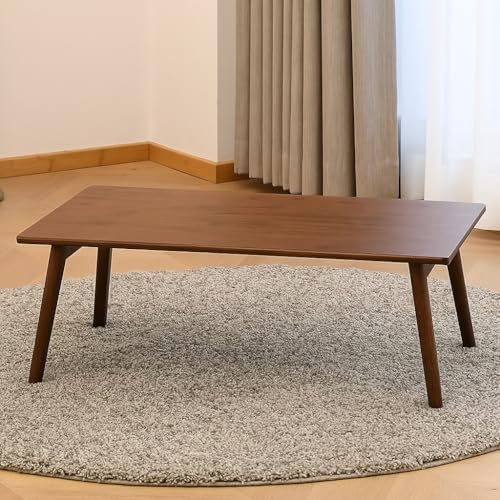
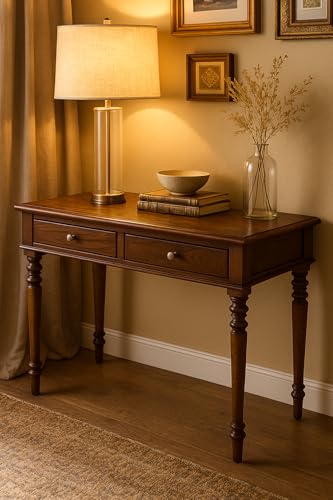
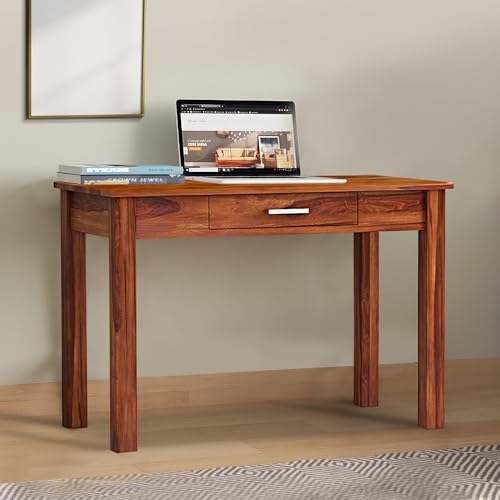
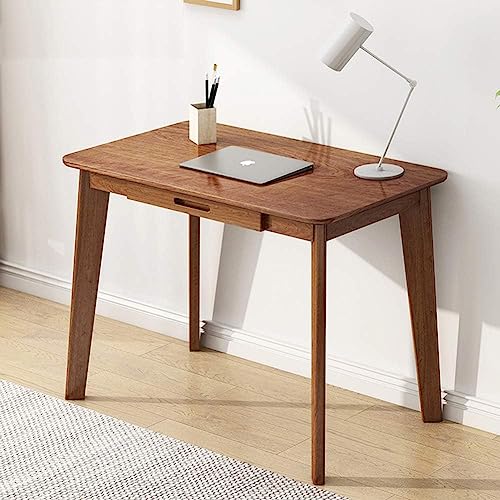
4. Best Wooden Study Table
Wooden study tables remain a popular choice because they offer a classic appearance and can work with almost any bedroom or home-office décor.
Depending on the construction, wooden tables can provide a sturdy work surface for:
- Books
- Computers
- Monitors
- Writing materials
- Desk accessories
A wooden finish also tends to age more gracefully than some cheaper-looking materials.
Best For:
Long-term use and traditional interiors
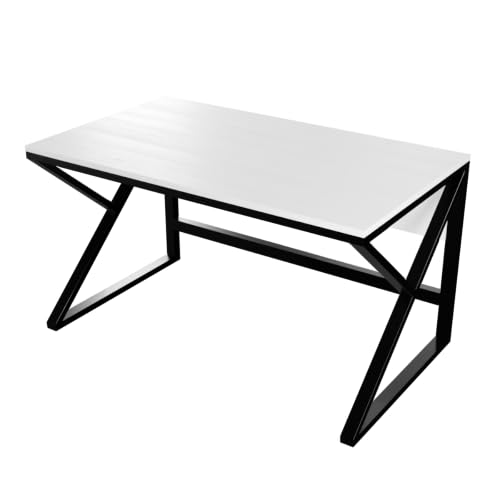
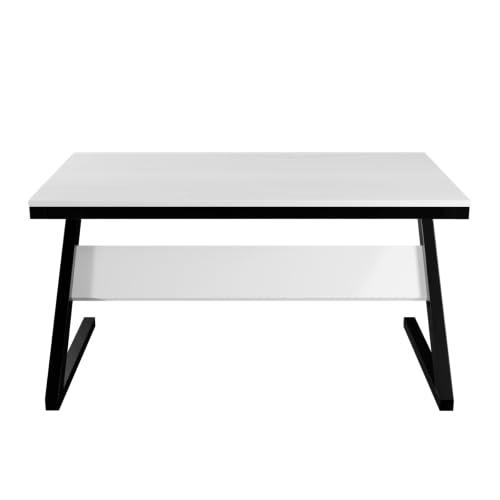
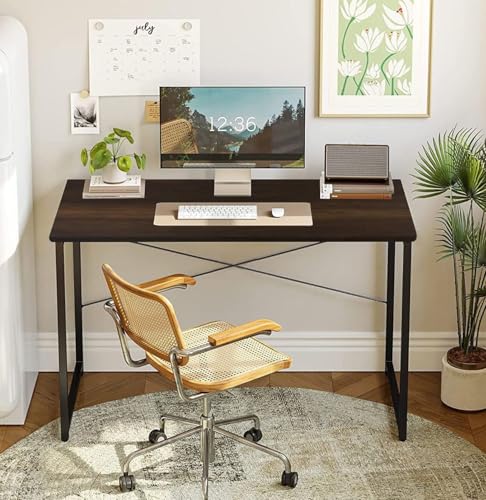
5. Best Minimalist Study Table
Not everyone needs drawers, cabinets and shelves everywhere.
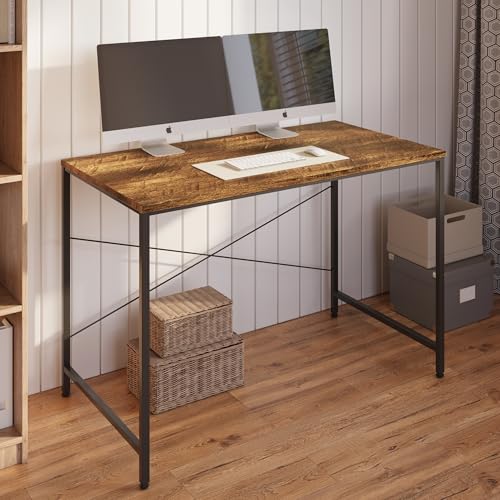
A minimalist study table with a simple tabletop and sturdy legs can be perfect if you prefer a clean workspace.
It’s particularly suitable for:
- Laptops
- Notebooks
- Writing
- Reading
- Minimal desk setups
The biggest advantage is visual simplicity.
Less furniture can make a small room feel more spacious.
Best For:
Minimalist bedrooms and clean workspaces
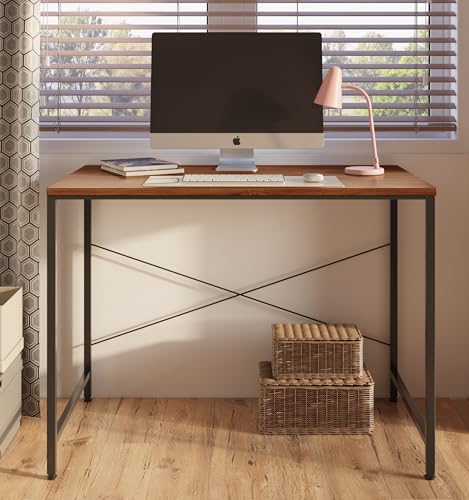
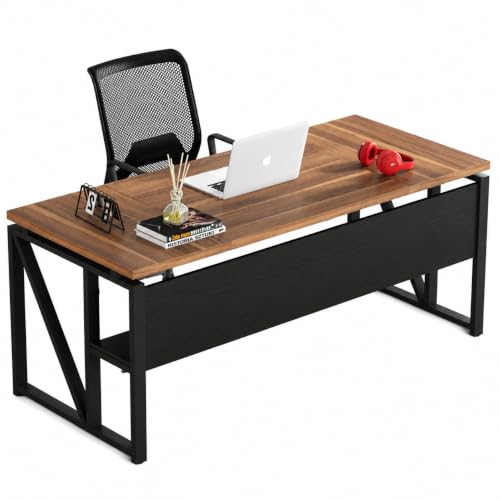
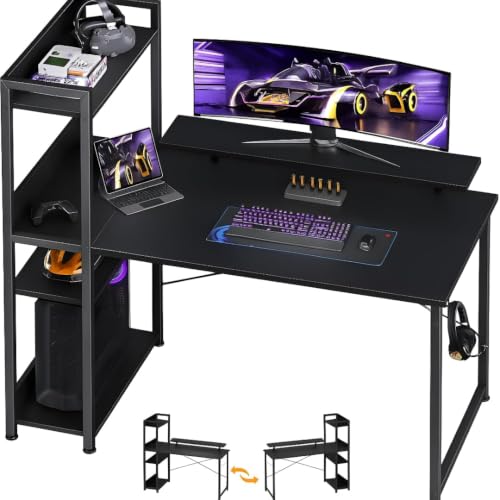
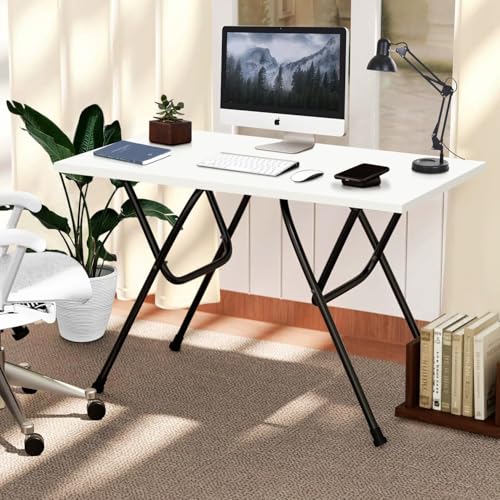
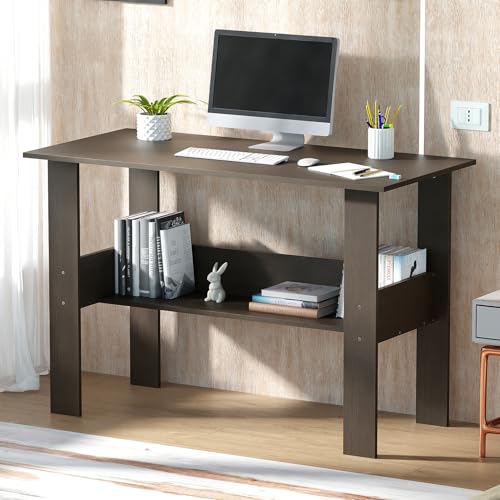
6. Best Study Table for Computer Use
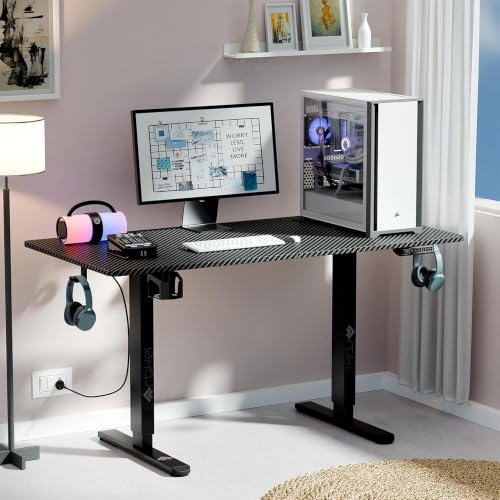
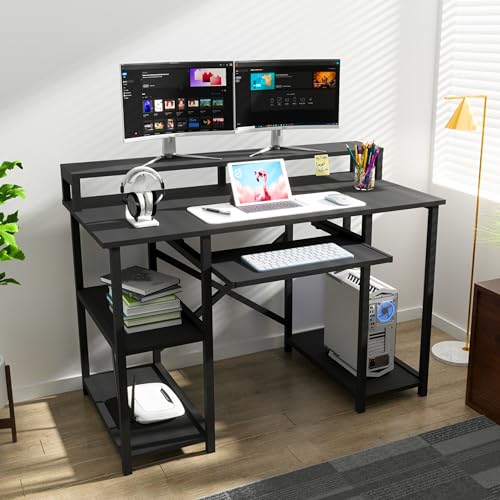
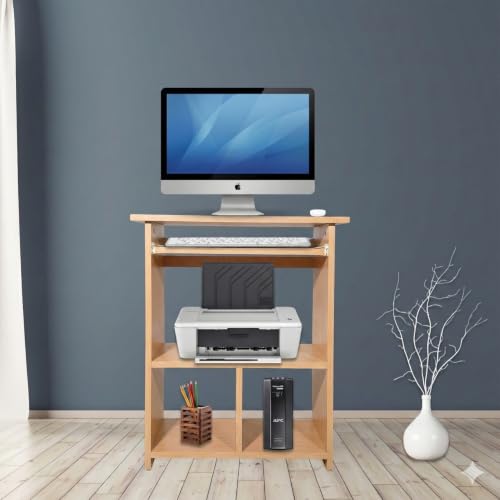
If your “study table” is actually going to double as a workstation, look for something designed to handle electronics.
You’ll want enough room for:
- Laptop or monitor
- Keyboard
- Mouse
- Speakers
- Notebook
- Charging accessories
Cable management can also be surprisingly important.
Nobody wants to see six charging cables fighting for survival behind their desk. 😂
Best For:
Students, bloggers, remote workers and computer users
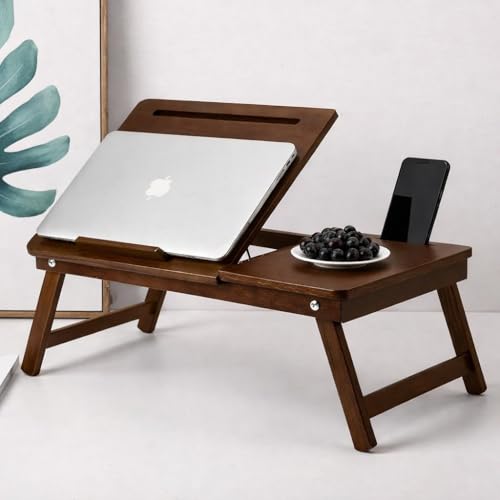
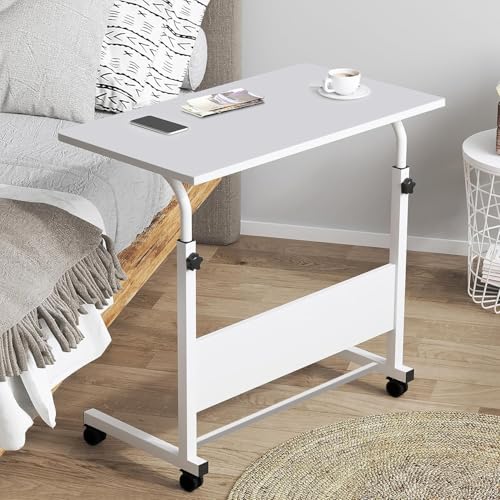
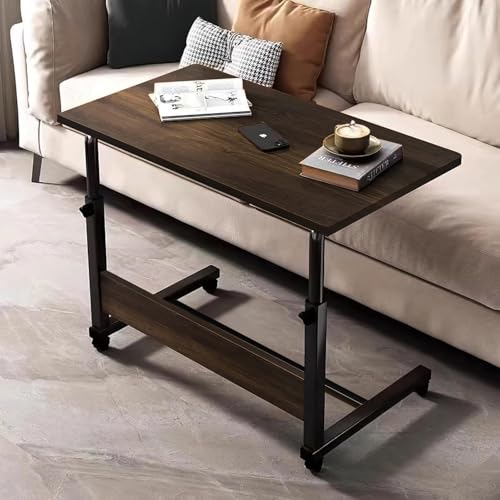
7. Best Folding Study Table
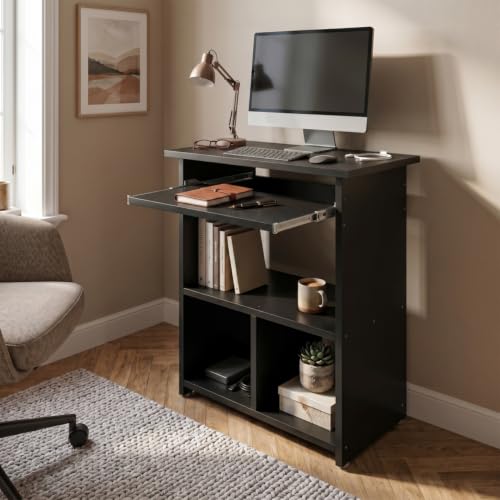
A folding table can be a clever option when you don’t want a permanent workstation.
You can fold it away when it’s not being used, making it useful in:
- Small bedrooms
- Guest rooms
- Rental homes
- Multi-purpose rooms
The downside is that folding designs may not always feel as sturdy as full-size desks.
Best For:
Flexible and temporary workspaces
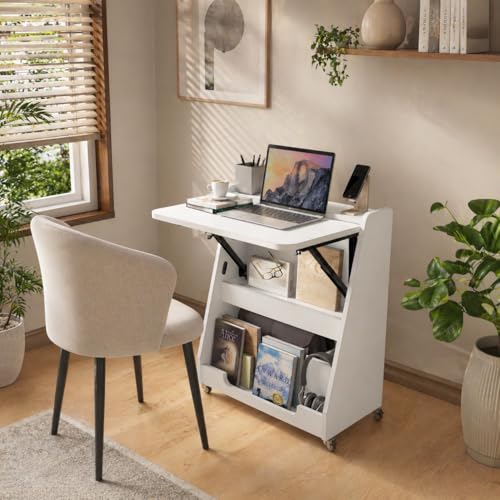
8. Best Wall-Mounted Study Table
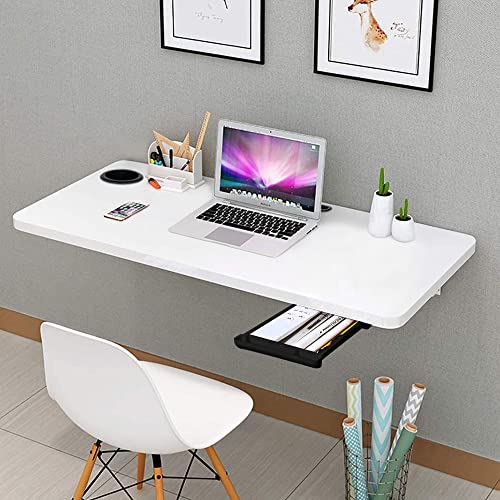
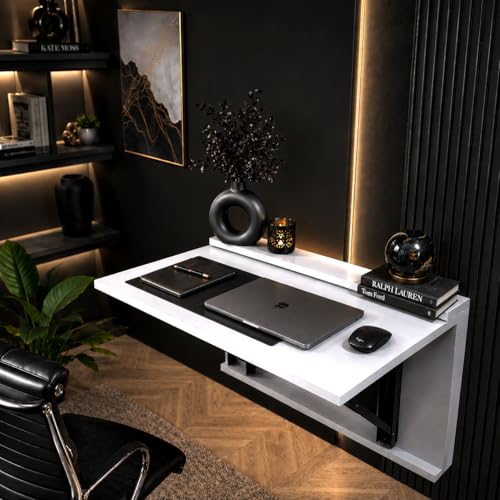
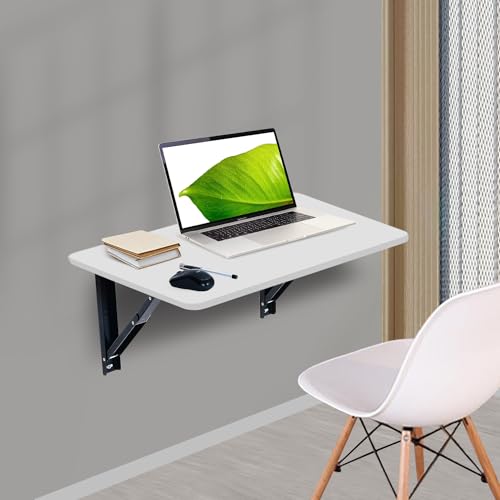
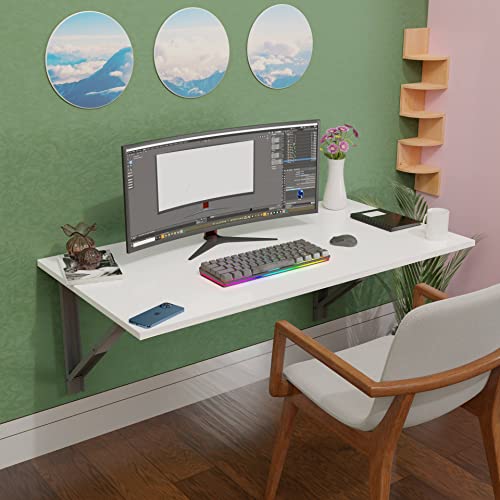
For extremely small rooms, a wall-mounted desk can save valuable floor space.
Instead of using four legs and a large frame, the tabletop attaches to the wall.
Some designs also include:
- Shelves
- Cabinets
- Fold-down surfaces
- Storage compartments
Before buying one, make sure the wall and mounting system are suitable for the installation.
Best For:
Tiny rooms and space-saving setups
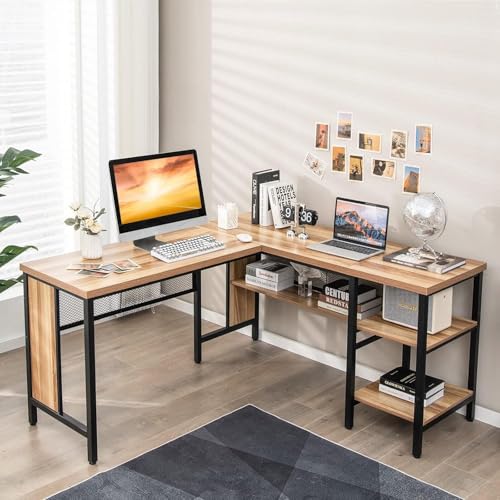
9. Best L-Shaped Study Table
An L-shaped desk can be useful when you need a larger working area.
It can provide separate zones for:
Computer work
and
Writing or studying
You can also use one section for books and the other for your laptop or monitor.
However, an L-shaped desk needs considerably more floor space than a compact rectangular table.
Best For:
Large bedrooms, home offices and multitasking


10. Best Adjustable Study Table
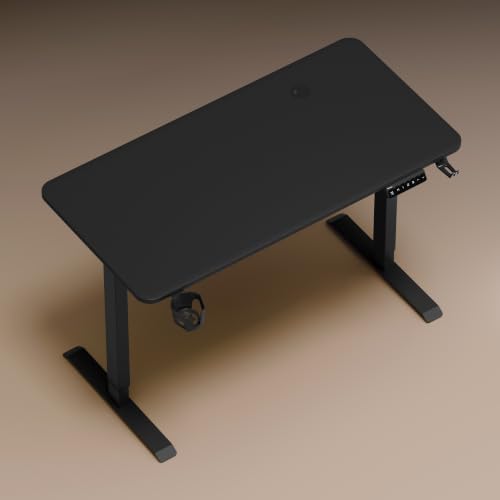
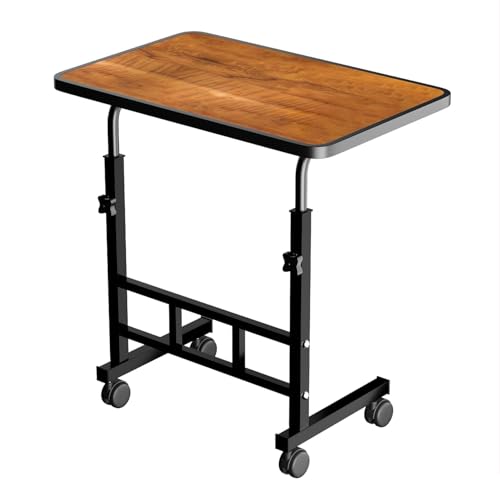
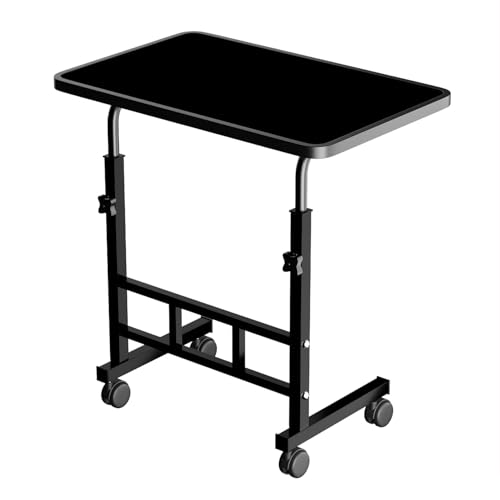
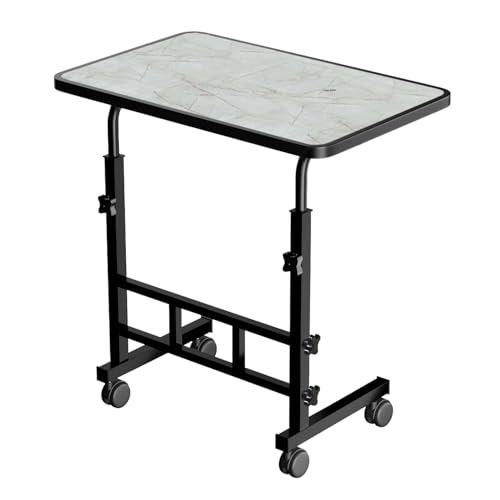
If the table will be used for long study or work sessions, adjustability can be worth considering.
An adjustable desk allows you to modify the working height according to your needs.
Some models may also support sitting and standing positions.
Best For:
Long study sessions, home offices and ergonomic setups
📊 Best Study Tables at a Glance
| Type | Best For | Storage | Space Required | Main Benefit |
|---|---|---|---|---|
| Medium Storage Table | Most users | ⭐⭐⭐⭐ | Medium | Balanced design |
| Compact Table | Small rooms | ⭐⭐ | Low | Space-saving |
| Table With Drawers | Students | ⭐⭐⭐⭐⭐ | Medium | Excellent storage |
| Wooden Table | Long-term use | ⭐⭐⭐ | Medium | Classic & sturdy |
| Minimalist Desk | Simple setups | ⭐ | Low | Clean appearance |
| Computer Desk | Laptop/PC users | ⭐⭐⭐ | Medium | Work-friendly |
| Folding Table | Flexible spaces | ⭐⭐ | Very Low | Easy to store |
| Wall-Mounted Desk | Tiny rooms | ⭐⭐⭐ | Very Low | Saves floor space |
| L-Shaped Desk | Multitasking | ⭐⭐⭐⭐ | High | Large workspace |
| Adjustable Desk | Ergonomic use | ⭐⭐ | Medium | Flexible height |
🪑 What Makes a Good Study Table?
Before choosing among the Best Study Tables, think beyond appearance.
A table may look gorgeous online but still be completely wrong for your room.
Here are the key things to consider.
1. Table Size
The first question is simple:
How much space do you actually have?
Measure the available area before buying.
Check:
- Width
- Depth
- Height
- Available wall space
- Door clearance
- Chair clearance
Don’t forget the space needed for your chair.
A desk that technically fits against the wall isn’t useful if you can’t comfortably pull a chair out.
2. Table Height
The height of your study table matters because you’ll probably spend a lot of time sitting there.
A desk that’s too high or too low can make your study setup uncomfortable.
Ideally, when seated, your arms should be able to rest comfortably while using the keyboard or writing.
Your chair height matters too, so think of the desk + chair as one setup, rather than buying them independently.
3. Tabletop Depth
Depth is easy to overlook.
A narrow table may be perfectly fine for a laptop.
But if you regularly use:
- Large textbooks
- Monitor
- Keyboard
- Notebook
- Desk lamp
you’ll appreciate additional depth.
Don’t simply choose the widest table available, though.
A deep table can consume valuable floor space in a small bedroom.
📚 How Much Storage Do You Actually Need?
Storage is one of the biggest differences between study table designs.
If you’re a student with multiple textbooks, notebooks and stationery items, drawers and shelves can be extremely useful.
But if your setup is mostly:
Laptop + notebook + water bottle
you may not need a giant cabinet system.
Think about what you use every day.
Minimal Storage
Best for:
- Laptop users
- Minimalists
- Small rooms
Medium Storage
Best for:
- Students
- Readers
- General home use
Large Storage
Best for:
- Extensive study materials
- Art supplies
- Multiple devices
- Home-office setups
More storage isn’t automatically better.
Sometimes a cluttered desk happens because we keep buying storage instead of simply reducing the number of things sitting on the desk. 😄
🪵 Choosing the Right Study Table Material
The material affects the table’s appearance, durability, weight and maintenance.
Solid Wood
Solid wood tables can be sturdy and long-lasting.
Pros:
- Durable
- Classic appearance
- Good for long-term use
- Can complement traditional interiors
Cons:
- Usually heavier
- Can be more expensive
- Requires more care depending on the finish
Best For:
Long-term home use and traditional bedrooms
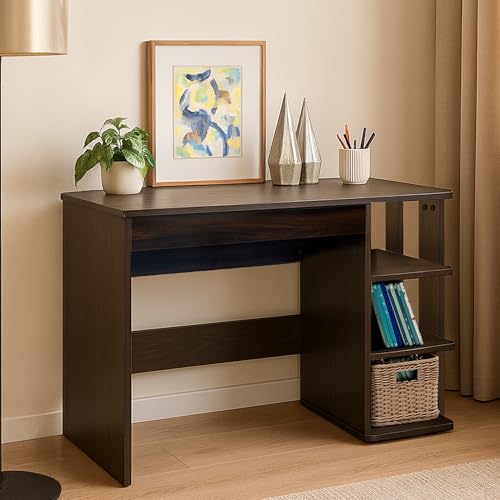
Engineered Wood
Engineered wood is widely used for modern study tables because it can offer a good balance between appearance and price.
You’ll find options made from materials such as MDF or particle board, often finished with laminates or veneers.
Pros:
- Variety of finishes
- Often more affordable than solid wood
- Relatively easy to match with furniture
- Available in many designs
Cons:
- Quality varies
- Some products may not handle moisture well
- Heavy loads require appropriate construction
Best For:
Budget-conscious buyers and modern bedrooms
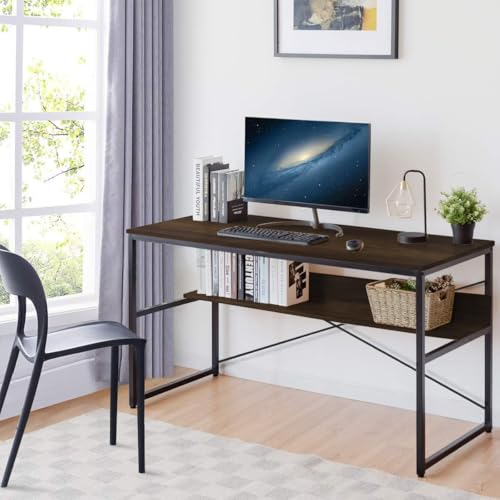
Metal
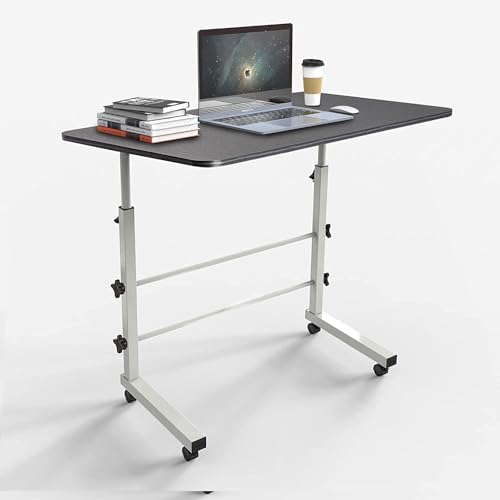
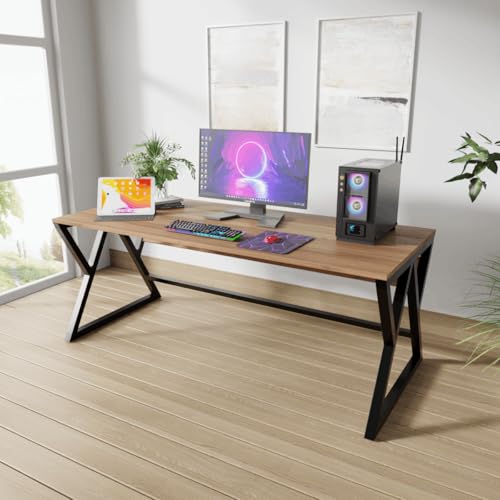
Metal frames are often combined with wood or engineered-wood tabletops.
They’re useful when you want a contemporary appearance and sturdy support.
Pros:
- Strong frame
- Modern appearance
- Good structural support
Cons:
- Can feel less warm than wood
- Some finishes may scratch
- Metal construction can be heavier
Best For:
Modern study rooms and computer setups

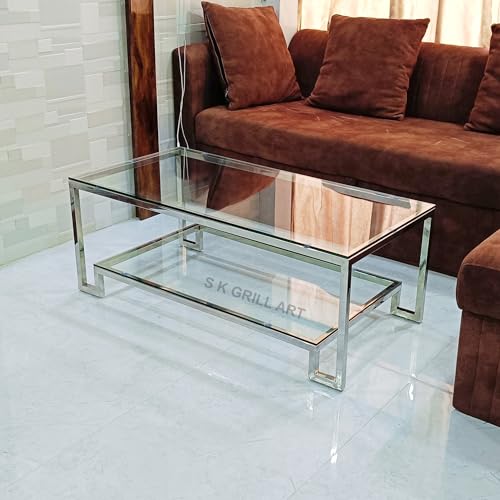
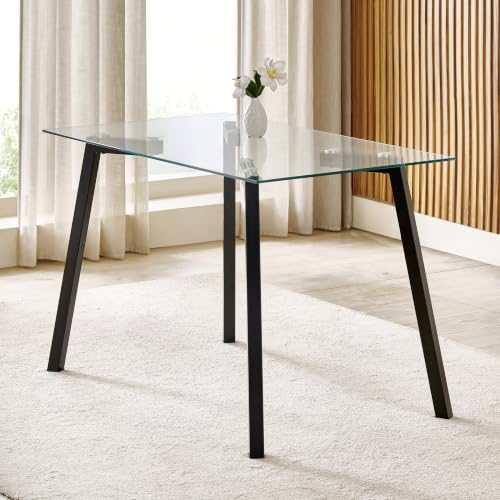
Glass
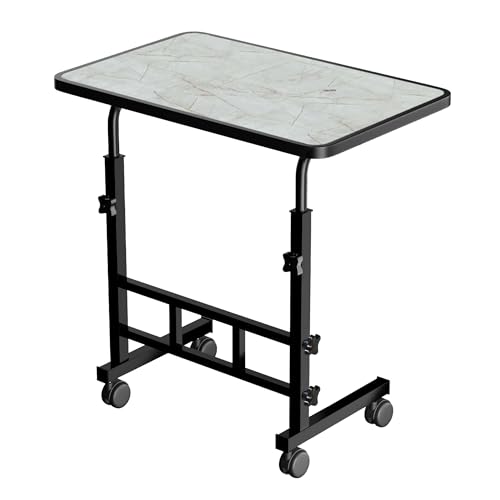
Glass-top desks can look sleek, but they’re not always the most practical choice for a traditional study setup.
They can show fingerprints, dust and smudges easily.
Best For:
Modern decorative workspaces rather than heavy everyday student use

📏 What Size Study Table Should You Buy?
There isn’t one perfect size for everyone.
The right dimensions depend on what you plan to place on the table.
Compact Setup
A smaller tabletop can work if you’re primarily using:
- Laptop
- Notebook
- Phone
- Small lamp
Medium Setup
A medium-sized table is better if you use:
- Laptop
- Several books
- Notebook
- Desk lamp
- Stationery
Large Setup
A larger desk makes sense if you use:
- Desktop monitor
- Keyboard
- Mouse
- Textbooks
- Multiple notebooks
- Printer or accessories
Before buying, make sure there’s enough room for your chair and comfortable movement around the desk.
💻 Study Table for Laptop vs Desktop
Your device should influence your choice.
Laptop Users
You can usually work comfortably with a relatively compact tabletop.
Look for enough space for:
- Laptop
- Mouse
- Notebook
- Water bottle
- Lamp
Desktop Users
You’ll need considerably more room.
Account for:
- Monitor
- Keyboard
- Mouse
- CPU if placed on the desk
- Speakers
- Cable management
A computer-focused study table can be a better option than a tiny writing desk.
🗄️ Drawers vs Open Shelves
Both are useful, but they solve different problems.
Drawers
Best for hiding:
- Pens
- Chargers
- Small stationery
- Personal items
- Documents
They help maintain a cleaner-looking tabletop.
Open Shelves
Better for things you need to access frequently.
For example:
- Books
- Notebooks
- Folders
- Reference material
🏆 Best Combination
A table with one or two drawers + an open shelf can provide a useful balance between hidden and accessible storage.
📚 Study Table for Students
Students often need more storage than they initially expect.
A good student-focused table should ideally provide:
- Adequate tabletop space
- Comfortable height
- Storage for stationery
- Room for textbooks
- Durable construction
- Easy-to-clean surface
If you’re preparing for competitive exams or spending several hours studying, prioritize workspace and comfort over decorative features.
A fancy table with a tiny tabletop isn’t going to help when three textbooks and a notebook are fighting for space.
🏠 Study Table for Small Bedrooms
Small rooms require a different approach.
Instead of buying the biggest desk that fits, think about usable floor space.
Consider:
Compact Desk
Good for a laptop and notebook.
Wall-Mounted Desk
Excellent when floor space is extremely limited.
Folding Desk
Useful if you need to clear the room after studying.
Desk With Vertical Shelves
Uses wall height instead of consuming additional floor space.
A smaller desk with smart storage can often work better than a large desk squeezed into a tiny room.
🧘 Ergonomics Matter More Than You Think
A study table is furniture, but it’s also part of your working posture.
The table should work with your chair and screen position.
Pay attention to:
- Elbow position
- Screen height
- Legroom
- Chair clearance
- Foot placement
- Distance from the screen
For extended study or computer use, your setup should allow a comfortable posture rather than forcing you to hunch forward.
A height-adjustable desk can provide additional flexibility, but even a standard desk can work well when paired with a suitable chair.
💡 Study Table Lighting
Don’t forget lighting when planning your study area.
A beautiful desk isn’t much help if you’re studying in a dark corner.
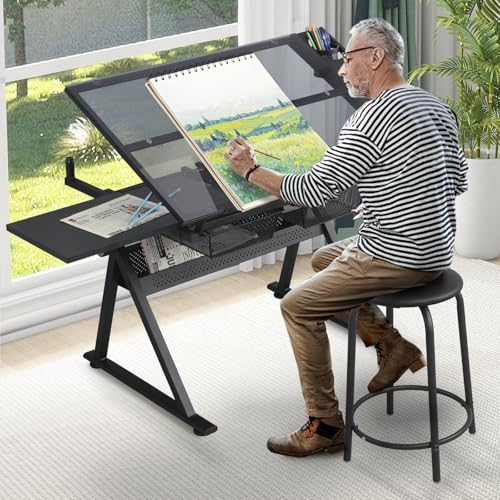
A desk lamp can provide focused illumination for:
- Reading
- Writing
- Drawing
- Note-taking
Position the lamp so it doesn’t create distracting glare on your screen or cast a shadow over your writing hand.
If you’re right-handed, placing the lamp on the left side can help reduce shadows while writing. For left-handed users, the opposite arrangement may be more comfortable.
🔌 Cable Management
If your study table will hold electronics, cable management is worth considering before buying.
Look for features such as:
- Cable holes
- Rear cable channels
- Under-desk cable trays
- Space behind the tabletop
- Accessible power connections
Even a simple cable hole can make a huge difference.
Without one, your charging cables can quickly turn the back of the desk into a tiny electrical jungle. 😂
🧹 Easy-to-Clean Surfaces
Study tables collect more dust than you might expect.
Pens, notebooks, snacks, coffee and electronics all spend time on the same surface.
A smooth tabletop is generally easier to maintain.
If you’re choosing a desk for children or teenagers, an easy-to-clean finish can be particularly useful.
🎨 Choosing a Study Table for Your Room Décor
Your study table doesn’t need to match every piece of furniture exactly.
But it should complement the overall room.
Light Wood
Works well with:
- Minimalist interiors
- Scandinavian-style rooms
- Neutral walls
Dark Wood
Works well with:
- Traditional décor
- Richer interiors
- Darker furniture
White
Can make a compact room feel visually lighter.
Black
Works well with modern and industrial-style setups.
Natural Wood + White
A popular combination for contemporary bedrooms.
Choose a finish you’ll actually enjoy seeing every day. After all, you’re going to spend plenty of time staring at this table. 😄
🪑 Don’t Forget the Chair
Even the Best Study Tables won’t create a comfortable workspace if the chair is wrong.
Your table and chair should work together.
Check that:
- Your feet can rest comfortably
- Your knees have enough room
- Your arms can rest naturally
- The chair fits under the desk if required
- The tabletop isn’t too high for the chair
If you’re buying a new study table, consider the chair dimensions at the same time.
💰 How Much Should You Spend?
There isn’t a universal budget.
Instead, think about how long you’ll use the table.
Occasional Use
A simple, affordable desk may be enough.
Daily Student Use
Spend more on stability, tabletop quality and storage.
Long-Term Work + Study
Prioritize durability, ergonomics, cable management and sufficient workspace.
A more expensive desk isn’t automatically better.
A ₹20,000 table with poor dimensions is still a bad purchase if a ₹7,000 table fits your room and needs perfectly.
⚠️ Common Study Table Buying Mistakes
Avoid these mistakes before ordering.
❌ Buying Without Measuring
Always measure your available space.
❌ Ignoring Chair Clearance
The desk may fit, but your chair might not.
❌ Choosing Appearance Over Function
A beautiful tiny desk isn’t useful if you need space for books and a laptop.
❌ Buying Too Much Storage
Extra cabinets consume space and may not be necessary.
❌ Ignoring Table Depth
A narrow tabletop can become frustrating when using a monitor and books together.
❌ Forgetting Cable Management
Especially important for computer users.
❌ Ignoring Weight Capacity
Consider what you’ll actually place on the table.
❌ Choosing a Fixed Height Without Considering the Chair
The table and chair need to work as a pair.
📊 Study Table Features to Prioritize
| Feature | Importance | Best For |
|---|---|---|
| Stable Frame | ⭐⭐⭐⭐⭐ | Everyone |
| Comfortable Height | ⭐⭐⭐⭐⭐ | Long study sessions |
| Adequate Depth | ⭐⭐⭐⭐⭐ | Books + laptop |
| Storage | ⭐⭐⭐⭐ | Students |
| Cable Management | ⭐⭐⭐⭐ | Computer users |
| Easy-Clean Surface | ⭐⭐⭐⭐ | Everyday use |
| Adjustable Height | ⭐⭐⭐ | Ergonomic setups |
| Foldable Design | ⭐⭐⭐ | Small rooms |
| Wheels | ⭐⭐ | Flexible workspaces |
| Decorative Finish | ⭐⭐ | Style-focused rooms |
🛍️ How to Compare Study Tables Before Buying
When comparing different Best Study Tables, don’t just look at price and photos.
Create a quick checklist.
Space
Does it fit your room?
Workspace
Is the tabletop large enough?
Storage
Do you actually need drawers or shelves?
Material
Is it suitable for your expected use?
Stability
Does the frame look strong enough?
Maintenance
Will the surface be easy to clean?
Ergonomics
Will the height work with your chair?
Design
Does it suit the room?
If a table checks most of these boxes, it’s probably a better choice than one that simply looks impressive in product photos.
🌟 Study Table Placement Tips
Where you put your desk can be just as important as which desk you buy.
Near a Window
Natural light can make the space pleasant during the day.
However, avoid placing your monitor where direct sunlight creates excessive glare.
Against a Wall
This is usually the easiest setup for small rooms.
You can also use the wall above the desk for:
- Shelves
- Pinboards
- Calendars
- Notes
In a Quiet Corner
Ideal if you need fewer distractions.
Avoid placing your study table directly in a high-traffic area if you tend to lose concentration easily.
📚 Creating a Productive Study Setup
Once your table is in place, keep the setup simple.
A practical arrangement could include:
Laptop or books → Center
Desk lamp → Side
Stationery → Drawer
Frequently used books → Shelf
Charging cables → Cable management area
Water bottle → Corner
The fewer unnecessary objects occupying the tabletop, the easier it is to maintain a productive workspace.
🔎 What to Look for When Buying the Best Study Tables
Before making your final decision, prioritize these features in this order:
1. Correct Dimensions
The table must fit your room.
2. Adequate Workspace
Make sure it can hold everything you use regularly.
3. Comfortable Height
It should work with your chair.
4. Stability
A desk that shakes every time you write is not a great study desk.
5. Storage
Choose drawers and shelves based on actual needs.
6. Material Quality
Consider durability, maintenance and appearance.
7. Cable Management
Important if you’re using electronics.
8. Easy Maintenance
A practical desk should be easy to clean.
9. Room Compatibility
Don’t let the desk overwhelm a small bedroom.
10. Long-Term Use
If you’re buying for years rather than months, invest in construction quality rather than unnecessary decorative features.
🏆 Best Study Tables for Different Needs
| Need | Best Study Table Type | Why |
|---|---|---|
| Everyday studying | Medium storage table | Balanced workspace |
| Small bedroom | Compact desk | Saves floor space |
| Lots of books | Table with drawers/shelves | Better organization |
| Long-term use | Wooden table | Sturdy construction |
| Minimal setup | Simple writing desk | Clean & uncluttered |
| Laptop use | Computer study desk | Device-friendly |
| Temporary workspace | Folding table | Easy to store |
| Tiny room | Wall-mounted desk | Saves floor space |
| Multiple devices | L-shaped desk | Larger workspace |
| Long study sessions | Adjustable desk | Flexible positioning |
🪑 Pros and Cons of Study Tables
Before choosing among the Best Study Tables, it’s worth looking at the bigger picture.
| Pros | Cons |
|---|---|
| Creates a dedicated study area | Takes up floor space |
| Keeps books and devices organized | Good models can be expensive |
| Improves workspace comfort | Large desks may overwhelm small rooms |
| Can include useful storage | More storage can mean more bulk |
| Available in many sizes | Cheap models may lack stability |
| Can double as a work desk | Requires suitable chair |
| Helps separate study from leisure | Needs regular organization |
The trick is choosing the features you’ll actually use.
📚 Best Study Table for Students
For students, the ideal desk usually needs a balance of workspace and storage.
A good student table should have enough room for:
- Textbooks
- Notebooks
- Laptop
- Pens
- Desk lamp
- Water bottle
- Study accessories
If you’re preparing for exams, prioritize a larger usable tabletop over unnecessary decorative features.
A table with one or two drawers can also help keep stationery and smaller items from taking over the workspace.
🏆 Best Choice
Medium-sized study table with storage
🏠 Best Study Table for Small Rooms
If floor space is limited, don’t automatically assume you need a tiny desk with no storage.
Instead, look vertically.
A compact table paired with:
- Wall shelves
- Pegboards
- Floating shelves
- Small organizers
can give you more storage without making the desk wider.
A wall-mounted desk is another excellent option when floor space is extremely limited.
🏆 Best Choice
Compact or wall-mounted study table
💻 Best Study Table for Laptop Users
Laptop users generally don’t need an enormous desk.
A compact-to-medium tabletop can provide enough space for:
- Laptop
- Mouse
- Notebook
- Phone
- Desk lamp
Look for a desk with enough depth to maintain a comfortable viewing distance and enough legroom underneath.
If you frequently use your laptop for several hours, consider pairing the table with an appropriate chair and, if needed, an external keyboard or monitor setup.
🏆 Best Choice
Medium computer-friendly study table
🖥️ Best Study Table for Desktop Computers
Desktop users need more space.
A suitable desk should comfortably accommodate:
- Monitor
- Keyboard
- Mouse
- Speakers
- Notebook
- Other accessories
You may also want cable-management holes or channels.
If the CPU is placed underneath the desk, make sure there is sufficient clearance and ventilation.
🏆 Best Choice
Computer study desk with cable management
📖 Best Study Table for Book Lovers
If your desk is constantly surrounded by books, prioritize storage.
A bookshelf-style study table can be particularly useful because it combines:
Workspace + Storage
in one piece of furniture.
However, check the overall dimensions carefully.
A bookshelf study table can take up considerably more visual and physical space than a simple writing desk.
🏆 Best Choice
Study table with integrated bookshelf
🧘 Best Study Table for Long Study Sessions
If you regularly study for several hours, comfort should become a major consideration.
Look for:
- Appropriate desk height
- Adequate legroom
- Sufficient tabletop depth
- Stable construction
- Comfortable chair compatibility
- Good lighting
- Proper screen positioning
An adjustable-height table can provide additional flexibility, but it isn’t essential for everyone.
A well-sized standard desk can work perfectly when paired with a suitable chair.
🏆 Best Choice
Ergonomic or height-adjustable study table
🪵 Best Study Table Material
If you’re unsure about materials, here’s a quick guide.
| Material | Best For | Main Advantage |
|---|---|---|
| Solid Wood | Long-term use | Durable & classic |
| Engineered Wood | Everyday use | Affordable & versatile |
| Metal + Wood | Modern setups | Strong frame |
| Metal | Industrial interiors | Durable structure |
| Glass | Modern décor | Sleek appearance |
For most households, engineered wood or a good-quality wood-based desk offers a practical balance between price, appearance and functionality.
📐 How to Measure Before Buying
Never buy a study table based only on the product photo.
Measure the actual area.
Measure the Width
Check the available wall or floor width.
Measure the Depth
Make sure the desk doesn’t make the room difficult to move around.
Measure the Height
Compare it with your chair height.
Check the Clearance
Don’t forget:
- Door movement
- Cupboard doors
- Windows
- Chair movement
- Walking space
A table that fits perfectly on paper may still feel cramped once a chair is placed in front of it.
💡 Study Table Placement Ideas
Near a Window
Great for natural daylight.
Just make sure direct sunlight doesn’t create screen glare.
Against a Wall
Probably the most practical setup for small rooms.
You can use the wall above the desk for shelves and organizers.
In a Bedroom Corner
A corner can create a dedicated study zone without affecting the rest of the room.
In a Living Room
A compact desk can work if you don’t have a separate study room.
Choose a design that blends with the existing furniture.
🧹 How to Keep Your Study Table Organized
Even the Best Study Tables can become messy if everything gets dumped on top.
Try a simple system.
Keep the Center Clear
This should be your main working area.
Use Drawers for Small Items
Store:
- Pens
- Cables
- Sticky notes
- Chargers
- Stationery
Keep Everyday Books Nearby
Use a shelf or vertical book organizer.
Limit Desk Accessories
You don’t need fifteen decorative items occupying your workspace.
Do a 5-Minute Reset
At the end of your study session:
✔ Put books away
✔ Return stationery
✔ Remove cups and bottles
✔ Organize cables
✔ Clear unnecessary papers
Five minutes now saves a much larger cleanup later.
⚠️ Common Mistakes When Buying Study Tables
❌ Buying Too Large
A giant desk can make a small bedroom feel cramped.
❌ Buying Too Small
A tiny tabletop becomes frustrating when you need multiple books.
❌ Ignoring Depth
Depth matters just as much as width.
❌ Forgetting the Chair
Always consider the chair and desk together.
❌ Buying Too Much Storage
Extra cabinets can consume valuable space.
❌ Ignoring Cable Management
Important for laptops, monitors and chargers.
❌ Choosing Only by Appearance
A beautiful desk that isn’t comfortable is still a bad desk.
❌ Not Checking Assembly
Some desks require significant assembly. Check the product details before purchasing.
🔬 Our Research Methodology
For this Best Study Tables guide, we evaluated study desks based on the factors that matter for everyday use rather than simply focusing on appearance.
We considered:
- Table dimensions
- Workspace
- Storage
- Materials
- Stability
- Ergonomics
- Cable management
- Small-room suitability
- Laptop and desktop compatibility
- Cleaning and maintenance
- Design
- Long-term practicality
We also considered different use cases, including student bedrooms, compact apartments, home offices and multipurpose rooms.
The goal was to identify the types of study tables that make sense for different users rather than declaring one desk universally perfect.
🏆 Final Verdict
So, which are the Best Study Tables?
The answer depends on your space and how you study.
🥇 Best Overall
Medium-sized study table with storage
A balanced choice for most students and home users.
🏠 Best for Small Rooms
Compact or wall-mounted study table
Perfect when floor space is limited.
📚 Best for Students
Study table with drawers and shelves
Ideal for books, notebooks and stationery.
🪵 Best for Long-Term Use
Quality wooden study table
A classic option with a sturdy feel.
💻 Best for Computer Users
Computer study desk with cable management
Better for laptops, monitors and accessories.
🧘 Best for Long Sessions
Adjustable or ergonomic study table
Useful when flexibility and posture are priorities.
🧼 Best Minimalist Option
Simple writing desk
Perfect when you want a clean workspace without unnecessary storage.
❓ Frequently Asked Questions
What is the best study table for students?
A medium-sized study table with adequate tabletop space and some storage is generally a practical choice for students.
What size study table is best?
The ideal size depends on your room and what you need to place on it. Measure the available space and choose a tabletop large enough for your everyday study materials.
Is a wooden study table better?
Wooden tables can be durable and attractive, but the quality of construction matters more than simply choosing wood.
Which study table is best for a small bedroom?
Compact, folding or wall-mounted tables can work particularly well in small rooms.
Should a study table have drawers?
Drawers are useful if you have lots of stationery, documents or small accessories. If you prefer a minimalist setup, you may not need them.
Is an L-shaped study table good for studying?
It can be excellent if you need a large workspace, multiple devices or separate areas for reading and computer work. However, it requires more floor space.
What material is best for a study table?
Solid wood, engineered wood and metal-framed desks can all work well. Choose based on your budget, usage, durability requirements and room style.
Should I choose a study table with a bookshelf?
A bookshelf study table is useful if you need storage but have limited room for separate furniture.
Are adjustable study tables worth buying?
They can be useful for people who spend long periods at their desks and want more flexibility in working height. They’re not essential for every user.
What should I keep on my study table?
Keep only frequently used items within easy reach: your laptop or books, notebook, stationery and perhaps a desk lamp. Avoid overcrowding the tabletop.
✨ Final Thoughts
The Best Study Tables don’t have to be fancy.
They just need to fit your room, support your routine and give you enough space to actually work.
If you’re furnishing a small bedroom, choose compact.
If you’re surrounded by textbooks, prioritize storage.
If you’re working with a computer, prioritize depth and cable management.
If you’re studying for hours, think about ergonomics.
And if you simply want a clean place to sit down with a notebook and a cup of chai, a simple writing desk may be all you need. ☕📚
The biggest mistake is buying a table because it looks impressive online without asking the most important question:
“Will this actually work for me every day?”
Measure your room, think about your routine, check the dimensions and choose accordingly.
A good study table should quietly do its job in the background giving you enough room to learn, work, create and focus without becoming another problem to solve.