

Good lighting can completely change how a home looks and feels. 🏡✨
The same room can feel warm and cosy in the evening, bright and energetic during the day, or calm and relaxing at night simply by changing how the lighting is layered.
And that’s the thing many people get wrong.
They install one bright ceiling light, switch it on, and call the job done. 😂
A ceiling light can certainly illuminate a room, but it doesn’t necessarily create the most comfortable or visually interesting environment. A well-lit home usually combines different types of lighting at different heights and locations.
That’s where this Home Lighting Guide comes in.
We’ll explain the basics of ambient, task and accent lighting, then take you room by room from the living room and bedroom to the kitchen, dining area and bathroom.
We’ll also cover practical details such as brightness, lumens, colour temperature, CRI, LED bulbs, dimming, fixture placement and energy efficiency, so you can make better lighting decisions when shopping.
Whether you’re furnishing a new home, refreshing one room or simply trying to figure out why your living room feels strangely flat, this guide will help you get started. 💡
Also Read | Best Floor Lamps: 10 Stylish Picks for Every Home
🏡 Home Lighting Guide at a Glance
Before getting into individual rooms, here’s the basic formula to remember:
| Lighting Type | Main Purpose | Examples |
|---|---|---|
| 💡 Ambient | General illumination | Ceiling lights, chandeliers |
| 🎯 Task | Focused illumination | Desk lamps, reading lamps |
| ✨ Accent | Highlighting & atmosphere | Wall lights, spotlights |
| 🪞 Decorative | Visual appeal | Statement lamps, pendants |
| 🌙 Mood | Relaxed atmosphere | Dimmable lamps, warm lighting |
🏆 The Basic Formula
Ambient + Task + Accent = Layered Lighting
You don’t necessarily need all three in every tiny room.
But combining different lighting sources where appropriate can make a home feel much more balanced and comfortable.
💡 What Is Layered Lighting?
Layered lighting means using multiple types of light sources for different purposes instead of relying on one fixture to do everything.
Think about a living room.
You might have:
💡 Ambient
A ceiling fixture provides general illumination.
📚 Task
A floor lamp beside your reading chair provides focused light.
✨ Accent
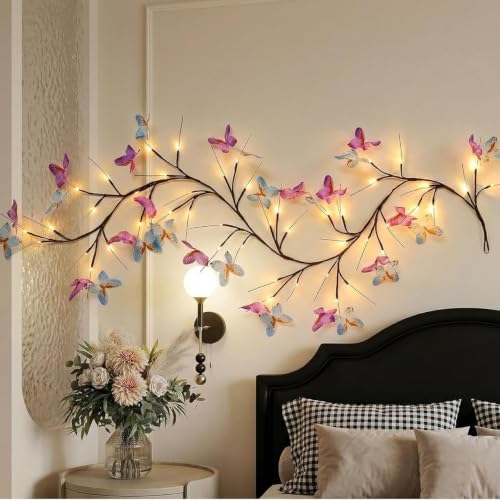
A small lamp or directional light highlights artwork or a decorative corner.
Together, these sources create depth.
Without layered lighting, the room may look completely different once the main ceiling light is switched off.
🏡 Why Layered Lighting Works
It gives you more control.
You can have:
Bright → Cleaning or working
Medium → Conversation or everyday activities
Soft → Watching TV or relaxing
Instead of having one switch that basically says:
“FULL SUN OR COMPLETE DARKNESS.” 😂

💡 1. Ambient Lighting
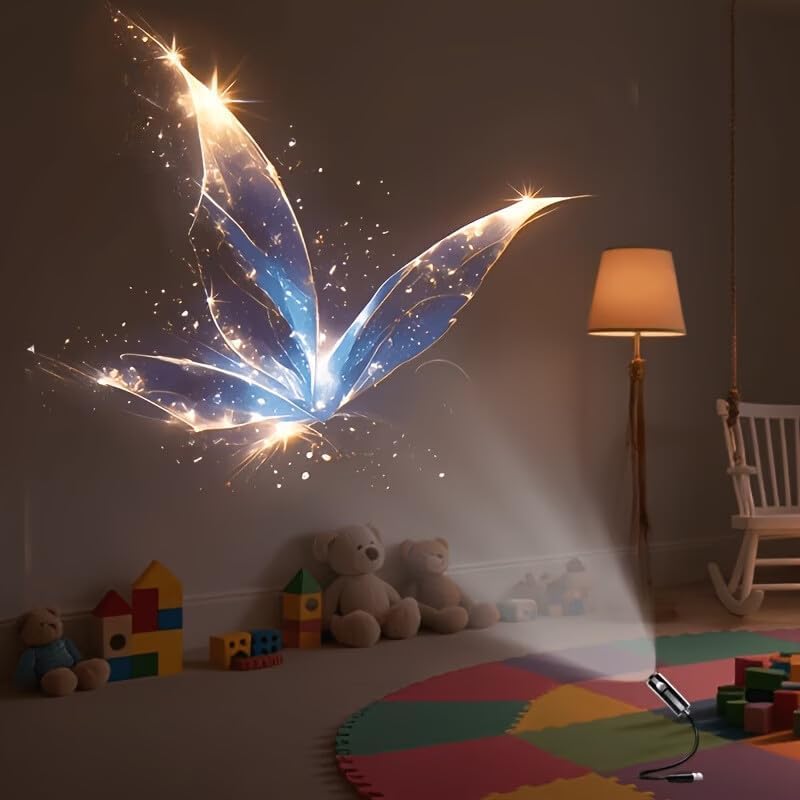
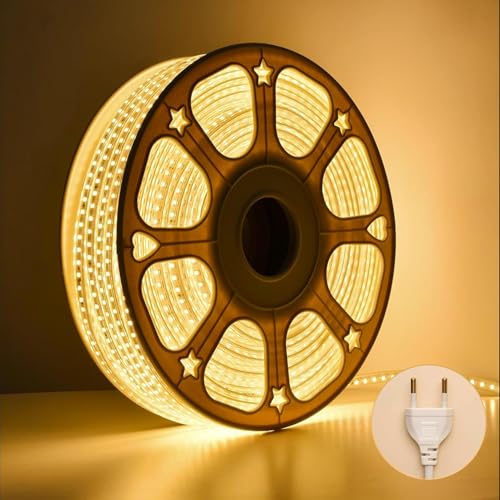
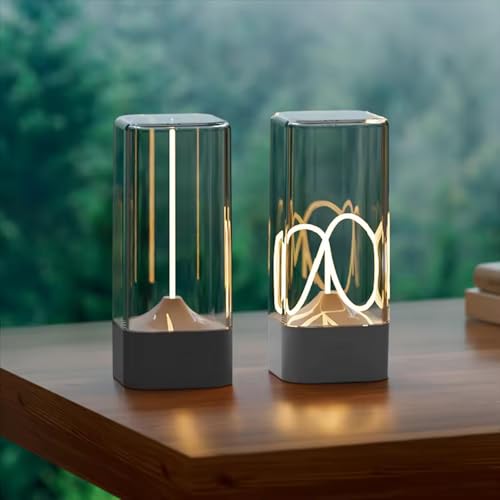
Ambient lighting is your home’s general background illumination.
It’s the foundation of a room’s lighting plan.
Common Examples
- 💡 Ceiling lights
- 🏮 Chandeliers
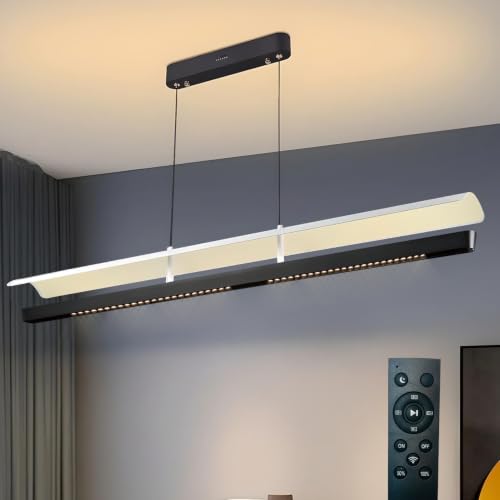
- ✨ Pendant lights
- 🔆 Recessed lights
- 🪟 Natural daylight
The goal isn’t necessarily to make every corner equally bright.
Instead, ambient lighting should provide enough overall illumination for people to move around comfortably.

🏡 Where to Use Ambient Lighting
Almost everywhere:
- 🛋️ Living room
- 🛏️ Bedroom
- 🍳 Kitchen
- 🍽️ Dining room
- 🚿 Bathroom
- 💻 Home office
- 🚪 Hallway
💡 Ambient Lighting Tip
Don’t automatically assume that brighter = better.
A room that’s excessively bright can feel harsh, while insufficient ambient lighting can make the space feel gloomy.
The goal is comfortable, useful illumination.
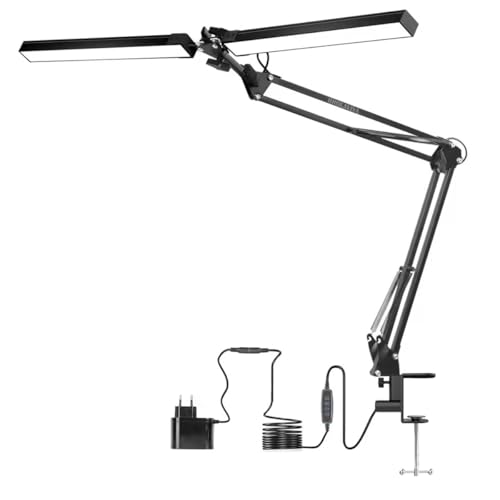
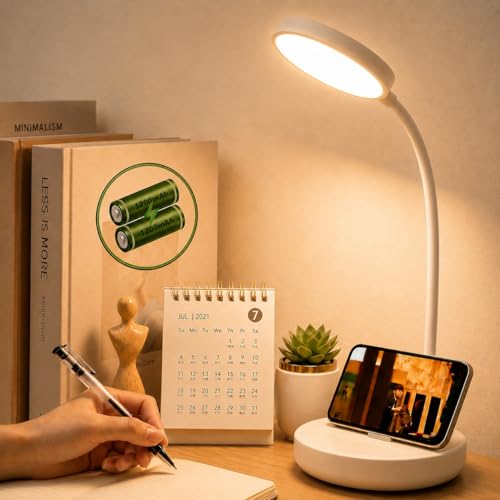
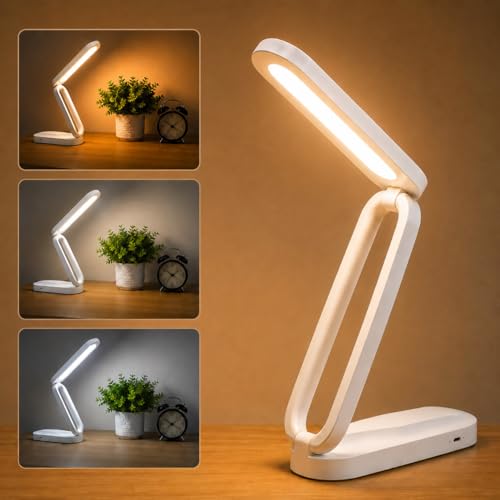
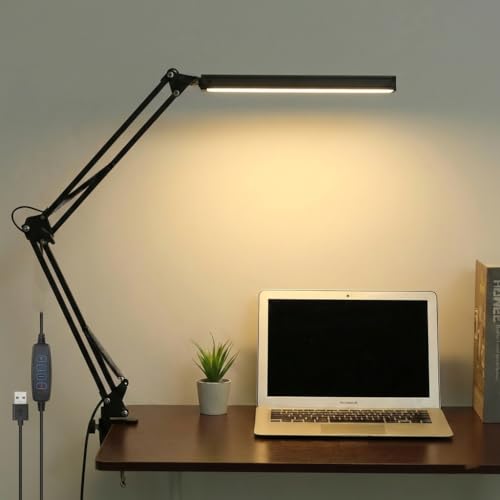
🎯 2. Task Lighting
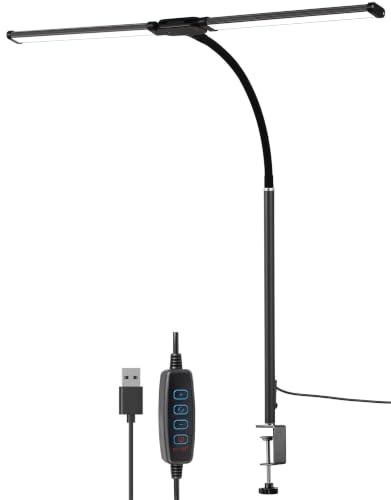
Task lighting is designed for activities where you need more focused illumination.
Think about the things you actually do at home:
📖 Reading
💻 Working
🍳 Cooking
💄 Applying makeup
🎨 Crafting
🧹 Preparing food
These activities often need more precise lighting than general room illumination provides.
Common Task Lighting
- 📚 Reading lamps
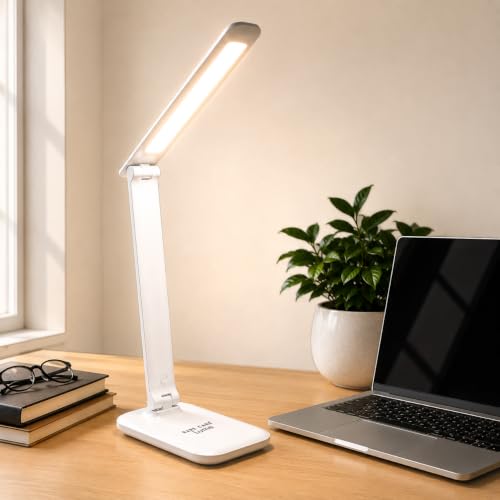
- 💻 Desk lamps
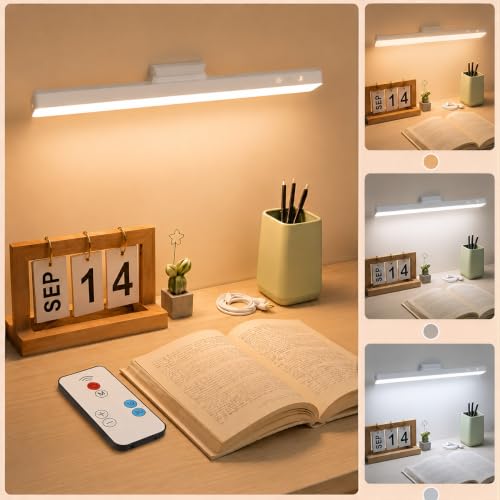
- 💡 Under-cabinet kitchen lights
- 🪞 Vanity lighting
- 🔦 Adjustable floor lamps
- 🛏️ Bedside lamps
🎯 The Goal
The light should fall where you need it without creating uncomfortable glare.
For example, a desk lamp should illuminate your work surface not shine directly into your eyes.
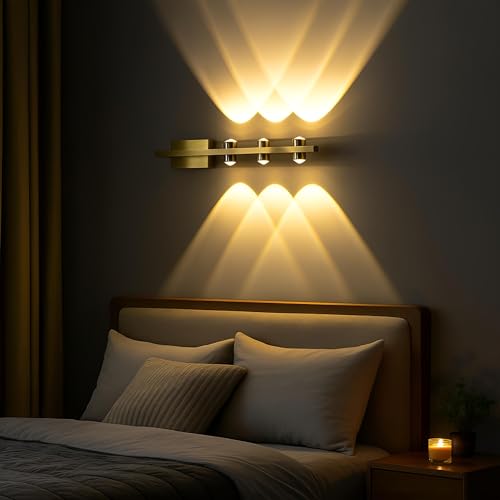
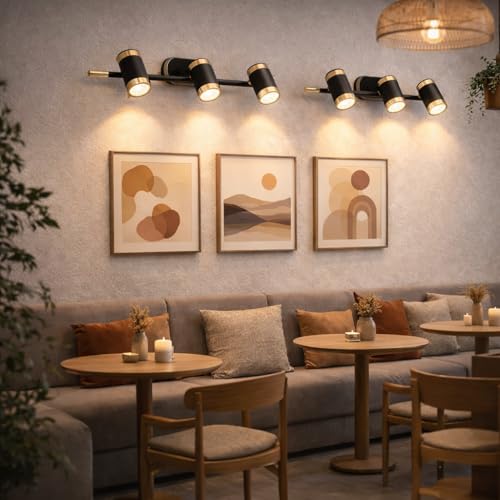
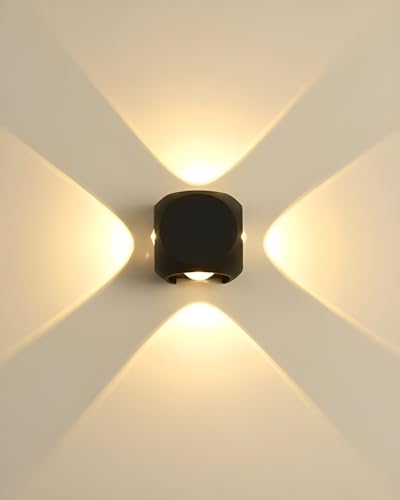
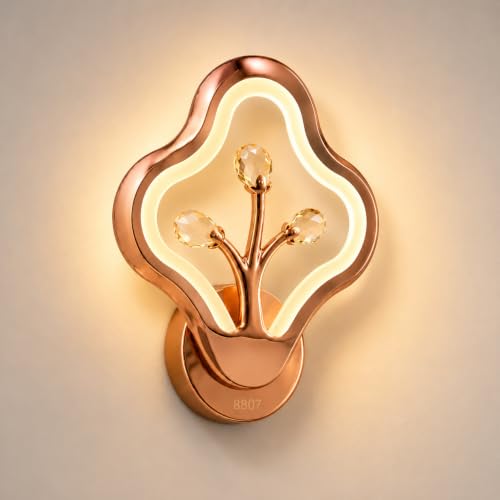
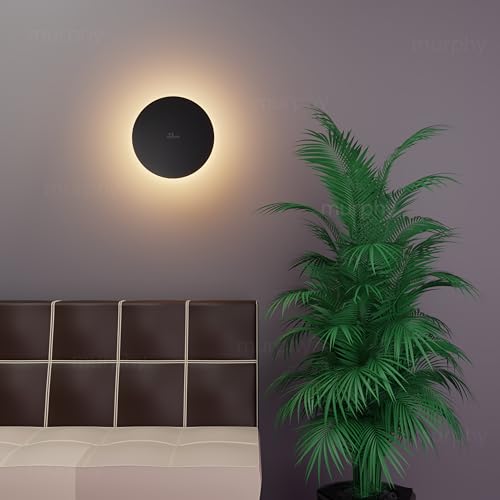
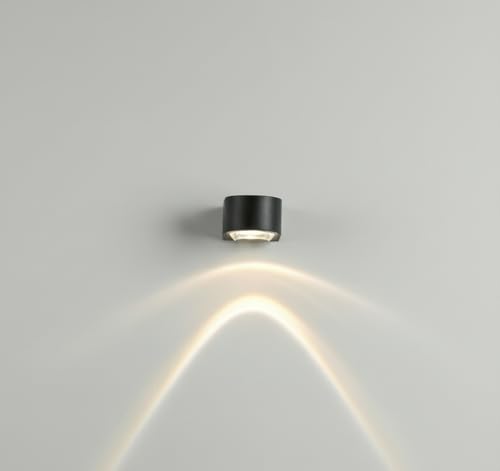
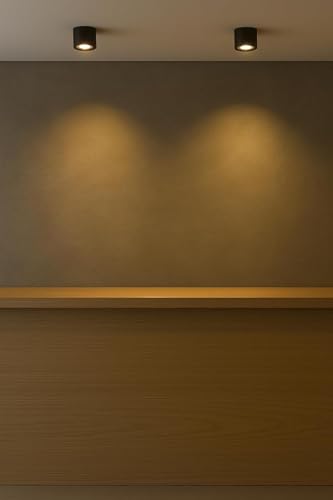
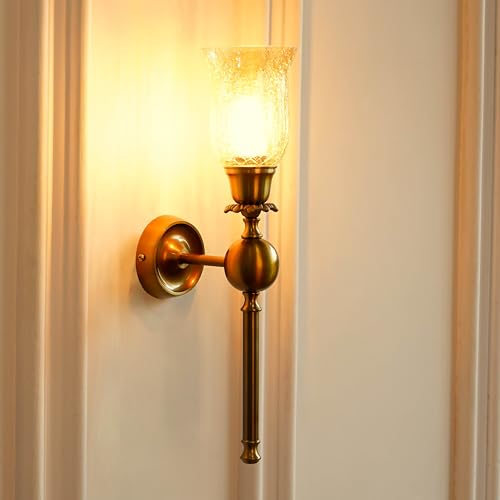
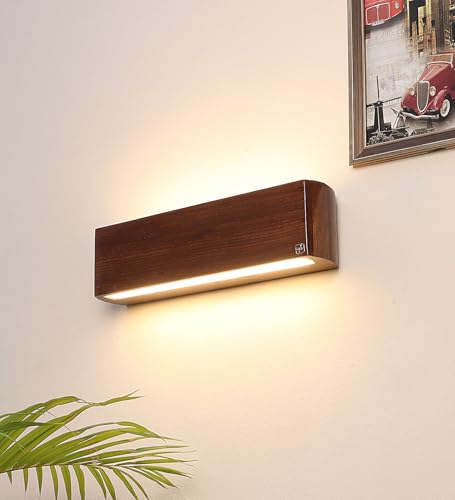
✨ 3. Accent Lighting
Accent lighting is where lighting gets a little more fun. 😄
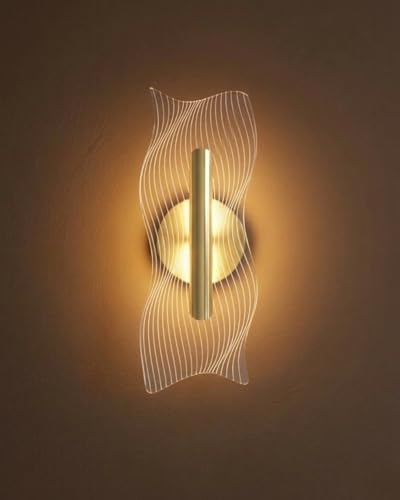
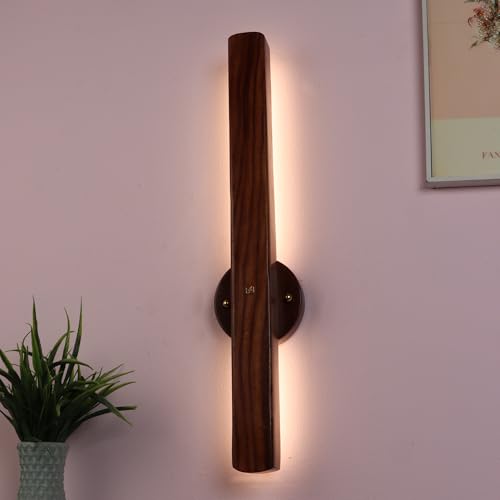
Its purpose is to draw attention to something specific.
You can use it to highlight:
- 🖼️ Artwork
- 🪴 Plants
- 🪞 Mirrors
- 🏺 Decorative objects
- 🧱 Architectural details
- 📚 Bookshelves
Why Accent Lighting Matters
It creates depth and visual interest.
Imagine a living room with only one ceiling light.
Now imagine that same room with:
Ceiling light + floor lamp + artwork spotlight + table lamp
Suddenly, the room feels more layered.
💡 Accent Lighting Tip
You don’t need to highlight everything.
Choose one or two features worth drawing attention to.
If everything is the star, nothing is. 😂

🛋️ Living Room Lighting Guide
The living room is usually one of the most flexible spaces in the home.
It needs to support several activities:
- 🛋️ Relaxing
- 📺 Watching TV
- 📚 Reading
- 🗣️ Entertaining
- 🎮 Gaming
- ☕ Casual conversation
That’s why layered lighting works particularly well here.
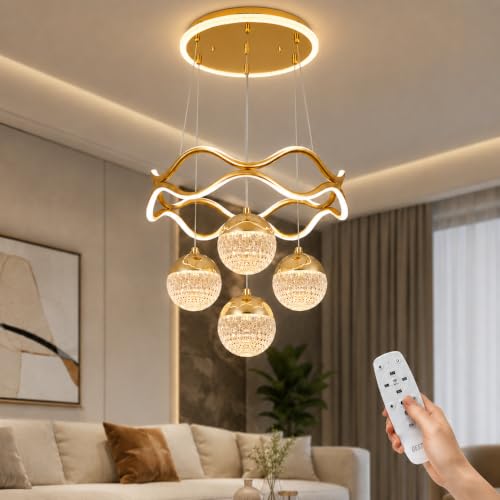
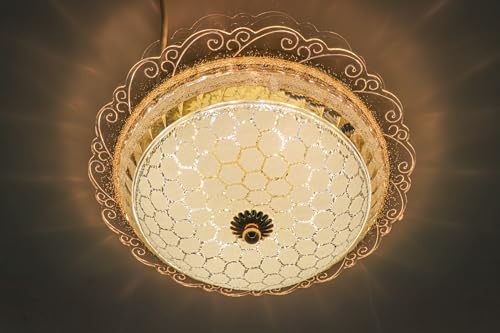
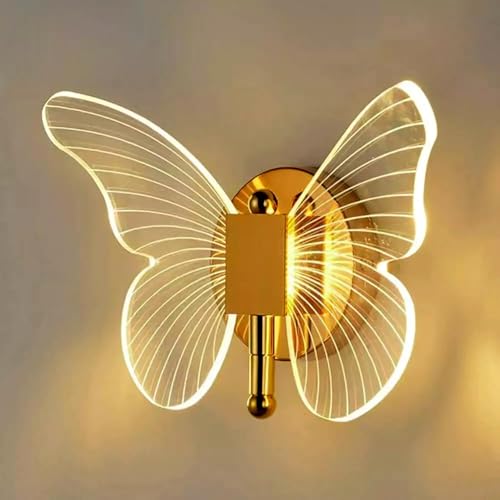
💡 Ambient Lighting for the Living Room
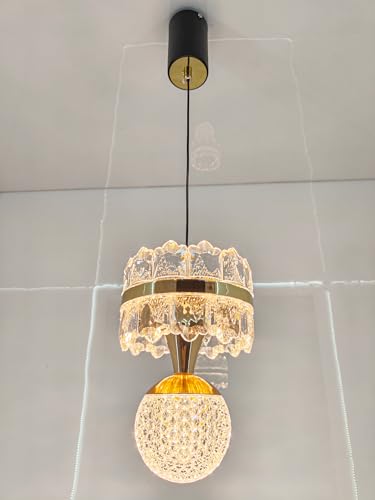
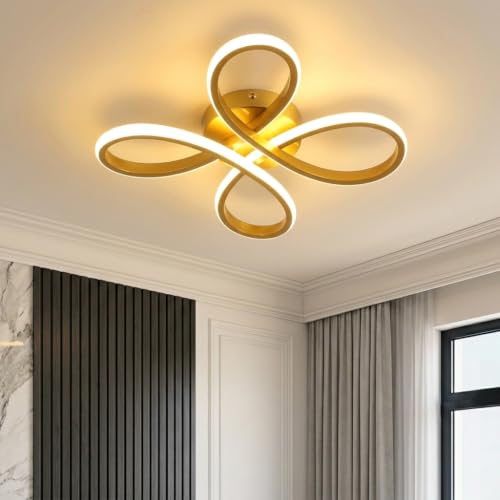
Start with a ceiling fixture, pendant, recessed lights or another suitable general-lighting source.
The goal is to provide comfortable illumination without making the room unnecessarily bright.
Good Options
- Ceiling fixtures
- Chandeliers
- Recessed lighting
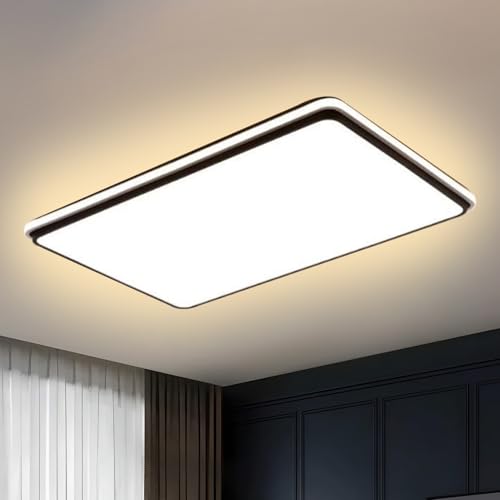
- Flush mounts
- Large pendant lights
📚 Task Lighting for the Living Room
Add focused lighting where activities happen.
Try:
🪑 Reading chair + floor lamp
🛋️ Sofa + side table lamp
💻 Work corner + desk lamp
The lamp should be positioned to illuminate the activity without creating glare.
✨ Accent Lighting for the Living Room
This is where you can add personality.
Consider:
- 🖼️ Picture lights
- 🪴 Plant lights
- 📚 Shelf lighting
- 🧱 Wall washers
- ✨ Decorative lamps
🏆 Easy Living Room Formula
Ceiling light + floor lamp + table lamp
You don’t need a dozen fixtures.
Three well-positioned sources can already create a much richer lighting setup.
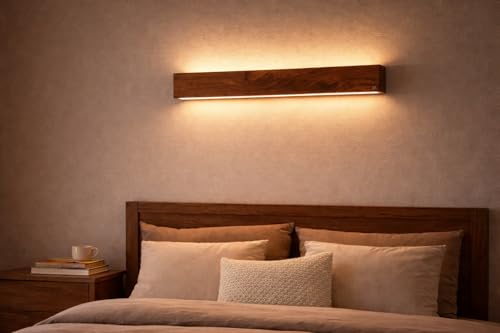
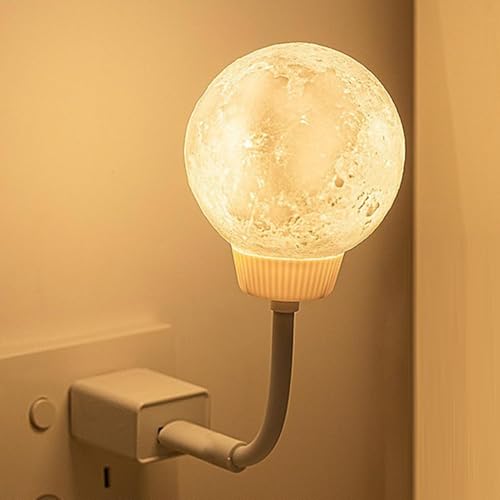
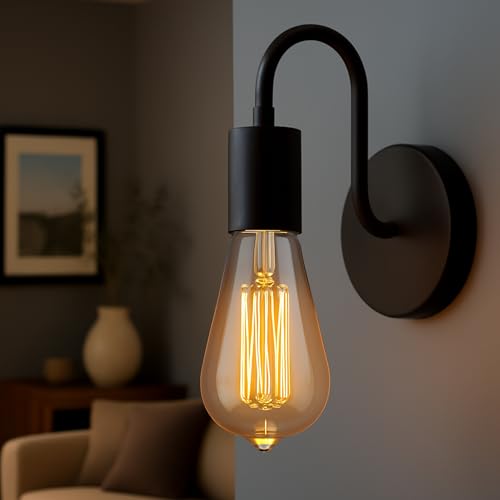
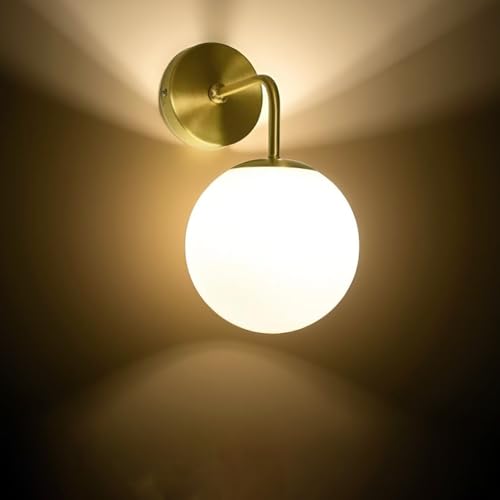
🛏️ Bedroom Lighting Guide
Bedrooms need a slightly different approach.
The goal is generally comfort and relaxation, rather than maximum brightness.
Think:
Soft + warm + controllable
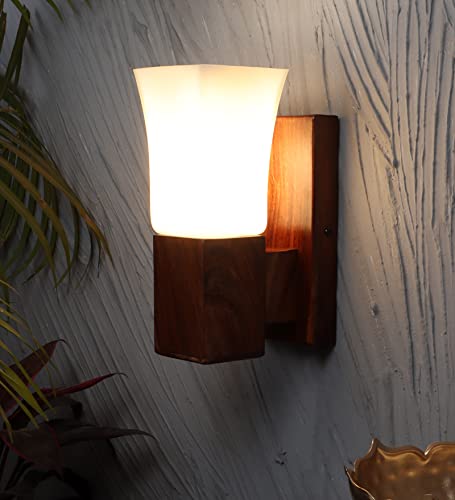
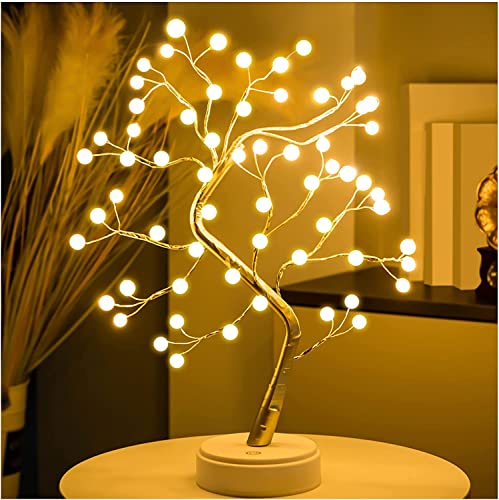
💡 Ambient Bedroom Lighting
A central ceiling fixture can provide general illumination.
However, you may not want to use it every time you enter the room.
That’s where additional lighting comes in.
Good Choices
- Flush-mount ceiling lights
- Pendant lights
- Recessed lighting
- Soft ceiling fixtures
🛏️ Bedside Lighting
Bedside lamps are one of the most useful additions to a bedroom.
They can provide:
📖 Reading light
🌙 Night-time illumination
✨ Decorative appeal
💡 Look For:
- Easy-to-reach switch
- Comfortable brightness
- Warm colour temperature
- Shade that controls glare
🏆 Styling Tip
If you have two bedside tables, matching or visually coordinated lamps can create symmetry.
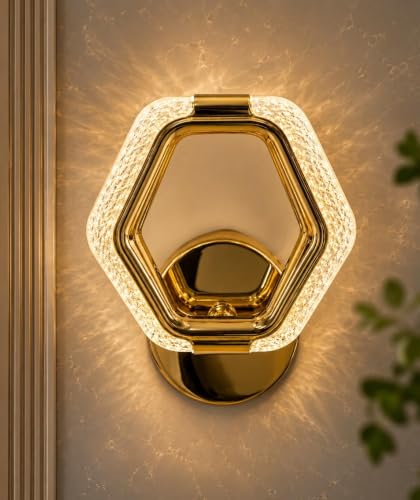
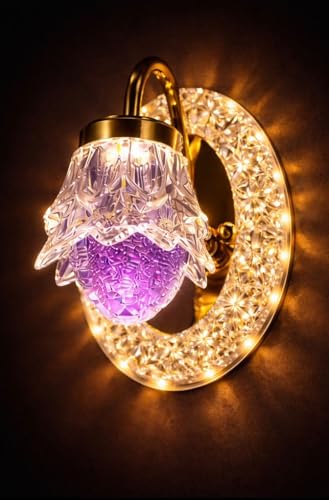
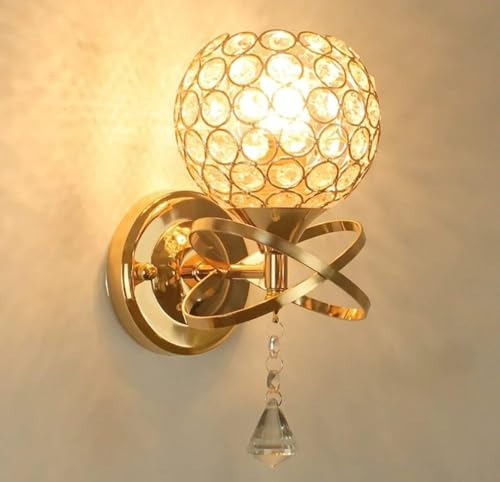
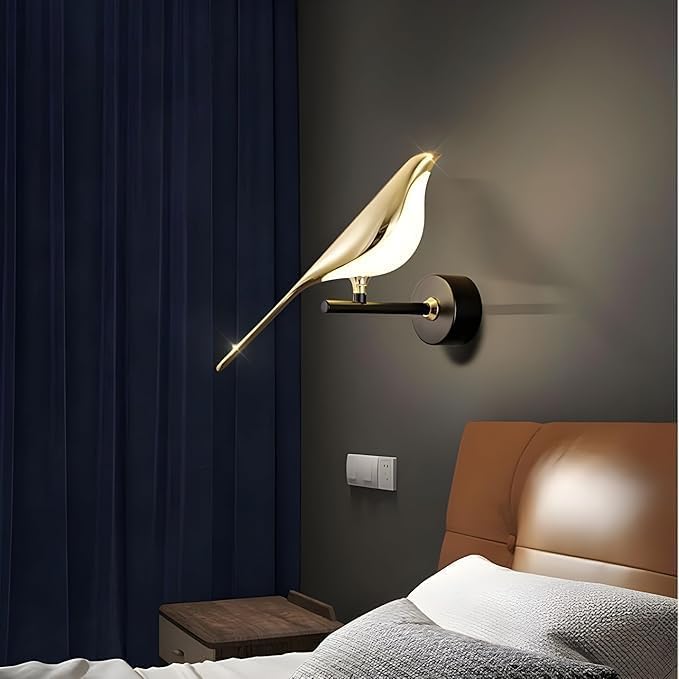
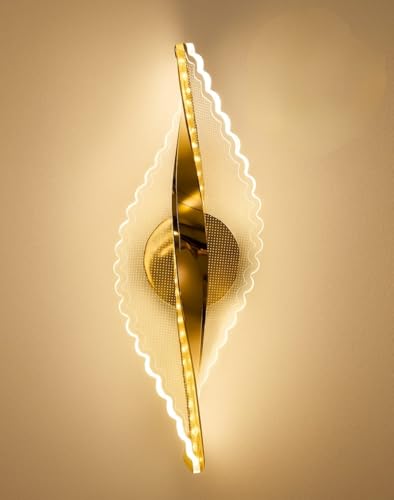
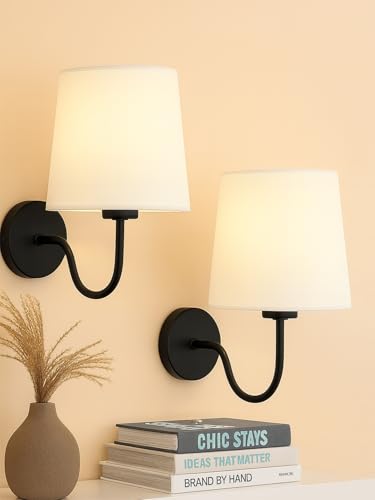
✨ Accent Lighting in Bedrooms
You can use accent lighting to highlight:
- 🖼️ Artwork
- 🪞 Mirrors
- 🧱 Headboards
- 🏺 Decorative furniture
Subtle lighting behind or around furniture can also create a soft evening atmosphere.
🍳 Kitchen Lighting Guide
Kitchen lighting is less forgiving.
A beautiful pendant light isn’t much help if you’re trying to chop vegetables while standing in a shadow. 😂🔪
The kitchen needs good general illumination plus strong task lighting.

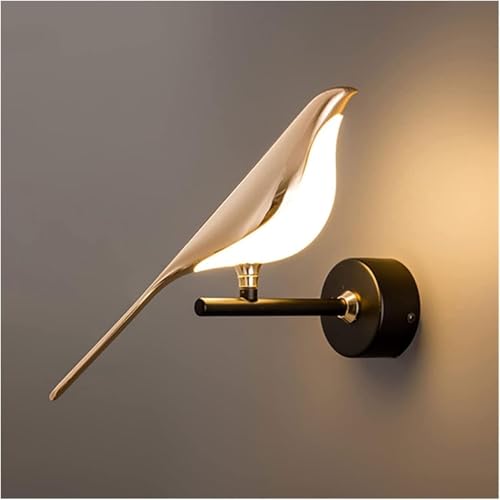
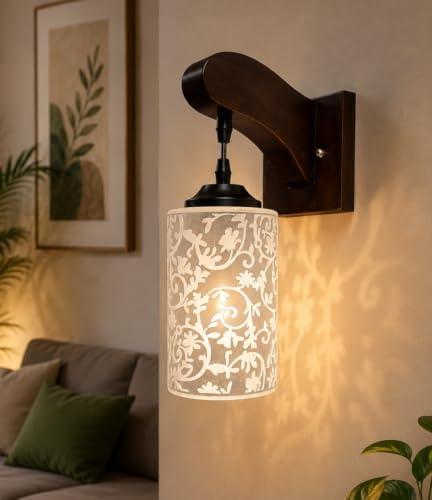
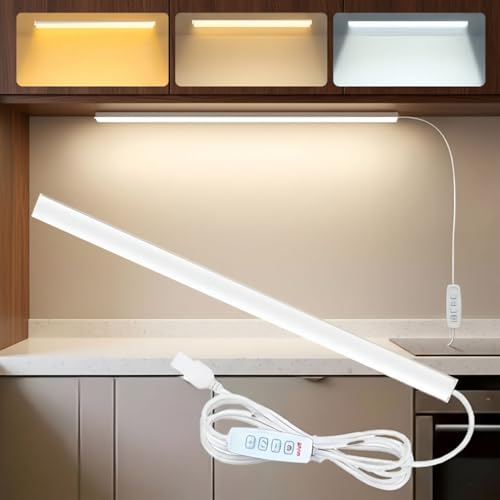
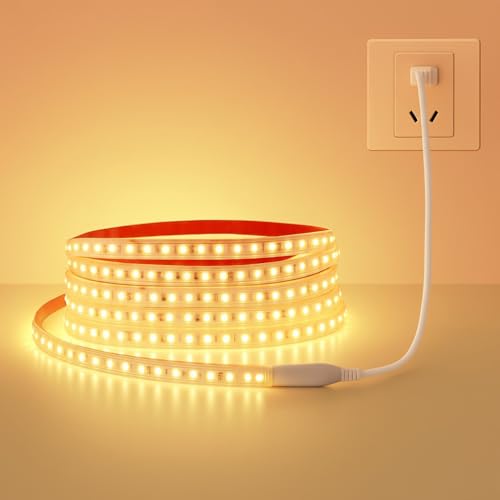
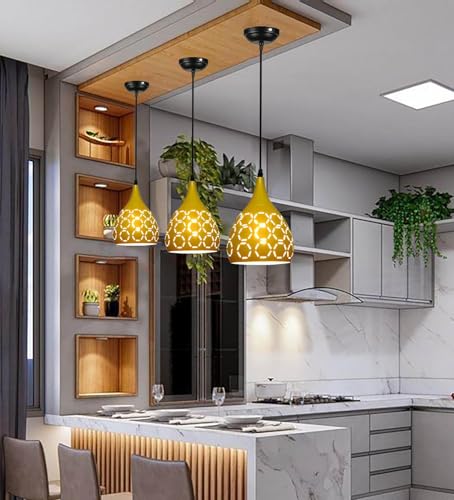
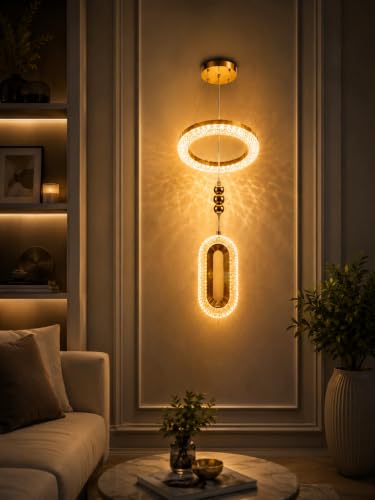
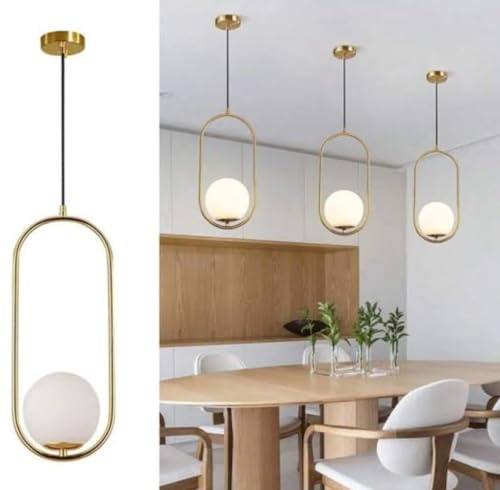
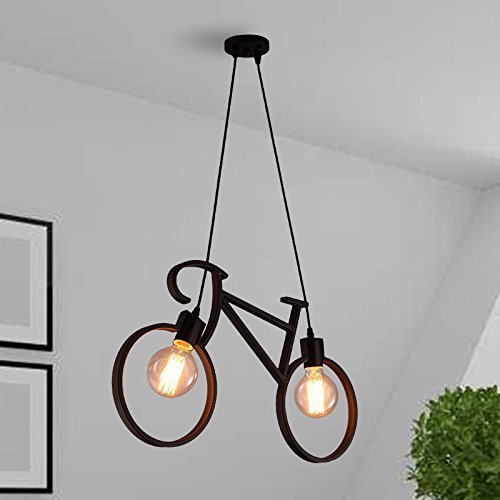
💡 Ambient Kitchen Lighting
A central ceiling fixture can provide general illumination.
Depending on the kitchen layout, you may also use:
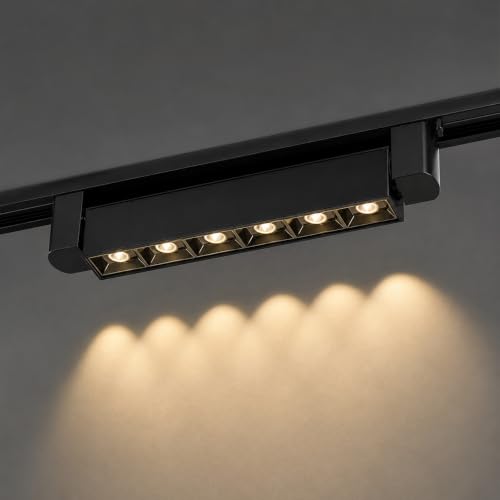
- Recessed lights
- Track lighting
- Flush mounts
- Multiple ceiling fixtures
🎯 Task Lighting for Kitchens
This is arguably the most important part.
Work surfaces need useful illumination.
Great Options
- Under-cabinet lights
- Countertop task lights
- Directional spotlights
- Pendant lights over islands
💡 Under-Cabinet Lighting
One of the easiest ways to improve a kitchen.
It illuminates the countertop directly and can reduce shadows created by overhead lighting.
🏆 Kitchen Formula
Ambient ceiling lighting + under-cabinet task lighting + pendant/accent lighting
That’s a solid starting point.
🍽️ Dining Room Lighting Guide
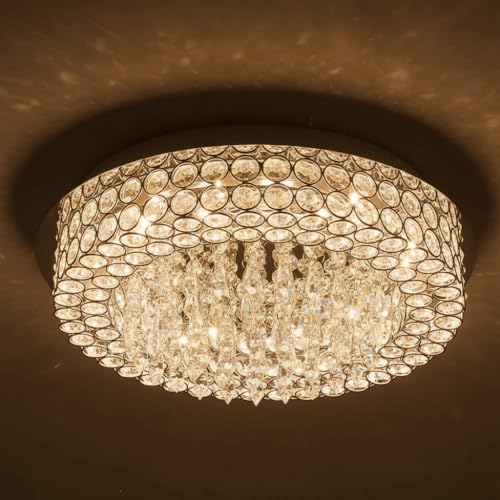
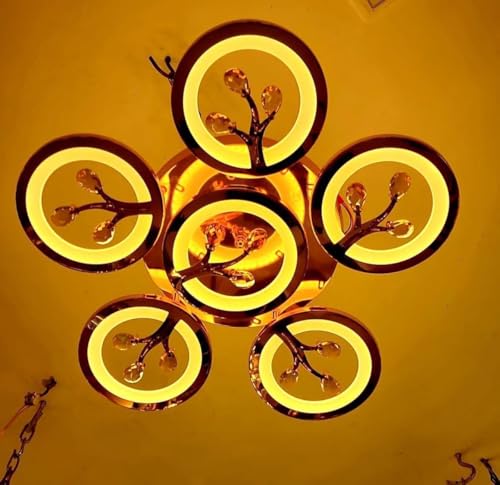
Dining rooms are perfect for combining functional and decorative lighting.
🏆 The Classic Choice
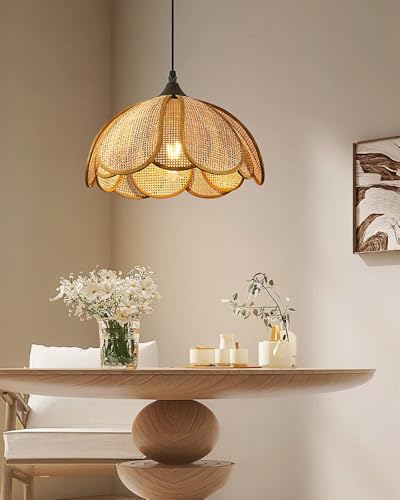
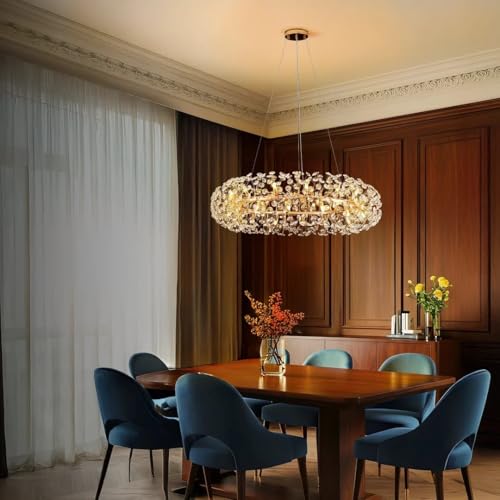
A pendant or chandelier positioned above the dining table.
It provides useful illumination while becoming part of the room’s visual identity.
💡 Consider:
- Table size
- Ceiling height
- Fixture scale
- Light direction
- Dimming
🎚️ Why Dimming Helps
Bright light can be useful during meals or cleaning.
Lower light can create a more relaxed atmosphere during dinner or entertaining.
One fixture.
Two completely different moods.
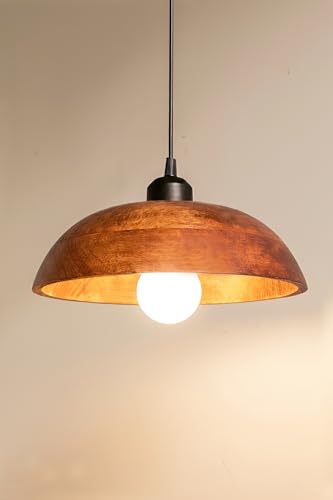
📏 Dining Light Placement
A dining fixture should be positioned carefully relative to the table.
You want it:
Close enough to illuminate the table
but
high enough to avoid obstructing sightlines.
⚠️ Don’t Go Too Large
An oversized chandelier can dominate a small dining area.
⚠️ Don’t Go Too Small
A tiny pendant above a large dining table can look visually lost.
Scale matters.
🚿 Bathroom Lighting Guide
Bathroom lighting needs to combine functionality, comfort and appropriate fixture selection.
💡 Ambient Lighting
A suitable ceiling fixture provides general illumination.
🪞 Task Lighting
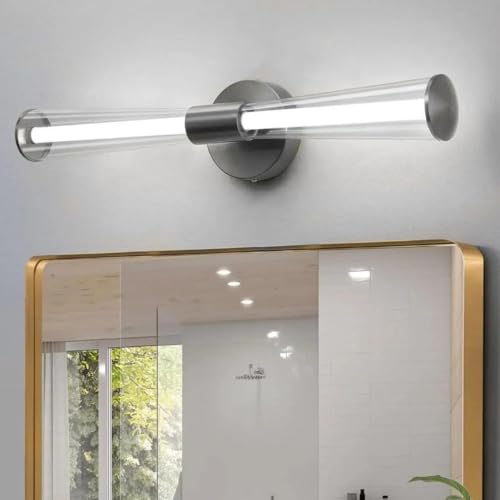
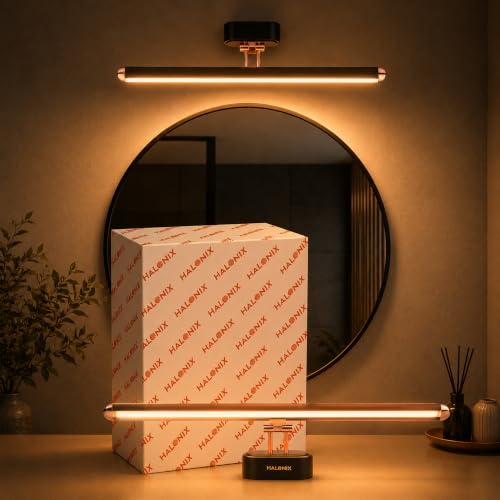
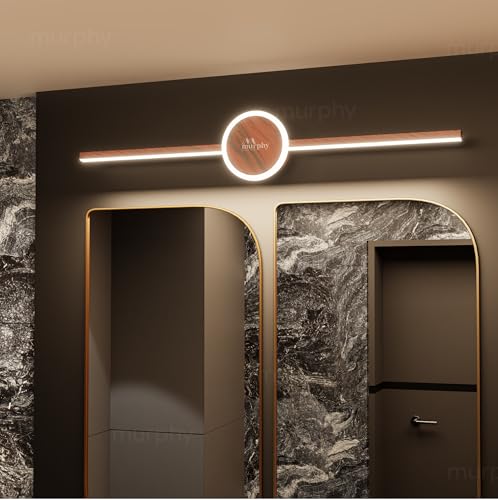
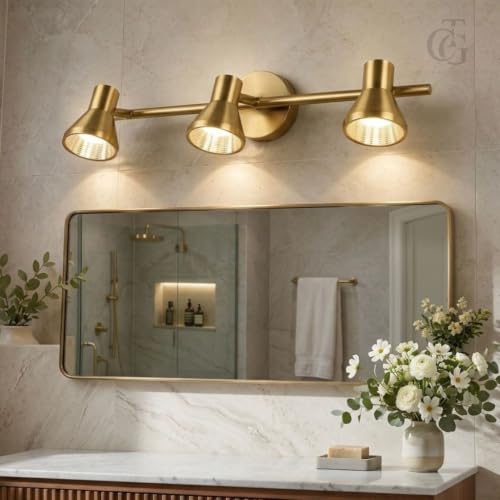
Vanity lighting is particularly important.
You need enough light for:
- Shaving
- Makeup
- Skincare
- Grooming
💡 Best Vanity Approach
Lighting placed around the face can help reduce harsh shadows.
A single bright light directly above the mirror can sometimes create unflattering shadows under the eyes and chin.
⚠️ Bathroom Safety
This is one area where you shouldn’t improvise.
Lighting fixtures used in bathrooms need to be appropriate for their location and exposure to moisture.
Always follow electrical codes, fixture ratings and manufacturer instructions, and use a qualified professional where required.
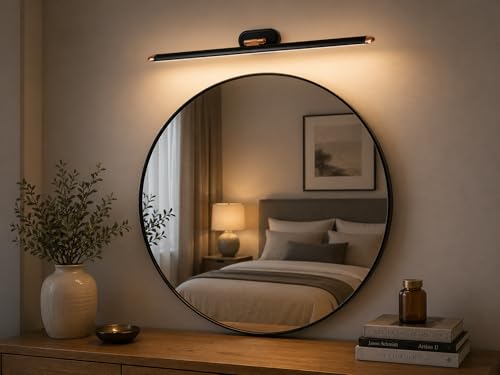
💻 Home Office Lighting
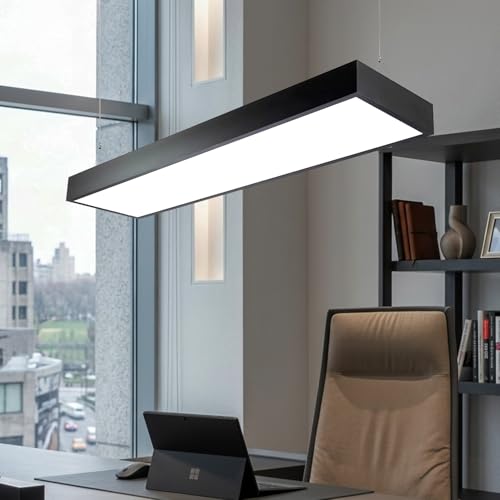
Your home office needs lighting that supports concentration without creating unnecessary glare.
💡 Ambient
Provides overall room illumination.
🎯 Task
A desk lamp can illuminate paperwork, notebooks or other work surfaces.
🖥️ Screen Lighting
Be careful about reflections.
Avoid placing bright light sources where they create distracting glare on your monitor.
🌤️ Natural Light
If possible, make use of daylight but control direct sunlight when it creates screen glare or excessive contrast.
🏆 Ideal Setup
Ambient ceiling light + desk lamp + controlled natural light
Simple and effective.
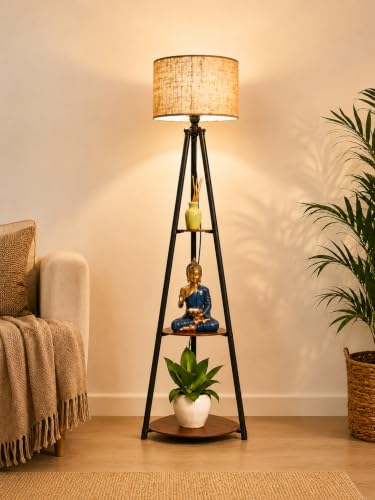

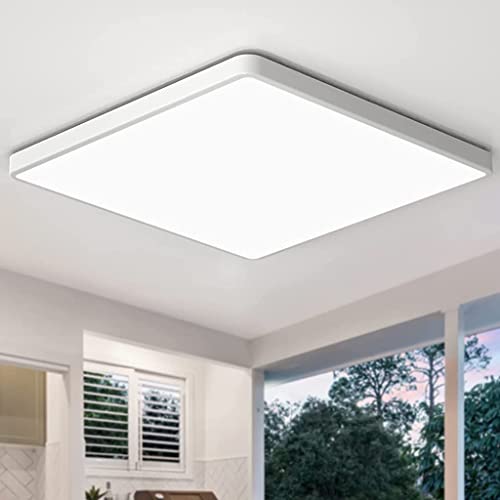
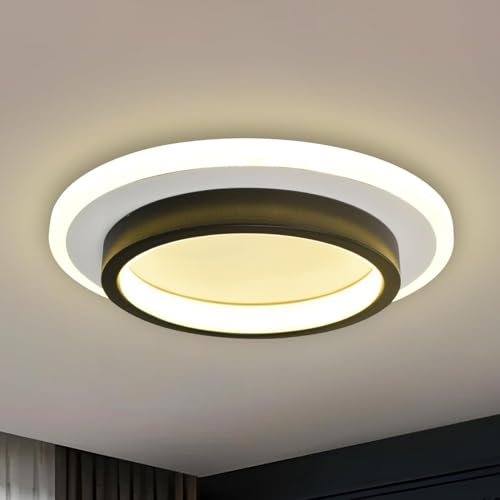
🚪 Entryway & Hallway Lighting
These spaces are often overlooked.
And that’s a shame because they create the first impression of your home. 🏡✨
Good Choices
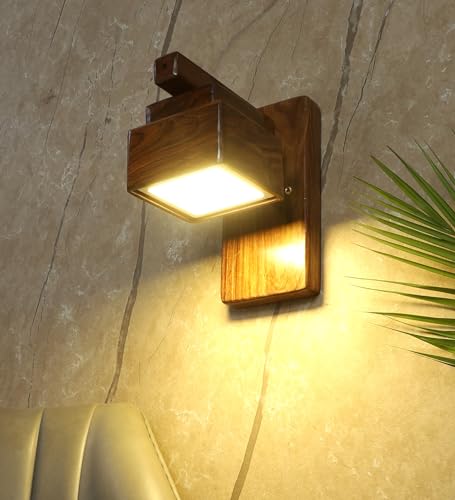
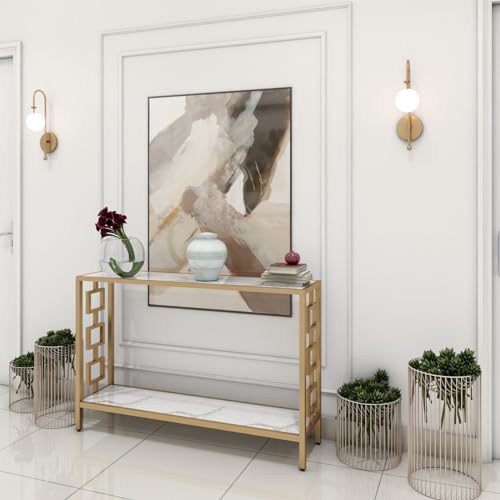
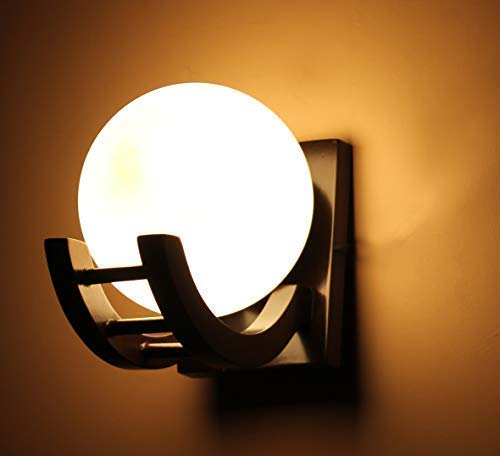
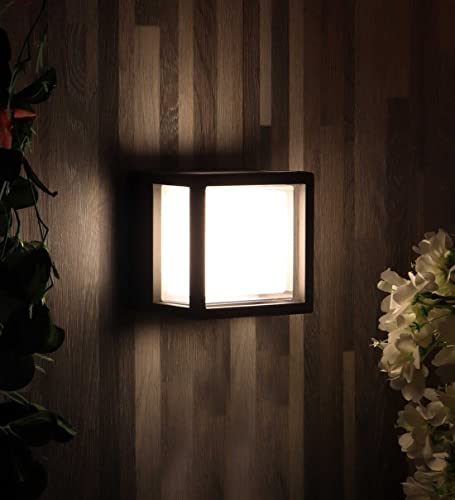
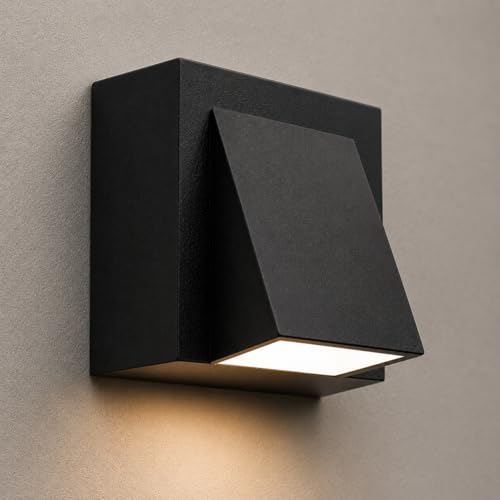
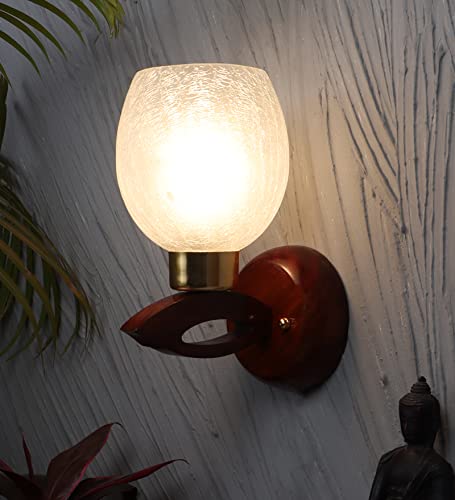
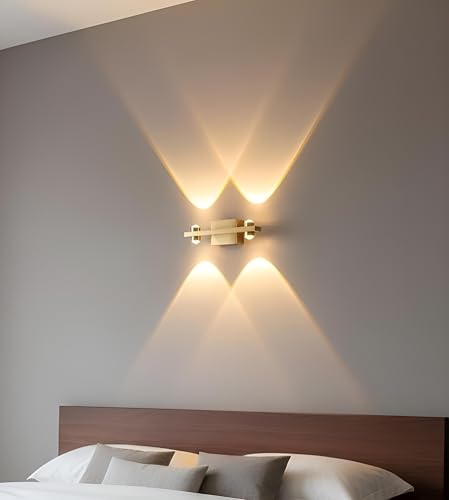
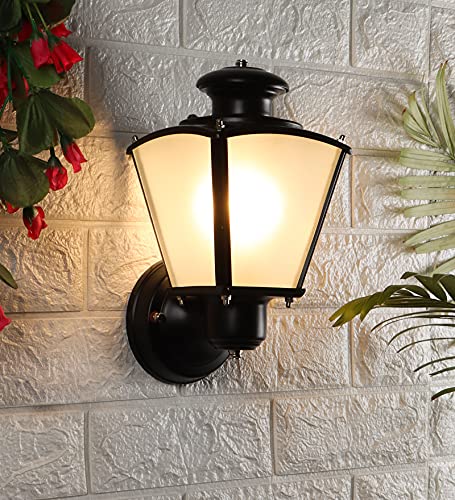
- Wall sconces
- Flush-mount ceiling fixtures
- Pendant lights
- Decorative table lamps on consoles
💡 Hallway Tip
Long hallways may benefit from multiple fixtures rather than one extremely bright light at one end.
✨ Entryway Tip
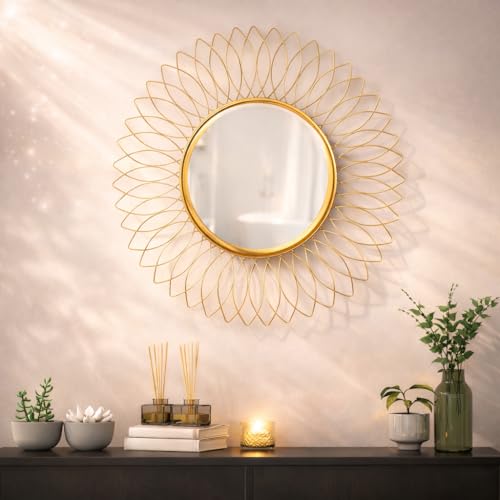
A mirror combined with a decorative light can create a welcoming focal point.
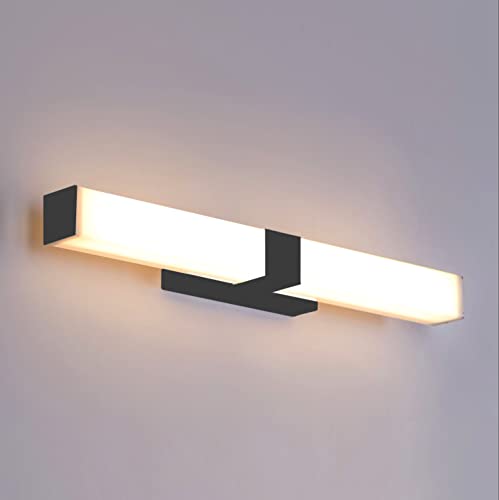
📚 Reading Corner Lighting
A reading corner doesn’t need to be complicated.
You really only need:
🪑 Comfortable Chair
The most important part. Obviously. 😂
💡 Reading Lamp
Choose a lamp that directs light toward the book.
🪵 Small Side Table
For books, glasses and your inevitable cup of tea.
🌿 Optional Plant
Because plants somehow make every reading corner look 37% more sophisticated.
🏆 Ideal Lighting
A directional or adjustable floor lamp is usually a strong choice.
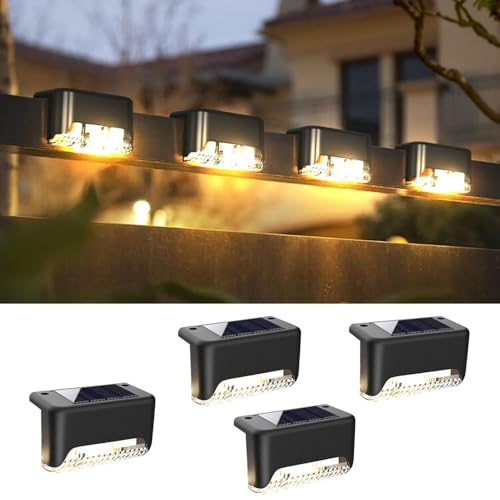
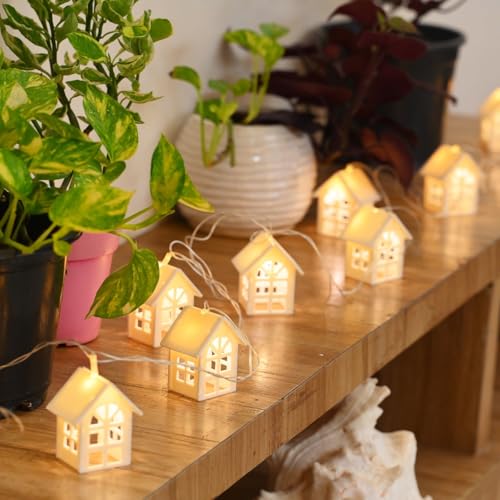
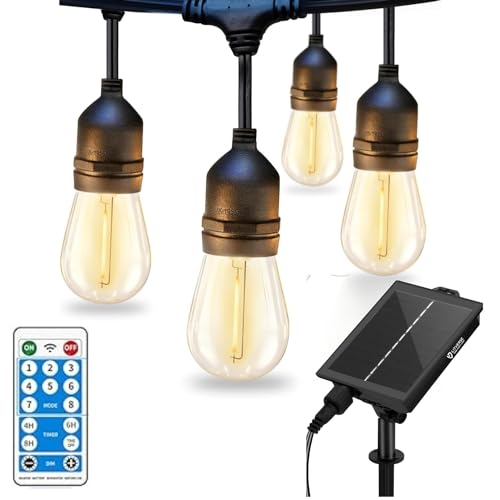
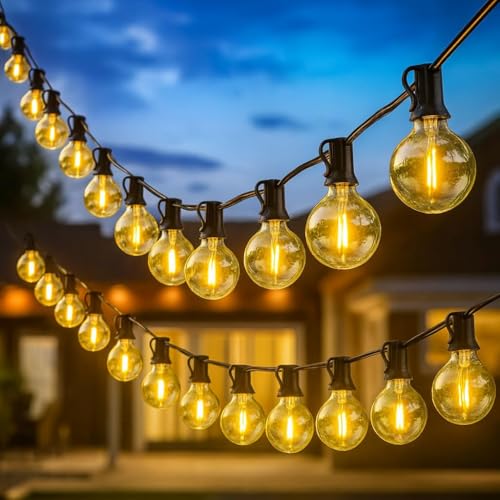
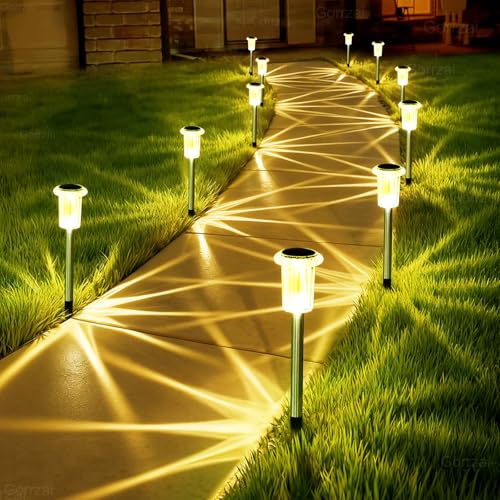
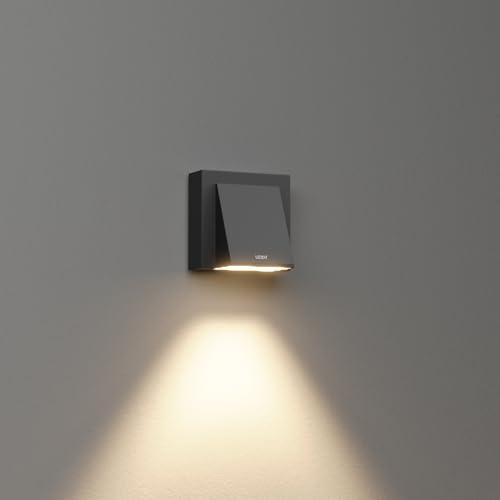
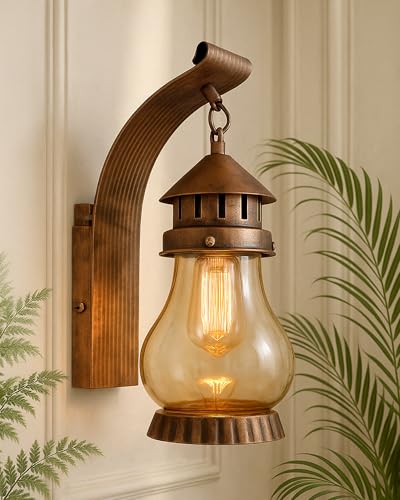
🌿 Balcony Lighting
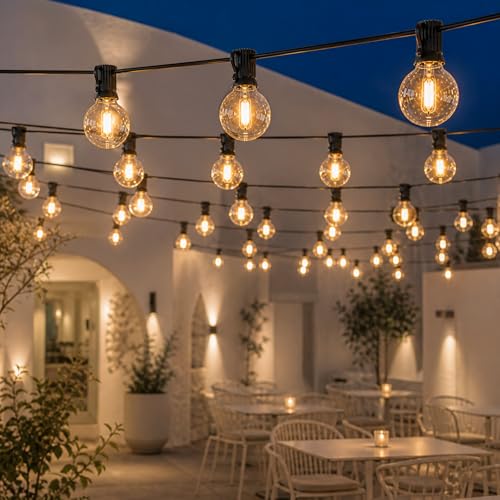
Balconies can benefit from subtle lighting, especially if they’re used in the evening.
Consider:
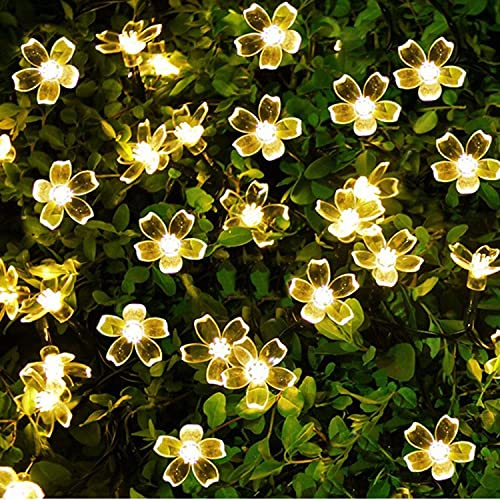
- ✨ String lights
- 🏮 Lantern-style fixtures
- 💡 Wall lights
- 🌿 Decorative outdoor lighting
⚠️ Important
Outdoor and exposed areas require lighting products specifically rated for the conditions where they’ll be installed.
Don’t use an indoor lamp outdoors simply because it looks cute. 😅

🌡️ Understanding Colour Temperature
Colour temperature is one of the most important things to understand when choosing home lighting.
It is measured in Kelvin (K).
🟡 Warm Light
Lower colour temperature generally produces a warmer, more yellow appearance.
Great for:
- 🛋️ Living rooms
- 🛏️ Bedrooms
- 🍽️ Dining rooms
- 🌙 Evening ambience
⚪ Neutral Light
A more balanced white.
Useful for:
- 💻 Home offices
- 🍳 Kitchens
- 📚 Reading
- Utility spaces
🔵 Cooler Light
A cooler appearance can feel more crisp and energetic.
It can work well in certain work-focused environments but may feel less cosy in bedrooms and living rooms.
💡 Important
There is no single “best” colour temperature for an entire home.
Different rooms serve different purposes.
🔆 Understanding Lumens
If you’re buying lights, you’ll eventually encounter lumens.
And this is much more useful than simply looking at wattage.
💡 Lumens = Light Output
Higher lumens generally mean more visible light output.
⚡ Watts = Power Consumption
Watts tell you how much electrical power a lamp uses.
This distinction matters enormously when comparing LED lighting with older technologies.
Example
An LED lamp can produce useful illumination while consuming relatively little power.
So don’t assume:
Higher watts = brighter
Instead, look at the lumens and fixture design.
🎨 What Is CRI?
CRI stands for Colour Rendering Index.
It describes how accurately a light source renders colours compared with a reference source.
Why It Matters
Good colour rendering can be particularly useful in spaces where colour appearance matters.
For example:
🎨 Artwork
👗 Clothing
💄 Makeup
🌿 Plants
🛋️ Interior décor
💡 Buying Tip
If colour accuracy is important to you, look for lighting products that provide a suitable CRI specification.
Don’t judge colour quality from brightness alone.
💡 LED Lighting for the Home
LED lighting has become one of the most practical choices for residential use.
Why?
💡 Energy efficient
⏳ Long operating life
🔥 Lower heat at the light source than halogen
🎨 Wide range of colour temperatures
🎚️ Dimmable options available
🏡 Available in almost every fixture style
You can use LEDs for:
- Ceiling lights
- Floor lamps
- Table lamps
- Pendant lights
- Wall lights
- Spotlights
- Under-cabinet lighting
- Decorative lighting
🏆 Best Part
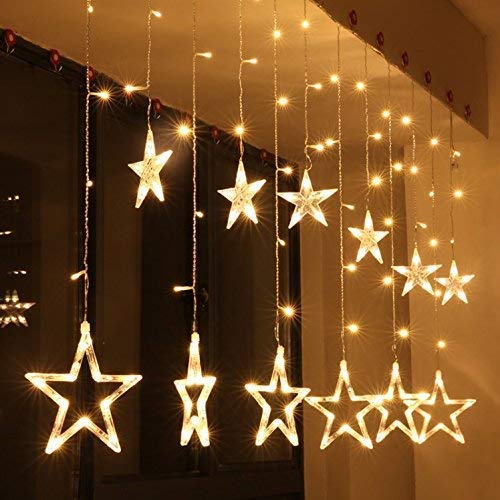
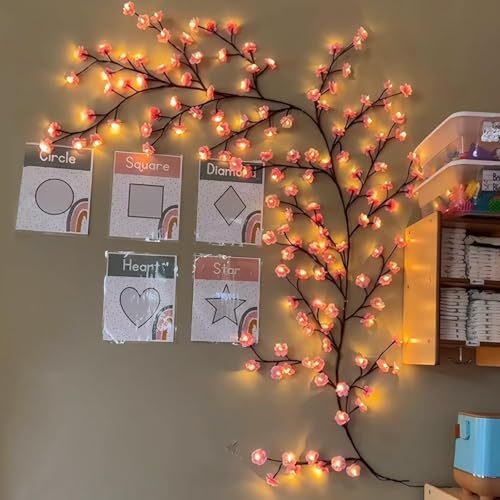
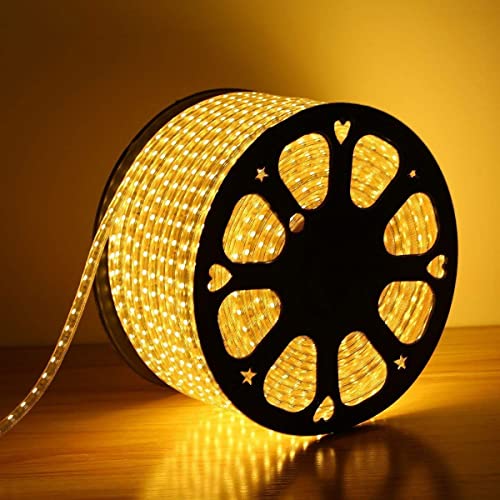
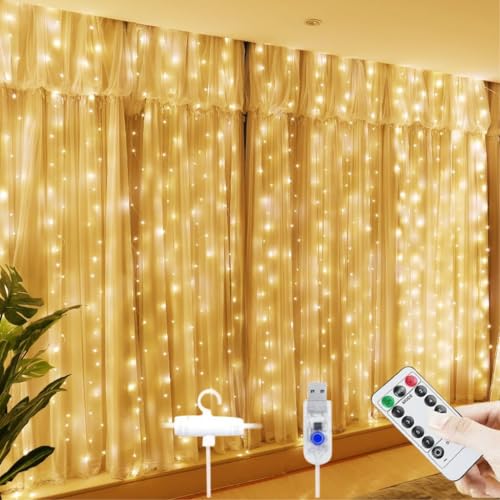
You don’t have to sacrifice a warm, cosy aesthetic just because you’re using LED.
Modern LEDs are available in plenty of warm colour temperatures.



🏡 The Basic Lighting Formula for Any Room
If you’re ever confused about where to start, remember these three questions:
1️⃣ How do I light the room generally?
Ambient lighting.
2️⃣ Where do I need focused light?
Task lighting.
3️⃣ What do I want to highlight?
Accent lighting.
That’s the entire foundation of a good home lighting plan.
And once you understand those three layers, choosing lamps and fixtures becomes dramatically easier. 💡✨
💻 Home Office Lighting Guide
A home office needs lighting that keeps you comfortable and helps you see your work clearly without creating distracting glare.
The trick is to avoid relying entirely on one overhead fixture.
💡 Start With Ambient Lighting
A ceiling light provides the basic illumination for the room.
Good options include:
- Flush-mount lights
- Recessed lights
- Pendant fixtures
- Ceiling-mounted LED fixtures
🎯 Add Task Lighting
A desk lamp can provide focused light for:
- Writing
- Reading
- Paperwork
- Crafting
- Detailed work
An adjustable desk lamp is particularly useful because you can direct the light exactly where you need it.
🖥️ Watch Out for Screen Glare
This is a big one.
Don’t position a bright lamp directly behind your monitor or somewhere that creates reflections on the screen.
Instead, experiment with the position until your workspace is comfortably illuminated without producing distracting reflections.
🌤️ Don’t Forget Natural Light
Natural daylight can be excellent for a home office, but direct sunlight on your monitor can create serious glare.
Use curtains or blinds when necessary.
🏆 Ideal Setup
Ambient ceiling light + desk lamp + controlled natural daylight
Simple. Functional. No need to turn your office into NASA headquarters. 😂
🚪 Entryway & Hallway Lighting
Hallways are often treated like lighting afterthoughts.
But they’re part of your home’s overall visual flow.
A dark hallway next to a beautifully lit living room can make the transition feel abrupt.
💡 Good Lighting Options
- Wall sconces
- Flush-mount ceiling lights
- Pendant fixtures
- Recessed lights
- Decorative console lamps
✨ Entryway Lighting
The entryway is a great place for a decorative fixture because it creates an immediate impression when someone walks into your home.
A pendant light above an entryway can add height and personality.
🪞 Pair Lighting With a Mirror
A mirror and suitable lighting can work beautifully together.
The mirror can reflect light and make a compact entryway feel more open.
⚠️ Hallway Tip
For a long hallway, avoid creating one extremely bright spot at one end.
Multiple appropriately positioned fixtures can create more even illumination.
📚 Reading Corner Lighting
A reading corner is one of the easiest places to get lighting right.
You don’t need a complicated setup.
🪑 1. Comfortable Chair
Obviously. If the chair isn’t comfortable, the reading corner has failed before we even reach the lamp. 😂
💡 2. Reading Lamp
A floor lamp with an adjustable head is an excellent option.
Position it so the light falls naturally onto your book.
🪵 3. Side Table
Useful for your:
- Book
- Glasses
- Phone
- Tea or coffee ☕
🌿 4. Optional Plant
A plant adds a little softness and helps the corner feel intentional.
✨ Simple Formula
Chair + reading lamp + side table + soft textile
That’s enough.
🌿 Balcony Lighting Guide
If you use your balcony in the evening, lighting can completely transform the space.
Instead of relying on one harsh light, consider softer layers.
✨ String Lights
Great for creating a relaxed decorative atmosphere.
🏮 Lantern-Style Lights
Useful for adding warmth and visual character.
💡 Wall Lights
A good choice when the balcony has suitable electrical provision.
🌿 Decorative Lighting
Small outdoor-rated fixtures can highlight plants or architectural features.
⚠️ Important Safety Point
Outdoor lighting should be specifically rated for outdoor use and the conditions in which it will be installed.
Don’t take an indoor lamp outdoors simply because it looks perfect with your plants. 😅
Moisture, rain and electrical equipment are not exactly a cute combination.
🍽️ Dining Room Lighting: Getting the Mood Right
Dining rooms benefit enormously from controllable lighting.
A pendant or chandelier above the dining table can become both a functional light source and a decorative centrepiece.
💡 During the Day
You may want brighter illumination.
🌙 During Dinner
A softer setting can create a much more relaxed atmosphere.
🎚️ That’s Why Dimming Helps
A dimmable fixture gives you control instead of forcing you to live with one brightness level.
📏 Consider the Table
The size of the fixture should relate to the dining table.
A tiny pendant above a huge table can look lost.
An enormous chandelier above a compact table can dominate the entire room.
Scale matters.
🪞 Bathroom Lighting: Don’t Rely on One Ceiling Light
Bathrooms need functional lighting, particularly around the mirror.
A single overhead light can create shadows across the face.
That isn’t particularly helpful when you’re:
- 💄 Applying makeup
- 🪒 Shaving
- 🧴 Skincare
- 🪥 Grooming
💡 Better Approach
Use suitable vanity lighting around the mirror where possible.
The goal is to illuminate the face more evenly.
⚠️ Bathroom Safety
Bathroom lighting requires more care than ordinary room lighting.
Always check:
- Fixture suitability
- Moisture exposure
- Manufacturer ratings
- Installation requirements
- Local electrical requirements
If you’re unsure about the electrical installation, use a qualified professional.
🌡️ Choosing the Right Colour Temperature
Colour temperature can completely change how a room feels.
It’s measured in Kelvin (K).
🟡 Warm Light
Creates a cosy, relaxed appearance.
Great for:
- 🛋️ Living rooms
- 🛏️ Bedrooms
- 🍽️ Dining rooms
- 🌙 Evening lighting
⚪ Neutral White
Feels cleaner and more balanced.
Great for:
- 💻 Home offices
- 🍳 Kitchens
- 📚 Reading areas
- Utility spaces
🔵 Cooler White
Can feel more energetic and crisp.
Useful for:
- Work-focused areas
- Certain contemporary interiors
- Some utility spaces
🏆 Our General Recommendation
For a cosy home:
Warm → living + bedroom + dining
Neutral → kitchen + office + task areas
But don’t treat this as a rigid rule.
Your preference matters too.
🔆 Understanding Lumens Before Buying Lights
If you’re shopping for lighting, you’ll see lumens everywhere.
And you should pay attention.
💡 Lumens = Light Output
Lumens indicate how much visible light a source produces.
⚡ Watts = Power Consumption
Watts indicate electrical power consumption.
These are not the same thing.
❌ Don’t Think:
“More watts = brighter.”
✅ Think:
“How many lumens do I need?”
This is particularly important when comparing LEDs with halogen or older incandescent lighting.
🎨 Understanding CRI
CRI stands for Colour Rendering Index.
It indicates how accurately colours appear under a particular light source.
This matters more in some rooms than others.
🎨 High Colour Accuracy Can Be Useful For:
- Artwork
- Dressing areas
- Makeup
- Clothing
- Interior décor
- Photography
- Crafting
💡 Buying Tip
If the appearance of colours is important to you, check the lighting product’s CRI specification.
A lamp being bright doesn’t automatically mean it renders colours beautifully.
🎚️ Dimming: One of the Most Useful Lighting Features
Dimming can make a single fixture much more versatile.
☀️ Bright
For cleaning, working or detailed tasks.
🌤️ Medium
For everyday activities.
🌙 Low
For relaxing and evening ambience.
This is particularly useful in:
- 🛋️ Living rooms
- 🍽️ Dining rooms
- 🛏️ Bedrooms
- 💻 Home offices
⚠️ LED Dimming
If you’re using LEDs, make sure the lamp, bulb and dimmer are compatible.
An incompatible combination can cause flickering, buzzing or poor dimming performance.
📱 Smart Lighting for Modern Homes
Smart lighting can add another layer of convenience.
Depending on the product, you may be able to control:
- Brightness
- Colour temperature
- On/off schedules
- Scenes
- Voice controls
- App controls
🌙 Example
You could have:
Morning → brighter neutral light
Evening → warm, softer light
Night → very low illumination
🏡 Where Smart Lighting Makes Sense
You don’t necessarily need smart bulbs everywhere.
They can be especially useful in:
- Bedrooms
- Living rooms
- Home offices
- Entertainment areas
💡 Don’t Overcomplicate It
If you don’t need app control, voice commands or automation, a good traditional dimmable light may be all you need.
Technology should make your life easier not give you another app to manage. 😂
🔌 LED vs Incandescent vs Halogen
If you’re comparing traditional and modern lighting technologies, here’s the quick picture:
| Feature | LED | Halogen | Incandescent |
|---|---|---|---|
| Energy efficiency | ⭐⭐⭐⭐⭐ | ⭐⭐ | ⭐ |
| Lifespan | ⭐⭐⭐⭐⭐ | ⭐⭐ | ⭐ |
| Heat output | Lower | High | Very high |
| Colour options | Excellent | Good | Limited |
| Dimming | Very good* | Excellent | Excellent |
| Long-term cost | Low | Higher | Higher |
| Product variety | Excellent | Moderate | Moderate |
| Modern home use | 🏆 Excellent | Limited | Limited |
*Subject to bulb, fixture and dimmer compatibility.
🏆 Overall
For most new home lighting purchases:
LED is the practical default.
📐 How to Position Lights Correctly
Buying the right fixture is only half the job.
Where you put it matters enormously.
💡 Ceiling Lights
Use them to establish general room illumination.
🎯 Task Lights
Position them close enough to the activity to provide useful illumination.
✨ Accent Lights
Aim them toward the feature you want to highlight.
🪞 Mirror Lighting
Try to reduce harsh shadows across the face.
📚 Reading Lights
Position them so the light falls onto the reading material without creating glare.
🛋️ Lighting Around Furniture
Lighting should work with your furniture layout.
Sofa
Place a floor lamp beside or slightly behind the sofa.
Reading Chair
Use a directional lamp nearby.
Dining Table
Centre the pendant or chandelier appropriately over the table.
Bedside Table
Place lamps where they can be reached easily.
Desk
Position the task lamp so it doesn’t create unwanted shadows or monitor glare.
🏡 Lighting for Small Rooms
Small rooms don’t necessarily need fewer lights.
They need better-positioned lights.
💡 Try:
- Slim floor lamps
- Wall lights
- Compact table lamps
- Recessed fixtures
- Under-cabinet lighting
🪞 Use Mirrors
A strategically placed mirror can reflect light and make the room feel more open.
⚠️ Avoid
Oversized fixtures that visually dominate the space.
🏠 Lighting for Large Rooms
Large rooms can have the opposite problem.
One central light may leave corners feeling dark.
Better Approach:
Create lighting zones.
For example:
🛋️ Sofa zone → floor lamp
📚 Reading zone → task lamp
🍽️ Dining zone → pendant
🖼️ Artwork → accent light
This makes a large open space feel more intentional.
✨ How to Create a Cosy Home With Lighting
If you want that warm, inviting look, lighting is one of the easiest ways to achieve it.
🟡 Use Warm Light
Particularly in living and sleeping areas.
🕯️ Add Small Light Sources
Instead of relying entirely on one ceiling light.
🛋️ Use Floor Lamps
They introduce light at a lower level and can make seating areas feel more intimate.
🪞 Use Reflections
Mirrors and reflective surfaces can help distribute light.
🌿 Highlight Plants
A small accent light can make greenery stand out in the evening.
🎚️ Use Dimming
Lower brightness can instantly change the mood.
⚠️ Common Home Lighting Mistakes
Let’s talk about the things that can ruin an otherwise lovely lighting setup.
❌ 1. Using Only One Ceiling Light
This creates flat illumination and leaves little control over atmosphere.
Better:
Add floor, table or accent lighting where appropriate.
❌ 2. Making Every Room Equally Bright
Different rooms have different purposes.
A bedroom doesn’t need to feel like a supermarket aisle.
😂
❌ 3. Ignoring Colour Temperature
Using a very cool light in a warm, cosy room can make the entire space feel disconnected.
❌ 4. Putting Lights in the Wrong Place
A reading lamp that’s six feet away from your chair isn’t doing much.
❌ 5. Ignoring Glare
Bright exposed bulbs can be uncomfortable.
Use shades, diffusers and appropriate positioning.
❌ 6. Choosing Fixtures That Are Too Large
Scale matters.
A massive chandelier in a small room can overwhelm everything around it.
❌ 7. Choosing Fixtures That Are Too Small
The opposite problem is equally real.
A tiny pendant over a large dining table can disappear visually.
❌ 8. Forgetting Dimmers
If a room serves multiple purposes, dimming can be incredibly useful.
❌ 9. Ignoring Bulb Specifications
Check:
- Lumens
- Wattage
- Colour temperature
- CRI
- Base type
- Dimmability
❌ 10. Ignoring Natural Light
Your artificial lighting plan should work alongside daylight.
There’s no point creating an elaborate artificial-lighting setup while ignoring the giant free light source coming through your windows. 😂☀️
💰 Home Lighting on Different Budgets
You don’t need to completely renovate your electrical system to improve your home’s lighting.
💰 Budget-Friendly
Start with:
- LED bulbs
- Table lamps
- Floor lamps
- Under-cabinet lights
- Simple wall lights
💰💰 Mid-Range
Consider:
- Better-quality fixtures
- Dimmable lighting
- Decorative pendants
- Multiple lighting layers
- Improved task lighting
💰💰💰 Higher-End
You can explore:
- Architectural lighting
- Smart lighting systems
- Integrated LED fixtures
- Designer pendants
- Custom lighting plans
- Automated scenes
🏆 Best Value Upgrade
For many homes, simply adding one or two strategically positioned lamps can make a surprisingly big difference.
You don’t always need a full renovation.
🛒 What to Look for When Buying Home Lighting
Before purchasing a fixture or lamp, run through these points.
💡 1. Light Output
Check the lumens.
🌡️ 2. Colour Temperature
Choose warm, neutral or cool depending on the room.
🎨 3. CRI
Important if accurate colour reproduction matters.
🎚️ 4. Dimming
Check whether the product supports dimming.
🔌 5. Compatibility
Make sure the bulb, fixture, voltage and controls are compatible.
📏 6. Size
Measure before buying.
🏠 7. Placement
Think about where the fixture will actually go.
🔥 8. Heat
Consider the operating temperature and surrounding materials.
⚡ 9. Energy Efficiency
LED is generally the strongest choice for everyday residential lighting.
🧱 10. Build Quality
Check the materials, finish, stability and overall construction.
🛡️ 11. Safety Rating
Especially important for bathrooms, kitchens and outdoor areas.
🧹 12. Maintenance
Consider how easy it will be to clean and replace bulbs.
🧠 A Simple Room-by-Room Lighting Formula
If you want to keep things incredibly simple, use this:
🛋️ Living Room
Ambient + floor lamp + accent
🛏️ Bedroom
Ambient + bedside lamps + optional accent
🍳 Kitchen
Ambient + task lighting + pendant/accent
🍽️ Dining Room
Pendant/chandelier + ambient + dimming
🚿 Bathroom
Ambient + vanity/task lighting
💻 Home Office
Ambient + desk/task lighting
🚪 Hallway
Ambient + optional wall/accent lighting
📚 Reading Corner
Floor/reading lamp + ambient
🌿 Balcony
Outdoor-rated ambient + decorative lighting
🏆 Best Lighting Setup by Room
Here’s the quick-reference version you can save for later. 📌
| Room | Ambient 💡 | Task 🎯 | Accent ✨ | Recommended Light |
|---|---|---|---|---|
| 🛋️ Living Room | Ceiling light | Floor/table lamp | Artwork or shelves | Warm layered lighting |
| 🛏️ Bedroom | Ceiling fixture | Bedside lamps | Mirror/headboard | Warm & dimmable |
| 🍳 Kitchen | Ceiling lights | Under-cabinet | Pendant lights | Bright neutral lighting |
| 🍽️ Dining Room | Ambient fixture | Table pendant | Decorative lighting | Warm & dimmable |
| 🚿 Bathroom | Ceiling fixture | Vanity lighting | Mirror lighting | Bright, even illumination |
| 💻 Home Office | Ceiling light | Desk lamp | Optional | Neutral task lighting |
| 🚪 Hallway | Ceiling/wall lights | — | Wall accents | Even illumination |
| 📚 Reading Corner | Room lighting | Reading lamp | Optional | Focused warm/neutral light |
| 🌿 Balcony | Outdoor fixture | — | String/lantern lights | Soft outdoor lighting |
🛋️ Best Lighting Setup for the Living Room
The living room is probably where layered lighting makes the biggest difference.
🥇 Our Ideal Combination
1. Ceiling fixture → Ambient
Provides general illumination.
2. Floor lamp → Task
Perfect beside a reading chair or sofa.
3. Table lamp → Secondary ambient
Creates a softer pool of light.
4. Accent light → Decorative
Highlights artwork, shelves or plants.
💡 The Result
Instead of one giant bright light, you get several smaller lighting zones.
This makes the room much more flexible.
🌙 Evening Setup
Turn down the ceiling light and use your floor and table lamps.
Suddenly the room feels much warmer and more relaxed.
🛏️ Best Lighting Setup for the Bedroom
Bedrooms don’t need to be extremely bright.
The priority should generally be comfort and control.
🥇 Recommended
Ceiling light + bedside lamps + optional accent lighting
💡 Bedside Lamps
These are particularly useful because you don’t need to turn on the main ceiling light every time you want to read or find something.
🎚️ Dimming
If possible, use dimmable lighting.
A bright bedroom during the day can become much softer at night.
🌙 Colour Temperature
Warm light generally works beautifully here.
🍳 Best Lighting Setup for the Kitchen
The kitchen needs more functional lighting than most living spaces.
🥇 Recommended
Ceiling lighting + under-cabinet lighting + pendant/accent lighting
💡 Ceiling Lighting
Provides general visibility.
🎯 Under-Cabinet Lighting
Illuminates countertops and reduces shadows.
✨ Pendant Lighting
Particularly useful over:
- Kitchen islands
- Breakfast counters
- Bars
🏆 Best Colour Temperature
A neutral or moderately warm-neutral light can provide good visibility without making the kitchen feel overly harsh.
🍽️ Best Lighting Setup for the Dining Room
The dining table should usually be the visual centre of the room.
🥇 Recommended
Pendant/chandelier + ambient lighting + dimming
A decorative fixture above the table can provide both illumination and personality.
🎚️ Dimming Is Especially Useful
Bright:
Cleaning + everyday use
Dim:
Dinner + entertaining
💡 Styling Tip
Choose the fixture based on the table’s size and shape.
A long dining table may suit a linear fixture or multiple pendants, while a round table can work beautifully with a central pendant or chandelier.
🚿 Best Lighting Setup for the Bathroom
Bathrooms need lighting that is both practical and comfortable.
🥇 Recommended
Ceiling fixture + vanity lighting
🪞 Vanity Lighting
This deserves special attention.
A light source positioned appropriately around the mirror can illuminate your face more evenly than a single overhead light.
⚠️ Safety First
Always use fixtures appropriate for the bathroom location and moisture exposure.
Follow manufacturer instructions and applicable electrical requirements.
💻 Best Lighting Setup for the Home Office
A productive workspace needs comfortable task lighting, not simply lots of brightness.
🥇 Recommended
Ambient ceiling light + adjustable desk lamp
💡 Desk Lamp
Choose one that can be positioned without shining directly into your eyes.
🖥️ Monitor
Pay attention to reflections.
If your screen constantly looks like a mirror, your lighting needs repositioning. 😂
🌤️ Natural Light
Use daylight when possible, but control direct sunlight if it causes glare.
🚪 Best Lighting Setup for Hallways
Hallways are about consistent illumination.
🥇 Recommended
Ceiling or wall lighting + optional accent lighting
For longer hallways, multiple smaller fixtures may create a more balanced effect than one very bright fixture.
✨ Decorative Option
Wall sconces can add character without taking up floor space.
📚 Best Lighting Setup for a Reading Corner
Keep it simple.
🥇 Recommended
Ambient room lighting + adjustable reading lamp
You don’t need five fixtures.
A good reading lamp positioned correctly can do most of the work.
💡 Look For:
- Adjustable head
- Comfortable brightness
- Suitable colour temperature
- Stable base
- Convenient switch
🌿 Best Lighting Setup for a Balcony
For a balcony, think soft + decorative + weather-appropriate.
🥇 Recommended
Outdoor-rated fixture + decorative lighting
Consider:
✨ String lights
🏮 Lanterns
💡 Wall fixtures
🌿 Accent lighting
⚠️ Remember
Only use products specifically rated for outdoor conditions where required.
💡 How Bright Should Your Home Be?
This is one of those questions where there isn’t one magic number.
The appropriate brightness depends on:
- Room size
- Ceiling height
- Wall colours
- Natural daylight
- Activity
- Fixture design
- Personal preference
🎯 Instead of Chasing Maximum Brightness
Think about comfortable illumination.
A bedroom and kitchen don’t need to have the same lighting intensity.
🏆 General Principle
Task areas → more focused light
Relaxation areas → softer light
General areas → balanced illumination
🌡️ Best Colour Temperature by Room
Here’s a simple guide:
| Room | Suggested Appearance | Why |
|---|---|---|
| 🛋️ Living Room | Warm | Cosy & relaxing |
| 🛏️ Bedroom | Warm | Comfortable atmosphere |
| 🍽️ Dining Room | Warm | Inviting |
| 🍳 Kitchen | Neutral/Warm-neutral | Better task visibility |
| 💻 Office | Neutral | Focused working |
| 📚 Reading | Warm-neutral/Neutral | Comfortable detail work |
| 🚿 Bathroom | Neutral | Clear visibility |
| 🚪 Hallway | Warm/Neutral | Depends on décor |
These aren’t strict rules.
Your personal preference and existing décor matter too.
🎨 How to Match Lighting With Your Interior Style
Lighting fixtures are part of your décor.
So don’t choose them in isolation.
🤍 Minimalist
Look for:
- Slim profiles
- Simple shades
- Neutral finishes
- Clean lines
🌳 Rustic
Try:
- Wood
- Woven shades
- Warm finishes
- Natural materials
⚙️ Industrial
Consider:
- Black metal
- Exposed bulbs
- Mechanical details
- Dark finishes
✨ Contemporary
Try:
- Sculptural fixtures
- Geometric shapes
- Modern finishes
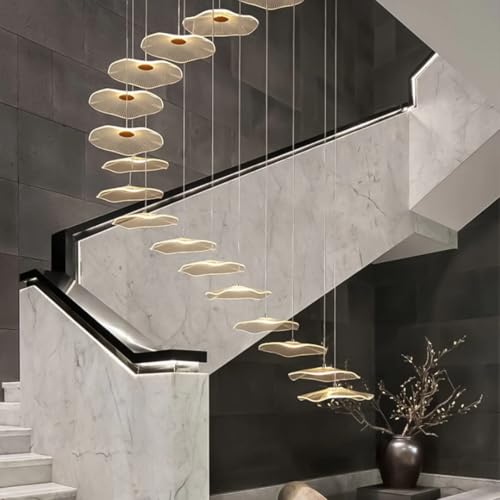
- Statement pendants
🏛️ Traditional
Consider:
- Fabric shades
- Decorative bases
- Classic silhouettes
- Warm metallic finishes
🪞 Using Mirrors With Lighting
Mirrors aren’t just decorative.
They can help reflect light and visually open up a space.
Great Locations
- Entryways
- Bedrooms
- Living rooms
- Dining areas
- Bathrooms
💡 Styling Idea
Place a suitable light source near a mirror rather than directly behind it.
This can create a layered reflection and make the area feel brighter.
⚠️ Avoid Excessive Glare
The goal is to reflect light not create a bright beam directly into your eyes.
🌿 Using Plants With Lighting
Plants and lighting are an underrated combination.
A small accent light directed toward a plant can create interesting shadows and make greenery stand out in the evening.
Try:
Plant + floor lamp
or
Plant + directional accent light
✨ Keep It Subtle
You don’t need to turn your monstera into a stage performer. 😂🌿
A gentle glow is usually enough.
💰 Home Lighting Ideas on a Budget
You don’t need to replace every fixture to improve your home’s lighting.
💰 Budget-Friendly Upgrades
1. Replace Old Bulbs
Switching to efficient LED bulbs can be a simple starting point.
2. Add a Floor Lamp
One well-positioned floor lamp can transform a dark corner.
3. Add a Table Lamp
Useful beside sofas, beds and consoles.
4. Add Under-Cabinet Lighting
Particularly useful in kitchens.
5. Use Dimmable Bulbs
Where compatible, they give you more control.
6. Reposition Existing Fixtures
Sometimes the problem isn’t the light itself.
It’s simply in the wrong place.
💰💰 Mid-Range Lighting Upgrades
If you have more room in your budget, consider:
- Better-quality floor lamps
- Decorative pendants
- Wall sconces
- Dimmable fixtures
- Multiple lighting zones
- Higher-quality LED fixtures
- Improved kitchen task lighting
These upgrades can have a noticeable impact without requiring a complete redesign.
💰💰💰 Higher-End Lighting
For a more sophisticated setup, you can explore:
- Architectural lighting
- Integrated LED systems
- Smart-home lighting
- Automated scenes
- Designer fixtures
- Custom lighting layouts
📱 Smart Lighting Scenes
You could create:
☀️ Day Mode → Bright + neutral
🌆 Evening → Warm + medium
🌙 Night → Warm + dim
This can be particularly useful in open-plan homes.
❤️ Pros & Cons of Different Lighting Types
| Lighting Type | ❤️ Pros | ⚠️ Cons |
|---|---|---|
| 💡 Ceiling Light | Broad illumination | Can feel flat |
| 🛋️ Floor Lamp | Flexible & decorative | Uses floor space |
| 🪔 Table Lamp | Cosy & convenient | Needs furniture surface |
| 🎯 Spot/Task Light | Focused illumination | Can create glare |
| ✨ Pendant | Stylish focal point | Placement matters |
| 🧱 Wall Sconce | Saves floor space | Installation required |
| 🪞 Mirror Light | Useful for grooming | Needs careful positioning |
| 📱 Smart Light | Highly controllable | More expensive/complex |
| 🌿 Outdoor Light | Extends outdoor use | Must be appropriately rated |
🛒 Complete Home Lighting Buying Checklist
Before buying a light fixture or lamp, check these points. 📋
💡 Light Output
- Have I checked the lumens?
- Is the brightness suitable for the room?
🌡️ Colour
- Do I want warm, neutral or cool light?
- Does it suit the room’s purpose?
🎨 Colour Quality
- Have I checked CRI if colour accuracy matters?
🎚️ Controls
- Is it dimmable?
- Is the dimmer compatible?
- Does it offer smart controls if I need them?
🔌 Compatibility
- Does the bulb fit?
- Is the voltage appropriate?
- Is the fixture suitable for the intended location?
📏 Size
- Have I measured the room?
- Does the fixture fit the furniture?
- Will it obstruct movement?
🏡 Placement
- Where exactly will it go?
- Is there a nearby power source?
- Will the light create glare?
⚡ Efficiency
- Is LED the better option for this application?
- What is the expected operating cost?
🛡️ Safety
- Is the product appropriately rated?
- Does the installation require professional assistance?
⚠️ Common Lighting Mistakes to Avoid
Let’s make this brutally simple.
❌ One Light for the Entire Room
Usually creates flat lighting.
❌ Too Much Brightness
Can make a room feel harsh.
❌ Wrong Colour Temperature
A cool, clinical light isn’t always a great fit for a cosy bedroom.
❌ No Task Lighting
Especially problematic in kitchens, offices and reading areas.
❌ Ignoring Glare
Bright exposed bulbs can become uncomfortable quickly.
❌ Wrong Fixture Size
Scale matters.
❌ Ignoring Natural Light
Use daylight strategically.
❌ Poor Placement
A great fixture in the wrong location is still a poor lighting solution.
❌ Forgetting Dimmers
Useful in multipurpose spaces.
❌ Buying Without Checking Specifications
Always check the technical details.
🔍 Research Methodology
For this Home Lighting Guide, we evaluated lighting approaches based on the factors that matter most for everyday residential spaces.
Our research framework considered:
- 💡 Lighting purpose
- 🔆 Light output
- 🌡️ Colour temperature
- 🎨 Colour rendering
- 🎚️ Dimming
- ⚡ Energy efficiency
- 🔌 Fixture compatibility
- 📏 Scale and placement
- 🏡 Room suitability
- 🛡️ Safety considerations
- 💰 Practicality and long-term value
We also considered different lighting requirements for living rooms, bedrooms, kitchens, dining areas, bathrooms, home offices, hallways, reading corners and balconies.
The goal was not simply to recommend attractive lights, but to explain why certain lighting types work better in particular situations.
🏆 Our Final Home Lighting Formula
If you remember only one thing from this entire guide, remember this:
💡 Ambient + Task + Accent
💡 Ambient
Lights the room generally.
🎯 Task
Lights the activity.
✨ Accent
Lights the things you want to highlight.
That’s the foundation.
Then customise it according to the room.
🏡 Our Room-by-Room Recommendations
🛋️ Living Room
Warm ambient + floor lamp + accent lighting
🛏️ Bedroom
Warm ambient + bedside lamps + optional accent
🍳 Kitchen
Bright ambient + under-cabinet task lighting + pendant
🍽️ Dining Room
Warm pendant/chandelier + dimming
🚿 Bathroom
Ambient + appropriate vanity lighting
💻 Home Office
Ambient + adjustable task lighting
🚪 Hallway
Even ambient + optional wall accents
📚 Reading Corner
Comfortable ambient + focused reading lamp
🌿 Balcony
Appropriately rated outdoor lighting + soft decorative lights
🏆 Final Verdict
A beautifully lit home isn’t necessarily the home with the most expensive fixtures.
It’s the home where lighting has been chosen according to purpose, placement and atmosphere. 💡✨
For most homes, we’d recommend starting with efficient LED lighting, then building layers around it.
Use:
💡 Ambient lighting for general visibility.
🎯 Task lighting where you work, read, cook or groom.
✨ Accent lighting to highlight décor and create depth.
Then fine-tune everything with:
🌡️ Colour temperature
🔆 Lumens
🎨 CRI
🎚️ Dimming
📐 Proper placement
And don’t underestimate small changes.
Adding one floor lamp beside a sofa, one reading lamp beside a chair or under-cabinet lighting in a kitchen can completely change how a room feels.
You don’t have to redesign the entire house.
Sometimes you just need to put the right light in the right corner. 🏡💡❤️
❓ Frequently Asked Questions
What are the three main types of home lighting?
The three main categories are ambient, task and accent lighting. Ambient provides general illumination, task lighting focuses on specific activities and accent lighting highlights architectural or decorative features.
What is the best lighting for a home?
There isn’t one universal type. A combination of ambient, task and accent lighting usually creates the most flexible and comfortable home lighting setup.
Is LED lighting good for homes?
Yes. LED lighting is generally an excellent choice for homes because it is energy-efficient, long-lasting and available in many brightness levels and colour temperatures.
What colour temperature is best for a living room?
Warm light is generally popular for living rooms because it creates a comfortable and inviting atmosphere. However, the ideal choice depends on your décor and personal preference.
What colour temperature is best for a bedroom?
Warm lighting is generally a good choice for bedrooms because it creates a softer, more relaxing atmosphere.
What is the best lighting for a kitchen?
A kitchen usually benefits from bright ambient lighting combined with task lighting, particularly under cabinets and over work surfaces.
How should I light a home office?
Use ambient lighting for the room and focused task lighting for the desk. Position lights carefully to reduce reflections and glare on your monitor.
Is warm or cool light better?
Neither is universally better. Warm light tends to work well for relaxing spaces, while neutral or cooler light can be useful for task-oriented areas.
What are lumens?
Lumens measure the amount of visible light produced by a light source. They are more useful than wattage when comparing brightness.
What does CRI mean?
CRI stands for Colour Rendering Index. It indicates how accurately a light source reproduces colours compared with a reference source.
Should every room have a dimmer?
Not necessarily, but dimming can be particularly useful in multipurpose rooms such as living rooms, bedrooms and dining areas.
How many lights should a living room have?
There is no fixed number. A layered setup might include a ceiling fixture, floor lamp, table lamp and optional accent lighting depending on the room’s size and layout.
How can I make a small room look brighter?
Use appropriately positioned lighting, lighter surfaces and mirrors to reflect light. Avoid relying on one oversized, extremely bright fixture.
Should lighting match throughout the house?
It doesn’t have to be identical. However, using complementary finishes and colour temperatures can help create a cohesive visual flow between rooms.
Can I mix warm and cool lighting?
Yes, but do it intentionally. Mixing drastically different colour temperatures in the same visual area can sometimes make the lighting feel inconsistent.
What is layered lighting?
Layered lighting combines different lighting types typically ambient, task and accent to provide both useful illumination and visual depth.
What is the best lighting for reading?
A focused or adjustable task lamp is generally the best choice. Position it so the light falls comfortably onto the reading material without creating glare.
Are floor lamps good for living rooms?
Yes. Floor lamps are excellent for adding task or ambient lighting beside sofas, chairs and other seating areas.
Is smart lighting worth it?
Smart lighting can be useful if you want remote control, schedules, dimming or automated scenes. If you don’t need those features, conventional lighting may be simpler and more cost-effective.
🔗 Related Articles
- 💡 Best Floor Lamps: 10 Stylish Picks for Every Home
→ A natural fit for the living room, reading corner, and layered lighting sections. - 🪞 Best Decorative Mirrors: 10 Stylish Picks for Every Home
→ Useful alongside sections covering mirrors, light reflection, bedrooms, living rooms, and entryways. - ✨ Mirror Placement Tips: 15 Easy Ways to Style Your Home
→ A strong contextual link for mirror placement, reflected light, and styling tips. - 🕰️ Best Wall Clocks: 10 Stylish Picks for Every Home
→ Fits naturally within discussions about wall décor, functional accessories, and room styling. - 🕰️ Analog vs Digital Wall Clocks: Which Is Better for Your Home?
→ Relevant when discussing functional and decorative choices for different rooms. - 🏠 Empty Wall Decorating Ideas: 15 Stylish Ways to Transform Blank Walls
→ A particularly strong internal link for sections about accent lighting, artwork, mirrors, and decorating empty walls.