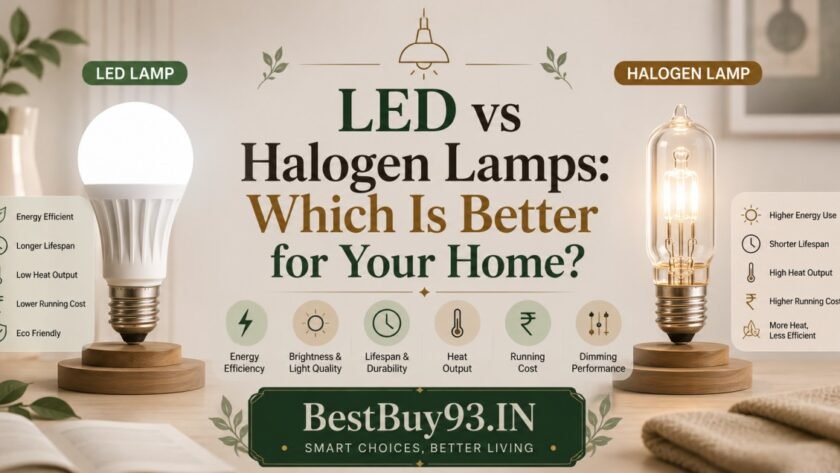

Choosing between LED and halogen lamps might seem like a small decision, but the type of lamp you use can affect your home’s energy consumption, running cost, heat output, brightness, ambience and even how often you need to replace bulbs. 💡🏡
Both technologies have been used for years, but they behave very differently.
LED lamps are known for their low energy consumption, long lifespan and wide range of colour temperatures. Halogen lamps, meanwhile, are essentially a more advanced form of incandescent lighting and are often appreciated for their warm, familiar light and straightforward dimming. ✨
So, which one should you choose?
For most homes, LED is the more practical option today. But that doesn’t mean halogen has no advantages.
In this guide, we’ll compare LED vs halogen lamps across the factors that actually matter when you’re choosing lighting for your home from energy efficiency and brightness to heat, lifespan, dimming, colour quality and everyday running costs.
We’ll also look at where each type makes the most sense, whether you’re lighting a living room, bedroom, reading corner, home office or decorative space.
Because the best lamp isn’t necessarily the one with the biggest wattage or the fanciest packaging.
It’s the one that gives you the right light for the right space without wasting energy or money. 💡✨
Also Read | Best Floor Lamps: 10 Stylish Picks for Every Home
💡 LED vs Halogen Lamps at a Glance
| Feature | 💡 LED | 🔥 Halogen |
|---|---|---|
| Energy efficiency | ⭐⭐⭐⭐⭐ | ⭐⭐ |
| Lifespan | ⭐⭐⭐⭐⭐ | ⭐⭐ |
| Heat output | Low | High |
| Running cost | Low | Higher |
| Instant illumination | Excellent | Excellent |
| Colour options | Excellent | Good |
| Dimming | Very good* | Excellent |
| Light quality | Excellent | Excellent |
| Design flexibility | Excellent | Good |
| Replacement frequency | Low | Higher |
| Best for everyday use | ⭐⭐⭐⭐⭐ | ⭐⭐⭐ |
| Overall home use | 🏆 Winner | Good alternative |
*Dimming performance depends on the specific LED bulb, fixture and compatible dimmer.
🏆 Quick Verdict
For most everyday home lighting, LED is the clear winner.
Halogen can still make sense when you specifically want its characteristic warm light, familiar dimming behaviour or compatibility with an existing fixture.
💡 What Is an LED Lamp?
LED stands for Light Emitting Diode.
Instead of producing light by heating a filament, an LED produces light through a semiconductor process.
That difference is important because LEDs don’t need to waste most of their electrical energy generating heat just to produce illumination.
✨ Why LEDs Became So Popular
LED technology offers several advantages:
- 🔋 Lower energy consumption
- ⏳ Long operating life
- 🔥 Less heat than halogen
- 🎨 Wide range of colour temperatures
- 💡 Many brightness options
- 🏡 Huge variety of designs
- 💰 Lower long-term operating cost
LEDs are now available in almost every type of household lighting, including:
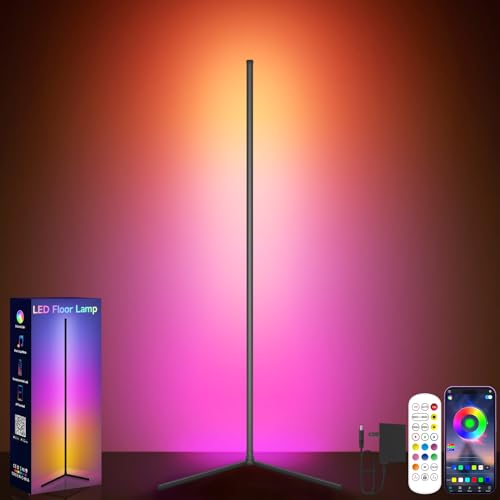
- Floor lamps
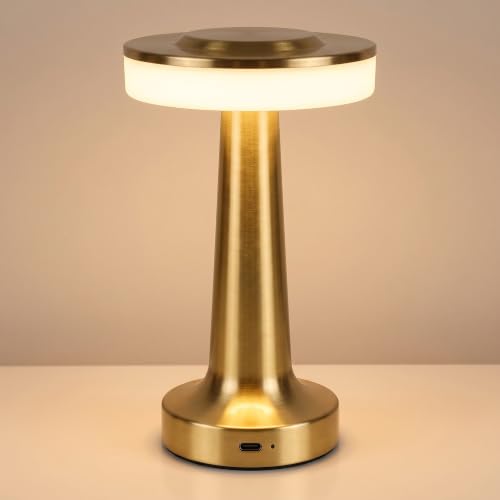
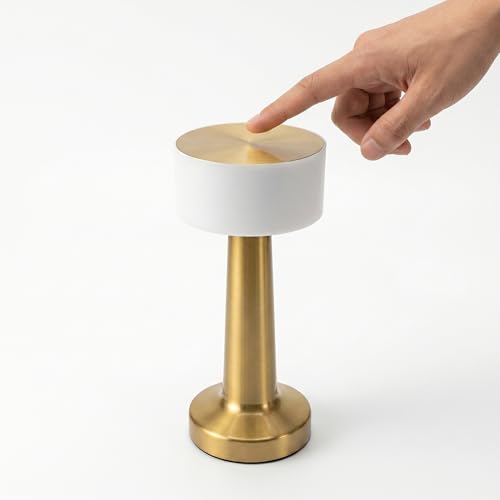
- Table lamps
- Ceiling fixtures
- Pendant lights
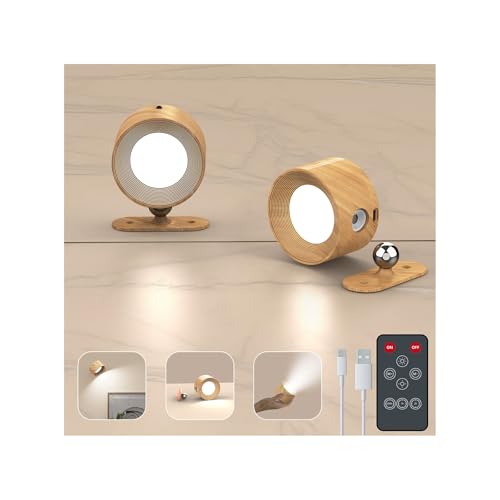
- Wall lights
- Spotlights
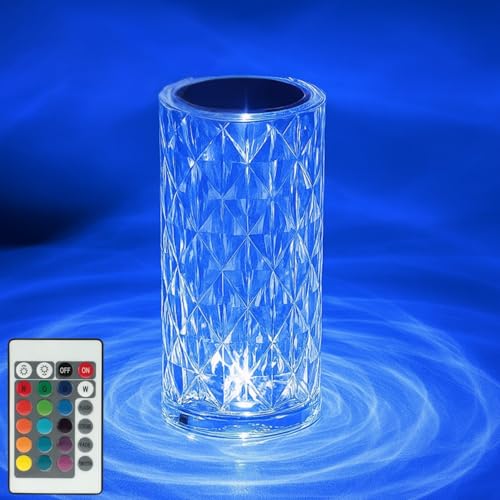
- Decorative lamps
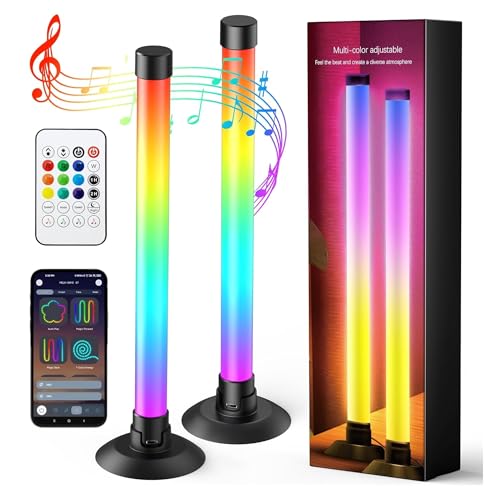
- Smart lighting
💡 LED Doesn’t Mean “Cold White”
This is an old misconception.
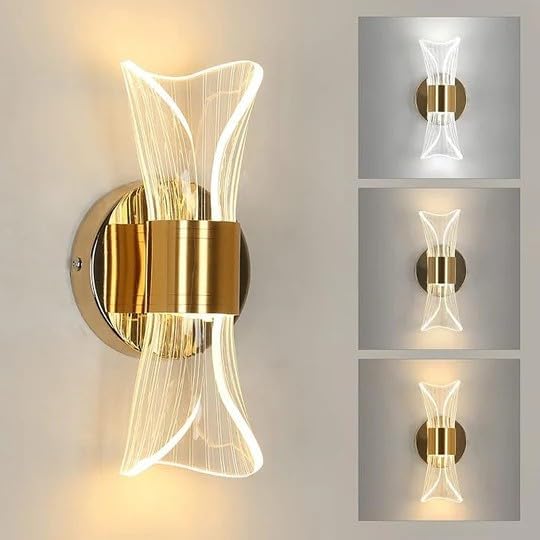
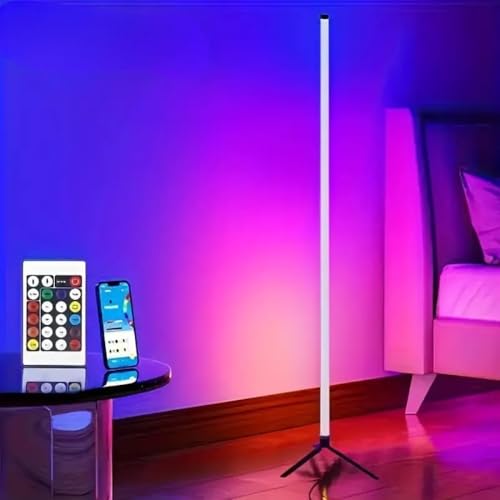
Modern LEDs are available in different colour temperatures, including warm white, neutral white and cooler white options.
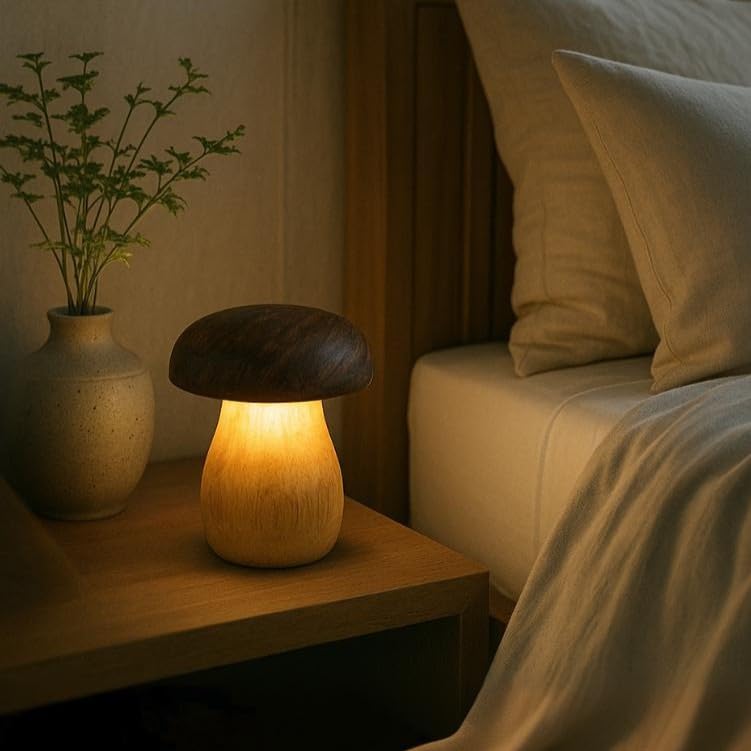
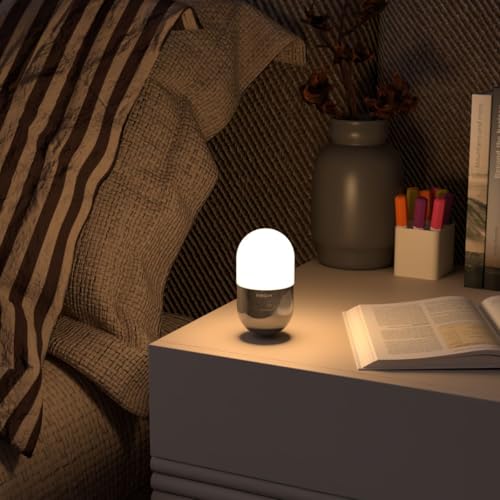
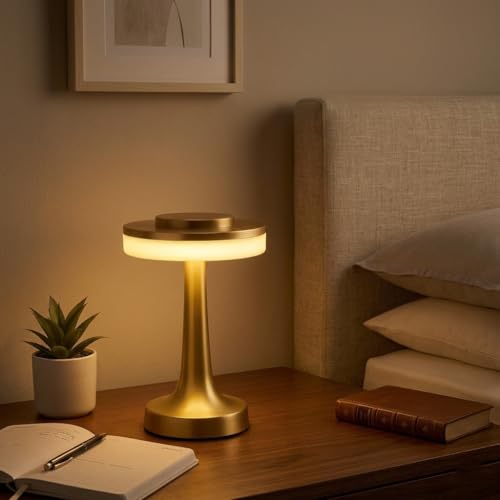
So you can absolutely get a cosy, warm-looking LED lamp for your living room or bedroom.
🔥 What Is a Halogen Lamp?
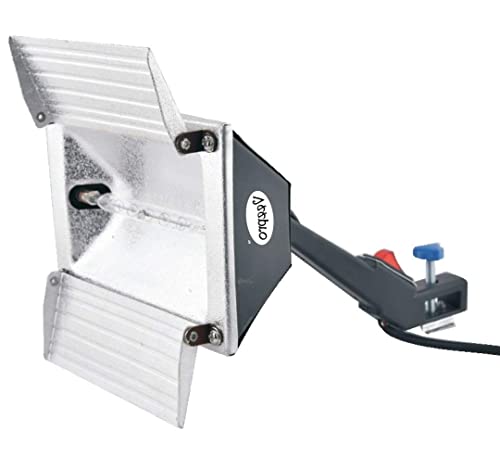
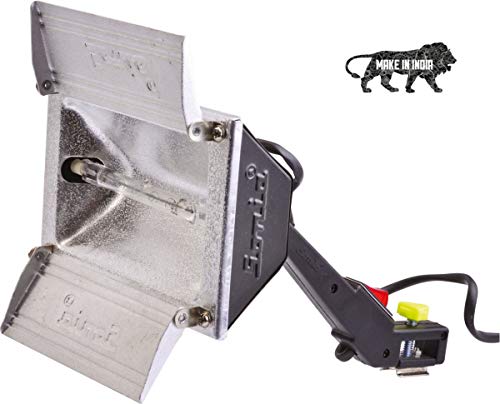
A halogen lamp is a type of incandescent light source that uses a tungsten filament enclosed in a small capsule containing a halogen gas.
The filament becomes extremely hot when electricity passes through it, producing visible light.
That basic operating principle gives halogen lighting its characteristic appearance.
🌟 Why People Like Halogen Lighting
Halogen lamps have traditionally been appreciated for:
- Warm-looking light
- Good colour rendering
- Instant full brightness
- Familiar dimming behaviour
- Compact bulb designs
- Compatibility with many older fixtures
They can produce a crisp, natural-looking light that many people find visually appealing.
⚠️ The Big Trade-Off
The filament gets very hot.
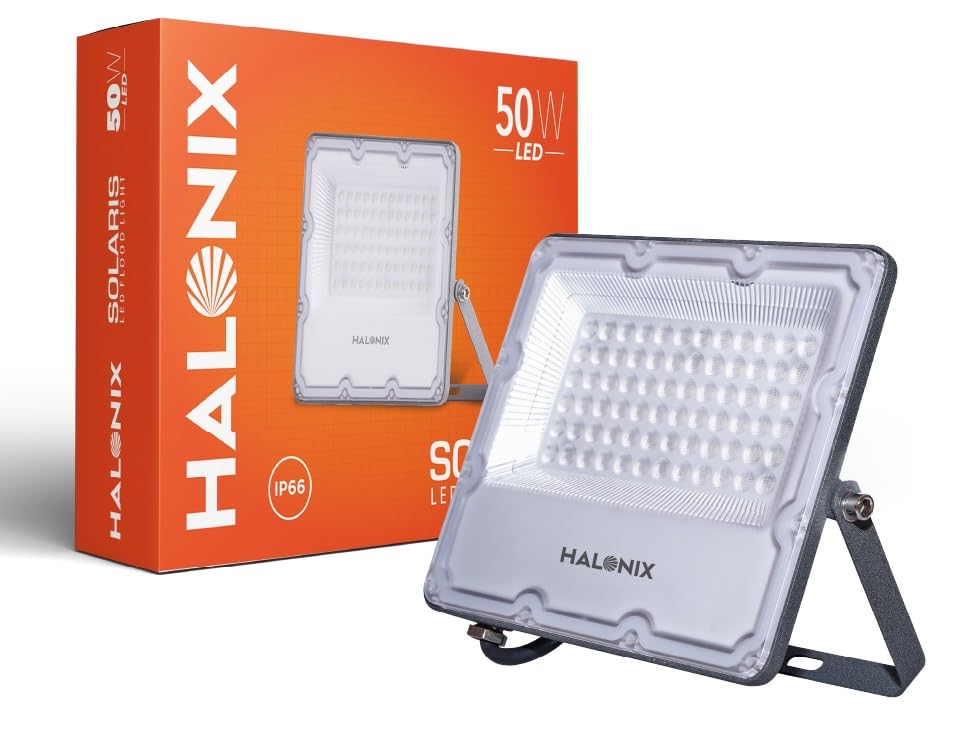
And a significant amount of the electrical energy used by a halogen lamp ends up as heat rather than useful visible light.
That’s one of the main reasons LED has overtaken halogen for everyday residential lighting.
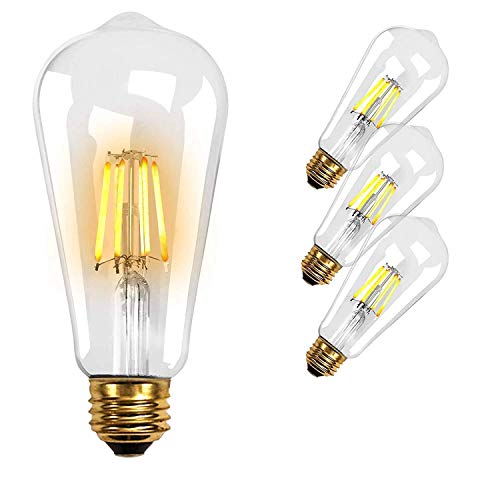

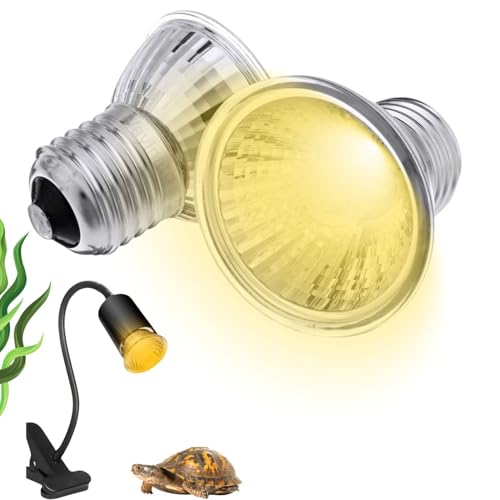
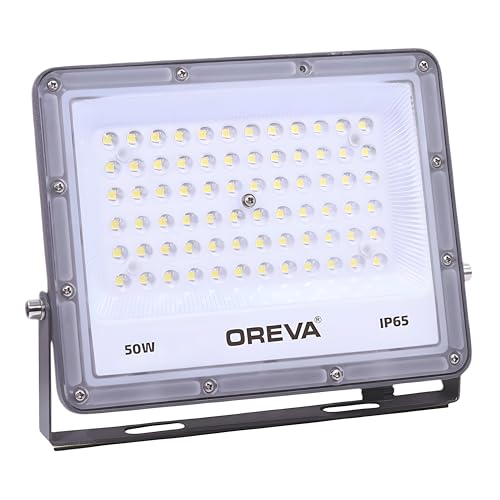
⚙️ How LED and Halogen Lamps Work
Understanding the basic difference makes the rest of this comparison much easier.
💡 LED
Electricity → Semiconductor → Light
LEDs use a semiconductor to generate light efficiently.
🔥 Halogen
Electricity → Heated Filament → Light + Significant Heat
The tungsten filament becomes extremely hot and emits light.
🧠 Why This Matters
The two technologies don’t simply produce light differently.
They also behave differently in terms of:
- Energy use
- Heat
- Lifespan
- Replacement frequency
- Operating cost
And that’s where the LED advantage becomes pretty obvious.
💡 1. Energy Efficiency
If there’s one category where LED absolutely dominates halogen, it’s energy efficiency.
LED lamps generally produce comparable amounts of useful light while consuming significantly less electricity than traditional halogen lighting.
🔋 Why LEDs Use Less Energy
LEDs convert a larger proportion of the electrical energy they consume into visible light.
Halogen lamps rely on a heated filament, which means substantial energy is released as heat.
Example
A modern LED may produce a similar amount of light to a much higher-wattage halogen lamp.
The exact comparison depends on the specific products, but the general principle remains:
Similar light output ≠ similar electricity consumption.
🏆 Winner: LED
If you’re concerned about electricity consumption, LED is the obvious choice.

🔆 2. Brightness & Light Output
One common mistake is comparing lighting based purely on watts.
Watts measure energy consumption, not how much visible light a lamp produces.
For brightness, look at lumens.
💡 Lumens
Lumens indicate the amount of visible light produced by a source.
So when comparing an LED and halogen lamp, ask:
“How many lumens does each produce?”
rather than:
“Which one has more watts?”
🔥 Halogen
Halogen lamps can produce bright, crisp illumination and have traditionally been used for directional lighting.
💡 LED
LEDs can also provide very bright illumination while using substantially less electricity.
🏆 Winner: LED
Not because halogen can’t be bright but because LEDs can deliver strong light output with much lower energy consumption.
🌡️ 3. Colour Temperature & Light Quality
This is where things become more interesting.
A lamp can be energy-efficient and still feel unpleasant if the light doesn’t suit your room.
🌡️ Colour Temperature
Colour temperature is typically expressed in Kelvin (K).
In broad terms:
Lower Kelvin → Warmer appearance 🟡
Higher Kelvin → Cooler appearance ⚪
🛋️ Warm Light
Warm light can create a cosy atmosphere.
Great for:
- Living rooms
- Bedrooms
- Dining rooms
- Relaxation areas
💻 Neutral/Cooler Light
Can work well for:
- Home offices
- Workspaces
- Kitchens
- Detailed tasks
🔥 Halogen’s Advantage
Halogen lighting has traditionally been associated with a warm, natural-looking appearance and strong colour rendering.
💡 LED’s Advantage
Modern LED lamps offer a much wider range of colour temperatures and colour-rendering options.
So you’re no longer limited to the stereotypical “blue-white LED.”
🏆 Winner: Tie
Halogen: Excellent familiar light quality.
LED: Much greater choice and flexibility.



⏳ 4. Lifespan
This is another major difference.
💡 LED
LED lamps generally have a much longer rated life than halogen lamps.
Depending on the product, an LED can last many times longer than a comparable halogen source.
That means fewer replacements over the life of the fixture.
🔥 Halogen
Halogen bulbs have a significantly shorter operating life.
If a lamp is used frequently, you’ll need to replace the bulb more often.
🏆 Why Lifespan Matters
A bulb that lasts longer means:
- Fewer replacements
- Less maintenance
- Less interruption
- Lower replacement costs
- Less waste
🏆 Winner: LED
This one isn’t particularly close.

🔥 5. Heat Output
This is one of the biggest practical differences between the two.
💡 LED
LED lamps generally produce much less heat at the light-emitting surface than halogen lamps.
They can still become warm because LEDs and their electronics generate some heat, but the overall behaviour is very different from a hot filament.
🔥 Halogen
Halogen lamps operate at very high temperatures.
The bulb and surrounding fixture can become extremely hot during operation.
Why This Matters
Heat can be particularly relevant when:
- 🛏️ Used near beds
- 🪵 Positioned near furniture
- 🧺 Used around textiles
- 🏠 Installed in enclosed fixtures
- 👶 Used in homes with children or pets
⚠️ Safety Reminder
Never touch a hot halogen bulb immediately after switching it off.
And always follow the fixture manufacturer’s installation and clearance instructions.
🏆 Winner: LED
Lower operating heat makes LED the more practical choice for most home environments.
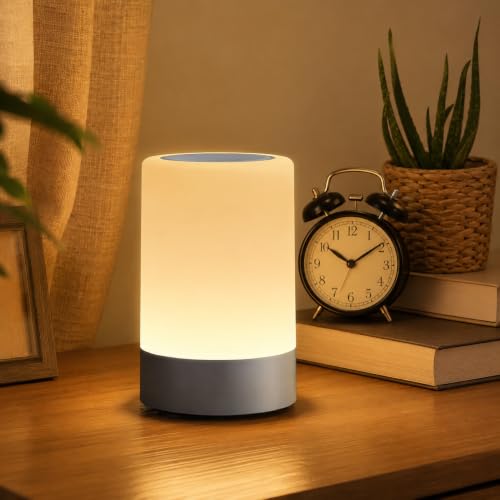
💰 6. Running Cost
This is where looking only at the purchase price can be misleading.
A halogen bulb may appear inexpensive initially, but the total cost of ownership includes more than the price you pay at checkout.
You should consider:
Purchase price + electricity + replacement bulbs
💡 LED
Higher-quality LEDs may cost more initially, but their lower electricity consumption and longer lifespan can reduce the overall operating cost.
🔥 Halogen
Halogen bulbs can be inexpensive to buy, but they generally consume more electricity and require more frequent replacement.
🧮 Simple Example
Imagine two lamps providing a similar amount of light:
LED → lower electricity use + longer lifespan
Halogen → higher electricity use + shorter lifespan
Over months and years of regular use, that difference can add up.
🏆 Winner: LED
Especially if the lamp is used every day.
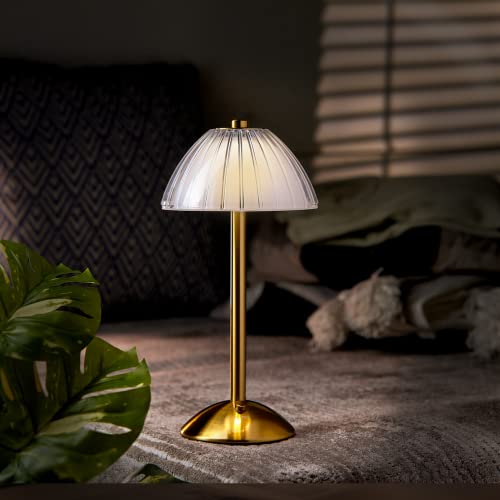
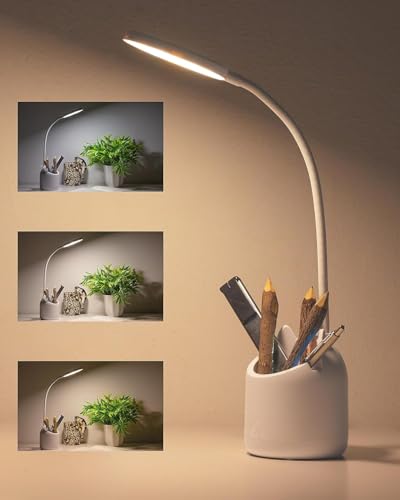

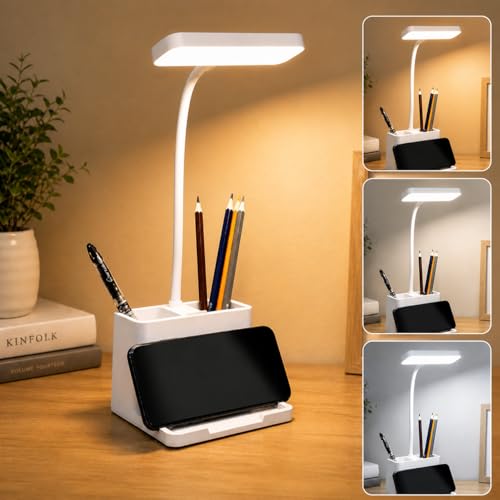
🔥 7. Dimming Performance
Dimming is one area where halogen lamps have traditionally had an advantage.
Halogen bulbs work naturally with many conventional dimmer systems, allowing you to smoothly adjust the light from bright to soft.
LEDs can also be dimmable, but there’s an important catch:
Not every LED bulb is compatible with every dimmer. 💡
🔥 Halogen Dimming
Halogen lamps generally offer:
- Smooth dimming
- Familiar dimmer compatibility
- Warm light that becomes even warmer as it dims
- Excellent control for ambience
That last point is particularly appealing in living rooms and dining spaces.
💡 LED Dimming
Modern dimmable LEDs can perform extremely well, but you need to check compatibility between:
LED bulb + fixture + dimmer
An incompatible combination can result in:
- Flickering
- Buzzing
- Limited dimming range
- Sudden shut-off
- Uneven brightness
🏆 Winner: Halogen for Simplicity
If you’re working with an older conventional dimming setup, halogen may be easier.
If you’re installing new lighting, however, a properly compatible dimmable LED can provide excellent performance while using much less electricity.
🌱 8. Environmental Impact
If you’re trying to make your home a little more energy-conscious, LED has another major advantage.
💡 LEDs
Their lower electricity consumption means they generally require less energy to operate over their lifetime.
Their longer lifespan also means fewer replacement bulbs.
🔥 Halogen
Halogen lamps typically consume more electricity for comparable light output and need replacing more frequently.
That means their overall energy and material footprint can be less favourable.
♻️ What About Disposal?
Don’t simply assume every lamp or bulb belongs in your regular household waste.
Disposal requirements can vary depending on the product and local rules, so check your local recycling or waste-management guidance.
🏆 Winner: LED
For everyday residential lighting, LED is generally the more energy-efficient and longer-lasting option.

🏡 9. Design & Compatibility
This category is closer than you might expect.
Both LED and halogen sources can be used in a huge range of fixtures, but LED gives you more flexibility when shopping for new lighting.
💡 LED Options
You can find LEDs in:
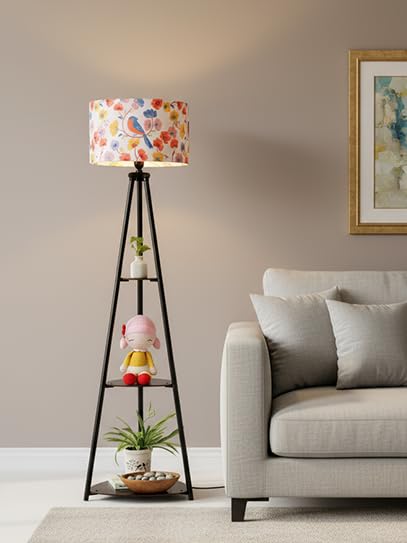
- Floor lamps
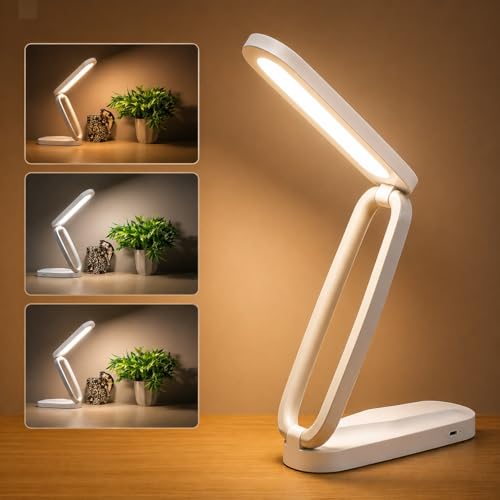
- Table lamps
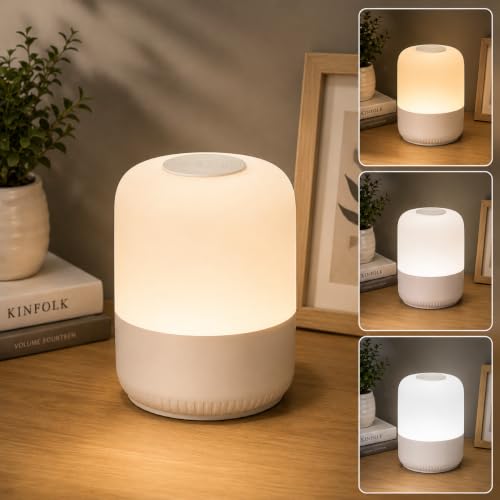
- Pendant fixtures
- Recessed lighting
- Track lights
- Wall lights
- Decorative bulbs
- Smart lamps
- Under-cabinet lighting
They are also available in a huge range of shapes and colour temperatures.
🔥 Halogen Options
Halogen lighting remains available for certain fixtures and applications, particularly where compact directional lighting or existing compatibility is important.
However, the market has increasingly shifted toward LED.
🏆 Winner: LED
For someone buying a new lamp today, LED generally gives you more options.
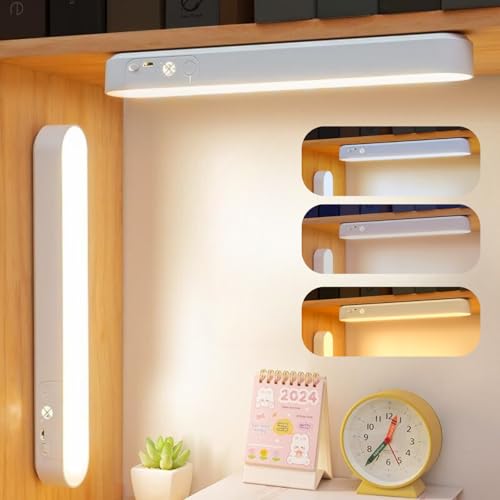
🏠 10. Best Uses Around the Home
The “best” lighting technology can change depending on where you’re using it.
Let’s break it down room by room. 💡✨
🛋️ Living Room
🥇 Recommended: LED
Living rooms often use lighting for several purposes:
- Relaxing
- Watching TV
- Reading
- Entertaining
- General ambience
A dimmable warm-white LED can handle these different situations particularly well.
🔥 When Halogen Can Work
If you already have a halogen fixture and love its light quality, there may be little reason to replace it immediately if it is still functioning safely.
But for a new purchase, LED is usually the more practical choice.
🛏️ Bedroom
🥇 Recommended: LED
LED is particularly useful in bedrooms because you can choose warm colour temperatures and lower brightness levels for a softer atmosphere.
Look For:
- Warm white
- Dimmability
- Low-glare design
- Convenient controls
🔥 Halogen?
It can provide lovely warm light, but its heat output and higher energy consumption make it less attractive for everyday bedroom lighting.
📚 Reading Corner
🥇 Recommended: LED
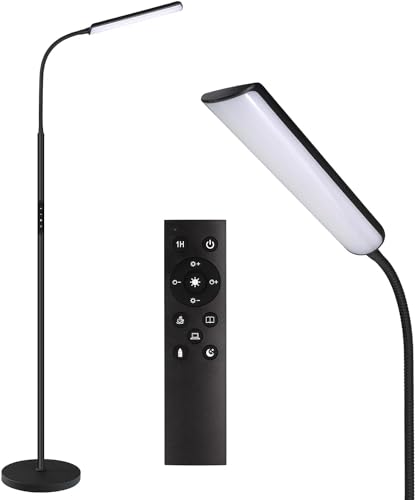
A good LED reading lamp can provide bright, focused illumination without consuming as much energy as a comparable halogen lamp.
Look for:
- Adjustable head
- Suitable brightness
- Good colour rendering
- Appropriate colour temperature
💡 Important
Don’t choose a reading lamp purely by wattage.
Look at lumens and the actual optical design of the fixture.
💻 Home Office
🥇 Recommended: LED
This is an easy LED win.
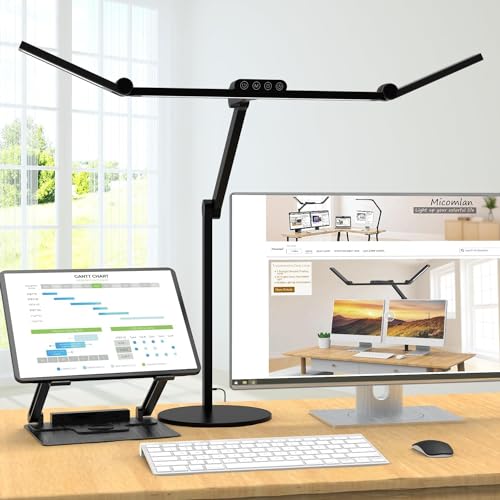
A modern LED lamp can provide efficient, focused lighting for working while giving you more choices in colour temperature and brightness.
Look For:
- Adjustable direction
- Comfortable brightness
- Low glare
- Good colour rendering
- Dimming if useful
And if you’re staring at a screen for eight hours, please don’t position a bare, extremely bright bulb directly in your field of view. Your eyes have filed enough complaints already. 😂
🍽️ Dining Room
🥇 Recommended: LED
A warm, dimmable LED can work beautifully over a dining area.
You can use brighter lighting while eating or preparing food and reduce the brightness later for a more relaxed atmosphere.
🔥 Halogen
Halogen can produce beautiful warm illumination here, particularly in decorative fixtures.
But LED gives you the same general flexibility with much lower energy consumption.
🍳 Kitchen
🥇 Recommended: LED
Kitchens benefit from bright, efficient lighting.
LEDs are particularly useful for:
- Under-cabinet lighting
- Ceiling fixtures
- Pendant lights
- Task lighting
Why?
You can get strong illumination without the unnecessary heat associated with halogen.
🌡️ LED vs Halogen: Heat Comparison
Heat deserves its own section because it can influence where and how you use a lamp.
| Factor | 💡 LED | 🔥 Halogen |
|---|---|---|
| Heat at light source | Lower | Very high |
| Energy converted to heat | Lower | High |
| Fixture temperature | Generally lower | Can become very hot |
| Suitable near heat-sensitive materials | Better* | Requires more care |
| Cooling requirements | Product-dependent | Important |
| Touch after operation | Still requires caution | Extremely hot |
*Always follow the manufacturer’s installation, clearance and safety requirements.
💡 Important
“LEDs don’t produce heat” is a common misconception.
They do produce heat, particularly at the electronics and semiconductor junction.
The difference is that their operating characteristics are much more efficient than a filament lamp, and the bulb doesn’t need to reach the extremely high filament temperatures associated with halogen lighting.
🔆 LED vs Halogen: Brightness Explained
Let’s clear up one more common misconception.
❌ “A 60W bulb is brighter than a 40W bulb.”
Not necessarily.
Watts tell you how much electrical power the lamp consumes.
✅ Lumens Tell You About Light Output
When comparing lighting products, look at:
Lumens = light output
Watts = energy consumption
This is particularly important when comparing LED and halogen.
An LED can produce a similar amount of light to a higher-wattage halogen source while consuming considerably less power.
🏆 Buying Tip
When shopping, compare:
Lumens + colour temperature + beam angle + fixture design
rather than simply comparing wattage.
🎨 Colour Rendering: Does Halogen Still Have an Advantage?
This is one area where halogen deserves some credit.
Halogen lighting has traditionally offered excellent colour rendering, meaning colours can appear natural and vivid under the light.
Modern LEDs have improved enormously in this area.
However, not all LEDs are created equal.
💡 If Colour Accuracy Matters
Look for the lamp’s CRI (Colour Rendering Index) rating.
A higher CRI generally indicates that colours are rendered more accurately under the light source.
For spaces where colour appearance matters such as:
- 🎨 Art
- 👗 Dressing areas
- 🛋️ Interior décor
- 💄 Vanity areas
- 📸 Photography
it’s worth paying attention to colour rendering rather than choosing based only on brightness.
🏆 Verdict
Halogen: Naturally excellent colour rendering.
LED: Excellent options are available, but quality varies by product.
⏳ Lifespan and Replacement Frequency
Let’s talk about the part nobody enjoys:
Changing bulbs. 😂
💡 LED
A quality LED can last dramatically longer than a traditional halogen bulb.
That means less time spent:
- Buying replacements
- Climbing ladders
- Opening fixtures
- Hunting for the correct bulb
🔥 Halogen
Halogen bulbs generally have shorter rated lives.
If you use them frequently, replacements can become a regular maintenance task.
🏆 Winner: LED
For convenience alone, LED is difficult to beat.
💰 Initial Cost vs Long-Term Cost
Here’s where things get interesting.
A halogen bulb may sometimes have a lower purchase price.
That doesn’t automatically make it the cheaper choice.
Think about the full equation:
🧮 Total Cost of Ownership
Purchase cost + electricity cost + replacement cost
LED usually performs better because it combines:
Lower energy consumption + longer lifespan
Example Scenario
Imagine a lamp used several hours every day.
Even if the LED bulb costs more initially, its lower power consumption can reduce electricity costs over time.
And because it lasts longer, you may also buy fewer replacement bulbs.
🏆 Winner: LED
Especially for frequently used lamps.
🔋 Energy Efficiency in Everyday Use
Let’s make this practical.
Suppose you’re choosing a lamp for a room where the light is switched on every evening.
With halogen:
More electricity → more heat → more frequent replacement
With LED:
Less electricity → lower operating cost → longer service life
That difference becomes increasingly meaningful the more frequently you use the lamp.
🏆 Best for Daily Use: LED
If a lamp is switched on for only a few minutes occasionally, the difference may be less noticeable.
But for lighting used every day for several hours, LED’s efficiency becomes much more valuable.
💡 Are Halogen Lamps Still Worth Buying?
Yes but with an important qualification.
Halogen isn’t automatically a bad lighting technology.
It can still make sense when:
- You already own a compatible fixture
- You specifically prefer its light quality
- You need a particular compact halogen format
- You have a dimming system that works particularly well with it
- The fixture has a specific compatibility requirement
However, if you’re starting from scratch and buying new household lighting, LED will usually be the more sensible choice.
🛋️ LED vs Halogen for Floor Lamps
Since we’re talking about lamps, let’s bring this back to floor lamps specifically.
💡 LED Floor Lamp
Excellent for:
- Reading
- Living rooms
- Bedrooms
- Home offices
- Daily use
- Energy-conscious households
🔥 Halogen Floor Lamp
Can be attractive for:
- Traditional lighting setups
- Certain older fixtures
- People who prefer halogen’s characteristic light
- Specific directional lighting applications
🏆 Our Pick: LED
For a new floor lamp, we’d generally choose LED.
It’s more efficient, runs cooler and requires less frequent replacement.
📊 LED vs Halogen: Detailed Comparison
| Feature | 💡 LED | 🔥 Halogen | Winner |
|---|---|---|---|
| Energy efficiency | Excellent | Poorer | 💡 LED |
| Lifespan | Very long | Shorter | 💡 LED |
| Heat output | Lower | Very high | 💡 LED |
| Running cost | Lower | Higher | 💡 LED |
| Colour rendering | Excellent options | Excellent | 🤝 Tie |
| Warm light | Available | Naturally warm | 🤝 Tie |
| Dimming | Very good when compatible | Excellent | 🔥 Halogen |
| Product variety | Excellent | More limited | 💡 LED |
| Replacement frequency | Low | Higher | 💡 LED |
| Initial cost | Can be higher | Often lower | 🔥 Halogen |
| Long-term value | Excellent | Moderate | 💡 LED |
| Smart lighting options | Excellent | Limited | 💡 LED |
| Everyday home use | Excellent | Good | 💡 LED |
| Heat-sensitive environments | Better* | Requires more care | 💡 LED |
| Overall | 🏆 Excellent | Good | 💡 LED |
*Always follow fixture and manufacturer safety requirements.
❤️ Pros and Cons
💡 LED Lamps
| Reasons to Buy ❤️ | What We Don’t Like ⚠️ |
|---|---|
| Excellent energy efficiency | Quality varies between products |
| Very long lifespan | Some models cost more initially |
| Lower operating cost | Poorly matched dimmers can cause issues |
| Lower heat output than halogen | Some cheap LEDs have poor colour quality |
| Huge variety of designs | Electronics can eventually fail |
| Many colour temperatures | Specifications need checking |
| Excellent for everyday use | Not every LED is dimmable |
🔥 Halogen Lamps
| Reasons to Buy ❤️ | What We Don’t Like ⚠️ |
|---|---|
| Excellent colour rendering | High energy consumption |
| Warm, familiar light | Very high operating temperature |
| Smooth traditional dimming | Shorter lifespan |
| Instant full brightness | Higher long-term running cost |
| Compact bulb formats | More frequent replacement |
| Works with many older systems | Less attractive for energy-conscious use |
🛒 What to Look for When Buying LED Lamps
If you’ve decided to go with LED, don’t stop at “LED” on the packaging.
There are several specifications worth checking.
💡 Lumens
This tells you about light output.
🔋 Wattage
Shows electrical power consumption.
🌡️ Colour Temperature
Choose the light appearance that suits the room.
🎨 CRI
Higher-quality colour rendering can make a noticeable difference.
🎚️ Dimming Compatibility
Check whether the LED is actually dimmable and whether your dimmer supports it.
🔌 Base Type
Make sure the bulb fits your fixture.
📐 Beam Angle
Particularly important for directional lamps and spotlights.
⏳ Rated Life
Compare the expected operating life.
💡 Fixture Compatibility
Some integrated LED fixtures don’t use replaceable bulbs, so check what happens if the LED component eventually fails.
🔥 What to Look for When Buying Halogen Lamps
If you’re intentionally choosing halogen, pay attention to:
🔥 Heat Management
Ensure the fixture has appropriate ventilation and clearance.
💡 Wattage
Higher wattage means greater energy consumption and heat.
🔌 Base Type
Match the bulb to the fixture.
🎚️ Dimmer Compatibility
One of halogen’s strengths is its broad compatibility with conventional dimming systems, but the specific fixture should still be checked.
🧱 Fixture Materials
Because halogen operates at high temperatures, use it only with fixtures designed for the bulb.
🛡️ Safety
Follow manufacturer instructions regarding installation, handling and clearances.
⚠️ Common Mistakes When Choosing Between LED and Halogen
❌ Choosing Based Only on Price
A cheaper bulb isn’t necessarily cheaper over its lifetime.
❌ Comparing Watts Instead of Lumens
Brightness and energy consumption are different things.
❌ Assuming Every LED Is Dimmable
Always check.
❌ Assuming Every LED Has the Same Colour Quality
LED quality varies significantly.
❌ Ignoring Heat
Halogen bulbs can become extremely hot.
❌ Using an Incompatible Dimmer
This can cause LED flickering or poor performance.
❌ Forgetting the Fixture
Check compatibility before buying replacement bulbs.
❌ Buying the Wrong Colour Temperature
A very cool light can feel harsh in a cosy bedroom.
❌ Ignoring Usage Frequency
The more frequently you use a lamp, the more valuable LED’s efficiency becomes.
🧠 The Simple Decision Rule
Still confused?
Use this:
💡 Choose LED If You Want:
Lower energy use + long lifespan + lower running costs + less heat + more choice
🔥 Choose Halogen If You Specifically Want:
Traditional warm light + familiar dimming + compatibility with an existing setup
For most people buying new household lighting in 2026, however:
🏆 LED Is the Sensible Default.
It’s simply the better all-rounder for everyday home use. 💡🏡✨
🏆 LED vs Halogen: Which One Should You Choose?
After comparing LED vs halogen lamps across energy efficiency, brightness, colour quality, lifespan, heat, dimming, running cost and everyday usability, the winner for most homes is pretty clear:
💡 LED Wins Overall
Halogen still has a few things going for it, particularly its familiar warm light, excellent colour rendering and straightforward dimming. But for everyday residential lighting, LED offers a much stronger combination of efficiency, longevity, flexibility and long-term value.
And the difference becomes even more noticeable when a lamp is used every day.
🥇 Best Overall: LED
If you’re buying a new lamp or replacing an old bulb, LED should generally be your first choice.
Why?
💡 Uses less electricity
⏳ Lasts much longer
🔥 Produces less heat than halogen
💰 Costs less to operate over time
🎨 Available in many colour temperatures
🎚️ Dimmable options are widely available
🏡 Works across almost every room
📱 Available in smart-lighting versions
For most households, there’s simply little reason to choose a less efficient technology for everyday lighting.
🥈 Best for Traditional Light Quality: Halogen
Halogen still deserves credit where it’s due.
If you’ve used halogen lighting before, you’ll know it can produce a warm, crisp and familiar quality of light.
It’s also traditionally been very straightforward to dim.
Halogen May Still Make Sense If:
- 🔥 You already own a compatible fixture
- 🎨 You particularly like its light quality
- 🎚️ You rely on a conventional dimming system
- 💡 You need a specific halogen bulb format
- 🏡 You’re maintaining an existing lighting setup
But if you’re buying something completely new, the advantages are harder to justify against LED’s lower operating costs and longer lifespan.
🏠 Best Choice by Room
| Room | Best Choice | Why |
|---|---|---|
| 🛋️ Living Room | 💡 LED | Efficient + versatile |
| 🛏️ Bedroom | 💡 LED | Warm, dimmable options |
| 📚 Reading Corner | 💡 LED | Efficient focused lighting |
| 💻 Home Office | 💡 LED | Excellent task-lighting options |
| 🍳 Kitchen | 💡 LED | Bright + efficient |
| 🍽️ Dining Room | 💡 LED | Dimmable ambience |
| 🚪 Entryway | 💡 LED | Low maintenance |
| 🎨 Art Display | 💡 LED* | Many colour-quality options |
| 🏡 Existing Halogen Fixture | 🔥 Halogen / compatible replacement | Depends on fixture |
*For artwork and colour-critical applications, check the LED’s colour-rendering specifications.
💡 LED vs Halogen for Different Priorities
Sometimes the easiest way to choose is to forget the technology for a second and think about what you actually care about.
🔋 Want to Save Energy?
LED 🏆
💰 Want Lower Long-Term Costs?
LED 🏆
⏳ Hate Changing Bulbs?
LED 🏆
🔥 Want Less Heat?
LED 🏆
🎨 Want Excellent Colour Rendering?
Both can be excellent, depending on the specific product.
🎚️ Want Simple Traditional Dimming?
Halogen has the edge.
🌡️ Want Different Colour Temperatures?
LED 🏆
📱 Want Smart Controls?
LED 🏆
🏡 Buying a New Lamp?
LED 🏆
🧮 Why LED Can Save Money Over Time
Let’s look beyond the price tag.
Imagine you’re buying a lamp that you use for several hours every day.
The initial bulb price is only one part of the equation.
Your Real Cost Is:
Purchase Price + Electricity + Replacement Cost
A halogen bulb may cost less upfront, but it generally consumes more electricity and has a shorter operating life.
An LED may cost more initially but can make up for that through:
Lower energy consumption + fewer replacements.
💡 The More You Use It, the More It Matters
For a lamp switched on only occasionally, the difference may not be dramatic.
For a lamp that’s on every evening?
That’s where LED’s efficiency becomes much more meaningful. 💰✨
🔥 Why Halogen Gets So Hot
This is one of the biggest differences between the two technologies.
Halogen lamps use a tungsten filament, which needs to become extremely hot to produce light.
That means the bulb itself can become dangerously hot during operation.
⚠️ Keep This in Mind
Avoid placing halogen fixtures too close to:
- Curtains
- Bedding
- Paper
- Fabric
- Other heat-sensitive materials
And don’t touch a recently operated halogen bulb.
Seriously.
Don’t test it. 😂🔥
Follow the fixture manufacturer’s instructions for clearances, ventilation and handling.
💡 Are LED Lamps Completely Cool?
No.
This is an important distinction.
You may hear people say:
“LEDs don’t produce heat.”
That’s not technically correct.
LEDs do generate heat, particularly around their electronics and semiconductor components.
The important difference is that they don’t rely on an extremely hot filament to create light like halogen does.
That’s why LED fixtures generally operate with much lower heat at the light-emitting source.
🎚️ Are LED Lamps Good for Dimming?
Yes but you need the right combination of components.
A dimmable LED can provide excellent control.
You can move from:
☀️ Bright
Perfect for reading or working.
🌤️ Medium
Great for everyday activities.
🌙 Soft
Ideal for relaxing in the evening.
But make sure the:
LED + fixture + dimmer
are compatible.
⚠️ Signs of Compatibility Problems
An unsuitable combination may cause:
- Flickering
- Buzzing
- Limited dimming
- Sudden shut-off
- Uneven brightness
If dimming is important to you, check the manufacturer’s compatibility information before purchasing.
🌡️ Choosing the Right Colour Temperature
One of the biggest advantages of modern LED lighting is choice.
You don’t have to settle for a single type of white light.
🟡 Warm White
Great for:
- 🛋️ Living rooms
- 🛏️ Bedrooms
- 🍽️ Dining rooms
- 🌙 Evening ambience
Creates a cosy, relaxed atmosphere.
⚪ Neutral White
Useful for:
- 💻 Home offices
- 📚 Reading
- 🍳 Kitchens
- 🧹 Utility areas
Provides a more balanced appearance.
🔵 Cooler White
Can work for:
- Work-focused environments
- Certain modern interiors
- Areas where crisp illumination is preferred
But use it carefully in spaces where you want a warm, relaxing atmosphere.
🎨 What About CRI?
If you’ve never paid attention to CRI, now is a good time.
CRI stands for Colour Rendering Index.
It describes how accurately a light source renders colours compared with a reference light source.
Why Does CRI Matter?
Imagine you have:
🎨 Artwork
🌿 Plants
🛋️ Colourful furniture
👗 Clothing
💄 Makeup
The quality of the light can influence how those colours appear.
💡 Buying Tip
If colour accuracy is important to you, look for LED products with a good CRI rating rather than choosing based only on brightness.
A bright lamp with poor colour rendering isn’t automatically a good lamp.
🛒 LED Buying Checklist
Before purchasing an LED lamp or bulb, check these specifications.
☑️ Lumens
How much light does it produce?
☑️ Wattage
How much electrical power does it consume?
☑️ Colour Temperature
Warm, neutral or cool?
☑️ CRI
How accurately does it reproduce colours?
☑️ Dimmability
Is it compatible with your dimmer?
☑️ Base Type
Does it fit your fixture?
☑️ Beam Angle
Important for directional lighting.
☑️ Rated Life
How long is it expected to operate?
☑️ Fixture Compatibility
Especially important for integrated LED fixtures.
☑️ Warranty
A longer warranty can provide additional confidence when comparing similar products.
🔥 Halogen Buying Checklist
If you’ve decided that halogen is still right for your particular setup, check:
☑️ Correct Bulb Type
Make sure it matches the fixture.
☑️ Wattage
Don’t exceed the fixture’s rated limit.
☑️ Heat Clearance
Follow the manufacturer’s requirements.
☑️ Dimmer Compatibility
Check your existing dimming system.
☑️ Fixture Rating
Make sure the fixture is designed for halogen operation.
☑️ Handling
Follow appropriate handling instructions and avoid touching the bulb unnecessarily.
⚠️ 8 Mistakes to Avoid
❌ 1. Comparing Only the Purchase Price
Look at long-term operating cost.
❌ 2. Comparing Watts Instead of Lumens
Watts measure power consumption, not brightness.
❌ 3. Buying Any LED for a Dimmer
Check compatibility.
❌ 4. Assuming All LEDs Look the Same
Colour temperature and CRI can vary considerably.
❌ 5. Ignoring Heat
Especially important with halogen.
❌ 6. Choosing the Wrong Colour Temperature
Cool light may not create the cosy atmosphere you’re looking for.
❌ 7. Ignoring the Fixture
Bulb and fixture compatibility matters.
❌ 8. Buying Based Only on “Energy Saving”
Look at the complete specifications and actual intended use.
🏡 Should You Replace Your Existing Halogen Lamps?
This depends.
If your halogen lamp is working perfectly and you use it occasionally, there’s no need to panic and throw it away tomorrow.
But when the bulb needs replacing or when you’re buying new lighting LED is generally the more sensible direction.
Consider Switching to LED If:
- Your lamp is used frequently
- Electricity consumption matters
- You’re replacing bulbs regularly
- The lamp produces excessive heat
- You want dimming or smart features
- You want more colour-temperature choices
You May Keep Halogen If:
- You love the light
- The fixture has specific compatibility requirements
- You rarely use it
- Your existing setup works well for you
🔍 Research Methodology
For this LED vs Halogen Lamps guide, we compared both lighting technologies based on the factors that matter most for everyday residential use.
Our evaluation considered:
- 🔋 Energy efficiency
- 💡 Light output
- 🎨 Colour rendering
- 🌡️ Colour temperature
- ⏳ Rated lifespan
- 🔥 Heat output
- 💰 Operating cost
- 🎚️ Dimming
- 🔌 Compatibility
- 🏡 Room suitability
- 🧹 Maintenance
- ♻️ Long-term practicality
We also considered how each technology performs in common home applications such as living rooms, bedrooms, kitchens, dining spaces, reading corners and home offices.
Rather than treating LED as automatically superior in every possible situation, we looked at where halogen still has useful characteristics and where LED provides the stronger overall value.
🏆 Final Verdict: LED vs Halogen
After everything we’ve compared, our recommendation is straightforward:
💡 Choose LED for Most Homes.
LED offers the strongest combination of:
Energy efficiency + lifespan + lower heat + flexibility + long-term value.
Halogen still has a place for specific applications, particularly when its characteristic light quality or traditional dimming behaviour is important.
But if you’re standing in a store today thinking:
“I’m buying a completely new lamp. Which technology should I choose?”
Our answer is:
💡 LED.
It’s the practical choice for everyday lighting.
📊 Final Scorecard
| Category | LED 💡 | Halogen 🔥 | Winner |
|---|---|---|---|
| Energy efficiency | ⭐⭐⭐⭐⭐ | ⭐⭐ | 💡 LED |
| Lifespan | ⭐⭐⭐⭐⭐ | ⭐⭐ | 💡 LED |
| Heat management | ⭐⭐⭐⭐⭐ | ⭐⭐ | 💡 LED |
| Running cost | ⭐⭐⭐⭐⭐ | ⭐⭐ | 💡 LED |
| Colour quality | ⭐⭐⭐⭐⭐ | ⭐⭐⭐⭐⭐ | 🤝 Tie |
| Colour flexibility | ⭐⭐⭐⭐⭐ | ⭐⭐⭐ | 💡 LED |
| Dimming simplicity | ⭐⭐⭐⭐ | ⭐⭐⭐⭐⭐ | 🔥 Halogen |
| Product variety | ⭐⭐⭐⭐⭐ | ⭐⭐⭐ | 💡 LED |
| Smart features | ⭐⭐⭐⭐⭐ | ⭐ | 💡 LED |
| Daily home use | ⭐⭐⭐⭐⭐ | ⭐⭐⭐ | 💡 LED |
| Existing fixture compatibility | ⭐⭐⭐⭐ | ⭐⭐⭐⭐⭐ | 🔥 Halogen |
| Overall value | ⭐⭐⭐⭐⭐ | ⭐⭐⭐ | 💡 LED |
❤️ The Bottom Line
If you want lighting that is:
💡 Efficient
⏳ Long-lasting
💰 Cost-effective
🔥 Lower heat
🎨 Flexible
🏡 Easy to use
then LED is the clear winner.
If you specifically love the warm character of halogen or have an existing fixture that works beautifully with it, there’s still a reason to keep using it.
But for a new home lighting purchase, LED is where we’d put our money.
Sometimes the boringly practical choice really is the best one. 😂💡
❓ Frequently Asked Questions
Is LED better than halogen?
For most home lighting applications, yes. LED lamps generally offer much better energy efficiency, longer lifespan, lower operating costs and lower heat output than halogen lamps.
Which is cheaper to run, LED or halogen?
LED is generally cheaper to run because it consumes significantly less electricity for comparable light output and typically lasts much longer.
Which lasts longer, LED or halogen?
LED lamps generally have a much longer rated lifespan than halogen bulbs, meaning they need to be replaced less frequently.
Are halogen lamps brighter than LEDs?
Not necessarily. Brightness should be compared using lumens rather than wattage. A properly designed LED can provide similar or greater light output while using considerably less electricity.
Do LED lamps produce heat?
Yes. LEDs still generate heat, particularly within their electronic components, but they generally operate much more efficiently than halogen lamps and don’t rely on an extremely hot filament.
Why do halogen bulbs get so hot?
Halogen lamps produce light by heating a tungsten filament to a very high temperature. As a result, the bulb and surrounding fixture can become extremely hot.
Are LED lamps dimmable?
Many are, but not all. If dimming is important, choose a dimmable LED and verify that it is compatible with your dimmer and fixture.
Do halogen bulbs dim better than LEDs?
Halogen bulbs traditionally offer very straightforward dimming with conventional systems. LEDs can also dim very well when the bulb, fixture and dimmer are properly matched.
Which has better colour quality, LED or halogen?
Halogen has traditionally been known for excellent colour rendering. Modern LEDs can also offer excellent colour quality, particularly models with higher CRI ratings.
Are LED lamps available in warm white?
Yes. Modern LEDs are available in a wide range of colour temperatures, including warm white options suitable for bedrooms and living rooms.
Which is better for a bedroom?
LED is generally the better choice because you can select warm colour temperatures and dimmable options while using less energy.
Which is better for reading?
LED is generally the better choice for a new reading lamp because it offers efficient, focused lighting and a wide range of colour temperatures and brightness levels.
Which is better for a living room?
A warm, dimmable LED lamp is usually the most practical choice for a living room because it can provide both useful illumination and comfortable ambience.
Should I replace all my halogen bulbs with LEDs?
Not necessarily immediately. If existing halogen fixtures are working well and are rarely used, you may choose to keep them. When replacing bulbs or purchasing new lighting, however, LED is generally the more efficient option.
Are LED bulbs more expensive than halogen bulbs?
Some LED bulbs have a higher upfront purchase price, but their lower electricity consumption and longer lifespan can make them more economical over time.
Which uses more electricity, LED or halogen?
Halogen generally uses considerably more electricity for comparable light output. LED is substantially more energy-efficient.
Are halogen bulbs being replaced by LED?
LED has become the dominant choice for many modern residential lighting applications because of its efficiency, lifespan and flexibility.
Can I use an LED bulb in a halogen fixture?
Sometimes, but not universally. You must check the fixture’s specifications, bulb type, physical fit, voltage and compatibility before making the switch.
Which is better for the environment?
LED generally has the advantage because of its lower energy consumption and longer lifespan. Disposal and recycling should still be handled according to local requirements.
Is LED always better?
Not in every individual situation. Halogen can still be useful when specific light characteristics, dimming behaviour or existing fixture compatibility are important. For most new household lighting, however, LED offers the stronger overall package.
🔗 Related Articles
- 💡 Best Floor Lamps: 10 Stylish Picks for Every Home
→ Directly relevant to LED vs halogen lighting, especially when discussing floor lamps, brightness, energy efficiency, and everyday use. - 🏡 Home Lighting Guide: How to Light Every Room
→ A strong companion article covering LED lighting, colour temperature, lumens, task lighting, ambient lighting, and choosing the right light for each room. - 🏠 Empty Wall Decorating Ideas: 15 Stylish Ways to Transform Blank Walls
→ Relevant to accent lighting, wall lighting, artwork illumination, and using lighting to enhance blank walls. - 🪞 Best Decorative Mirrors: 10 Stylish Picks for Every Home
→ Connects naturally with lighting and reflective surfaces, particularly when discussing how lighting can enhance mirrors and room décor. - ✨ Mirror Placement Tips: 15 Easy Ways to Style Your Home
→ Useful for sections discussing light reflection, mirror placement, and making rooms appear brighter.