
Glass vs Plastic Containers: Which One Should You Choose?
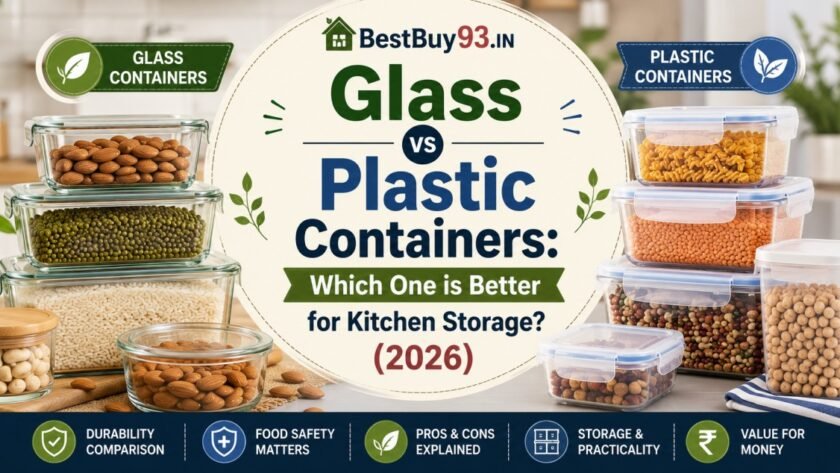
When it comes to organizing your kitchen, one question comes up again and again Glass vs Plastic Containers, which one is actually better?
Whether you’re storing rice, flour, pulses, sugar, spices, snacks, coffee, or leftovers, the type of container you choose plays a huge role in keeping your food fresh and your kitchen organized. Many homeowners compare Glass vs Plastic Containers because both offer unique advantages, but the right choice depends on your lifestyle, storage needs, and budget.
Glass containers are often praised for their premium look, durability, and ability to resist stains and odors. Plastic containers, especially BPA-free options, are lightweight, affordable, and easy to stack, making them a favorite for busy families.
So, when comparing Glass vs Plastic Containers, which one wins?
The answer isn’t as simple as choosing one over the other. Some households prefer glass for pantry essentials and leftovers, while others rely on plastic containers for everyday convenience. Understanding the strengths and limitations of both materials will help you make a smarter buying decision.
In this detailed Glass vs Plastic Containers comparison, we’ll examine everything from food safety and durability to cleaning, storage capacity, portability, and value for money.
To create this guide, we compared dozens of storage containers based on:
- Material quality
- Food safety
- Durability
- Airtight sealing performance
- Ease of cleaning
- Customer reviews
- Value for money
- Suitability for Indian kitchens
By the end of this article, you’ll know whether Glass vs Plastic Containers are the better choice for your kitchen and in many cases, why using both together may be the smartest solution.
Let’s dive in!
Glass vs Plastic Containers at a Glance
| Feature | Glass Containers | Plastic Containers |
|---|---|---|
| Durability | ⭐⭐⭐⭐⭐ | ⭐⭐⭐⭐☆ |
| Weight | Heavy | Lightweight |
| Food Safety | Excellent | Very Good (BPA-Free) |
| Microwave Safe | Yes | Depends on the container |
| Freezer Safe | Yes | Depends on the material |
| Stain Resistance | ⭐⭐⭐⭐⭐ | ⭐⭐⭐⭐☆ |
| Odor Resistance | ⭐⭐⭐⭐⭐ | ⭐⭐⭐⭐☆ |
| Stackability | ⭐⭐⭐⭐☆ | ⭐⭐⭐⭐⭐ |
| Budget | Premium | Affordable |
What Are Glass Containers?
Glass containers are food storage containers made from durable materials such as borosilicate or tempered glass. They are widely used for storing dry groceries, leftovers, spices, snacks, and pantry essentials because they don’t absorb odors, stains, or food colors.
When comparing Glass vs Plastic Containers, glass is often considered the premium option due to its durability and long lifespan.
Most modern glass containers come with airtight lids, making them suitable for storing:
- Rice
- Flour
- Sugar
- Tea
- Coffee
- Dry fruits
- Cereals
- Spices
- Leftovers
Many glass containers are also microwave-safe (without the lid), freezer-safe, and dishwasher-safe, making them extremely versatile.
Advantages of Glass Containers
🥣 Doesn’t Absorb Odors
One of the biggest advantages in the Glass vs Plastic Containers debate is that glass doesn’t retain strong food smells.
Even after storing coffee, spices, garlic, or pickles, glass remains odor-free after washing.
🎨 Stain Resistant
Unlike many plastic containers, glass doesn’t become discolored after storing turmeric, curry, tomato gravy, or other strongly colored foods.
🔥 Microwave Friendly
Most glass containers can safely go from the refrigerator to the microwave (without the lid), making reheating food quick and convenient.
🌿 Eco-Friendly
Glass is recyclable and lasts for years, making it an environmentally friendly storage option.
✨ Premium Appearance
Transparent glass containers give kitchens a clean, elegant, and organized look while allowing you to easily identify stored ingredients.
Drawbacks of Glass Containers
Although glass has many benefits, there are a few limitations.
- Heavier than plastic containers
- More expensive
- Can break if dropped
- Less convenient for travel or lunch boxes
What Are Plastic Containers?
Plastic containers are among the most commonly used food storage solutions in Indian kitchens. Modern BPA-free plastic containers are lightweight, durable, and available in a wide range of sizes and shapes.
In the Glass vs Plastic Containers comparison, plastic stands out for its affordability, portability, and space-saving design.
Most high-quality plastic containers feature airtight lids and modular shapes that make pantry organization much easier.
They’re commonly used for storing:
- Rice
- Flour
- Pulses
- Sugar
- Snacks
- Dry fruits
- Cereals
- Biscuits
- Kitchen essentials
Because they’re lightweight, plastic containers are especially useful for families, children, and everyday kitchen use.
Advantages of Plastic Containers
🪶 Lightweight
One of the biggest advantages of plastic containers is how easy they are to lift, carry, and handle even when filled with groceries.
💰 Budget-Friendly
Plastic containers are generally much more affordable than glass, making them a practical choice for large pantry setups.
📦 Excellent Stackability
Most plastic storage containers feature modular designs that maximize cabinet and pantry space.
They’re ideal for:
- Small kitchens
- Modular kitchens
- Apartment living
- Pantry shelves
🛡️ Durable for Daily Use
Unlike glass, plastic containers won’t shatter if accidentally dropped, making them a safer choice for households with children.
🎒 Easy to Carry
Plastic containers are perfect for lunch boxes, travel, picnics, and outdoor use because of their lightweight construction.
Drawbacks of Plastic Containers
While plastic offers many practical benefits, there are a few things to consider.
- Lower-quality plastic may stain over time.
- Some containers can retain strong food odors.
- Not every plastic container is microwave-safe.
- Cheap plastic may warp when exposed to high temperatures.
- Always choose food-grade, BPA-free plastic for safe food storage.
Detailed Comparison: Glass vs Plastic Containers
Choosing between Glass vs Plastic Containers depends on what you value most durability, convenience, affordability, or long-term food storage.
Let’s compare Glass vs Plastic Containers feature by feature so you can decide which one suits your kitchen best.
1. Durability
Durability is one of the biggest deciding factors when comparing Glass vs Plastic Containers.
Glass Containers
Glass containers, especially borosilicate glass, are highly resistant to scratches, stains, and everyday wear.
They maintain their appearance for years and don’t lose their transparency easily.
However, they can break if dropped on a hard surface.
Plastic Containers
Modern BPA-free plastic containers are durable enough for daily use and are less likely to break if accidentally dropped.
However, over time they may develop scratches or become slightly cloudy.
🏆 Winner: Glass Containers
2. Food Safety
Food safety is another important consideration in the Glass vs Plastic Containers debate.
Glass Containers
Glass is naturally non-reactive.
It doesn’t absorb chemicals, odors, or flavors and won’t react with acidic foods like tomato sauce or lemon juice.
Plastic Containers
High-quality BPA-free plastic containers are considered safe for food storage.
However, it’s important to avoid exposing low-quality plastic to excessive heat.
🏆 Winner: Glass Containers
3. Weight
Weight matters, especially if you frequently move containers around the kitchen.
Glass Containers
Glass is considerably heavier, particularly when storing bulk groceries like rice or flour.
Plastic Containers
Plastic containers are lightweight and easy to carry, making them ideal for daily kitchen use.
🏆 Winner: Plastic Containers
4. Portability
When comparing Glass vs Plastic Containers, portability is where plastic clearly shines.
Glass Containers
Suitable for home use but less convenient for travel or lunch boxes.
Plastic Containers
Perfect for:
- School lunch
- Office meals
- Picnics
- Travel
- Outdoor dining
🏆 Winner: Plastic Containers
5. Microwave Compatibility
Heating food safely is an important factor.
Glass Containers
Most glass containers are microwave-safe (without the lid), making reheating quick and convenient.
Plastic Containers
Only microwave-safe BPA-free plastic containers should be heated.
Always check the manufacturer’s instructions.
🏆 Winner: Glass Containers
6. Freezer Compatibility
Can they safely store frozen food?
Glass Containers
Most premium borosilicate glass containers can safely be placed in the freezer.
Plastic Containers
Many plastic containers are freezer-safe, but not all.
Always verify product specifications before use.
🏆 Winner: Tie
7. Cleaning & Maintenance
Keeping containers clean helps maintain food hygiene.
Glass Containers
Glass doesn’t retain stains or odors and can usually be cleaned effortlessly.
Plastic Containers
Plastic containers are easy to wash but may retain food color or strong smells over time.
🏆 Winner: Glass Containers
8. Odor Resistance
This is where the Glass vs Plastic Containers comparison becomes very clear.
Glass Containers
Glass remains odor-free even after storing coffee, garlic, pickles, or spices.
Plastic Containers
Plastic may absorb strong food odors after prolonged use.
🏆 Winner: Glass Containers
9. Stain Resistance
Foods like turmeric and tomato gravy can leave stubborn stains.
Glass Containers
Glass stays crystal clear even after repeated use.
Plastic Containers
Some plastic containers may gradually develop stains despite regular washing.
🏆 Winner: Glass Containers
10. Stackability
Organized kitchens often rely on stackable storage.
Glass Containers
Many glass containers are stackable, although they usually occupy slightly more space due to thicker walls.
Plastic Containers
Plastic containers are often designed with modular shapes that maximize cabinet space.
🏆 Winner: Plastic Containers
11. Pantry Organization
Both materials help create an organized pantry.
Glass Containers
Provide a premium, elegant appearance while making ingredients clearly visible.
Plastic Containers
Offer lightweight, modular storage that’s ideal for everyday kitchen organization.
🏆 Winner: Tie
12. Price Comparison
Budget is often the deciding factor.
| Material | Approximate Price |
|---|---|
| Plastic Containers | ₹300–₹1,500 |
| Glass Containers | ₹700–₹3,000 |
Plastic containers are generally more affordable, especially when purchasing large storage sets.
🏆 Winner: Plastic Containers
13. Value for Money
When comparing Glass vs Plastic Containers, value depends on your priorities.
Glass Containers
Best for:
- Premium kitchens
- Long-term storage
- Leftovers
- Tea & coffee
- Dry fruits
- Stain-free storage
Plastic Containers
Best for:
- Rice
- Flour
- Pulses
- Sugar
- Family kitchens
- Everyday pantry organization
- Budget-conscious buyers
🏆 Winner: Depends on Your Needs
Glass Containers: Pros & Cons
| 👍 Reasons to Buy | 👎 What We Don’t Like |
|---|---|
| Doesn’t absorb odors | Heavier than plastic |
| Highly stain resistant | More expensive |
| Premium appearance | Can break if dropped |
| Microwave-safe | Less portable |
| Eco-friendly and recyclable | Not ideal for travel |
| Long-lasting durability | Needs careful handling |
Plastic Containers: Pros & Cons
| 👍 Reasons to Buy | 👎 What We Don’t Like |
|---|---|
| Lightweight | May stain over time |
| Budget-friendly | Can retain strong odors |
| Easy to stack | Lower-quality plastic may warp |
| Excellent for pantry organization | Not all are microwave-safe |
| Durable for everyday use | Scratches more easily than glass |
| Easy to carry | Premium look is limited |
Which One Should You Buy?
✅ Choose Glass Containers If:
- You prefer premium kitchen storage.
- You frequently reheat food in the microwave.
- You want containers that resist stains and odors.
- You store coffee, spices, dry fruits, or leftovers.
- Long-term durability is your priority.
✅ Choose Plastic Containers If:
- You need lightweight storage.
- You organize bulk groceries like rice, flour, and pulses.
- You have a limited budget.
- You want stackable containers for a modular kitchen.
- You need containers that are easy for everyday family use.
⭐ Our Recommendation
When comparing Glass vs Plastic Containers, the best solution for most Indian homes is to use both.
- 🥣 Use glass containers for leftovers, spices, tea, coffee, dry fruits, and foods that may stain or retain odors.
- 📦 Use BPA-free plastic containers for rice, flour, sugar, pulses, cereals, and other everyday pantry essentials.
This combination gives you the durability of glass and the convenience of plastic while keeping your kitchen organized and practical.
Buying Guide: How to Choose Between Glass vs Plastic Containers
Choosing between Glass vs Plastic Containers isn’t just about appearance. The right storage container should keep food fresh, suit your cooking habits, and fit your kitchen storage needs.
Before buying, consider these important factors.
1. Choose the Right Material
The biggest decision in the Glass vs Plastic Containers comparison is selecting the material that matches your lifestyle.
🥣 Glass Containers
Best for:
- Leftovers
- Tea
- Coffee
- Dry fruits
- Spices
- Pickles
- Premium pantry storage
🥫 BPA-Free Plastic Containers
Best for:
- Rice
- Flour
- Pulses
- Sugar
- Cereals
- Snacks
- Daily pantry storage
If you’re comparing Glass vs Plastic Containers, remember that glass offers premium durability, while plastic offers everyday convenience.
2. Look for Airtight Lids
Regardless of whether you choose glass or plastic, the container should have a reliable airtight seal.
Look for:
- Silicone gasket
- Locking clips
- Snap-lock lids
- Leak-resistant design
A good seal helps keep food fresh while protecting it from moisture, air, and insects.
3. Consider Storage Capacity
Different foods require different container sizes.
Small (250ml–500ml)
Perfect for:
- Tea
- Coffee
- Dry fruits
- Spices
Medium (750ml–1.5L)
Suitable for:
- Sugar
- Lentils
- Cereals
- Snacks
Large (2L–5L)
Ideal for:
- Rice
- Flour
- Atta
- Pulses
- Bulk groceries
Buying a combination of sizes creates a more organized pantry.
4. Think About Weight
Weight becomes important when storing large quantities of groceries.
Glass Containers
Excellent for countertop storage but heavier when filled.
Plastic Containers
Much lighter and easier to lift, especially for everyday cooking.
If portability matters, plastic usually has the advantage in the Glass vs Plastic Containers comparison.
5. Stackability
Modern kitchens benefit from stackable storage.
Choose containers that:
- Stack securely
- Save shelf space
- Fit modular cabinets
- Make pantry organization easier
Plastic containers usually offer more modular designs, while many premium glass containers also stack well.
6. Microwave & Dishwasher Compatibility
Before buying, check whether your containers are:
- Microwave-safe
- Dishwasher-safe
- Freezer-safe
Glass containers generally offer greater versatility, while plastic containers vary depending on the material and manufacturer.
7. Food Safety
Food safety should always be a priority.
For Plastic Containers
Always choose:
- BPA-free
- Food-grade plastic
- Reputed brands
For Glass Containers
Choose:
- Borosilicate glass
- Tempered glass
- Durable airtight lids
High-quality materials ensure safer long-term food storage.
Common Buying Mistakes to Avoid
Avoid these mistakes when choosing between Glass vs Plastic Containers.
❌ Buying Without Measuring Shelf Space
Large containers may not fit inside your kitchen cabinets.
❌ Ignoring Airtight Seal Quality
A weak lid defeats the purpose of buying storage containers.
❌ Choosing Cheap Plastic
Low-quality plastic may stain, warp, or wear out quickly.
Always invest in BPA-free food-grade containers.
❌ Buying Only One Size
A pantry functions much better with a mix of small, medium, and large containers.
❌ Ignoring Stackability
Containers that don’t stack efficiently waste valuable storage space.
❌ Not Checking Microwave Compatibility
Not every plastic container is microwave-safe.
Always verify the manufacturer’s recommendations before heating food.
Why Trust Our Recommendations?
At BestBuy93.IN, we believe practical advice is more valuable than marketing claims.
For this Glass vs Plastic Containers comparison, we evaluated products based on:
- Material quality
- Food safety
- Airtight performance
- Durability
- Ease of cleaning
- Stackability
- Customer reviews
- Value for money
- Long-term usability
- Suitability for Indian kitchens
Instead of recommending one material for every situation, we focus on helping you choose the right option for your kitchen and lifestyle.
Frequently Asked Questions
1. Which is better: Glass or Plastic Containers?
When comparing Glass vs Plastic Containers, glass is better for durability, stain resistance, and food safety, while BPA-free plastic is lighter, more affordable, and ideal for everyday pantry storage.
2. Are glass containers safer than plastic?
Glass is naturally non-reactive and doesn’t absorb odors or stains. High-quality BPA-free plastic is also safe for storing food when used as recommended.
3. Which containers are best for rice and flour?
Large BPA-free plastic containers are usually the better choice because they’re lightweight and easier to handle when filled with bulk groceries.
4. Do glass containers break easily?
Modern borosilicate glass containers are highly durable, but they can still break if dropped on hard surfaces.
5. Can plastic containers be used in the microwave?
Only containers specifically labeled as microwave-safe should be used for heating food.
6. Which containers last longer?
Premium glass containers generally last longer because they resist scratches, stains, and odors better than plastic.
7. Are glass containers worth the extra cost?
Yes, especially if you want premium storage for leftovers, spices, tea, coffee, and dry fruits.
8. Should I buy both glass and plastic containers?
Absolutely. Many households use glass containers for premium storage and BPA-free plastic containers for everyday pantry organization, giving them the best of both worlds.
Final Verdict
The Glass vs Plastic Containers debate doesn’t have a single winner because both materials serve different purposes.
If you want elegant, long-lasting storage that resists stains, odors, and frequent microwave use, glass containers are an excellent investment. They’re ideal for leftovers, spices, tea, coffee, and dry fruits while adding a premium look to your kitchen.
If you’re looking for lightweight, affordable, and practical storage for everyday groceries like rice, flour, sugar, and pulses, BPA-free plastic containers are the smarter choice. They are easier to carry, highly stackable, and perfect for organizing busy family kitchens.
For most Indian households, the ideal solution is to use both. Store everyday pantry staples in plastic containers and reserve glass containers for foods that benefit from stain-resistant, odor-free, and microwave-safe storage. This balanced approach gives you the convenience of plastic and the durability of glass while creating a well-organized, efficient kitchen.
🔗 Related Articles on BestBuy93.IN
Continue organizing your kitchen and home with these helpful guides:
- Best 5 Airtight Containers for Kitchen Storage in India (2026)
- Best Kitchen Storage Containers (Coming Soon)
- Best Pantry Organization Ideas (Coming Soon)
- Kitchen Organization Tips (Coming Soon)
- Best Wardrobe Organizers
- Small Closet Organization Ideas
- Best Handbag Organizers