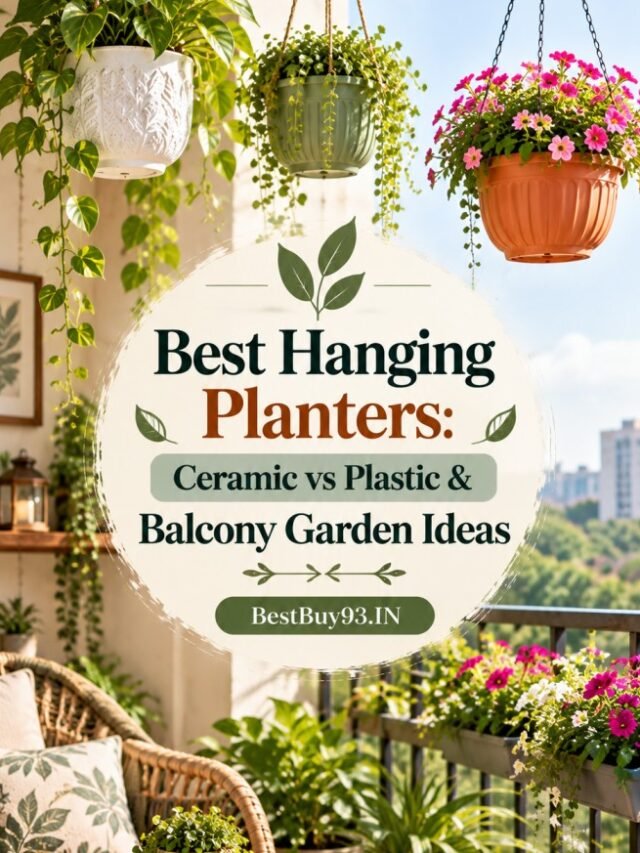
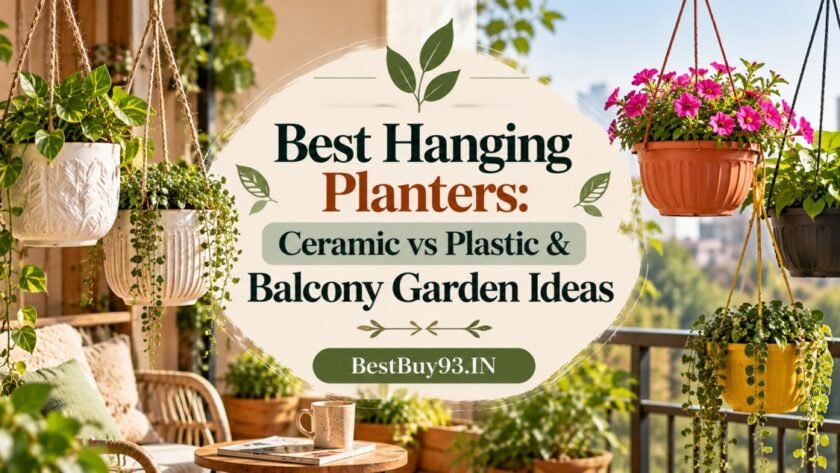

Hanging planters are one of the easiest ways to add greenery to a balcony without giving up valuable floor space. Instead of filling the balcony with pots, you can use vertical space for trailing plants, flowering varieties, herbs and decorative foliage.
But when you’re choosing a hanging planter, one question usually comes up: ceramic or plastic?
Ceramic planters can bring a beautiful, polished look to a balcony, while plastic planters are generally lighter and easier to move. The right choice depends on your balcony, plant type, sunlight, weather exposure and how much maintenance you want.
In this guide, we’ll compare ceramic vs plastic hanging planters, discuss drainage and weight, share balcony garden ideas, and explain which plants work well in hanging containers. 🌿
Also Read | Night Lighting Tips: 15 Easy Ideas
🪴 Why Choose Hanging Planters for a Balcony?
Balconies often have limited floor space. Hanging planters allow you to create a vertical garden while keeping the walking area relatively open.
Some benefits include:
- 🌿 Save floor space by using vertical areas.
- 🏡 Create a greener balcony without filling it with large pots.
- 🌸 Display flowering plants at different heights.
- 🍃 Showcase trailing plants such as pothos and spider plants.
- 🌱 Create layered greenery using different hanging heights.
- ✨ Add decorative appeal to otherwise plain balcony walls and railings.
- 🪴 Experiment with small-space gardening without needing a large terrace.
Nurserylive notes that hanging plants can add vertical greenery to balconies and recommends choosing containers according to plant size, drainage and available light.
🏺 Ceramic vs Plastic Hanging Planters: What’s the Difference?
The material affects more than appearance. It can influence weight, moisture retention, portability and how practical the planter is for your particular balcony.
Here’s a quick comparison:
| Feature | Ceramic Hanging Planter | Plastic Hanging Planter |
|---|---|---|
| Appearance | Premium & decorative | Simple to colourful |
| Weight | Usually heavier | Lightweight |
| Portability | Less convenient | Very easy |
| Moisture retention | Depends on glazing | Generally retains moisture well |
| Balcony use | Best when securely supported | Excellent for lightweight setups |
| Wind exposure | Needs strong mounting | Easier to secure |
| Variety | Stylish designs | Huge variety |
| Maintenance | Easy but can break | Easy and generally impact-resistant |
| Price range | Often higher | Usually budget-friendly |
| Best for | Decorative setups | Practical everyday gardening |
There isn’t one universally better material. The better planter is the one that suits your plant, mounting point and balcony conditions.
Also Read | Best Balcony Furniture Sets: Wooden vs Metal
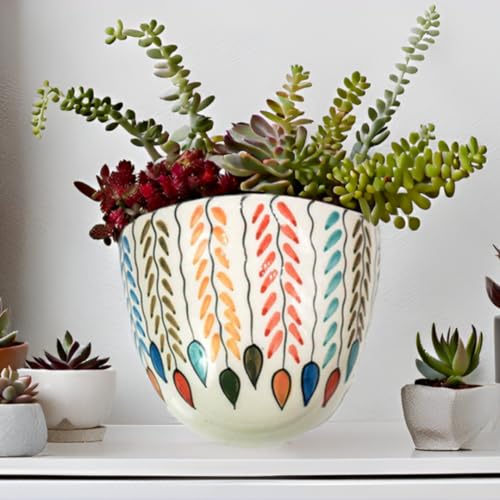
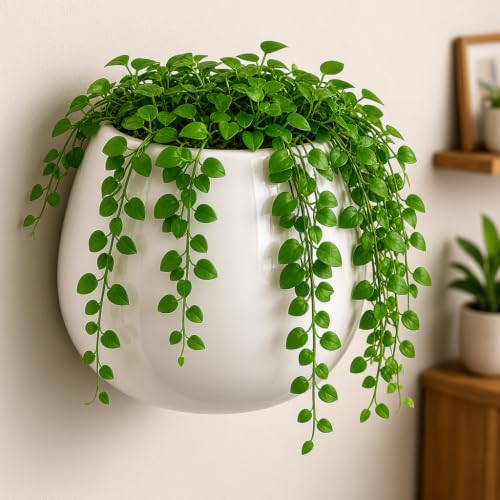
🏺 Ceramic Hanging Planters
Ceramic planters are popular because they can make a balcony feel more like a deliberately designed outdoor room rather than simply a collection of plant pots.
They work particularly well with neutral, earthy and contemporary balcony décor.
Advantages of Ceramic Planters
1. Elegant appearance
Ceramic can instantly add a more decorative element to a plant arrangement. White, beige, terracotta, sage green and charcoal finishes can work beautifully with balcony furniture.
2. Good decorative variety
You can find ceramic planters in:
- Matte finishes
- Glazed finishes
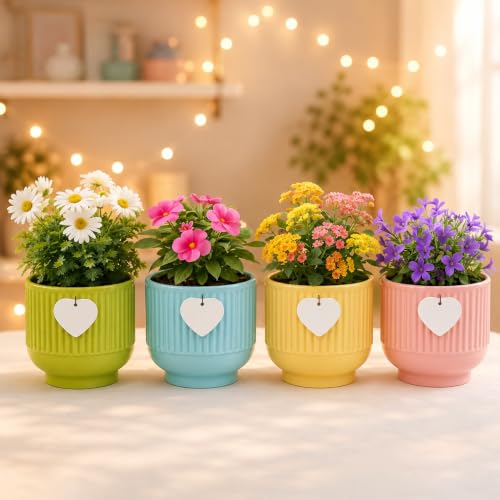
- Ribbed designs
- Geometric shapes
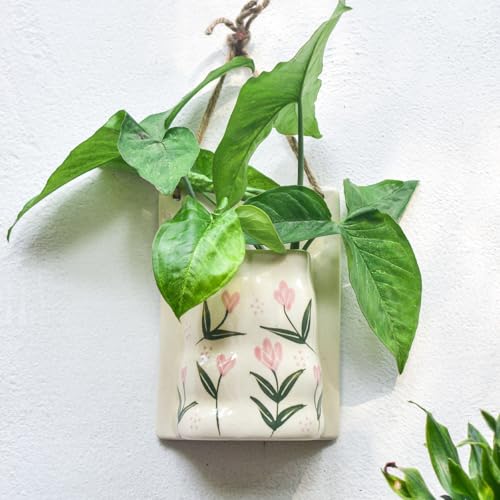
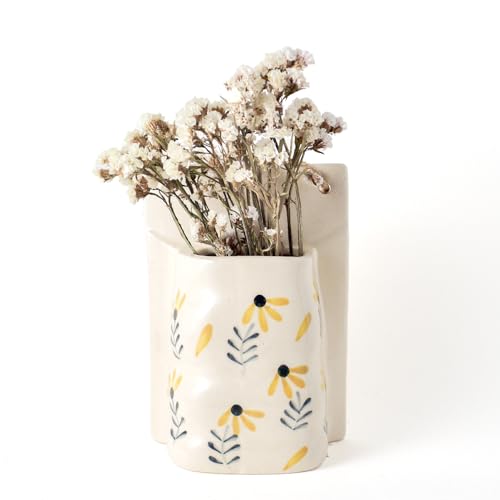
- Hand-painted styles
- Minimal neutral colours
- Textured finishes
3. Works well with indoor-outdoor styling
A ceramic planter can transition visually from a living room or kitchen to a covered balcony.
Nurserylive specifically notes that ceramic planters can be used for hanging plants when the construction and hanging mechanism are sufficiently sturdy.
Disadvantages of Ceramic
The biggest concern is weight.
Once you add:
- Ceramic container
- Potting mix
- Plant
- Water
…the total weight can become considerably higher.
That means the hook, ceiling anchor, railing support or hanging bracket needs to be appropriate for the combined load.
Ceramic can also crack or break if dropped.
Best Use
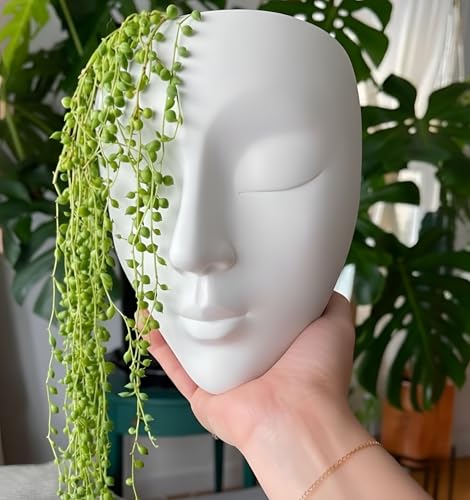
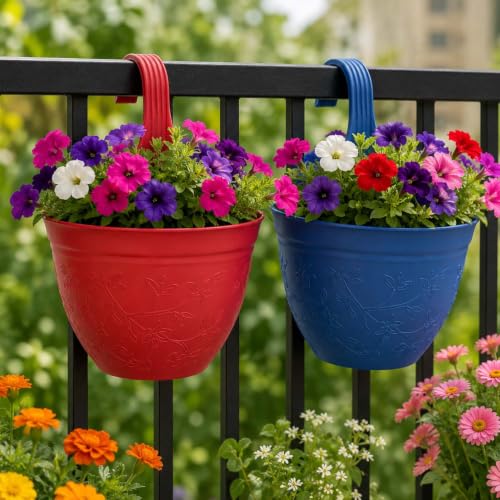
Ceramic hanging planters are particularly attractive for:
- Covered balconies
- Low-wind balconies
- Decorative corners
- Smaller trailing plants
- Premium-looking balcony designs


🪴 Plastic Hanging Planters
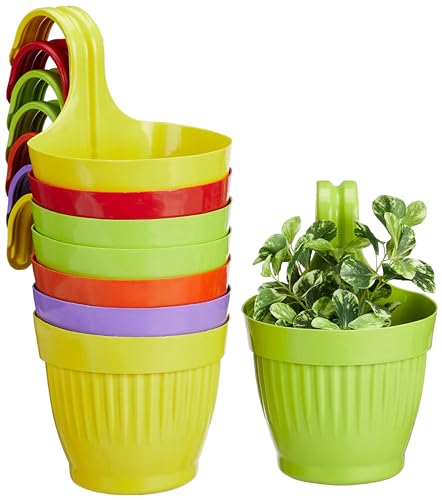
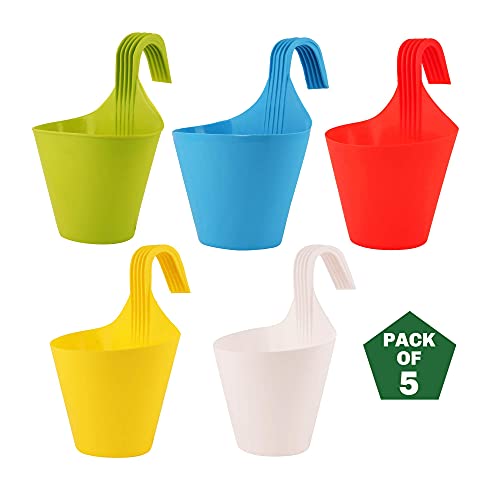
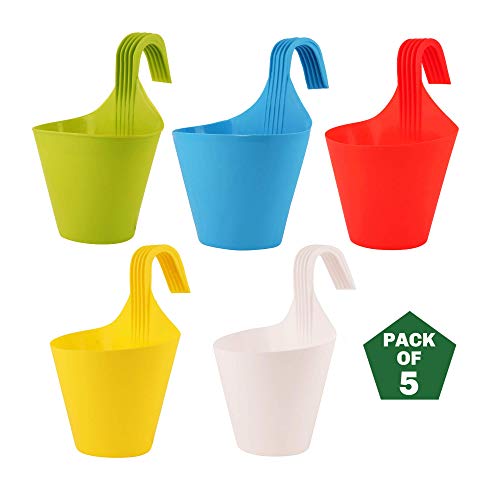
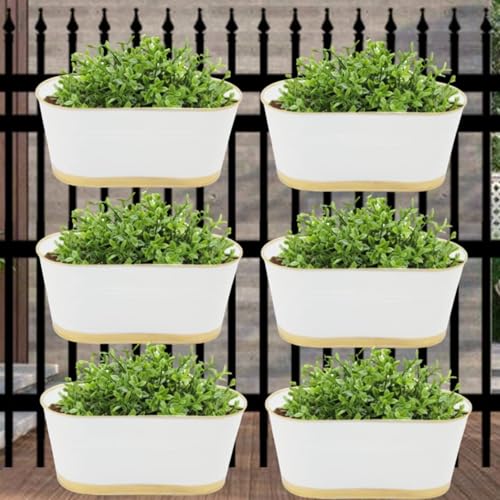
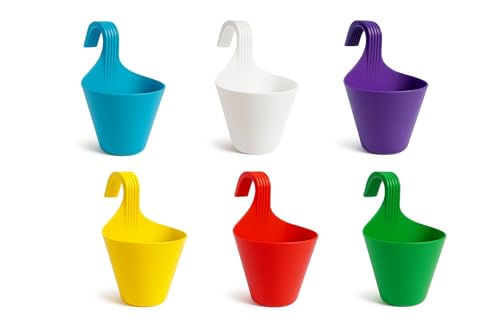
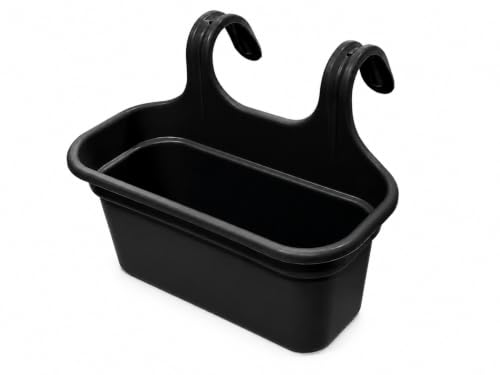
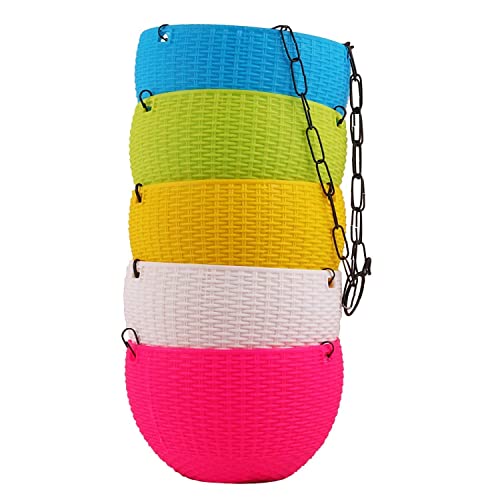
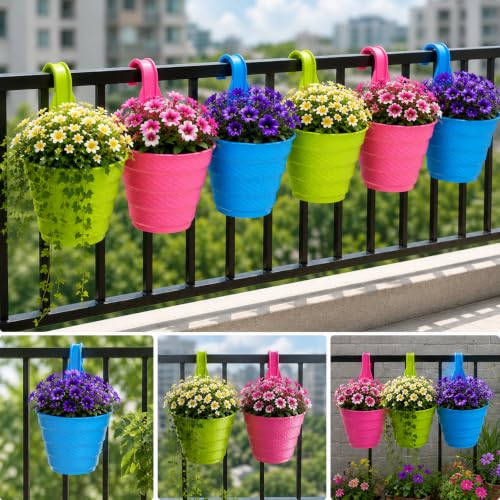
Plastic planters are the practical choice for many balcony gardeners because they’re lightweight, easy to move and available in countless shapes.
They’re particularly useful if you frequently rearrange your plants.
Advantages of Plastic
1. Lightweight
This is one of the biggest advantages.
A lightweight planter is easier to:
- Hang
- Move
- Clean
- Rearrange
- Protect during storms
2. Budget-friendly
Plastic hanging planters are available in many affordable styles, making it easier to create a multi-planter balcony arrangement.
3. Easy to maintain
They’re generally easy to wash and don’t have the same breakage concern as ceramic.
4. Good for vertical gardens
Because the individual containers can be relatively light, you can create multiple hanging points without making the arrangement unnecessarily heavy.
Nurserylive’s planter guidance describes plastic and fibre as lightweight materials that generally retain moisture longer than porous materials.
Disadvantages
Cheap plastic can sometimes look less decorative than ceramic.
Another consideration is prolonged outdoor exposure. For balconies receiving strong sunlight, look for products specifically described as suitable for outdoor use or UV-resistant.
Best Use
Plastic hanging planters are particularly useful for:
- Sunny balconies
- Larger hanging arrangements
- Beginners
- Budget gardens
- Frequent rearrangement
- Multi-pot vertical gardens

⚖️ Ceramic vs Plastic: Which Should You Choose?
Instead of simply asking which material is better, consider where you’re going to use it.
Choose Ceramic If:
- You prioritise aesthetics.
- Your balcony is relatively sheltered.
- The mounting point is strong.
- You want a premium decorative appearance.
- You’re hanging smaller plants.
- You don’t plan to move the planter frequently.
Choose Plastic If:
- Weight is a major concern.
- Your balcony is exposed to wind.
- You want several hanging pots.
- You rearrange your garden frequently.
- You’re gardening on a budget.
- You want an easy-to-maintain setup.
For most practical balcony gardens, lightweight plastic or fibre-style containers can be easier to manage. For a curated decorative balcony, ceramic can add a beautiful finishing touch.
💧 Drainage Is More Important Than Material
A beautiful hanging planter won’t help your plant if excess water cannot escape.
Drainage should be one of your first checks when buying any planter.
Excess water around roots can contribute to root problems, while a pot that drains properly gives you much better control over watering. Nurserylive recommends drainage holes for potted plants and explains that decorative containers without drainage can instead be used as outer covers with a nursery pot inside.
The same principle applies to hanging planters.
Look For:
- Drainage holes
- A secure hanging mechanism
- Appropriate pot size
- A suitable saucer or drip-management solution where necessary
- Lightweight potting mix
If you love a decorative planter that doesn’t have drainage, consider using the double-pot method: keep the plant in a drainage-equipped nursery pot and place that inside the decorative container.
🌧️ Hanging Planters During Monsoon
Indian balconies need special consideration during the monsoon.
Rain can turn a hanging planter into a waterlogged container surprisingly quickly.
Monsoon Tips
🌧️ Don’t water automatically.
Check the soil first.
💧 Make sure drainage holes aren’t blocked.
A drainage hole that is clogged can leave the roots sitting in excess water.
🌱 Use a well-draining potting mix.
Perlite, cocopeat/coir and other suitable components can help improve drainage and aeration.
🌬️ Maintain airflow.
Avoid creating an overcrowded wall of plants where leaves remain wet for long periods.
☔ Move vulnerable plants under shelter when needed.
During very heavy rain, temporary protection can prevent excessive waterlogging.
Recent gardening guidance also recommends checking drainage, improving airflow and using well-draining mixes during periods of heavy rainfall.
🌿 Best Plants for Hanging Planters
The ideal plant depends on your balcony’s sunlight.
🍃 For Bright Indirect Light
Consider:
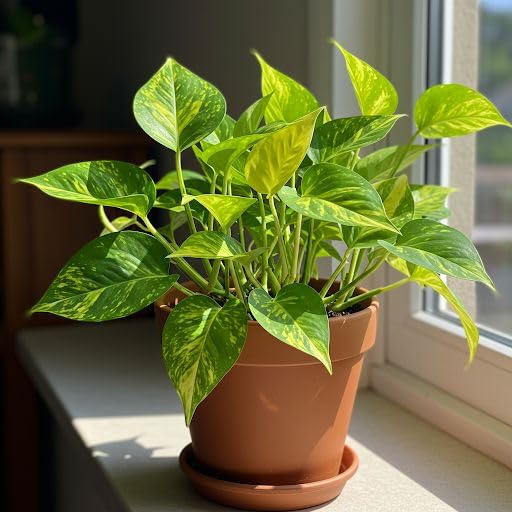
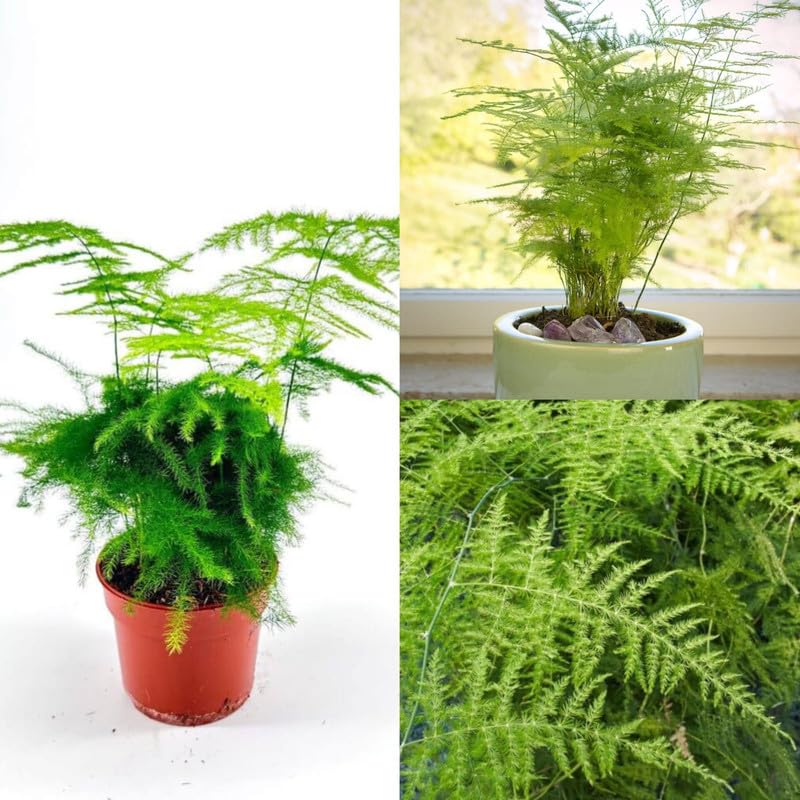
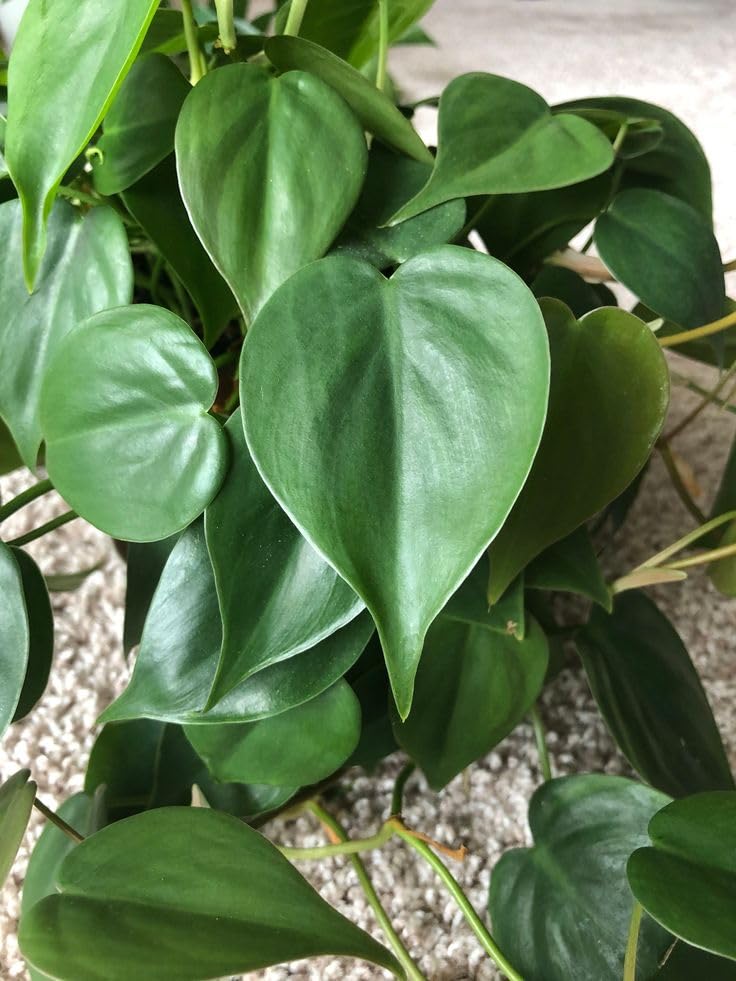
- Money Plant / Pothos
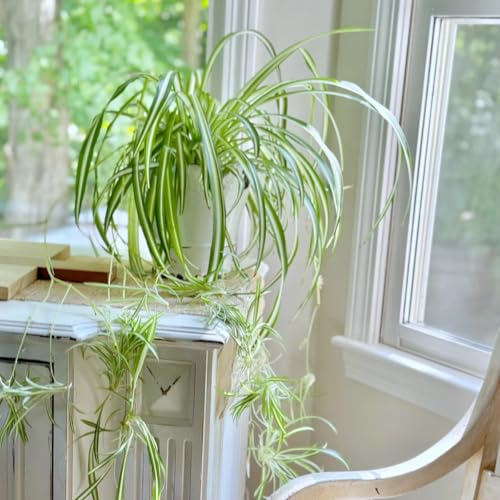
- Spider Plant
- Ferns
- Philodendrons
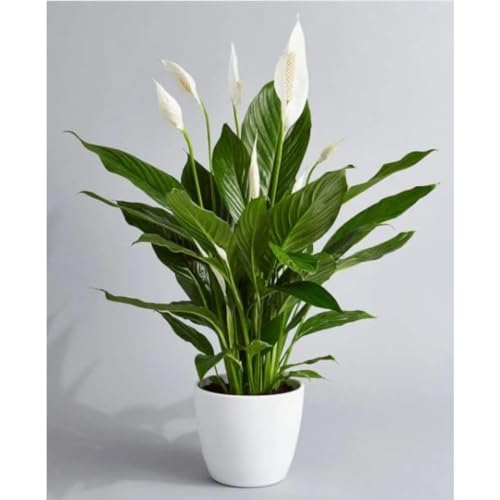
- Peace Lily
These can work nicely in hanging containers where their foliage can cascade downward.
Nurserylive lists pothos, spider plants and ferns among suitable hanging choices, with many hanging plants preferring bright indirect light.
☀️ For Sunny Balconies
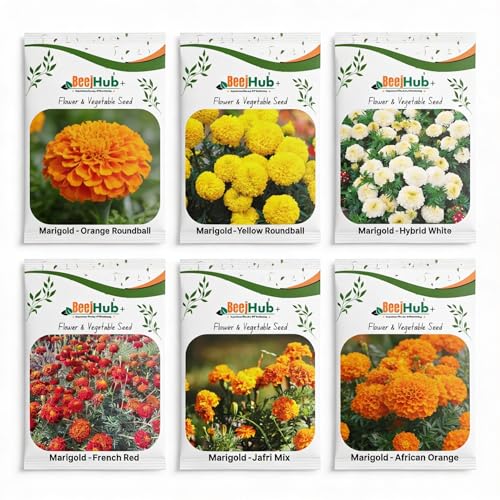
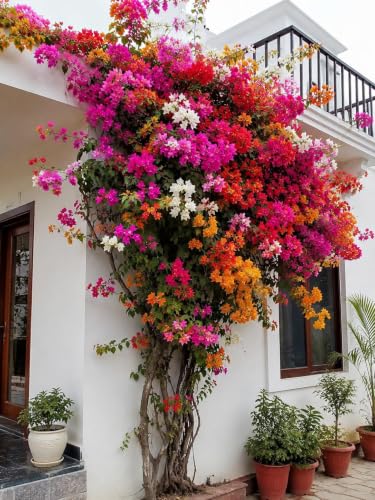
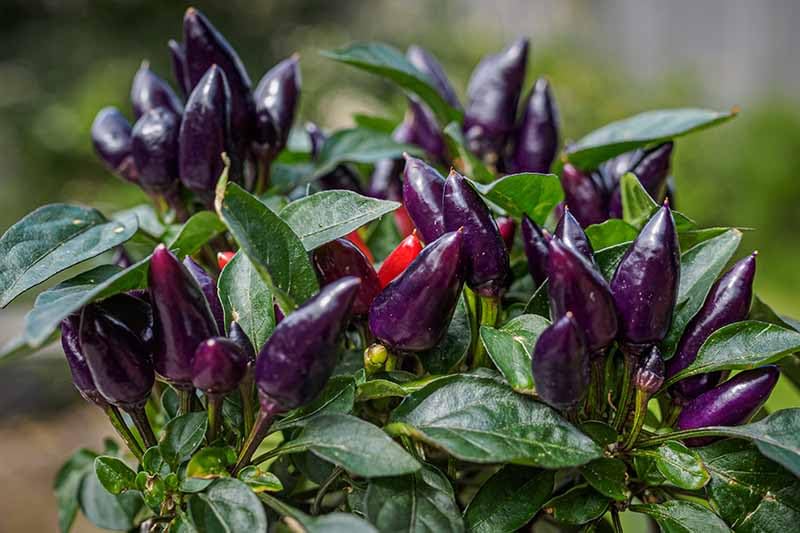
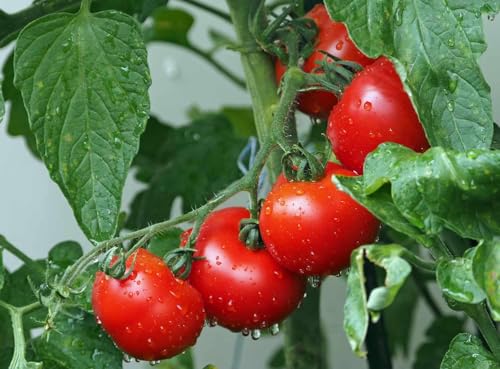
Consider flowering or sun-loving options such as:
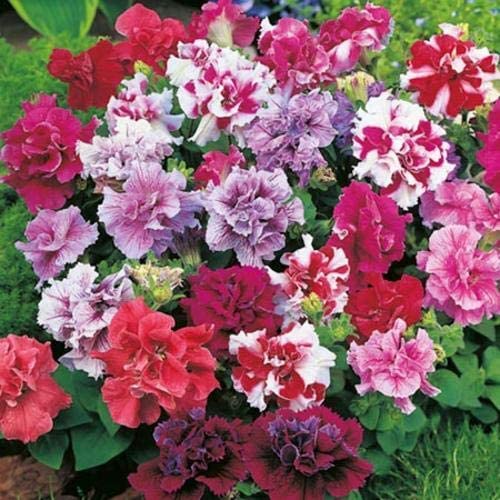
- Petunias
- Marigolds
- Bougainvillea
- Hibiscus
- Chilli
- Tomato
However, sunlight requirements vary by plant, so don’t assume every flowering plant should be placed in direct afternoon sun.
Nurserylive recommends matching plants to the balcony’s actual sunlight exposure and notes that many flowering and edible plants benefit from several hours of sunlight.

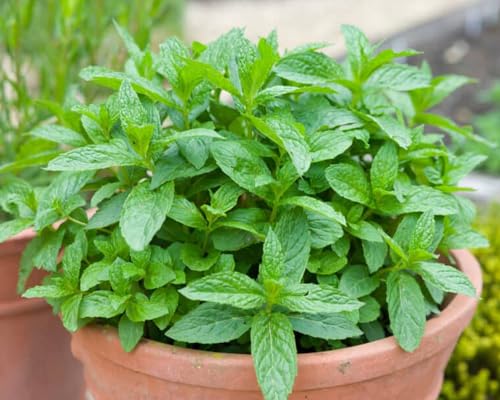
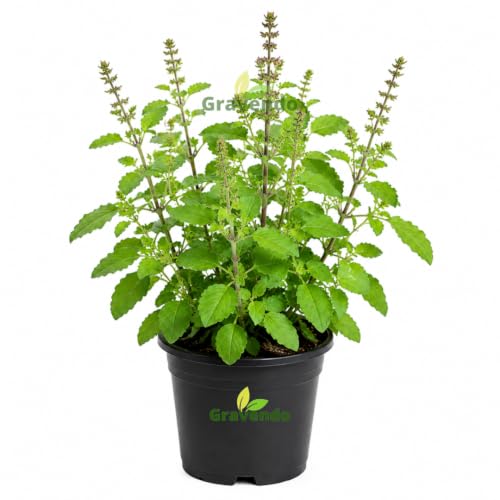
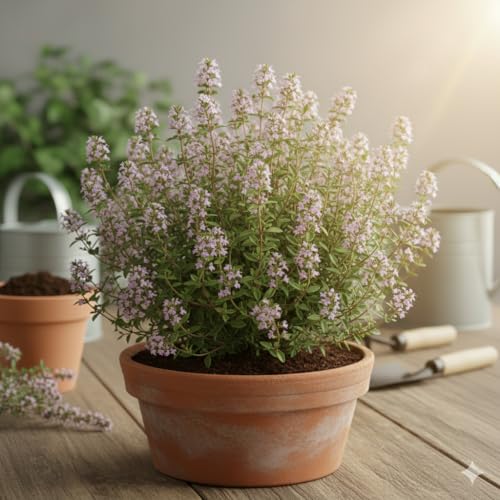
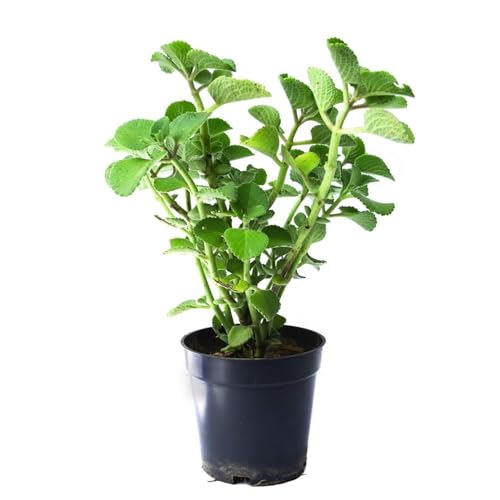
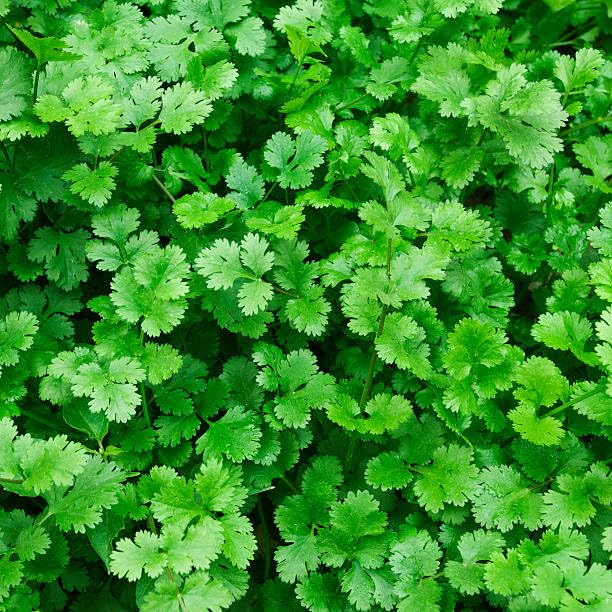
🌿 For Herbs
Hanging planters can also be used for smaller herbs.
Try:
- Mint
- Basil
- Thyme
- Oregano
- Coriander
Mint is particularly vigorous, so keeping it in its own container can make it easier to control.
🏡 10 Balcony Hanging Planter Ideas
Now comes the fun part. 😍
You don’t need a huge balcony to create a beautiful hanging garden.
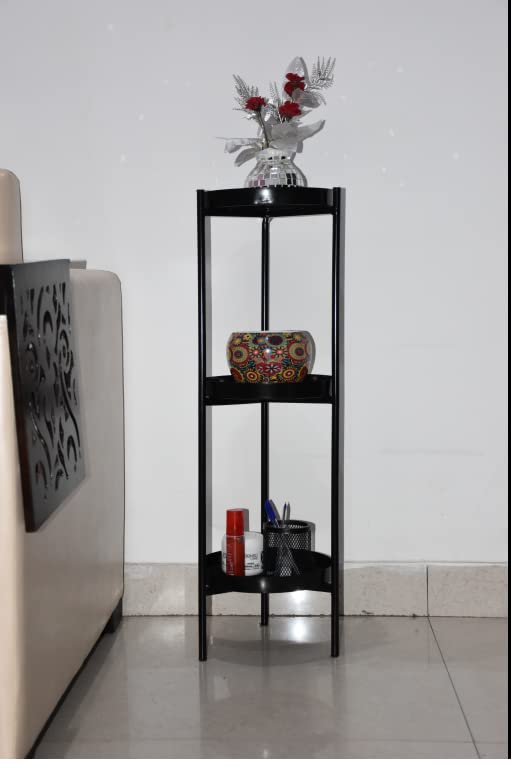
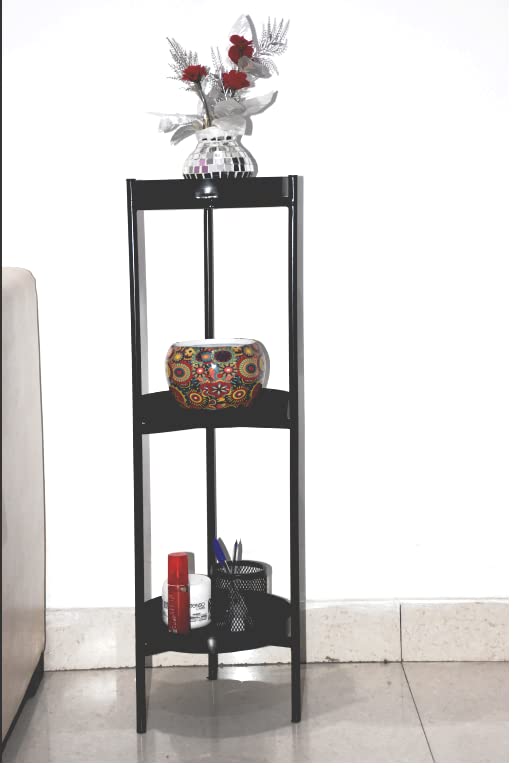
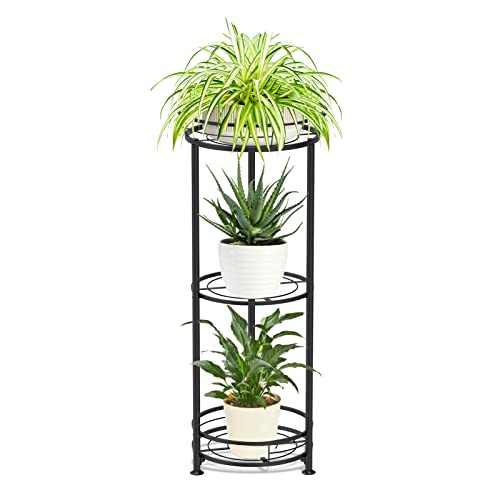
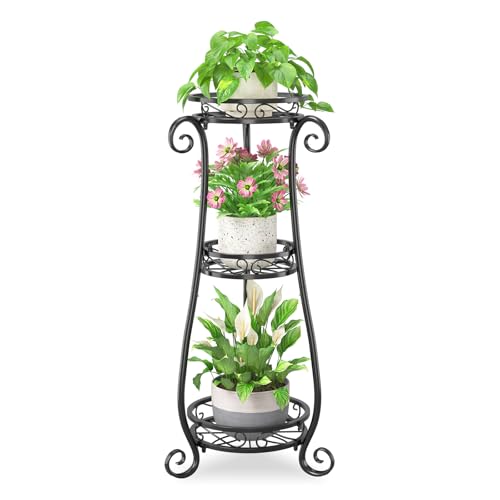
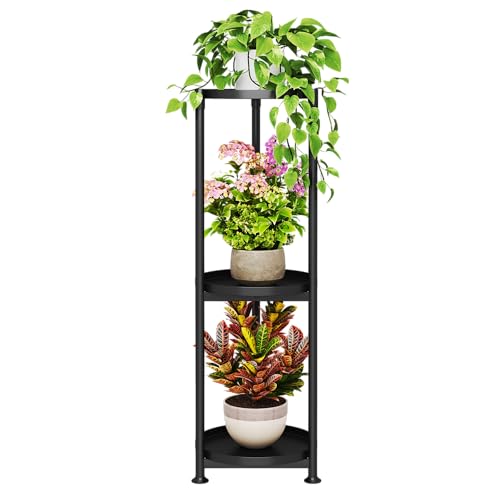
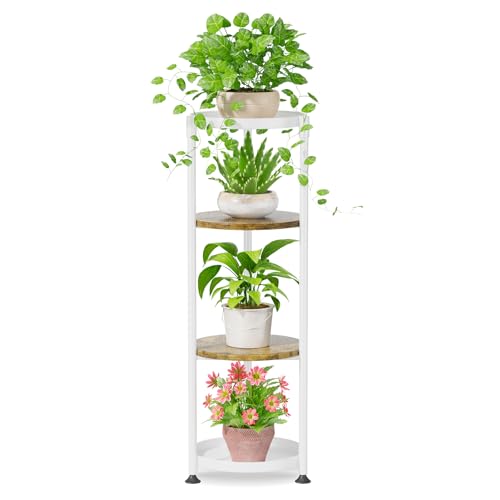
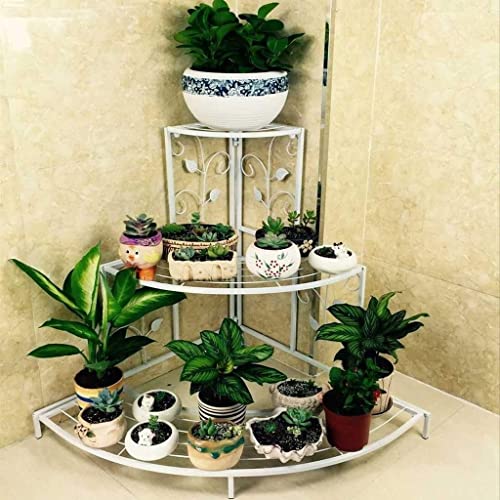
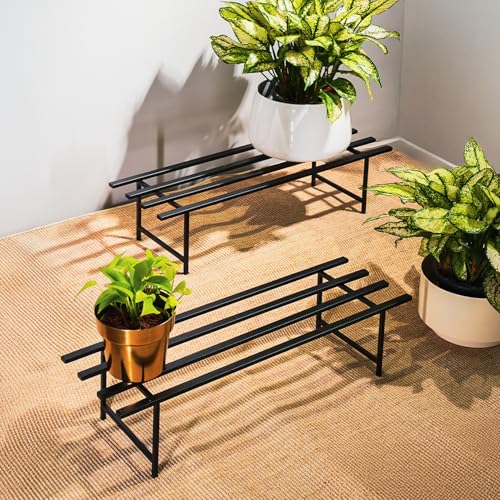
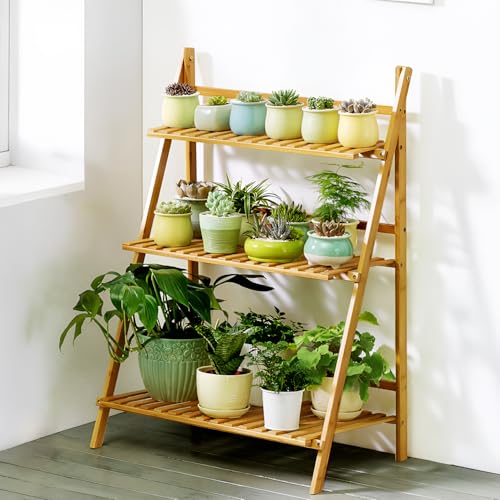
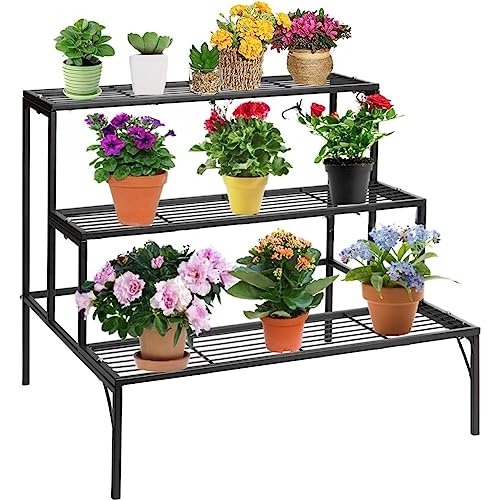
1. 🌿 Three-Pot Vertical Corner
Hang three planters vertically in one corner.
Use:
- Pothos
- Spider Plant
- Fern
Keep the spacing consistent for a clean, organised appearance.
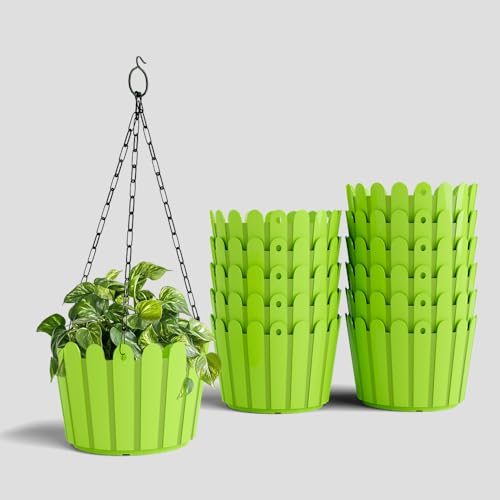
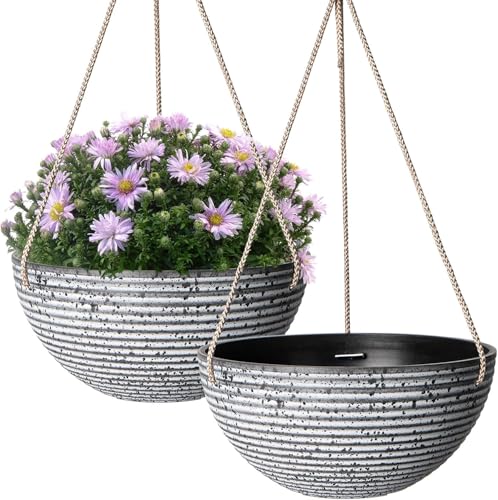
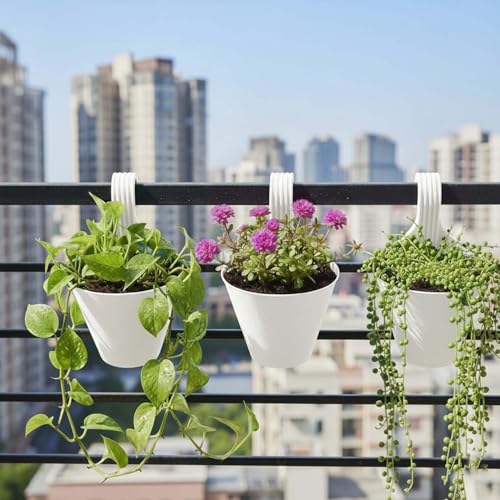
2. 🌸 Flower-Filled Railing
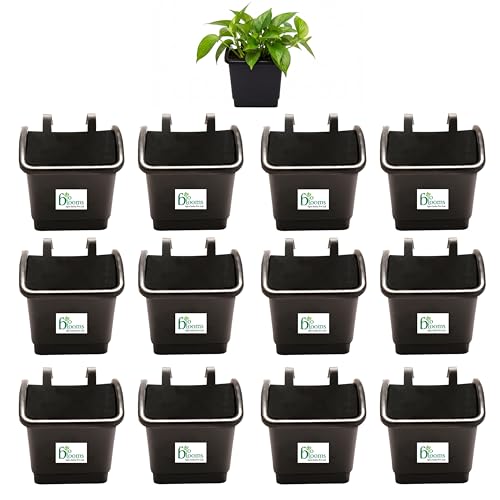
Use lightweight hanging pots around the inside of the balcony railing.
Choose flowering plants in a similar colour palette for a more cohesive appearance.
For example:
White + pink + green
instead of mixing every colour available.
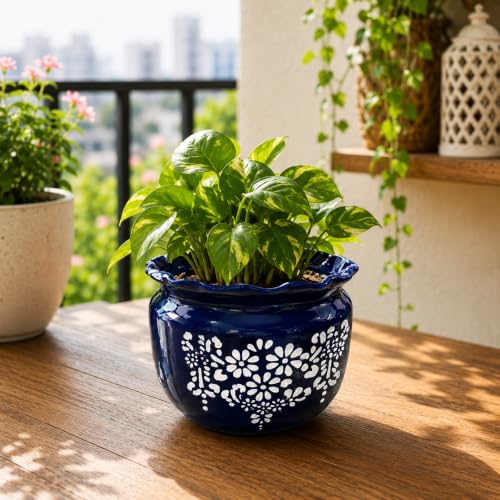
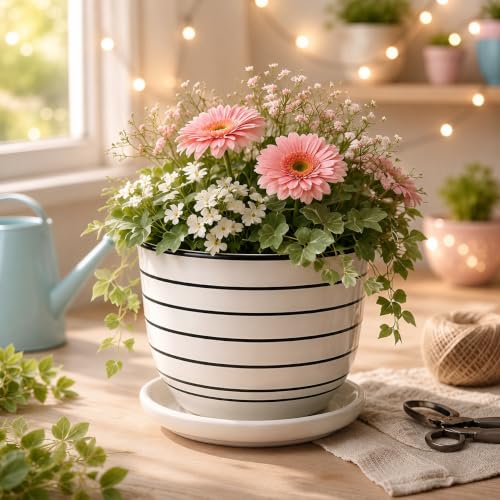
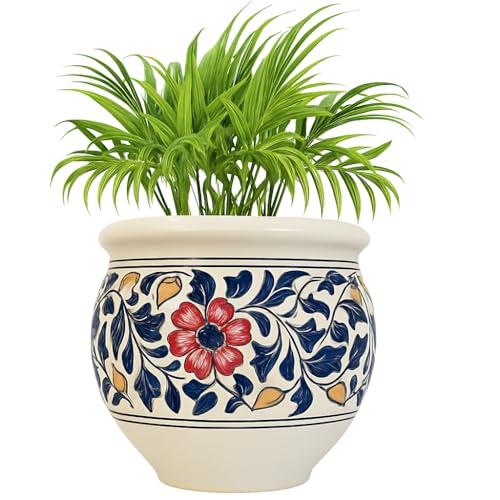
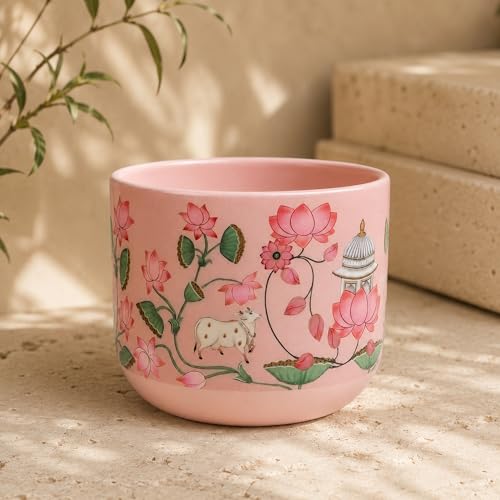
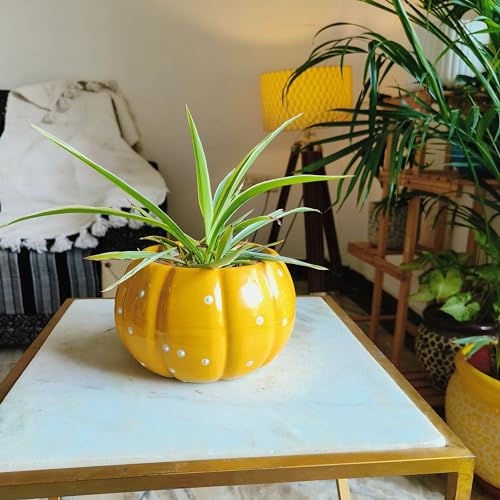
3. 🪴 Ceramic Statement Planter
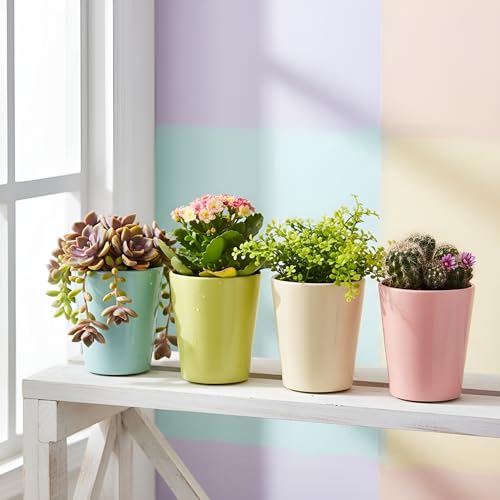
Choose one larger ceramic hanging planter as a focal point.
Place it against a relatively plain wall and let a trailing plant become the visual centrepiece.
This works particularly well in minimalist balconies.
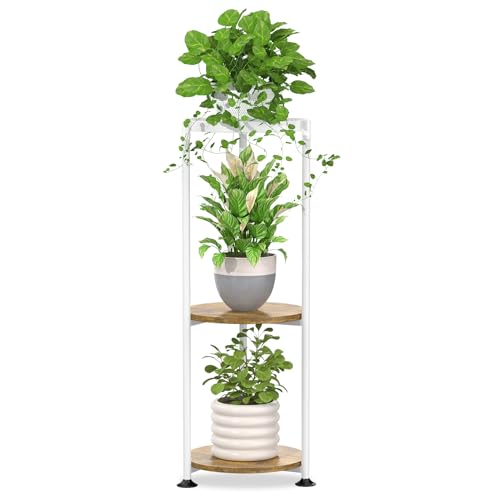
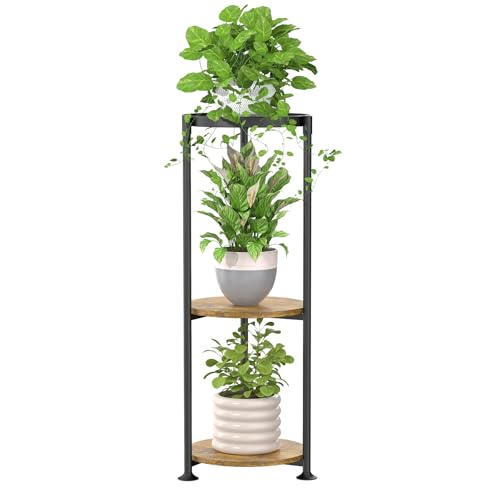
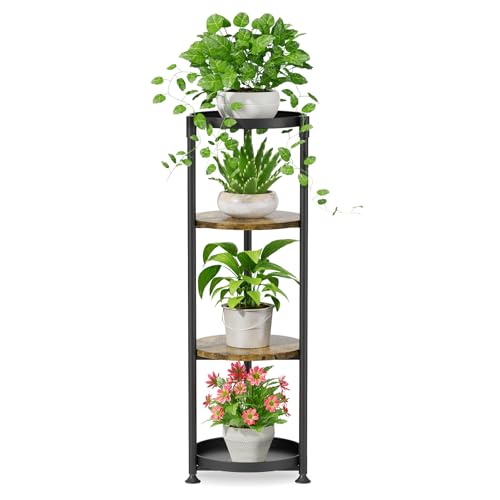
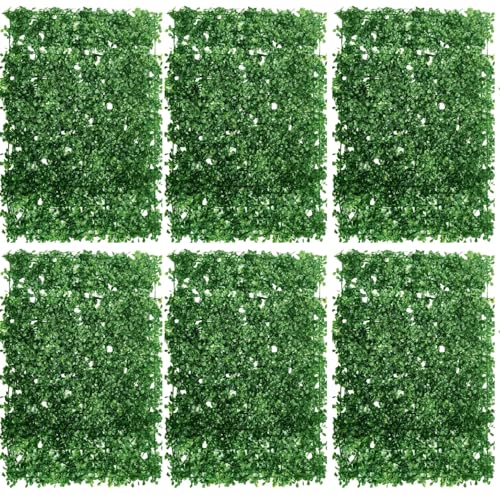
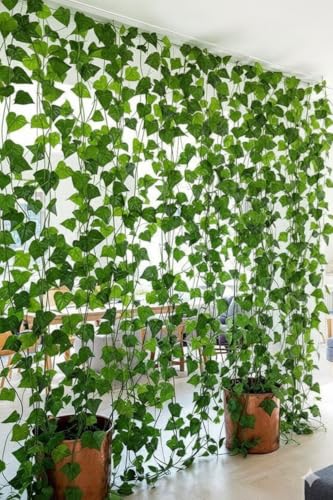
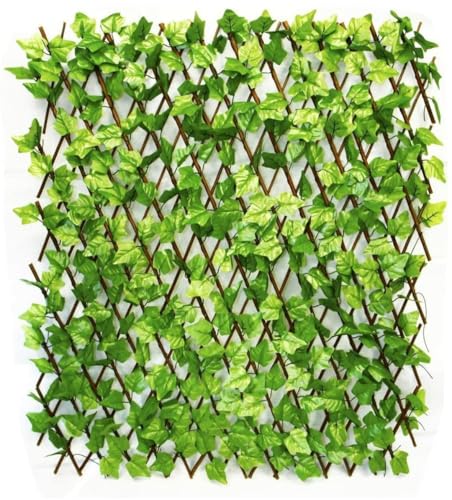
4. 🍃 Green Cascade Wall
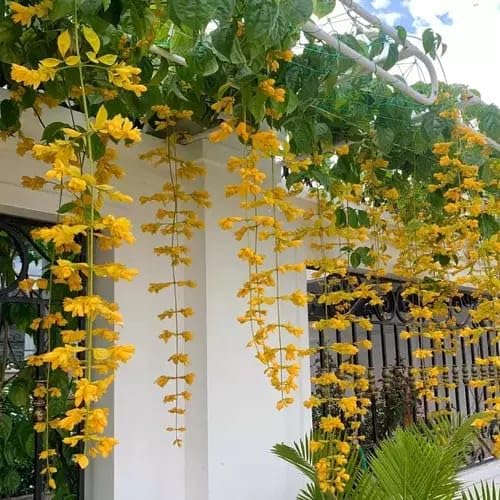
Use multiple trailing plants at different heights.
For example:
Top: Pothos
Middle: Spider Plant
Bottom: Fern
The different leaf shapes create a layered green effect.

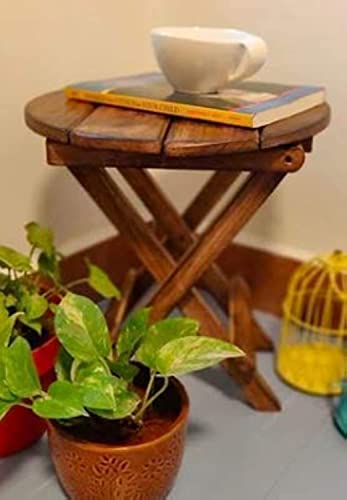
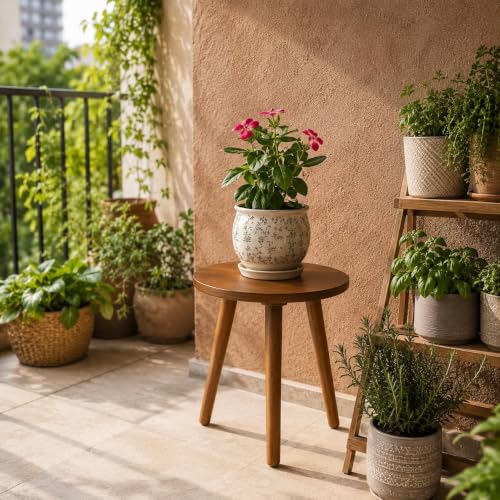
5. ☕ Café-Style Balcony
Want your balcony to feel like a little café? ☕🌿
Combine:
- Terracotta or ceramic planters
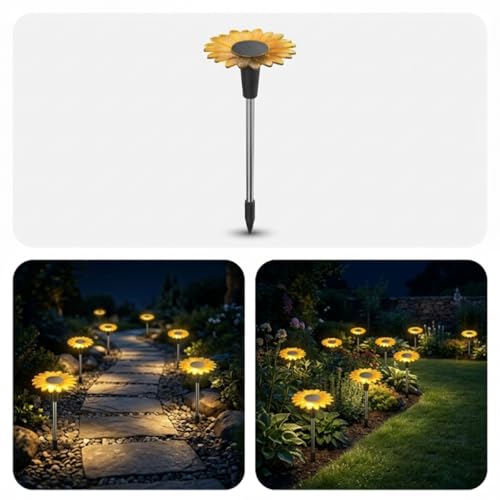
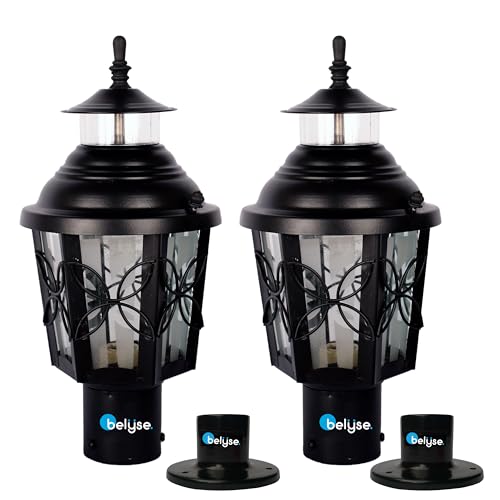
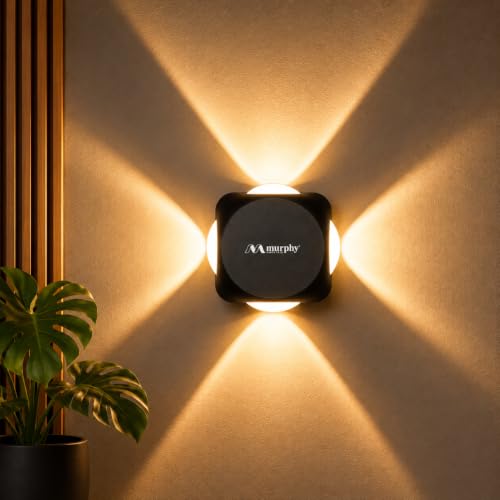
- Warm outdoor lighting
- Small wooden table
- Compact chairs
- Green trailing plants
Keep the colour palette warm and earthy.


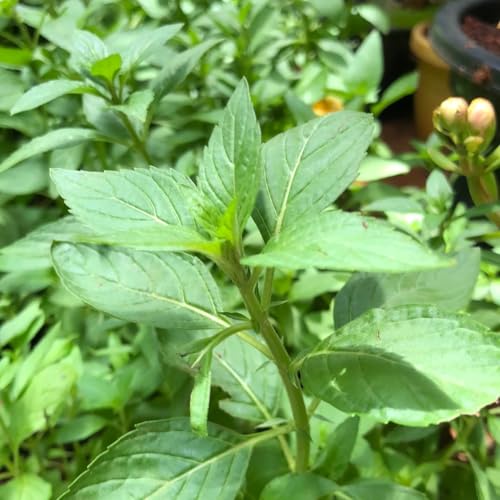
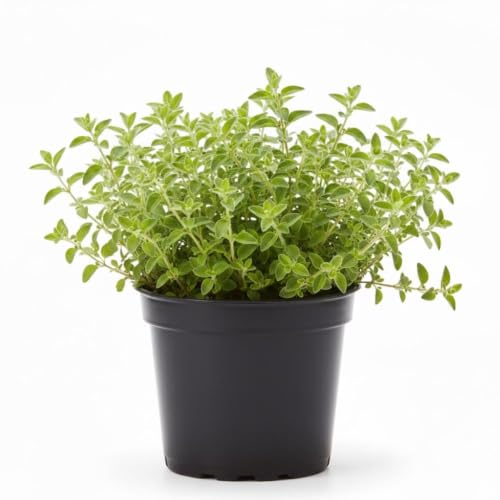
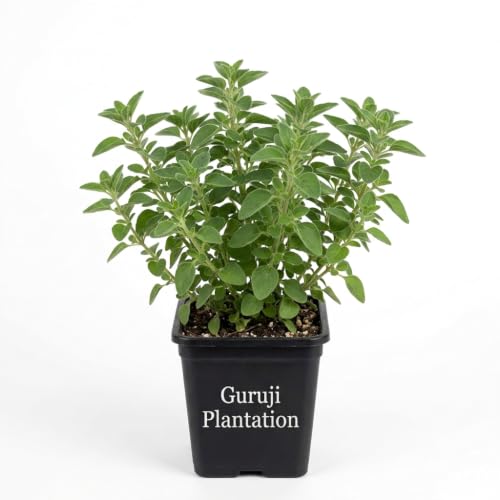
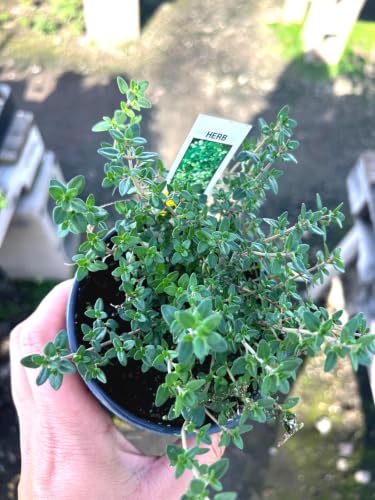
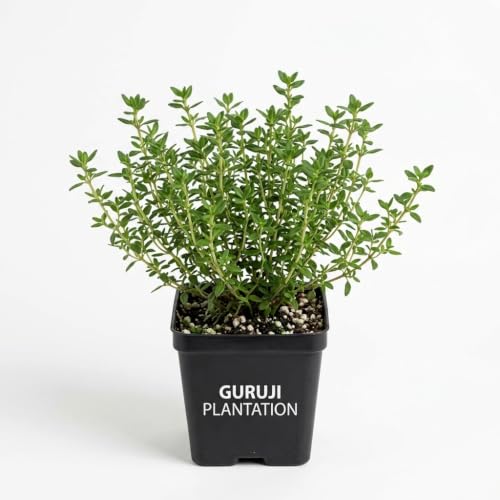
6. 🌱 Mini Herb Garden
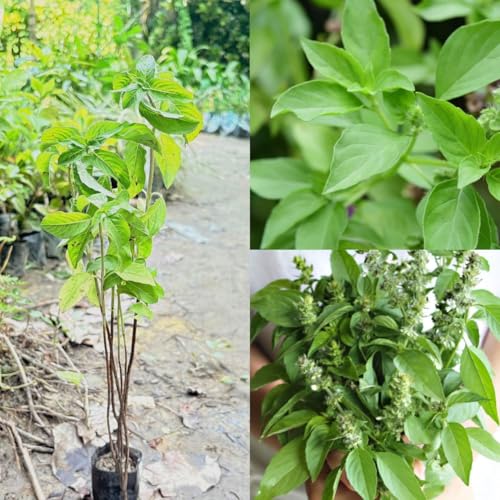
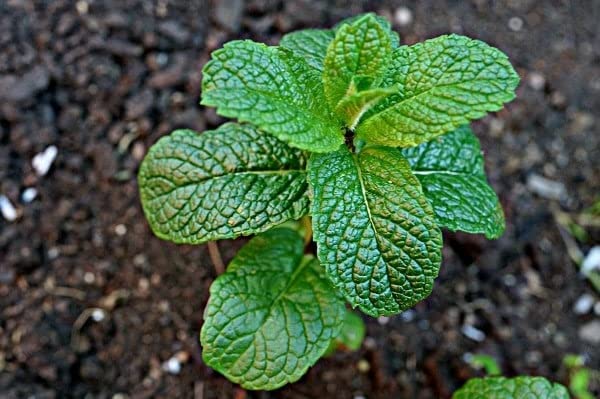
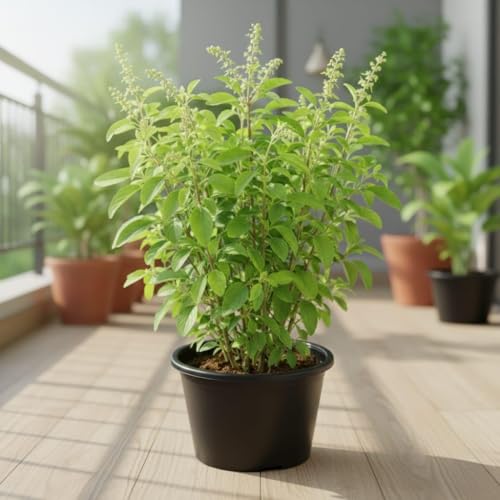
Dedicate one section of your balcony to hanging herb containers.
Label each planter:
Mint | Basil | Oregano | Thyme
It looks organised and can be genuinely useful in the kitchen.
7. 🌧️ Monsoon Green Corner
For a rainy-season balcony, combine lush green foliage with warm lighting.
Add:
- Hanging pothos
- Ferns
- Small floor plants
- Wooden accents
- Warm string lights
The result can feel incredibly cosy during rainy evenings. 🌧️☕
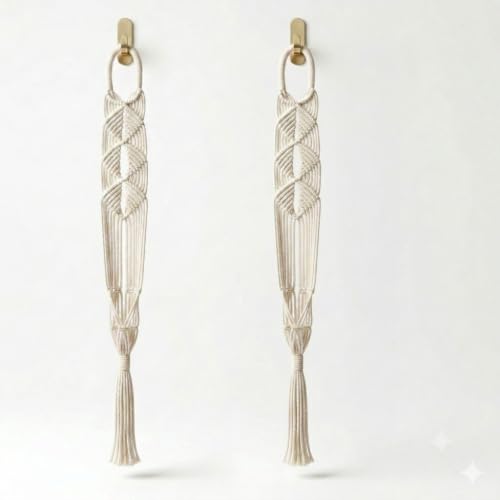
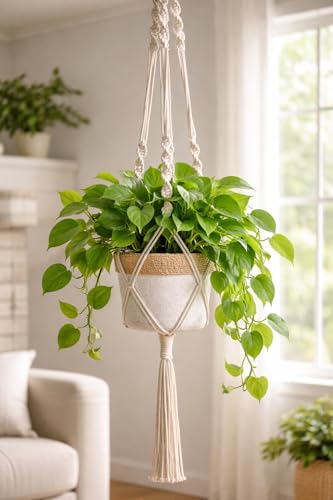
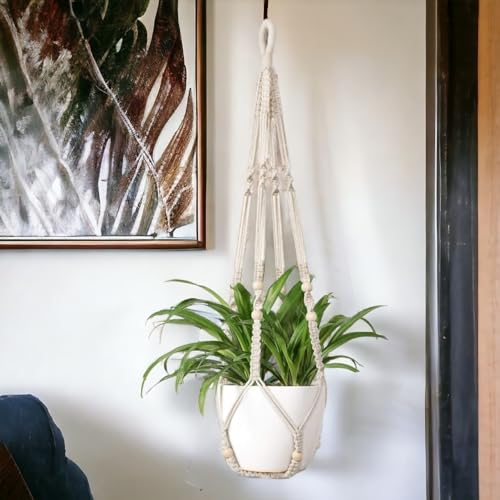
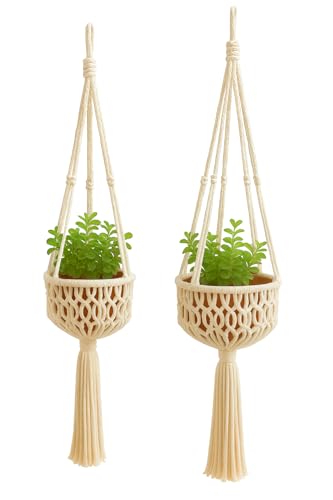
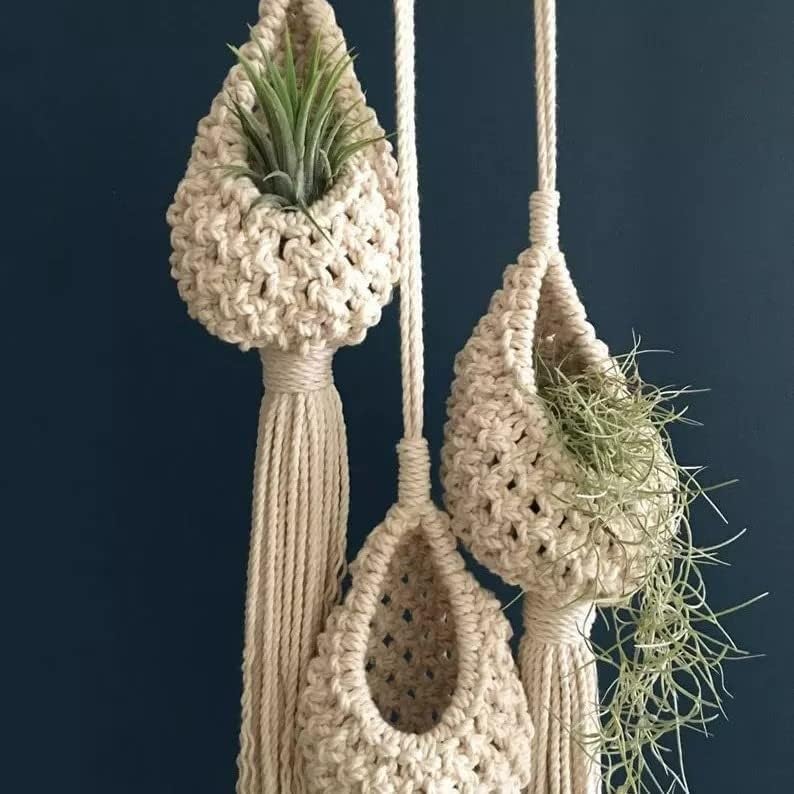
8. 🧺 Macramé + Ceramic Combination
You don’t have to choose only one aesthetic.
Try:
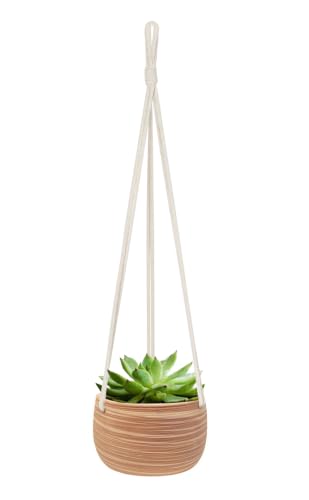
Ceramic pot + macramé hanger
This gives you the visual appeal of ceramic with the softer, boho look of macramé.


9. 🪴 Small Balcony Grid
For a compact balcony, arrange four to six smaller hanging planters in a clean grid.
Keep the pots similar in colour.
This creates a more intentional appearance rather than making the balcony look cluttered.
10. 🌿 Hanging Plants + Floor Plants
Don’t hang everything.
A balanced balcony could have:
- 3 hanging planters
- 2 medium floor pots
- 1 small table plant
This creates three-dimensional greenery without overcrowding the space.
📏 How High Should Hanging Planters Be?
Avoid placing hanging pots where people regularly walk or sit underneath them.
The ideal height depends on:
- Ceiling height
- Balcony layout
- Plant size
- How far the foliage trails
- Whether the planter hangs above furniture
Also remember that a plant may become substantially larger after several months.
Plan for the mature plant, not just the planter you buy today.
🔩 Don’t Ignore the Hanging Hardware
The planter itself isn’t the only thing that carries weight.
You also need to consider:
- Ceiling hook
- Wall anchor
- Chain
- Rope
- Macramé hanger
- Bracket
- Railing hook
The complete setup should be suitable for the combined weight of the planter + wet soil + plant + water.
For balconies exposed to strong winds, keep especially lightweight hanging arrangements securely attached rather than relying on decorative hooks alone.
🛒 What to Look for When Buying Hanging Planters
Before clicking Buy Now, check these points:
1. Material
Ceramic, plastic, fibre, metal or terracotta?
2. Size
Match the container to the plant’s root space.
3. Drainage
This should be non-negotiable for most plants.
4. Hanging mechanism
Check whether the hanger is included.
5. Weight
Remember that wet soil adds weight.
6. Outdoor suitability
Look for appropriate weather/UV resistance if the planter will remain outside.
7. Shape
Deep containers work differently from shallow hanging bowls.
8. Maintenance
Ask yourself how easily you can remove and clean it.
9. Water management
Think about where excess water will go after watering.
10. Style
Choose a finish that works with your existing balcony rather than buying every planter in a different style.
💡 Easy Balcony Garden Layouts
Small Balcony
Try:
2 hanging planters + 2 railing planters + 1 floor pot
Keep the floor mostly open.
Medium Balcony
Try:
4 hanging planters + 3 floor pots + 1 small seating area
Use different heights to create depth.
Long Narrow Balcony
Instead of putting plants everywhere, create a single green wall on one side.
This leaves the opposite side available for:
- Chair
- Small table
- Storage
- Walking space
🪴 Ceramic vs Plastic: Quick Decision Guide
| Your Priority | Better-Suited Option |
|---|---|
| Premium appearance | Ceramic |
| Lightweight setup | Plastic |
| Budget gardening | Plastic |
| Easy movement | Plastic |
| Decorative balcony | Ceramic |
| Multiple hanging pots | Plastic |
| Sheltered balcony | Ceramic |
| Wind-exposed balcony | Lightweight plastic/fibre |
| Beginner gardening | Plastic |
| Minimalist statement piece | Ceramic |
This isn’t a ranking of the materials overall—the right choice depends on your balcony and plant.
🌿 How to Make Hanging Planters Look Expensive
You don’t need expensive planters.
The secret is consistency.
Try This:
Use one colour family
White + beige + terracotta
or
Black + charcoal + green
Keep Similar Heights
Don’t hang every planter randomly.
Create an intentional rhythm.
Mix Textures
Combine:
- Ceramic
- Natural rope
- Wood
- Green foliage
Don’t Overcrowd
Three beautiful hanging planters can look better than ten randomly placed ones.
Match Plant Shape to Container
Trailing plants look especially effective when their foliage is allowed to fall naturally over the sides.
🌱 Common Hanging Planter Mistakes
❌ No drainage
This is one of the easiest ways to create watering problems.
❌ Choosing a planter that’s too heavy
Remember the weight increases when soil becomes wet.
❌ Ignoring sunlight
A beautiful plant won’t perform well if its light requirements aren’t met.
❌ Overwatering during monsoon
Rain counts too.
❌ Hanging plants too close together
Poor airflow can create an uncomfortable environment for plants.
❌ Using too many different designs
A balcony can quickly look visually chaotic.
❌ Choosing only based on appearance
A beautiful planter isn’t automatically a suitable planter.
🏆 Final Verdict: Ceramic or Plastic?
Ceramic and plastic hanging planters both have a place in balcony gardening.
Choose ceramic when appearance, texture and decorative styling are your biggest priorities and your balcony can safely support the additional weight.
Choose plastic when you want something lightweight, affordable, easy to move and practical for creating several hanging planters.
For many Indian balconies, a combination can work beautifully:
Ceramic for one or two statement pieces + lightweight plastic/fibre planters for the rest. 🌿
That gives you the decorative character of ceramic without making the entire balcony unnecessarily heavy.
❓ Frequently Asked Questions
Are ceramic hanging planters better than plastic?
Not universally. Ceramic offers a more decorative appearance, while plastic is generally lighter and easier to move. Your balcony structure, plant and weather exposure should determine the choice.
Are plastic hanging planters good for balconies?
Yes. Lightweight plastic planters can be very practical for balconies, especially when you want several hanging containers or frequently rearrange plants.
Do hanging planters need drainage holes?
For most plants, yes. Drainage allows excess water to escape and helps reduce the risk of waterlogged soil.
Which plants are best for hanging pots?
Trailing plants such as pothos are particularly suitable. Spider plants, ferns and some flowering varieties can also work depending on the available light.
Can I use ceramic pots on a balcony?
Yes, provided the planter and its mounting system can safely support the combined weight of the container, soil, plant and water.
What are good hanging plants for a sunny balcony?
Depending on local conditions, flowering plants such as petunias, marigolds and bougainvillea can be considered. Some herbs and compact vegetables can also work in suitable containers.
What should I do with hanging plants during heavy rain?
Check soil moisture before watering, make sure drainage holes remain clear and move vulnerable plants to a more sheltered location during periods of exceptionally heavy rain.
Can I use decorative pots without drainage holes?
You can use them as outer decorative containers with a drainage-equipped nursery pot inside. This double-pot approach allows you to enjoy the decorative container without keeping the plant directly in stagnant water.
🌿 Final Takeaway
A balcony doesn’t need dozens of plants to feel green and inviting. A few well-positioned hanging planters can completely change the space while keeping your floor area usable.
Start with two or three planters, understand your balcony’s sunlight and wind exposure, choose plants that match those conditions, and build from there.
And if you’re deciding between ceramic and plastic, remember:
Ceramic = decorative & premium 🏺
Plastic = lightweight & practical 🪴
The best balcony garden is ultimately the one that fits your space, your plants and your maintenance routine. 💚