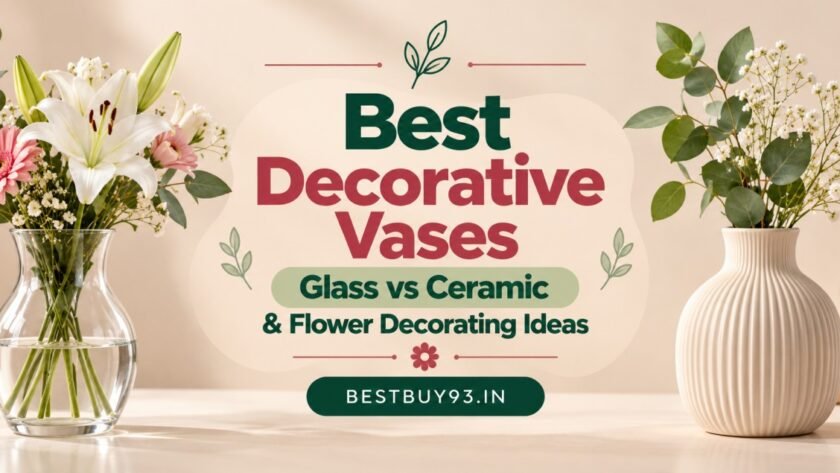

Sometimes, a small home decor accessory can make a surprisingly big difference to the look of a room. A decorative vase placed on a console table, coffee table, dining table, or bedside cabinet can add colour, texture, and personality without requiring a complete makeover.
The best decorative vases are not just containers for flowers. They can work as standalone statement pieces, complement your furniture, introduce a new accent colour, and help create a coordinated interior.
However, choosing a vase can be confusing because there are so many materials, shapes, sizes, and finishes available. Two of the most popular choices are glass and ceramic vases. Glass vases offer a light, transparent appearance, while ceramic vases bring texture, colour, and a more substantial decorative presence.
So, which one should you choose for your home?
In this guide, we will compare glass vs ceramic vases, explore the best vase styles for different rooms, and share flower-decorating ideas that work beautifully in Indian homes.
Why Decorative Vases Are Worth Adding to Your Home
Decorative vases are versatile accessories that can enhance almost any interior style. You do not need an expensive vase collection to make your home look thoughtfully decorated.
Here is why they are worth considering:
- Instant visual appeal: A well-placed vase creates a focal point on an otherwise empty surface.
- Easy seasonal updates: Change the flowers or branches to refresh your decor throughout the year.
- Flexible styling: Vases work with modern, traditional, minimalist, bohemian, and contemporary interiors.
- Suitable for small homes: A single vase can decorate a compact table, shelf, or windowsill.
- Works with fresh or artificial flowers: You can choose real flowers, dried arrangements, faux stems, or decorative branches.
- Useful as standalone decor: Sculptural vases can look beautiful even without flowers.
The key is to choose a vase that complements the room instead of competing with everything around it.
Glass vs Ceramic Vases: Which Is Better?
Glass and ceramic vases can both look elegant, but they create different visual effects. Your choice should depend on your decor style, the type of flowers you prefer, maintenance requirements, and where you plan to display the vase.
Glass Vases
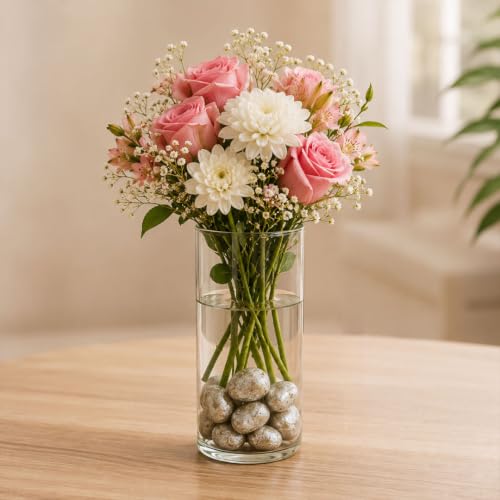
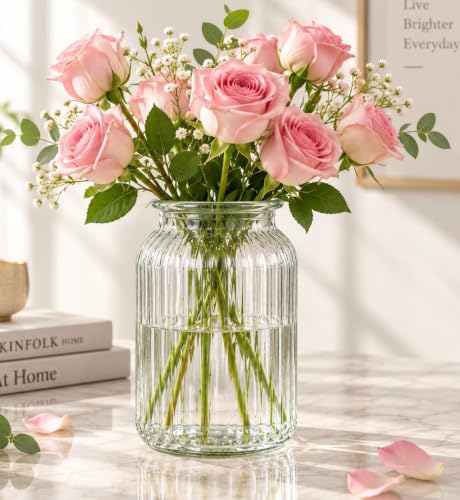
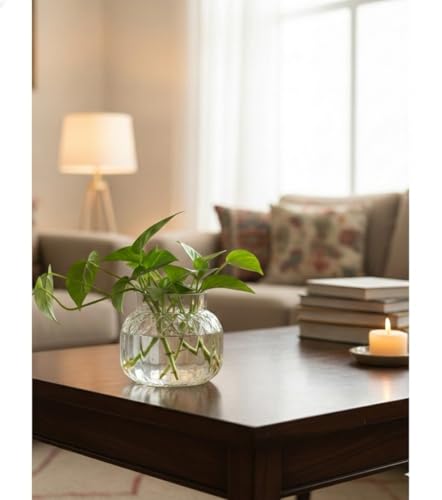
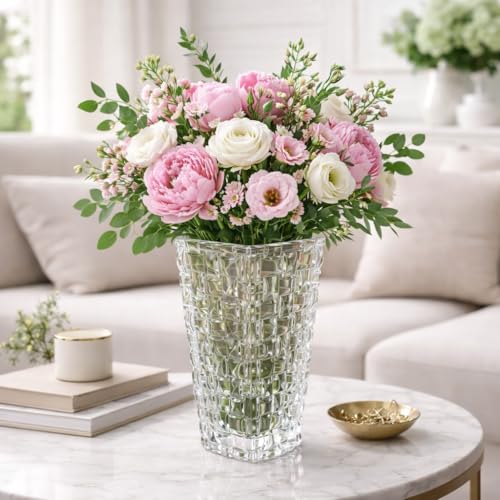
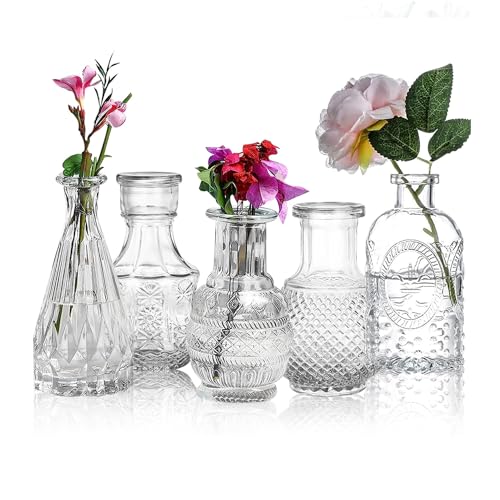
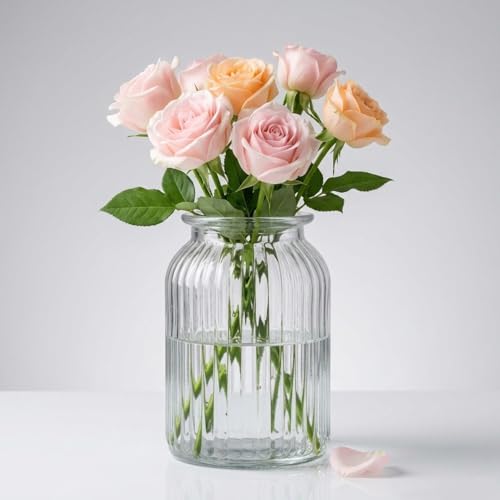
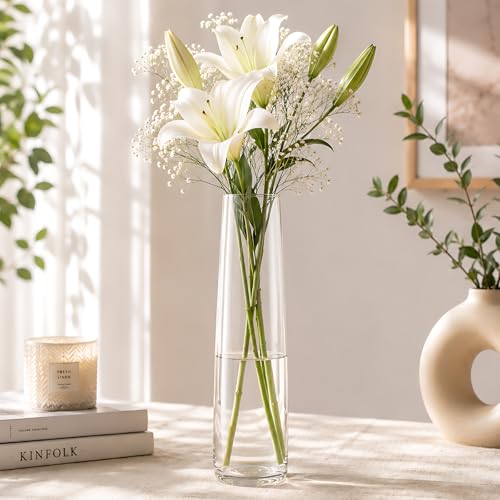
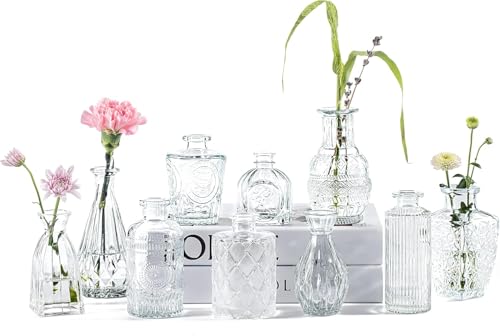
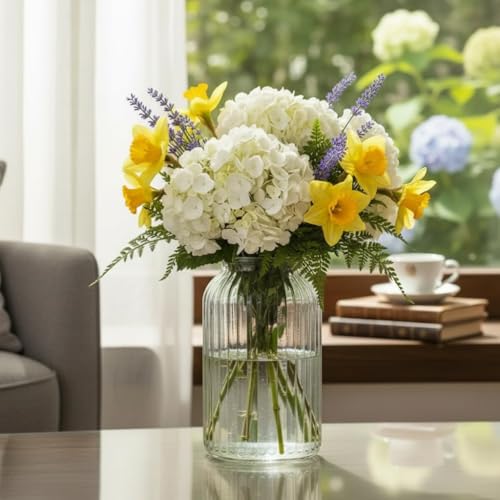
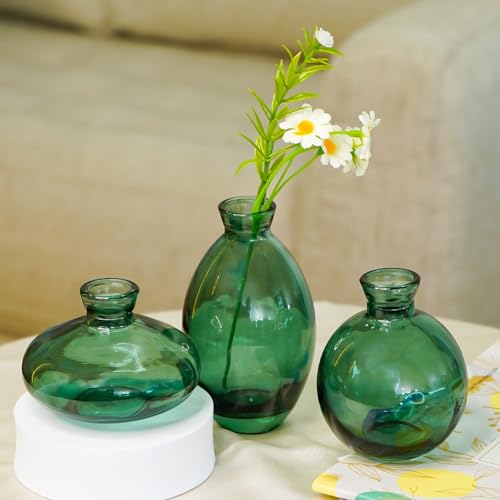
Glass vases are popular for their transparent appearance and versatile styling. They allow you to see the flower stems, water, and decorative elements inside the container.
They are particularly suitable for fresh flowers, simple arrangements, and interiors where you want the accessories to feel light rather than visually heavy.
Advantages of glass vases
- Transparent designs suit many colour schemes.
- Water levels and flower stems remain visible.
- Clear glass pairs well with colourful fresh flowers.
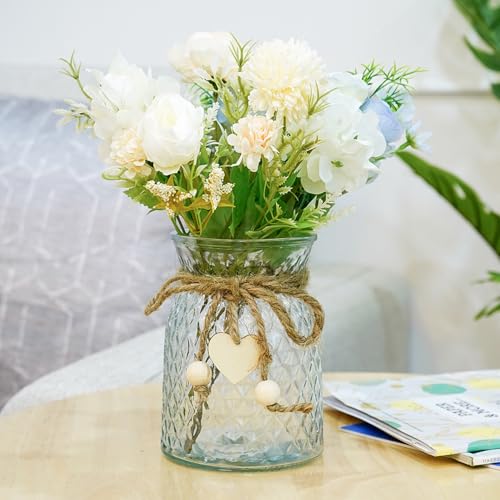
- Coloured and textured glass can create a decorative focal point.
- Many designs suit minimalist and contemporary interiors.
Things to consider
- Transparent glass can show water marks, fingerprints, and algae if not cleaned regularly.
- Thin glass can break if knocked over.
- Some shapes are more difficult to clean than others.
- Clear glass may look cluttered when flower stems are uneven or untidy.
Best for: Fresh flowers, dining tables, coffee tables, windowsills, and modern interiors.


Ceramic Vases
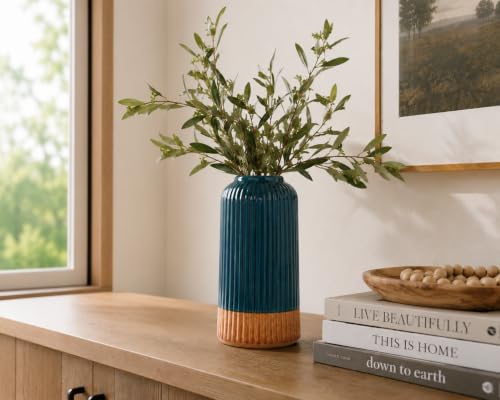
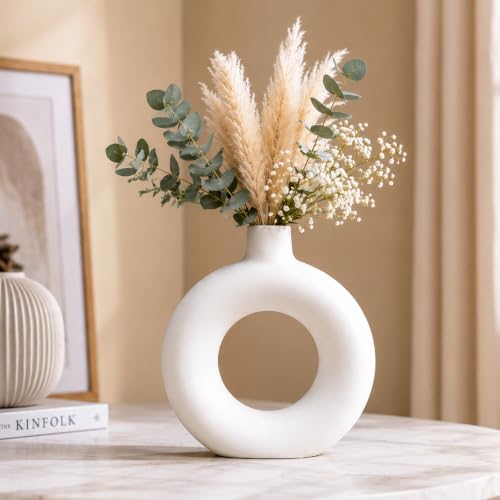
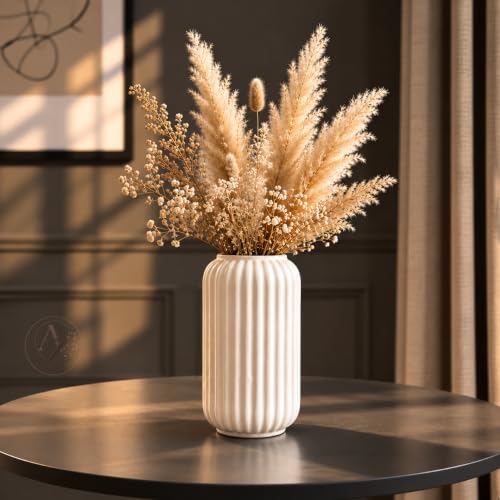
Ceramic vases are available in glossy, matte, textured, patterned, and sculptural finishes. They can introduce colour and character even when you do not have flowers to display.
Their opaque construction hides the stems and water, making them particularly useful for artificial flowers, dried arrangements, and decorative branches.
Advantages of ceramic vases
- Available in a wide variety of colours and finishes.
- Textured surfaces can add depth to neutral interiors.
- Opaque designs conceal stems and water.
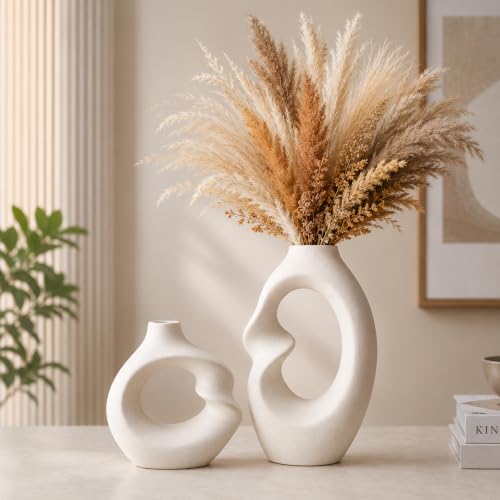
- Sculptural shapes work as standalone decor.
- Earthy finishes complement wooden furniture and natural materials.
Things to consider
- Ceramic vases can chip or crack if dropped.
- Heavier designs may be difficult to move.
- Narrow openings can make cleaning challenging.
- Not every decorative ceramic vase is suitable for holding water; check whether the interior is waterproof.
Best for: Console tables, shelves, side tables, bedrooms, and arrangements featuring artificial or dried flowers.





Glass vs Ceramic Vases: Quick Comparison
| Feature | Glass Vases | Ceramic Vases |
|---|---|---|
| Appearance | Transparent, light, reflective | Opaque, textured, colourful |
| Best flower pairing | Fresh flowers and visible stems | Artificial, dried, or fresh flowers |
| Styling effect | Airy and understated | Warm, bold, or sculptural |
| Cleaning | Water marks may be visible | Surface dust and stains depend on finish |
| Fragility | Can shatter | Can chip or crack |
| Weight | Usually lighter, depending on design | Often heavier |
| Standalone decor | Coloured or sculptural glass works well | Excellent for statement shapes |
| Best interiors | Modern, minimalist, contemporary | Traditional, earthy, modern, eclectic |
Our recommendation: Choose a clear glass vase if you love fresh flowers and simple arrangements. Pick a ceramic vase if you want a decorative accessory that can look attractive even without flowers. If your budget allows, combining both materials gives you more styling flexibility.
Best Decorative Vase Styles for Different Homes
The shape and finish of a vase can change how it looks in a room. Here are some popular styles to consider.
Clear Glass Vases
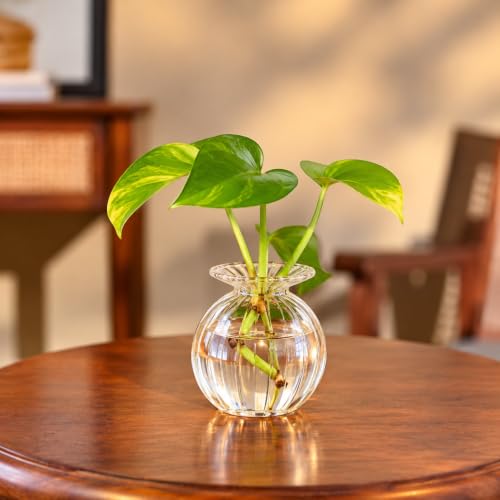
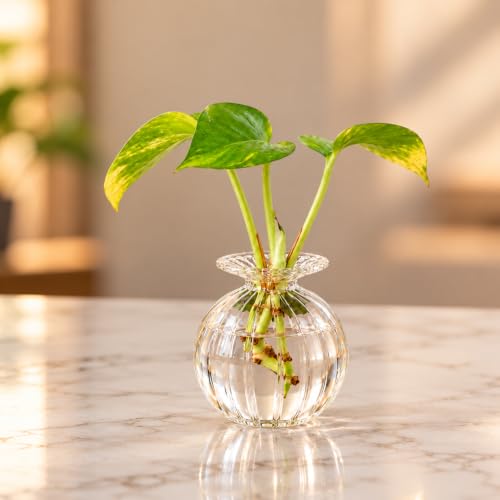
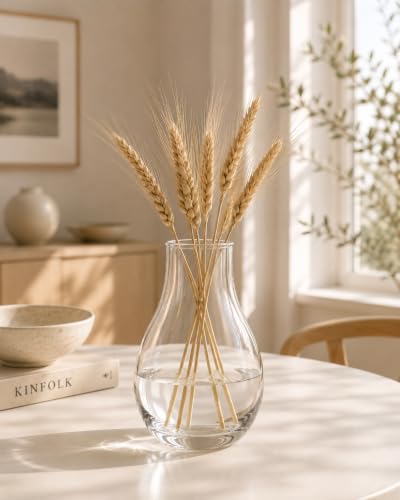
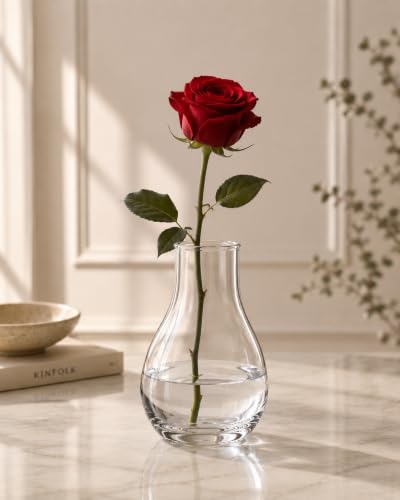
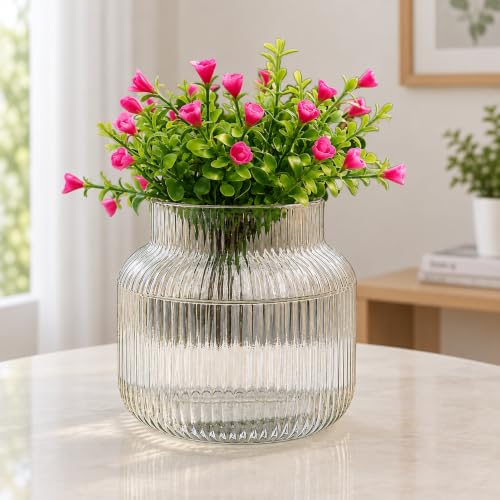
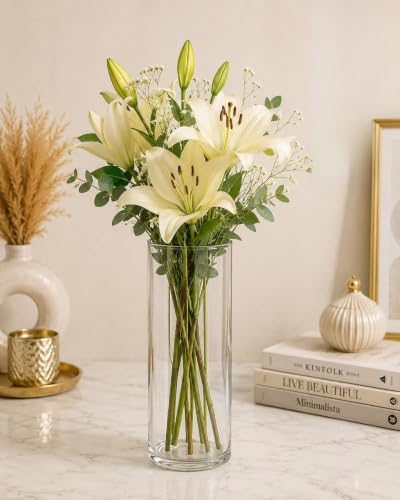
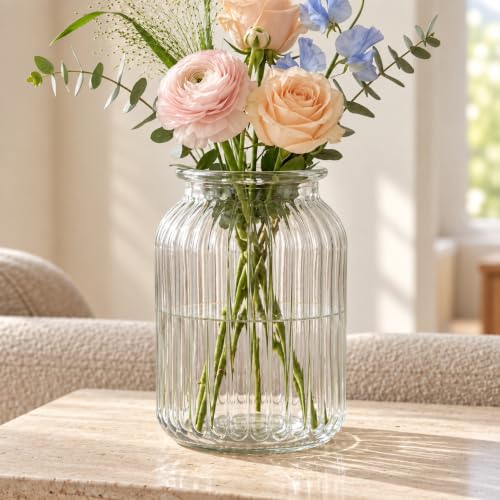
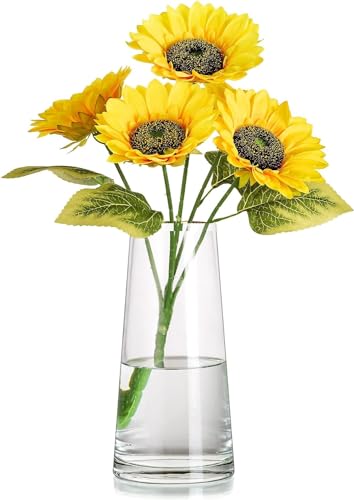
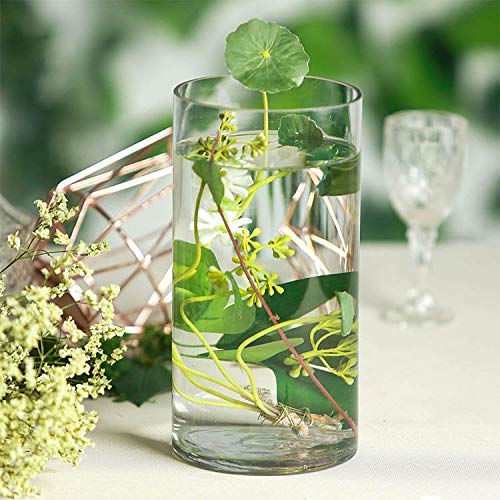
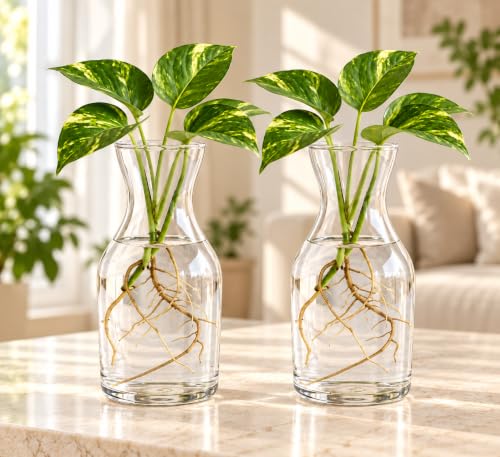
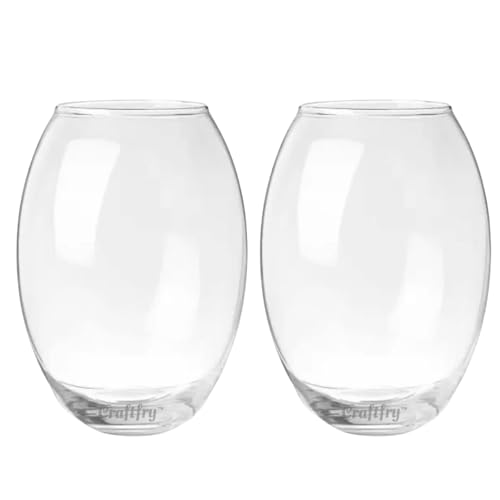
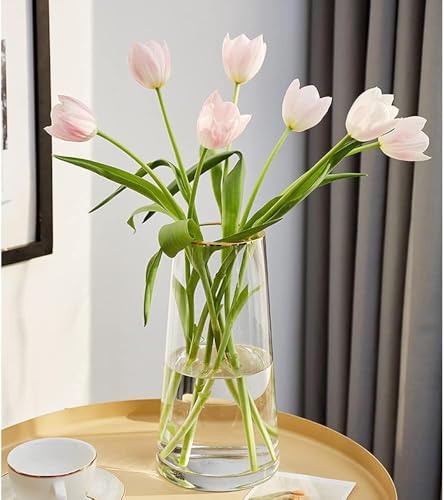
Clear glass vases are timeless and easy to coordinate with different interiors. They allow colourful flowers to take centre stage without introducing another dominant colour.
Try a cylindrical vase for long-stemmed flowers or a rounded vase for a compact bouquet.
Styling idea: Place a clear vase with fresh white flowers on a wooden console table. Add a small tray or a book beside it to create a balanced arrangement.


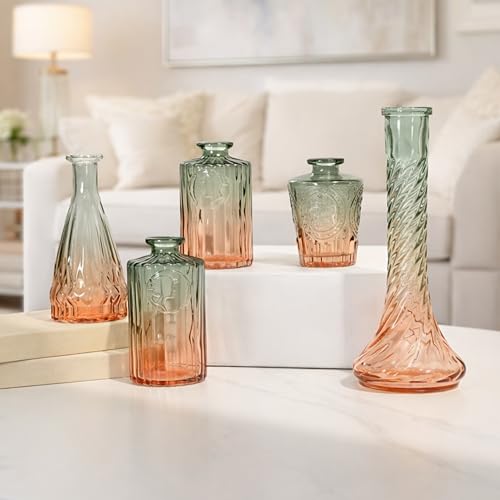
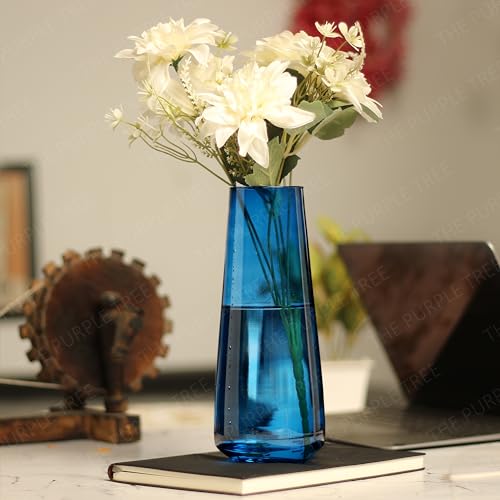
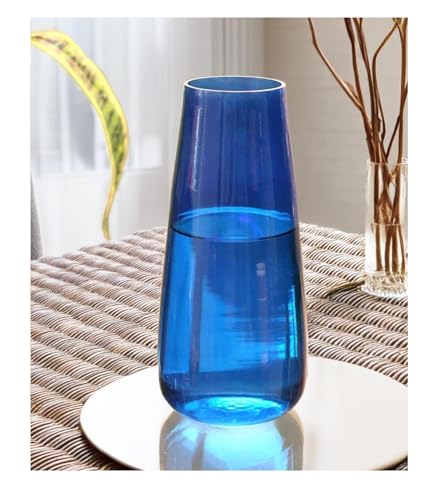
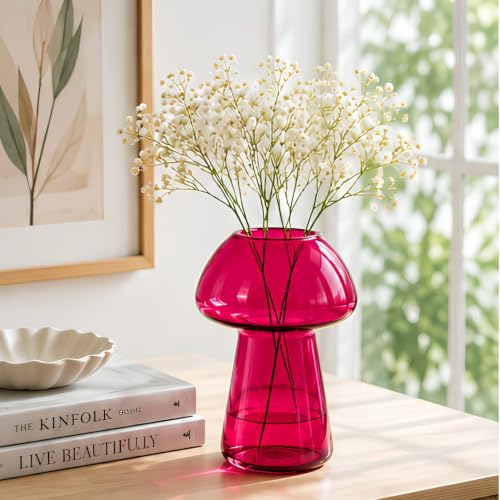
Coloured Glass Vases
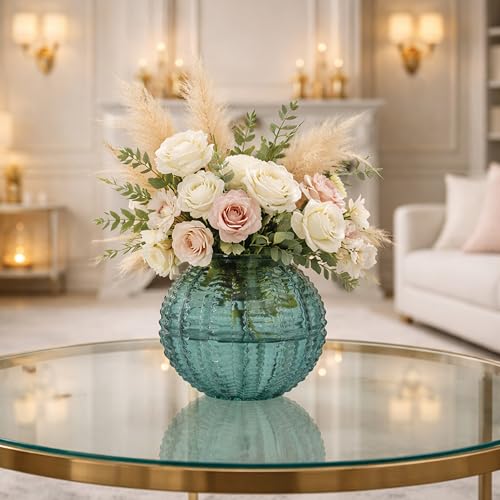
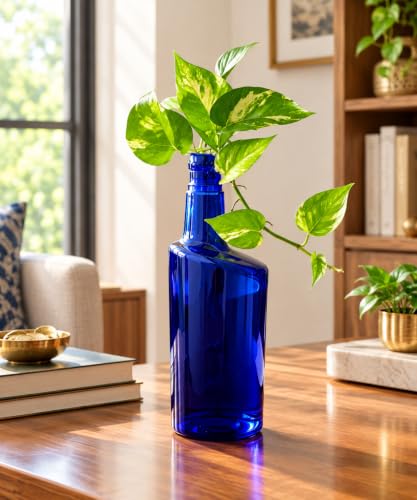
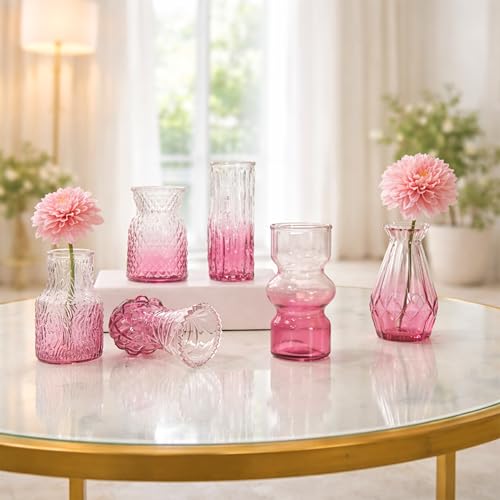
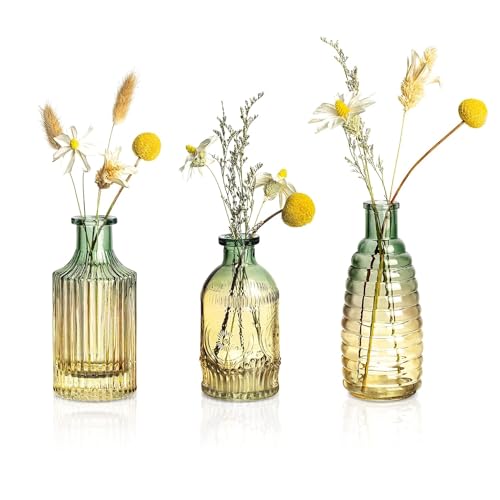
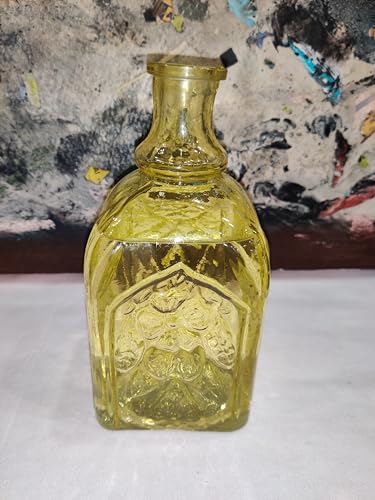
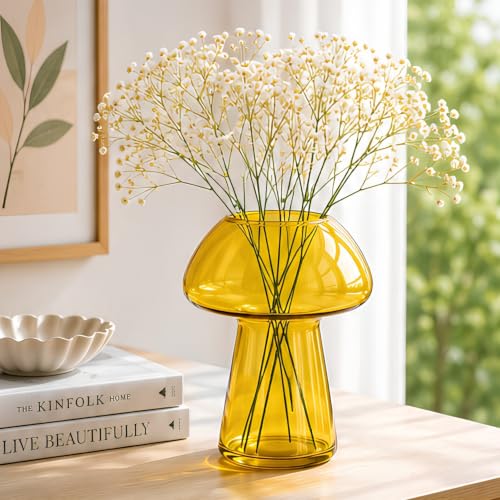
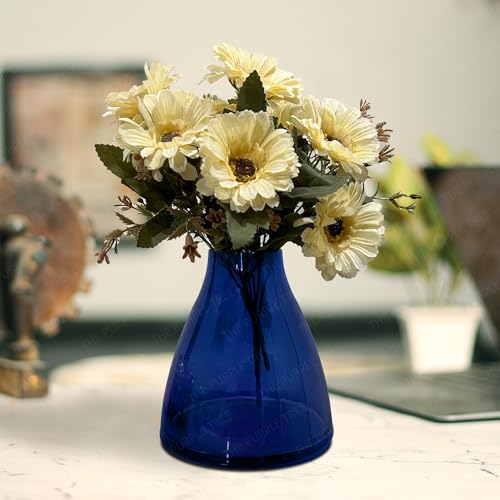
Coloured glass adds a subtle accent to your decor. Popular options include amber, olive green, smoky grey, blush pink, and blue.
Choose a shade that complements your curtains, cushions, wall art, or furniture.
Styling idea: Pair an amber glass vase with dried grasses and a wooden side table for a warm, earthy look.



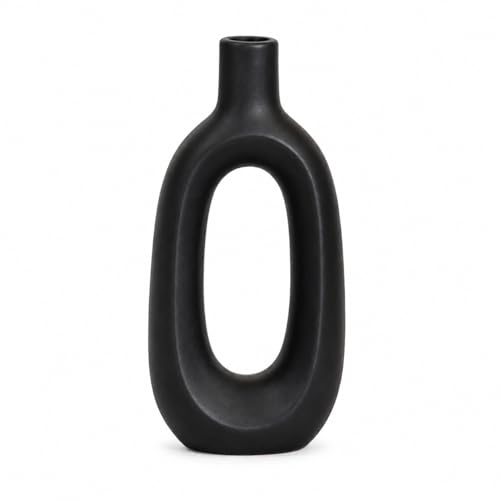
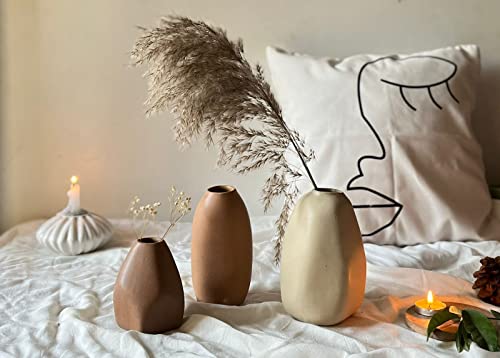
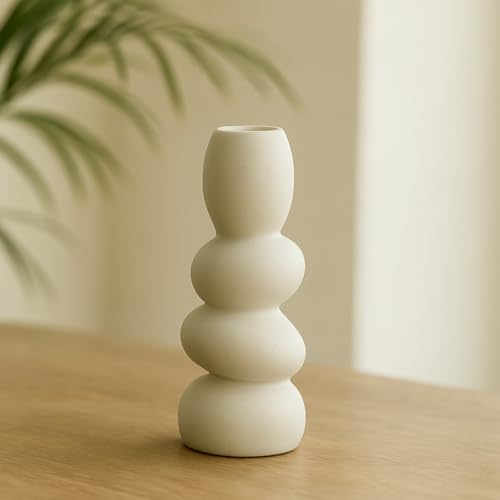
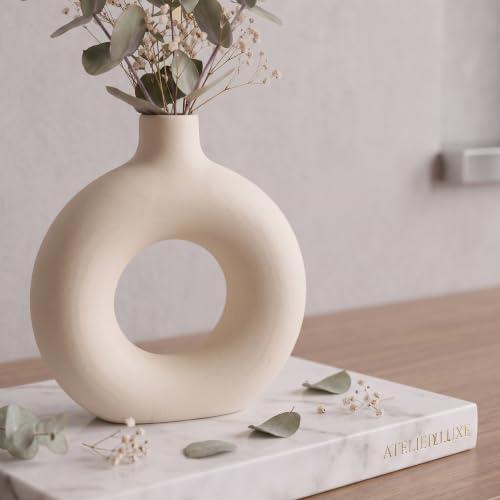
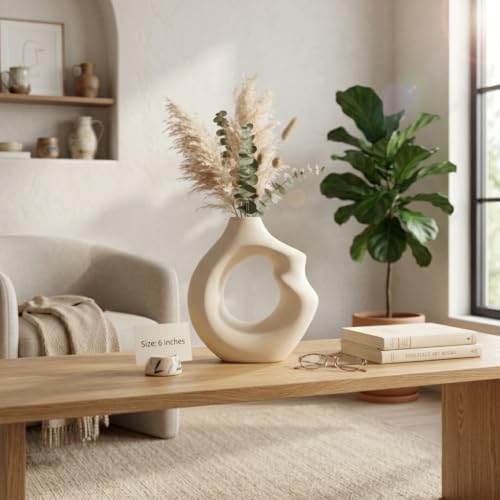
Matte Ceramic Vases
Matte ceramic vases are ideal for understated interiors. Their soft finishes work particularly well with neutral colours, natural fabrics, and wooden furniture.
Styling idea: Place a cream or beige ceramic vase on a console table with a few dried stems. Keep the surrounding decor simple to let the texture stand out.


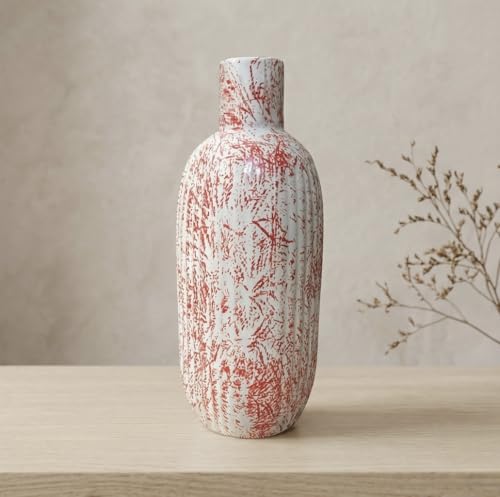
Textured Ceramic Vases
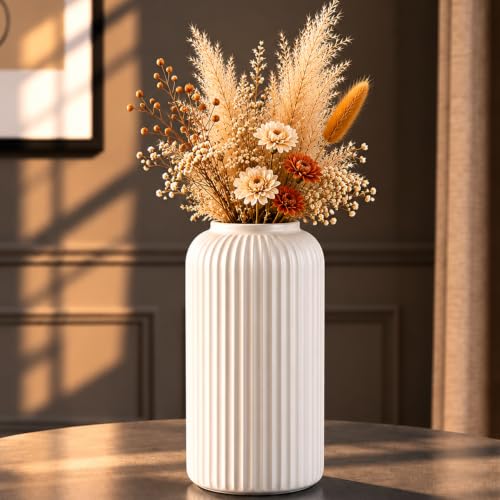
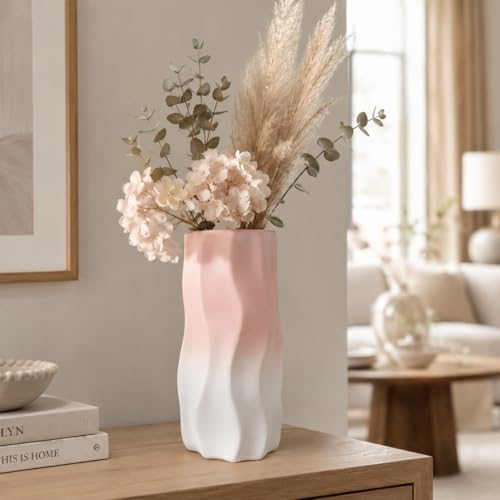
Ribbed, fluted, speckled, and hand-finished designs can add visual interest without requiring bright colours.
Styling idea: Use a textured white vase against a contrasting wooden shelf or a muted wall.
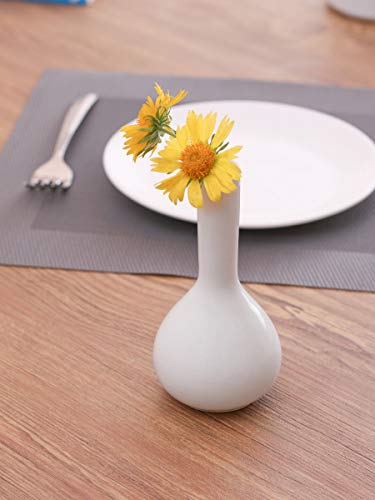


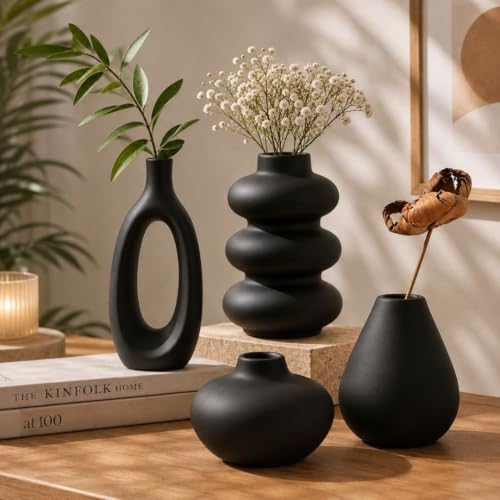
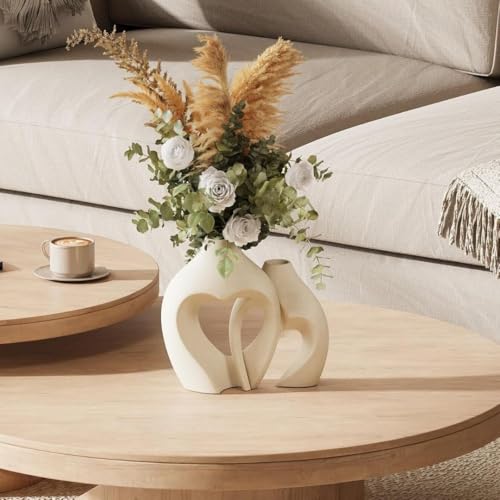
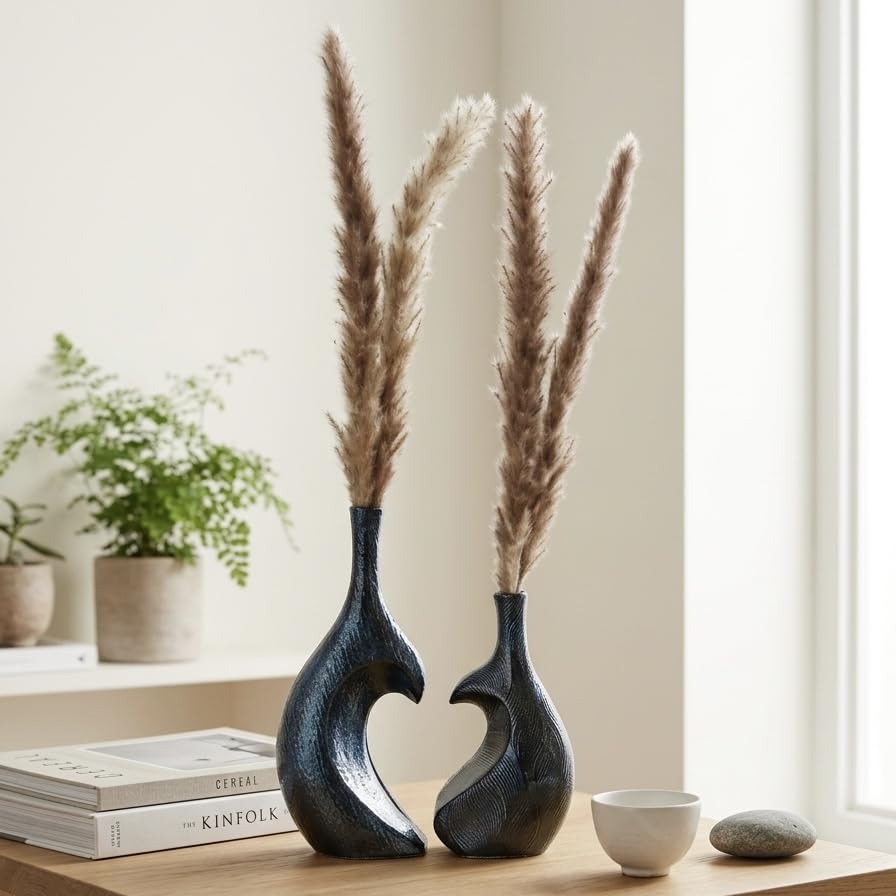
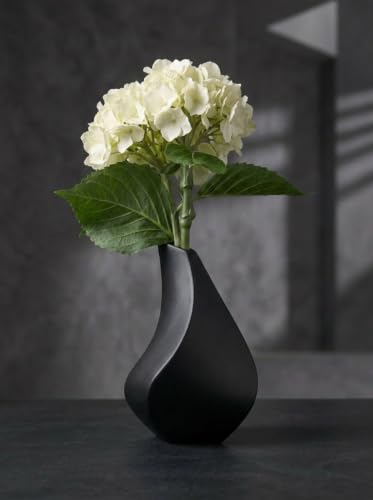
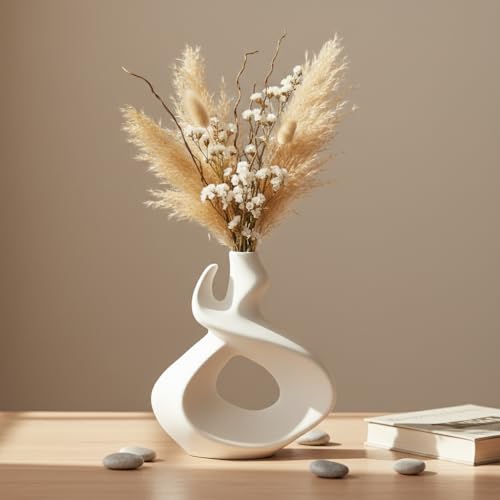
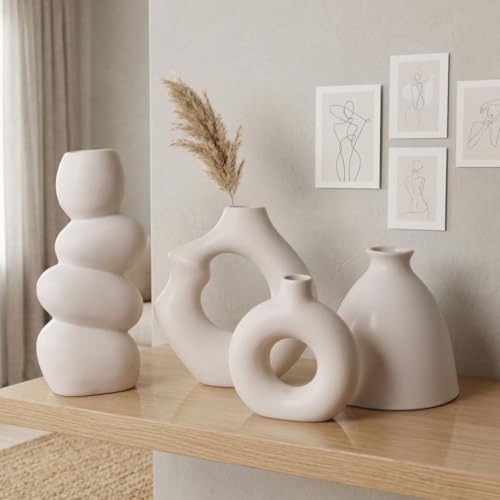
Sculptural Vases
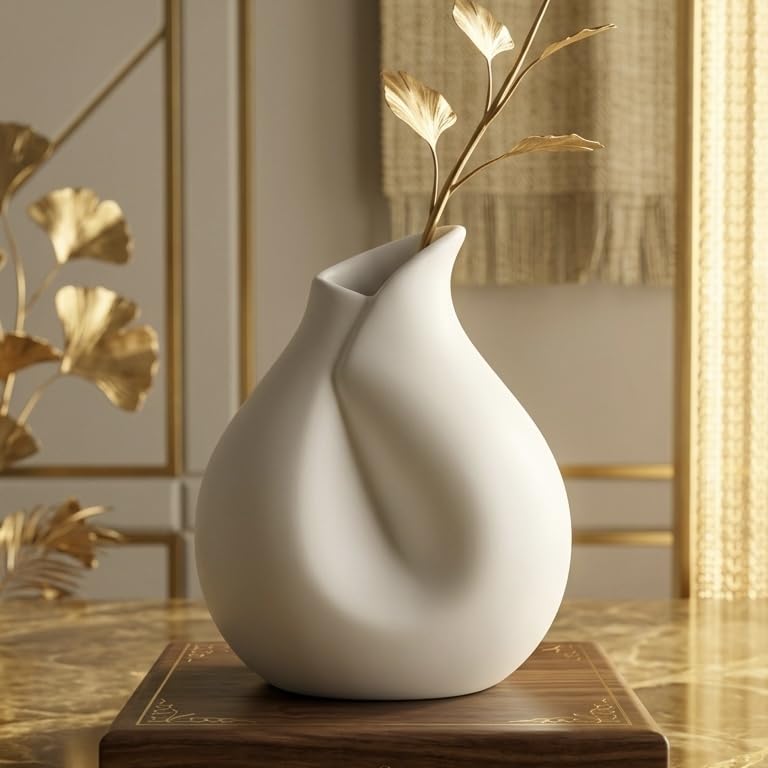
Sculptural vases feature unusual silhouettes, asymmetrical shapes, rounded forms, or artistic handles. They can work as decorative objects even when empty.
Styling idea: Display one sculptural vase on a sideboard or console table. Avoid surrounding it with too many small accessories.

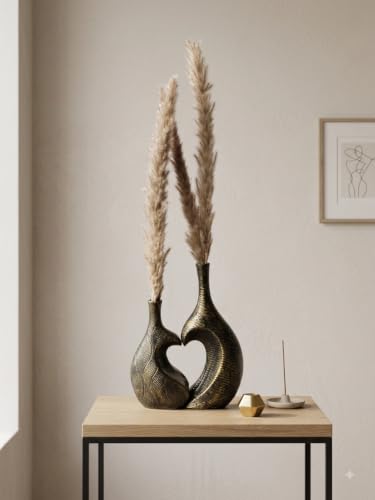
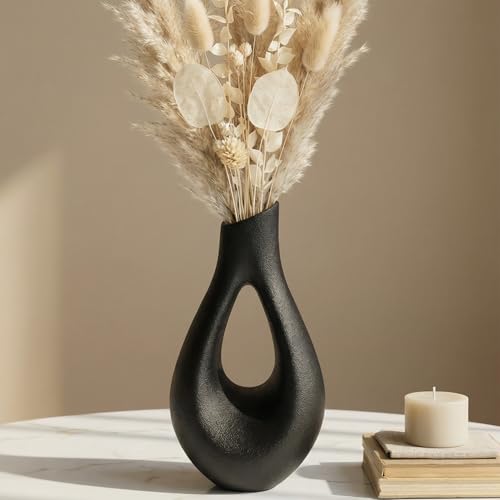
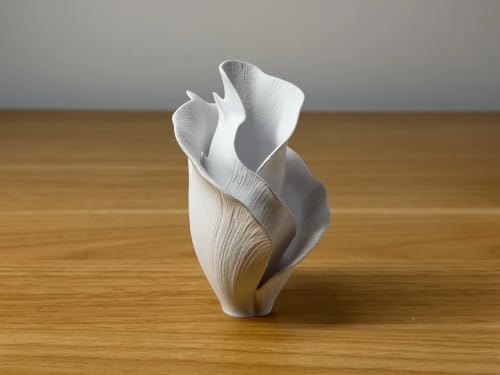

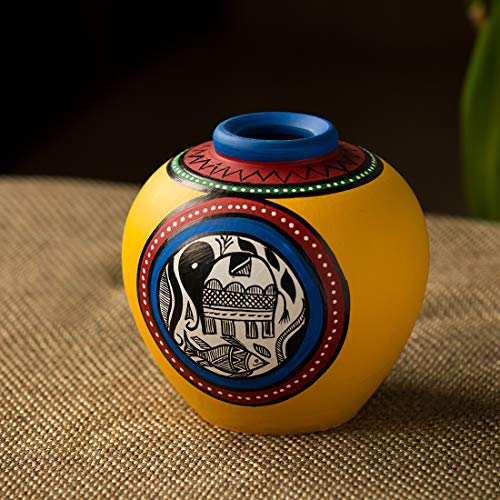
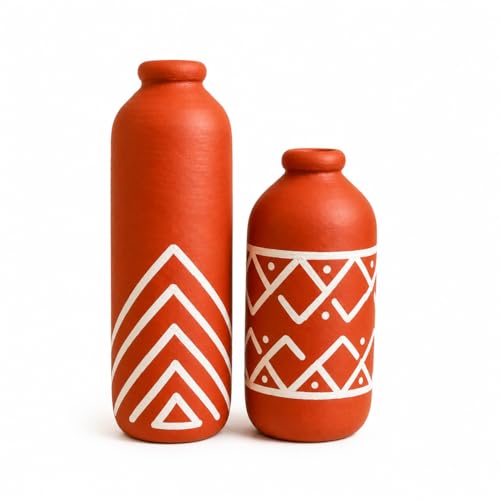
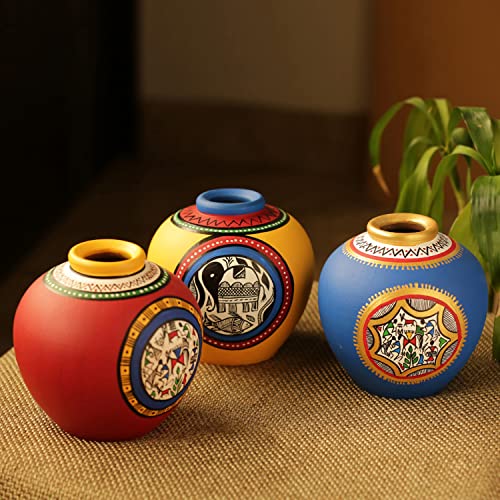
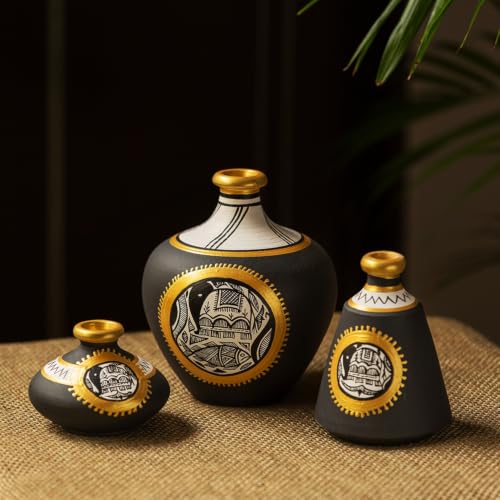
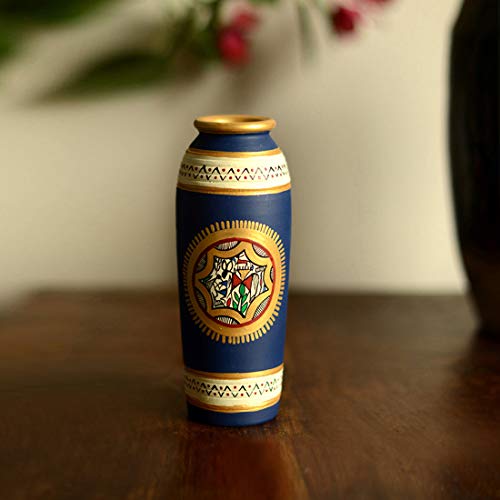
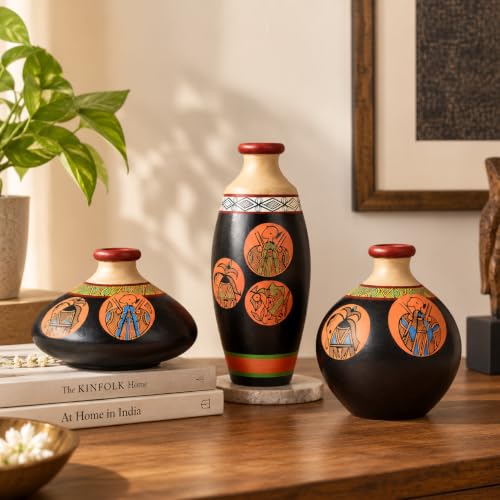
Traditional and Terracotta-Inspired Vases
For Indian homes, earthy finishes and traditional shapes can create a warm, familiar aesthetic. Terracotta-inspired colours, rustic textures, and handcrafted-looking designs pair well with wooden furniture and natural materials.
Styling idea: Place an earthy vase with dried branches near a wooden cabinet or in a corner with a floor lamp.




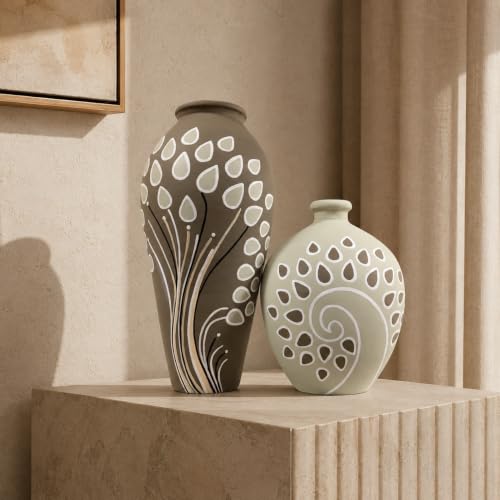

Flower Decorating Ideas for Decorative Vases
A beautiful vase is only part of the arrangement. The flowers, stem lengths, colours, and placement also matter.
Here are some ideas to try at home.
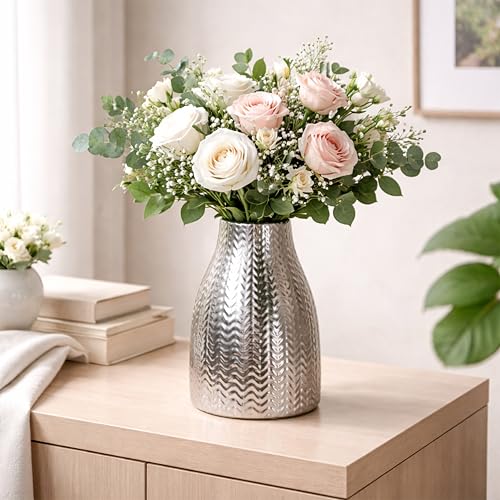
Fresh Roses in a Glass Vase
Roses are a classic option for a coffee table, dining table, or bedroom.
How to style them:
- Choose a clear glass vase with a stable base.
- Trim the rose stems to a suitable height.
- Remove leaves that would sit below the waterline.
- Arrange the flowers loosely rather than forcing them into a tight bundle.
- Place the vase where it receives suitable light without excessive heat.
Pink and white roses create a soft appearance, while red roses provide a stronger colour accent.
White Flowers in a Ceramic Vase
White flowers look elegant in cream, beige, sage-green, or dark ceramic vases.
Consider white lilies, chrysanthemums, carnations, or suitable seasonal flowers available locally.
How to style them: Choose a medium-height vase and arrange the flowers with enough space between the stems. Keep the surrounding decor minimal.
Artificial Flowers for Low-Maintenance Decor
Artificial flowers are useful when you want a lasting arrangement without replacing fresh stems frequently.
Look for realistic petals, natural-looking colours, and flexible stems that can be adjusted to fit the vase.
How to style them:
- Use a ceramic vase to hide the artificial stems.
- Trim or bend the stems to avoid an overly uniform appearance.
- Combine different stem heights for a more natural effect.
- Dust the arrangement regularly.
Artificial flowers are particularly practical for shelves, entryways, and rooms where fresh flowers are not convenient.
Dried Flowers and Pampas Grass
Dried grasses and preserved stems work well with neutral, earthy, and bohemian decor.
They generally look best in a vase with enough height and a relatively narrow neck to support the stems.
How to style them: Place a tall ceramic vase in a corner or use a smaller arrangement on a console table. Choose beige, rust, brown, or muted green tones to create a coordinated look.
Keep dried arrangements away from flames and other heat sources.
Seasonal Indian Flowers
Seasonal flowers can bring colour and freshness to everyday decor, as well as festive arrangements.
Depending on availability, consider marigolds, jasmine, roses, chrysanthemums, or tuberose.
Styling idea: Arrange a few marigold stems in a sturdy vase for a warm seasonal accent. For a more traditional look, coordinate the arrangement with brass accessories or wooden decor.
For loose marigold garlands or floating flowers, a shallow bowl may be more suitable than a conventional tall vase.
Eucalyptus and Decorative Greenery
Green stems can create a calm, natural appearance without relying on colourful blooms.
Use fresh greenery, dried stems, or realistic artificial branches, depending on your preference.
Styling idea: Place a few stems in a clear glass vase on a bedside table or use a ceramic vase on a console table. Keep the arrangement simple and avoid overcrowding it.
Single-Stem Flower Arrangements
You do not always need a large bouquet. A single flower in a narrow-necked vase can look intentional and elegant.
Try one rose, a single lily stem, or a suitable seasonal flower.
Best locations: Bedside tables, small shelves, work desks, and compact dining tables.
This is an excellent option for small apartments where large arrangements may occupy too much space.
How to Decorate Your Living Room with Vases
The living room is one of the easiest places to introduce decorative vases. The trick is to choose the right scale and avoid making surfaces look crowded.
Coffee Table Styling
Choose a low or medium-height vase that does not obstruct conversation across the table.
You can style it with:
- A small bouquet of fresh flowers.
- A compact ceramic vase with dried stems.
- A coloured glass vase as an accent.
- A sculptural vase without flowers.
If your coffee table is small, one vase and one additional accessory are often enough.
TV Unit Styling
A TV unit already contains a large visual focal point: the television. Keep vase styling understated so that the area does not feel busy.
Try a small ceramic vase at one end of the unit. If the unit is wide, balance it with a book stack or another simple object on the opposite side.
Avoid blocking ventilation openings or placing fragile accessories where they can easily fall.
Console Table Styling
Console tables are ideal for taller vases and statement arrangements.
A simple styling formula is:
One vase + one small tray + one book stack or decorative object
Vary the heights of the objects rather than lining everything up at the same level.
For narrow entryways, choose a vase with a stable base and leave enough room for everyday movement.
Open Shelves
Use small and medium vases to break up rows of books and decorative accessories.
Mix different shapes, but repeat one or two colours to maintain a coordinated appearance. A small sculptural ceramic vase can also be displayed empty.
Decorative Vase Ideas for Bedrooms and Dining Areas
Bedroom
Bedrooms generally benefit from softer colours and uncomplicated arrangements.
Consider:
- A small clear vase with fresh flowers.
- A cream ceramic vase with dried stems.
- A coloured glass vase that coordinates with cushions.
- A tiny single-stem vase on a bedside cabinet.
Keep water-filled vases away from electronics, chargers, and important documents.
Dining Table
The best dining-table vase depends on the table’s size and how you use it.
For everyday dining, choose a compact arrangement that leaves sufficient space for plates and serving dishes. A low, wide vase can work well on a rectangular table, while a small rounded vase may suit a compact dining table.
For special occasions, use flowers that complement the table linen and dinnerware rather than competing with them.
Practical tip: If you regularly serve hot dishes, move fragile decor before meals and avoid arrangements that interfere with serving space.
Entrance and Foyer
A vase can make an entryway feel more welcoming.
Use a medium-height ceramic vase on a console table or a tall floor vase in a suitable corner. Choose a stable design, particularly in homes with children or pets.
If the entrance is narrow, keep the arrangement compact enough to avoid obstructing movement.
How to Choose the Right Vase Size and Shape
Before buying a vase, consider where you plan to place it and what you intend to display inside it.
| Vase Style | Suitable Placement | Arrangement Ideas |
|---|---|---|
| Small bud vase | Bedside table or shelf | One or two stems |
| Short rounded vase | Coffee table | Compact bouquet |
| Medium cylindrical vase | Console or dining table | Roses or mixed flowers |
| Tall narrow-neck vase | Floor corner or console | Long stems and branches |
| Wide-mouth vase | Dining table or sideboard | Full bouquet |
| Sculptural vase | Shelf or side table | Standalone decor |
| Tall floor vase | Spacious living room corner | Decorative branches or artificial stems |
These are general styling suggestions rather than strict rules. Choose proportions that suit your furniture and arrangement.
A Simple Sizing Rule
As a starting point, select a vase that supports the flowers without making the arrangement look unstable or top-heavy. Long stems generally need a taller vase, while short-stemmed flowers can work in smaller containers.
For a dining table or coffee table, check that the arrangement does not block sightlines across the table.
How to Match Vase Colours with Your Home Decor
A vase does not have to match every item in your room. It should either complement the existing palette or introduce a deliberate accent.
Neutral Interiors
For white, beige, grey, and cream rooms, consider:
- Matte white ceramic.
- Sand-coloured or beige pottery.
- Clear glass.
- Soft sage-green accents.
Wooden Furniture
Wood pairs naturally with earthy colours and textured finishes.
Try terracotta-inspired ceramic, amber glass, olive green, or cream vases.
Colourful Interiors
If your room already features bright cushions, patterned curtains, or colourful artwork, a clear glass vase or a simple neutral ceramic design can prevent visual overload.
Alternatively, choose one colour already present in the room and repeat it in the vase.
Dark Furniture
Dark wood and black furniture can work well with cream ceramic, clear glass, or muted coloured glass.
For a more dramatic look, consider a sculptural vase with a contrasting finish.
Styling tip: Repeating one accent colour in two or three places can make the room feel coordinated without requiring an exact match.
How to Arrange Flowers Like a Professional
You do not need professional floristry skills to create an attractive arrangement. A few simple techniques can help.
Step 1: Start with a Clean Vase
Wash the vase and remove any residue. For fresh flowers, use a vase that can safely hold water.
Step 2: Trim the Stems
Cut fresh flower stems at an angle using clean scissors or suitable floral shears. Remove leaves that would sit below the waterline.
Step 3: Establish the Height
Start with the tallest stems and build the arrangement around them. Keep the overall height proportionate to the vase and its location.
Step 4: Add Supporting Flowers or Greenery
Use smaller flowers and greenery to fill gaps naturally. Avoid making every stem the same height.
Step 5: Check the Arrangement from Different Angles
Rotate the vase and look at it from the front and sides. Adjust stems so the arrangement looks balanced.
Step 6: Maintain Fresh Flowers
Change the water regularly, clean the vase when needed, and remove wilted flowers. Follow any care instructions specific to the flower variety.
For artificial flowers, arrange the stems before displaying them and dust them periodically.
Common Mistakes to Avoid When Decorating with Vases
Even attractive vases can look out of place when they are styled poorly. Avoid these common mistakes.
1. Choosing a vase that is too large
An oversized vase can overwhelm a small table or shelf. Measure the available space before buying.
2. Using too many decorative objects
Crowded surfaces make individual pieces less noticeable. Leave some empty space around the vase.
3. Ignoring the vase opening
A very wide opening may not support a few stems neatly, while a narrow opening may not accommodate a large bouquet.
4. Forgetting stability
Tall, narrow vases may tip over easily. Choose a stable base and consider the surrounding foot traffic.
5. Mixing too many colours
Several competing colours and finishes can make the arrangement look disconnected. Repeat a few complementary tones.
6. Neglecting cleaning
Glass can show water marks, while ceramic surfaces can collect dust. Clean each vase according to its material and finish.
7. Assuming every ceramic vase holds water
Some decorative ceramic pieces are not waterproof. Check the product description before using them with fresh flowers.
8. Placing delicate vases in high-traffic areas
Fragile pieces are better suited to stable shelves or protected surfaces than to narrow walkways.
How to Care for Glass and Ceramic Vases
Proper care can help your decorative accessories remain attractive for longer.
Glass Vase Care
- Empty and rinse the vase after removing fresh flowers.
- Wash with mild dish soap and a soft sponge.
- Use a suitable bottle brush for narrow openings.
- Dry the outside to reduce visible water marks.
- Avoid sudden temperature changes that could damage certain glass types.
- Handle delicate glass carefully and store it where it will not be knocked over.
Ceramic Vase Care
- Dust the vase regularly with a soft cloth.
- Use mild soap and water when the finish allows it.
- Avoid abrasive cleaning tools on painted, glazed, or textured surfaces.
- Check whether the vase is waterproof before filling it.
- Protect delicate finishes from hard knocks.
- Allow the interior to dry completely before storing it.
For antique, handmade, or specially finished pieces, follow the maker’s care instructions.
What to Check Before Buying Decorative Vases Online
Shopping online gives you access to many shapes and finishes, but product photos do not always communicate the actual size or finish accurately.
Use this checklist before ordering.
- Dimensions: Check height, width, and opening diameter.
- Material: Confirm whether the item is glass, ceramic, terracotta, or another material.
- Water suitability: Verify whether it can hold water if you plan to use fresh flowers.
- Base stability: Look for a base that suits your intended placement.
- Finish: Check whether the surface is glossy, matte, textured, or transparent.
- Weight: Consider whether you need a lightweight vase or a heavier decorative piece.
- Cleaning: Check whether the opening is wide enough for easy cleaning.
- Customer reviews: Look for comments about finish, dimensions, packaging, and breakage during delivery.
- Return policy: Review the seller’s damage and return conditions.
- Total cost: Compare the final price, shipping charges, and available discounts.
For fragile glass and ceramic products, pay particular attention to packaging and delivery reviews.
Budget-Friendly Vase Decorating Ideas
You do not need to buy several expensive vases to refresh your home.
Reuse a Suitable Glass Bottle
A clean, sturdy decorative bottle can hold a few fresh stems. Remove labels carefully and make sure the opening suits the flowers.
Refresh an Existing Ceramic Vase
Move a vase from one room to another or pair it with a different arrangement. Sometimes changing its placement is enough to give it a new look.
Use Seasonal Flowers
Locally available seasonal flowers can be an economical way to change your decor regularly.
Try Dried Branches
Suitable dried branches and grasses can create an understated arrangement without requiring frequent replacement.
Create a Small Vase Collection
Instead of buying many unrelated pieces, collect two or three vases in complementary colours and different heights. This gives you more flexibility when styling shelves and tables.
Shop with Measurements
Measure the surface first and compare the dimensions of products online. This helps prevent buying a vase that is too large or too small for your intended space.
In Case You Are Looking For –
- Best Decorative Wall Mirrors: Frameless vs Framed & Small Home Ideas
- Best Carpets and Rugs for Living Rooms
- Best Curtains for Living Rooms
- Best LED Strip Lights for Home
- Best Indoor Plants for Home Decor
Frequently Asked Questions
Are glass vases better than ceramic vases?
Neither material is universally better. Glass vases are excellent for transparent, lightweight-looking arrangements and fresh flowers. Ceramic vases offer more texture, colour, and sculptural appeal, making them useful as standalone decor.
Which vase is best for fresh flowers?
A clean glass vase is a practical choice because you can monitor the water and see the stems. However, a ceramic vase that is waterproof and easy to clean can work equally well.
Can ceramic vases hold water?
Some can, but not all decorative ceramic vases are waterproof. Check the manufacturer’s product description before filling the vase.
Which vase is best for artificial flowers?
Ceramic vases are a popular option because their opaque surfaces hide artificial stems. Glass vases can also work if you arrange the stems neatly or use suitable decorative fillers.
How do I decorate a small living room with vases?
Choose one or two appropriately sized vases rather than filling every surface. A small ceramic vase on a shelf or a compact glass vase on a coffee table can add interest without taking up too much space.
What colour vase goes with everything?
Clear glass is highly versatile. Neutral shades such as white, cream, beige, and soft grey also coordinate with many interior palettes.
How many vases should I display together?
There is no fixed number. One statement vase can work beautifully on a small surface. On a larger console or shelf, a group of two or three vases in different heights can create a balanced arrangement.
Are decorative vases suitable for Indian homes?
Yes. Glass, ceramic, and terracotta-inspired vases can suit a wide range of Indian interiors, from contemporary apartments to homes with traditional wooden furniture. Choose the size, finish, and colours according to your space.
How do I stop a vase from tipping over?
Choose a stable base, avoid overcrowding the vase with heavy stems, and place it away from narrow walkways. For tall arrangements, select a vase with a suitable weight and shape.
Can I use a vase without flowers?
Absolutely. Sculptural, textured, and coloured vases can serve as standalone decorative objects on shelves, console tables, and sideboards.
Final Verdict –
The best decorative vases combine attractive design with practical functionality. Glass vases are ideal for transparent arrangements, fresh flowers, and a light, contemporary look. Ceramic vases offer texture, colour, and sculptural appeal, making them excellent choices for standalone styling and artificial or dried flowers.
For a versatile home decor collection, consider keeping one clear glass vase, one neutral ceramic vase, and one statement piece in a colour or finish you love.
Experiment with fresh roses, seasonal Indian flowers, artificial stems, dried grasses, or simple greenery. Most importantly, choose arrangements that suit your available space and leave enough room for your home to feel comfortable rather than cluttered.
A thoughtfully chosen vase can make even a small corner feel more welcoming and sometimes, that is all the refresh your home needs.