


No Indian celebration feels quite complete without something sweet! Whether you are preparing for Diwali, Durga Puja, Ganesh Chaturthi, a wedding, a family gathering, or an impromptu visit from relatives, homemade mithai adds a special touch to the occasion.
However, preparing an elaborate festive menu can be time-consuming, especially when you are managing snacks, savoury dishes, decorations, and last-minute preparations. The good news is that you do not need to spend an entire day in the kitchen to serve delicious desserts.
The best Indian sweets to make for festive guests include a combination of traditional favourites, quick milk-based desserts, nutty treats, and refreshing Bengali classics. Some can be prepared several days in advance, while others taste best when served fresh.
In this guide, we have rounded up 10 popular Indian sweets you can prepare at home, along with ingredients, step-by-step instructions, serving suggestions, and useful preparation tips.
Quick Overview: 10 Indian Sweets for Festive Guests
| Sweet | Preparation Time | Best For |
|---|---|---|
| Besan Ladoo | 35–45 minutes | Diwali and gifting |
| Coconut Barfi | 25–35 minutes | Quick festive mithai |
| Gulab Jamun | 40–60 minutes | Dinner parties and celebrations |
| Rice Kheer | 40–50 minutes | Family gatherings |
| Sooji Halwa | 20–25 minutes | Last-minute guests |
| Sandesh | 30–45 minutes | Bengali celebrations |
| Rasgulla | 45–60 minutes, plus cooling | Durga Puja and special occasions |
| Shrikhand | 15 minutes, plus chilling | Summer celebrations |
| Atta Ladoo | 30–40 minutes | Traditional festive menus |
| Chocolate Barfi | 30–40 minutes | Modern festive dessert platters |
Times are estimates and vary by recipe, batch size, and cooking experience. Shrikhand requires additional time for draining and chilling if starting with regular curd.
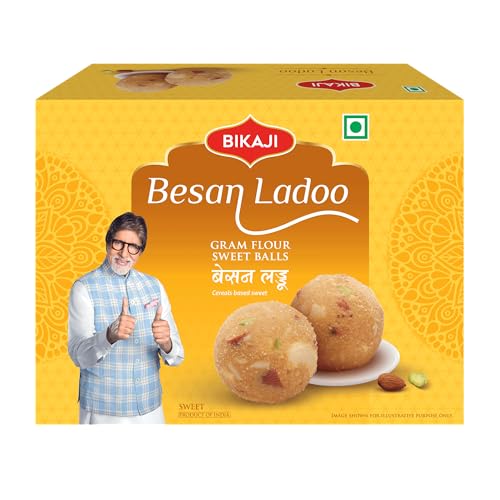
1. Besan Ladoo: A Traditional Festive Favourite
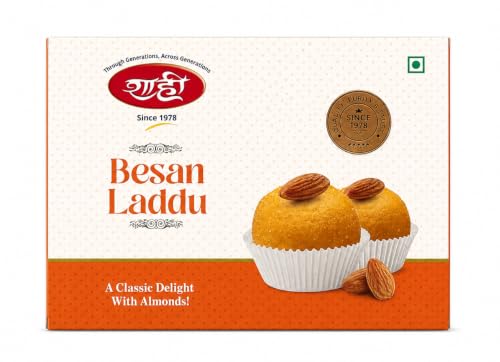
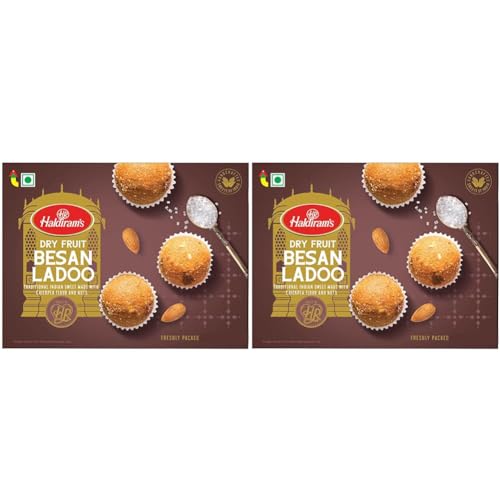
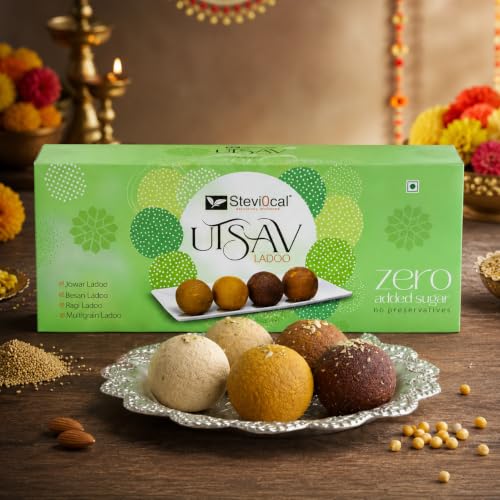
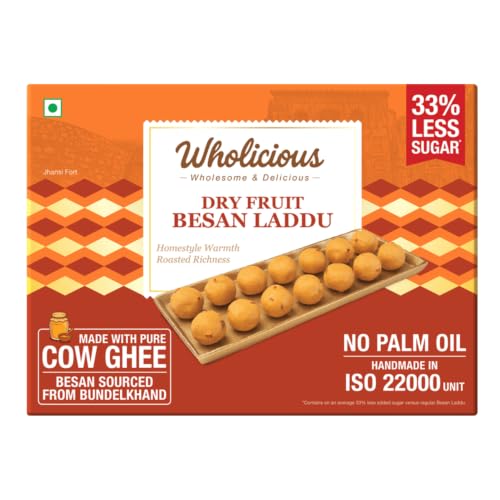
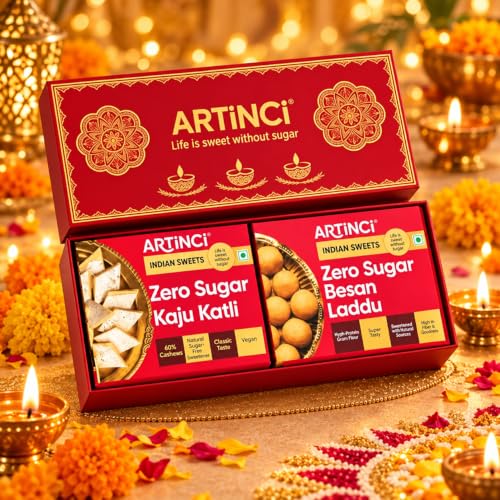
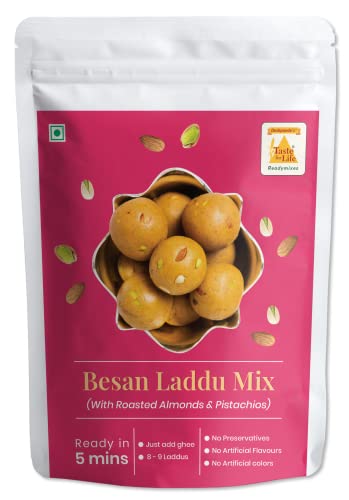
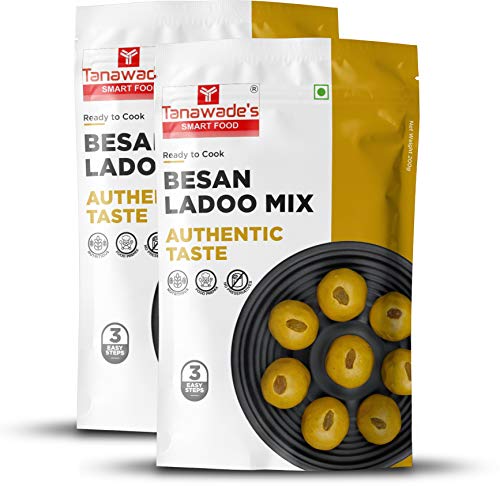
Besan ladoo is one of the most loved Indian sweets for festivals. Made with gram flour, ghee, and sugar, these aromatic round sweets are especially popular during Diwali and make thoughtful homemade gifts.
Their nutty aroma comes from slowly roasting the besan in ghee. The key to a delicious ladoo is patience: properly roasted flour develops a rich flavour and loses its raw smell.
Ingredients
- 2 cups besan (gram flour)
- ¾ cup powdered sugar, adjusted to taste
- ½ cup ghee, approximately
- ¼ teaspoon cardamom powder
- 2 tablespoons chopped almonds or pistachios, optional
Method
- Heat the ghee in a heavy-bottomed pan over low heat.
- Add the besan and stir continuously to prevent lumps and scorching.
- Roast slowly until the mixture turns aromatic and golden. Depending on the flour and pan, this may take around 15–25 minutes.
- Remove from the heat and allow the mixture to cool until warm rather than hot.
- Mix in the powdered sugar, cardamom powder, and chopped nuts.
- Shape into small, firm balls while the mixture is still warm enough to handle.
- Let the ladoos cool completely before storing them in an airtight container.
Festive tip: Make besan ladoos a day or two before your guests arrive. This leaves you more time to prepare the rest of the menu.


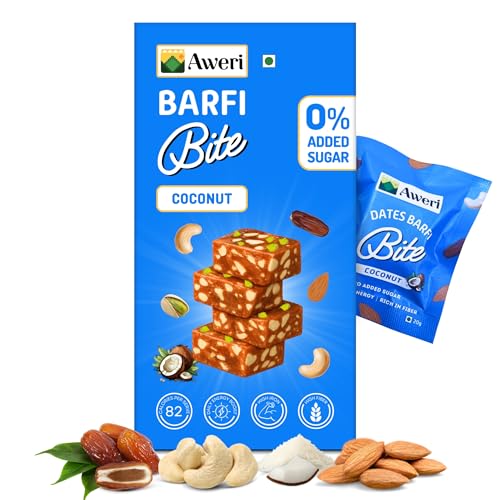
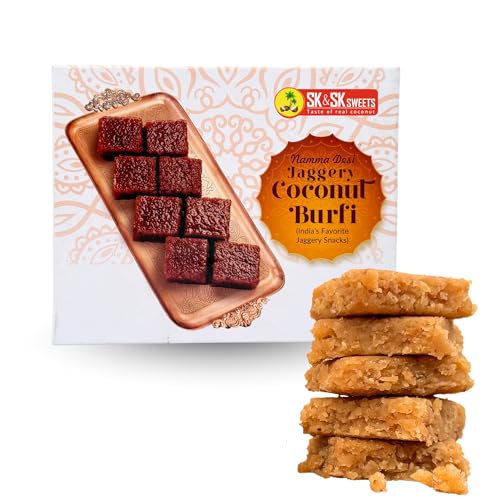
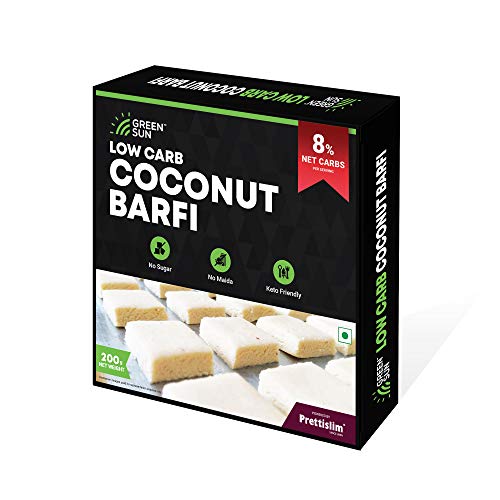
2. Coconut Barfi: An Easy Sweet for Busy Hosts
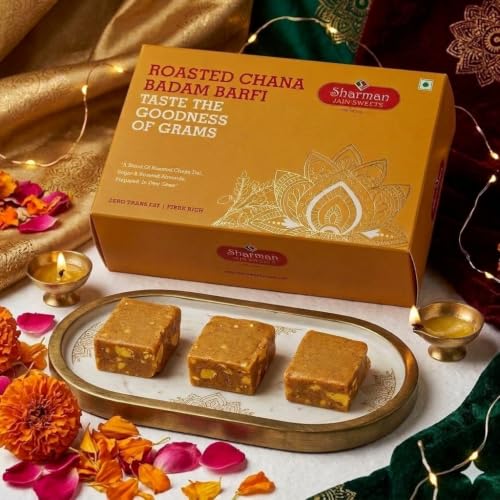
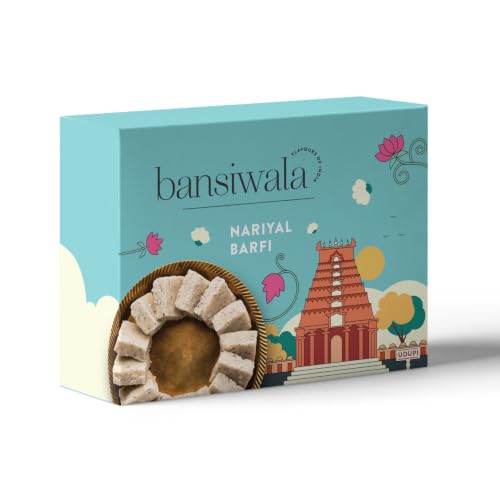
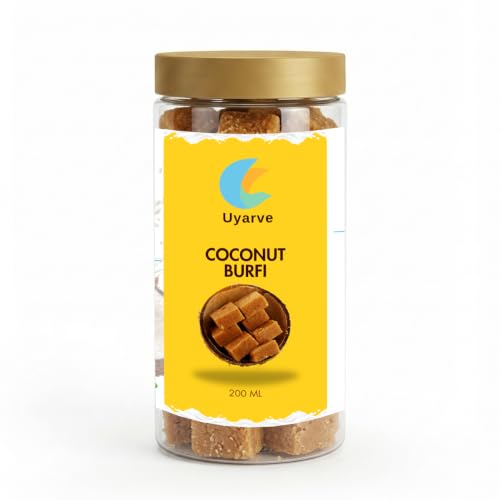
Coconut barfi is a wonderful option when you want a homemade sweet without a complicated recipe. Its delicate coconut flavour and soft texture make it suitable for festive platters, tea-time gatherings, and small family celebrations.
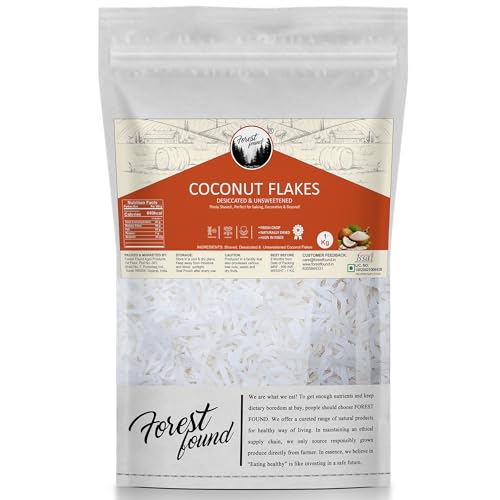
Fresh or desiccated coconut can be used, although the quantity of liquid and cooking time may vary.
Ingredients
- 2 cups grated fresh coconut or desiccated coconut
- ¾ cup sugar, adjusted to taste
- ½ cup milk, if using desiccated coconut
- 2 tablespoons ghee
- ¼ teaspoon cardamom powder
- Chopped pistachios for garnish
Method
- Grease a small plate or tray with ghee.
- Heat the ghee in a non-stick or heavy-bottomed pan.
- Add the coconut and cook briefly over low heat.
- Add sugar and milk if using desiccated coconut. Fresh coconut may release moisture, so add liquid cautiously.
- Stir continuously until the mixture thickens and begins to leave the sides of the pan.
- Mix in the cardamom powder.
- Transfer the mixture to the greased tray and flatten evenly.
- Sprinkle chopped pistachios over the top.
- Allow it to cool and set before cutting into squares.
Festive tip: Cut the barfi into neat squares and arrange them in paper sweet cups for an attractive homemade mithai platter.


3. Gulab Jamun: A Crowd-Pleasing Classic
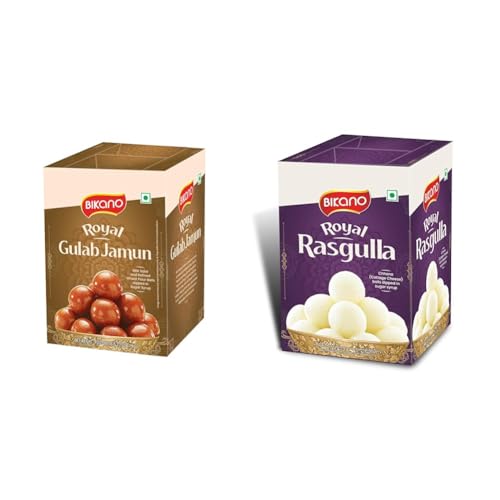
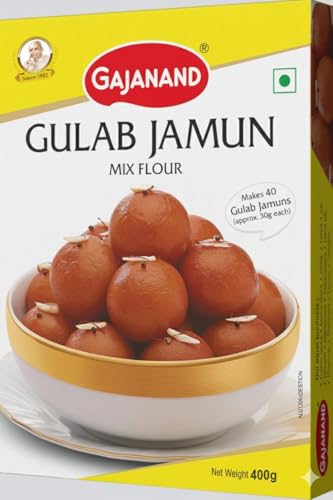
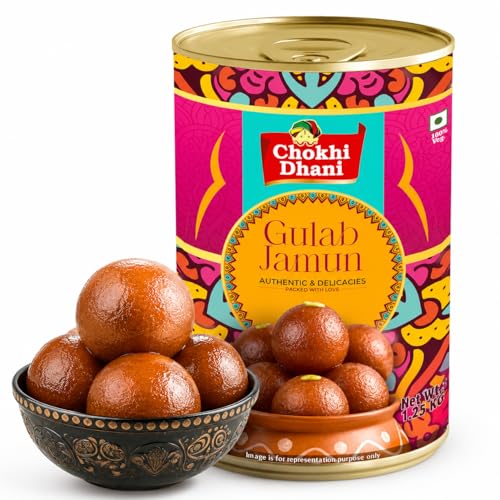
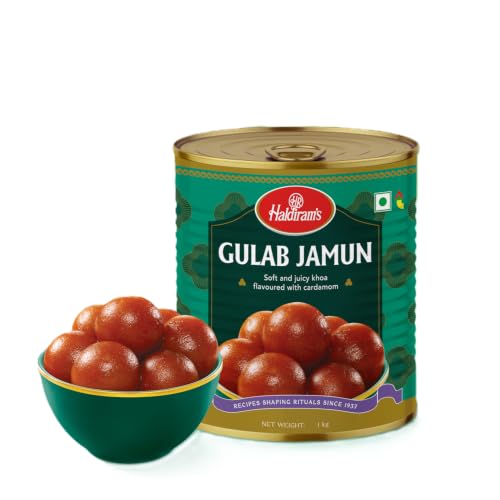
Soft, syrup-soaked gulab jamun is a familiar favourite at Indian weddings, festivals, and dinner parties. Its delicate texture and fragrant sugar syrup make it an excellent dessert when you want something indulgent.
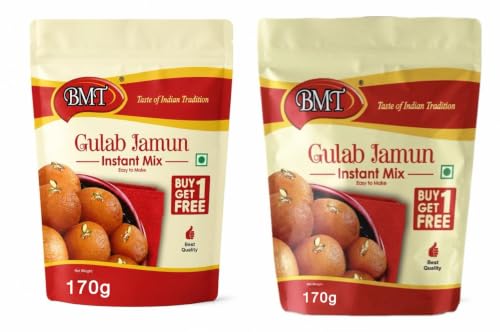
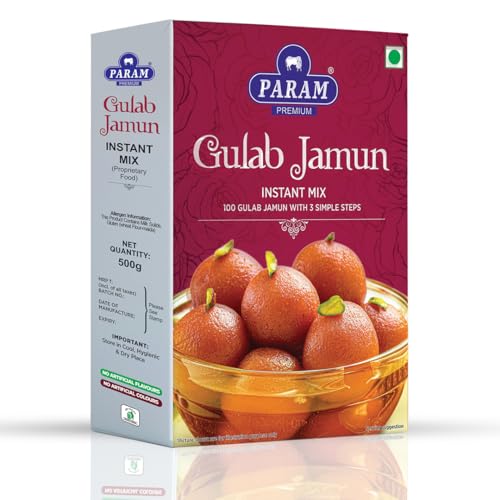
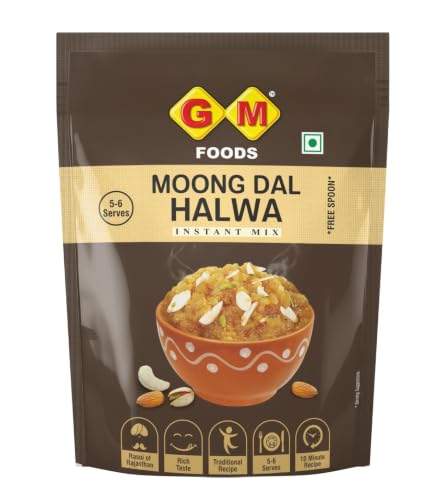
For convenience, you can use a trusted ready-made gulab jamun mix and follow its package instructions. If preparing from scratch, the recipe below uses milk powder.
Ingredients
For the jamuns
- 1 cup milk powder
- ¼ cup maida (all-purpose flour), approximately
- 2 tablespoons ghee
- ¼ teaspoon baking soda
- Milk, as needed to form a soft dough
- Ghee or suitable frying oil, as needed
For the syrup
- 1½ cups sugar
- 1½ cups water
- 3–4 cardamom pods, lightly crushed
- A few drops of rose water, optional
Method
- Combine milk powder, maida, baking soda, and ghee.
- Add milk gradually to make a soft dough. Avoid kneading it aggressively.
- Cover and rest briefly while preparing the syrup.
- Heat the sugar and water until the sugar dissolves. Simmer for a few minutes and add cardamom. The syrup should remain light rather than becoming thick and crystallised.
- Shape the dough into small, smooth balls without cracks.
- Heat the frying medium over low to medium-low heat. Test with one ball first to ensure it cooks evenly.
- Fry the jamuns slowly, turning gently until evenly golden brown.
- Allow the syrup to cool until warm, then add the fried jamuns.
- Leave them to soak for at least 30 minutes before serving.
Festive tip: Prepare the syrup and dough components ahead, but fry carefully on the day if you want to serve the jamuns warm. A ready-made mix is useful when hosting a large group.



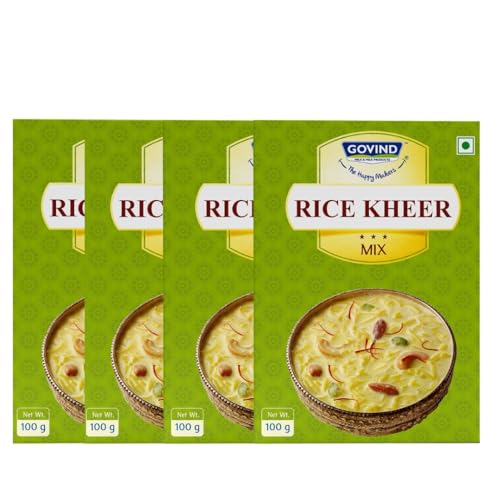
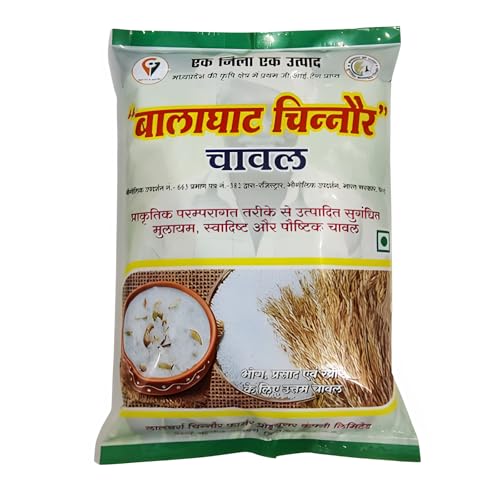
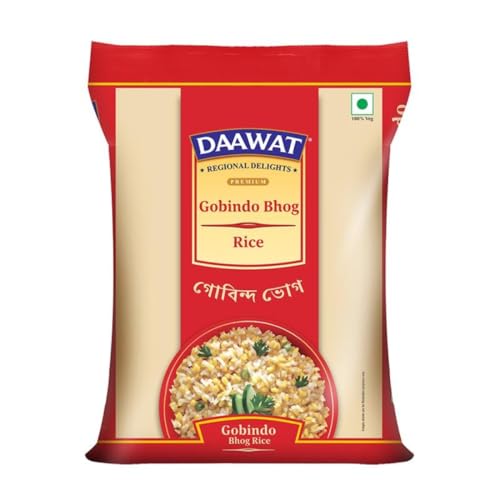
4. Rice Kheer: A Comforting Indian Dessert
Rice kheer is a creamy milk-based dessert made with rice, sugar, and aromatic ingredients. It is served across India during festivals, pujas, family celebrations, and special meals.
One of its biggest advantages is that it can be prepared ahead of time and chilled before guests arrive.
Ingredients
- 1 litre full-fat milk
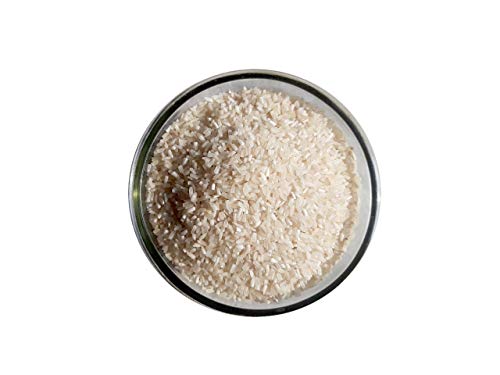
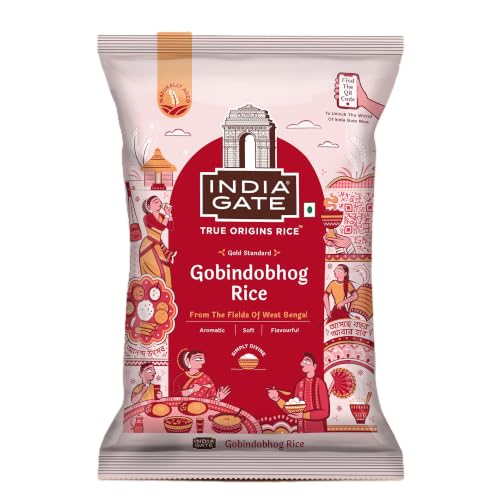
- ¼ cup rice
- ⅓–½ cup sugar, according to taste
- ¼ teaspoon cardamom powder
- 8–10 almonds, chopped
- 8–10 pistachios, chopped
- A few saffron strands, optional
Method
- Wash the rice thoroughly and soak it for about 20 minutes.
- Bring the milk to a gentle boil in a heavy-bottomed pan.
- Drain the rice and add it to the milk.
- Simmer over low heat, stirring regularly so the milk does not stick to the bottom.
- Continue cooking until the rice becomes soft and the milk thickens.
- Add sugar and stir until dissolved.
- Add cardamom, saffron, and chopped nuts.
- Simmer for another few minutes, then switch off the heat.
- Serve warm or cool completely and refrigerate.
Festive tip: Serve chilled kheer in small glass bowls topped with pistachios and saffron. Remember that kheer thickens as it cools, so adjust the consistency with a little warm milk if needed.




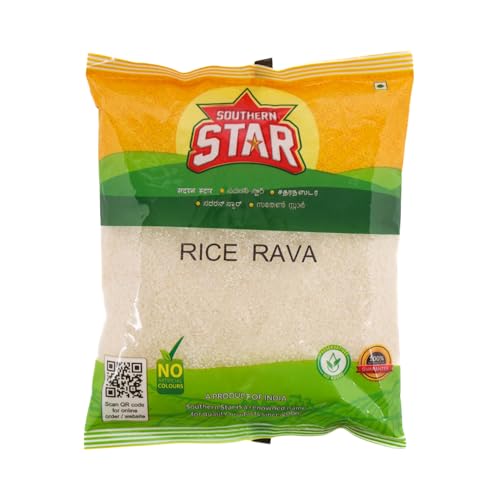
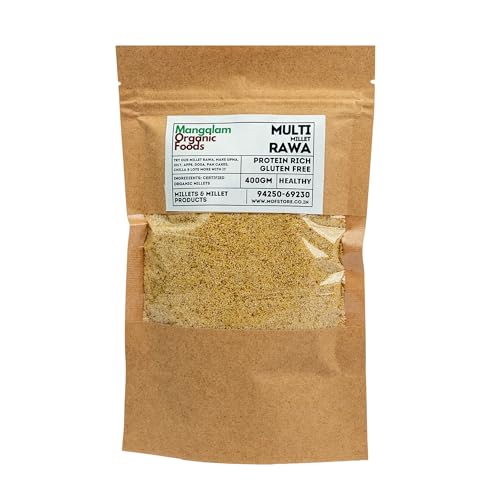
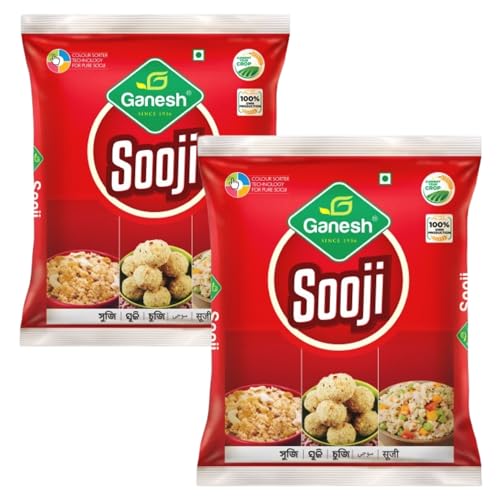
5. Sooji Halwa: The Best Option for Last-Minute Guests
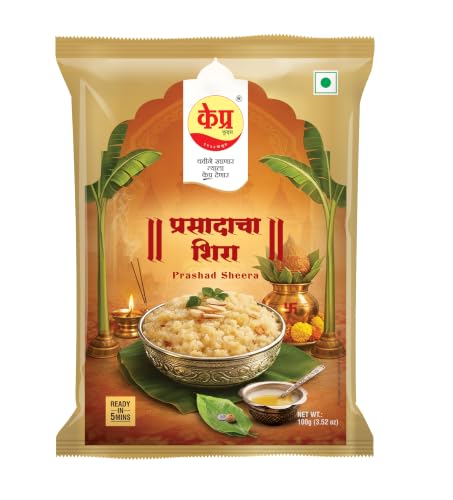
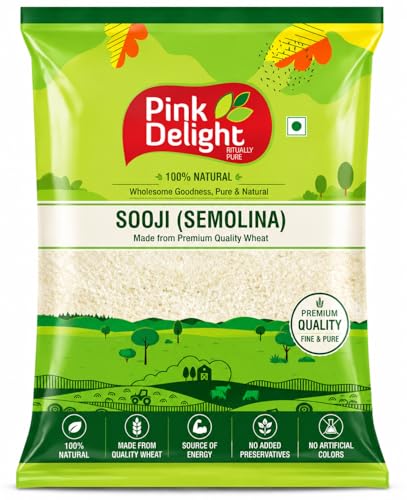
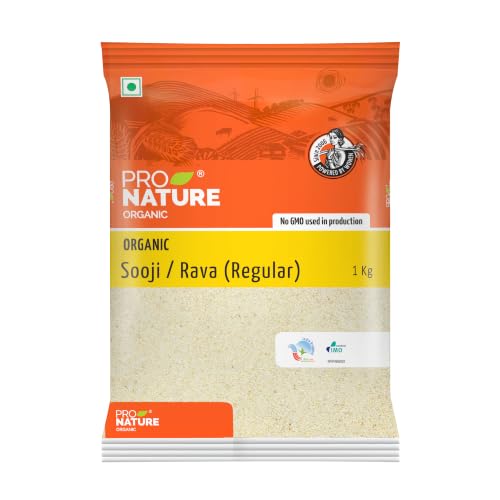
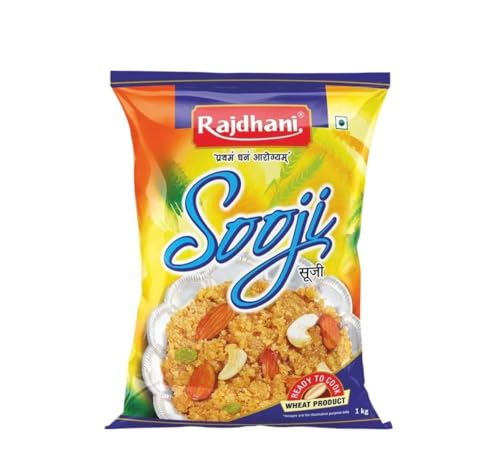
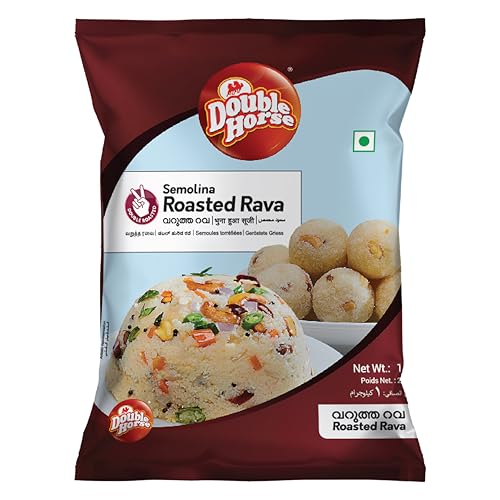
When unexpected guests arrive, sooji halwa is one of the easiest Indian sweets to prepare. Made with semolina, ghee, sugar, and water, it requires basic pantry ingredients and can be ready in approximately 20–25 minutes.
It is also a familiar dessert for many Indian households, particularly during pujas and festive meals.
Ingredients
- 1 cup sooji (semolina)
- ½ cup ghee
- ¾ cup sugar, adjusted to taste
- 2½–3 cups water
- ¼ teaspoon cardamom powder
- 2 tablespoons chopped cashews and raisins
Method
- Heat the water separately and dissolve the sugar in it.
- In another heavy-bottomed pan, heat the ghee.
- Add the cashews and raisins and sauté briefly. Remove them if you prefer to add them at the end.
- Add the sooji and roast over low to medium-low heat until fragrant and lightly golden.
- Carefully pour in the hot sweetened water, stirring continuously to avoid lumps.
- Cook until the semolina absorbs the liquid and thickens.
- Add cardamom powder and the nuts and raisins.
- Serve warm.
Festive tip: Portion the halwa into small bowls and garnish with a few cashews or pistachios. It is an excellent choice when you have very little preparation time.



6. Sandesh: A Delicate Bengali Sweet
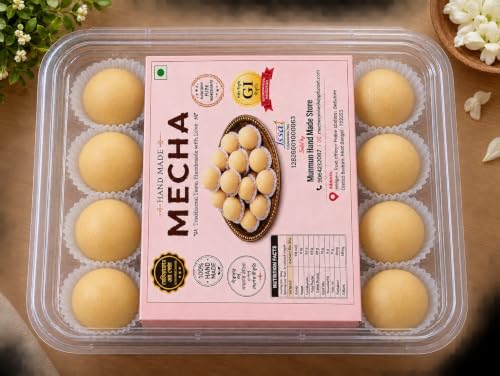
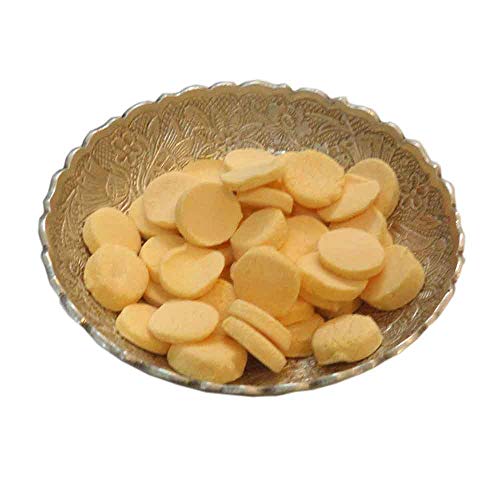
Sandesh is a traditional Bengali mithai made primarily from chhena, or fresh Indian cottage cheese. It is especially fitting for Durga Puja, Bengali family gatherings, and anyone who enjoys lightly sweetened milk-based desserts.
Unlike syrup-soaked sweets, sandesh can have a delicate, soft texture and a more subtle sweetness.
Ingredients
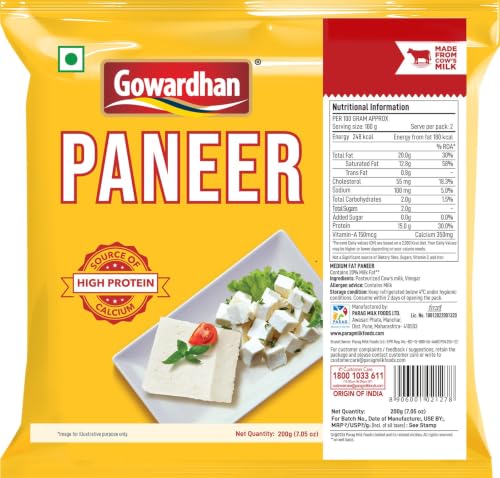
- 500 g fresh chhena or well-drained homemade paneer
- ⅓ cup powdered sugar, adjusted to taste
- ¼ teaspoon cardamom powder
- A few strands of saffron or chopped pistachios for garnish
Method
- If making chhena from scratch, bring milk to a boil and add lemon juice gradually until it curdles. Strain through a clean muslin cloth, rinse briefly, and drain.
- Knead the chhena until smooth and free of large lumps.
- Transfer it to a non-stick pan and cook over low heat, stirring gently.
- When the chhena becomes slightly drier but remains soft, switch off the heat.
- Allow it to cool until warm.
- Add powdered sugar and cardamom powder, then mix thoroughly.
- Shape into small discs or use a sandesh mould.
- Garnish with saffron or pistachios and refrigerate until serving.
Festive tip: Sandesh is best prepared in small batches and kept refrigerated. Use fresh ingredients and avoid leaving it at room temperature for extended periods.



7. Rasgulla: A Bengali Celebration Favourite
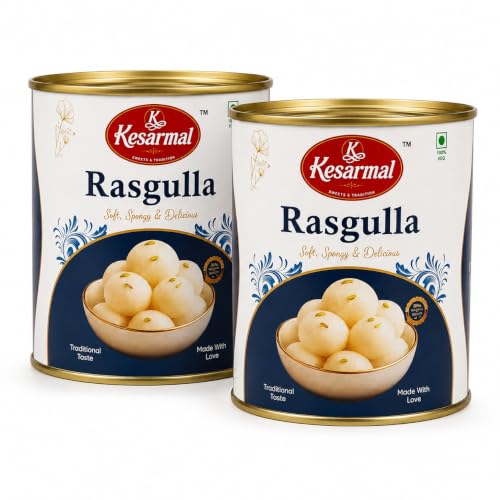
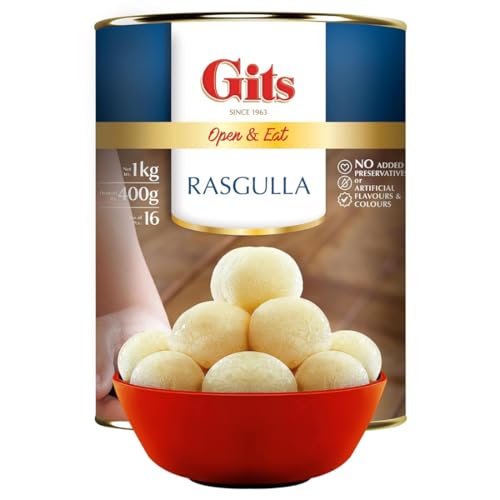
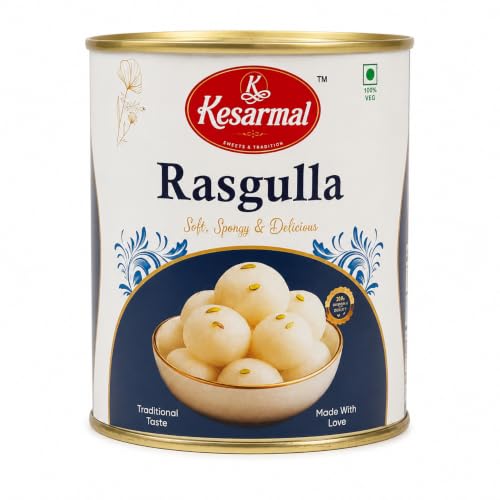
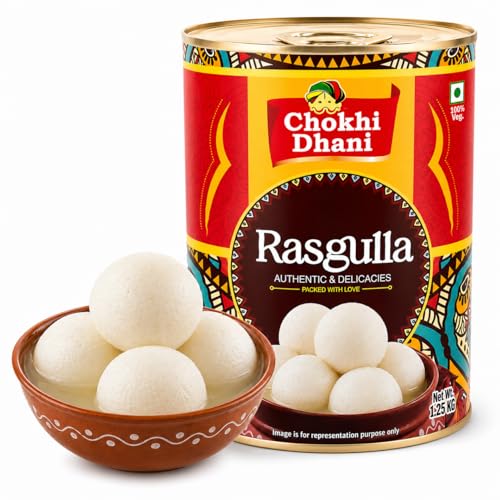
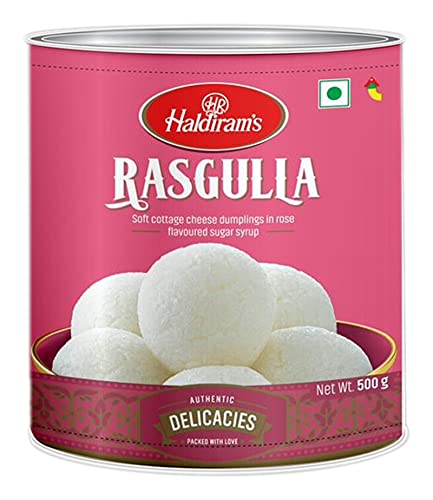
Rasgulla is known for its soft, spongy texture and light sugar syrup. It is a wonderful dessert for Durga Puja, festive lunches, and special occasions when you want to serve a traditional Bengali sweet.
Making rasgulla from scratch requires attention to chhena texture, kneading, and cooking. For a first attempt, allow enough time to practise rather than making it just before guests arrive.
Ingredients
- 1 litre full-fat milk
- 2–3 tablespoons lemon juice, diluted with water
- 1 cup sugar
- 4 cups water
- Ice-cold water for rinsing the chhena, as needed
Method
- Bring the milk to a boil and switch off the heat.
- Add diluted lemon juice gradually, stirring gently until the milk separates into curds and whey.
- Strain the chhena through a clean muslin cloth and rinse with cool water to remove the lemon flavour.
- Hang the cloth briefly to drain excess water. The chhena should be moist but not dripping.
- Knead until smooth and pliable.
- Shape into small, crack-free balls, allowing room for expansion.
- In a wide pot, bring the sugar and water to a rolling boil.
- Add the balls carefully, cover, and cook at a steady boil until expanded and cooked through. Cooking time depends on their size and the pan.
- Cool in the syrup before serving.
Festive tip: Make rasgulla a day ahead and refrigerate it in its syrup. If the texture is not coming together, use a reliable recipe with precise quantities rather than adding ingredients randomly.





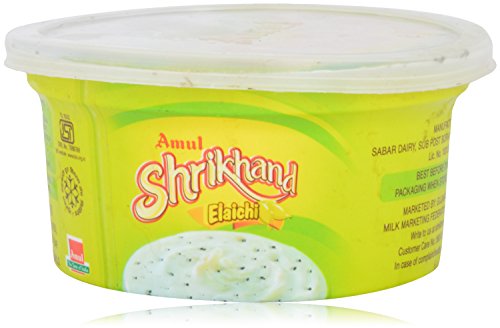
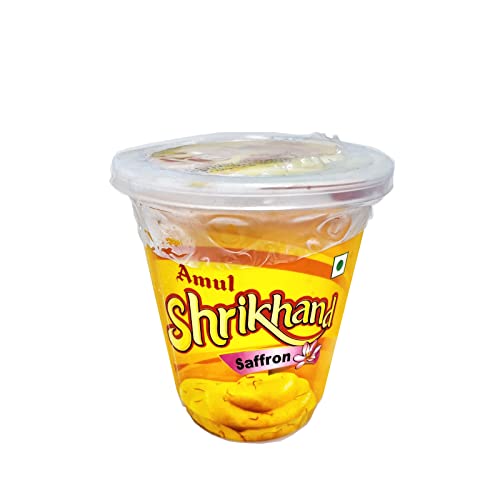
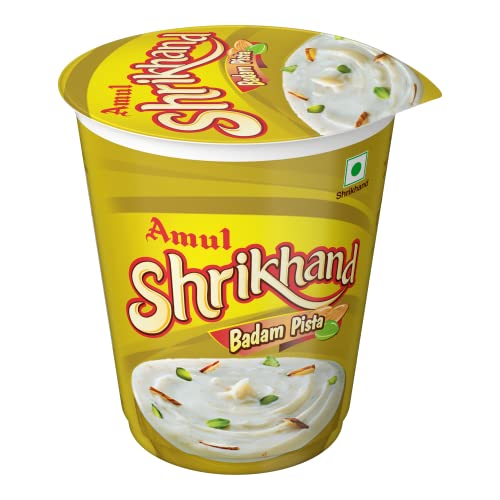
8. Shrikhand: A Refreshing Sweet for Warm Weather
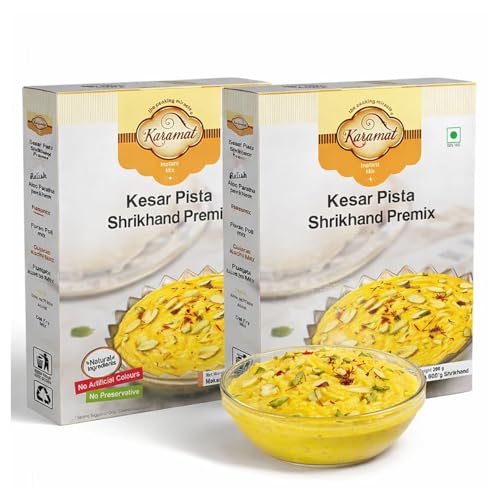
Shrikhand is a creamy dessert made from strained curd, sugar, and cardamom. Popular in Maharashtra and Gujarat, it is especially suitable for festive lunches and dinners when you want something refreshing rather than a fried sweet.
It also pairs beautifully with puri for a traditional festive meal.
Ingredients
- 500 g thick hung curd or Greek-style yogurt
- ⅓–½ cup powdered sugar, to taste
- ¼ teaspoon cardamom powder
- A pinch of saffron soaked in 1 tablespoon warm milk
- Chopped pistachios and almonds for garnish
Method
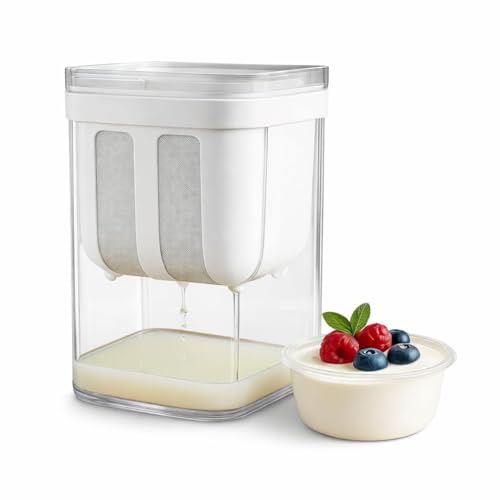
- If using regular curd, place it in a clean muslin cloth over a bowl and refrigerate while it drains until thick.
- Transfer the strained curd to a mixing bowl.
- Add powdered sugar and whisk until smooth.
- Mix in cardamom powder and saffron milk.
- Refrigerate for at least an hour so the flavours develop.
- Serve in chilled bowls and garnish with chopped nuts.
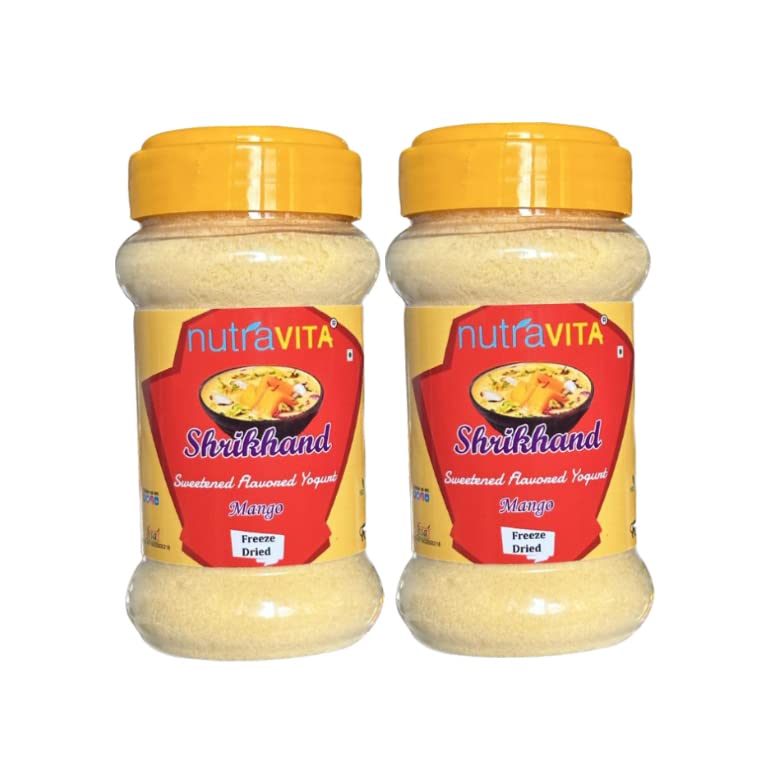
Festive tip: Make shrikhand the previous evening, keep it refrigerated, and garnish just before serving. For variety, you can prepare a mango version when good-quality mango pulp is available.




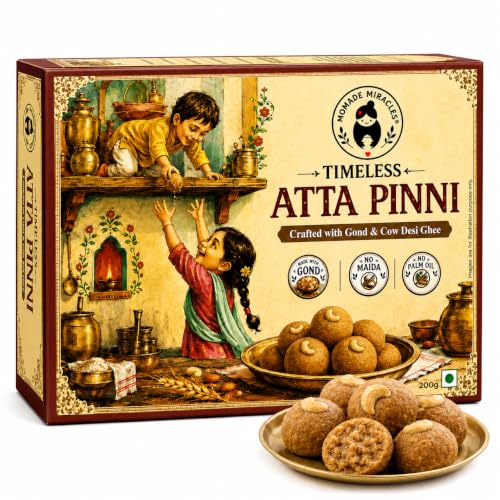
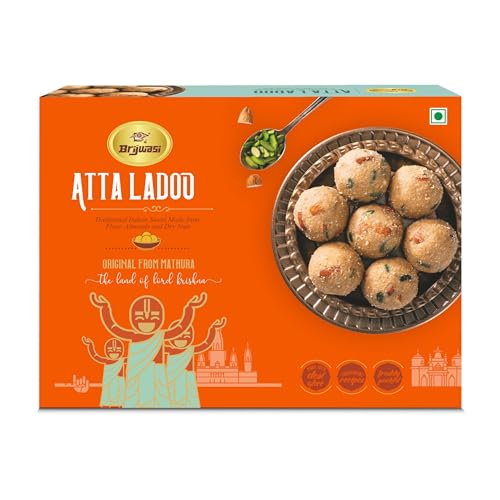
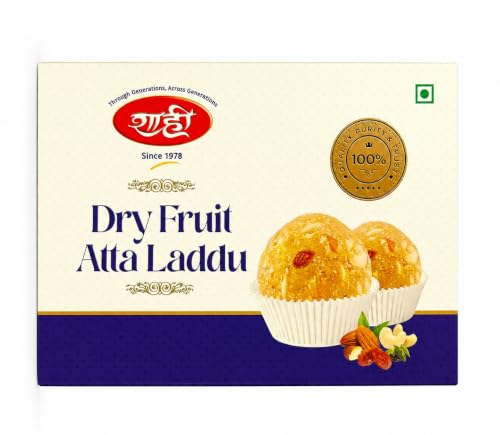
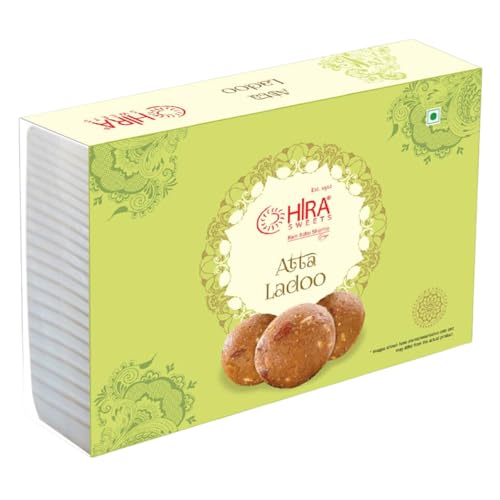
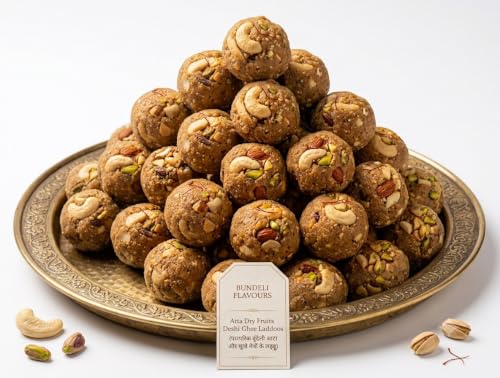
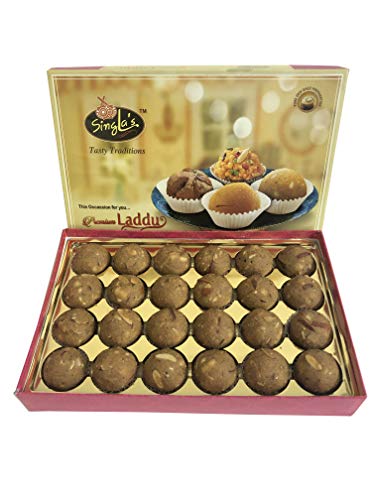
9. Atta Ladoo: A Rustic, Nutty Treat
Atta ladoo is a traditional homemade sweet prepared with whole-wheat flour, ghee, sugar, and nuts. Its toasted aroma makes it particularly appealing during cooler weather and festive seasons.
It is also a convenient choice because the ladoos can be made in advance and portioned for guests.
Ingredients
- 2 cups whole-wheat flour (atta)
- ½–¾ cup ghee, as needed
- ¾ cup powdered sugar, adjusted to taste
- ¼ teaspoon cardamom powder
- ¼ cup chopped almonds, cashews, or edible gum-free nut mix
Method
- Heat the ghee in a heavy-bottomed pan over low heat.
- Add the whole-wheat flour and roast slowly, stirring continuously.
- Continue until the flour turns golden and releases a rich, nutty aroma.
- Add the chopped nuts and cook briefly.
- Remove from the heat and let the mixture cool until warm.
- Mix in the powdered sugar and cardamom powder.
- Shape into ladoos while the mixture is still warm enough to bind.
- Cool completely before storing.
Festive tip: Make a batch several days ahead and serve one ladoo per guest alongside tea or coffee. Store in a clean, airtight container.


10. Chocolate Barfi: A Modern Twist on Traditional Mithai
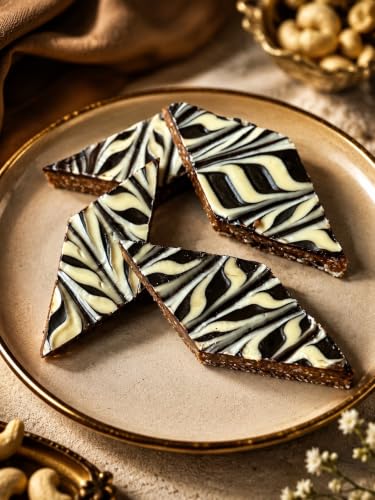
If your guests enjoy contemporary desserts, chocolate barfi is an attractive addition to a festive platter. It combines the familiar shape of Indian barfi with chocolate flavour, making it appealing to both adults and children.
This recipe uses a simple milk-powder base. The result is best when cooked gently and allowed to set fully.
Ingredients
- 1 cup milk powder
- ½ cup powdered sugar
- ¼ cup milk
- 2 tablespoons ghee
- 2 tablespoons unsweetened cocoa powder
- ¼ teaspoon cardamom powder, optional
- Chopped pistachios or chocolate shavings for garnish
Method
- Grease a small tray or plate with ghee.
- Mix the milk powder and cocoa powder in a bowl.
- Heat the ghee and milk in a non-stick pan over low heat.
- Add the powdered sugar and stir until dissolved.
- Gradually add the milk-powder and cocoa mixture, stirring to prevent lumps.
- Cook until the mixture thickens and begins to leave the sides of the pan.
- Transfer to the greased tray and flatten evenly.
- Garnish with pistachios or chocolate shavings.
- Cool completely, then refrigerate until firm enough to cut into squares.
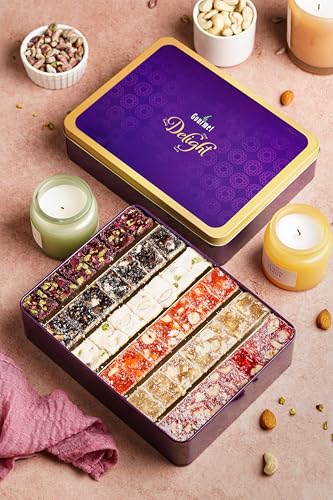
Festive tip: Arrange chocolate barfi beside traditional ladoos and coconut barfi to create a sweet platter with different colours, textures, and flavours.
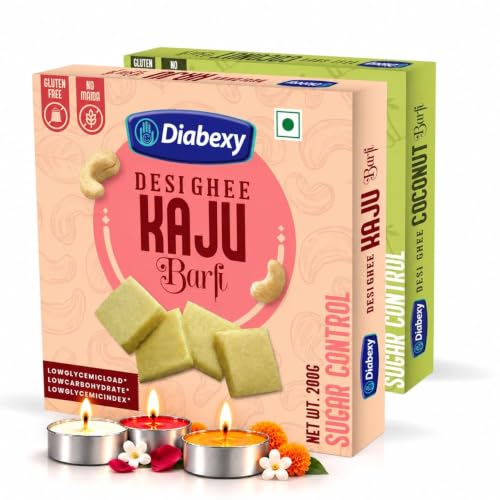


How to Plan Your Festive Sweets Menu
You do not need to make all 10 sweets for one gathering. Two or three well-chosen options can make a festive meal feel special without leaving you exhausted.
| Type of Gathering | Suggested Sweets |
|---|---|
| Diwali party | Besan ladoo, coconut barfi, chocolate barfi |
| Durga Puja gathering | Sandesh, rasgulla, rice kheer |
| Last-minute visitors | Sooji halwa, ready-made gulab jamun |
| Festive family lunch | Shrikhand, rice kheer, atta ladoo |
| Tea-time guests | Besan ladoo, coconut barfi, atta ladoo |
| Children’s celebration | Gulab jamun, chocolate barfi, coconut barfi |
1. Choose a Mix of Textures
A thoughtful dessert platter should offer variety. Pair a dry sweet such as besan ladoo with a soft dessert like sandesh or a syrup-based option such as gulab jamun.
2. Prepare Make-Ahead Sweets First
Ladoos and barfi are useful for advance preparation. Kheer and shrikhand can also be prepared ahead, provided they are refrigerated promptly.
Leave delicate sweets and final garnishing until closer to serving time.
3. Serve Smaller Portions
Festive meals often include several savoury dishes. Small portions of mithai allow guests to sample more than one sweet without feeling overwhelmed.
4. Keep Dietary Preferences in Mind
Ask whether guests have allergies or dietary restrictions. Most of these recipes contain dairy, and some contain nuts. Keep allergen-containing sweets separate and label them where appropriate.
Tips for Making Indian Sweets at Home
- Measure ingredients carefully: Traditional sweets often depend on the right balance of moisture, fat, and sugar.
- Use a heavy-bottomed pan: It helps distribute heat evenly and reduces the risk of scorching.
- Cook over the correct heat: Besan, atta, and milk-based mixtures generally benefit from gentle cooking.
- Allow mixtures to cool before adding sugar when needed: This helps prevent unwanted melting or changes in texture in certain ladoo recipes.
- Taste before setting: Adjust sweetness before transferring barfi or similar mixtures to a tray.
- Use fresh ingredients: Fresh dairy products are particularly important for chhena sweets, kheer, and shrikhand.
- Store according to the recipe: Milk-based sweets need refrigeration, while dry sweets may keep longer in airtight containers.
- Garnish simply: Saffron, pistachios, almonds, and cardamom add colour and aroma without making the platter look cluttered.
How to Store Homemade Festive Sweets
Storage life depends on moisture, temperature, ingredients, and handling. Do not assume every homemade mithai can be stored for the same length of time.
| Sweet | Storage Recommendation |
|---|---|
| Besan ladoo | Airtight container in a cool, dry place |
| Atta ladoo | Airtight container in a cool, dry place |
| Coconut barfi | Refrigerate, especially when made with fresh coconut or milk |
| Gulab jamun | Refrigerate leftovers in a clean container with syrup |
| Rice kheer | Refrigerate promptly |
| Sandesh | Refrigerate promptly |
| Rasgulla | Refrigerate in syrup |
| Shrikhand | Keep refrigerated |
| Chocolate barfi | Refrigerate if the recipe contains fresh milk or remains soft |
| Sooji halwa | Refrigerate leftovers and reheat thoroughly |
For perishable dairy desserts, refrigerate promptly rather than leaving them on the counter throughout a long gathering. Discard food that has been held at unsafe temperatures for too long, and follow appropriate food-safety guidance.
In Case You Are Looking For –
- Best Bengali Fish Recipes for Family Celebrations
- Best Vegetarian Pulao Recipes for Festive Lunch
- Best Bengali Breakfast Recipes
- Easy Sunday Brunch Ideas
Frequently Asked Questions
1. What are the easiest Indian sweets to make for festive guests?
Sooji halwa, besan ladoo, and coconut barfi are practical choices. They use relatively simple ingredients and do not require the same precision as sweets such as rasgulla.
2. Which Indian sweets can I prepare a day before a party?
Besan ladoo, atta ladoo, coconut barfi, rice kheer, shrikhand, and many versions of chocolate barfi can be prepared ahead. Refrigerate dairy-based sweets and check that each recipe is suitable for advance preparation.
3. What sweets should I serve during Diwali?
Besan ladoo, coconut barfi, atta ladoo, gulab jamun, and chocolate barfi make a varied Diwali dessert selection. Choose a mix of dry and soft sweets depending on the rest of your menu.
4. Which Bengali sweets are suitable for festive guests?
Sandesh and rasgulla are two well-known Bengali favourites. Both are particularly appropriate for Durga Puja gatherings and Bengali celebrations.
5. How many sweets should I prepare for guests?
For a small gathering, two or three varieties are usually enough. Estimate portions based on the number of guests and the rest of the meal. Small pieces of barfi or one ladoo per person are convenient starting points.
6. How can I make a festive mithai platter look attractive?
Use a clean serving tray, arrange sweets in small groups, and vary their shapes and colours. Add a few chopped pistachios or almonds where appropriate, and use small paper cups to keep individual pieces separate.
7. Can I make Indian sweets with less sugar?
Many recipes allow you to adjust sugar gradually to taste. However, sugar also affects texture, setting, browning, and preservation, so reducing it significantly may change the final result.
8. What is the best sweet to serve with tea or coffee?
Besan ladoo, atta ladoo, and coconut barfi pair well with tea or coffee because they are easy to serve in small portions. Gulab jamun and kheer are better suited to a dessert course.
Final Verdict –
Homemade sweets can make festive entertaining more personal, memorable, and enjoyable. From the nutty richness of besan ladoo to the delicate flavour of Bengali sandesh, there is an Indian mithai for almost every occasion and taste.
If you are hosting guests this festive season, start with one make-ahead sweet, add a quick dessert such as sooji halwa, and finish with a chilled option like shrikhand or kheer. This simple approach gives your guests plenty of variety without making your kitchen preparations unnecessarily complicated.
Which Indian sweet do you love serving to festive guests? Share your favourite in the comments, and explore more food, home, and lifestyle inspiration on BestBuy93.IN.