
Diwali decoration feels incomplete without the warm glow of diyas. Whether you prefer a traditional arrangement with simple mitti diyas, an elegant brass lamp near your mandir or colourful decorative pieces around your rangoli, the right diyas can make your home feel festive without requiring an expensive makeover.
Unlike ordinary decorative lights, diyas bring together illumination, tradition and craftsmanship. They look beautiful at the entrance, beside a rangoli, on a window ledge, near the puja space or as part of a festive table arrangement.
But not every decorative diya serves the same purpose. Some are designed to hold oil and a cotton wick, some use tealights, while others are battery-operated decorative lights. Choosing the right type makes a difference to both appearance and safety.
In this guide, we’ll explore 10 decorative diya styles worth considering for a traditional Diwali setup in 2026. We’ll compare their materials, designs, placement ideas, advantages and limitations, along with practical tips for choosing and maintaining them.
Quick Comparison: Best Decorative Diyas for Diwali
| Diya style | Material | Best placement | Best for |
|---|---|---|---|
| Traditional Mitti Diyas | Terracotta | Entrance, rangoli, balcony | Classic Diwali lighting |
| Hand-Painted Terracotta Diyas | Painted clay | Living room, console | Colourful festive decoration |
| Brass Akhand Diya | Brass | Puja room | Traditional worship |
| Brass Lotus Diyas | Brass or metal | Mandir, entrance | Elegant traditional styling |
| Peacock-Shaped Diyas | Brass or metal | Puja corner, console | Decorative focal point |
| Ceramic Decorative Diyas | Glazed ceramic | Shelves, side tables | Colourful indoor décor |
| Floating Urli Diyas | Metal, brass or ceramic | Entrance, centre table | Floral festive arrangements |
| Hanging Tealight Diyas | Metal | Covered balcony, decorative hooks | Vertical decoration |
| Crystal or Glass Diyas | Glass or crystal-style material | Shelves, tables | Decorative indoor lighting |
| LED Decorative Diyas | Plastic or electronic components | Staircases, shelves | Flame-free illumination |
Material and lighting mechanisms vary by individual product. Check whether the item is designed for oil, ghee, wax tealights or battery operation before using it.
10 Best Decorative Diyas for a Traditional Diwali Setup
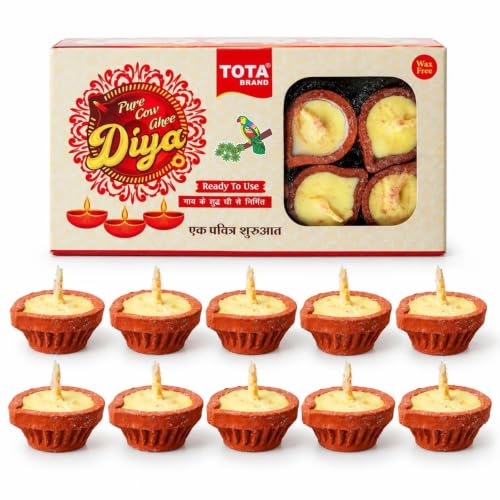
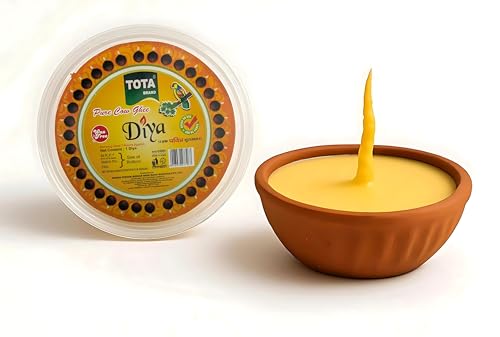
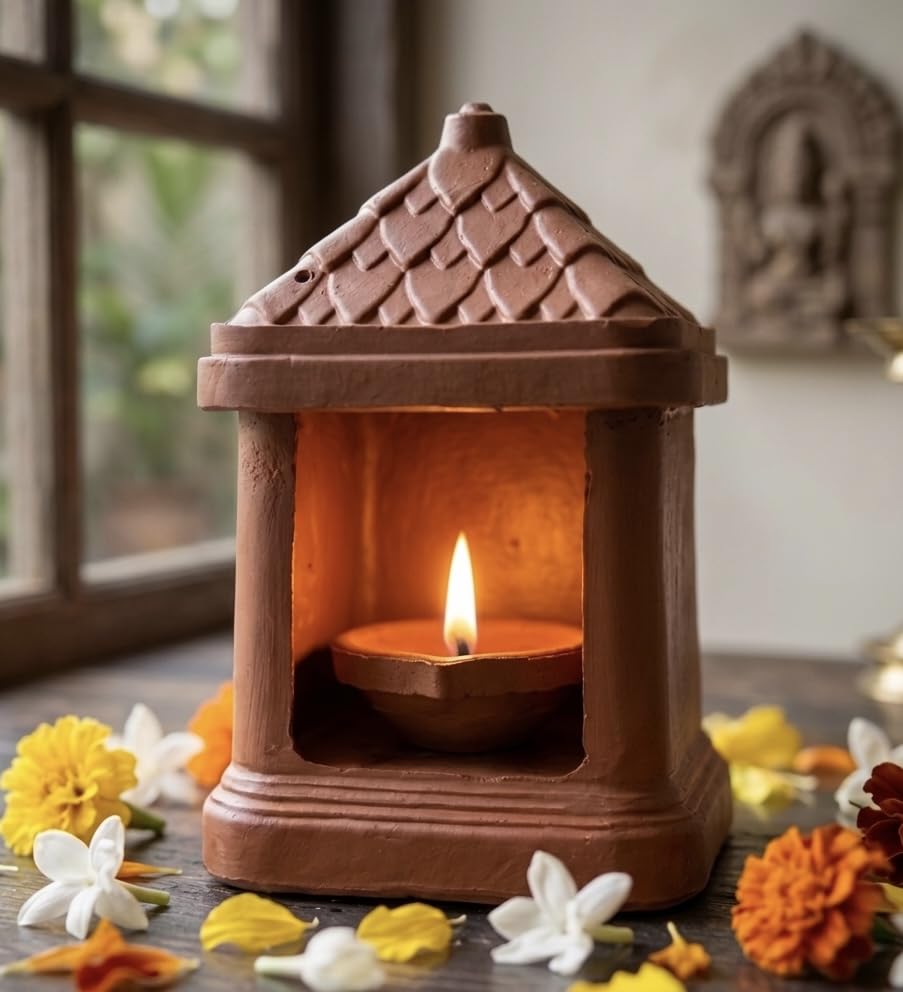
1. Traditional Mitti Diyas – Best for Classic Diwali Decoration
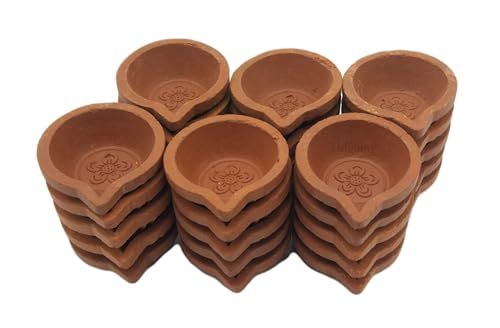
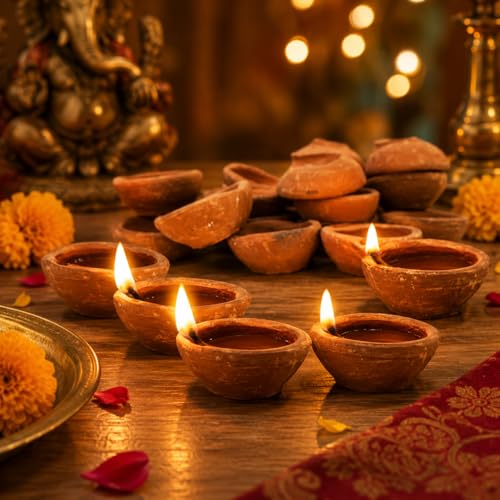
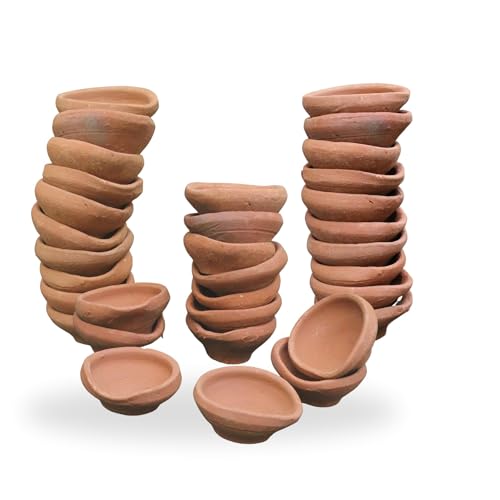
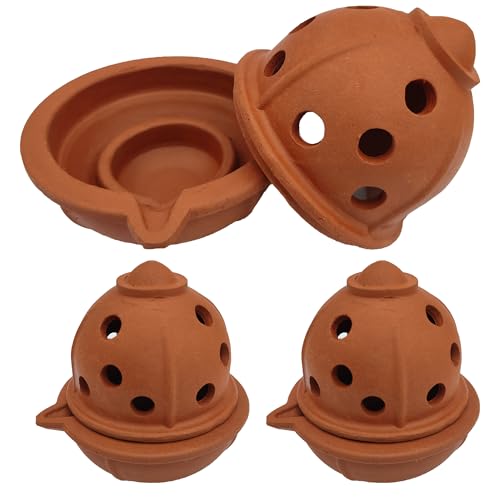
Nothing beats the charm of traditional clay diyas. These small terracotta lamps have been part of Indian Diwali celebrations for generations, and their simple appearance works beautifully with almost every festive decoration theme.
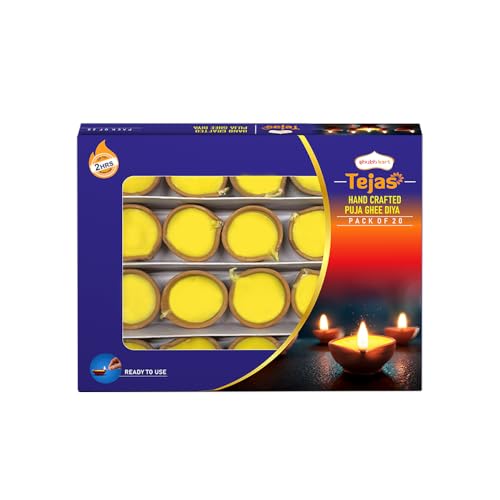
Traditional mitti diyas are generally inexpensive, easy to arrange in groups and suitable for lighting with oil or ghee and cotton wicks.
You can place them around a rangoli, along the entrance, on suitable window ledges or in a courtyard. Their earthy finish looks particularly attractive with marigold flowers, fresh leaves and colourful rangoli powders.
What we like
- Classic and traditional appearance.
- Affordable for decorating larger areas.
- Supports local potters and artisans.
- Works beautifully with natural festive decorations.
What we don’t like
- Terracotta can crack or chip.
- Porous clay may absorb oil.
- Needs careful handling and storage.
Best for: Traditional Diwali lighting, rangoli decoration and entrance arrangements.



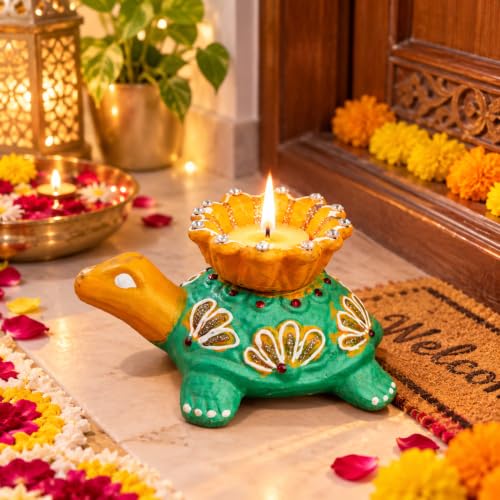
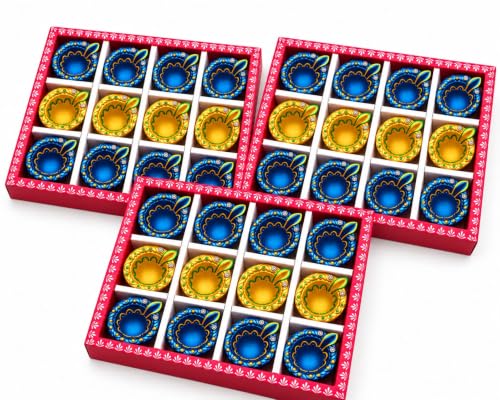
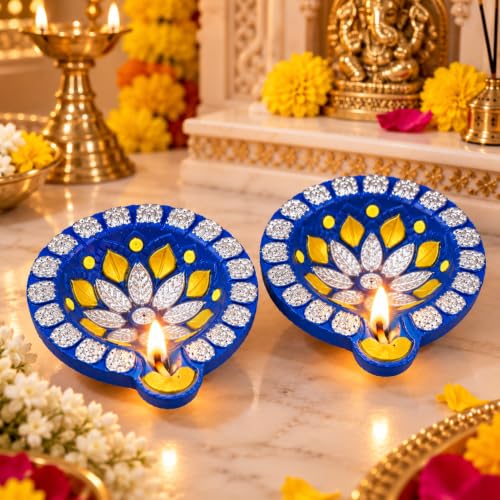
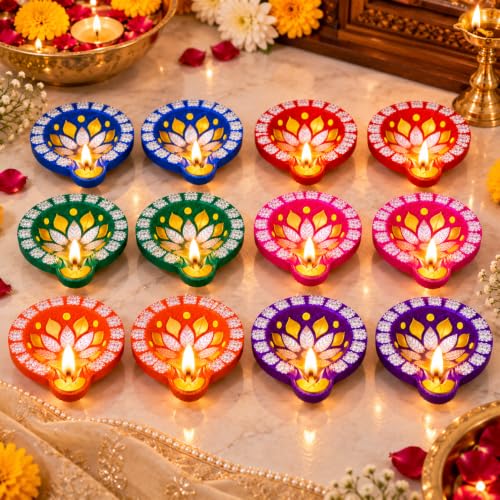
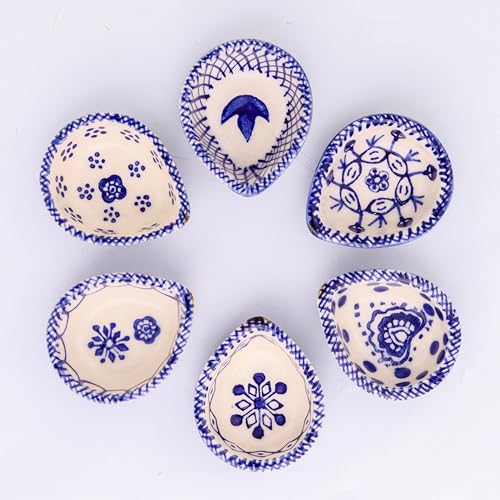
2. Hand-Painted Terracotta Diyas – Best for Colourful Festive Décor
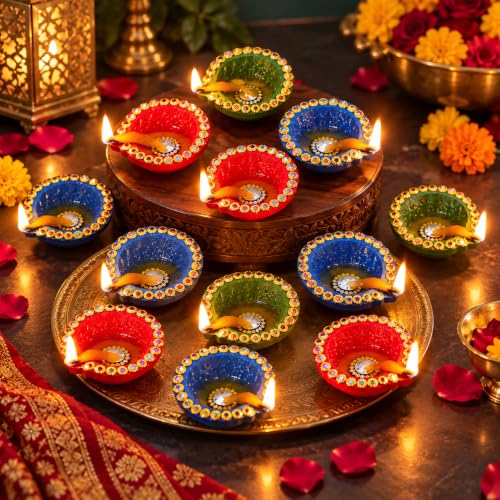
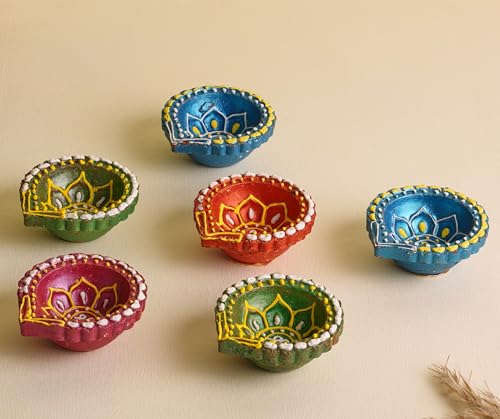
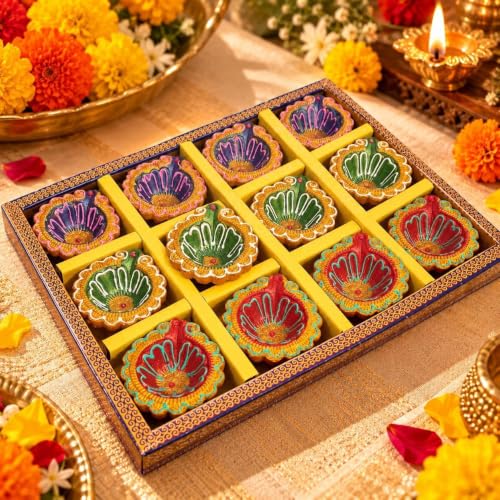
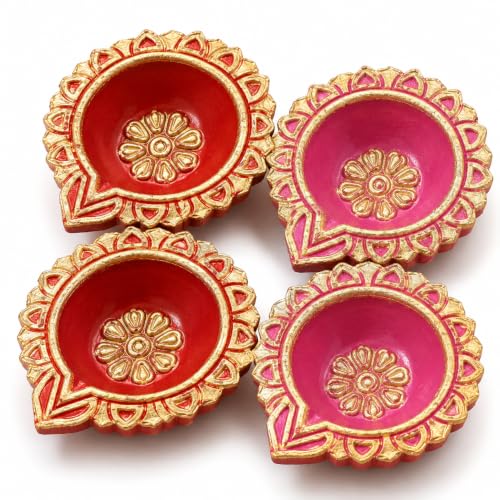
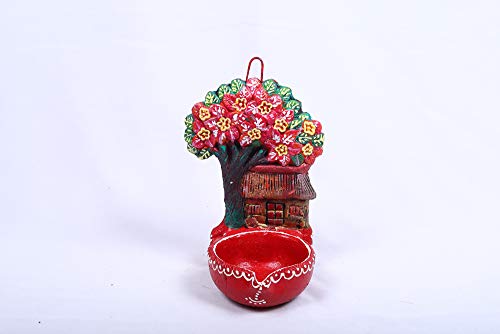
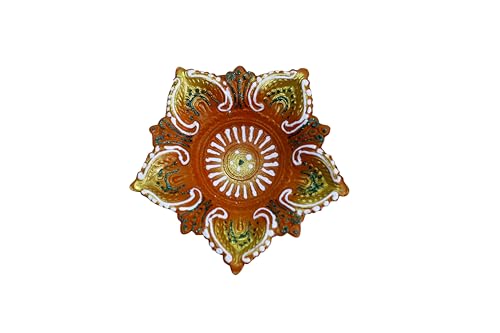
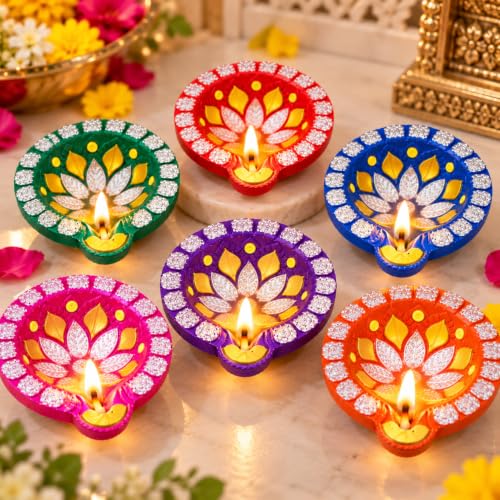
Want something more decorative than plain clay lamps? Hand-painted terracotta diyas offer a beautiful combination of traditional material and colourful artwork.
These diyas may feature floral motifs, peacock patterns, mirror work, geometric designs and traditional Indian painting styles. Popular colour combinations include red and gold, blue and white, green and yellow, and earthy terracotta with white detailing.
They look particularly attractive on console tables, decorative trays and beside rangoli designs.
Before buying, check whether the painted surface is suitable for the intended flame or tealight. Keep paint, beads and decorative materials away from the flame and hot wick area.
What we like
- Adds colour without requiring complicated decoration.
- Available in different shapes and patterns.
- Makes attractive festive gifts.
- Can complement traditional and contemporary interiors.
What we don’t like
- Paint may fade or chip with repeated handling.
- Some decorative embellishments are not heat-resistant.
- Not every painted diya is suitable for direct oil-and-wick use.
Best for: Colourful entrance décor, festive trays and gifting.



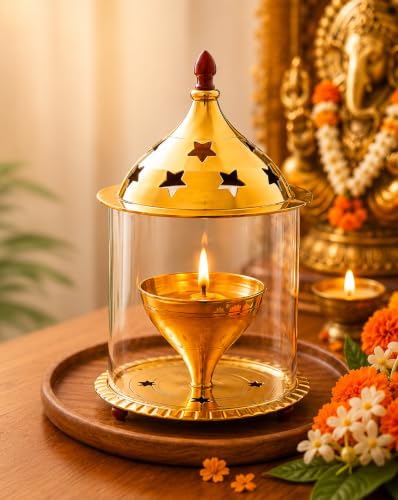
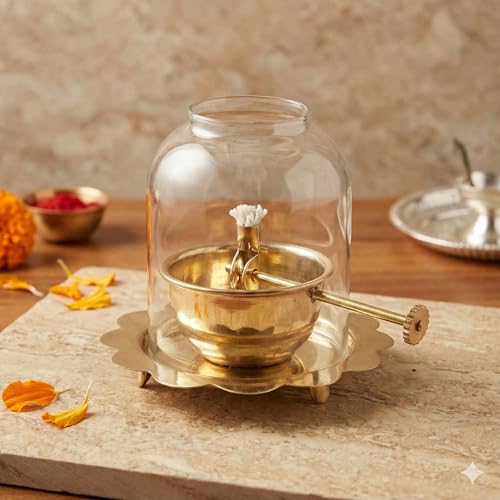
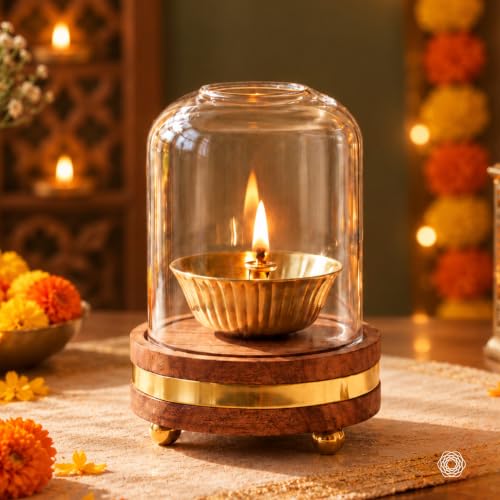
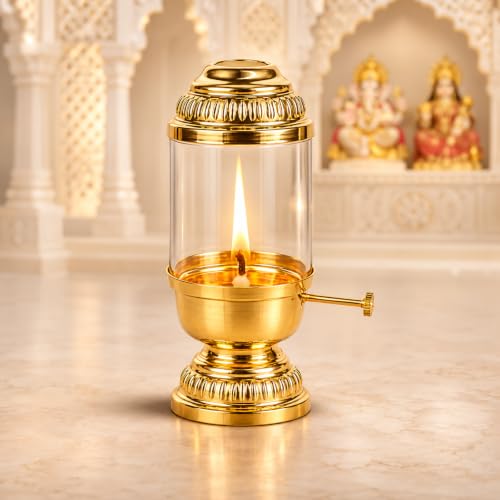
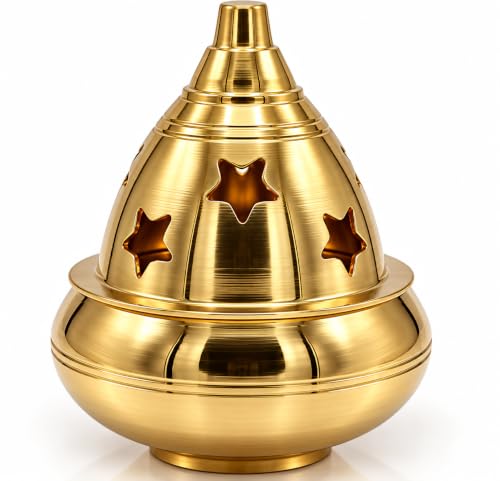
3. Brass Akhand Diyas – Best for Traditional Puja Decoration
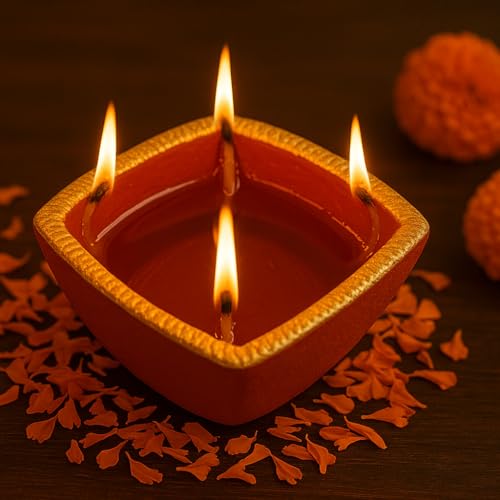
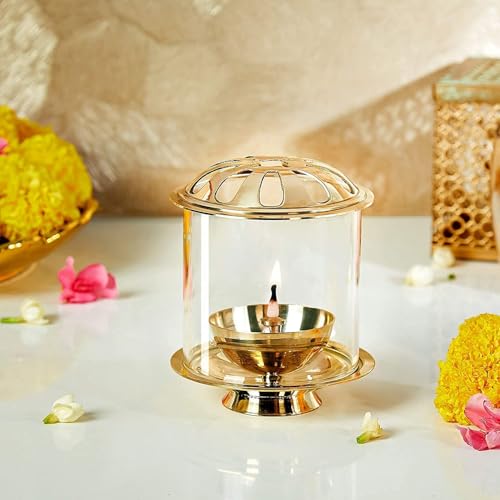
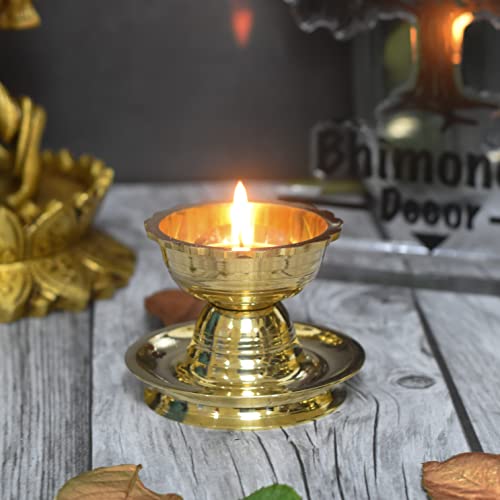
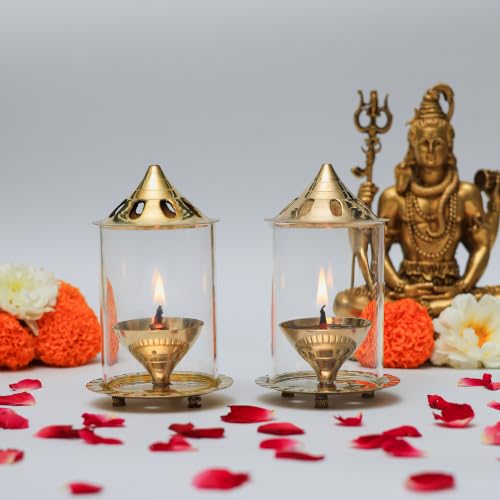
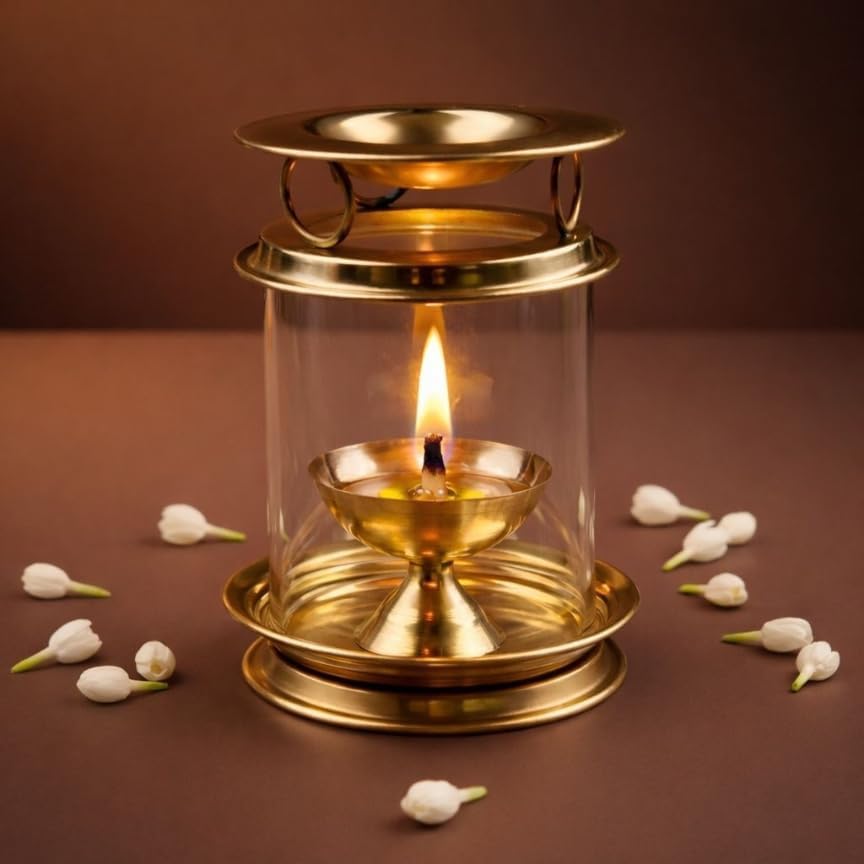
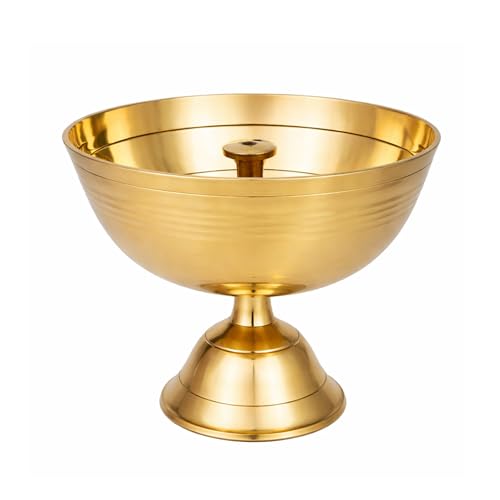
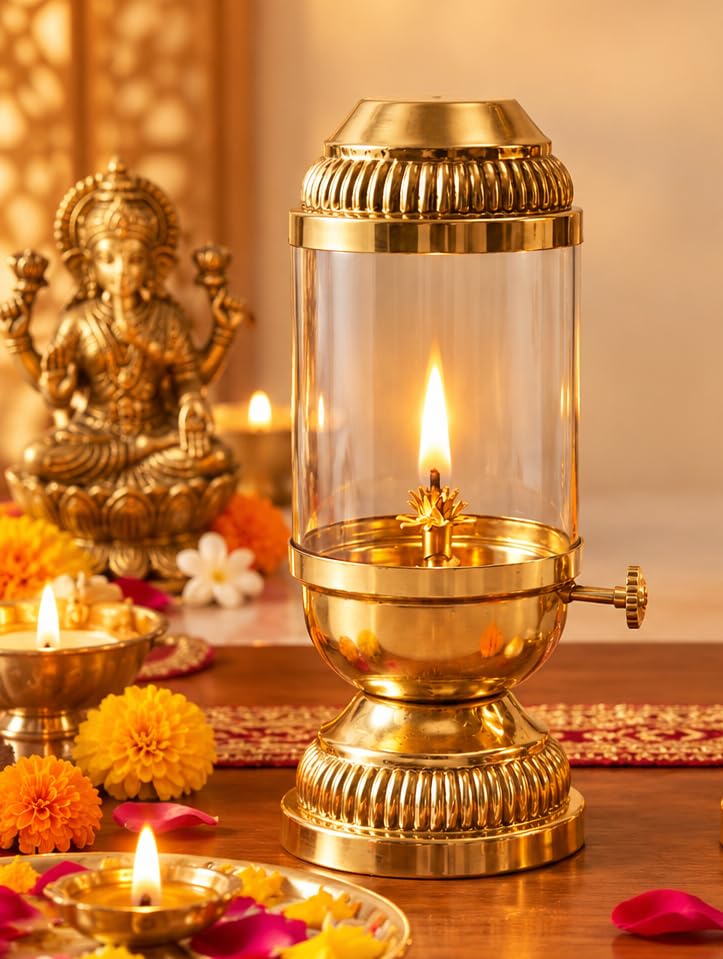
A brass akhand diya is a beautiful addition to a traditional puja space. Unlike small decorative lamps used for occasional lighting, an akhand diya is designed for sustained devotional use, subject to the lamp’s construction and appropriate supervision.
Brass gives the lamp a timeless appearance, and its golden finish pairs beautifully with wooden mandirs, brass bells, pooja thalis and traditional idols.
Some models have a covered reservoir or a design intended to hold more oil or ghee. Check the actual capacity and construction rather than assuming every brass diya is suitable for continuous burning.
What we like
- Traditional and elegant appearance.
- Reusable for many festive occasions.
- Suitable for a dedicated puja space.
- Brass can be maintained and polished.
What we don’t like
- Usually costs more than basic clay diyas.
- Requires regular cleaning.
- Needs supervision when lit.
Best for: Lakshmi Puja, mandir decoration and traditional festive rituals.


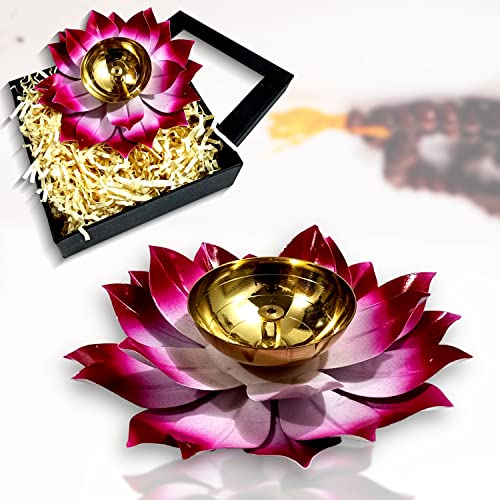
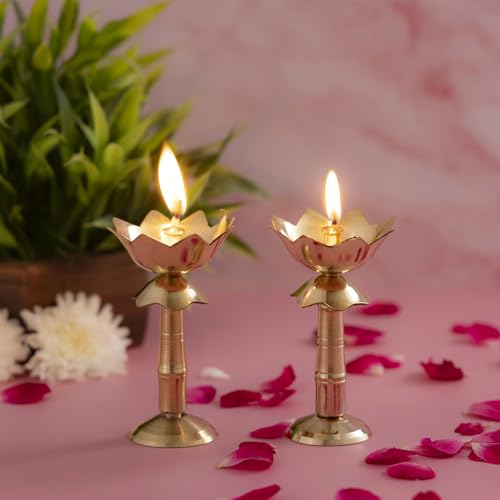
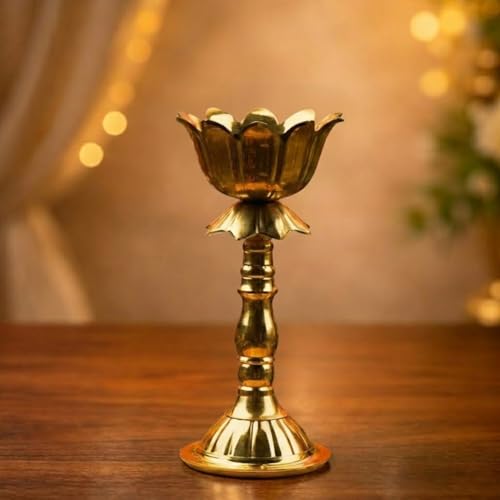
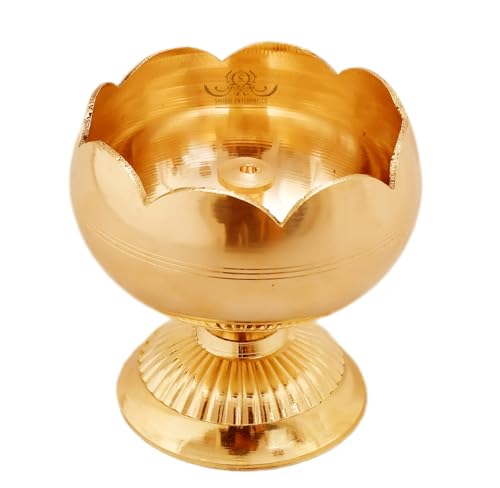
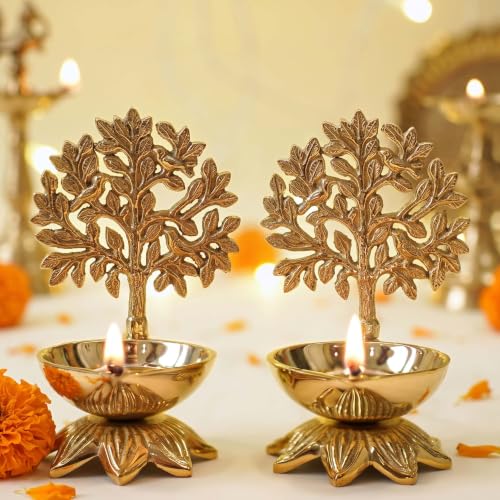
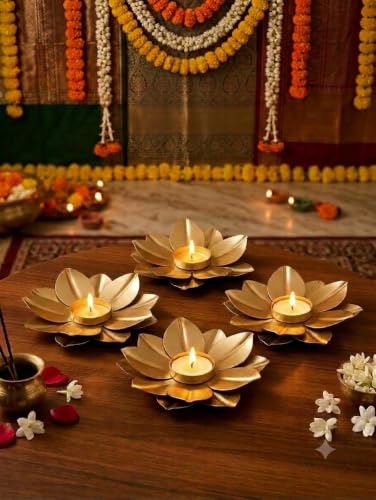
4. Brass Lotus Diyas – Best for Elegant Traditional Styling
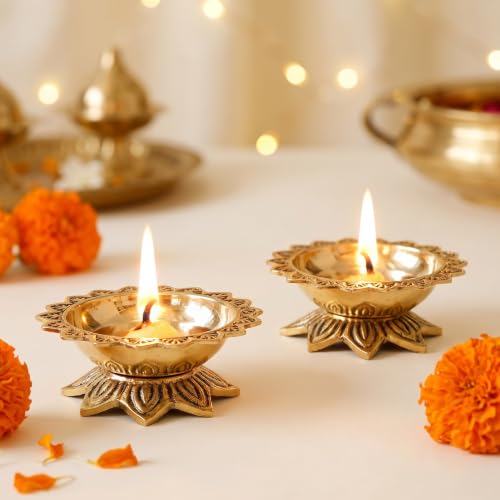
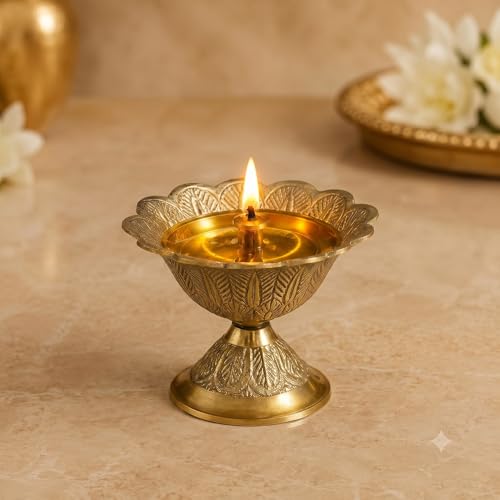
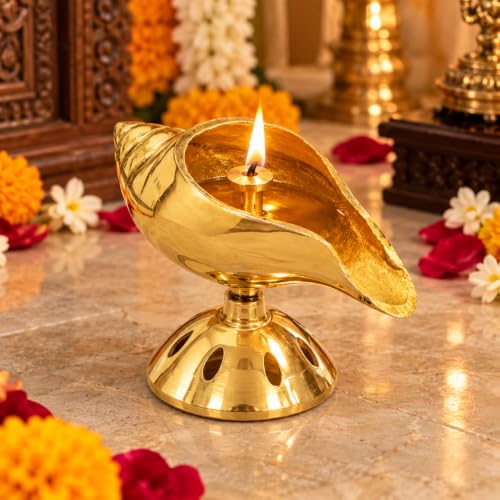
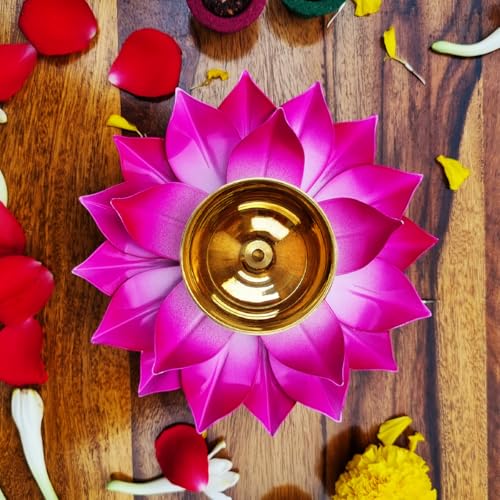
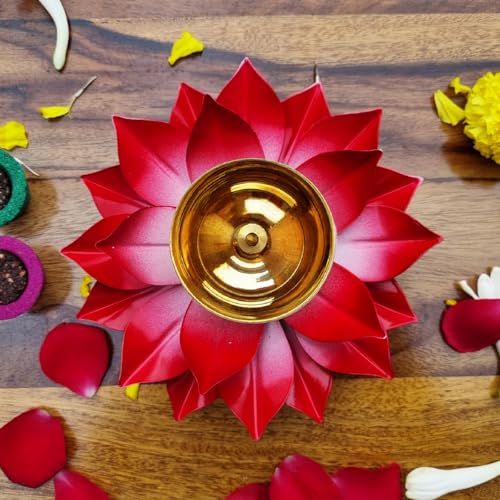
Lotus-shaped diyas are a lovely way to introduce decorative detailing without moving away from a traditional look.
The lotus-inspired design gives these lamps a distinctive shape, making them suitable as standalone decorative pieces or as part of a larger puja arrangement.
You can place a pair on either side of a mandir or use one as the centrepiece of a festive tray. Smaller lotus diyas also work well on a console table or a decorative shelf, provided the surface is stable and heat-safe.
What we like
- Attractive traditional design.
- Brass versions are reusable.
- Works as a decorative centrepiece.
- Pairs well with flowers and traditional pooja accessories.
What we don’t like
- Intricate designs can collect soot and oil residue.
- Some decorative versions may be intended only for tealights.
- Check the base stability before lighting.
Best for: Mandir décor, pooja thalis and traditional festive displays.






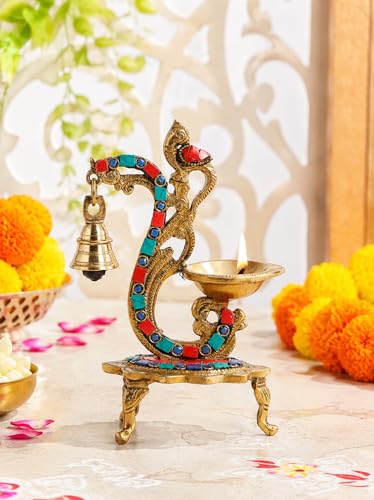
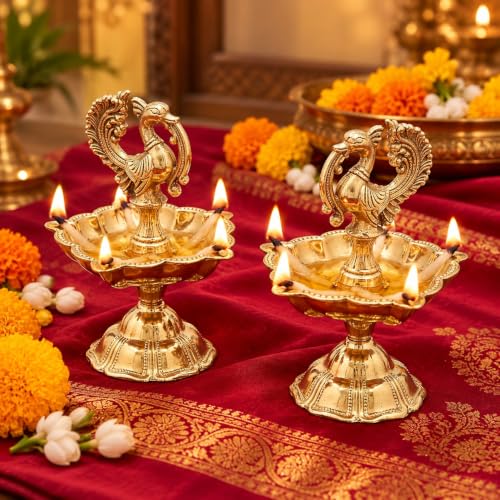
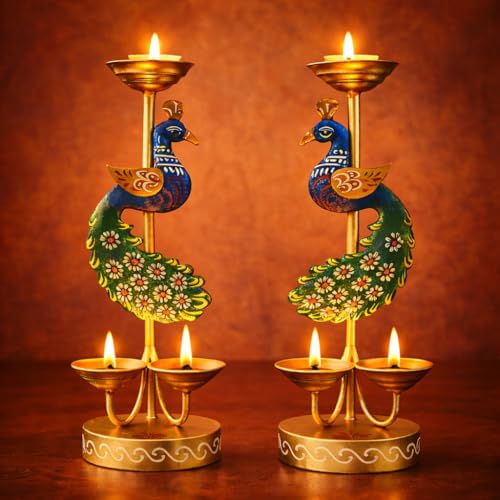
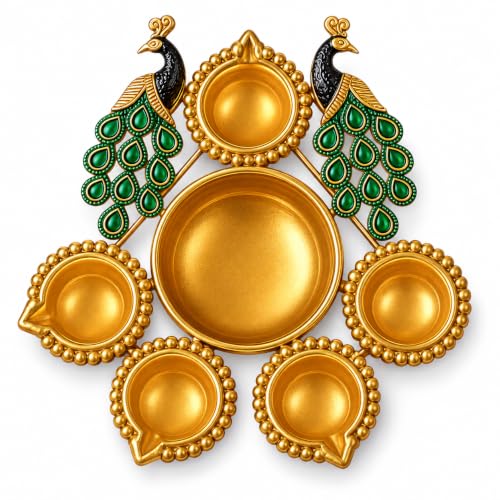
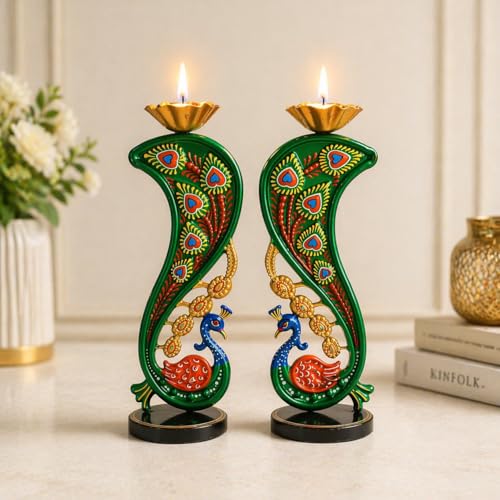
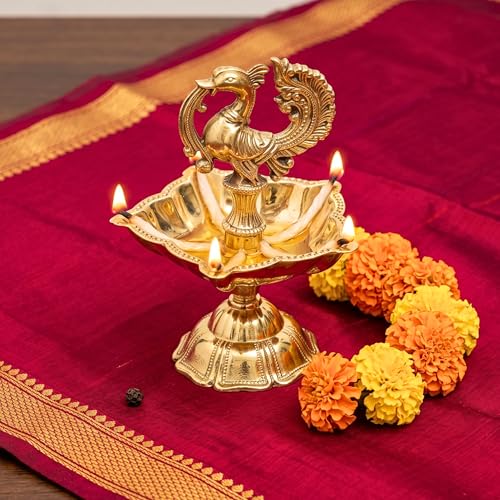
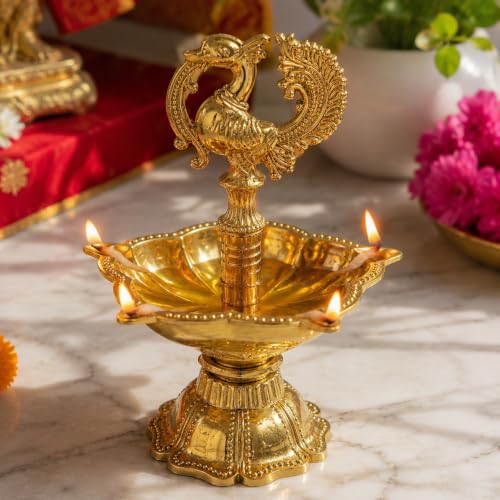
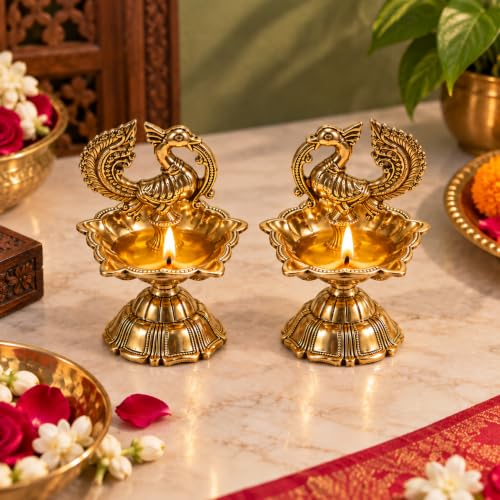
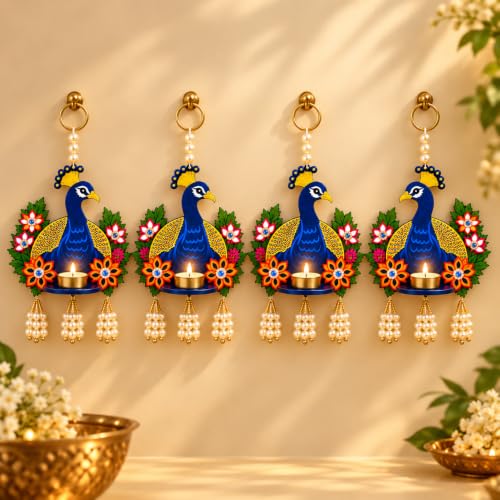
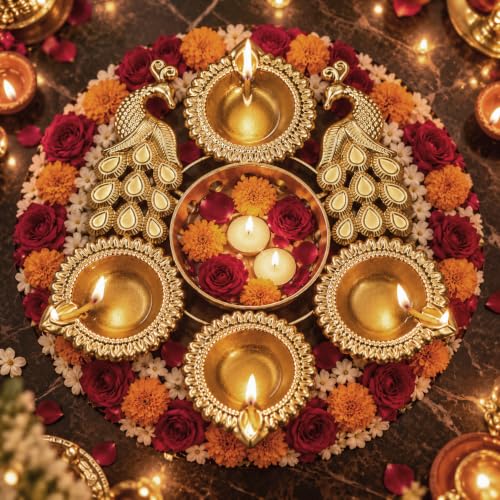
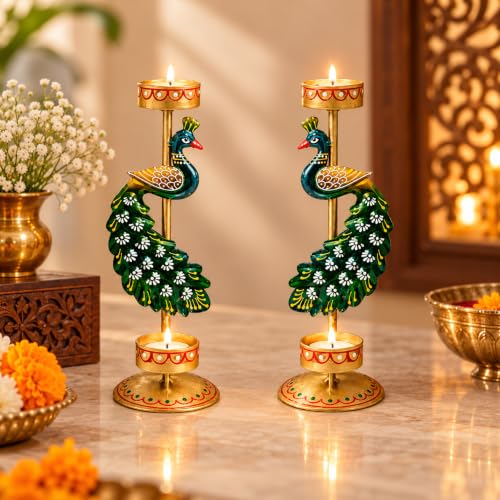
5. Peacock-Shaped Decorative Diyas – Best Statement Design
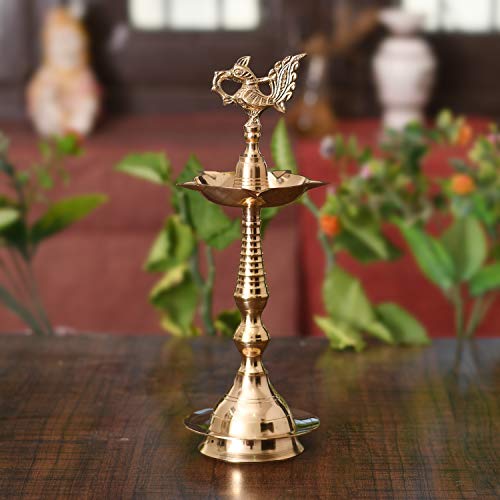
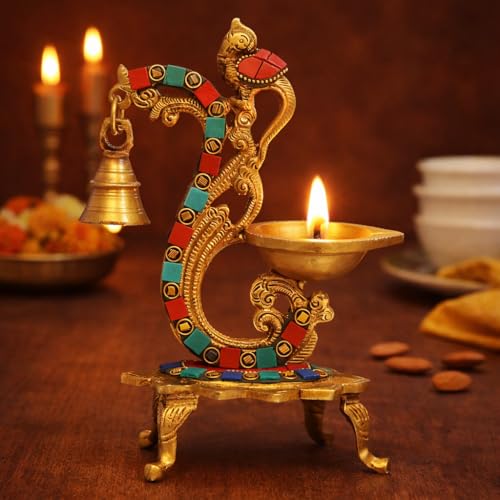
Peacock-shaped diyas bring a more elaborate decorative element to Diwali arrangements.
The peacock motif is commonly used in Indian decorative arts, and it works beautifully in brass-finish lamps, painted terracotta designs and decorative metal diya holders.
These lamps can become the focal point of a festive console or a puja corner. Instead of surrounding them with too many accessories, pair them with a small flower arrangement and a simple tray.
Look for a stable base and a clearly defined oil reservoir or tealight holder. Elaborate designs should not compromise safe placement.
What we like
- Distinctive Indian-inspired design.
- Makes an attractive festive gift.
- Works well as a statement decorative piece.
- Available in different finishes.
What we don’t like
- Some designs can be bulky.
- Intricate detailing requires careful cleaning.
- Decorative versions may not be suitable for direct oil lighting.
Best for: Statement décor, traditional living rooms and gifting.


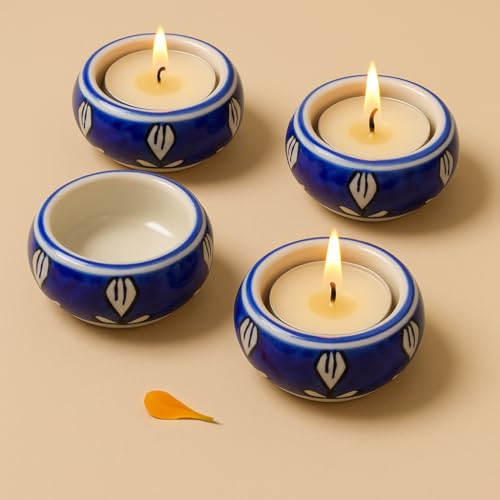
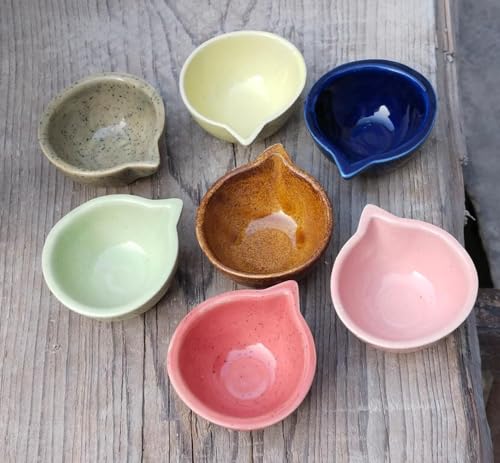
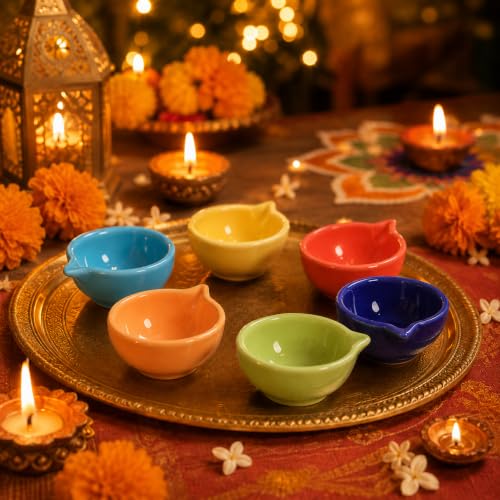
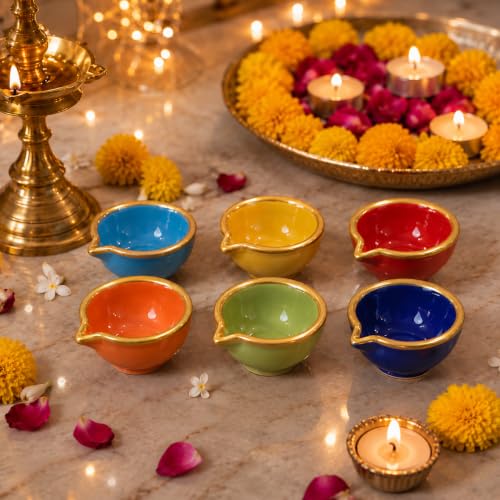
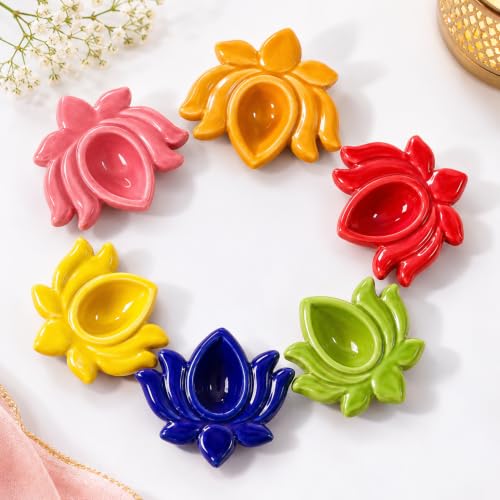
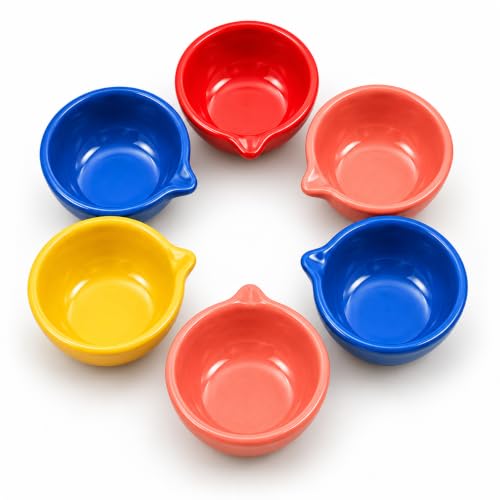
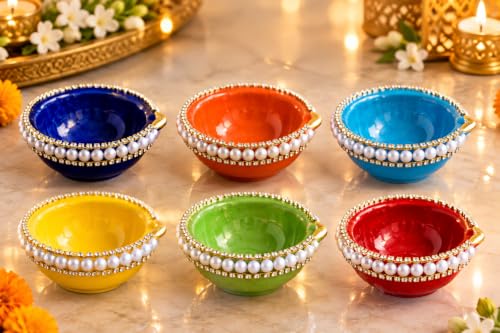
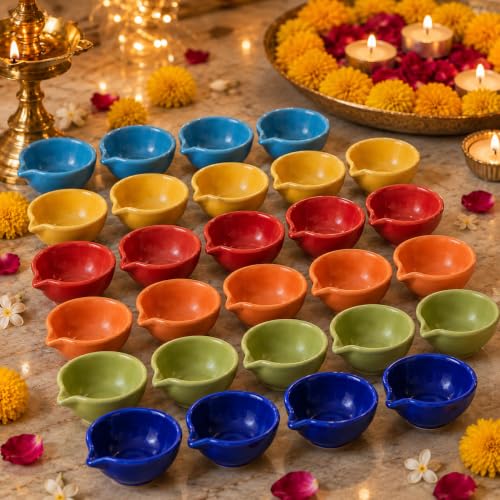
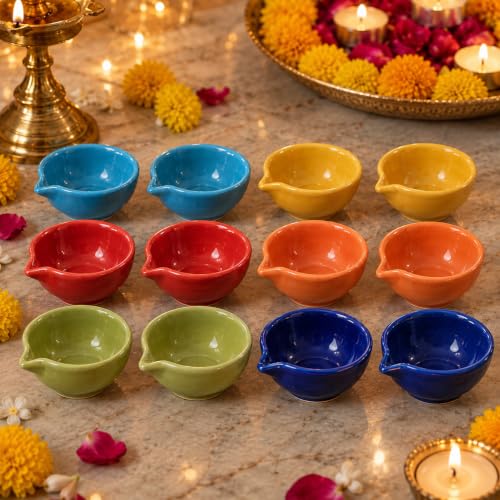
6. Ceramic Decorative Diyas – Best for Colourful Indoor Styling
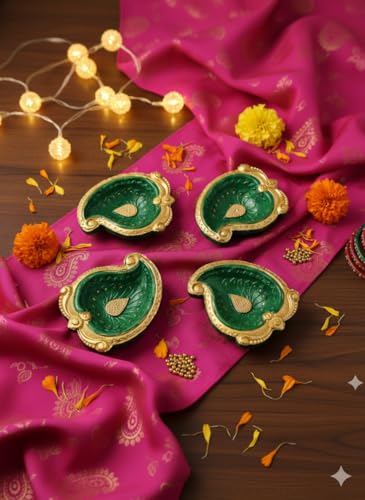
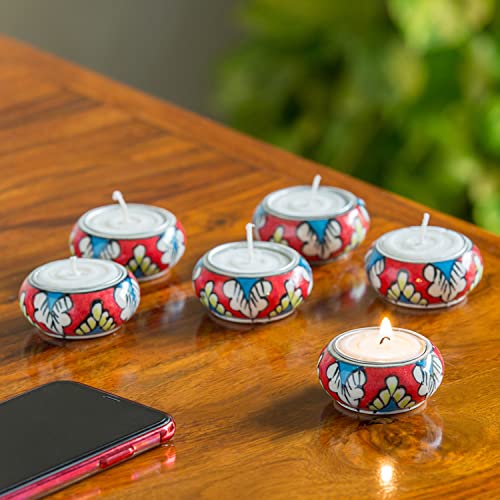
Ceramic diyas are a lovely alternative to conventional metal and clay designs, particularly if you enjoy colourful home décor.
Glazed ceramic pieces are available in floral, geometric, traditional and contemporary designs. Their smooth finish can complement pastel interiors, white walls, wooden furniture and modern mandirs.
Some ceramic diyas are designed for oil and cotton wicks, while others are intended for tealights. Check the product instructions because a decorative ceramic bowl is not automatically suitable for direct flame.
What we like
- Attractive colours and finishes.
- Smooth surfaces can be easy to wipe clean.
- Works well with contemporary interiors.
- Reusable when handled carefully.
What we don’t like
- Ceramic can chip or break if dropped.
- Some decorative glazes may not be intended for direct flame.
- Requires careful storage.
Best for: Indoor decorative arrangements, shelves and festive table styling.
7. Floating Urli Diyas – Best for a Festive Entrance Arrangement
If you want one decorative arrangement that immediately catches attention, consider a floating diya setup using a traditional urli.
A urli is a shallow decorative bowl, often made from brass, metal or ceramic. Fill it with water, add flower petals and use suitable floating candle diyas to create a festive centrepiece.
Marigold petals, rose petals and small floating lamps look beautiful together. You can place the arrangement near the entrance or on a stable centre table.
Use only floating lamps specifically designed for water. Ordinary terracotta oil diyas are not suitable for floating arrangements because they can become unstable or sink.
What we like
- Creates a beautiful festive focal point.
- Combines flowers and lighting.
- Can be reused with different decorations.
- Suitable for traditional and contemporary homes.
What we don’t like
- Requires regular water maintenance.
- Needs a stable, level surface.
- Open flames still require supervision.
Best for: Entrance décor, console tables and festive centrepieces. Decorative Diya
8. Hanging Tealight Diyas – Best for Balcony and Vertical Decoration
Hanging diyas are a useful option when you want to decorate vertical spaces rather than filling every table and shelf.
These decorative holders may come in lantern-inspired, leaf-shaped, floral or traditional Indian designs. They can add depth to a covered balcony, sheltered veranda or suitable indoor decorative corner.
Choose sturdy hanging hardware and verify the manufacturer’s instructions for the intended candle or tealight. Avoid placing open flames near curtains, hanging fabric, paper decorations or dry garlands.
What we like
- Adds height to festive arrangements.
- Saves table and floor space.
- Available in traditional and modern designs.
- Creates attractive decorative lighting.
What we don’t like
- Requires secure installation.
- Wind can affect open flames.
- Not every holder is suitable for outdoor conditions.
Best for: Covered balconies, sheltered entrances and vertical festive décor.Decorative Diya
9. Crystal and Glass Decorative Diyas – Best for Elegant Table Décor
Crystal-style and glass diyas can give your festive arrangement a more polished appearance.
They are particularly attractive on console tables, dining tables and decorative trays. Some designs use transparent glass, coloured glass, crystal-like cuts or metallic accents.
However, check whether the product is heat-resistant and designed for direct candle use. Some glass or resin decorative pieces are intended only for display, and prolonged heat can cause damage.
What we like
- Elegant decorative finish.
- Looks attractive with warm lighting.
- Suitable for festive gifting.
- Complements modern home interiors.
What we don’t like
- Glass can break if dropped.
- Some materials are not suitable for direct flame.
- Fingerprints and dust can be visible.
Best for: Indoor decorative displays and elegant festive tables. Decorative Diya
10. LED Decorative Diyas – Best Flame-Free Alternative
Not every part of your home needs an open flame. LED diyas are useful for decorative areas where lighting a traditional oil lamp may be inconvenient or unsuitable.
These battery-operated lamps are available in traditional diya shapes, colourful decorative designs and flickering-flame styles.
They can be used on staircases, shelves, covered balconies and decorative corners where you want a festive glow without handling oil or an open wick.
They do not replace the ritual or appearance of a traditional oil diya, but they offer a convenient decorative alternative.
What we like
- No open flame.
- Convenient for decorative areas.
- Reusable with suitable batteries.
- Useful where children or pets may be nearby.
What we don’t like
- Does not provide the same experience as a real diya.
- Battery replacement may be required.
- Light quality varies by model.
Best for: Staircases, decorative shelves and areas where open flames are unsuitable. Decorative Diya
How to Arrange Diyas Around Your Home for Diwali
Buying beautiful diyas is only half the work. Their placement determines how your festive decoration comes together.
Here is a simple room-by-room arrangement.
| Area | Suggested diya arrangement | Styling idea |
|---|---|---|
| Main entrance | Two or more traditional clay diyas | Add rangoli and marigold flowers |
| Puja room | One brass diya and smaller supporting lamps | Keep the mandir uncluttered |
| Living room | Hand-painted or ceramic diyas | Use a decorative tray |
| Balcony | Terracotta or suitable LED diyas | Keep away from curtains and wind |
| Centre table | Floating diya urli | Add rose and marigold petals |
| Staircase | LED diyas | Avoid open flames in walking areas |
| Window ledge | Small stable diyas | Keep clear of curtains |
A Simple Traditional Diwali Setup
You do not need dozens of expensive decorative pieces to create a festive home.
Try this combination:
- One traditional brass diya for the puja space.
- A set of plain clay diyas for the entrance.
- A few hand-painted diyas around the rangoli.
- One floating urli arrangement for the living room.
- LED diyas for decorative corners where an open flame is unsuitable.
The result is a balanced setup that combines traditional lighting with decorative variety.
Traditional Oil Diyas vs LED Diyas: Which Should You Choose?
| Feature | Traditional oil diya | LED diya |
|---|---|---|
| Light source | Cotton wick and oil/ghee | Battery-powered light |
| Open flame | Yes | No |
| Traditional appearance | Very high | Depends on design |
| Maintenance | Refill oil and replace wick | Battery replacement |
| Reusability | Depends on material | Usually reusable |
| Best placement | Supervised puja and festive areas | Decorative shelves and staircases |
| Main consideration | Fire safety | Battery quality and light appearance |
Our suggestion: Use traditional diyas where you can supervise them safely, and LED versions in locations where an open flame is not appropriate.
What to Look for Before Buying Decorative Diyas
Before ordering a diya set online, consider these seven factors.
1. Material
Choose the material based on where and how you intend to use the diya.
- Terracotta: Traditional oil lamps and festive arrangements.
- Brass: Reusable decorative and puja lamps.
- Ceramic: Colourful indoor décor.
- Glass: Decorative tealight holders, where heat-safe.
- LED materials: Flame-free decorative lighting.
2. Lighting Type
Check whether the diya is designed for:
- Oil and cotton wick.
- Ghee and cotton wick.
- Wax tealight.
- Floating candle.
- Battery-powered LED.
Never assume a decorative diya can be used with every type of flame.
3. Size and Shape
Small diyas work well for rangoli arrangements and narrow ledges. Larger lamps are better suited to decorative trays, console tables and spacious puja areas.
4. Stability
Look for a flat, stable base. This is particularly important for brass lamps, hanging holders and larger decorative pieces.
5. Finish and Detailing
Check paint quality, decorative embellishments, sharp edges and surface finishing. Avoid placing flammable decorative materials close to the wick.
6. Cleaning and Maintenance
Brass may require polishing, terracotta needs careful storage, and glass or ceramic pieces should be handled gently.
7. Reusability
If you want décor that can be used for several Diwali celebrations, consider investing in brass, well-made ceramic or durable metal holders.
How to Clean and Maintain Your Diyas
A little care can help decorative diyas last longer.
Terracotta diyas
- Remove remaining oil and soot after the lamp cools.
- Allow them to dry completely.
- Store them in a padded box to prevent breakage.
Brass diyas
- Clean away oil residue after use.
- Use a suitable brass-cleaning method.
- Dry thoroughly before storage.
Ceramic and glass diyas
- Let them cool completely before cleaning.
- Use a soft cloth.
- Avoid sudden temperature changes.
LED diyas
- Switch them off before cleaning.
- Remove batteries before long-term storage if recommended.
- Keep electronic components away from water.
Diya Safety Tips for a Traditional Diwali Setup
A beautiful decoration should also be a safe one.
- Place lit diyas on stable, non-flammable surfaces.
- Keep lamps away from curtains, paper, dry flowers and hanging decorations.
- Never leave burning diyas unattended.
- Keep oil lamps away from children and pets.
- Avoid placing open flames in narrow walkways or shared corridors.
- Do not carry a lit diya across the house.
- Allow lamps to cool completely before cleaning.
- Keep an appropriate fire extinguisher or other suitable fire-safety equipment accessible.
In Case You Are Looking For –
- Best Diwali Decorative Lights for Apartments
- LED Lights vs Diyas: Which Is Better for Diwali Decoration?
- Complete Diwali Home Decoration Guide for Small Homes
- Best Decorative Wall Panels for Indian Homes
- Best Console Tables for Small Indian Entryways
Frequently Asked Questions
1. Which diyas are best for traditional Diwali decoration?
Traditional terracotta diyas are the classic choice. Brass diyas are excellent for the puja room, while hand-painted clay lamps add colour to entrances and rangoli arrangements. Decorative Diya
2. Are brass diyas better than clay diyas?
Both have different uses. Clay diyas are affordable and traditionally associated with Diwali, while brass diyas are reusable and suitable for long-term puja decoration. Decorative Diya
3. Can decorative diyas be reused every year?
Yes, depending on their material and construction. Brass, ceramic and well-maintained metal holders can last for years. Terracotta diyas may be reused if they remain intact. Decorative Diya
4. What are the best diyas for a small apartment?
A few traditional clay lamps, one brass diya and some LED decorative diyas can create a beautiful setup without occupying too much space. Decorative Diya
5. Can I use LED diyas for Diwali decoration?
Yes. LED diyas are useful for decorative corners where open flames are unsuitable. However, they do not provide the same traditional flame as an oil diya. Decorative Diya
6. How do I decorate a brass urli with diyas?
Fill the urli with water, add flower petals and use suitable floating candles. Keep the bowl on a stable surface and ensure the floating lamps are designed for water. Decorative Diya
7. Which oil is commonly used in traditional diyas?
Mustard oil, sesame oil and ghee are commonly used, depending on family customs and the purpose of lighting the diya. Decorative Diya
8. How can I make simple diyas look more decorative?
Arrange them with flower petals, rangoli, decorative trays and traditional fabrics. Keep the colour palette coordinated instead of mixing too many patterns. Decorative Diya
Final Verdict: Which Decorative Diyas Should You Buy?
The best decorative diyas depend on the atmosphere you want to create.
- For a classic Diwali look: Traditional mitti diyas.
- For colourful decoration: Hand-painted terracotta diyas.
- For the puja room: Brass akhand diya.
- For elegant traditional styling: Brass lotus diya.
- For statement décor: Peacock-shaped diya.
- For modern interiors: Ceramic decorative diyas.
- For a beautiful centrepiece: Floating urli diyas.
- For vertical decoration: Hanging tealight holders.
- For an elegant table: Heat-safe glass or crystal-style diyas.
- For flame-free lighting: LED decorative diyas.
Our recommendation is to combine a few traditional pieces with carefully chosen decorative lamps. A simple arrangement of clay diyas, one beautiful brass lamp and fresh flowers can look far more inviting than filling every corner with unrelated decorations.
After all, Diwali decoration is not about how many diyas you buy. It is about how beautifully you bring light into your home.