
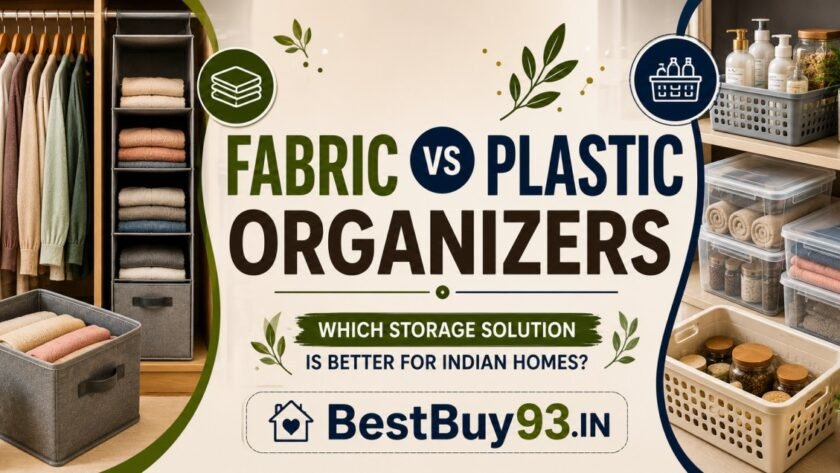

Fabric vs Plastic Organizers: Which One Should You Choose?
Whether you’re organizing your wardrobe, kitchen, bathroom, or storage room, one question often comes up:
Should you buy fabric organizers or plastic organizers?
At first glance, they both seem to do the same job keeping your belongings neat and organized. But once you start shopping, you’ll quickly notice that each material offers very different advantages.
Fabric organizers are loved for their lightweight design, breathable material, and foldable construction, making them a favorite for wardrobes and clothing storage. Plastic organizers, on the other hand, are known for their durability, waterproof design, and easy maintenance, making them ideal for kitchens, bathrooms, and everyday household organization.
So, which one is the better investment?
The answer depends on what you want to organize, where you plan to use it, and how much maintenance you’re willing to do.
In this guide, we’ll compare fabric vs plastic organizers based on durability, appearance, water resistance, maintenance, portability, value for money, and real-life usability in Indian homes.
By the end of this article, you’ll know exactly which organizer suits your needs and whether it’s worth having both in different parts of your home.
Quick Comparison Table
| Feature | Fabric Organizers | Plastic Organizers |
|---|---|---|
| Appearance | ⭐⭐⭐⭐⭐ Premium | ⭐⭐⭐⭐ Modern |
| Durability | ⭐⭐⭐⭐ | ⭐⭐⭐⭐⭐ |
| Water Resistance | ⭐⭐ | ⭐⭐⭐⭐⭐ |
| Breathability | ⭐⭐⭐⭐⭐ | ⭐⭐ |
| Foldability | ⭐⭐⭐⭐⭐ | ⭐⭐⭐ |
| Maintenance | ⭐⭐⭐ | ⭐⭐⭐⭐⭐ |
| Weight | Lightweight | Medium |
| Best For | Clothes & Wardrobes | Kitchen, Bathroom & Multi-purpose |
| Price Range | ₹400–₹1,800 | ₹300–₹2,000 |
What Are Fabric Organizers?
Fabric organizers are storage solutions made from materials like non-woven fabric, Oxford fabric, canvas, or polyester. They’re designed to maximize storage while remaining lightweight, breathable, and easy to fold.
You’ll commonly find them in wardrobes and bedrooms because they’re gentle on clothes and help keep garments neatly arranged.
Popular types include:
- Hanging closet organizers
- Fabric storage cubes
- Saree organizers
- Blanket storage bags
- Drawer organizers
- Foldable storage boxes
Because they’re collapsible, fabric organizers are also perfect for people who like flexible storage that can be tucked away when not in use.
Advantages of Fabric Organizers
👕 Excellent for Clothing Storage
The breathable fabric allows air circulation, helping reduce trapped moisture and keeping clothes fresher for longer.
🪶 Lightweight & Foldable
Most fabric organizers can be folded flat when empty, making them easy to store or carry.
This makes them a great option for rented apartments, students, or anyone who frequently rearranges their home.
✨ Stylish Appearance
Fabric organizers often feature neutral colors and textured finishes that blend beautifully with modern wardrobes and bedroom interiors.
🧺 Space-Saving Design
Since they’re soft-sided, many fabric organizers fit neatly into wardrobes, shelves, and under-bed storage spaces without adding bulk.
Drawbacks of Fabric Organizers
- Not waterproof
- May lose shape if overloaded
- Requires occasional cleaning
- Less suitable for wet environments like bathrooms
What Are Plastic Organizers?
Plastic organizers are made using durable materials such as PP (Polypropylene) or ABS plastic, offering rigid storage that’s easy to clean and highly resistant to moisture.
Unlike fabric organizers, plastic models maintain their shape even when fully loaded, making them suitable for heavier household items.
Common examples include:
- Stackable storage bins
- Drawer organizers
- Storage baskets
- Multipurpose containers
- Kitchen organizers
- Bathroom storage boxes
Plastic organizers are available in transparent, colored, and modular designs, making it easy to see and access stored items.
Advantages of Plastic Organizers
💧 Waterproof
One of the biggest advantages of plastic is its resistance to water.
It performs exceptionally well in humid environments such as kitchens, bathrooms, balconies, and utility areas.
💪 Strong & Durable
Plastic organizers are more rigid than fabric options and can handle heavier loads without collapsing.
🧽 Easy to Clean
A damp cloth is usually all you need to wipe away dust, stains, or spills.
This makes plastic organizers ideal for areas where cleanliness is especially important.
📦 Stackable Storage
Many plastic storage bins are designed to stack securely, helping maximize vertical storage while keeping everything easily accessible.
Drawbacks of Plastic Organizers
- Less breathable
- Takes up more storage space when empty
- Premium designs can be expensive
- Some lower-quality plastics may become brittle over time
🏆 Quick Summary So Far
If your priority is organizing clothes, maximizing wardrobe space, and maintaining breathability, fabric organizers are an excellent choice.
If you need waterproof, durable, and easy-to-clean storage for kitchens, bathrooms, or utility areas, plastic organizers are hard to beat.
Detailed Comparison: Fabric vs Plastic Organizers
Now that you know what each type of organizer offers, let’s compare them side by side.
Both are excellent storage solutions but they shine in different situations. Here’s how fabric vs plastic organizers stack up for Indian homes.
1. Appearance
Storage products don’t just organize your home they also contribute to its overall look.
Fabric Organizers
Fabric organizers usually feature neutral colors like grey, beige, black, or navy, making them blend seamlessly with modern wardrobes and bedroom interiors.
Their soft texture gives wardrobes a clean, premium, and cozy appearance.
Plastic Organizers
Plastic organizers come in a wide range of colors and transparent designs. While they look practical and modern, they often suit utility areas more than premium bedroom interiors.
🏆 Winner: Fabric Organizers
2. Durability
Durability is one of the biggest deciding factors when buying storage solutions.
Fabric Organizers
Good-quality Oxford fabric or reinforced non-woven fabric organizers can last for years with proper use. However, overloading them may cause sagging or tearing over time.
Plastic Organizers
Plastic organizers retain their shape better and can comfortably handle heavier items. High-quality PP plastic is especially resistant to daily wear and tear.
🏆 Winner: Plastic Organizers
3. Water Resistance
This factor becomes especially important in humid regions and during the monsoon.
Fabric Organizers
Fabric absorbs moisture, making it less suitable for damp environments. Storing wet clothes inside fabric organizers can lead to odors or mildew.
Plastic Organizers
Plastic is naturally waterproof, making it perfect for kitchens, bathrooms, laundry rooms, and monsoon conditions.
🏆 Winner: Plastic Organizers
4. Breathability
Breathability is essential when storing clothes for long periods.
Fabric Organizers
Fabric allows air circulation, reducing trapped moisture and helping clothes stay fresher.
This makes fabric organizers ideal for wardrobes.
Plastic Organizers
Plastic containers restrict airflow. If damp clothes are stored inside, moisture can become trapped.
🏆 Winner: Fabric Organizers
5. Storage Capacity
Capacity depends on the organizer’s design rather than the material alone.
Fabric Organizers
Available in:
- Hanging shelves
- Storage cubes
- Saree organizers
- Blanket bags
- Under-bed storage
Plastic Organizers
Available as:
- Stackable bins
- Drawer organizers
- Multipurpose baskets
- Utility containers
Both offer excellent storage options for different needs.
🏆 Winner: Tie
6. Maintenance
Which organizer is easier to keep clean?
Fabric Organizers
Require occasional vacuuming or wiping with a damp cloth. Some premium fabric organizers can also be hand washed.
Plastic Organizers
Cleaning is simple.
Just wipe with a damp cloth or rinse with water when necessary.
🏆 Winner: Plastic Organizers
7. Foldability
Storage flexibility matters, especially in apartments with limited space.
Fabric Organizers
Most fabric organizers collapse flat when empty, making them easy to store.
Plastic Organizers
Only a few plastic models are foldable. Most remain rigid and require dedicated storage space.
🏆 Winner: Fabric Organizers
8. Weight & Portability
If you frequently rearrange your home, portability becomes important.
Fabric Organizers
Extremely lightweight and easy to carry, even when filled with clothes.
Plastic Organizers
Heavier than fabric options, especially larger storage bins.
🏆 Winner: Fabric Organizers
9. Monsoon Performance
Indian monsoons bring high humidity and moisture, making this an important consideration.
Fabric Organizers
Best used for dry clothing stored inside wardrobes. Avoid placing them in damp areas or storing wet garments.
Plastic Organizers
Excellent choice for humid weather thanks to their waterproof construction and easy maintenance.
🏆 Winner: Plastic Organizers
10. Price Comparison
Both options are available across a wide price range.
| Organizer Type | Typical Price Range |
|---|---|
| Fabric Organizers | ₹400–₹1,800 |
| Plastic Organizers | ₹300–₹2,000 |
Plastic organizers often start at a slightly lower price, while premium fabric organizers may cost more because of better materials and finishes.
🏆 Winner: Tie
11. Value for Money
Both materials offer excellent value but for different purposes.
Fabric Organizers
Best for:
- Wardrobes
- Clothing
- Sarees
- Blankets
- Seasonal storage
Plastic Organizers
Best for:
- Kitchens
- Bathrooms
- Utility rooms
- Toys
- Cleaning supplies
- Multipurpose storage
🏆 Winner: Depends on Your Needs
Fabric Organizers: Pros & Cons
| 👍 Reasons to Buy | 👎 What We Don’t Like |
|---|---|
| Breathable material | Not waterproof |
| Foldable and space-saving | Can lose shape if overloaded |
| Lightweight | Needs occasional cleaning |
| Stylish appearance | Less suitable for damp areas |
| Ideal for clothes and wardrobes | Not designed for very heavy items |
Plastic Organizers: Pros & Cons
| 👍 Reasons to Buy | 👎 What We Don’t Like |
|---|---|
| Waterproof | Less breathable |
| Easy to clean | Rigid design takes up space when empty |
| Strong and durable | Can look less premium in wardrobes |
| Great for heavy items | Lower-quality plastic may become brittle over time |
| Perfect for kitchens and bathrooms | Limited foldable options |
Which One Should You Buy?
✅ Buy Fabric Organizers If:
- You mainly want to organize clothes, sarees, or accessories.
- Your storage is inside a wardrobe or bedroom.
- You prefer breathable materials.
- You need foldable organizers that save space.
- A neat, premium look matters to you.
✅ Buy Plastic Organizers If:
- You need waterproof storage.
- You’re organizing a kitchen, bathroom, or laundry area.
- You store heavier household items.
- Easy cleaning is your top priority.
- You live in a humid or coastal region.
Buying Guide: How to Choose Between Fabric and Plastic Organizers
Choosing the right organizer isn’t just about appearance it’s about selecting a storage solution that matches your lifestyle, the items you want to organize, and the environment where it will be used.
Before buying, keep these important factors in mind.
1. Decide What You Want to Store
Different organizers are designed for different purposes.
👕 Fabric Organizers
Best for:
- Clothes
- Sarees
- Jeans
- Blankets
- Towels
- Baby clothes
- Accessories
Their breathable construction helps keep fabrics fresh while protecting them from dust.
📦 Plastic Organizers
Best for:
- Kitchen supplies
- Bathroom essentials
- Cleaning products
- Stationery
- Toys
- Pantry items
- Household tools
Their rigid structure makes them ideal for heavier or frequently used items.
2. Consider the Room
Where you plan to use the organizer is just as important as what you’ll store inside it.
Fabric Organizers
Ideal for:
- Bedrooms
- Wardrobes
- Dressing rooms
- Under-bed storage
Plastic Organizers
Perfect for:
- Kitchens
- Bathrooms
- Laundry rooms
- Balconies
- Utility areas
Choosing the right organizer for the right room improves durability and usability.
3. Check Material Quality
Not all organizers are made from the same quality materials.
For Fabric Organizers
Look for:
- Thick non-woven fabric
- Oxford fabric
- Reinforced stitching
- Strong handles
- Durable zippers
For Plastic Organizers
Choose:
- BPA-free plastic (where applicable)
- PP (Polypropylene)
- ABS plastic
- Thick side walls
- Smooth edges
High-quality materials ensure your organizer lasts longer.
4. Think About Maintenance
Ask yourself how much maintenance you’re comfortable with.
Fabric
- Requires occasional dusting or wiping
- Some models can be hand washed
- Should be kept dry
Plastic
- Easy to wipe clean
- Water-resistant
- Suitable for damp environments
If you prefer low-maintenance storage, plastic organizers have the advantage.
5. Measure Before You Buy
One of the biggest mistakes shoppers make is ordering organizers without measuring their available space.
Always measure:
- Shelf width
- Shelf depth
- Shelf height
- Drawer dimensions
- Wardrobe clearance
Taking measurements beforehand helps avoid returns and ensures a perfect fit.
Common Buying Mistakes to Avoid
Avoid these common mistakes before purchasing any storage organizer.
❌ Buying Based Only on Looks
A stylish organizer isn’t useful if it doesn’t fit your storage needs.
❌ Ignoring Weight Capacity
Overloading organizers especially fabric ones can reduce their lifespan and affect their shape.
❌ Buying the Wrong Size
Always compare product dimensions with your available storage space before placing an order.
❌ Using Fabric Organizers in Wet Areas
Fabric organizers aren’t designed for bathrooms or damp balconies where moisture is common.
❌ Choosing Plastic for Long-Term Clothing Storage Without Ventilation
Clothes stored in airtight plastic containers for extended periods may develop trapped moisture if they’re not completely dry.
How We Compared Fabric and Plastic Organizers
At BestBuy93.IN, every comparison guide is based on practical everyday use rather than marketing claims.
For this article, we evaluated both organizer types using the following criteria:
- Material quality
- Durability
- Water resistance
- Breathability
- Ease of cleaning
- Foldability
- Storage capacity
- Portability
- Value for money
- Customer reviews
- Suitability for Indian homes
Our goal is to help you choose the organizer that best matches your lifestyle not simply declare one material better than the other.
Frequently Asked Questions
1. Which is better for clothes: fabric or plastic organizers?
Fabric organizers are generally better for clothing because they’re breathable, lightweight, and designed specifically for wardrobes and closets.
2. Are fabric organizers washable?
Many fabric organizers can be cleaned with a damp cloth, and some premium models support gentle hand washing. Always follow the manufacturer’s care instructions.
3. Which organizer is better for the kitchen?
Plastic organizers are the better choice because they’re waterproof, easy to clean, and resistant to stains and spills.
4. Are plastic organizers suitable for wardrobes?
Yes. Plastic organizers work well for accessories, shoes, belts, and small items. However, breathable fabric organizers are usually preferred for storing clothes.
5. Which organizer lasts longer?
High-quality plastic organizers generally last longer because they’re rigid and resistant to moisture, while premium fabric organizers can also provide years of reliable use when not overloaded.
6. Which organizer is best during the monsoon?
Plastic organizers perform better in humid weather thanks to their waterproof construction. Fabric organizers should only be used for completely dry clothing.
7. Are fabric organizers eco-friendlier than plastic organizers?
Fabric organizers are often considered a more sustainable choice when made from durable, reusable materials. However, longevity and responsible use are also important factors.
8. Should I buy fabric or plastic organizers?
If you’re organizing clothes and wardrobes, choose fabric organizers. If you need storage for kitchens, bathrooms, or utility spaces, plastic organizers are usually the better option.
Final Verdict
When comparing fabric vs plastic organizers, there’s no one-size-fits-all winner. The right choice depends on what you’re storing and where you’re using the organizer.
If your goal is to organize clothes, sarees, blankets, and wardrobe essentials, fabric organizers are the better choice. Their breathable material, foldable design, and stylish appearance make them ideal for bedrooms and closets.
If you need durable, waterproof storage for kitchens, bathrooms, laundry rooms, or utility spaces, plastic organizers are hard to beat. They’re easy to clean, sturdy, and built to handle everyday household use.
For many Indian homes, the smartest solution is to use both fabric organizers for clothing storage and plastic organizers for moisture-prone or high-use areas. This combination gives you the best of both worlds while keeping every room organized and clutter-free.
🔗 Related Articles on BestBuy93.IN
Continue building a smarter, more organized home with these helpful guides:
- Best 5 Wardrobe Organizers for Indian Homes (2026)
- Best Storage Boxes for Home (Coming Soon)
- Best Drawer Organizers for Indian Homes (Coming Soon)
- Best 5 Shoe Racks for Indian Homes (2026)
- Best 5 Shoe Cabinets for Indian Homes (2026)
- Open vs Closed Shoe Rack
- Plastic vs Wooden Shoe Rack
- 15 Common Shoe Storage Mistakes You Should Stop Making
- 25 Smart Shoe Organization Ideas















[…] Fabric vs Plastic Organizers: Which One Should You Buy? […]