
A beautiful entrance can make your home feel more welcoming without requiring a complete makeover. One of the easiest ways to decorate an Indian doorway is with a decorative toran, also known as a bandhanwar. From embroidered fabric hangings and colourful beadwork to wooden motifs and artificial flower garlands, torans are available in styles that suit traditional homes, modern apartments, and minimalist interiors.
But which decorative toran should you choose? Are fabric torans easier to maintain than beaded designs? Which material looks best on a wooden main door? And how can you decorate an entrance without making it look overcrowded?
In this guide, we compare the most popular toran styles, explain their advantages and drawbacks, share practical entrance-decoration ideas, and help you choose a design that suits your home and budget.
Also Read | Best Artificial Flower Garlands: Festive Floral Decor
Quick Answer: Which Decorative Toran Is Best?
- Best for traditional entrances: Embroidered fabric torans with tassels or mirror-work details.
- Best for elegant, understated decor: Pearl-beaded torans in ivory, gold, or muted colours.
- Best for modern homes: Minimal wooden torans or simple geometric designs.
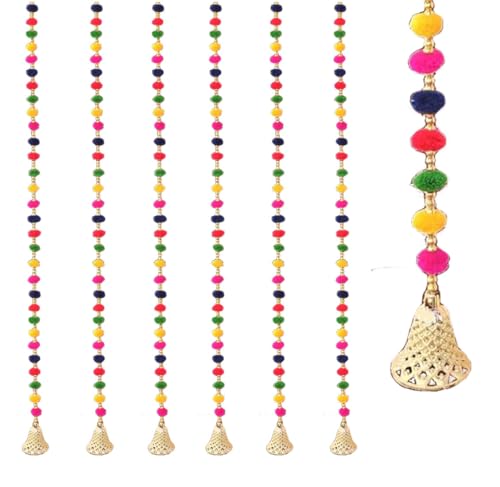
- Best for colourful entrances: Artificial flower and pom-pom torans.
- Best for repeated seasonal use: Well-stitched fabric, wooden, or durable artificial-flower designs.
- Best for a natural look: Jute, cotton, or other natural-fibre torans suited to a protected entrance.
The right choice depends on your door size, interior style, maintenance preferences, and whether you want an everyday decoration or something more elaborate for celebrations.
What Is a Decorative Toran?
A toran is a decorative hanging commonly placed above a doorway or along the top of a door frame. In Indian homes, torans are often associated with hospitality, celebrations, and traditional entrance decoration.
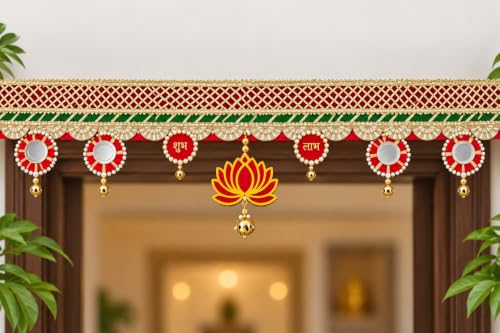
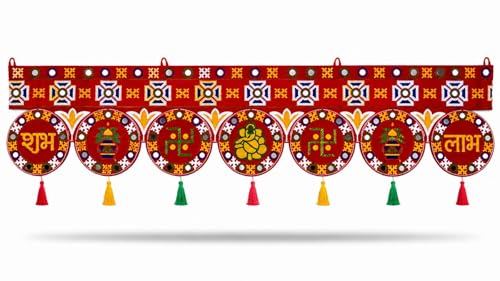
They may feature embroidered fabric, beads, artificial flowers, mango-leaf-inspired motifs, wooden elements, bells, tassels, or decorative lettering.
Although torans are popular during Diwali, Navratri, weddings, housewarming ceremonies, and other occasions, simpler designs can also be used throughout the year.
The key is choosing a style that complements the entrance rather than competing with the door, nameplate, wall colour, and other decorative elements.
Best Decorative Toran Styles for Indian Homes
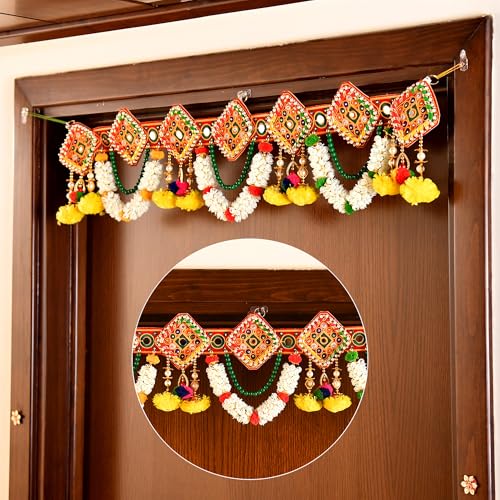
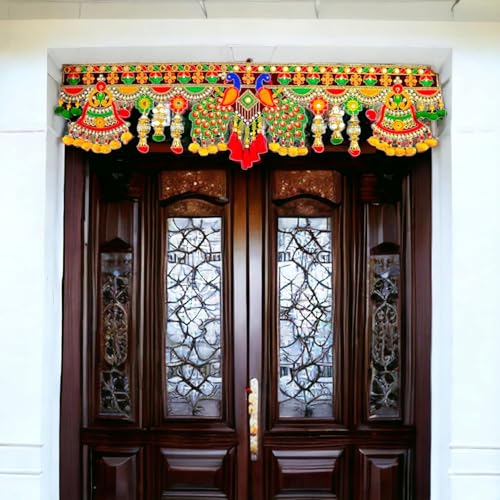
1. Embroidered Fabric Toran — Best for Traditional Entrances
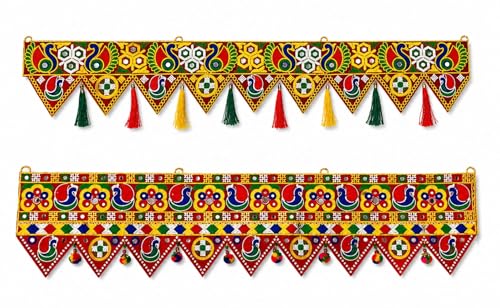
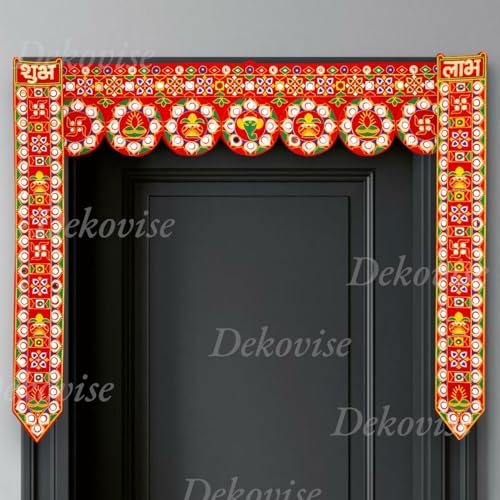
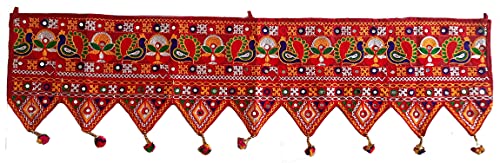
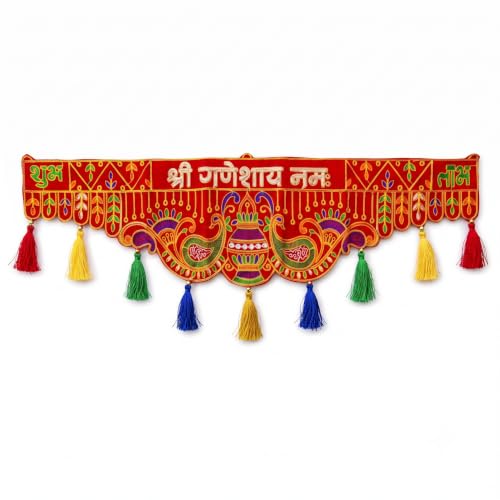
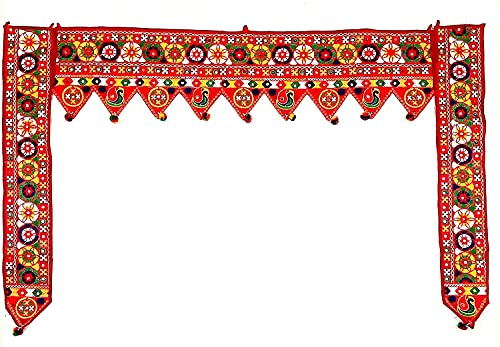
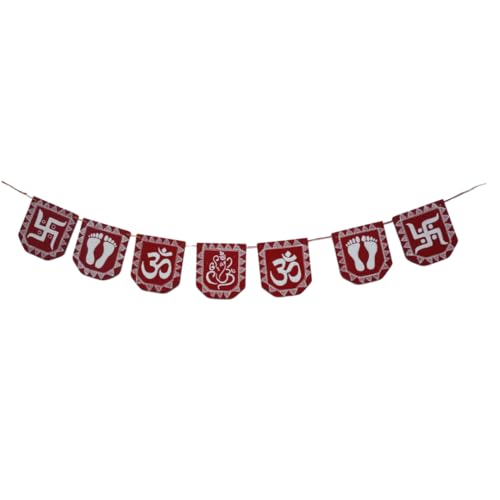
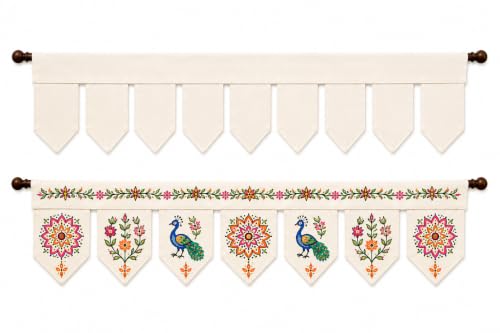
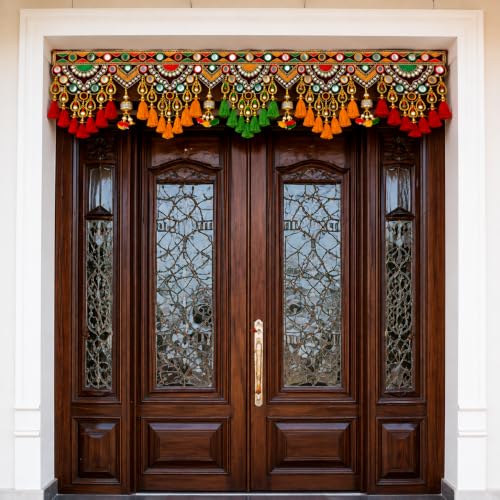
Fabric torans are among the most versatile options for Indian homes. They may feature cotton or synthetic fabric, embroidered motifs, decorative borders, mirror-work details, beads, and tassels.
A colourful embroidered toran can complement a traditional wooden entrance, while a more restrained design can work in a contemporary apartment.
Why consider it?
- Available in traditional and modern patterns.
- Usually easy to fold and store.
- Offers a wide range of colours and decorative details.
- Can be reused when properly maintained.
Potential drawbacks: Fabric can collect dust, fade in direct sunlight, or become damaged by moisture. Decorative embellishments may also loosen with repeated handling.
Best for: Traditional interiors, family homes, and entrances that need a warm, decorative touch.
Styling tip: Match one colour from the toran with your door finish, entrance rug, or nearby decor. You do not need every element to be the same colour.


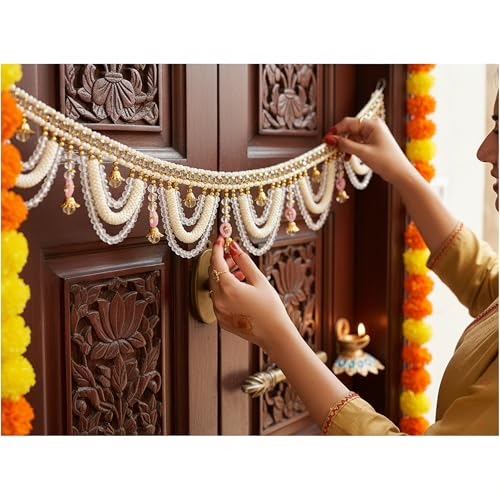
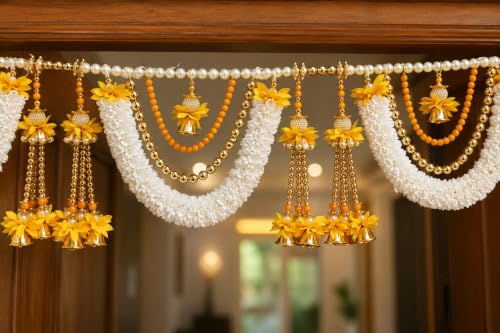
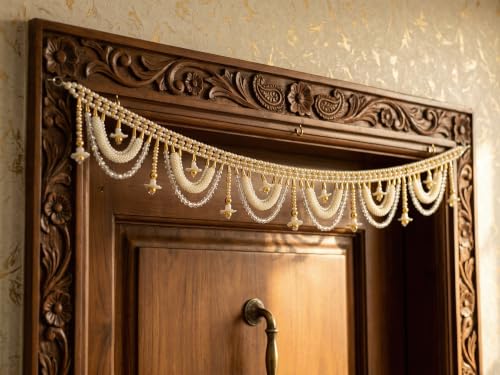
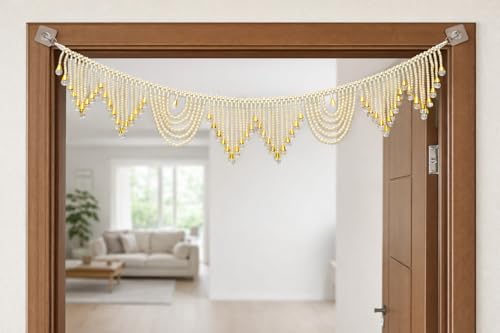
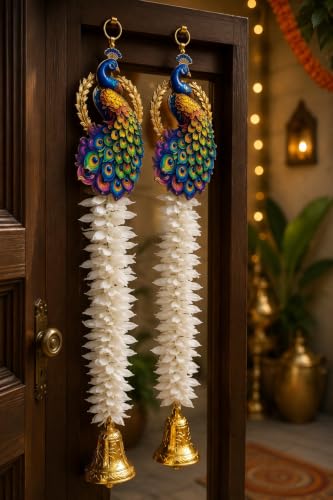
2. Pearl-Beaded Toran — Best for an Elegant Entrance
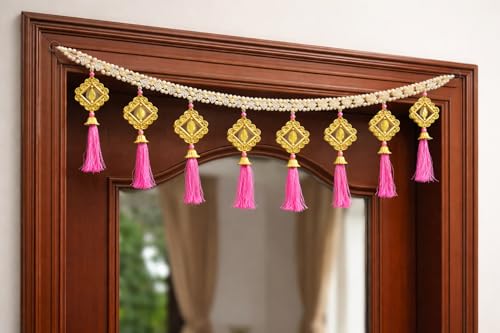
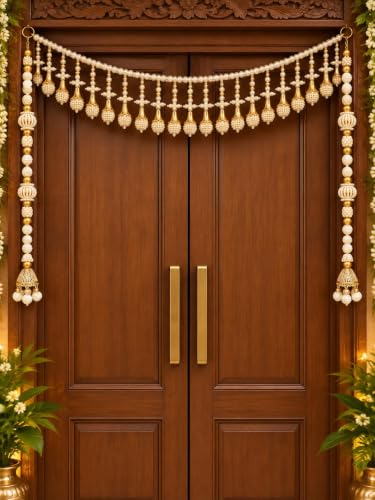
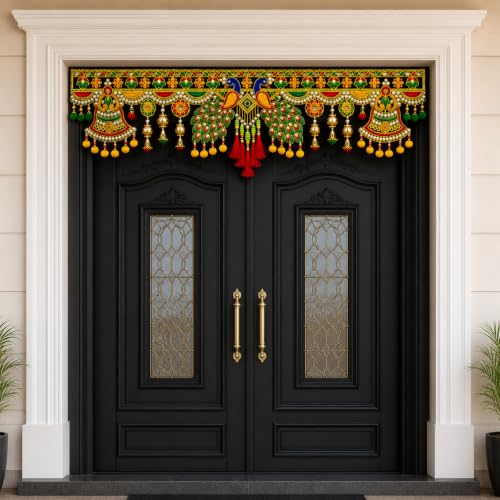
Pearl-beaded torans create a more refined look, particularly when they use ivory, champagne, gold, or soft neutral tones.
Depending on the design, they may feature pearl-like beads, hanging strings, small floral motifs, decorative pendants, or metallic accents.
Why consider it?
- Works well with neutral and contemporary interiors.
- Adds texture without requiring a large decoration.
- Can complement white, cream, beige, and wooden doors.
- Suitable for both everyday styling and special occasions when the design is understated.
Potential drawbacks: Individual strings may tangle, and lightweight beads can break or detach. Some designs use plastic beads rather than genuine pearls, so check the material description.
Best for: Modern apartments, elegant entrance styling, and homeowners who prefer a softer decorative effect.
Styling tip: On a light-coloured door, choose ivory or champagne beads with a subtle metallic detail. On a dark wooden door, a contrasting pearl design can stand out beautifully.

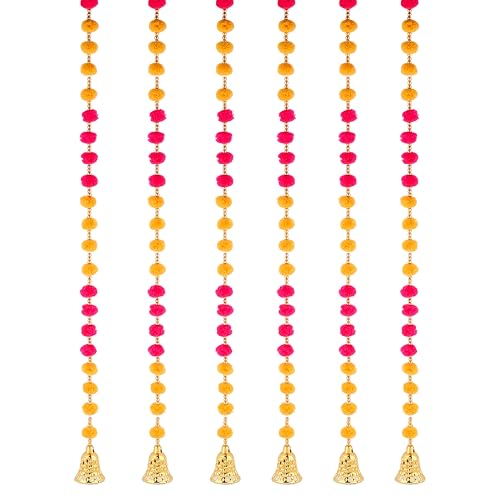
3. Beaded Fabric Toran — Best for a Decorative Traditional Look
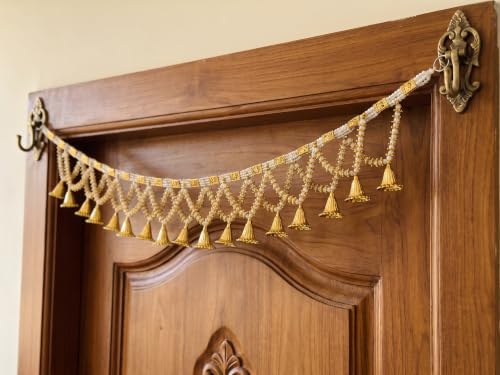
Beaded fabric torans combine a textile base with decorative beads, mirrors, tassels, or small hanging ornaments. This style offers more texture than a plain fabric toran while retaining the flexibility of a textile design.
Why consider it?
- Combines colour, texture, and decorative detail.
- Often available in traditional Indian patterns.
- Can be a good choice for a festive entrance.
- Many designs can be folded for storage.
Potential drawbacks: Extra embellishments can make the toran heavier and more difficult to clean. Check the strength of the hanging loops and stitching.
Best for: Entrances that need a colourful focal point without decorating the entire door frame.
Styling tip: If your toran already contains mirrors, bells, beads, and tassels, keep nearby decorations simple.
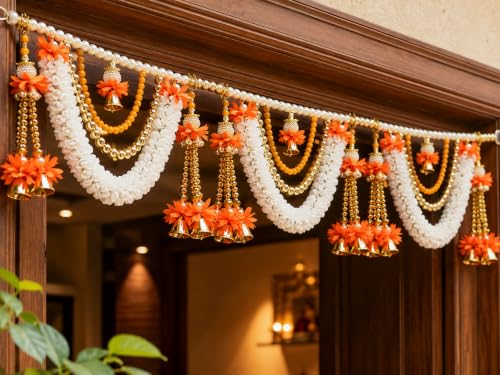
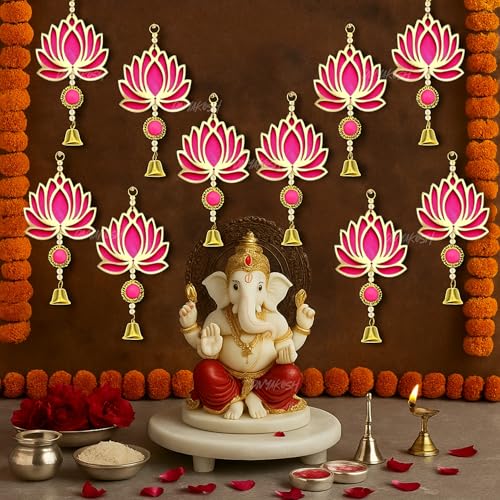
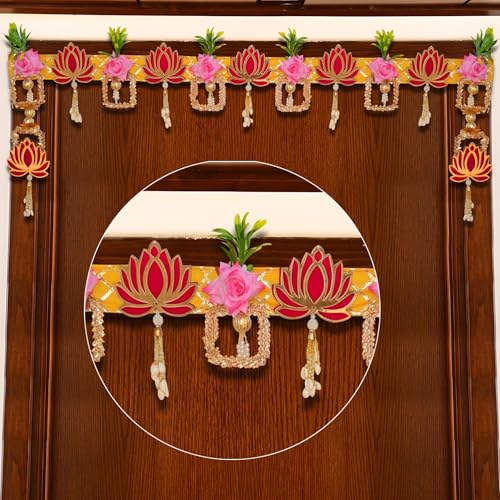
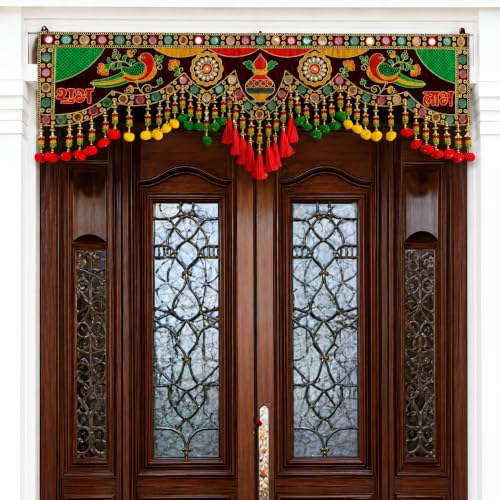
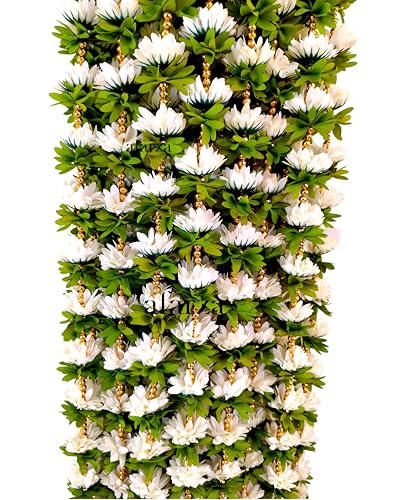
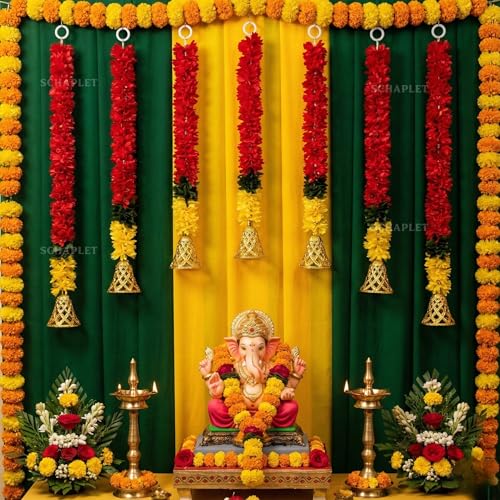
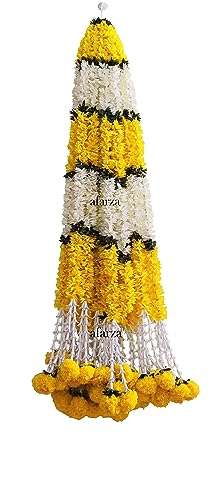
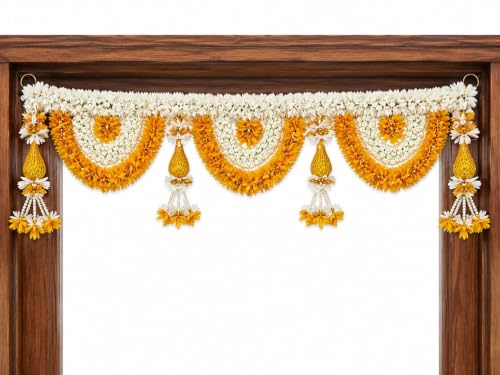
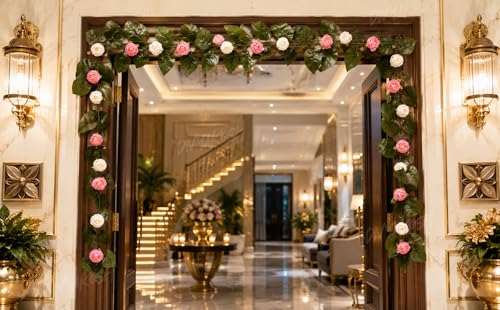
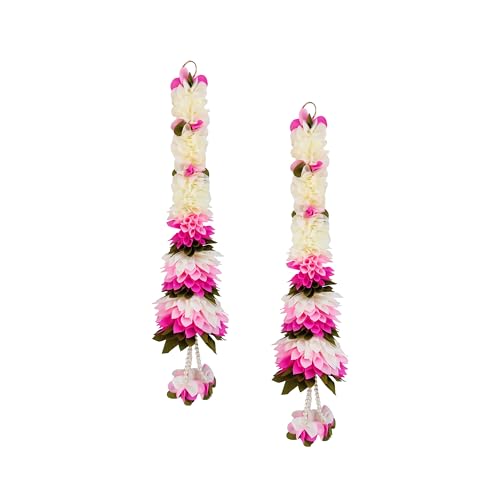
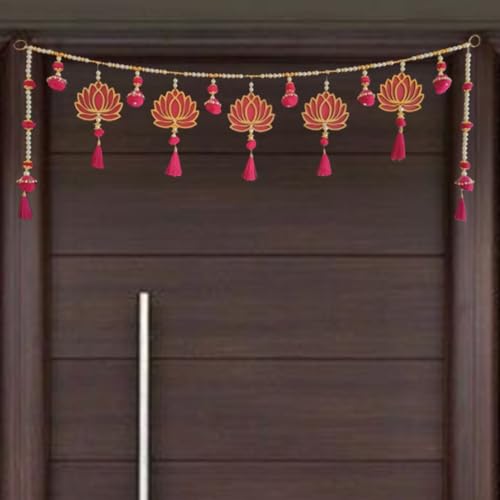
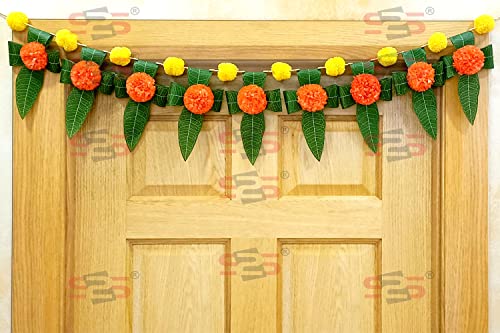
4. Artificial Flower Toran — Best for Floral Entrance Decoration
Artificial flower torans are available in marigold-inspired, rose, lotus, and mixed-flower designs. They are useful when you want a floral appearance without having to replace fresh flowers frequently.
Why consider it?
- Available in bright and muted colour combinations.
- Can be reused across multiple occasions.
- Offers a floral look without the short lifespan of fresh flowers.
- Suitable for doorways, pooja spaces, and selected indoor decorative areas.
Potential drawbacks: Low-quality artificial flowers can look overly glossy or unrealistic. Fabric petals and plastic leaves may also collect dust.
Best for: Colourful entrances, traditional decor, and people who want a reusable floral arrangement.
Styling tip: Choose flowers in two or three coordinated colours rather than mixing too many shades. A simple marigold-inspired design can look more balanced than a very dense arrangement.
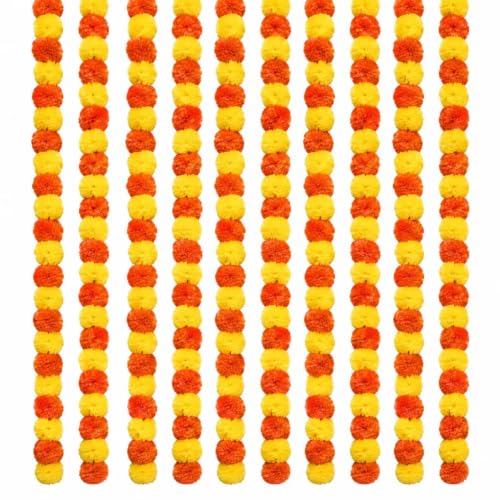
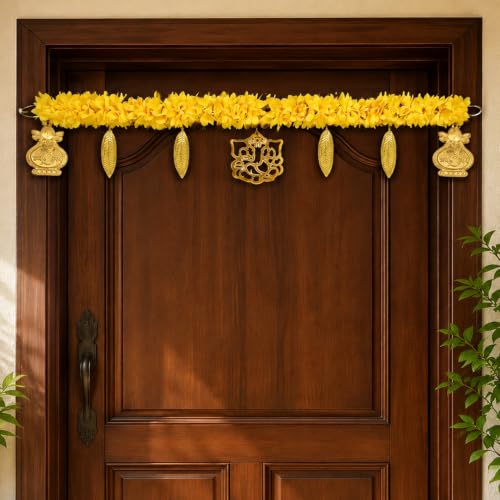
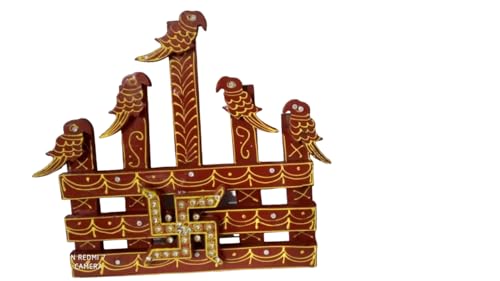
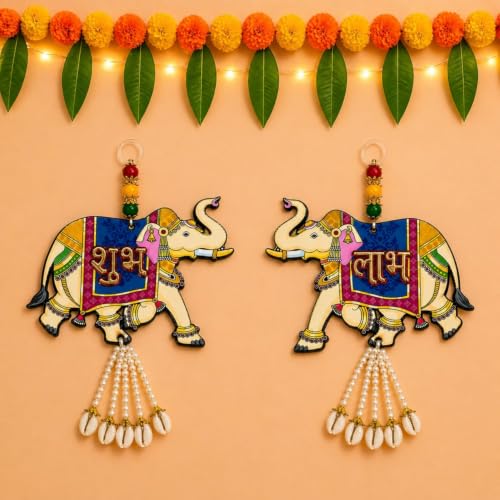
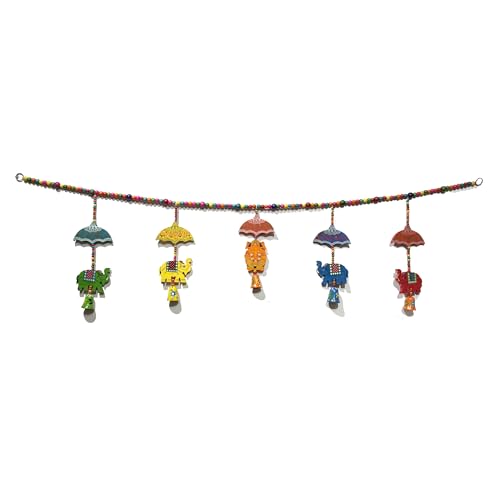
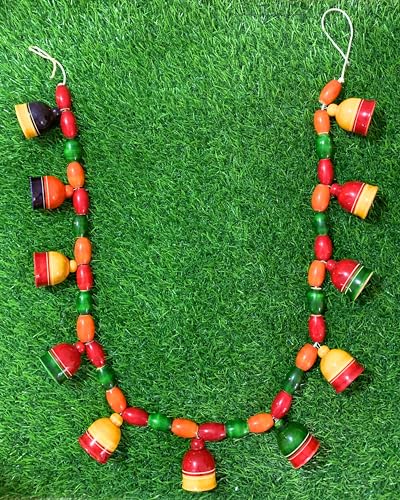
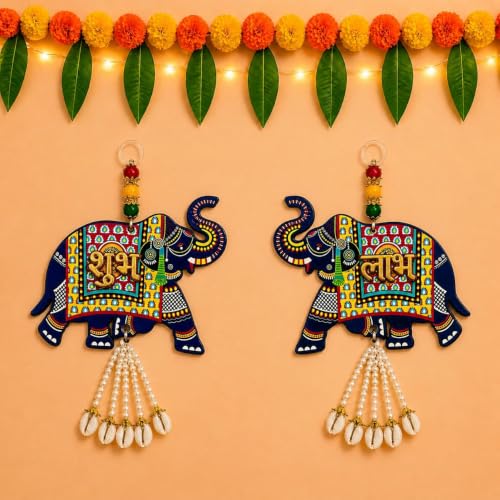
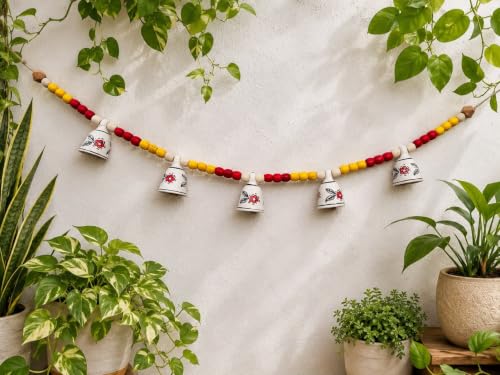
5. Wooden Toran — Best for Traditional and Natural Interiors
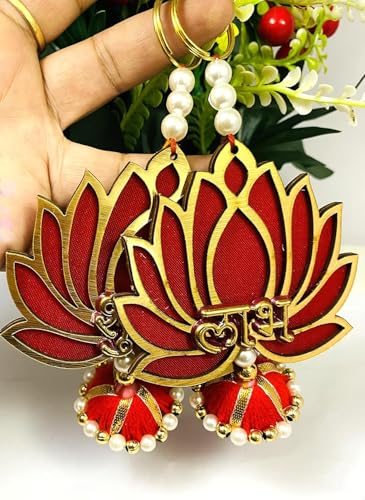
Wooden torans can feature carved panels, painted motifs, hanging bells, or small decorative shapes. They suit homes with wooden doors, earthy colours, and traditional furniture.
Why consider it?
- Offers a structured decorative appearance.
- Can complement natural wood finishes.
- Some designs are durable enough for repeated use.
- Available in both intricate and minimalist styles.
Potential drawbacks: Wooden designs may be heavier than fabric alternatives. Painted finishes can chip, and untreated wood may not be suitable for damp entrances.
Best for: Traditional homes, rustic interiors, and entrances where a structured decorative piece is preferred.
Styling tip: Choose a finish that complements the door rather than trying to match it perfectly. A slightly contrasting wood tone can create a more intentional look.
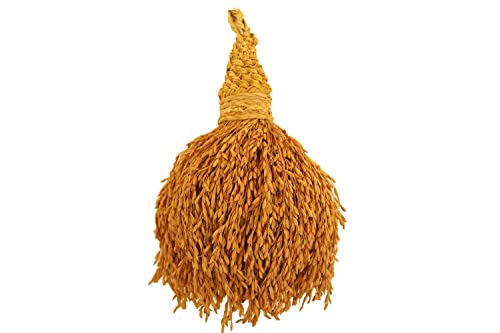
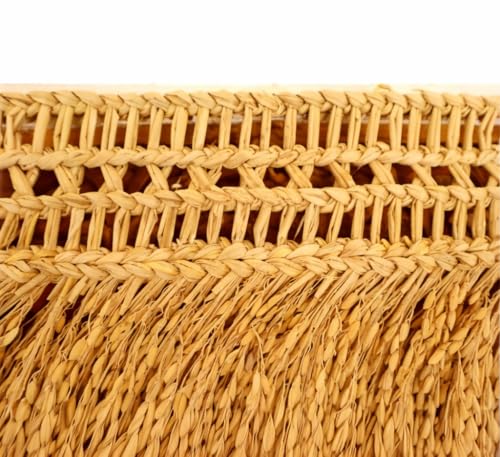
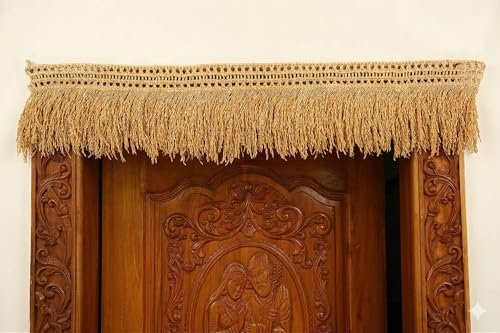
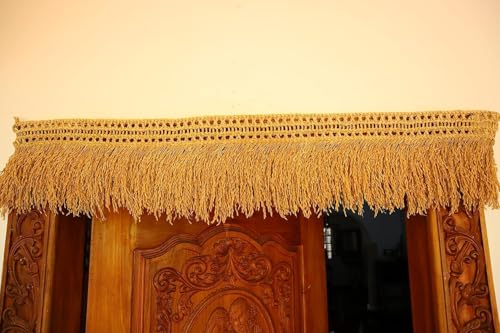
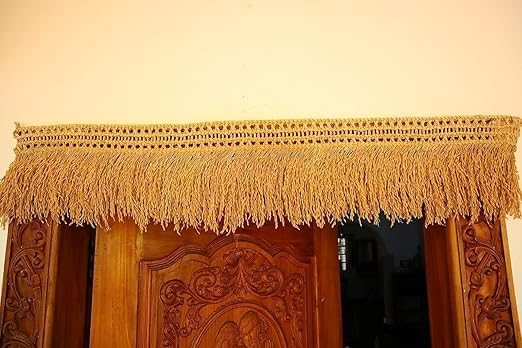
6. Jute or Natural-Fibre Toran — Best for Earthy, Minimal Decor
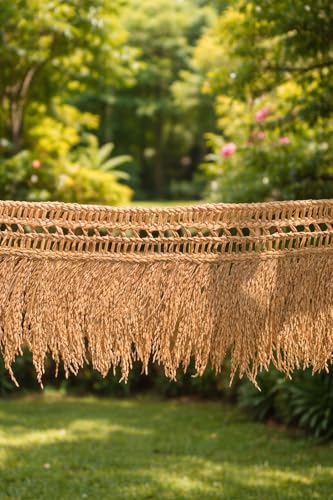
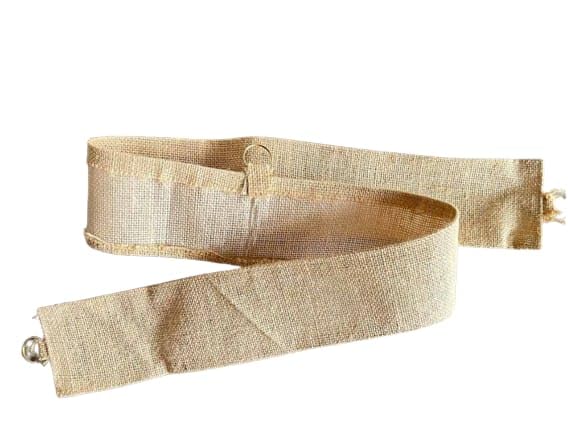
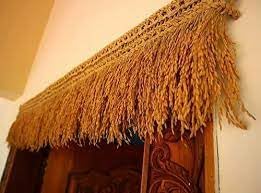
Jute, cotton, and other natural-fibre designs can add texture without introducing too much shine or colour.
Some feature woven details, simple tassels, small wooden accents, or understated geometric patterns.
Why consider it?
- Suits earthy and neutral interiors.
- Offers a less ornate alternative to heavily embellished designs.
- Can coordinate with cane furniture, jute rugs, and wooden accents.
- Works well for everyday entrance decoration.
Potential drawbacks: Natural fibres can absorb moisture, collect dust, or develop odours if stored while damp. Check the cleaning instructions before purchasing.
Best for: Minimalist apartments, Scandinavian-inspired interiors, and homes with natural materials.
Styling tip: Pair a neutral fibre toran with a clean nameplate and one simple entrance accessory. Avoid adding too many competing textures.

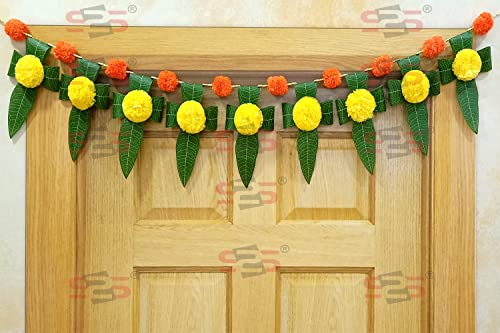
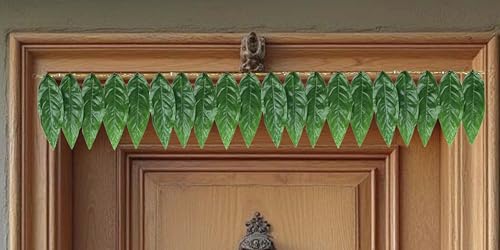
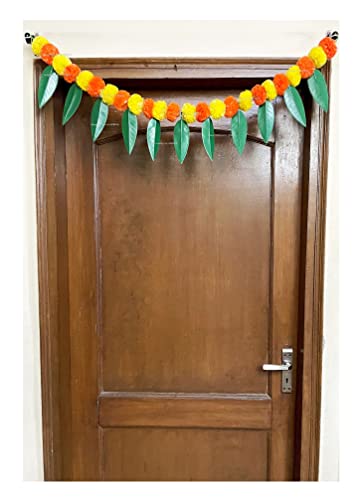
7. Artificial Mango-Leaf Toran — Best for a Traditional Green Accent
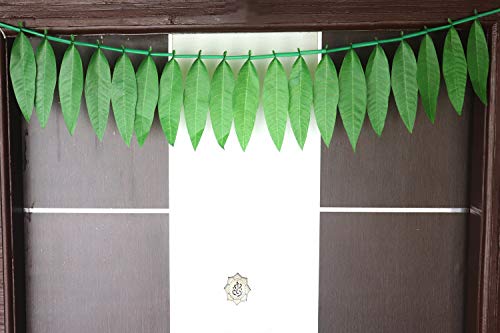
Artificial mango-leaf-style torans offer a familiar traditional appearance without requiring fresh leaves for every use.
They are available in simple green-leaf designs as well as versions with flowers, bells, beads, or decorative lettering.
Why consider it?
- Provides a traditional leafy appearance.
- Can be stored and reused.
- Works with many types of door finishes.
- Available in both simple and elaborate designs.
Potential drawbacks: Some synthetic leaves can look shiny or artificial at close range. Check the density, colour, and finish before purchasing.
Best for: Traditional entrances, pooja spaces, and people who prefer a leafy decorative style.
Styling tip: For a modern home, choose a relatively simple leafy toran instead of a design with multiple oversized ornaments.

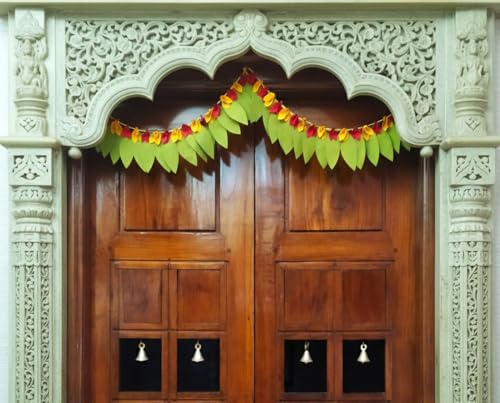
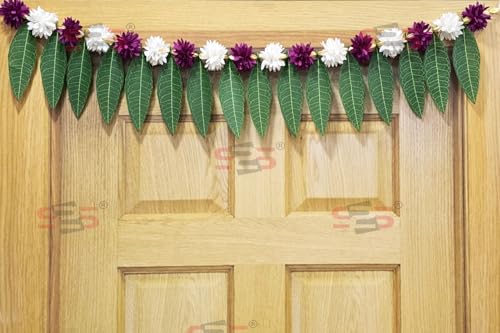
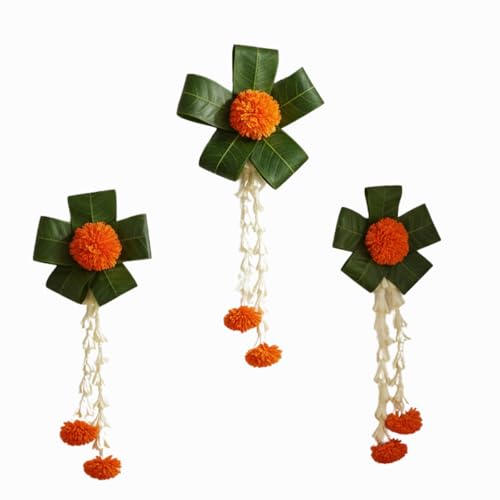
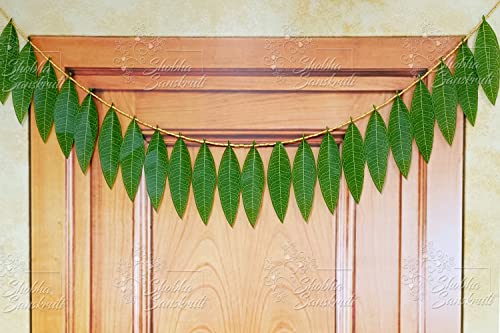
8. Mirror-Work Toran — Best for Colourful Decorative Entrances
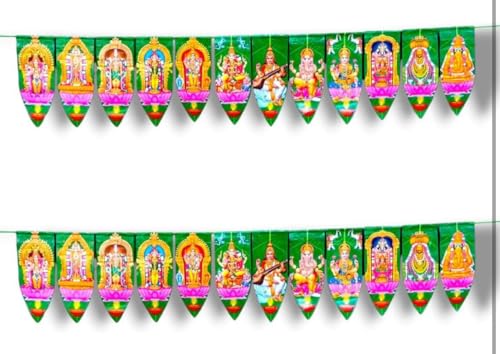
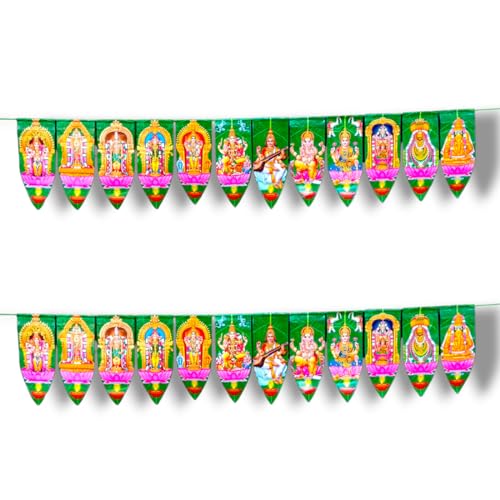
Mirror-work torans often feature embroidered fabric, small reflective pieces, colourful threadwork, and tassels. They are inspired by traditional craft aesthetics and can add visual interest to a plain doorway.
Why consider it?
- Adds colour and intricate detail.
- Works well with traditional and eclectic interiors.
- Can serve as the main decorative feature above a door.
- Available in a wide range of patterns.
Potential drawbacks: Mirror pieces can detach or break. Check the quality of the stitching and avoid placing fragile designs where the door may strike a wall.
Best for: Entrances that need a bold decorative feature.
Styling tip: Let the mirror-work toran be the main attraction. Avoid combining it with an equally busy door sticker, oversized hanging, and elaborate side decorations.


Fabric vs Beaded Torans: Which Is Better?
Both styles can look beautiful, but they serve slightly different decorating needs.
Choose a fabric toran if:
- You enjoy traditional embroidery and colourful patterns.
- You want a design that can often be folded for storage.
- You prefer a decorative textile finish.
- You want a wide choice of motifs, tassels, and embellishments.
Choose a beaded toran if:
- You prefer pearl-like details or a more decorative hanging effect.
- You want a design that complements neutral interiors.
- You like the appearance of individual strands and pendants.
- You are comfortable checking and untangling the strands when needed.
Which one looks better on a wooden main door?
For a dark wooden door, a fabric toran with contrasting embroidery or a pearl-beaded design can both work well. Choose based on the style of your home: colourful embroidery for a traditional appearance, or neutral beads for a more restrained look.
For a light-coloured door, both can work. Consider the wall colour and nameplate finish to avoid a cluttered entrance.
Fabric vs Beaded Toran Comparison Table
| Feature | Fabric toran | Beaded toran |
|---|---|---|
| Overall appearance | Textured, colourful, traditional | Decorative, layered, sometimes elegant |
| Design options | Embroidery, tassels, mirror work | Pearls, beads, strings, pendants |
| Storage | Often folds flat | Strands may need careful arrangement |
| Cleaning | Dust gently; follow fabric care instructions | Wipe carefully; check individual components |
| Main concern | Stains, fading, loose stitching | Tangling, broken beads, detached strings |
| Best for | Traditional and colourful entrances | Neutral, decorative, or layered entrances |
| Everyday use | Depends on material and design | Depends on durability and placement |
Neither material is automatically better. Construction quality, weight, finish, and suitability for your doorway matter more than the material name alone.
How to Choose the Right Toran for Your Main Door
Step 1: Measure the doorway
Measure the width of the space where you intend to hang the toran. Also check the clearance below it.
A toran that is too narrow can look disconnected from the door, while an oversized design may interfere with the doorbell, nameplate, or door movement.
Step 2: Consider your door colour
- Dark brown or walnut: Ivory beads, muted gold, terracotta, or contrasting embroidered designs.
- White or cream: Green, muted red, natural fibre, or soft metallic accents.
- Black or charcoal: Ivory, warm gold, or a restrained colourful pattern.
- Light wood: Natural fibres, soft greens, cream beads, or warm earthy colours.
These are starting points rather than strict rules. The surrounding wall colour and lighting also affect the final appearance.
Step 3: Decide whether you want everyday or occasional decor
For everyday use, choose a simpler design that is easy to dust and does not have fragile dangling pieces.
For special occasions, you can consider more elaborate embroidery, mirror work, floral designs, bells, or decorative lettering.
Step 4: Check the material and construction
Before ordering online, look for:
- Accurate material details.
- Clear product photographs.
- Secure stitching and hanging loops.
- Neatly finished edges.
- Information about dimensions and weight.
- Cleaning and storage instructions.
- Reviews that mention durability, colour, and finish.
Do not rely on product photographs alone. A listing may use the word “pearl” for imitation beads or describe a reflective plastic component as crystal-like.
Step 5: Choose a suitable hanging method
Check whether the toran comes with loops, hooks, or another hanging arrangement. Use a secure method compatible with your door frame and finish.
Avoid placing heavy decorations where they can fall, strike the door, obstruct the doorbell, or interfere with safe entry and exit.
Decorative Toran Ideas for Different Homes
For a modern apartment
Choose a simple pearl-beaded, wooden, or natural-fibre toran. Use one restrained colour palette and keep the entrance free of unnecessary decorations.
For a traditional Indian home
An embroidered fabric toran, mirror-work design, or artificial mango-leaf style can complement traditional door finishes and existing decor.
For a small entrance
A compact toran with a simple silhouette is usually easier to style than a wide, layered design with multiple hanging strands.
Keep the nameplate visible and avoid blocking switches, doorbells, or the door handle.
For a wooden main door
Look at the wood tone first. Warm neutrals, contrasting ivory beads, and embroidery in complementary colours can create a balanced appearance.
For a neutral or minimalist home
A jute, cotton, wooden, or understated beaded toran can introduce texture without overpowering the entrance.
For a festive entrance
Use the toran as the main decorative feature, then add one or two coordinated elements if needed. Artificial flowers, a small rangoli, or carefully positioned lights can complement the design without making the space crowded.
Toran Buying Guide: Materials, Size, and Budget
Which material should you choose?
- Fabric: Best when you want colour, embroidery, and flexible storage.
- Beads: Best when you want strands, reflective details, or a pearl-like appearance.
- Wood: Best when you prefer a structured design and natural material.
- Artificial flowers: Best when you want a reusable floral look.
- Jute or cotton: Best when you prefer earthy textures and simpler styling.
- Metal: Best when you want a rigid decorative accent; check weight, finish, and hanging security.
What budget should you set?
Decorative torans are available at a wide range of prices depending on material, size, workmanship, and embellishments. As a broad shopping guide, you may encounter simple designs under ₹500, more elaborate options around ₹500–₹1,500, and premium handcrafted or intricate pieces above that range. These are indicative shopping bands, not guaranteed current prices.
For most homes, it is sensible to begin with the size and style you need rather than choosing the most expensive design.
What should you check before ordering?
- Width: Will it cover the intended hanging area?
- Length: Will the lower edge interfere with the door or people passing through?
- Weight: Can the hanging point support it securely?
- Material: Is it fabric, plastic, wood, metal, or a mixture?
- Finish: Are the beads, tassels, mirrors, and edges securely attached?
- Care: Can it be dusted or cleaned easily?
- Storage: Can it be stored without crushing or tangling?
- Returns: Can you return it if the size, colour, or finish differs from expectations?
How to Maintain and Store Decorative Torans
A little care can help a reusable toran remain presentable for longer.
- Dust it gently before dirt accumulates.
- Follow the seller’s instructions for fabric, wood, beads, and metal finishes.
- Avoid soaking embellished designs unless the care instructions explicitly allow it.
- Keep natural fibres away from persistent moisture.
- Store fabric torans flat or folded according to their construction.
- Wrap delicate beaded strands separately to reduce tangling.
- Keep wooden or metal pieces dry and protect their finishes.
- Inspect the hanging loops before reinstalling a heavier design.
For artificial flowers, gently remove dust from petals and leaves. Avoid harsh cleaning products that could discolour the material.
Common Mistakes to Avoid When Buying a Toran
Buying without measuring: A beautiful design may not suit your doorway if the width or drop is incorrect.
Choosing too many colours: A toran with several competing shades can make a small entrance look busy.
Ignoring the door opening: Dangling beads, bells, and tassels should not catch on the door or hit nearby surfaces.
Assuming all beads are the same material: Check whether the product uses plastic, glass, acrylic, or another material.
Choosing a fragile design for an exposed entrance: Wind, rain, and direct sunlight can affect delicate materials.
Overdecorating the entrance: A toran, nameplate, hanging lights, large wall art, and several other accessories may compete for attention.
Ignoring storage: Delicate designs can tangle or become misshapen if stored carelessly.
Frequently Asked Questions
1. Which toran is best for a main door?
Fabric, beaded, wooden, and artificial-flower torans can all work well. Choose a design that fits the doorway, complements the door colour, and is suitable for the entrance’s exposure to dust and moisture. Best Decorative Toran
2. Is a fabric toran better than a beaded toran?
Fabric torans generally offer more textile patterns and can often be folded for storage. Beaded torans offer decorative strands and reflective details but may need extra care to prevent tangling or breakage. Best Decorative Toran
3. Which toran looks best on a wooden door?
Contrasting embroidered fabric, ivory beads, warm metallic details, and natural-fibre designs can all complement wooden doors. The best choice depends on the wood tone and your interior style. Best Decorative Toran
4. Can I use a toran throughout the year?
Yes. Simple wooden, neutral beaded, natural-fibre, and understated fabric designs can work as everyday entrance decor. More elaborate festive designs can be stored and reused for special occasions. Best Decorative Toran
5. How do I choose the correct toran size?
Measure the width of the intended hanging area and check the clearance below it. Make sure the toran does not obstruct the doorbell, nameplate, handle, or people entering and leaving. Best Decorative Toran
6. Are artificial flower torans reusable?
Many are designed for repeated use. Their lifespan depends on material quality, exposure to sunlight and moisture, cleaning, and storage. Best Decorative Toran
7. How should I clean a beaded toran?
Gently dust it or wipe suitable components with a soft cloth, following the care instructions. Avoid pulling on the strings or using liquids that could damage the thread, finish, or decorative components. Best Decorative Toran
8. Which toran is best for a minimalist home?
A simple wooden, neutral pearl-beaded, or natural-fibre design can complement minimalist interiors. Choose one main decorative element instead of layering several elaborate pieces. Best Decorative Toran
9. Can I hang a heavy wooden or metal toran above the entrance?
Yes, if the mounting method and supporting surface are suitable for its weight. Check the hanging hardware and ensure the decoration cannot fall or interfere with the door. Best Decorative Toran
10. What is the difference between a toran and a bandhanwar?
The terms are often used interchangeably for decorative entrance hangings in India. Some sellers use “bandhanwar” for more elaborate designs with a central panel and longer side hangings, but naming conventions vary by region and retailer. Best Decorative Toran
Final Verdict: Which Decorative Toran Should You Buy?
The best decorative toran is one that suits your entrance, complements your interiors, and is easy enough to maintain for the way you use it.
- Choose fabric for embroidery, colour, and traditional patterns.
- Choose beads for pearl-like details and a decorative hanging effect.
- Choose wood for a structured, natural look.
- Choose artificial flowers for a reusable floral appearance.
- Choose natural fibres for earthy, understated styling.
Before purchasing, measure your doorway, confirm the material, inspect the construction, and check how the toran will be hung and stored.
You do not need an elaborate decoration to create a welcoming entrance. Often, one well-chosen toran in the right size and colour is enough.