


A beautiful wall mirror can do much more than help you check your appearance. It can become a statement piece in your living room, brighten a dim hallway, enhance a bedroom dressing corner and make a compact home feel more open.
For Indian homes, decorative mirrors are available in countless designs, from simple frameless panels and round mirrors to wooden frames, antique gold finishes, arched silhouettes and traditional jharokha-inspired styles. The challenge is choosing a mirror that complements your interiors without making the room look cluttered.
Should you choose a frameless mirror for a clean, modern appearance or a framed mirror that adds warmth and character? What size works best for a small living room? And where should you place a mirror to make the most of natural light?
In this guide, we explore the best decorative wall mirrors for Indian homes in 2026, compare framed and frameless designs, share small-home decorating ideas and explain what to consider before buying a mirror online.
Quick Guide: Which Decorative Wall Mirror Should You Choose?
| Mirror style | Best placement | Interior style |
|---|---|---|
| Frameless rectangular mirror | Hallway or compact bedroom | Minimalist and contemporary |
| Round wall mirror | Living room or entryway | Modern, Scandinavian or boho |
| Arched mirror | Living room or bedroom | Contemporary and elegant |
| Wooden-framed mirror | Living room or bedroom | Warm, natural and traditional |
| Gold-framed mirror | Above a console table | Glamorous and classic |
| Black metal-framed mirror | Modern living room | Industrial and contemporary |
| Jharokha-style mirror | Feature wall or entryway | Traditional Indian interiors |
| Organic-shaped mirror | Bedroom or living room | Artistic and contemporary |
| Mirror set of two or three | Narrow wall or above a console | Modern and eclectic |
| Full-length wall mirror | Bedroom or dressing area | Practical and space-conscious |
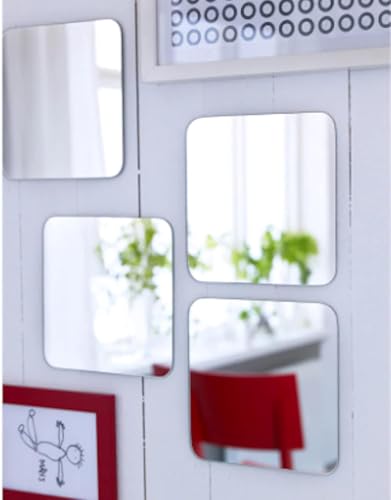
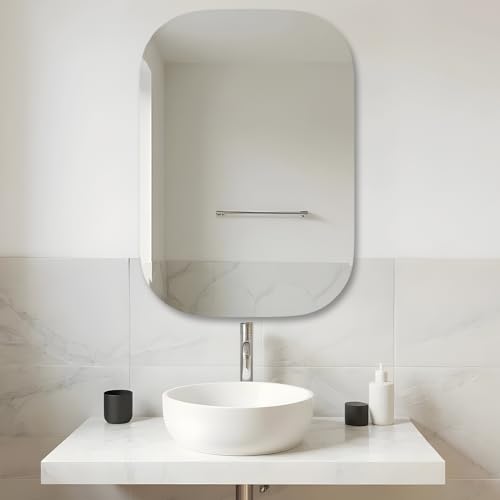
1. Frameless Wall Mirrors — Best for Minimalist Homes
Frameless mirrors are a great option if you prefer clean lines, simple furniture and uncluttered interiors. Without a prominent frame, the reflective surface becomes the main feature.
A rectangular frameless mirror can work particularly well in a compact bedroom, narrow hallway or contemporary living room.
Why choose a frameless mirror?
- Creates a clean, understated appearance.
- Works well with neutral walls and modern furniture.
- Can complement small spaces without introducing another strong decorative element.
- Is available in rectangular, square, round and other shapes.
How to style it
Place a frameless mirror above a slim console table or near a dressing area. Pair it with a simple wall light, a small plant or a ceramic vase rather than adding too many accessories.
For a small Mumbai apartment or compact 1BHK, a carefully positioned frameless mirror can help reflect existing light and create a greater sense of visual depth.
What to consider
Frameless mirrors may have exposed edges, depending on the design. Check whether the edges are finished safely and whether the mirror comes with suitable mounting hardware.
Best for: Minimalist interiors, rental-friendly styling where permitted, compact bedrooms and narrow hallways.




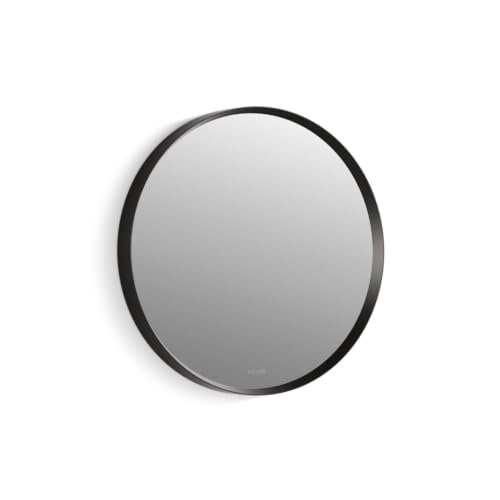
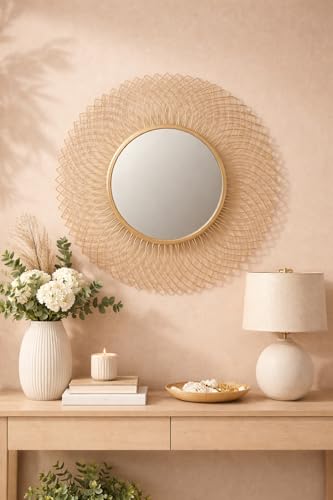
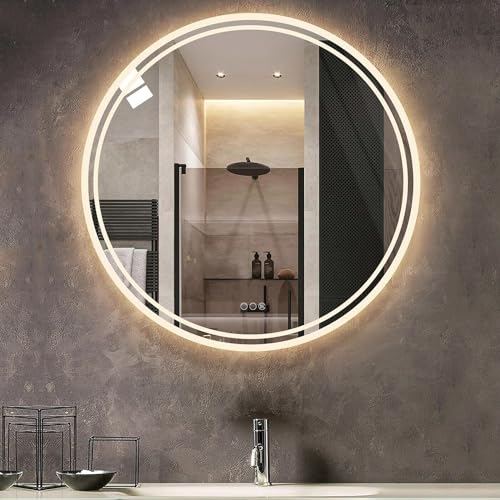
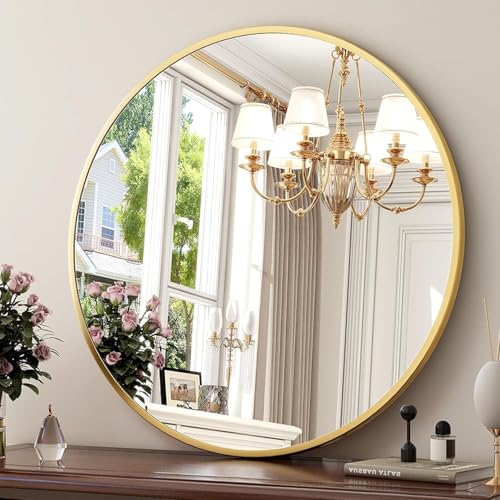
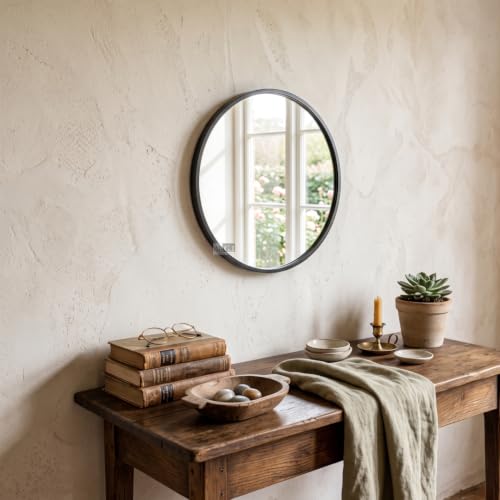
2. Round Decorative Wall Mirrors — Best for Living Rooms
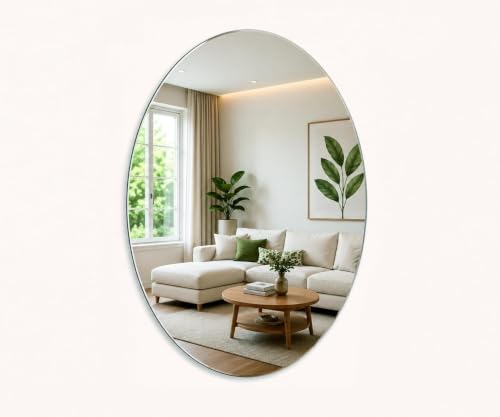
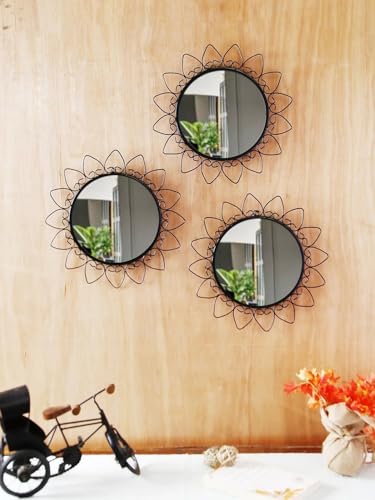
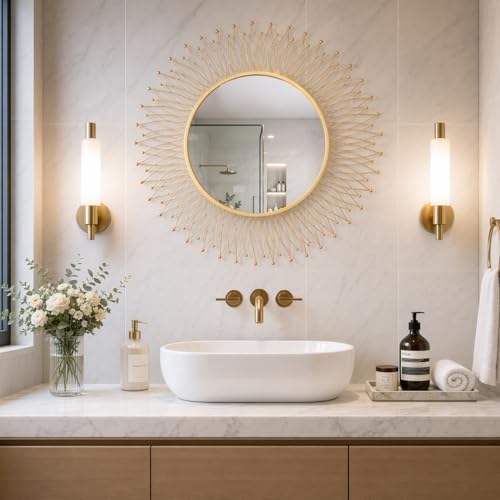
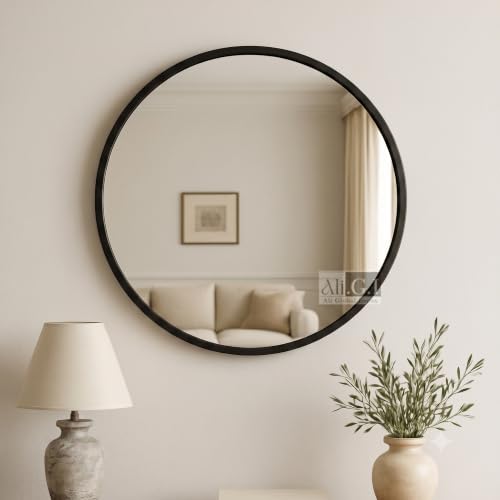
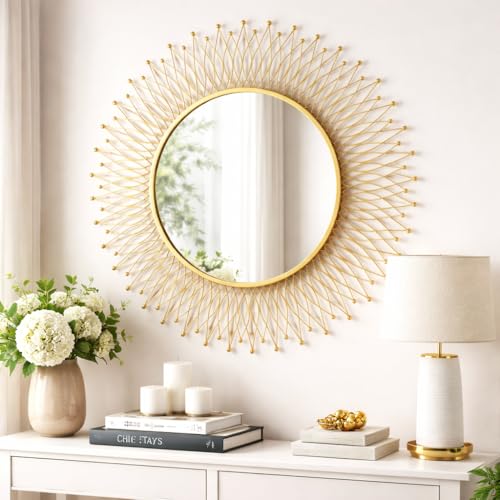
A round mirror introduces a softer shape into a room filled with rectangular furniture, straight shelves and sharp architectural lines.
It can become a decorative focal point above a console table, near an entryway or on a living-room wall.
Why choose a round mirror?
- Softens rooms dominated by straight lines.
- Works with contemporary and traditional furniture.
- Can be styled alone or as part of a gallery wall.
- Comes in frameless, wooden, metal and decorative designs.
How to style it
Hang a round mirror above a narrow console table and place a small vase, tray or lamp underneath. If your room already has patterned cushions, artwork and decorative accessories, choose a simple frame.
For a more natural look, consider a wooden frame or a cane-inspired design that coordinates with other warm textures.
Best for: Living rooms, entryways, console tables and compact dining areas.






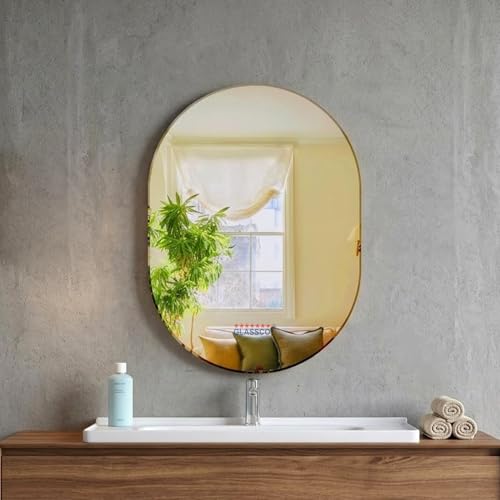
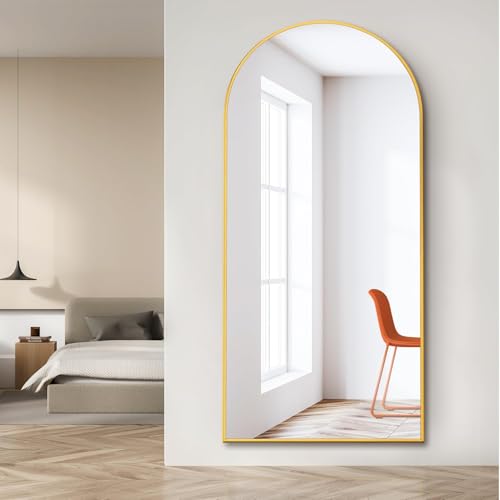
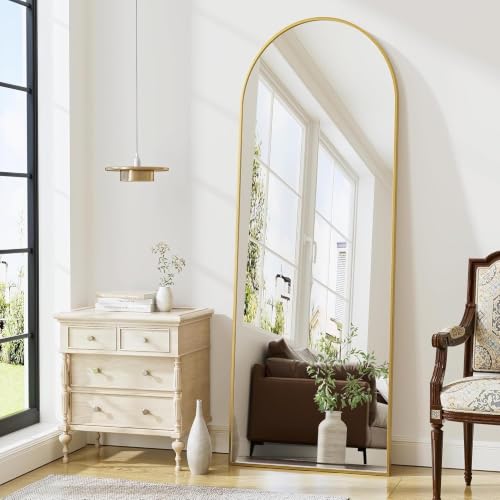
3. Arched Wall Mirrors — Best for an Elegant Statement
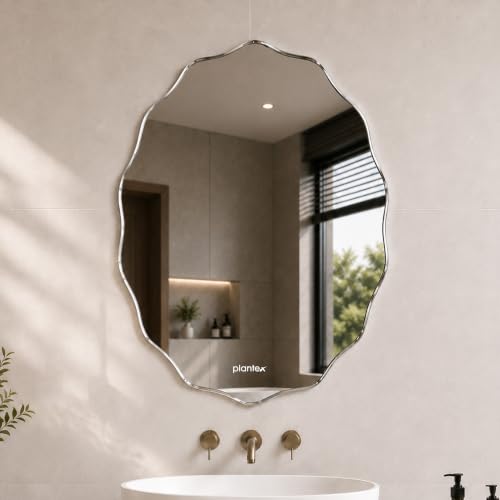
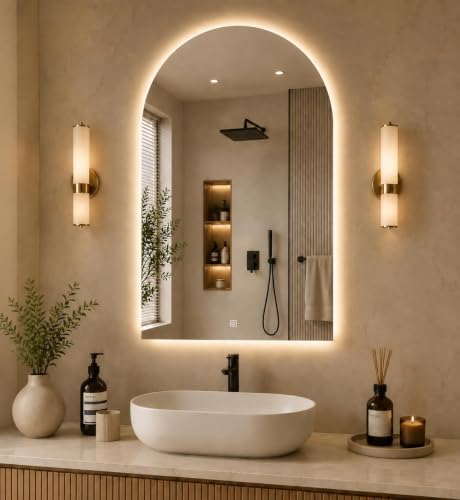
Arched mirrors feature a curved top that adds a gentle architectural detail to the wall. They can look elegant without requiring an elaborate frame or excessive decoration.
A tall arched mirror works particularly well in a bedroom, dressing area or living room with relatively simple furniture.
Why choose an arched mirror?
- Adds visual interest to a plain wall.
- Complements contemporary, classic and transitional interiors.
- Works with metal, wood and frameless designs.
- Can create a focal point above a console or beside a wardrobe.
How to style it
For a contemporary home, choose a slim black or brass-coloured frame. For a warmer interior, consider a wooden frame that complements your furniture.
Keep the surrounding wall relatively simple so that the curved silhouette remains noticeable.
Best for: Bedrooms, living-room feature walls and entryways.



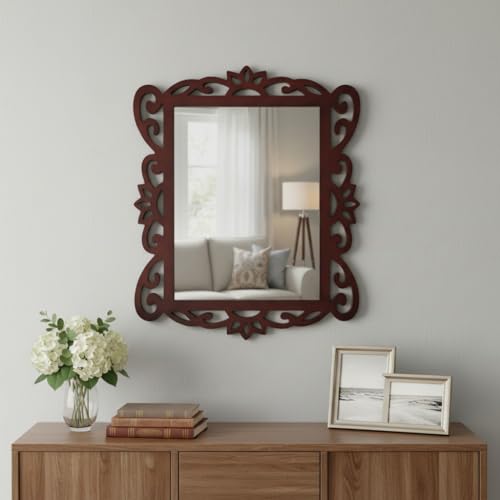
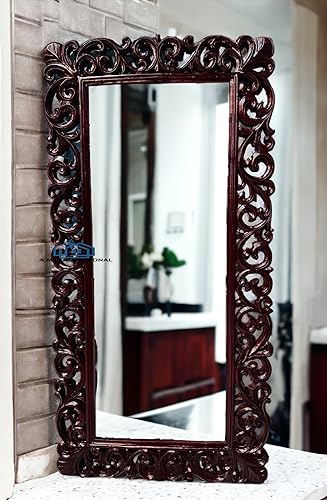
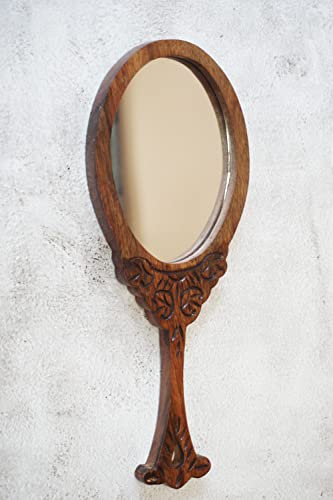
4. Wooden-Framed Wall Mirrors — Best for Warm, Natural Interiors
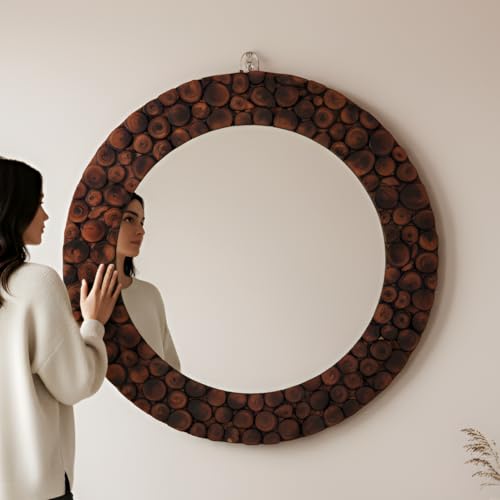
Wooden-framed mirrors add texture and warmth to a room. Depending on the wood tone and frame design, they can suit modern, rustic, traditional and Scandinavian-inspired interiors.
Light wood can complement neutral walls, while darker finishes can coordinate with rich wooden furniture.
Why choose a wooden mirror?
- Introduces natural-looking texture.
- Coordinates with wooden consoles, wardrobes and side tables.
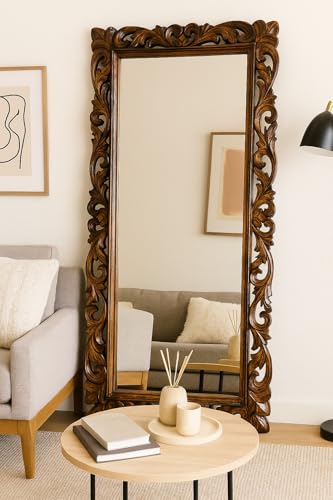
- Is available in simple and intricately carved styles.
- Can work as both a functional mirror and a decorative accent.
How to style it
For a modern living room, choose a simple oak-toned or walnut-toned frame. If your home features traditional Indian furniture, a carved wooden mirror can add character.
Avoid matching every wooden item exactly. A coordinated palette of complementary wood tones can look more natural than trying to make every finish identical.
Best for: Living rooms, bedrooms, entryways and traditional Indian interiors.



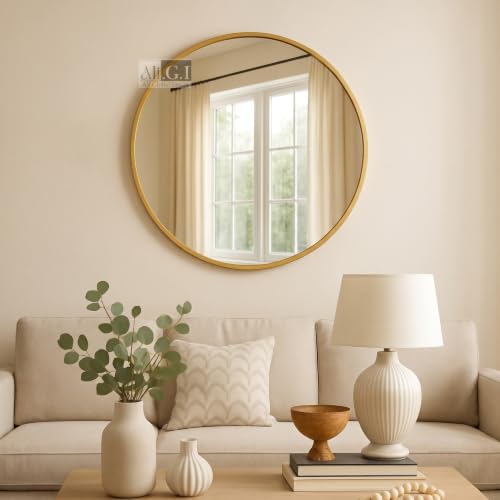
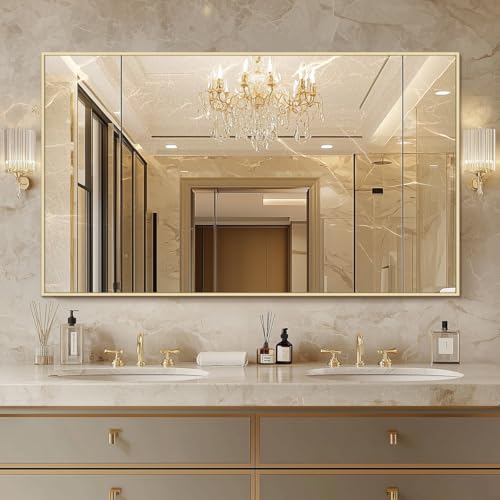
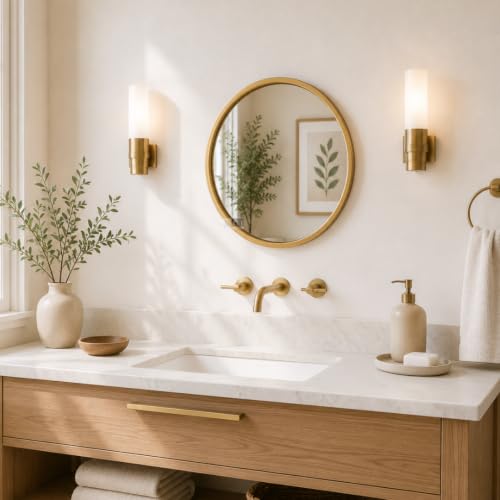
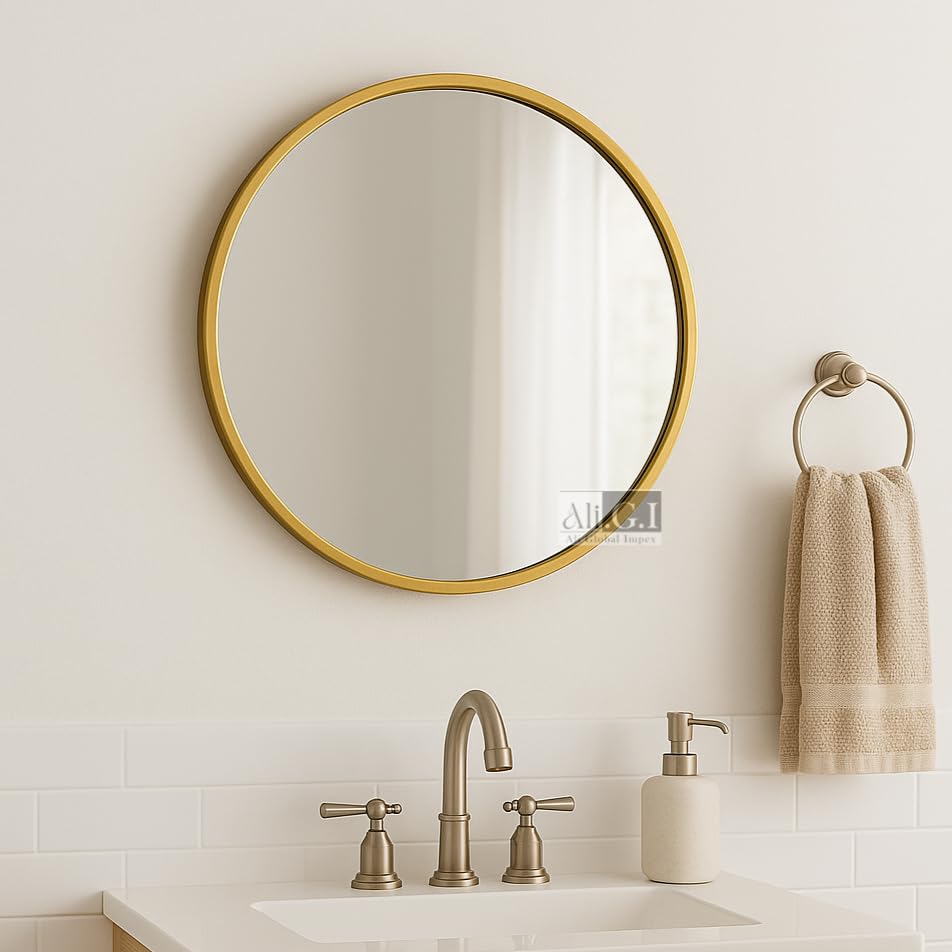
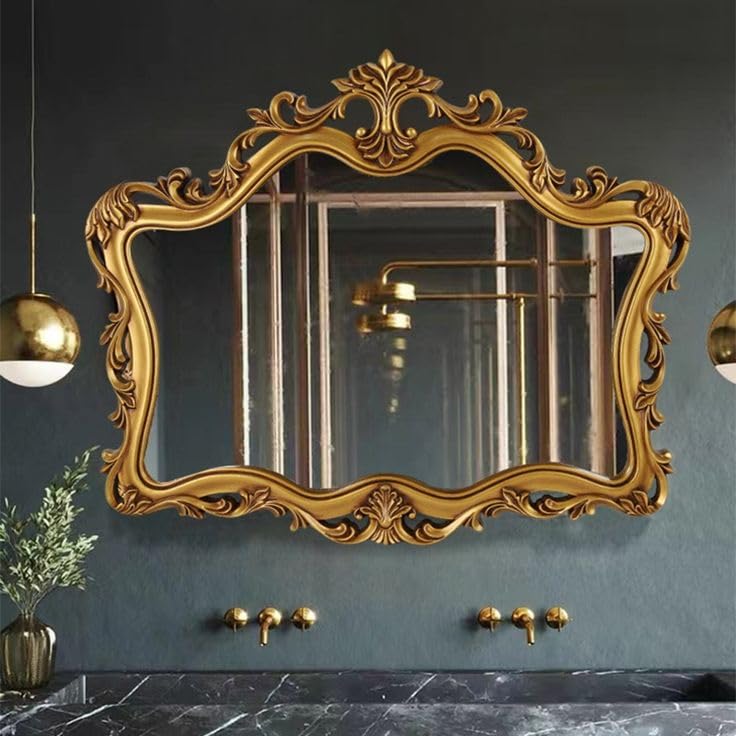
5. Gold-Framed Wall Mirrors — Best for Glamorous Interiors
Gold-framed mirrors can add a decorative accent to neutral walls and elegant furniture. The effect depends on the finish: brushed brass may look subtle, while ornate gold frames create a more dramatic statement.
Why choose a gold-framed mirror?
- Adds a decorative focal point.
- Complements cream, beige, white and jewel-toned interiors.
- Can coordinate with brass lamps, metallic hardware and warm lighting.
- Is available in simple modern and ornate traditional designs.
How to style it
Hang a gold-framed mirror above a console table with a neutral vase or a small lamp. For a more traditional look, consider an ornate frame paired with restrained accessories.
If the room already has several metallic finishes, choose one that complements the existing hardware rather than introducing too many competing colours.
Best for: Elegant living rooms, entryways, bedrooms and console-table styling.



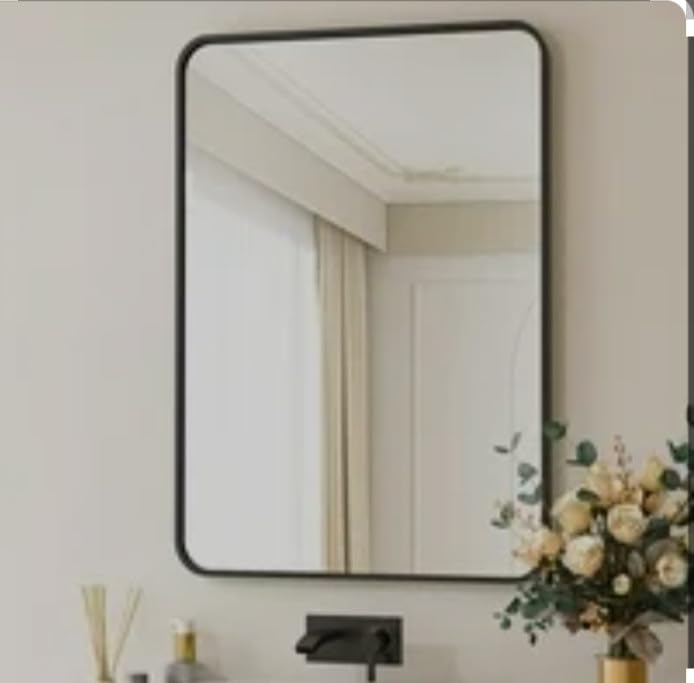
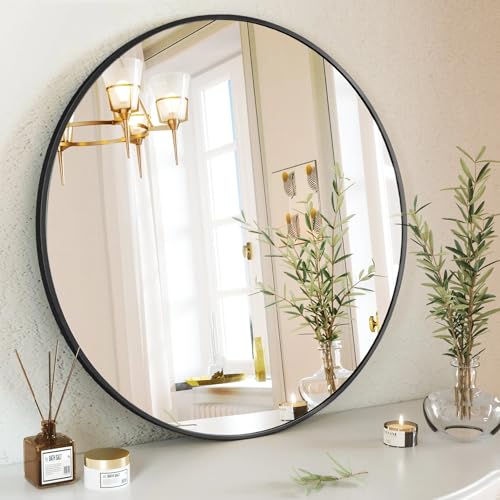
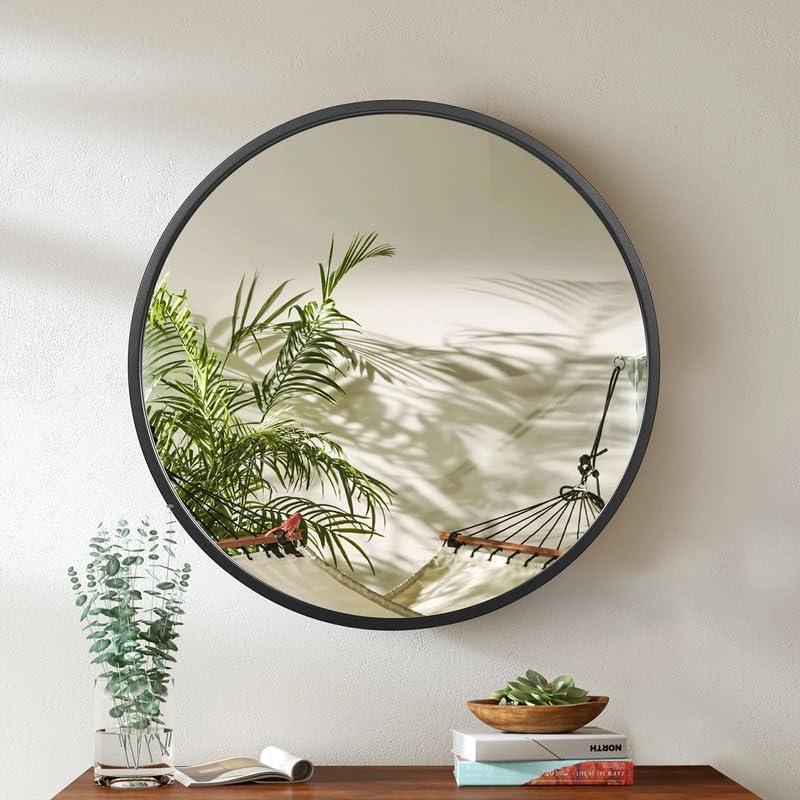
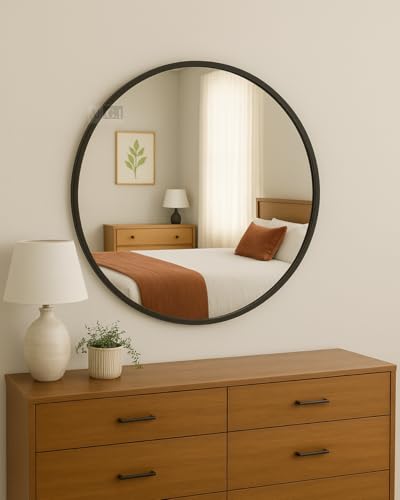
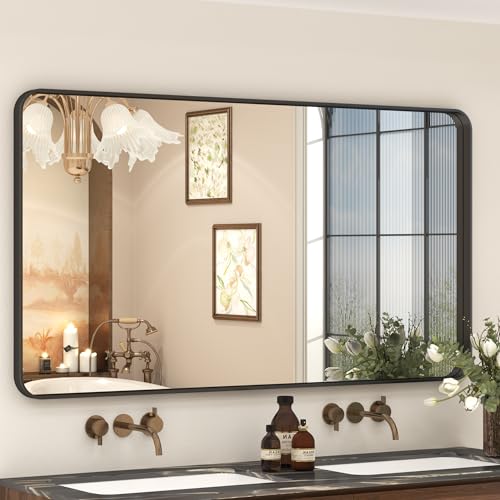
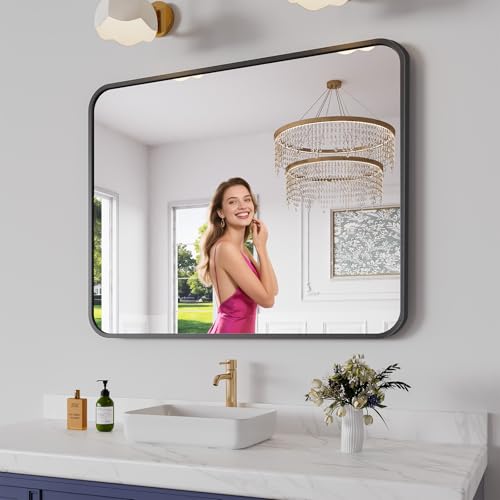
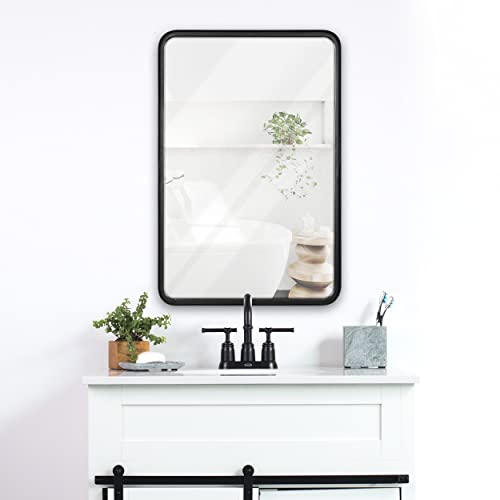
6. Black Metal-Framed Mirrors — Best for Modern Homes
Black metal-framed mirrors work well in interiors that use clean lines, neutral colours and contrasting finishes.
They can add definition to a pale wall or coordinate with black window frames, furniture legs and lighting fixtures.
Why choose a black-framed mirror?
- Creates a crisp outline around the reflective surface.
- Works with contemporary and industrial-inspired interiors.
- Coordinates with black or dark metal accents.
- Can make a simple mirror look more architectural.
How to style it
Pair a black-framed rectangular or round mirror with a light-coloured wall and a simple wooden console. In a compact room, choose a frame that is proportionate to the mirror rather than an excessively heavy design.
Best for: Contemporary living rooms, bedrooms and minimalist interiors.


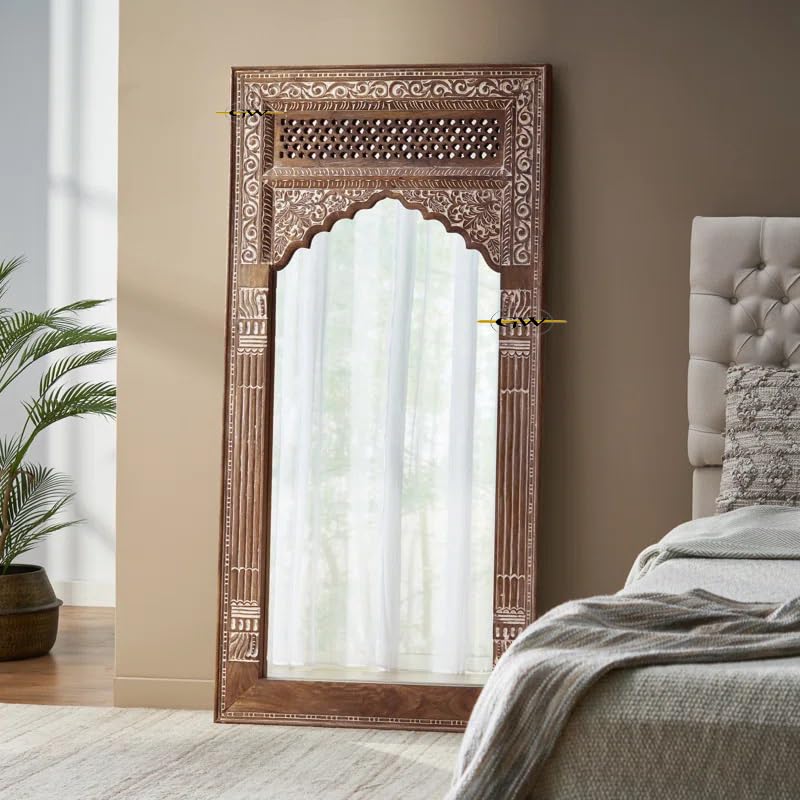
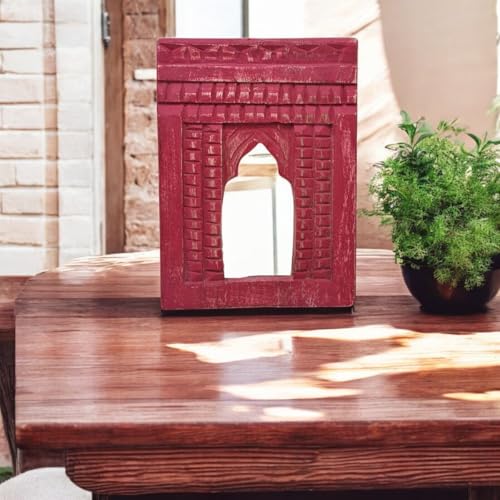
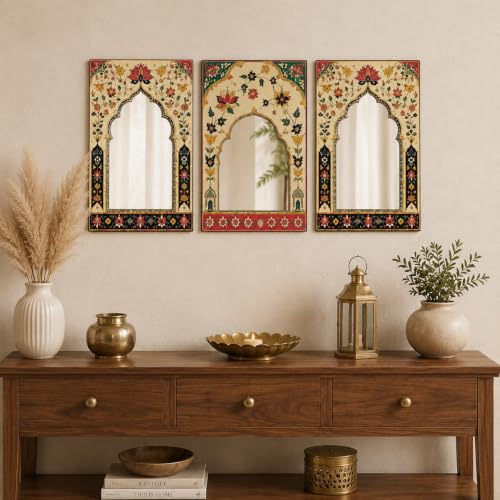
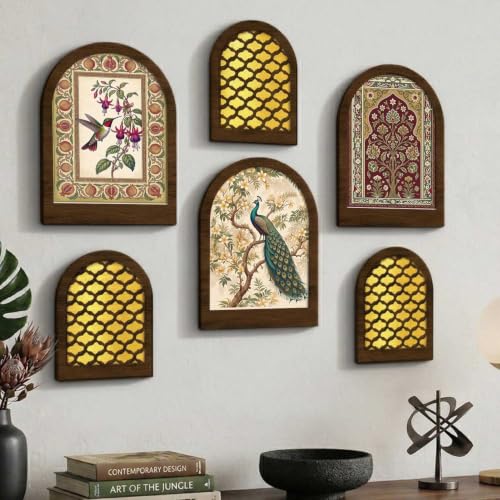
7. Jharokha-Style Decorative Mirrors — Best for Traditional Indian Homes
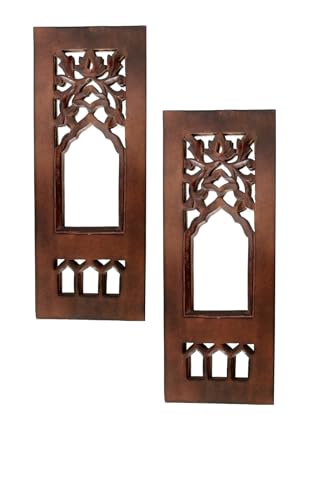
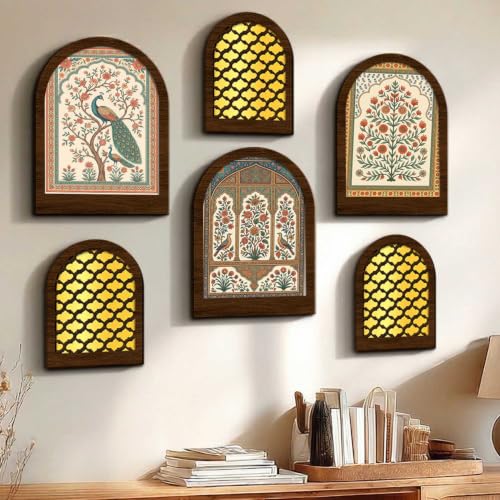
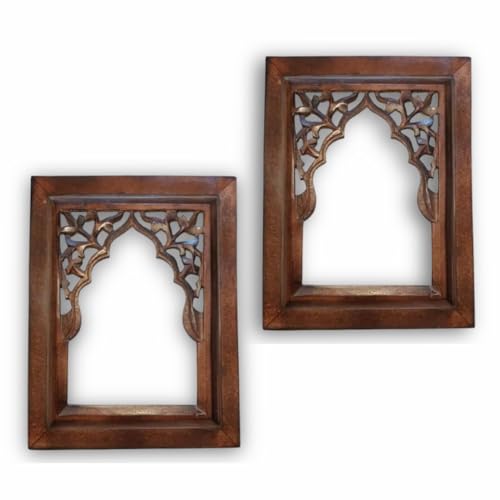
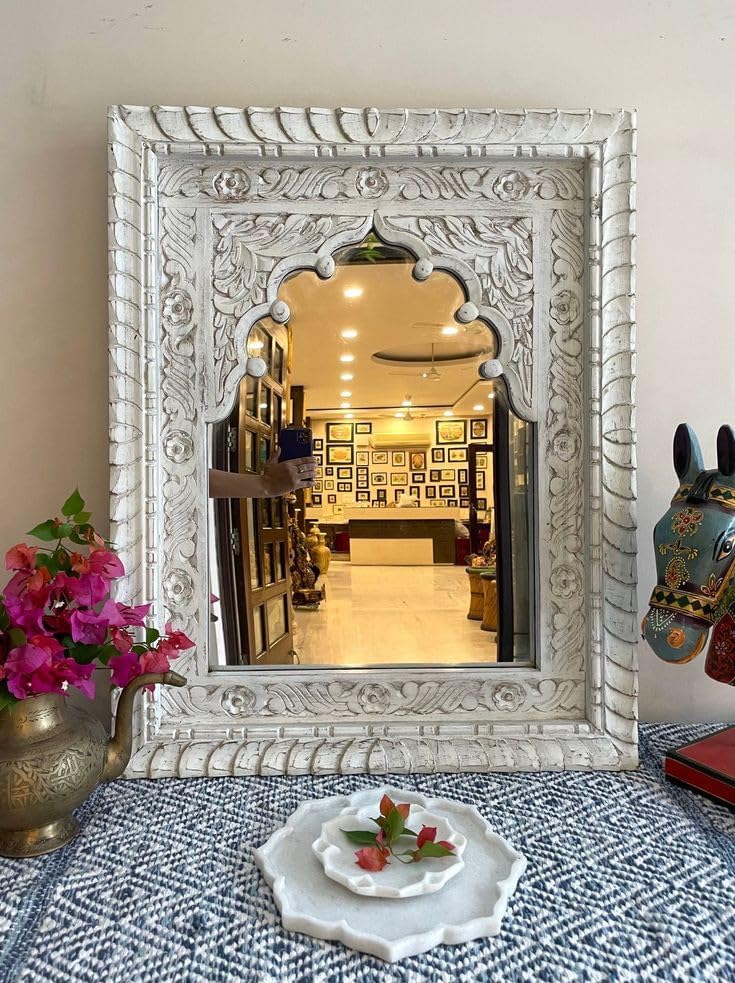
Jharokha-inspired mirrors draw on the decorative shapes and carved details associated with traditional Indian architecture. These designs can bring heritage-inspired character into an otherwise simple room.
Depending on the craftsmanship and finish, they may feature carved wood, distressed paint, decorative arches or intricate borders.
Why choose a jharokha-style mirror?
- Adds a traditional Indian decorative element.
- Can become a statement piece on a plain wall.
- Complements carved furniture and handcrafted accessories.
- Offers a distinctive alternative to simple geometric mirrors.
How to style it
Place a jharokha-style mirror in an entryway or above a console. Keep nearby accessories relatively simple so that the frame remains the centre of attention.
For a balanced look, coordinate the mirror’s finish with the room’s existing wood tones, textiles or brass accents.
Best for: Traditional living rooms, entryways, heritage-inspired interiors and statement walls.
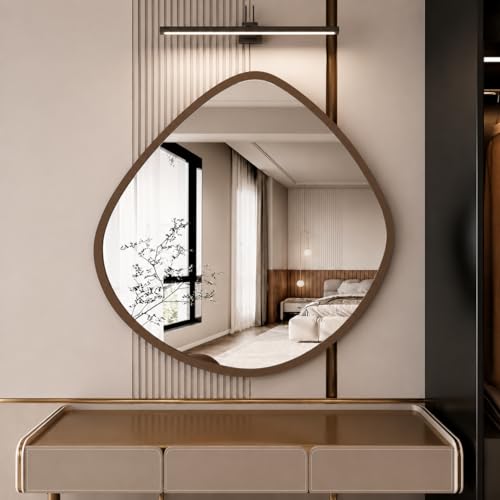
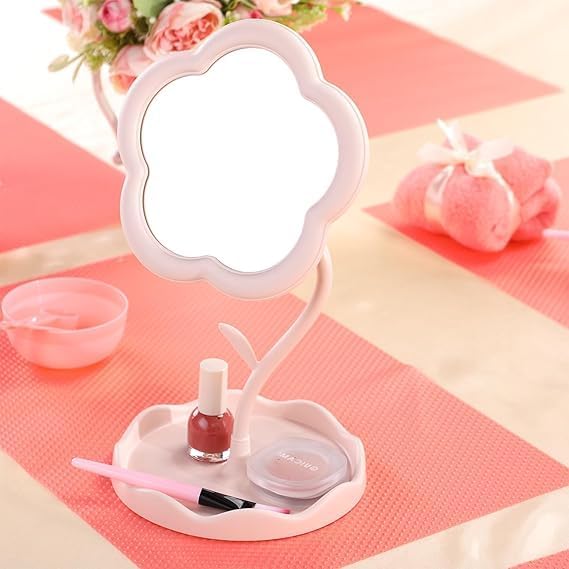
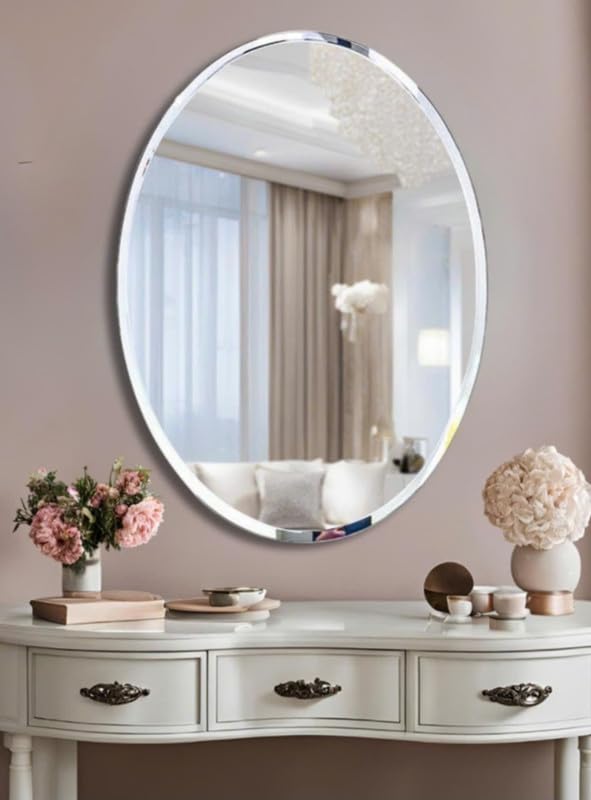
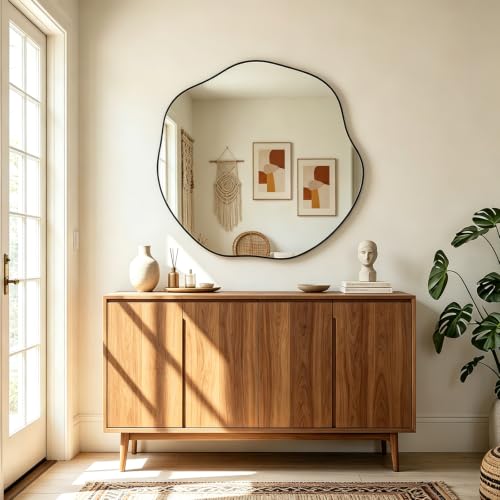
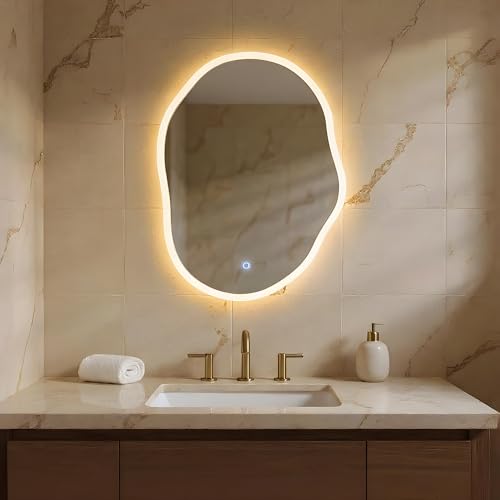
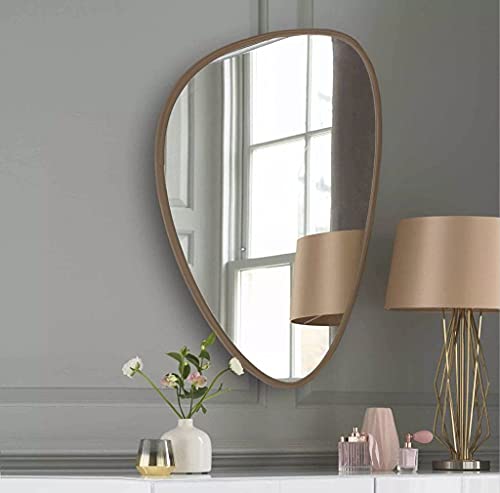
8. Organic-Shaped Mirrors — Best for Contemporary Decor
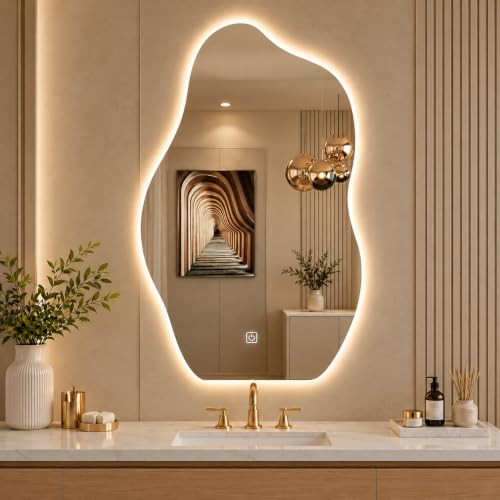
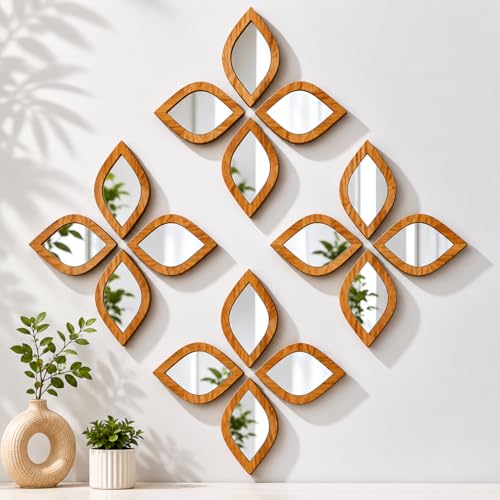
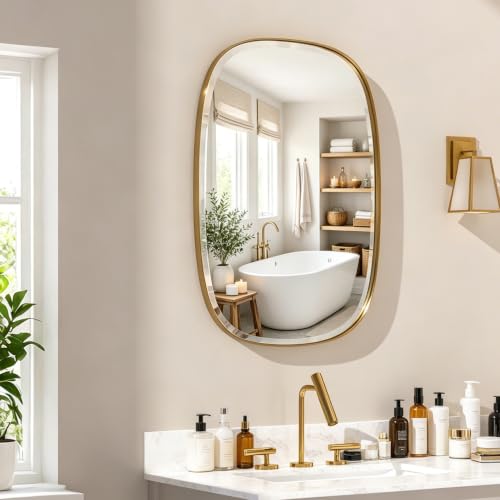
Organic-shaped mirrors have asymmetrical or gently curved outlines rather than conventional rectangular or circular forms.
They can add an artistic element to a room without requiring a large gallery wall or an elaborate decorative frame.
Why choose an organic mirror?
- Introduces a less conventional silhouette.
- Works well with modern, creative interiors.
- Can complement rounded furniture and sculptural accessories.
- Adds visual interest to a plain wall.
How to style it
Choose a single organic-shaped mirror for a small feature wall. Pair it with simple furniture and understated accessories.
If you already have several unusual shapes in your decor, select a mirror that complements the overall arrangement rather than competing with it.
Best for: Modern bedrooms, contemporary living rooms and creative interiors.




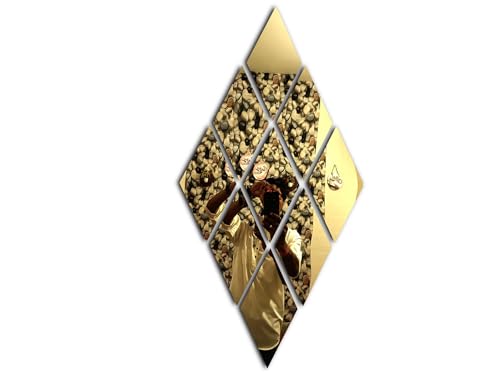
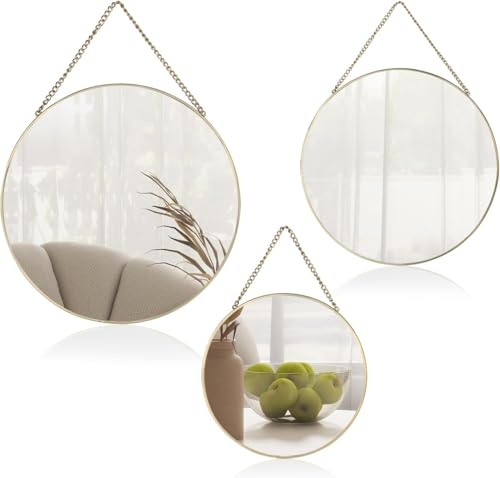
9. Decorative Mirror Sets — Best for Empty Walls
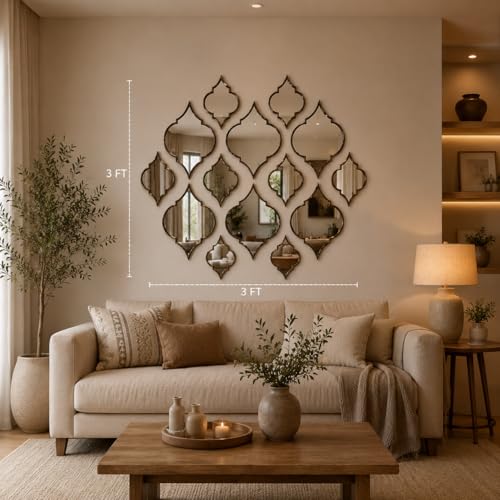
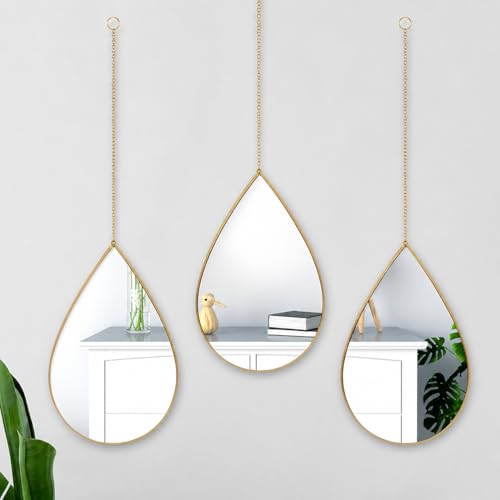
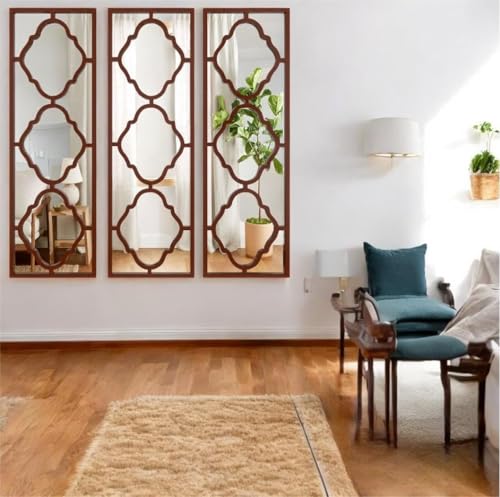
A set of two or three mirrors can create a coordinated wall arrangement without requiring a large single mirror.
Depending on the design, the mirrors may share a shape and finish or combine different sizes to create a gallery-style display.
Why choose a mirror set?
- Helps fill a wider wall.
- Can be arranged symmetrically or asymmetrically.
- Works above a console table or along a hallway.
- Provides a coordinated decorative arrangement.
How to style it
For a clean appearance, arrange matching mirrors in a balanced line. For a more relaxed interior, vary the spacing while keeping the arrangement visually connected.
Before drilling holes, mark the proposed positions with paper templates. This helps you check the spacing and overall proportions before installing the mirrors.
Best for: Wider living-room walls, entryways, hallways and console-table displays.+



10. Full-Length Wall Mirrors — Best for Bedrooms and Small Dressing Areas
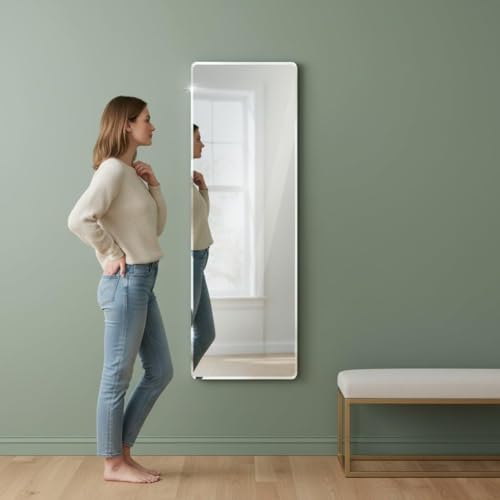
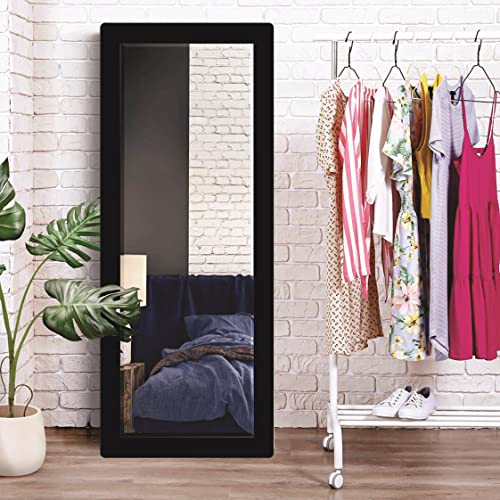
A full-length mirror is useful when you want to see your outfit from head to toe. A wall-mounted design can save floor space compared with a freestanding mirror.
Why choose a full-length mirror?
- Useful for everyday dressing.
- Can make a bedroom feel visually more open.
- Works beside a wardrobe or in a dressing corner.
- Combines practical use with decorative styling.
How to style it
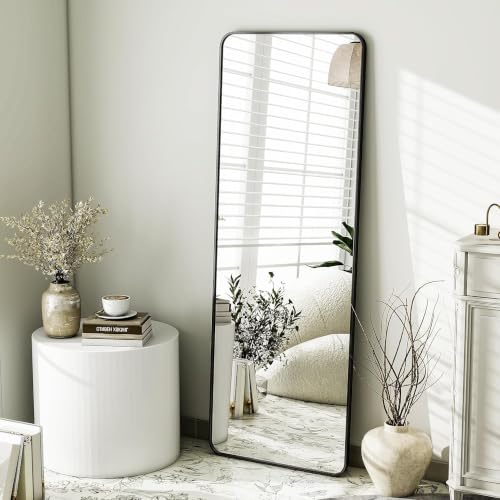
Place the mirror where you have enough room to stand comfortably in front of it. A tall rectangular mirror with a slim frame is a versatile option, while an arched design can add a decorative touch.
For a compact bedroom, a wall-mounted mirror may be more practical than a large standing model.
Best for: Bedrooms, wardrobes, dressing areas and narrow spaces.




Frameless vs Framed Wall Mirrors: Which Is Better?
Both designs can work beautifully. The right choice depends on your decor style, budget, wall space and the visual effect you want.
| Feature | Frameless mirror | Framed mirror |
|---|---|---|
| Appearance | Clean and understated | Decorative and defined |
| Best suited to | Minimalist and contemporary interiors | Modern, traditional and eclectic interiors |
| Visual impact | Keeps attention on the reflective surface | Frame can become a focal point |
| Material options | Finished glass edges and mounting systems vary | Wood, metal, resin and other frame materials |
| Styling approach | Pairs well with simple accessories | Frame can coordinate with furniture and hardware |
| Maintenance | Edges and mounting points need appropriate care | Both the glass and frame require suitable cleaning |
| Small-home suitability | Can work well where visual simplicity matters | Can work well when frame proportions suit the wall |
Choose frameless if…
- You prefer a minimalist look.
- Your room already has plenty of decorative details.
- You want a simple mirror above a console or dressing table.
- You prefer the reflective surface to remain the main feature.
Choose framed if…
- You want the mirror to act as wall decor.
- You need a material or colour that coordinates with your furniture.
- You enjoy traditional, rustic or glamorous interiors.
- You want the outline of the mirror to stand out against the wall.
Our recommendation: For a compact modern home, start with a simple round, rectangular or arched mirror. Choose frameless for a subtle appearance or a slim frame for a little more definition. For traditional interiors, a wooden or jharokha-inspired mirror can add character.
8 Small-Home Ideas Using Decorative Wall Mirrors
You do not need a large house to make decorative mirrors work. The key is selecting the right size, location and frame.
1. Place a round mirror above a slim console
A round mirror above a narrow console creates a defined entryway without taking up much floor space.
Add one small vase or tray rather than filling the console with numerous accessories.
2. Use a tall mirror in a compact bedroom
A full-length wall mirror beside a wardrobe can make a dressing corner more functional while keeping the floor clear.
Choose a slim frame that coordinates with your wardrobe or bedroom furniture.
3. Brighten a narrow hallway
A mirror can reflect light into a hallway that feels dark or enclosed. A vertically oriented rectangular mirror may suit a narrow wall better than a wide, oversized design.
Check what the mirror reflects before mounting it. A view of a window or a tidy part of the room is usually more attractive than a cluttered corner.
4. Create a small gallery wall
Combine two or three small mirrors in matching or complementary frames. This can add interest to a blank wall without requiring a large decorative piece.
Use paper templates to test the layout before drilling.
5. Choose a frameless mirror for a busy wall
If your living room already contains patterned curtains, colourful artwork or textured wallpaper, a simple frameless mirror may keep the overall design balanced.
6. Use an arched mirror as a feature
A slim arched mirror can add architectural interest to a plain bedroom or living-room wall. Keep nearby accessories understated so that the shape stands out.
7. Make a dressing corner feel intentional
Combine a wall mirror with a small shelf, a compact stool and appropriate lighting. This can create a functional dressing area without needing a separate dressing room.
8. Reflect natural light thoughtfully
Position a mirror to reflect daylight from a window where practical. Avoid placing it where it creates uncomfortable glare or reflects a visually cluttered area.
A mirror does not increase the amount of natural light entering the home, but it can redirect existing light and alter how open a space feels.
Where Should You Place Decorative Mirrors in Your Home?
Living room
A mirror above a console table or on a feature wall can add depth and create a decorative focal point. Choose a design that complements your sofa, artwork and lighting.
Bedroom
Place a mirror near a wardrobe or dressing area for everyday convenience. If you prefer a calmer visual arrangement, avoid positioning it where it creates unwanted reflections of clutter.
Entryway
A round, arched or framed mirror can make a compact entrance feel more considered. Pair it with a narrow console or a small wall shelf.
Dining area
A decorative mirror can complement a dining space, especially when it reflects a tidy part of the room. Check the reflection from seated positions before installation.
Hallway
A narrow vertical mirror can suit a long corridor. Make sure the frame does not protrude into a walking path.
Bathroom
Use only a mirror designed and rated for the intended bathroom environment. Consider humidity resistance, mounting requirements, lighting and the manufacturer’s cleaning instructions.
How to Choose the Right Mirror Size
Before buying, measure the wall and the furniture underneath the proposed mirror.
Use these guidelines as a starting point rather than fixed rules:
- Above a console table: A mirror that is narrower than or proportionate to the console usually looks balanced.
- Above a sofa: Consider the overall width of the sofa and nearby wall decor so that the mirror does not overwhelm the arrangement.
- In a narrow hallway: A vertical design can make better use of limited wall width.
- In a compact bedroom: Choose a size that is useful for dressing without interfering with wardrobe doors or movement.
- For a gallery arrangement: Plan the combined width and spacing of all the mirrors before installation.
A mirror that is too small may look disconnected from the furniture, while an oversized mirror may dominate a compact room. Measure first and use a paper template to visualise the proportions.
What to Check Before Buying a Decorative Wall Mirror Online
A mirror may look beautiful in a product photograph, but practical details matter too.
1. Frame material
Check whether the frame is solid wood, engineered wood, metal, resin or another material. The material influences the appearance, weight, maintenance and suitability for different rooms.
2. Actual dimensions
Check the overall dimensions, including the frame, rather than looking only at the reflective glass area.
3. Weight and mounting hardware
A heavy mirror may require specific anchors or wall fixings. Confirm the wall type and follow the manufacturer’s installation instructions. For heavy or large mirrors, professional installation is advisable.
4. Glass quality and edge finishing
Look for clear product specifications and check whether the mirror has finished edges or protective backing where applicable.
5. Cleaning requirements
Use cleaning products appropriate for the mirror and frame. Excess moisture around the edges can damage some backing materials and frame finishes.
6. Delivery and return policy
Mirrors are fragile items. Check packaging details, delivery conditions, return eligibility and what to do if the product arrives damaged.
7. Seller and warranty information
Review the seller’s reputation, product description, warranty terms and available customer support before ordering.
In Case You Are Looking For –
- Best Decorative Wall Panels for Modern Homes
- Best Console Tables for Small Living Rooms
- Best LED Strip Lights for Home
Frequently Asked Questions
1. Are frameless mirrors better than framed mirrors?
Neither is universally better. Frameless mirrors suit clean, minimalist interiors, while framed mirrors add colour, texture and decorative detail. Choose according to your room’s style and the mirror’s intended purpose.
2. Which wall mirror is best for a small living room?
A round mirror, slim-framed rectangular mirror or simple arched mirror can work well. Choose a size that fits the wall and reflects a tidy, attractive part of the room.
3. Do mirrors make small rooms look bigger?
Mirrors can create an impression of greater depth by reflecting the room and its light. The effect depends on the mirror’s size, position, lighting and what it reflects.
4. Where should I place a mirror in a small bedroom?
A mirror beside a wardrobe or near a dressing area is often practical. A full-length wall-mounted design can save floor space. Ensure that the mirror does not obstruct movement or wardrobe doors.
5. Which mirror frame looks best with wooden furniture?
A wooden frame in a complementary tone is a natural choice. Black metal and muted brass frames can also create an attractive contrast, depending on the rest of the decor.
6. Are round mirrors suitable for Indian homes?
Yes. Round mirrors can suit contemporary, traditional and eclectic interiors. The frame material and surrounding decor help determine the overall style.
7. How high should I hang a wall mirror?
The ideal height depends on the mirror’s purpose, the height of the people using it and the furniture below it. For decorative placement, check the proportions from normal standing and seated viewpoints before drilling.
8. Can I use a decorative mirror in a bathroom?
Choose a mirror designed for the intended environment and follow the manufacturer’s instructions for moisture exposure, installation and maintenance. Not every decorative mirror is suitable for a humid bathroom.
9. How do I clean a framed mirror?
Use a soft cloth and a suitable glass cleaner, taking care not to soak the frame or allow liquid to collect along the mirror’s edges. Follow any material-specific cleaning instructions.
10. Are decorative mirror sets a good choice for narrow walls?
They can be, provided the individual mirrors and spacing fit the wall. Use paper templates to test the layout before installing the hardware.
Final Verdict: Which Decorative Wall Mirror Should You Buy?
The best decorative wall mirror is one that balances appearance, functionality and the available space.
- For minimalist homes: Choose a frameless rectangular mirror.
- For living rooms: Consider a round mirror above a console.
- For elegant interiors: Explore an arched or gold-framed design.
- For warm, natural decor: Choose a wooden-framed mirror.
- For modern interiors: Consider a black metal-framed or organic-shaped mirror.
- For traditional Indian homes: Explore a jharokha-inspired mirror.
- For empty walls: Consider a coordinated set of two or three mirrors.
- For compact bedrooms: Choose a full-length wall-mounted mirror.
Before making your final decision, measure the wall, check the mirror’s weight, confirm the mounting requirements and consider what it will reflect.
A thoughtfully chosen mirror can become a beautiful part of your home without requiring a major renovation or an expensive decor makeover.