


Lighting can completely change how a room looks and feels. 💡🏡
You can have the same sofa, same walls, same curtains and the same furniture but change the colour temperature of the lights, and suddenly the entire room can feel warmer, brighter, calmer or more energetic.
That’s why choosing between warm white and cool white lighting is about much more than personal preference.
Warm white can make a bedroom feel cosy and relaxing. Cool white can make a workspace feel crisp and focused. A kitchen may benefit from a neutral or cooler light, while a living room often looks better under warmer illumination.
But here’s where things get confusing: brightness and colour temperature are not the same thing.
A cool-white bulb isn’t necessarily brighter than a warm-white bulb simply because it looks whiter. Likewise, a warm bulb isn’t automatically dimmer.
So, which one should you choose?
In this guide, we’ll break down warm white vs cool white lighting, explain Kelvin ratings, compare the two options, and show you which colour temperature works best in different rooms of your home.
And yes, we’ll also cover those awkward situations where the answer is simply: it depends. 😄
Also Read | Best Table Lamps: 10 Stylish Picks for Every Home
💡 Warm White vs Cool White at a Glance
Before we get into the details, here’s the quick version.
| Feature | 🟡 Warm White | ⚪ Cool White |
|---|---|---|
| Typical appearance | Yellowish/soft | White/bluish |
| Approx. colour range | 2700K–3000K | 4000K–5000K |
| Atmosphere | Cosy & relaxing | Crisp & energetic |
| Best for | Bedrooms, living rooms | Offices, kitchens, utility areas |
| Evening ambience | ⭐⭐⭐⭐⭐ | ⭐⭐⭐ |
| Task-focused spaces | ⭐⭐⭐ | ⭐⭐⭐⭐⭐ |
| Traditional interiors | Excellent | Good |
| Modern interiors | Excellent | Excellent |
| Relaxing | Excellent | Moderate |
| Visual clarity | Good | Excellent |
| Decorative lighting | Excellent | Good |
🏆 The Short Answer
Choose warm white for comfort and ambience.
Choose cool white for clarity and task-focused spaces.
And if you want something in between, neutral white can be the sweet spot.
🌡️ What Is Colour Temperature?
Colour temperature describes the appearance of light, and it is measured in Kelvin (K).
This is where lighting terminology gets slightly weird.
You might assume that a higher Kelvin number means warmer light.
It doesn’t.
🔥 Lower Kelvin = Warmer Appearance
For example:
2700K → Warm, yellowish light
❄️ Higher Kelvin = Cooler Appearance
For example:
5000K → Cooler, whiter light
So remember:
Lower Kelvin = warmer-looking light
Higher Kelvin = cooler-looking light
Once you remember that, shopping for bulbs becomes much easier.
🟡 What Is Warm White Lighting?
Warm white lighting has a soft yellow or slightly golden appearance.
It resembles the familiar glow associated with traditional incandescent lighting and is widely used to create a relaxed atmosphere.
Typical Range
Warm white is commonly around:
2700K–3000K
The exact appearance varies between manufacturers and products.
🏡 Where Does Warm White Work Best?
Warm white is particularly popular in:
- 🛋️ Living rooms
- 🛏️ Bedrooms
- 🍽️ Dining rooms
- 📚 Reading corners
- 🚪 Entryways
- 🌙 Evening spaces
❤️ Why People Like It
Warm light tends to make interiors feel:
- Cosier
- Softer
- More inviting
- More relaxed
- More intimate
It can also work beautifully with materials such as:
🪵 Wood
🤎 Beige
🏺 Ceramic
🧵 Fabric
🌿 Natural textures

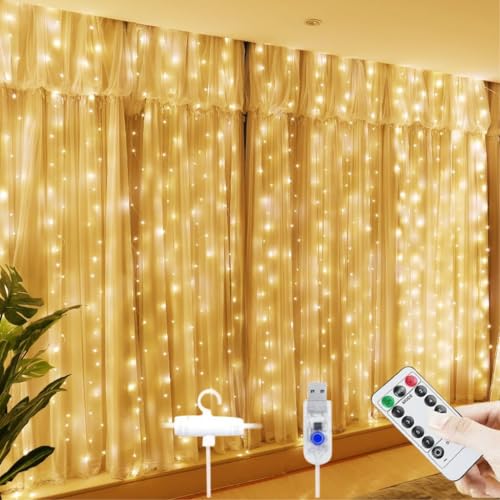




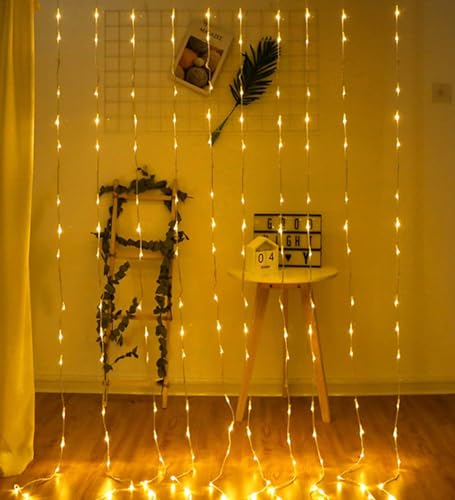
✨ Warm White Example
Imagine your living room at night.
You have:
- A beige sofa
- Wooden furniture
- Neutral curtains
- A few plants
- A floor lamp
- A table lamp
With 2700K warm white lighting, those materials can take on a soft, cosy appearance.
Switch everything to a much cooler colour temperature, and the same room can suddenly feel more crisp and clinical.
Neither is necessarily wrong.
They’re simply creating different moods.
⚪ What Is Cool White Lighting?
Cool white lighting has a cleaner, brighter-looking appearance.
It usually sits higher on the Kelvin scale than warm white.
A common range is approximately:
4000K–5000K
Some products marketed as “daylight” can go even higher, often around 5000K–6500K.
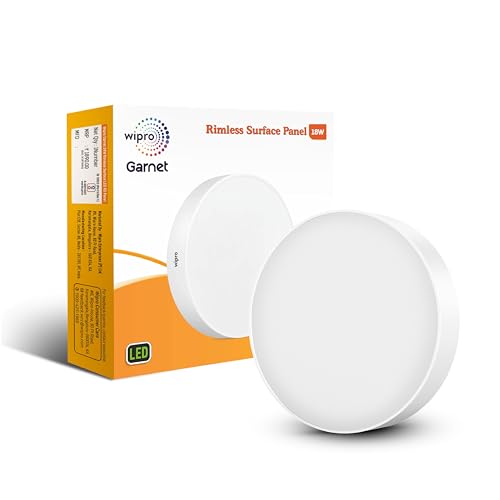
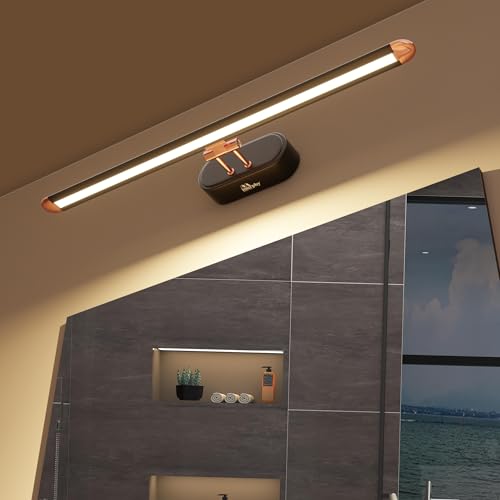
💻 Where Is Cool White Useful?
Cooler lighting can work well in:
- 💻 Home offices
- 🍳 Kitchens
- 🚿 Bathrooms
- 🧹 Utility areas
- 🏠 Garages
- 🎨 Detailed workspaces
⚡ Why Use It?
Cooler light can create a more:
- Crisp appearance
- Alert atmosphere
- Clean visual environment
- Task-oriented feel
That’s one reason cooler lighting is often associated with workspaces and areas where visual clarity matters.
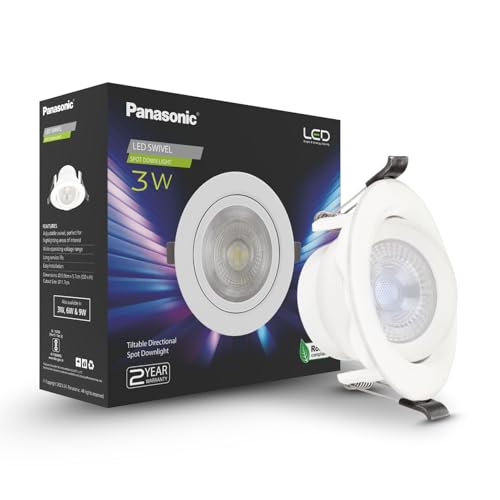

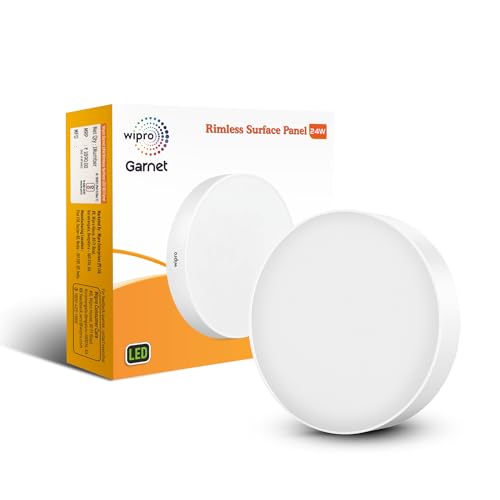



🔥 Warm White vs Cool White: The Biggest Difference
The simplest way to understand the difference is:
🟡 Warm White
“Relax and stay awhile.”
⚪ Cool White
“Let’s get things done.”
😂
That’s obviously an oversimplification, but it captures the general idea.
Warm white tends to be more atmospheric.
Cool white tends to feel more functional.
🎨 How Warm and Cool Lighting Affect Your Interior
Lighting doesn’t exist separately from your décor.
It interacts with your:
- Wall colour
- Furniture
- Flooring
- Curtains
- Artwork
- Mirrors
- Decorative accessories
🟡 Warm Light
Can enhance warm colours and natural materials.
Think:
🤎 Brown
🧡 Terracotta
🪵 Wood
🥐 Cream
🌾 Beige
⚪ Cool Light
Can complement:
🤍 White
🩶 Grey
💙 Blue
🖤 Black
✨ Metallic finishes
But this isn’t a strict rule.
The actual result depends on the specific paint, material, bulb and surrounding light.
🏡 Which Rooms Suit Warm White?
Let’s start with the spaces where warm white is usually the easiest choice.
🛋️ Living Room
Warm white works beautifully in living rooms because this is usually a relaxation and social space.
Recommended Starting Point:
2700K–3000K
Use it with:
- Floor lamps
- Table lamps
- Wall sconces
- Ceiling fixtures
🏆 Result
A softer, more welcoming atmosphere.
🛏️ Bedroom
This is probably one of the strongest use cases for warm white.
Your bedroom is where you want to wind down not feel like you’re sitting inside a laboratory. 😂
Recommended Starting Point:
2700K–3000K
Warm lighting works particularly well for:
- Bedside lamps
- Ceiling fixtures
- Wall lights
- Decorative lamps
💡 Bonus Tip
Dimming makes warm lighting even more versatile.
You can use brighter light when getting ready and lower the brightness later in the evening.
🍽️ Dining Room
Warm lighting can make dining areas feel more inviting.
Recommended Starting Point:
2700K–3000K
A warm pendant above the dining table can create a beautiful focal point.
✨ Especially Good For:
- Dinner
- Entertaining
- Family meals
- Evening gatherings
If your dining room doubles as a workspace, however, you may want adjustable or layered lighting rather than relying on one warm fixture for everything.
🚪 Entryway
Warm white can make an entryway feel welcoming as soon as someone walks in.
Try:
Warm ceiling light + decorative table lamp + mirror
This creates a layered setup without making the area excessively bright.
📚 Reading Corner
Here’s where things get interesting.
A reading corner can work with warm or neutral white, depending on when and how you read.
Evening Reading
Warm white can create a cosy atmosphere.
Detailed Daytime Reading
A more neutral colour temperature may feel clearer and more functional.
🏆 Best Approach
Choose an adjustable or dimmable lamp if possible.
That way you’re not locked into one setting.
💻 Which Rooms Suit Cool White?
Now let’s move to spaces where cooler light can be useful.
🍳 Kitchen
Kitchens are task-heavy environments.
You’re:
🔪 Chopping
🍳 Cooking
🥣 Measuring
🧼 Cleaning
📦 Organising
You need to see what you’re doing.
Recommended Starting Point:
Around 3500K–4000K
For many kitchens, neutral white can actually be a better middle ground than very cool 5000K lighting.
💡 Great Combination
Neutral ceiling lighting + under-cabinet task lighting
This gives you useful illumination without making the entire kitchen feel overly cool.
💻 Home Office
A home office can benefit from neutral or cooler lighting depending on the type of work.
Recommended Starting Point:
Around 3500K–4000K
This can provide a crisp appearance while avoiding the very blue appearance that some high-Kelvin bulbs create.
🎯 Especially Useful For:
- Reading documents
- Writing
- Detailed desk work
- Crafting
- Organising paperwork
🖥️ Monitor Tip
Colour temperature isn’t the only factor.
Pay attention to glare and reflections.
A perfectly chosen bulb is still annoying if it reflects directly off your screen.
🚿 Bathroom
Bathrooms are another area where neutral or cooler lighting can be useful.
Recommended Starting Point:
Around 3500K–5000K
The exact choice depends on the room and what you’re doing.
For a vanity area, accurate colour rendering can be particularly important.
💄 If You Apply Makeup
Look for a light with good colour rendering rather than simply choosing the coolest bulb available.
Cooler does not automatically mean more accurate.
That’s an important distinction.
🧹 Utility Areas
Cool or neutral lighting can work well in:
- Laundry areas
- Storage rooms
- Garages
- Utility rooms
These spaces are generally more functional than decorative.
You want to see clearly, and ambience isn’t necessarily the priority.
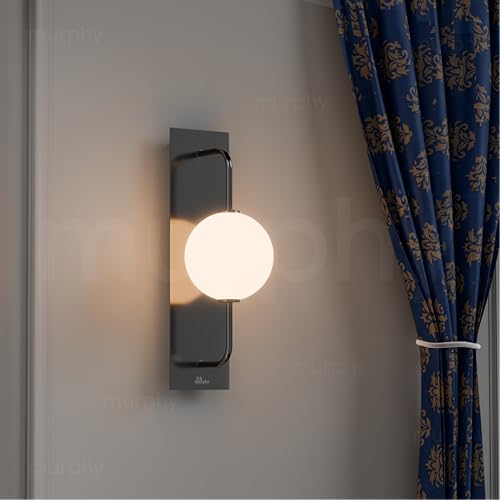
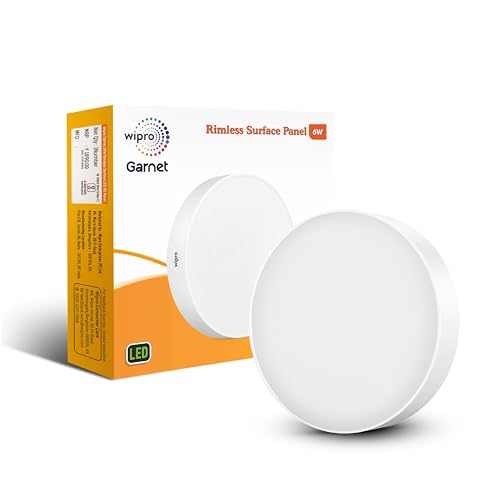
🍳 What About Neutral White?
This is the middle child of the lighting world and honestly, it gets overlooked way too often. 😂
Neutral white typically sits somewhere around:
3500K–4000K
It’s neither strongly yellow nor strongly blue.
🏆 Why Choose Neutral?
Because sometimes you want:
Comfort + clarity
rather than choosing one extreme.
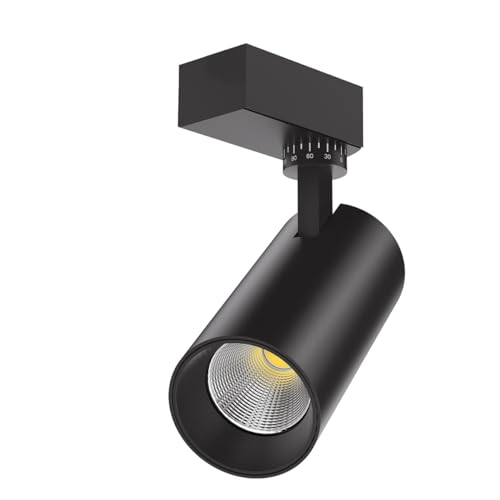
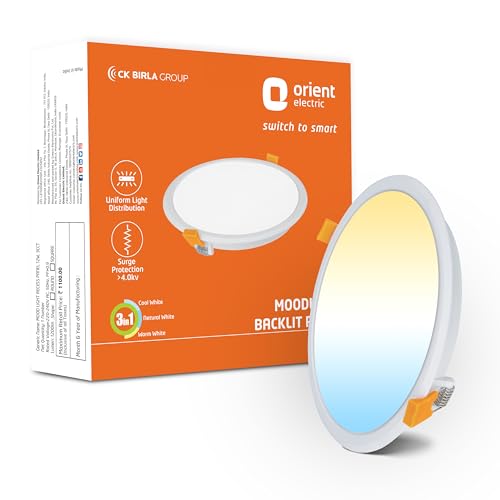
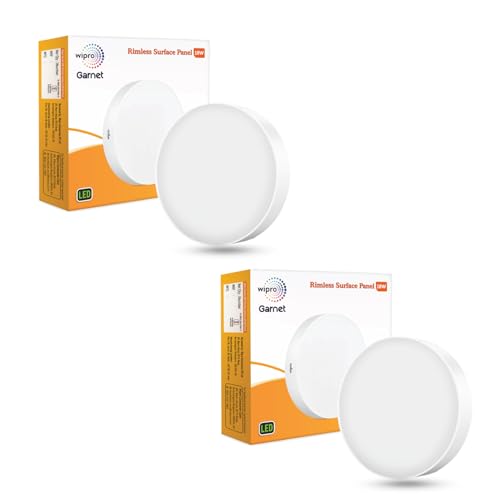
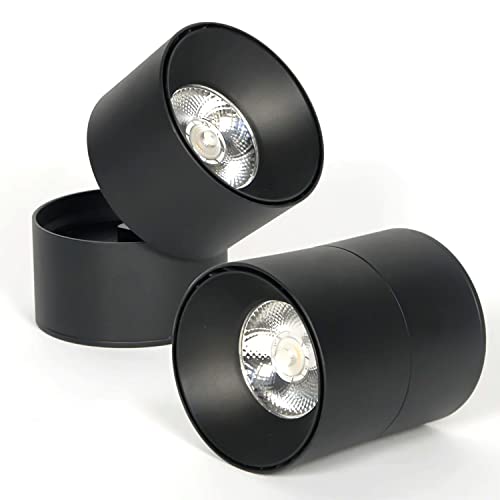
Great For:
- Kitchens
- Home offices
- Bathrooms
- Study areas
- Multipurpose rooms

📊 Warm vs Neutral vs Cool
| Colour Temperature | Appearance | Best Use |
|---|---|---|
| 🟡 2200K–2700K | Very warm | Decorative & intimate lighting |
| 🟡 2700K–3000K | Warm | Bedrooms & living rooms |
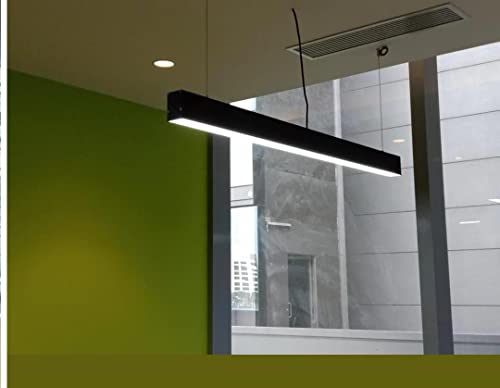
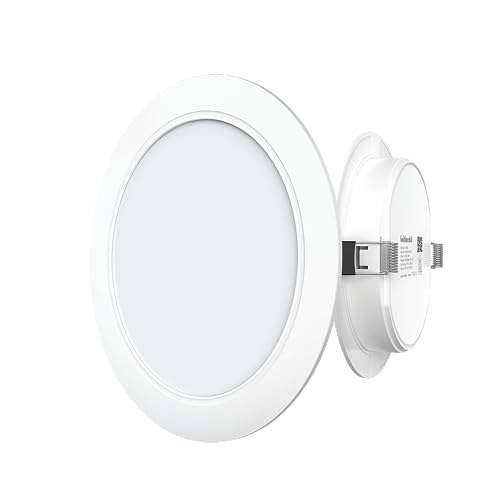
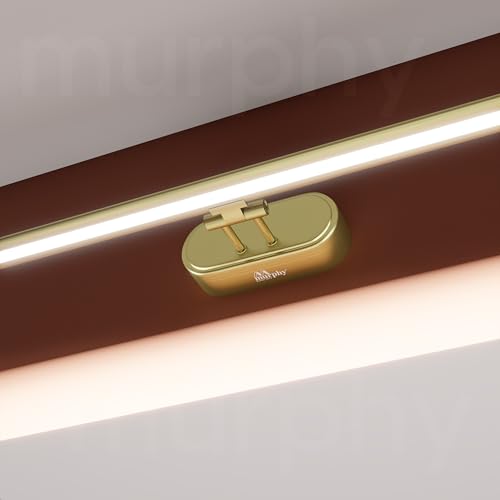
| ⚪ 3500K–4000K | Neutral | Kitchens & offices |
| ⚪ 4000K–5000K | Cool white | Task-focused areas |
| 🔵 5000K–6500K | Daylight/cool | Detailed & utility spaces |
These ranges are general categories, not universal standards. Product labels can vary, so always check the manufacturer’s stated colour temperature.
🔆 Colour Temperature vs Brightness
This is one of the most important points in the entire article.
Colour Temperature
Determines how the light looks.
Measured in:
Kelvin (K)
Brightness
Refers to how much light is produced.
Measured in:
Lumens (lm)
These are two different specifications.
💡 Example
Imagine two bulbs:
Bulb A: 800 lumens, 2700K
Bulb B: 800 lumens, 5000K
Both produce roughly the same amount of visible light output.
But their appearance is completely different.
Bulb A → Warm and cosy
Bulb B → Cool and crisp
So don’t choose a bulb based on Kelvin alone.
Look at both lumens and Kelvin.
🪞 Warm vs Cool Light With Mirrors
Mirrors can make lighting differences even more noticeable.
A mirror reflects the surrounding environment including the colour and intensity of nearby light.
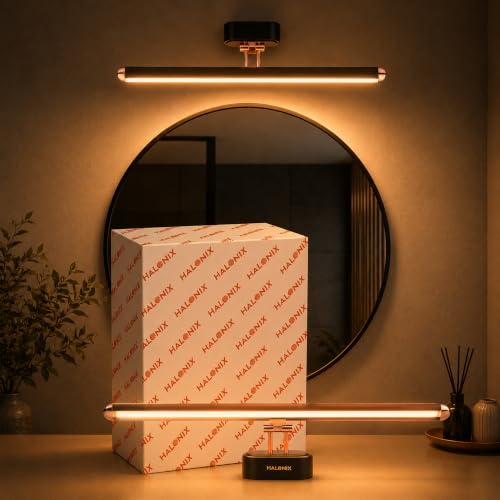
🟡 Warm Light + Mirror
Can create a cosy, decorative appearance.
⚪ Neutral/Cool Light + Mirror
Can make a space feel brighter and cleaner.
💡 Placement Matters
Don’t position a powerful light where it reflects directly into your eyes.
Instead, use the mirror to spread light through the space.
This is particularly useful in:
- Entryways
- Bedrooms
- Bathrooms
- Dressing areas
🛒 What to Consider Before Choosing Warm or Cool Lighting
Before buying your next bulb or lamp, ask:
1. 🏡 What Room Is It For?
Bedroom? Kitchen? Office? Bathroom?
2. 🎯 What Will You Do There?
Relax? Read? Work? Cook?
3. 🌡️ What Colour Temperature Do You Want?
Warm? Neutral? Cool?
4. 🔆 How Much Light Do You Need?
Check the lumens.
5. 🎨 Does Colour Accuracy Matter?
Check the CRI.
6. 🎚️ Do You Need Dimming?
Particularly useful for bedrooms and living rooms.
7. 🏠 What Does the Existing Lighting Look Like?
Your new bulb should work with the lights already in the room.
🛋️ 1. Living Room: Warm White Usually Wins
The living room is primarily a place to relax, socialise and unwind, so warm white around 2700K–3000K is usually a strong starting point.
💡 Best Setup
Instead of relying on one ceiling fixture, consider layering:
- Ceiling light
- Floor lamp
- Table lamp
- Wall sconces
- Accent lighting
✨ Why Warm White Works
Warm lighting complements:
- Wooden furniture
- Beige upholstery
- Cream walls
- Natural fabrics
- Decorative accessories
It also creates a softer evening atmosphere.
🏆 Our Recommendation
2700K–3000K for general evening lighting
If your living room doubles as a workspace, consider dimmable or adjustable lighting so you aren’t forced to use one colour temperature all day.
🛏️ 2. Bedroom: Keep It Warm
If there’s one room where warm white lighting is the easy winner, it’s the bedroom.
🌡️ Recommended Range
2700K–3000K
For bedside lamps, you can even choose a warmer option if you prefer a particularly cosy atmosphere.
🌙 Ideal Lighting
- Bedside lamps
- Warm ceiling light
- Wall sconces
- Dimmable fixtures
- Soft accent lighting
❌ What to Avoid
Very cool, blue-looking light throughout the bedroom can feel overly clinical and may not suit the relaxing atmosphere most people want.
⭐ Best Combination
Warm white + dimming + layered lighting
That combination gives you much more control than simply installing one bright ceiling fixture.
🍳 3. Kitchen: Neutral White Is Often the Sweet Spot
The kitchen is where the warm-vs-cool debate gets interesting.
You need enough visual clarity to:
🔪 Chop ingredients
🍳 Cook
🥣 Measure
🧼 Clean
📦 Organise
But extremely cool lighting isn’t necessarily the answer.
🌡️ Recommended Starting Point
3500K–4000K
This neutral-to-neutral-cool range can provide good visibility without making the room feel excessively blue.
💡 Best Setup
Ambient ceiling lighting + under-cabinet task lighting
The under-cabinet lights are particularly useful because they illuminate the work surface directly.
🏆 Our Recommendation
If you want a single colour temperature throughout the kitchen, around 4000K is a practical starting point.
🚿 4. Bathroom: Prioritise Visibility & Colour Accuracy
Bathrooms are another area where neutral or cooler light can work well.
🌡️ Recommended Starting Point
3500K–5000K
However, don’t automatically choose the highest Kelvin number.
💄 For Vanity Areas
Colour accuracy matters.
If you’re applying makeup, styling hair or choosing clothing colours, a light with a good CRI can be more useful than simply choosing a very cool bulb.
🪞 Ideal Setup
Ceiling lighting + balanced vanity lighting
Position vanity lights so they illuminate the face evenly rather than creating strong shadows from directly above.
⚠️ Safety
Bathroom fixtures must be appropriate for their location and moisture exposure. Follow the manufacturer’s installation and safety requirements.
💻 5. Home Office: Neutral to Cool
Your home office is primarily a task-oriented space.
You may be:
- Writing
- Reading
- Typing
- Designing
- Editing
- Managing documents
🌡️ Recommended Starting Point
3500K–4000K
This can provide a clean appearance without going excessively cool.
🎯 Focus on More Than Colour Temperature
Good office lighting also requires:
Low glare + suitable brightness + good positioning
A 5000K bulb doesn’t automatically make a desk better.
If it causes screen reflections, you’ve made the room brighter but the work experience worse. 😂
📚 6. Reading Areas: Warm or Neutral?
Reading is one of the few situations where both warm and neutral lighting can work well.
🌙 Evening Reading
Try:
2700K–3000K
This can create a comfortable, relaxed atmosphere.
☀️ Daytime Study
Consider:
3500K–4000K
This can provide a cleaner, more neutral appearance.
🏆 Best Option
A dimmable lamp with adjustable colour temperature gives you the most flexibility.
🍽️ 7. Dining Room: Warm White
Dining areas are usually better suited to warm lighting.
🌡️ Recommended Starting Point
2700K–3000K
A warm pendant or chandelier above the table can create a cosy focal point.
✨ Especially Good For
- Dinner parties
- Family meals
- Evening gatherings
- Entertaining
🎚️ Dimming
Highly useful here.
You might want:
Bright → Cleaning
Medium → Everyday meals
Low → Dinner ambience
🚪 8. Entryway & Hallways
Your entryway creates the first impression of your home.
Warm lighting can make it feel welcoming rather than overly functional.
🌡️ Recommended Starting Point
2700K–3000K
🪞 Styling Combination
Try:
Warm wall light + mirror + console lamp
The mirror can reflect the light and help distribute it visually across the space.
🧹 9. Utility & Storage Areas
Here, aesthetics become less important.
You want clear visibility.
🌡️ Recommended Starting Point
3500K–5000K
Depending on the task, neutral or cool white can work well.
Good For
- Laundry rooms
- Storage rooms
- Garages
- Workshops
- Utility areas
🏆 Priority
Visibility + efficiency + appropriate brightness
You don’t need romantic ambience while searching for the missing screwdriver. 😂
🎨 10. How Colour Temperature Changes Wall Colours
Your paint colour doesn’t exist in isolation.
Lighting can dramatically influence how it appears.
🟡 Warm White
Can make neutral colours appear warmer.
Cream may look creamier.
Beige may look richer.
Brown can appear deeper.
⚪ Cool White
Can make colours appear cleaner or cooler.
White walls may look crisper.
Grey can appear more neutral or slightly blue depending on the light.
💡 Important
Always test lighting in the actual room if you’re making a major lighting or paint decision.
A colour that looks perfect under daylight may look completely different under a warm LED.
🪵 11. Warm White With Different Materials
Lighting also changes how materials feel.
🪵 Wood
Warm lighting usually enhances its natural warmth.
🏺 Ceramic
Warm light can make earthy ceramics feel richer.
🪟 Glass
Both warm and cool lighting can work, depending on the style.
⚙️ Metal
Cooler lighting can emphasise a crisp, contemporary appearance, while warm lighting can soften metallic finishes.
🌿 Natural Materials
Rattan, jute, linen and cane generally pair beautifully with warm light.
🪞 12. Mirrors & Colour Temperature
Mirrors don’t produce light, but they reflect it.
That makes them an important part of your lighting strategy.
🟡 Warm Light + Mirror
Creates a softer decorative effect.
⚪ Neutral/Cool Light + Mirror
Can create a brighter, cleaner visual effect.
💡 Best Practice
Position mirrors where they can reflect light into the room without directing glare toward seating or eye level.
For a small entryway, for example:
Mirror + warm wall light + console lamp
can make the area feel significantly more layered.
💡 13. Don’t Confuse Lumens With Kelvin
Let’s make this extremely clear.
🌡️ Kelvin
Tells you about colour appearance.
🔆 Lumens
Tell you about light output.
Example
800 lumens at 2700K
and
800 lumens at 5000K
can have similar light output but look dramatically different.
Likewise:
500 lumens at 3000K
and
1,000 lumens at 3000K
have the same general colour appearance but very different brightness.
🏆 When Shopping
Always look at:
Kelvin + lumens
not just one specification.
🎨 14. What Is CRI and Why Does It Matter?
CRI stands for Colour Rendering Index.
It describes how accurately colours appear under a light source.
This can matter a lot in:
- Bathrooms
- Dressing areas
- Art spaces
- Photography
- Craft rooms
- Kitchens
💄 Example
Imagine applying makeup under a poor-quality light.
You leave the house.
Then you see yourself in natural daylight.
Suddenly you’re wondering what happened. 😂
That’s where better colour rendering can help.
🏆 Buying Tip
If accurate colour appearance is important, look for a lamp or bulb with a high CRI rating.
🎚️ 15. Why Dimming Matters
Dimming gives you control over intensity.
And that’s particularly useful when the same room serves multiple purposes.
🛋️ Living Room
Bright → daytime
Medium → evening
Low → relaxing
🛏️ Bedroom
Bright → getting ready
Low → bedtime
🍽️ Dining Room
Bright → cleaning
Low → dinner
💻 Office
Bright → focused work
Lower → casual use
🔄 16. Can You Mix Warm and Cool Lighting?
Yes.
But you need to do it intentionally.
You don’t want one side of the room looking golden while the other side looks blue-white for no obvious reason.
✅ Good Example
A kitchen could use:
4000K ceiling lights + 3000K decorative pendant
This creates functional illumination while keeping the decorative fixture warmer.
❌ Poor Example
One 2700K bulb next to a 6500K bulb illuminating the same seating area.
Unless you’ve deliberately designed that contrast, it can look inconsistent.
🏠 17. Should the Whole House Use One Colour Temperature?
Not necessarily.
In fact, using different colour temperatures according to the room’s purpose can make more sense.
🛏️ Bedroom
2700K–3000K
🛋️ Living Room
2700K–3000K
🍽️ Dining
2700K–3000K
🍳 Kitchen
3500K–4000K
💻 Office
3500K–4000K
🚿 Bathroom
3500K–5000K
🧹 Utility
3500K–5000K
This gives each room its own lighting character while keeping the home functional.
💡 18. What About Open-Plan Homes?
Open-plan spaces create a special challenge.
Imagine:
Kitchen + Dining + Living Room
all sharing one large area.
Using a completely different colour temperature in each zone can make the space feel disjointed.
🏆 Better Approach
Choose a coordinated temperature family.
For example:
3000K living + 3000K dining + 3500K kitchen
This provides subtle differentiation without creating an obvious visual clash.
📱 19. Smart Lighting & Colour Temperature
Smart bulbs can make this decision much easier.
Some smart lighting systems let you adjust:
- 🌡️ Colour temperature
- 🔆 Brightness
- 🎨 Colour
- ⏰ Schedule
- 📱 App controls
- 🗣️ Voice controls
🌅 Example Schedule
Morning → 4000K
Afternoon → 3500K
Evening → 3000K
Bedtime → 2700K
This lets one fixture adapt to different parts of your day.
🤔 Is It Necessary?
No.
If you don’t need smart controls, a normal LED bulb can still give you excellent lighting.
Don’t turn a light bulb into a technology project unless you actually enjoy technology projects. 😂
💡 20. LED Lighting: Does It Change the Choice?
LED technology is available across a very wide range of colour temperatures.
That means you’re not choosing between:
Warm incandescent vs cool LED
anymore.
You can find LEDs in:
- 2200K
- 2700K
- 3000K
- 3500K
- 4000K
- 5000K
- 6500K
The exact options vary by manufacturer.
🏆 Why LEDs Are Popular
- Energy efficient
- Long operating life
- Many colour temperatures
- Dimmable options available
- Available in different shapes and fixtures
❤️ Pros & Cons: Warm White vs Cool White
| 🟡 Warm White | ⚪ Cool White | |
|---|---|---|
| ❤️ Pros | Cosy atmosphere | Crisp appearance |
| Great for bedrooms | Good for task areas | |
| Excellent for living rooms | Useful for offices | |
| Works well with wood | Good visual clarity | |
| Relaxing | Suitable for utility spaces | |
| ⚠️ Cons | May feel less crisp | Can feel clinical |
| Not ideal for every task | Can overpower cosy décor | |
| May make whites look warmer | May make warm materials feel cooler | |
| Less suited to some workspaces | Can look harsh at high brightness |
⚠️ Common Lighting Mistakes
❌ Using 6500K Everywhere
Your bedroom doesn’t need to feel like a supermarket aisle.
❌ Assuming Cooler Means Brighter
Kelvin and lumens measure different things.
❌ Ignoring CRI
Especially in bathrooms and dressing areas.
❌ Mixing Random Temperatures
This can make an otherwise beautiful room feel visually inconsistent.
❌ Choosing Only by the Product Photo
Lighting looks different in your actual room.
❌ Ignoring Existing Fixtures
Your new lamp should work with the lighting already installed.
❌ Forgetting Dimming
A fixed-brightness bulb may be less flexible.
❌ Overlooking Natural Light
Daylight changes how your artificial lighting appears throughout the day.
🛒 Warm vs Cool Lighting Buying Checklist
Before buying your next bulb or fixture, check:
🌡️ Colour Temperature
- What Kelvin rating does it have?
- Is it warm, neutral or cool?
🔆 Brightness
- How many lumens?
- Is that enough for the room?
🎨 Colour Quality
- What is the CRI?
- Does accurate colour matter for this room?
🎚️ Controls
- Is it dimmable?
- Is the dimmer compatible?
- Does it support adjustable colour temperature?
🔌 Compatibility
- Correct socket?
- Correct voltage?
- Correct fixture type?
🏡 Room
- What is the room used for?
- What lighting is already installed?
- How much natural light does it receive?
🎨 Décor
- Does the light suit the wall colours?
- Does it complement furniture and materials?
🏆 Best Colour Temperature by Room
Here’s the quick-reference guide:
| Room | Recommended Starting Point | Best For |
|---|---|---|
| 🛋️ Living Room | 2700K–3000K | Relaxing & entertaining |
| 🛏️ Bedroom | 2700K–3000K | Calm & comfortable lighting |
| 🍽️ Dining Room | 2700K–3000K | Warm ambience |
| 🍳 Kitchen | 3500K–4000K | Cooking & preparation |
| 💻 Home Office | 3500K–4000K | Work & study |
| 🚿 Bathroom | 3500K–5000K | Grooming & visibility |
| 📚 Reading Corner | 2700K–4000K | Reading & relaxation |
| 🚪 Entryway | 2700K–3000K | Welcoming atmosphere |
| 🧹 Utility Room | 3500K–5000K | Practical visibility |
| 🌿 Balcony | 2700K–3000K | Evening ambience |
These are starting points, not rigid rules. Your décor, natural daylight, fixture design and personal preference all matter.
🛋️ Best Lighting for the Living Room
🏆 Recommendation: Warm White
2700K–3000K
For most living rooms, warm white is an easy choice.
It works particularly well with:
- Wooden furniture
- Neutral upholstery
- Beige and cream walls
- Natural fabrics
- Decorative accessories
💡 Best Setup
Instead of using one ceiling light for everything, layer:
Ceiling light + floor lamp + table lamp + accent lighting
This gives you different lighting levels throughout the day.
🌙 Evening Setup
Turn down the main light and let your table or floor lamps do the work.
Instantly cosier.
🛏️ Best Lighting for the Bedroom
🏆 Recommendation: Warm White
2700K–3000K
Bedrooms generally benefit from softer lighting.
❤️ Look For
- Warm colour temperature
- Diffused shades
- Low glare
- Dimming
- Bedside lamps
🎚️ Best Combination
Warm light + dimming
This lets you use brighter illumination when getting ready and lower light when winding down.
🍳 Best Lighting for the Kitchen
🏆 Recommendation: Neutral White
3500K–4000K
The kitchen is a working environment, so clarity matters.
💡 Ideal Setup
Ambient ceiling lighting + under-cabinet task lighting
Under-cabinet lighting can reduce shadows on countertops and make food preparation easier.
⚠️ Don’t Automatically Choose 6500K
Very cool lighting isn’t necessarily better.
A balanced 3500K–4000K setup can provide clarity without making the kitchen feel overly clinical.
🍽️ Best Lighting for the Dining Room
🏆 Recommendation: Warm White
2700K–3000K
The dining room is another place where atmosphere matters.
A warm pendant above the dining table can become both a lighting source and a decorative focal point.
🎚️ Dimming Is a Bonus
Use brighter lighting for everyday activities and lower levels for evening meals.
💻 Best Lighting for a Home Office
🏆 Recommendation: Neutral White
3500K–4000K
A neutral colour temperature can create a clean, focused environment without necessarily feeling overly cool.
🎯 But Don’t Forget:
Glare control > simply increasing brightness.
Your desk lamp should illuminate your work area without reflecting directly into your monitor.
💡 Best Setup
Ambient light + adjustable desk lamp
This is usually much more flexible than relying on a single ceiling fixture.
🚿 Best Lighting for the Bathroom
🏆 Recommendation: Neutral to Cool
3500K–5000K
Bathrooms often benefit from clear, even illumination.
🪞 Vanity Area
This is where CRI becomes especially important.
If you’re applying makeup, grooming or choosing colours, accurate colour rendering can matter more than simply choosing a cooler bulb.
⚠️ Safety
Always choose fixtures appropriate for their installation location and moisture exposure, and follow the manufacturer’s requirements.
📚 Best Lighting for Reading
🏆 Recommendation: Warm to Neutral
2700K–4000K
The ideal choice depends on when you read.
🌙 Evening Reading
2700K–3000K
Great for a cosy atmosphere.
☀️ Daytime Study
3500K–4000K
Can provide a cleaner, more task-oriented appearance.
🏆 Best Option
A dimmable, adjustable lamp gives you the most flexibility.
🚪 Best Lighting for Entryways
🏆 Recommendation: Warm White
2700K–3000K
Your entryway should feel welcoming rather than overly clinical.
✨ Try:
Warm wall light + mirror + console table lamp
The mirror can reflect nearby light and make the area feel brighter and more layered.
🧹 Best Lighting for Utility Areas
🏆 Recommendation: Neutral or Cool White
3500K–5000K
For laundry rooms, storage areas, garages and workshops, functionality is usually more important than ambience.
💡 Prioritise:
- Good visibility
- Adequate lumens
- Even illumination
- Energy efficiency
- Appropriate fixture rating
No one needs romantic 2700K lighting while searching for a mop bucket. 😂
🌿 Best Lighting for Balconies
🏆 Recommendation: Warm White
2700K–3000K
For an evening balcony, warm light works beautifully with:
🌿 Plants
🪵 Wood
🧺 Woven furniture
🏮 Lanterns
✨ Decorative string lights
⚠️ Outdoor Safety
Only use products appropriately rated for outdoor conditions and follow the manufacturer’s installation requirements.
🔥 Warm White vs Cool White: Final Comparison
| Category | 🟡 Warm White | ⚪ Cool White |
|---|---|---|
| Appearance | Golden/soft | Crisp/white |
| Typical range | 2700K–3000K | 4000K–5000K+ |
| Atmosphere | Cosy | Energetic |
| Bedrooms | ⭐⭐⭐⭐⭐ | ⭐⭐ |
| Living rooms | ⭐⭐⭐⭐⭐ | ⭐⭐⭐ |
| Dining | ⭐⭐⭐⭐⭐ | ⭐⭐⭐ |
| Kitchen | ⭐⭐⭐⭐ | ⭐⭐⭐⭐ |
| Home office | ⭐⭐⭐ | ⭐⭐⭐⭐⭐ |
| Bathroom | ⭐⭐⭐ | ⭐⭐⭐⭐ |
| Utility areas | ⭐⭐ | ⭐⭐⭐⭐⭐ |
| Decorative lighting | ⭐⭐⭐⭐⭐ | ⭐⭐⭐ |
| Relaxation | ⭐⭐⭐⭐⭐ | ⭐⭐ |
| Task work | ⭐⭐⭐ | ⭐⭐⭐⭐⭐ |
🏆 Overall Winner?
Neither.
The winner depends on the room.
🌟 Where Neutral White Fits In
If warm white and cool white feel like two extremes, neutral white is the middle ground.
Around 3500K–4000K
It can work particularly well in:
- Kitchens
- Offices
- Study areas
- Bathrooms
- Multipurpose rooms
For many homes, neutral white is an excellent way to maintain clarity without sacrificing comfort.
🏠 Should Every Light in Your Home Match?
No.
Your entire home doesn’t need to be stuck at one colour temperature.
In fact, using different temperatures according to room function can make more sense.
Example:
Living Room → 3000K
Bedroom → 2700K
Dining → 3000K
Kitchen → 4000K
Office → 4000K
Bathroom → 4000K
This gives each space its own character while maintaining a sensible lighting strategy.
🔄 How to Mix Colour Temperatures Without Making Your Home Look Strange
Mixing temperatures isn’t automatically bad.
The trick is to make the differences intentional.
✅ Good Example
A kitchen connected to a living room:
Kitchen → 4000K
Living Room → 3000K
The difference reflects the different functions of the spaces.
❌ Less Ideal
Several fixtures illuminating the same seating area:
2700K + 4000K + 6500K
That can create visibly inconsistent lighting.
🏆 Simple Rule
Keep lights within the same visual zone reasonably consistent.
💡 Layering Warm & Neutral Lighting
You can also use different temperatures for different lighting layers.
For example:
Kitchen
4000K ambient
3500K under-cabinet lighting
Living Room
3000K ceiling light
2700K table lamps
This creates subtle variation without making the room feel chaotic.
🎨 Consider Your Interior Colours
Colour temperature should also complement the room itself.
Warm Interiors
If you have:
🤎 Beige
🪵 Wood
🧡 Terracotta
🌾 Natural fabrics
Warm white can enhance the cosy character.
Cool/Contemporary Interiors
If you have:
🤍 White
🩶 Grey
💙 Blue
⚙️ Metal
Neutral or cooler lighting may complement the palette.
But don’t treat this as a strict formula.
Always test the actual lighting in the room.
🪞 Mirrors Can Change the Effect
Mirrors reflect light, so they can amplify the visual effect of your chosen colour temperature.
Warm Light + Mirror
Creates a softer decorative atmosphere.
Neutral/Cool Light + Mirror
Can create a brighter, cleaner appearance.
💡 Styling Tip
Instead of placing a strong light directly opposite a mirror, think about how the reflected light will travel through the room.
The goal is illumination not a surprise flashlight attack on your eyes. 😂
💡 Smart Lighting: The Flexible Option
If you’re someone who can’t decide between warm and cool, smart or tunable-white lighting can give you both.
You can adjust:
- 🌡️ Colour temperature
- 🔆 Brightness
- ⏰ Schedules
- 📱 App controls
- 🗣️ Voice commands
Example
Morning → 4000K
Work hours → 4000K
Evening → 3000K
Bedtime → 2700K
This gives one fixture multiple lighting personalities.
⚠️ But Do You Need It?
Not necessarily.
If all you want is a reliable lamp or bulb, a conventional LED is perfectly fine.
🛒 Complete Warm vs Cool Lighting Buying Checklist
Before purchasing a bulb or fixture, check all of these:
🌡️ Colour Temperature
- Kelvin rating checked
- Warm, neutral or cool?
- Suitable for the room?
🔆 Brightness
- Lumens checked
- Enough for the intended task?
- Not excessively bright?
🎨 Colour Rendering
- CRI checked where colour accuracy matters
- Suitable for bathroom/dressing/creative work?
🎚️ Controls
- Dimmable?
- Dimmer compatible?
- Adjustable colour temperature if required?
🔌 Compatibility
- Correct socket
- Correct voltage
- Suitable fixture
- Bulb included or not?
🏡 Room
- What is the room used for?
- How much natural daylight does it receive?
- What existing lights are already installed?
🎨 Interior
- Does it complement the wall colour?
- Does it suit furniture and finishes?
- Does it work with nearby lighting?
⚠️ Common Mistakes to Avoid
❌ Using Cool White Everywhere
Your bedroom doesn’t need office lighting.
❌ Using Warm White Everywhere
Your kitchen may benefit from more neutral task lighting.
❌ Choosing by Kelvin Alone
Brightness and colour quality matter too.
❌ Assuming 6500K Is “Better”
Higher Kelvin simply means a cooler-looking light.
❌ Ignoring CRI
Especially in areas where accurate colours matter.
❌ Mixing Random Colour Temperatures
Keep lighting within the same visual zone reasonably consistent.
❌ Ignoring Natural Daylight
Your lighting needs change throughout the day.
❌ Forgetting Dimming
Dimming can make a single light much more versatile.
❌ Choosing Bulbs Only From Product Photos
Screens don’t reproduce lighting perfectly.
❌ Ignoring the Existing Fixtures
A new bulb should work with the overall lighting scheme.
❤️ Pros & Cons
| 🟡 Warm White | ⚪ Cool White | |
|---|---|---|
| ❤️ What We Like | Cosy and inviting | Crisp and functional |
| Excellent for bedrooms | Great for task areas | |
| Works beautifully in living spaces | Useful in offices | |
| Complements wood and warm décor | Good visual clarity | |
| Excellent evening ambience | Suitable for utility areas | |
| ⚠️ What We Don’t Like | Can feel less crisp | Can feel clinical |
| Not ideal for every task | May overpower cosy décor | |
| Can make whites appear warmer | Can make warm materials feel cooler |
🔍 Research Methodology
For this Warm White vs Cool White Lighting guide, we evaluated lighting choices based on the factors that matter most when selecting residential lighting.
Our framework considered:
- 🌡️ Colour temperature
- 🔆 Light output
- 🎨 Colour rendering
- 🎚️ Dimming
- 💡 LED technology
- 🏡 Room function
- 🌤️ Natural daylight
- 🎨 Interior colour schemes
- 🪞 Reflective surfaces
- ⚡ Energy efficiency
- 🔌 Fixture compatibility
- 👁️ Glare and visual comfort
- 💰 Practicality
We also compared the typical needs of bedrooms, living rooms, kitchens, dining rooms, bathrooms, home offices, reading areas, entryways and utility spaces.
The goal wasn’t to declare one colour temperature universally superior. Instead, we focused on matching the lighting characteristics to the purpose of each room.
🏆 Our Final Verdict
So, should you choose warm white or cool white?
🟡 Choose Warm White If You Want:
Cosiness + relaxation + atmosphere
Best for:
🛋️ Living rooms
🛏️ Bedrooms
🍽️ Dining rooms
🚪 Entryways
🌿 Balconies
⚪ Choose Neutral/Cool White If You Want:
Clarity + focus + functionality
Best for:
🍳 Kitchens
💻 Home offices
🚿 Bathrooms
🧹 Utility areas
🔧 Workshops
⭐ Our Favourite Middle Ground
3500K–4000K neutral white
It’s especially useful when you want a balance between comfortable ambience and practical visibility.
💡 The Golden Rule
Don’t ask:
“Is warm white better than cool white?”
Ask:
“What does this room need the light to do?”
If the room is for relaxing, warm light is usually the better starting point.
If it’s for detailed tasks, neutral or cooler light may be more useful.
And if the room has multiple purposes?
Layer your lighting.
Use different fixtures, brightness levels and, where appropriate, colour temperatures to create flexibility.
That’s how you get a home that feels cosy at night, functional during the day and visually cohesive throughout. 🏡💡❤️
❓ Frequently Asked Questions
Is warm white or cool white better for a home?
Neither is universally better. Warm white is generally well suited to relaxing spaces such as bedrooms and living rooms, while neutral or cool white can be useful in kitchens, offices and other task-focused areas.
What is the best colour temperature for a bedroom?
Warm white around 2700K–3000K is a popular starting point for bedrooms because it creates a softer, more relaxing atmosphere.
What is the best colour temperature for a living room?
Around 2700K–3000K is generally a good starting point for a comfortable living room.
Is 3000K warm or cool?
3000K is generally considered warm white, although the exact appearance can vary slightly between manufacturers.
Is 4000K warm or cool?
4000K is generally considered neutral white. It sits between warm white and distinctly cool white.
Is 5000K too cool for a home?
Not necessarily. It can work well in bathrooms, utility areas and task-focused spaces, but it may feel too cool for bedrooms or cosy living areas.
Is 6500K good for a bedroom?
It can be used, but it is generally much cooler-looking than the warm lighting commonly preferred for bedrooms. A lower colour temperature is usually a more natural starting point for a relaxing bedroom.
What colour temperature is best for a kitchen?
Around 3500K–4000K is a useful starting range for many kitchens because it balances visibility with a comfortable appearance.
What colour temperature is best for a home office?
Around 3500K–4000K can work well for many home offices, particularly when combined with good task lighting and glare control.
What colour temperature is best for a bathroom?
Approximately 3500K–5000K can work depending on the bathroom design and purpose. For vanity areas, prioritise good colour rendering and even illumination.
Does cool white use more electricity?
Not inherently. Energy consumption depends primarily on the lamp’s power requirements and how long it operates, not simply whether the light appears warm or cool.
Are warm white LEDs energy efficient?
Yes. Warm-white LEDs can provide energy-efficient lighting just like other LED colour temperatures.
Are cool white LEDs brighter?
Not necessarily. Kelvin describes colour appearance, while lumens describe light output. A warm-white and cool-white LED can produce similar lumen output.
What are lumens?
Lumens measure the amount of visible light produced by a light source. They are useful for comparing brightness.
What does Kelvin mean in lighting?
Kelvin (K) is the unit used to describe the colour temperature or visual appearance of light.
What does CRI mean?
CRI stands for Colour Rendering Index. It indicates how accurately a light source reproduces colours compared with a reference light source.
Can I mix warm and cool lighting?
Yes, but it should be intentional. Mixing very different colour temperatures within the same visual zone can look inconsistent.
Should all lights in one room have the same Kelvin rating?
Not always. You can use slightly different temperatures for different lighting layers, but keeping them reasonably coordinated usually creates a more cohesive appearance.
Can warm white make a room look smaller?
Warm lighting can create a more intimate atmosphere, but it doesn’t necessarily make a room physically or visually smaller. Brightness, wall colour, furniture and fixture placement also affect how spacious a room feels.
Can cool white make a room look brighter?
Cooler light can create a crisper visual impression, but actual brightness depends on factors such as lumens, distribution and surface reflectance, not Kelvin alone.
Is neutral white better than warm white?
Not universally. Neutral white can be particularly useful for kitchens, offices and multipurpose areas, while warm white is often better suited to bedrooms and relaxing spaces.
Should I use warm white or cool white with mirrors?
Both can work. Warm lighting creates a softer decorative effect, while neutral or cooler lighting can produce a cleaner appearance. The key is to avoid positioning lights where their reflection causes glare.
Is dimmable lighting worth it?
Yes, especially in living rooms, bedrooms and dining spaces. Dimming allows the same fixture to work for different activities and times of day.
🔗 Related Articles
- 💡 Home Lighting Guide: How to Light Every Room
→ A natural companion to this guide, covering ambient, task and accent lighting, brightness, colour temperature, placement and room-by-room lighting strategies. - 💡 Best Table Lamps: 10 Stylish Picks for Every Home
→ Useful for readers looking for practical table-lamp options after understanding which colour temperature works best for their space. - 💡 Best Floor Lamps: 10 Stylish Picks for Every Home
→ A helpful follow-up for choosing floor lamps that can provide warm ambient lighting, task lighting or accent illumination. - 🔥 LED vs Halogen Lamps: Which Is Better for Your Home?
→ Explores another important lighting decision, comparing LED and halogen technology, efficiency, brightness, heat and everyday performance. - 🏠 Empty Wall Decorating Ideas: 15 Stylish Ways
→ Connects with using lighting, mirrors and decorative elements to make blank walls more functional and visually appealing. - 🪞 Best Decorative Mirrors: 10 Stylish Picks for Every Home
→ Particularly relevant when considering how warm and cool lighting interacts with reflective surfaces and home décor.