


A television may be the star of your living room, but the TV unit is what helps everything around it look organized and intentional. 📺🛋️
Without a proper unit, cables can hang everywhere, remotes mysteriously multiply, and the area around the TV can start looking more like a tech corner than a living room. A good TV unit solves more than just the problem of where to place the television—it can provide storage, cable management, display space and a visual anchor for the entire room.
But choosing one isn’t as simple as picking the prettiest cabinet online.
You need to think about your TV size, wall width, available floor space, storage requirements, material, installation, cable management and overall interior style.
In this guide, we’re looking at 10 stylish TV unit types that work for different homes and layouts, from traditional wooden cabinets and modern entertainment units to floating and wall-mounted designs.
Also Read | Coffee Tables: 10 Stylish Picks for Your Living Room
🏆 10 TV Unit Styles to Consider
There’s no single best TV unit for every living room.
A large family room can easily accommodate a substantial entertainment unit, while a compact apartment may benefit from a floating design that keeps the floor visually open.
Here are 10 popular styles worth considering.
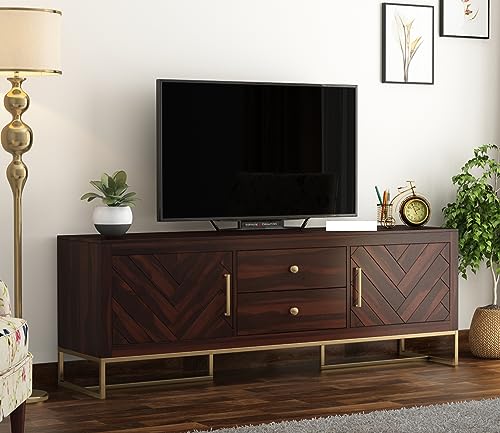
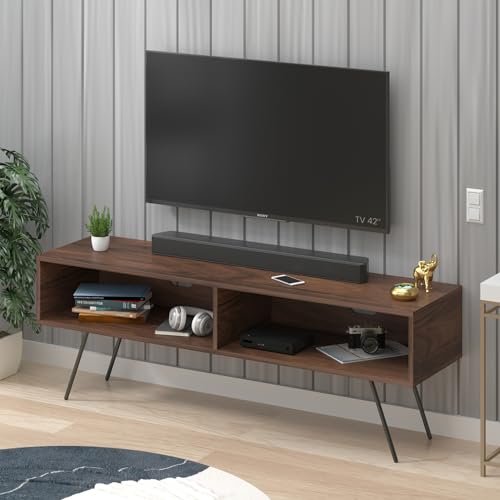
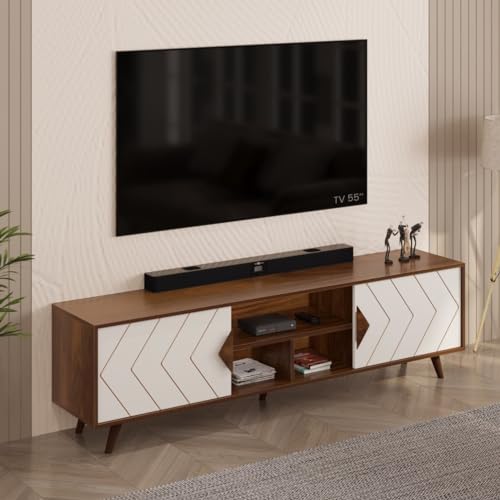
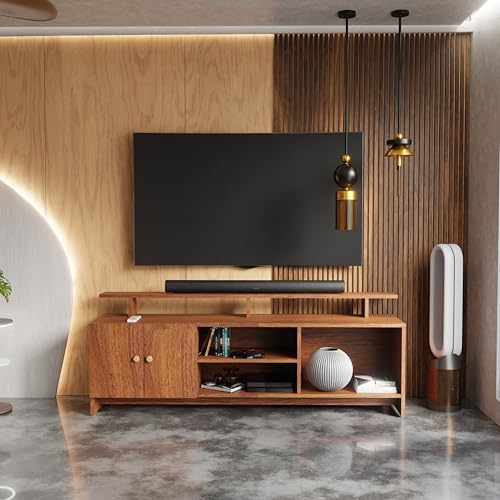
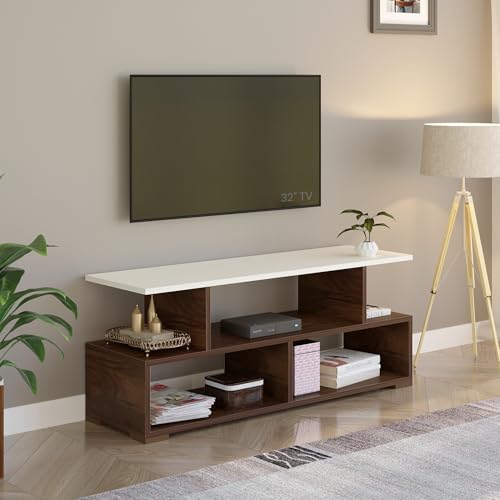
1. 🪵 Wooden TV Unit

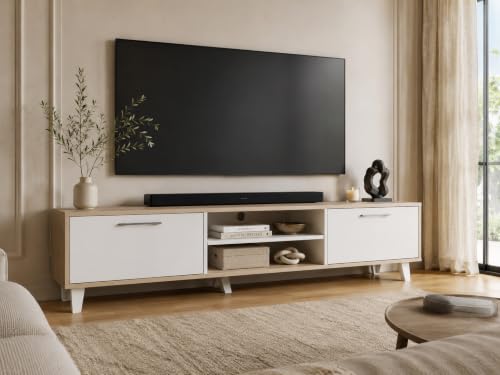
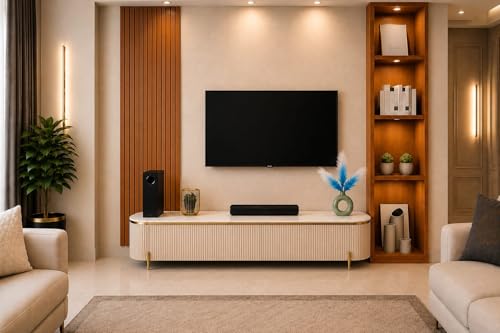
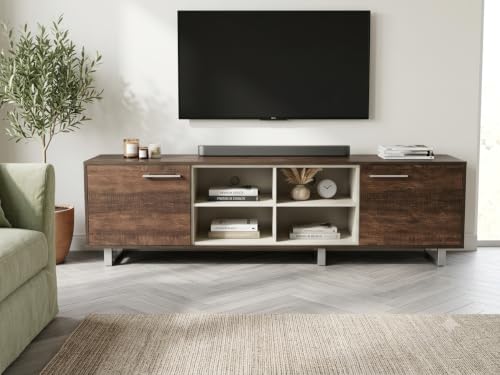
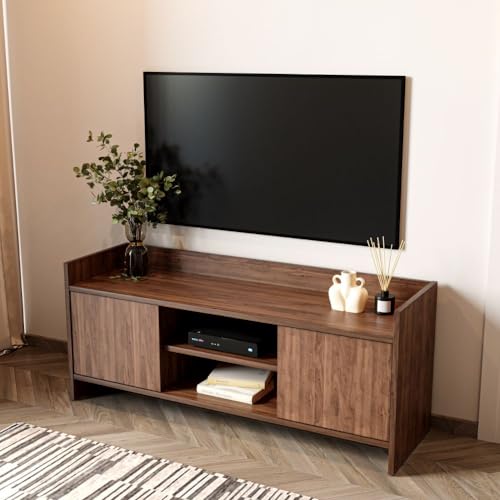
Wooden TV units are among the most versatile options for living rooms.
They can bring warmth to an otherwise plain wall and work with a wide range of interior styles.
Depending on the design, you can find wooden TV units with:
- Open shelves
- Drawers
- Cabinets
- Display niches
- Closed storage
- Wall panels
- Combination shelving
The material can range from solid wood to engineered wood and wood-finished boards, so always check the product specifications instead of assuming that every “wooden” unit is solid wood.
🏆 Best For
Homes looking for warmth, storage and a timeless furniture style.
What We Like
- Versatile appearance
- Plenty of designs
- Good storage potential
- Works with traditional and modern décor
- Easy to coordinate with other wooden furniture
What to Watch
Large wooden units can feel visually heavy in small living rooms.

2. ✨ Modern TV Unit

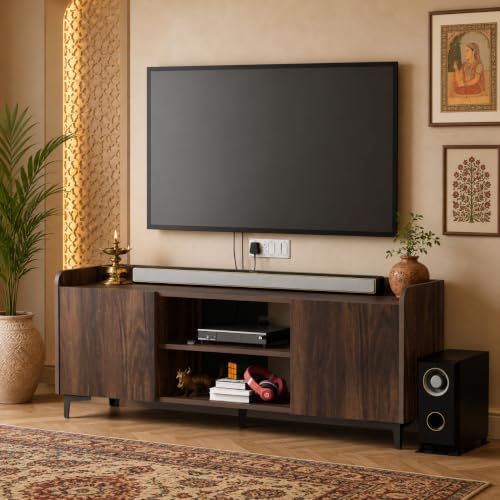
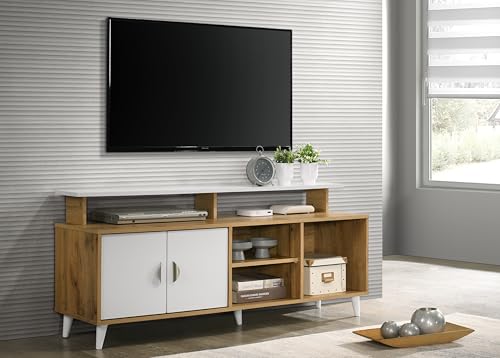
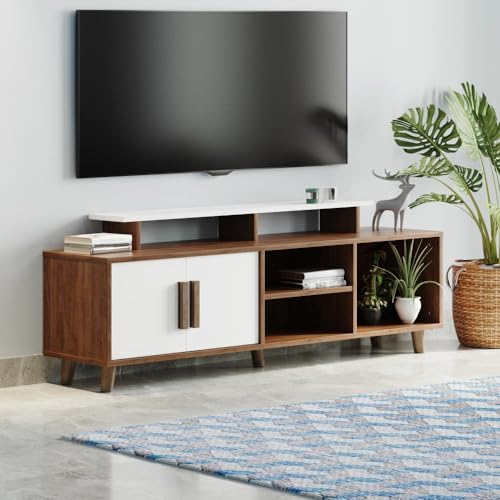
A modern TV unit focuses on clean lines, simple finishes and minimal visual clutter.
These designs often combine materials such as:
- Wood finishes
- Glass
- Metal
- Matte panels
- Stone-look surfaces
Some modern TV units also incorporate a decorative wall panel behind the television to create a more finished appearance.
🏆 Best For
Contemporary and modern living rooms.
What We Like
- Stylish appearance
- Clean silhouettes
- Easy to pair with contemporary furniture
- Wide range of finishes
- Can become a focal point
What to Watch
Don’t choose a design simply because it’s trendy.
Your TV unit should still provide the storage and functionality you actually need.
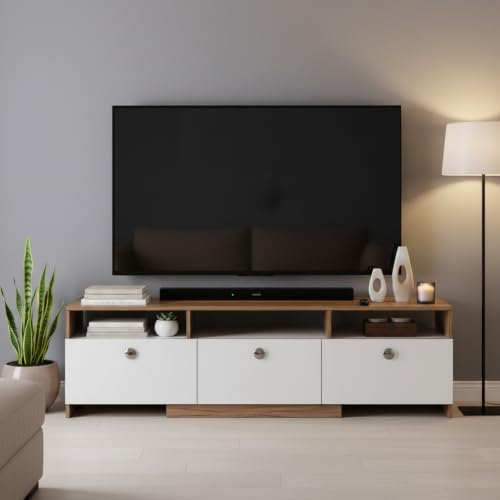

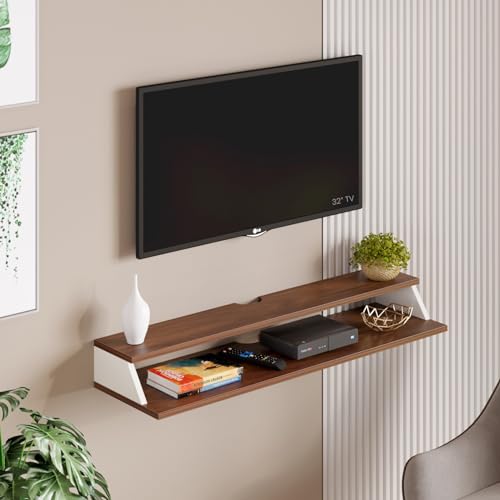
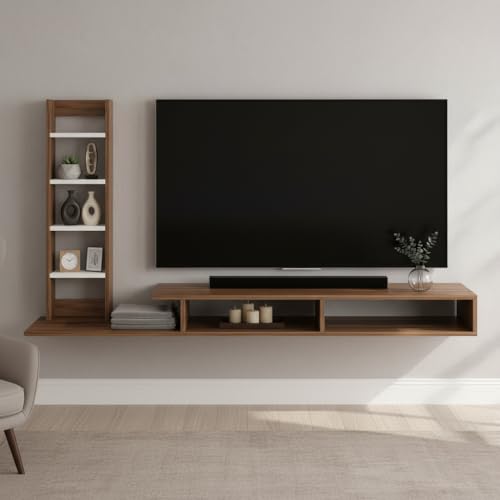
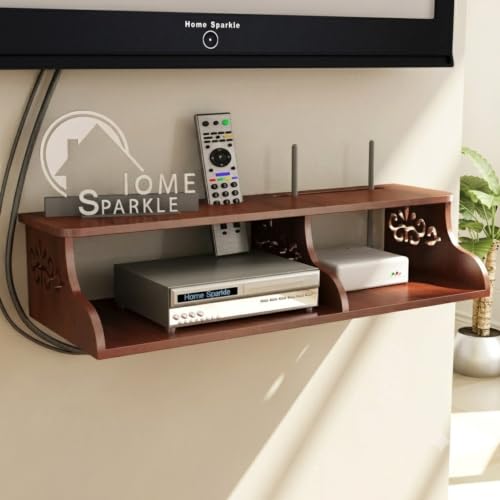
3. 🧱 Wall-Mounted TV Unit

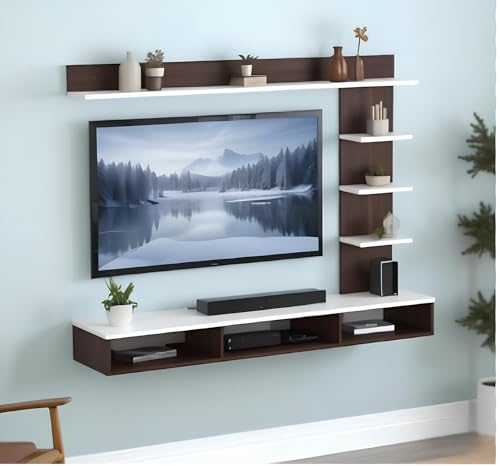
Wall-mounted TV units attach to the wall instead of sitting directly on the floor.
This can create a cleaner appearance and leave some visible floor area underneath.
They’re particularly useful when you want the TV wall to look organized without installing a large floor-standing cabinet.
🏆 Best For
Modern homes and rooms where floor space is limited.
What We Like
- Cleaner appearance
- Frees up floor space
- Easy to combine with wall décor
- Can make a room feel less crowded
- Useful for minimalist interiors
What to Watch
Installation matters.
The wall, mounting hardware and unit itself need to be appropriate for the load.
And once it’s mounted, moving it isn’t exactly a five-minute furniture shuffle. 😄
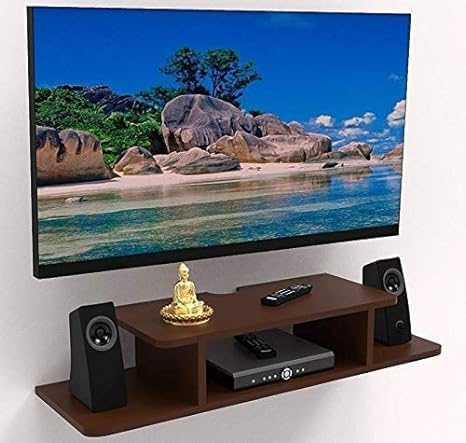
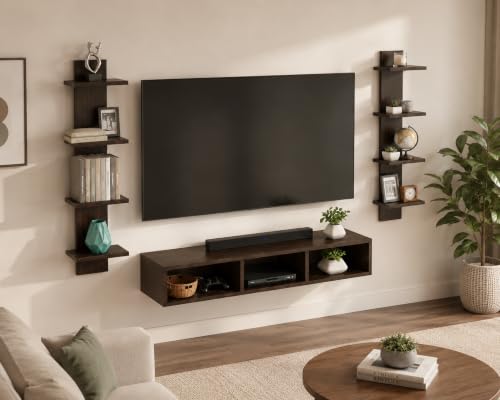
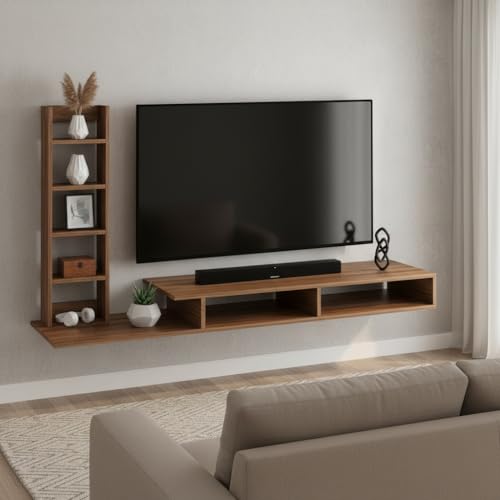

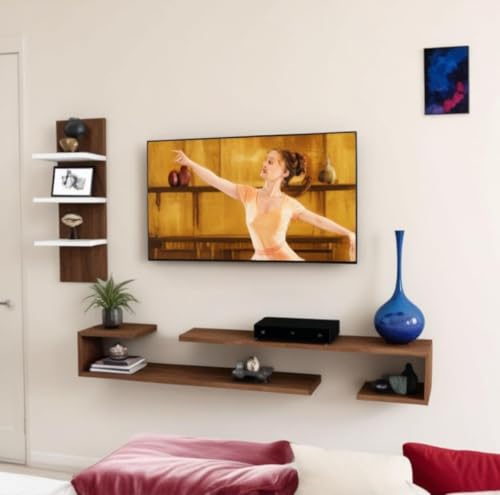
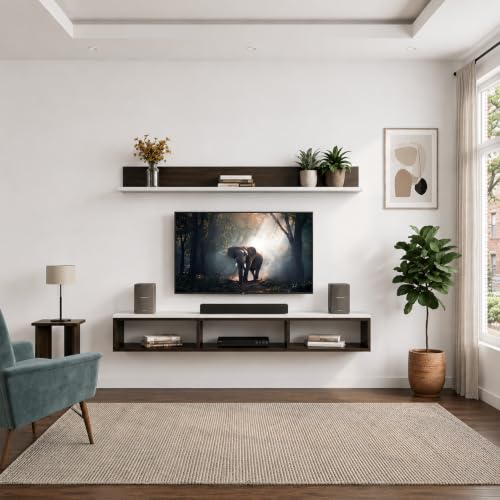
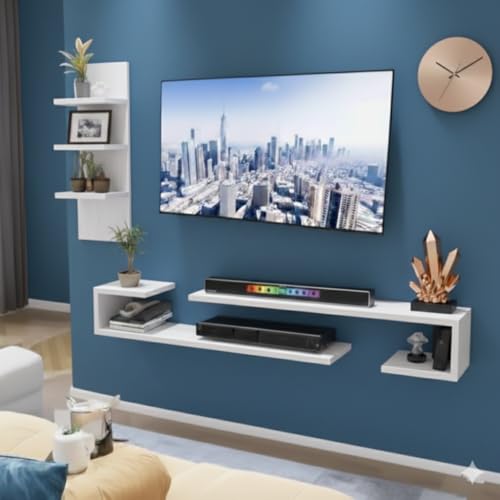
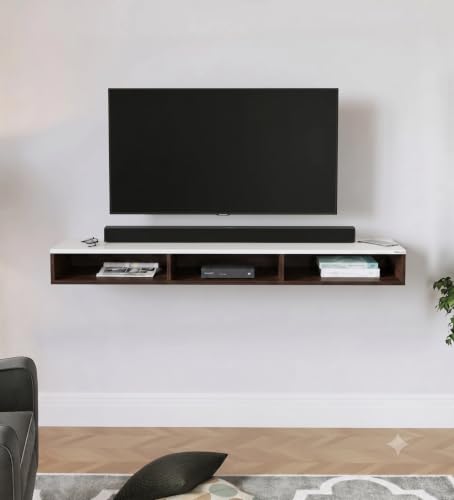
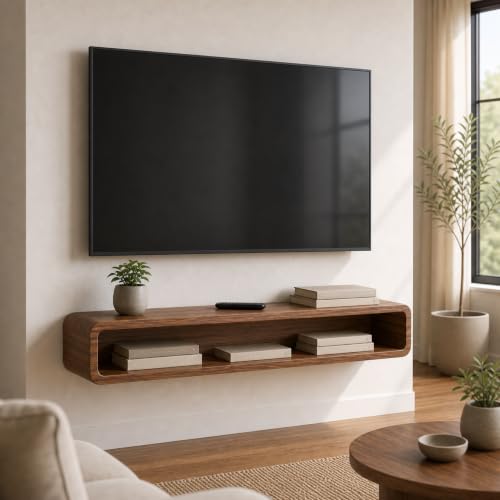
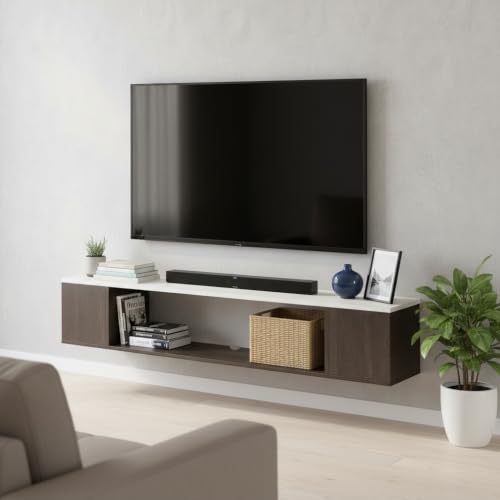
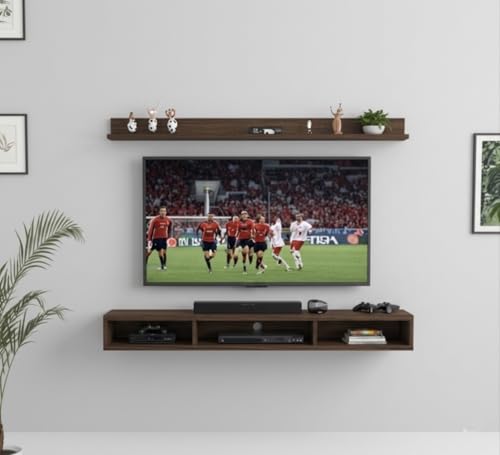
4. 🪄 Floating TV Unit

Floating TV units are essentially designed to appear suspended above the floor.
They’re particularly popular in contemporary interiors because they create a lightweight appearance.
The open space underneath can also make cleaning the floor easier.
🏆 Best For
Small living rooms and minimalist interiors.
What We Like
- Saves visible floor space
- Clean appearance
- Contemporary look
- Can make compact rooms feel more open
- Easy to pair with LED lighting
What to Watch
Check the wall construction and installation requirements carefully.
A floating unit needs secure mounting.
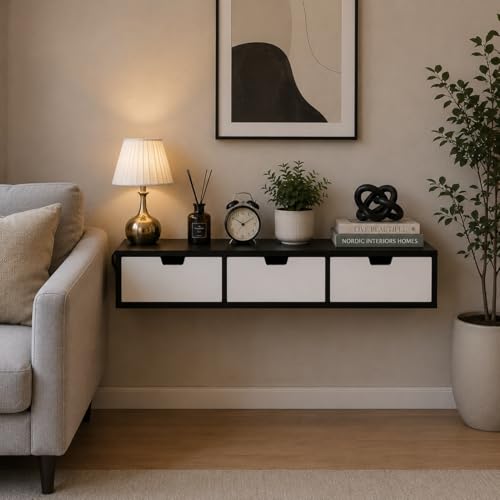
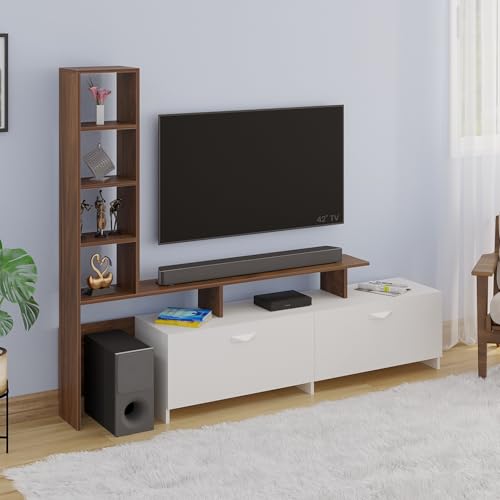
5. 🗄️ TV Unit With Storage

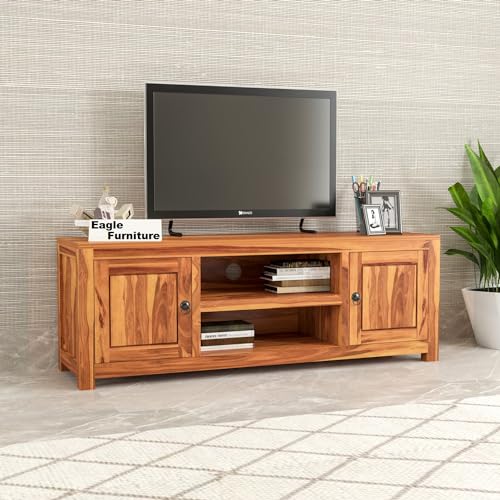
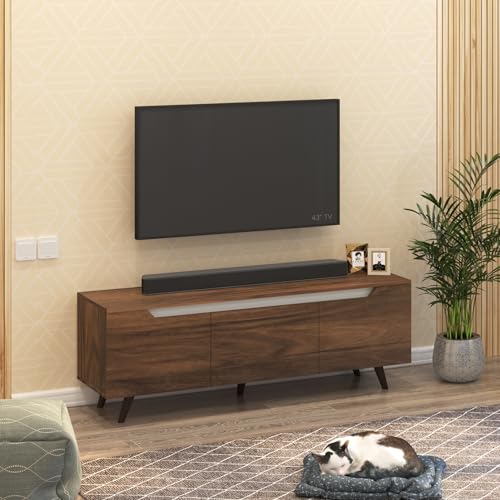
If your TV setup includes a streaming box, gaming console, speakers, remotes, DVDs or other accessories, storage becomes extremely useful.
A storage-focused TV unit can include:
- Drawers
- Cabinets
- Open shelves
- Closed compartments
- Display niches
- Cable-management sections
🏆 Best For
Families and homes with multiple entertainment devices.
What We Like
- Helps hide clutter
- Provides dedicated storage
- Keeps accessories organized
- Can combine display and closed storage
What to Watch
More storage generally means more furniture.
Make sure the unit doesn’t overwhelm your room.


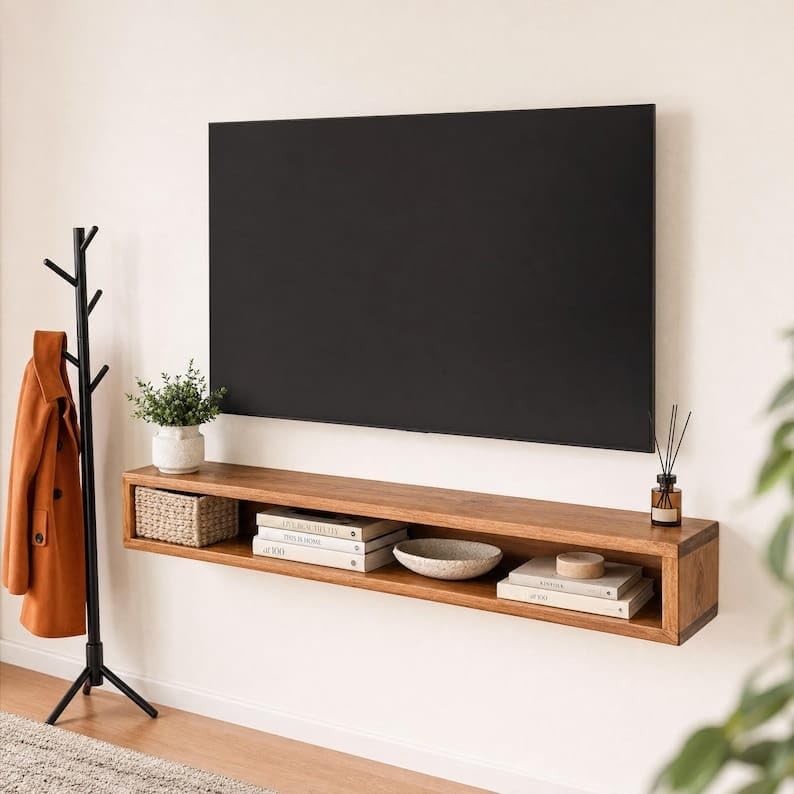
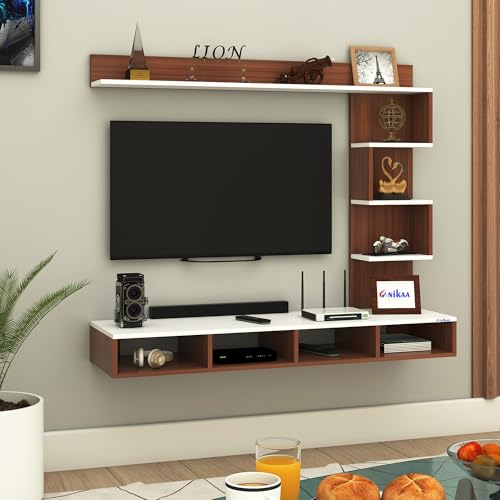
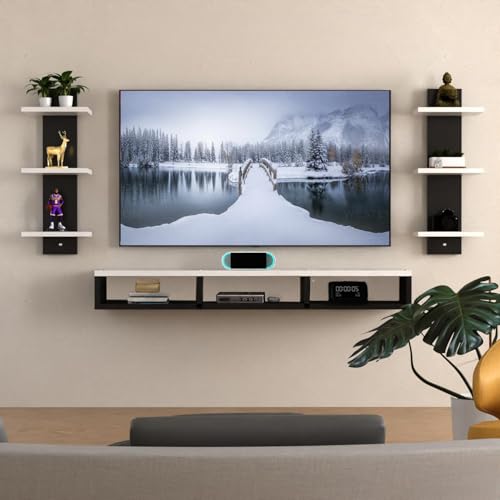
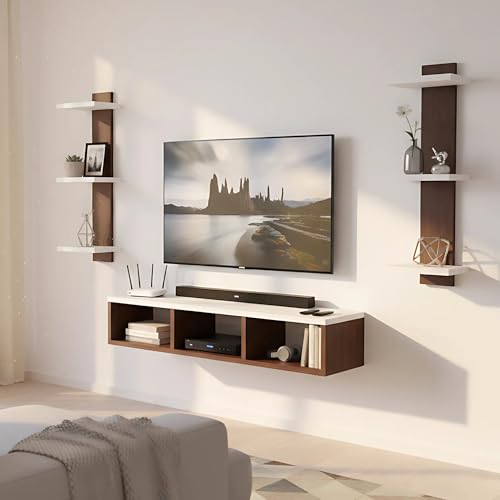
6. 🤍 Minimalist TV Unit

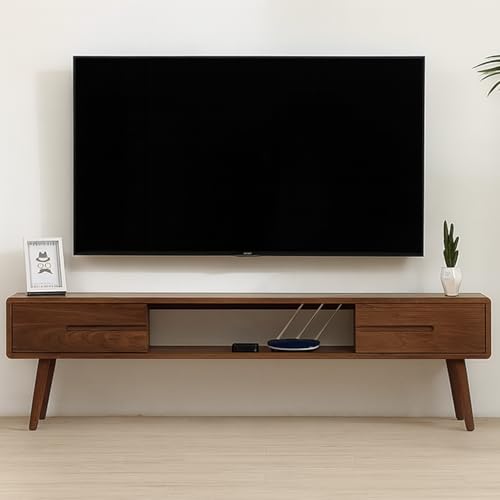
If your idea of a perfect living room involves less stuff, cleaner lines and plenty of breathing space, a minimalist TV unit may be the right choice.
Minimalist designs typically use:
- Simple geometry
- Neutral finishes
- Limited decoration
- Hidden storage
- Slim profiles
The idea is to make the television area feel calm rather than visually busy.
🏆 Best For
Minimalist and Scandinavian-inspired interiors.
What We Like
- Clean appearance
- Less visual clutter
- Easy to coordinate
- Works well in smaller rooms
- Timeless design potential
What to Watch
Minimalist doesn’t mean storage-free.
Make sure the design still handles your everyday entertainment equipment.
7. 🏠 Compact TV Unit

Not every home has a huge living room.
For apartments, studio homes and compact spaces, a smaller TV unit can provide the required functionality without taking over the room.
Look for:
- Slim designs
- Narrow cabinets
- Compact shelves
- Wall-mounted storage
- Vertical storage options
🏆 Best For
Small living rooms and apartments.
What We Like
- Space-saving
- Easier to fit into compact layouts
- Less visually bulky
- Usually easier to rearrange
What to Watch
Don’t sacrifice useful storage just to make the unit smaller.
Measure first.

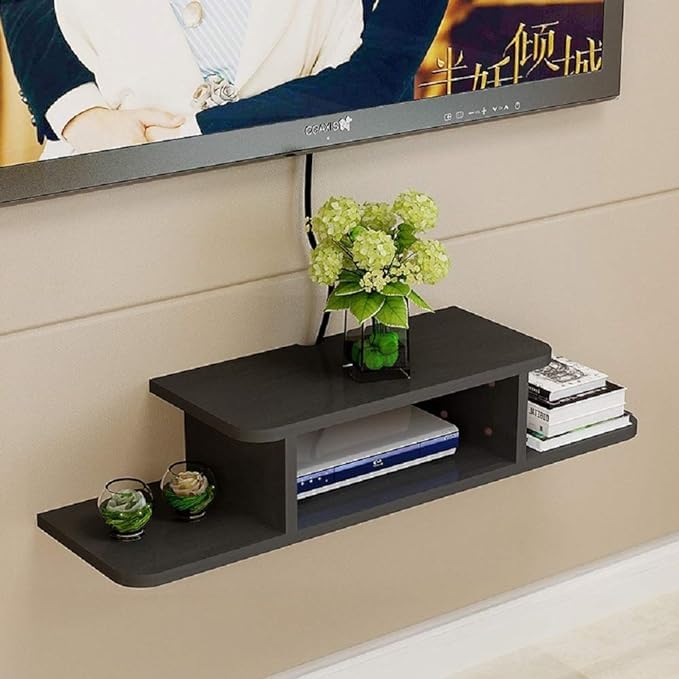
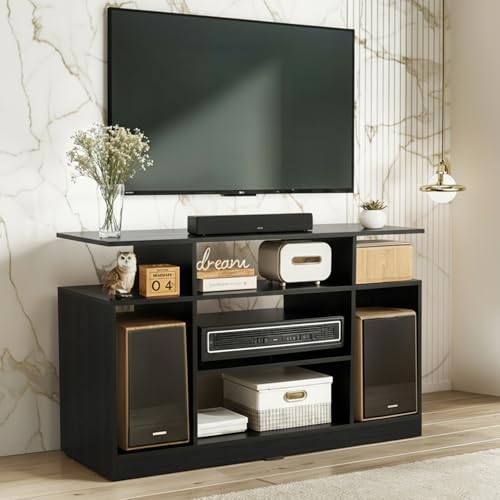
8. 🎮 Entertainment Unit

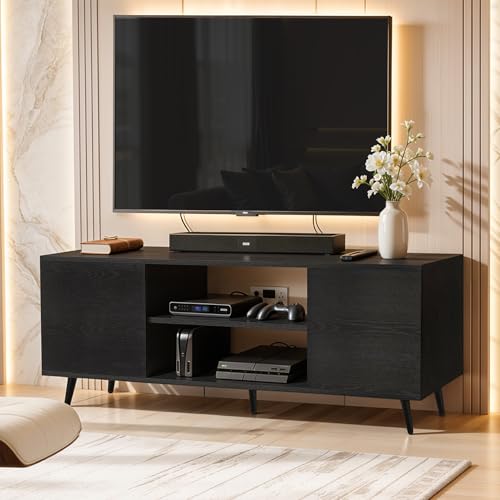
An entertainment unit is designed to do much more than simply hold a television.
It may combine:
TV space + storage + display shelves + media equipment space
Some larger designs can occupy a substantial section of the wall.
They’re particularly useful if your entertainment setup includes multiple devices.
🏆 Best For
Large living rooms and dedicated media areas.
What We Like
- Lots of storage
- Space for multiple devices
- Display areas
- Creates a strong focal wall
- Can organize an entire media setup
What to Watch
Large entertainment units can dominate a small room.
If your living room is compact, measure the entire wall before committing.
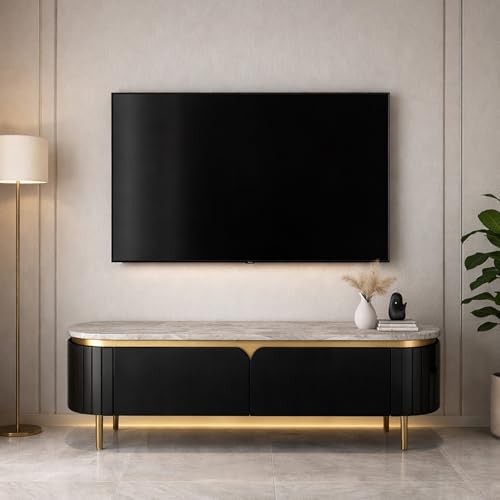
9. 🪑 Freestanding TV Unit

A freestanding TV unit sits directly on the floor and doesn’t require permanent wall mounting.
This makes it a flexible choice if you:
- Rent your home
- Rearrange furniture frequently
- Don’t want to drill into walls
- Prefer traditional furniture
It can also be easier to replace or move later.
🏆 Best For
Renters and people who prefer flexible furniture layouts.
What We Like
- Easy installation
- Portable
- Flexible placement
- No permanent wall mounting
- Available in many styles
What to Watch
Make sure the unit is wide and strong enough for your television.
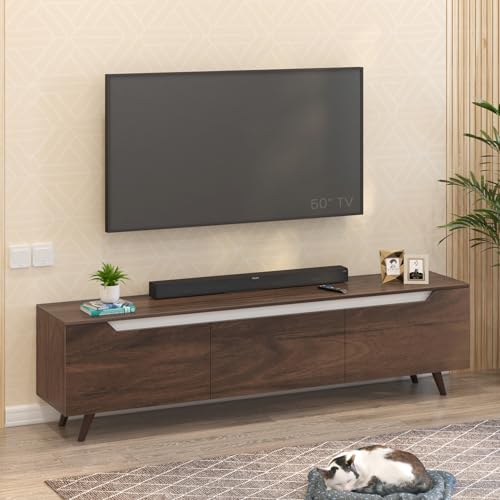
10. 🗃️ TV Cabinet

A TV cabinet usually focuses more heavily on closed storage.
This is useful if you prefer a clean-looking room where entertainment accessories can disappear behind doors.
You can store:
- Gaming accessories
- Remote controls
- Streaming devices
- Cables
- Books
- Small electronics
behind the cabinet doors.
🏆 Best For
Traditional interiors and homes that prioritize concealed storage.
What We Like
- Hides clutter
- Clean appearance
- Plenty of storage
- Works well with traditional furniture
What to Watch
Make sure electronic devices have sufficient ventilation.
Don’t put a heat-generating device into a completely enclosed compartment unless the design specifically accommodates it.



📊 TV Units at a Glance
| TV Unit Type | Best For | Main Advantage | Space Requirement |
|---|---|---|---|
| Wooden | Most homes | Warm & versatile | Medium |
| Modern | Contemporary rooms | Stylish design | Medium |
| Wall-Mounted | Clean interiors | Saves floor space | Low |
| Floating | Small rooms | Visually lightweight | Low |
| Storage | Busy households | Organization | Medium |
| Minimalist | Clean interiors | Low visual clutter | Low–Medium |
| Compact | Apartments | Space-saving | Low |
| Entertainment Unit | Media setups | Maximum functionality | High |
| Freestanding | Renters | Flexible placement | Medium |
| TV Cabinet | Traditional homes | Concealed storage | Medium |
📺 Think About Your TV Before Choosing the Unit
One of the biggest mistakes people make is buying the TV unit first and thinking about the television later.
Do it the other way around.
First know:
- TV screen size
- TV width
- TV stand dimensions, if applicable
- Mounting requirements
- Weight
- Cable locations
Then choose the unit.
Example
If you have a large TV, a tiny console underneath it can make the entire setup look unbalanced.
On the other hand, an enormous entertainment unit around a smaller TV can make the television look oddly lost.
💡 Proportion Matters
The TV and unit should look like they’re part of the same setup.
Not like the TV moved into the house six months after the furniture did. 😂
🏠 Match the TV Unit With Your Room
The right style also depends on the overall interior.
Modern Living Room
Choose:
Floating + minimalist + clean finishes
Traditional Living Room
Choose:
Wooden + freestanding + cabinet-style
Small Apartment
Choose:
Compact + wall-mounted + floating
Large Family Room
Choose:
Storage unit + entertainment centre
Minimalist Home
Choose:
Slim wall-mounted unit + concealed storage
🧠 The Most Important Takeaway
A TV unit should do three things well:
1. Support the TV Setup
It should be appropriately sized and structurally suitable.
2. Manage Your Stuff
Storage should accommodate your actual devices and accessories.
3. Complete the Room
The design should complement your sofa, coffee table, rug and overall décor.
A TV unit that looks beautiful but leaves cables everywhere isn’t really doing the job.
And a massive cabinet with 47 shelves that you don’t need isn’t exactly minimalist either. 😄
📌 Quick Selection Guide
Want a warm, timeless look?
➡️ Wooden TV Unit
Want a sleek contemporary room?
➡️ Modern TV Unit
Want to save floor space?
➡️ Wall-Mounted or Floating TV Unit
Need lots of storage?
➡️ Storage TV Unit or Entertainment Unit
Have a small living room?
➡️ Compact TV Unit
Want flexibility?
➡️ Freestanding TV Unit
Prefer concealed clutter?
➡️ TV Cabinet
Love clean interiors?
➡️ Minimalist TV Unit
📺 1. Start With Your TV Size
The first thing to check is your television.
Don’t buy a TV unit based only on the screen size printed on the box.
A 55-inch TV, for example, doesn’t mean the television is exactly 55 inches wide. The screen measurement is taken diagonally.
So before purchasing the unit, check the TV’s:
- Overall width
- Height
- Depth
- Weight
- Stand dimensions
- VESA mounting specification, if wall-mounted
💡 Simple Rule
Measure the actual television, not just the advertised screen size.
📏 2. Check the TV Unit Width
The TV unit should look proportionate to your television.
A very narrow unit underneath a large TV can look visually unbalanced.
A very wide unit under a tiny TV can make the television look lost.
Before Buying
Measure:
TV width → Unit width → Available wall width
Then compare the three.
For a traditional floor-standing setup, many people prefer a unit that extends beyond the TV width, but the exact proportion depends on the room and design.
📐 3. Don’t Ignore Depth
Depth is easy to forget.
But it matters enormously in smaller living rooms.
A deep TV cabinet can eat into your walking space.
Before buying, check:
- Unit depth
- Distance from sofa
- Walking path
- Nearby furniture
- Door clearance
🏠 Small-Room Tip
If your living room is compact, a slim or wall-mounted TV unit can help preserve floor space.
🗄️ 4. Decide How Much Storage You Need
Before choosing a storage-heavy TV unit, make a list of everything you actually need to keep there.
For example:
- Set-top box
- Gaming console
- Streaming device
- Controllers
- Remote controls
- Speakers
- Books
- DVDs
- Cables
- Decorative objects
Then decide how much storage you really need.
🏆 If You Have Lots of Devices
Consider:
TV unit with drawers + shelves + closed cabinets
If You Have Very Few Devices
A simple floating or minimalist unit may be enough.
Don’t buy a huge cabinet just because it has 18 compartments.
You might end up storing things you forgot you owned. 😂
🪵 5. Choose the Right Material
TV units come in many materials and combinations.
Common options include:
- Solid wood
- Engineered wood
- MDF
- Particle board
- Metal
- Glass
- Laminates
- Veneers
Each has different characteristics.
🌳 Solid Wood
Solid wood can provide a substantial, natural appearance.
Pros
- Warm look
- Strong construction
- Long-lasting potential
- Natural character
Cons
- Usually heavier
- Can be more expensive
- Requires appropriate care
🧱 Engineered Wood
Engineered wood is widely used for modern furniture.
Pros
- Often more affordable
- Consistent finishes
- Many design options
- Available in different colours and textures
Cons
- Quality varies
- Moisture resistance depends on construction
- Damaged surfaces may be harder to restore
💡 Important
Don’t assume that every TV unit marketed as “wooden” is made from solid wood.
Always read the specifications.
🖤 Metal
Metal is often used as a frame or structural component.
It can work beautifully in:
- Industrial interiors
- Modern rooms
- Minimalist spaces
Metal paired with wood or glass can create an interesting mixed-material look.
🪟 Glass
Glass can be used for shelves, cabinet doors or even parts of the main structure.
It can create a lighter appearance, but it requires more attention to fingerprints and cleaning.
🧱 6. Wall-Mounted vs Floor-Standing TV Units
This is one of the biggest decisions you’ll make.
🧱 Wall-Mounted
The unit is attached to the wall.
Pros
- Saves floor space
- Clean appearance
- Modern look
- Easier to clean underneath
Cons
- Requires proper installation
- Less flexible once installed
- Wall strength matters
- Cable routing needs planning
🏆 Best For
Modern and compact living rooms.
🪑 Floor-Standing
The unit sits directly on the floor.
Pros
- Easier installation
- Usually easier to move
- More design flexibility
- Can provide substantial storage
Cons
- Takes floor space
- Can feel bulky in small rooms
- Dust can collect underneath
🏆 Best For
Traditional homes, renters and larger living rooms.
🔌 7. Don’t Forget Cable Management
This is one of the most important features of a good TV setup.
You may have cables for:
- TV power
- HDMI
- Set-top box
- Gaming console
- Soundbar
- Streaming device
- Wi-Fi equipment
Without cable management, even the most expensive TV unit can look messy.
Look For
- Cable holes
- Rear cable channels
- Concealed wiring spaces
- Open ventilation areas
- Dedicated device compartments
💡 Golden Rule
Plan your cables before installing the TV unit.
Not after.
Because trying to hide cables after everything is mounted is basically furniture archaeology. 😂
🎮 8. Consider Your Gaming Setup
If you use:
- PlayStation
- Xbox
- Nintendo Switch
- Gaming PC
- Controllers
- Charging docks
your TV unit needs enough space.
Don’t squeeze a large console into a tiny closed cabinet.
Electronic devices can generate heat.
Look For
✔ Ventilated compartments
✔ Enough depth
✔ Easy cable access
✔ Space around devices
🔊 9. Think About Your Soundbar
If you use a soundbar, check whether your TV unit provides enough space for it.
A soundbar may need to sit:
- Below the TV
- Directly in front of the TV
- Inside an open shelf
- On a dedicated ledge
Avoid placing it inside a closed cabinet unless the design is specifically intended for it.
💡 Check Before Buying
Measure the soundbar’s:
Width + height + depth
Then compare those measurements with the available space.
📦 10. Check Weight Capacity
This is especially important for floor-standing units.
The unit should be designed to safely support your television.
For wall-mounted designs, check both:
TV mounting requirements + TV unit mounting requirements
Never assume that because a unit looks strong, it can support any television.
Always follow the manufacturer’s stated capacity.
🧱 11. Check Your Wall Before Choosing a Floating Unit
A floating TV unit isn’t suitable for every wall without proper installation.
The mounting method depends on factors such as:
- Wall construction
- Stud locations
- Masonry
- Fastener type
- Unit weight
- TV weight
🏆 Best Practice
Use appropriate hardware and professional installation where required.
A floating TV unit should look like it’s floating.
Not like it’s negotiating with gravity. 😄
📐 12. Consider TV Viewing Height
Your TV unit also influences where the television sits.
You want the TV positioned comfortably for your normal seating arrangement.
Consider:
- Sofa height
- Eye level
- Viewing distance
- TV size
- Wall height
Don’t install the television unnecessarily high simply because you have a huge empty wall.
The living room isn’t a cinema hall.
🛋️ 13. Match the TV Unit With Your Furniture
Your TV unit should visually connect with the rest of the room.
Consider your:
- Sofa
- Coffee table
- Side tables
- Flooring
- Rug
- Wall colour
- Lighting
Example
If your living room has a warm wooden coffee table, a similar wood tone can create visual continuity.
But you don’t have to match everything exactly.
Mixing materials can actually make the room more interesting.
🎨 14. Choose the Right Finish
TV units are available in finishes such as:
- Natural wood
- Walnut
- Oak-style
- White
- Black
- Matte
- Glossy
- Stone-look
- Two-tone finishes
Matte
Usually creates a softer, understated appearance.
Glossy
Can feel more dramatic but may show fingerprints more easily.
Wood Finish
Adds warmth.
Two-Tone
Can create visual contrast.
Choose according to the rest of the room rather than treating the TV unit as a standalone object.
💡 15. Consider Lighting
Some TV units come with integrated lighting or can be paired with ambient lighting.
Options include:
- LED strips
- Backlighting
- Shelf lighting
- Wall sconces
- Accent lights
Lighting can make the TV wall feel more intentional.
But don’t go overboard.
You want ambient lighting, not a nightclub behind your television. 😂
🧹 16. Think About Cleaning
Different TV units have different maintenance requirements.
Open Shelves
Easy to access but collect dust.
Closed Cabinets
Hide clutter but still need cleaning.
Floating Units
Make the floor underneath easier to clean.
Glossy Finishes
Can show fingerprints.
Dark Finishes
May make dust more noticeable.
Choose according to how much maintenance you’re willing to do.
🏠 17. Consider the Room Size
This should influence your choice significantly.
Small Living Room
Consider:
- Floating unit
- Wall-mounted unit
- Compact cabinet
- Slim TV console
Medium Living Room
You can consider:
- Storage unit
- Wooden console
- Modern TV unit
- Freestanding cabinet
Large Living Room
You have more flexibility:
- Entertainment centre
- Large storage wall
- Wide TV console
- Full TV wall unit
🧩 18. Think About Future Changes
Furniture can stay in your home for years.
Your technology may not.
Today you might have:
TV + set-top box
A couple of years later:
TV + soundbar + gaming console + streaming devices
Choose a design with a little flexibility if you expect your setup to evolve.
💰 19. Don’t Shop by Price Alone
A ₹5,000 TV unit isn’t automatically bad.
A ₹50,000 unit isn’t automatically excellent.
Compare:
Material + construction + dimensions + storage + finish + cable management + installation
rather than price alone.
For a piece of furniture you’ll use every day, build quality matters.
🚨 20. Common TV Unit Buying Mistakes
❌ Buying Without Measuring the TV
Know the actual dimensions.
❌ Ignoring Wall Width
The unit needs to fit the available space.
❌ Choosing a Unit That’s Too Deep
Especially problematic in small rooms.
❌ Forgetting Cable Management
Beautiful furniture won’t hide messy cables automatically.
❌ Ignoring Ventilation
Electronics need appropriate airflow.
❌ Buying Too Much Storage
More compartments aren’t always better.
❌ Mounting Without Checking the Wall
Installation quality matters.
❌ Ignoring the Soundbar
Measure it before buying.
❌ Choosing Only by Appearance
The unit still needs to function.
❌ Installing the TV Too High
Think about your normal viewing position.
📋 TV Unit Buying Checklist
Before purchasing, save this:
TV
☐ Screen size
☐ Actual width
☐ Weight
☐ Stand dimensions
☐ VESA specification if mounting
TV Unit
☐ Width
☐ Depth
☐ Height
☐ Weight capacity
☐ Storage
☐ Material
☐ Finish
Setup
☐ Cable management
☐ Ventilation
☐ Soundbar space
☐ Gaming console space
☐ Wall condition
☐ Installation requirements
Room
☐ Wall width
☐ Walking space
☐ Sofa position
☐ Viewing distance
☐ Overall interior style
🧠 The Simple Buying Formula
If you want to make this easier, follow these steps:
1. Measure the TV
Know its actual dimensions.
2. Measure the wall
Know how much space you have.
3. Decide on placement
Wall-mounted or floor-standing?
4. List your equipment
TV, console, soundbar, set-top box, etc.
5. Decide on storage
Open, closed or a combination.
6. Choose the material
Wood, engineered wood, metal, glass or mixed materials.
7. Plan the cables
Before installation.
8. Match the room
Consider your sofa, coffee table and overall décor.
9. Check construction
Don’t forget stability and weight capacity.
10. Think long-term
Choose something that can accommodate your future setup.
📺 Final Thought Before You Buy
A TV unit isn’t just a cabinet underneath your television.
It’s the foundation of your entertainment wall.
Get the dimensions wrong and the whole setup can feel awkward.
Get the storage wrong and you’ll have cables and accessories everywhere.
Get the style right but ignore functionality and you’ll eventually regret the purchase.
The best TV unit is the one that combines:
📏 Correct proportions + 🗄️ useful storage + 🔌 cable management + 🪵 suitable material + ✨ good design
That’s the sweet spot.
A good TV unit should look good, but that’s only half the job. It also needs to work with your television, entertainment devices, room dimensions and everyday lifestyle.
📊 TV Units: Final Comparison
| TV Unit Type | Best For | Storage | Floor Space | Installation | Overall |
|---|---|---|---|---|---|
| Wooden | Most homes | ⭐⭐⭐⭐ | Medium | Easy–Medium | ⭐⭐⭐⭐⭐ |
| Modern | Contemporary rooms | ⭐⭐⭐⭐ | Medium | Medium | ⭐⭐⭐⭐⭐ |
| Wall-Mounted | Clean interiors | ⭐⭐⭐ | Low | Medium–High | ⭐⭐⭐⭐⭐ |
| Floating | Small rooms | ⭐⭐⭐ | Low | Medium–High | ⭐⭐⭐⭐⭐ |
| Storage | Families | ⭐⭐⭐⭐⭐ | Medium–High | Easy–Medium | ⭐⭐⭐⭐⭐ |
| Minimalist | Simple interiors | ⭐⭐⭐ | Low–Medium | Easy–Medium | ⭐⭐⭐⭐ |
| Compact | Apartments | ⭐⭐⭐ | Low | Easy | ⭐⭐⭐⭐ |
| Entertainment Unit | Large media setups | ⭐⭐⭐⭐⭐ | High | Medium–High | ⭐⭐⭐⭐⭐ |
| Freestanding | Renters | ⭐⭐⭐⭐ | Medium | Easy | ⭐⭐⭐⭐ |
| TV Cabinet | Concealed storage | ⭐⭐⭐⭐⭐ | Medium | Easy–Medium | ⭐⭐⭐⭐ |
🏆 Best TV Unit for Different Living Rooms
There isn’t one universal winner. Your room should determine the choice.
🥇 Best Overall: Wooden TV Unit
A well-designed wooden TV unit is probably the safest all-round choice.
Why?
Because it combines:
- Warm appearance
- Storage
- Versatility
- Multiple design options
- Easy coordination with other furniture
It can work in modern, traditional, Scandinavian, rustic and contemporary homes.
Verdict
Best overall for most living rooms.
🏠 Best for Small Living Rooms: Floating TV Unit
When floor space is limited, keeping the floor visually open can make a noticeable difference.
A floating unit can provide storage without occupying as much visible floor area.
Best Features
- Slim profile
- Wall-mounted construction
- Closed storage
- Cable management
- Minimal design
Verdict
Excellent for compact apartments and small living rooms.
🧱 Best for a Clean TV Wall: Wall-Mounted TV Unit
If you want a polished, contemporary entertainment wall, a wall-mounted unit is a strong option.
It can be paired with:
- Wall panels
- Ambient lighting
- Floating shelves
- Minimal décor
- Concealed wiring
Verdict
Best for clean, modern TV walls.
🗄️ Best for Storage: Storage TV Unit
If your entertainment setup looks like it has its own ecosystem of remotes, controllers, cables and devices, storage is your friend. 😂
Look for:
- Closed cabinets
- Drawers
- Open shelves
- Media compartments
- Cable channels
Verdict
Best for busy households and large entertainment setups.
🎮 Best for Gamers: Entertainment Unit
Gaming setups often need more space.
You may need room for:
- Console
- Controllers
- Charging station
- Games
- Speakers
- Accessories
An entertainment unit can accommodate these better than a tiny minimalist console.
Verdict
Best for larger gaming and media setups.
🤍 Best for Minimalist Interiors: Minimalist TV Unit
If your living room already has simple furniture, a minimalist TV unit can keep the entire wall calm and uncluttered.
Look for:
- Neutral colours
- Straight lines
- Concealed storage
- Slim profiles
- Minimal hardware
Verdict
Best for clean and understated interiors.
🏢 Best for Renters: Freestanding TV Unit
If you don’t want to drill into walls, a freestanding unit is the obvious practical choice.
You can move it when:
- You rearrange the room
- You move homes
- You change the TV
- You redesign the living room
Verdict
Best for flexibility.
📦 Best for Concealed Clutter: TV Cabinet
If you want cables, accessories and devices to disappear visually, choose a cabinet-style unit with appropriate ventilation.
Closed storage can make the TV wall look significantly cleaner.
Verdict
Best for organized, clutter-free interiors.
🎨 How to Style Your TV Unit
Once you’ve chosen the right unit, don’t forget the area around it.
The TV wall can become one of the strongest visual points in the living room.
But the trick is not to decorate every available inch.
🌿 Add a Little Greenery
A small plant can soften the hard lines of a television and furniture.
Good options include:
- Small indoor plants
- Artificial greenery
- Dried botanical arrangements
- Small potted plants
Keep them away from ventilation areas and electronics.
🖼️ Use Wall Décor Carefully
Depending on the setup, you can use:
- Artwork
- Floating shelves
- Decorative panels
- Textured wall finishes
- Minimal wall décor
But remember:
The TV is already a large visual rectangle.
You don’t need another 17 rectangles competing with it. 😂
💡 Add Ambient Lighting
Subtle lighting behind or around the TV unit can create a more relaxed atmosphere.
Consider:
- Warm LED strips
- Wall lights
- Shelf lighting
- Indirect lighting
Avoid placing bright lights directly where they create reflections on the screen.
🪵 Coordinate With the Coffee Table
Since the coffee table is usually positioned in front of the TV, these two pieces should feel connected.
They don’t have to match exactly.
For example:
Wooden Coffee Table
Pair with:
Wood-finish TV unit + neutral wall + greenery
Glass Coffee Table
Pair with:
Minimal TV unit + metal accents + clean wall design
Mixed-Material Coffee Table
Pair with:
Two-tone TV unit
This creates visual continuity without making the room look like a matching furniture set from 2008. 😄
📐 TV Unit Proportion Matters
A TV unit that is technically the right size can still look wrong.
Pay attention to:
TV Width
Compare it with the width of the unit.
Wall Width
Don’t install a huge entertainment centre on a narrow wall.
Ceiling Height
Tall storage units can change the visual proportion of the room.
Sofa Position
Make sure the TV remains comfortably visible from your main seating.
⚖️ Pros & Cons of Different TV Unit Styles
| Type | What We Like | What We Don’t Like |
|---|---|---|
| Wooden | Warm, versatile, timeless | Can feel bulky |
| Modern | Stylish, contemporary | Trends can change |
| Wall-Mounted | Clean, space-saving | Requires installation |
| Floating | Lightweight appearance | Wall strength matters |
| Storage | Excellent organization | Uses more space |
| Minimalist | Clean & simple | May have less storage |
| Compact | Great for apartments | Limited surface area |
| Entertainment Unit | Excellent for devices | Can dominate the room |
| Freestanding | Flexible & movable | Takes floor space |
| TV Cabinet | Hides clutter | Needs ventilation |
🚨 Final TV Unit Buying Checklist
Before placing the order, check every box:
📺 Television
☐ TV screen size
☐ Actual TV width
☐ TV weight
☐ Stand dimensions
☐ VESA specification if applicable
📏 Furniture
☐ Unit width
☐ Unit depth
☐ Unit height
☐ Weight capacity
☐ Material
☐ Finish
🔌 Electronics
☐ Cable management
☐ Ventilation
☐ Soundbar space
☐ Console space
☐ Set-top box space
☐ Power outlet location
🏠 Room
☐ Wall width
☐ Walking clearance
☐ Sofa position
☐ Viewing height
☐ Viewing distance
☐ Overall décor
🧪 Our Research Methodology
For this TV Units guide, we evaluated different TV unit styles based on both aesthetics and everyday functionality.
Our comparison considered:
- TV compatibility
- Dimensions
- Material
- Construction
- Storage capacity
- Cable management
- Ventilation
- Installation
- Room size
- Flexibility
- Styling potential
- Maintenance
- Everyday practicality
We considered different living-room scenarios, including small apartments, larger family rooms, minimalist interiors, modern homes, traditional spaces and entertainment-focused setups.
The goal was not simply to identify the most attractive TV unit, but to understand which type makes the most sense for different users and room layouts.
🏆 Our Final Verdict
After looking at all 10 styles, here’s our simplified ranking.
🥇 Best Overall
Wooden TV Unit
A versatile option that works across a wide range of interiors.
🥈 Best for Small Spaces
Floating TV Unit
Keeps the floor visually open while providing useful functionality.
🥉 Best for Modern Interiors
Wall-Mounted TV Unit
Creates a clean, contemporary entertainment wall.
🗄️ Best for Storage
Storage TV Unit
Ideal when your TV setup includes multiple devices and accessories.
🎮 Best for Gamers
Entertainment Unit
Provides more space for consoles, controllers and other equipment.
🏢 Best for Renters
Freestanding TV Unit
Flexible and doesn’t require permanent wall installation.
🤍 Best for Minimalists
Minimalist TV Unit
Simple lines, restrained styling and less visual clutter.
💡 The Golden Rule
Don’t start with:
“Which TV unit looks the best?”
Start with:
“What does my TV setup actually need?”
Then work backwards.
TV size
↓
Room measurements
↓
Storage requirements
↓
Cable management
↓
Material
↓
Style
That’s the order that makes sense.
Because a beautiful TV unit that doesn’t fit your TV, hides your cables badly or blocks half your walking space isn’t really a good buy.
📺 Final Advice
Your TV unit should feel like part of the living room—not like a giant piece of furniture that was dropped underneath the television as an afterthought.
For most homes, we’d choose a well-proportioned wooden or modern TV unit with a mix of open and closed storage.
For smaller rooms, we’d lean toward floating or wall-mounted designs.
For large entertainment setups, choose a larger media or storage unit.
And if you’re renting or constantly rearranging furniture, freestanding is the practical winner.
Most importantly, measure everything before buying.
TV → wall → unit → sofa → cables → devices.
Get those measurements right, and the styling becomes much easier.
❓ Frequently Asked Questions
What is the best TV unit for a living room?
A well-proportioned wooden or modern TV unit with useful storage is a versatile choice for many living rooms. The ideal option depends on your TV size, room dimensions and storage needs.
What size TV unit should I buy?
Measure the actual width of your TV and compare it with the unit dimensions. Also check the manufacturer’s recommended TV size and weight capacity.
Are wall-mounted TV units better than floor-standing units?
Neither is universally better. Wall-mounted units save visible floor space and create a modern appearance, while floor-standing units offer easier installation and greater flexibility.
Is a floating TV unit good for a small living room?
Yes. Its raised design keeps some floor area visible and can make a compact room feel less crowded.
Which TV unit is best for storage?
Storage-focused TV units and entertainment centres generally provide the most space through drawers, cabinets and shelves.
What material is best for a TV unit?
There isn’t one universal winner. Solid wood offers natural character, engineered wood provides many affordable design options, while metal and glass can complement modern interiors.
Should a TV unit be wider than the TV?
A unit that is proportionate to or wider than the television often creates a more balanced appearance, but the exact dimensions depend on the room and design.
Do TV units need cable management?
Cable management is highly recommended, especially when your setup includes multiple devices. Look for cable holes, channels or concealed wiring provisions.
Can I put a gaming console inside a TV cabinet?
Only if the compartment provides appropriate space and ventilation. Electronic devices can generate heat, so don’t completely enclose them without considering airflow.
How high should a TV be mounted?
TV height should be based on your primary seating position, viewing distance and eye level. Avoid mounting the television unnecessarily high just to fill wall space.