


From cleansing milk and micellar water to face wash and laundry care, here’s how to clean up after the beautiful Bengali Durga Puja tradition.
Sindoor Khela is one of the most beautiful and emotional traditions associated with Bengali Durga Puja. On Bijoya Dashami, married Bengali women gather to offer sindoor to Maa Durga and apply it to one another’s faces, foreheads and cheeks. Dressed in gorgeous white-and-red sarees, adorned with jewellery and surrounded by laughter, music and festive celebrations, women bid farewell to Maa Durga with love and devotion.
But after all the celebrations, photographs and happy moments, there is one familiar problem: how do you remove all that sindoor from your face, hairline, neck, hands and favourite saree without irritating your skin or damaging the fabric?
The good news is that you do not need to scrub your face aggressively or try every home remedy you find online. The right cleansing routine can help remove sindoor gradually and comfortably. Products such as cleansing milk, cleansing oil, micellar water and a gentle face wash can be useful, depending on your skin type and the amount of pigment on your skin.
In this guide, we will explain how to remove sindoor after Sindoor Khela, which skincare products you can use, how to clean your saree and blouse, and which common mistakes to avoid.
Also Read | Best Bengali Sweets to Make for Puja Guests
Why Is Sindoor Difficult to Remove?
Sindoor comes in different formulations. Some products are loose powders, while others contain oils, waxes or other ingredients that help them adhere to the skin. Their staining potential depends on the formulation, the amount applied and the surface they come into contact with.
During Sindoor Khela, sindoor may accumulate around the eyebrows, hairline, nose, cheeks, ears and neck. Sweat, facial oils and repeated applications can make the pigment more difficult to remove with water alone.
On clothes, red pigment can settle into the fibres, particularly when the fabric is rubbed or the stain is allowed to dry.
That is why the best approach is to use the right method for each surface:
- Face: Start with a gentle makeup remover, cleansing milk, cleansing oil or micellar water.
- Skin: Use a mild cleanser and lukewarm water.
- Hairline: Gently remove surface pigment before washing your hair if necessary.
- Sarees and blouses: Blot loose pigment and follow the fabric’s care instructions.
- Jewellery: Use a soft cloth and a cleaning method suitable for the material.
Remember that the goal is to remove the pigment without irritating your skin or damaging your belongings.
What Can You Use to Remove Sindoor from Your Face?
You do not necessarily need an expensive skincare product. A few basic cleansing products may be enough, depending on the sindoor formulation and your skin type.
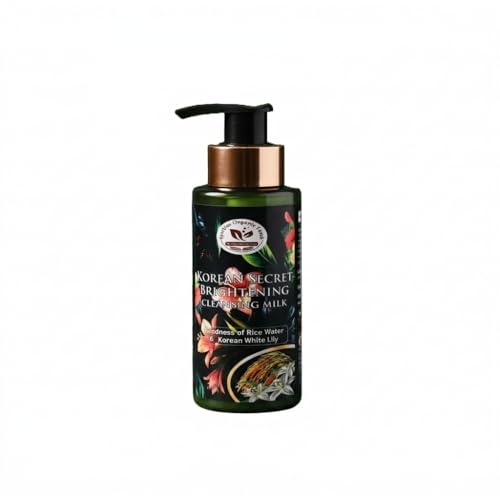
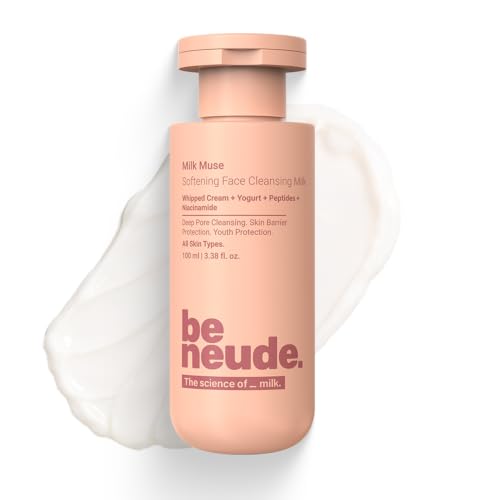
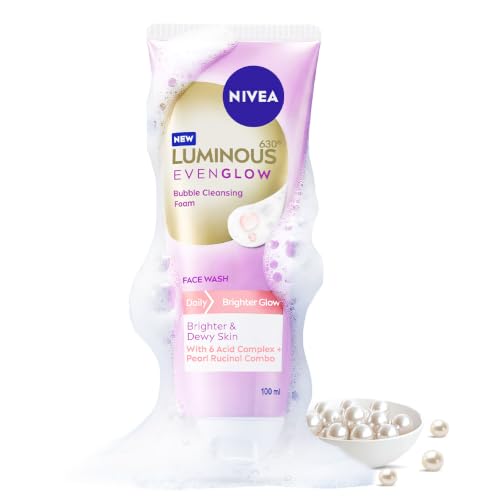
A. Cleansing Milk
Cleansing milk is a convenient option for removing light residue from the face. Its creamy texture can help loosen facial oils, makeup and some pigment without the friction associated with vigorous scrubbing.
How to use it:
- Apply a small amount to dry skin, following the product instructions.
- Gently massage over the areas with sindoor, avoiding the eyes.
- Wipe away the loosened residue with a soft cotton pad or clean, damp cloth.
- Rinse if the product instructions recommend it.
- Follow with a gentle face wash if needed.
Best for: People who prefer a creamy cleanser, especially those with normal or dry skin.
Important: Cleansing milk may not remove every trace of strongly pigmented or long-wearing sindoor in one application. Do not keep rubbing the same area if the pigment remains.





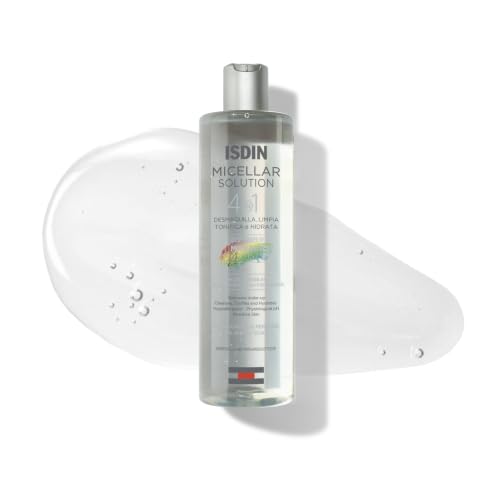
B. Micellar Water
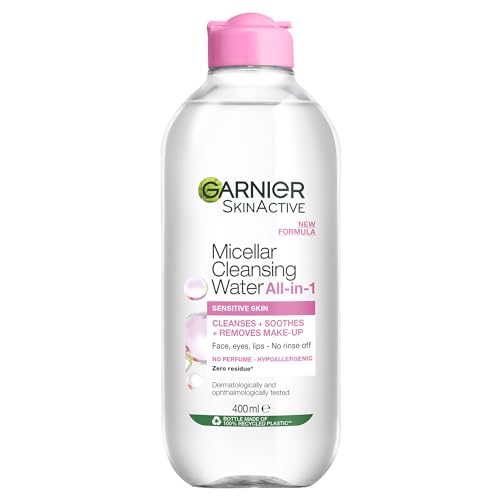
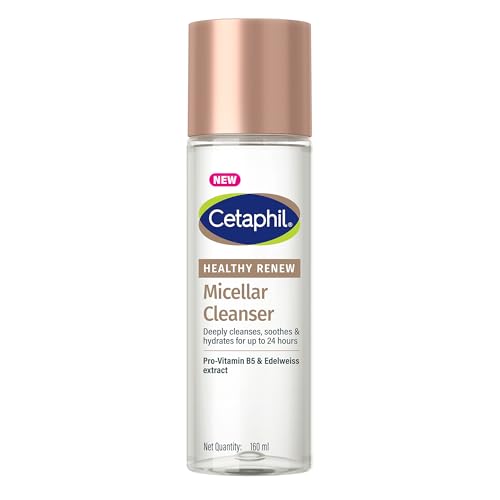
Micellar water is another convenient option for lifting everyday dirt, makeup and some surface pigment. Many formulations are suitable for sensitive skin, although individual ingredients can still cause irritation.
How to use it:
- Saturate a cotton pad with micellar water.
- Hold it gently against the stained area for a few seconds.
- Wipe softly without dragging the skin.
- Repeat with a fresh pad if necessary.
- Rinse your face if the product label recommends it or if your skin feels uncomfortable.
Best for: Light residue around the forehead, cheeks and jawline.
Choose a product suitable for your skin and avoid getting it inside your eyes.




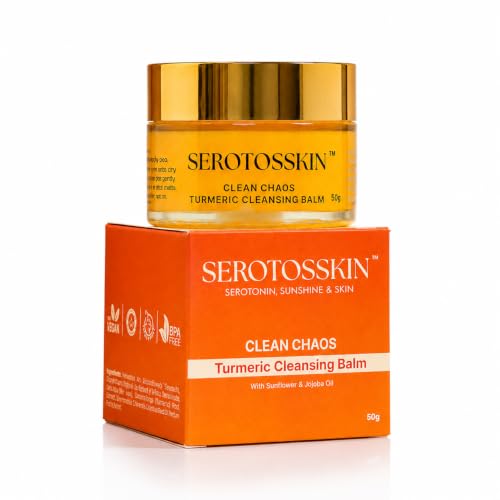
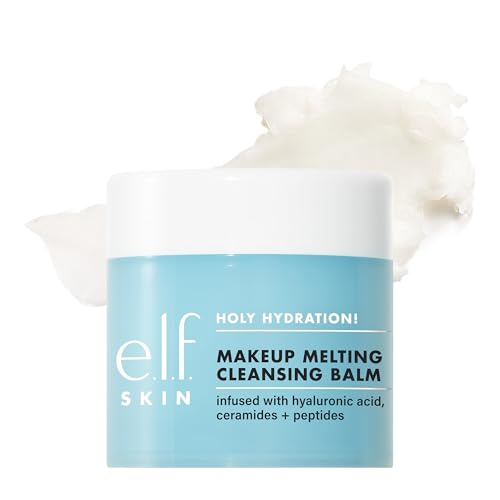
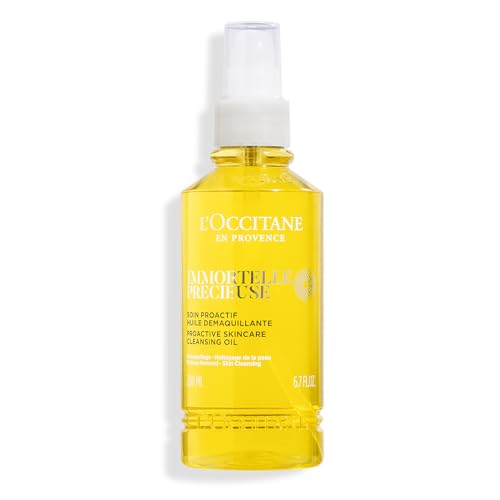
C. Cleansing Oil or Cleansing Balm
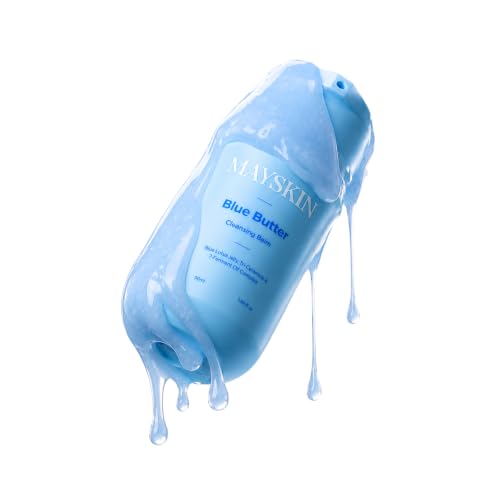
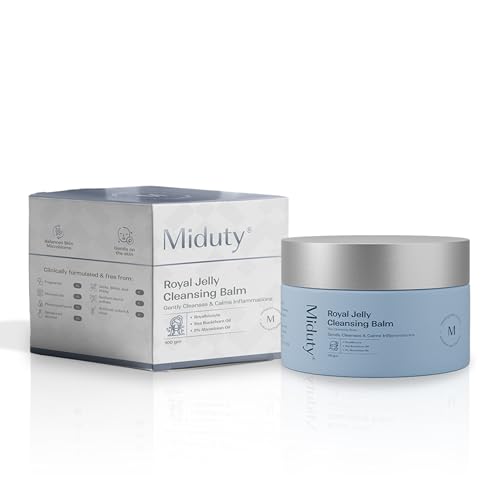
Cleansing oils and balms can be helpful when the sindoor is mixed with oily skincare, sunscreen or makeup. Their oil-based formulations help dissolve oily residue, although results depend on the product and the sindoor itself.
How to use them:
- Apply the cleanser to dry skin as directed.
- Massage gently over the affected areas.
- Add a little water if the product is designed to emulsify.
- Rinse thoroughly.
- Follow with a mild face wash if needed.
Best for: Removing a combination of makeup, sunscreen and stubborn oily residue.
If you are acne-prone, select a cleanser that suits your skin rather than assuming every cleansing oil will work equally well for you.




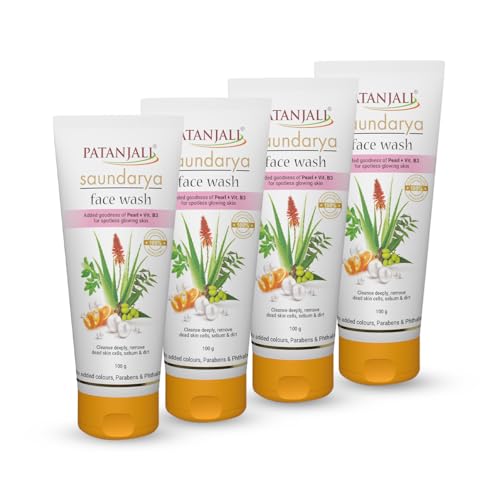
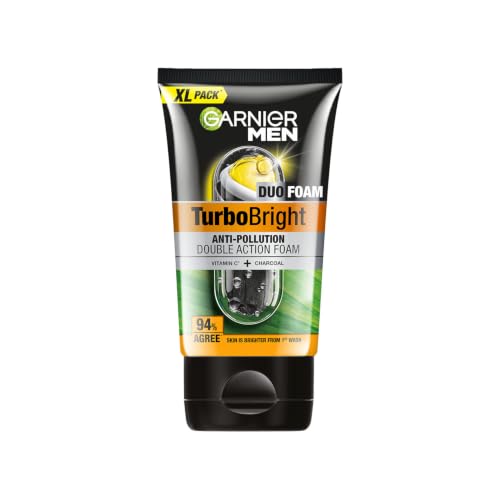
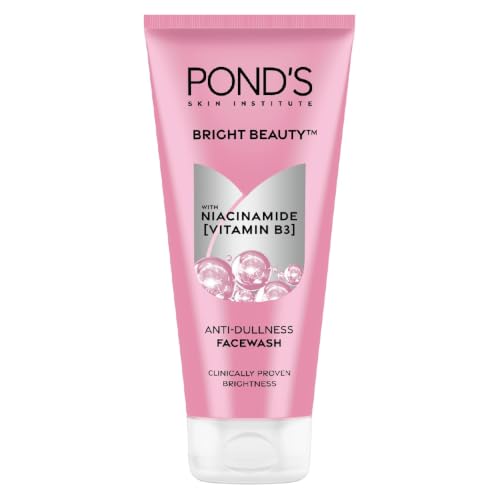
D. Gentle Face Wash
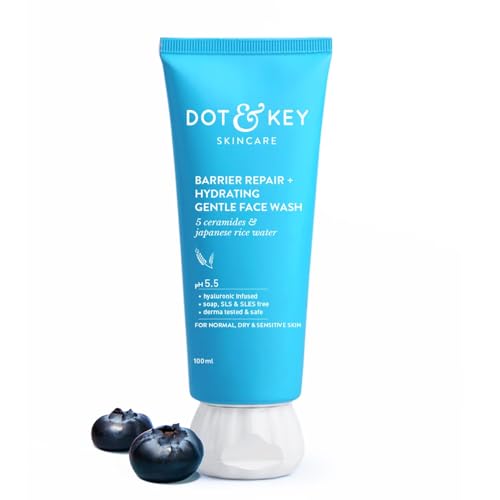
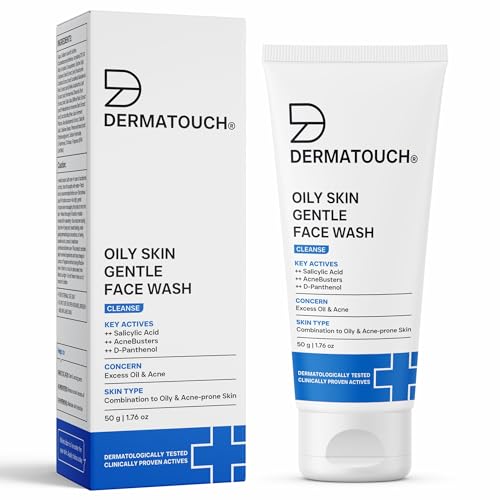
A face wash is an important final step because it removes everyday dirt, sweat and leftover cleanser. However, face wash alone may not be enough to remove heavy sindoor pigmentation.
Use it after cleansing milk, micellar water or cleansing oil when necessary.
Choose a gentle formula rather than a harsh scrub or strongly fragranced cleanser.
Best for: Removing residual dirt and completing your cleansing routine.







E. Gentle Makeup Remover
If the sindoor has been applied over foundation, concealer or other makeup, a makeup remover designed for your makeup type may be useful.
For the eye area, use only a remover specifically labelled as suitable for that area, and follow its instructions carefully.
Do not use nail polish remover, household cleaning products or harsh solvents on your skin.


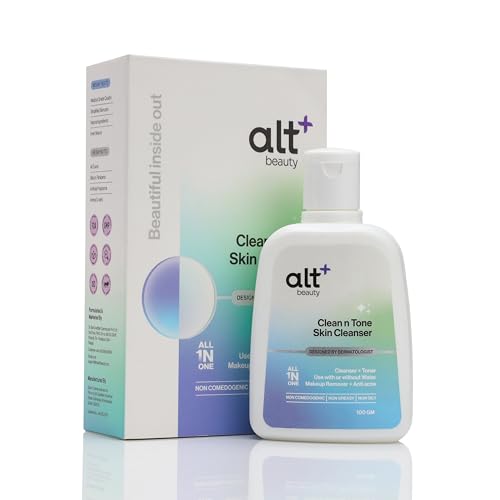
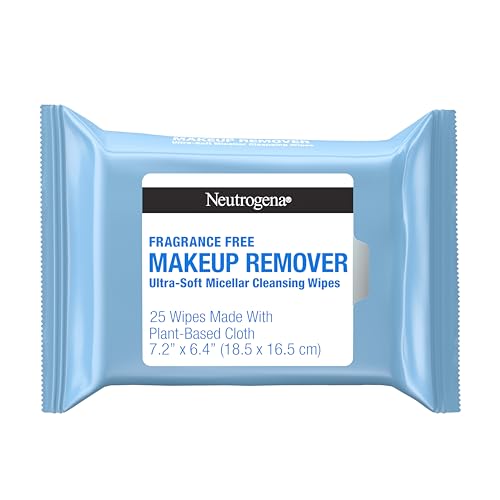
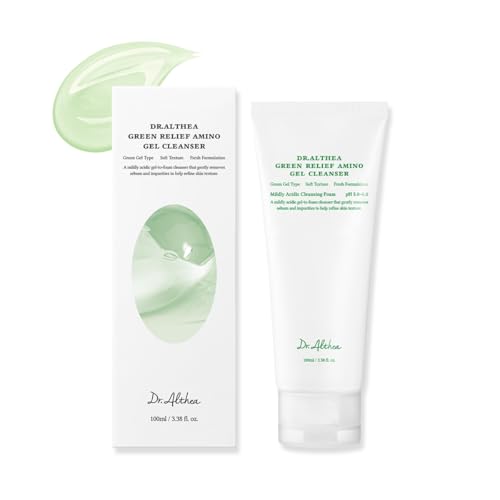

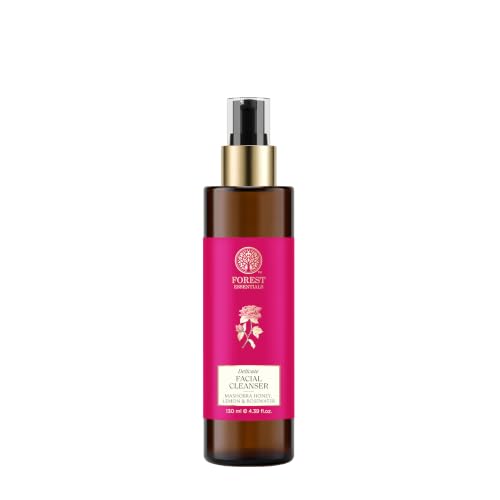


Step-by-Step Guide to Removing Sindoor from Your Face
Follow this routine after returning home from Durga Puja celebrations.
Step 1: Wash Your Hands
Before touching your face, wash your hands with soap and water. This helps prevent transferring additional dirt and pigment onto your skin.
Tie your hair back so that you can clean the forehead and hairline comfortably.
Step 2: Remove Loose Sindoor Gently
If there is a thick layer of loose powder on your face, gently lift away the excess with a soft, dry cloth.
Avoid rubbing it across your cheeks or eyes, as this can spread the pigment.
Step 3: Use Cleansing Milk, Micellar Water or Cleansing Oil
Choose one suitable first cleanser.
- Use cleansing milk if you prefer a creamy texture.
- Choose micellar water for convenient, light cleansing.
- Consider a cleansing oil or balm if your face has oily residue, sunscreen or makeup.
Follow the product instructions and use gentle movements. There is no need to apply all three products one after another.
Step 4: Cleanse with a Gentle Face Wash
Once the first cleanser has removed most of the residue, wash your face with a mild cleanser and lukewarm water.
Use your fingertips rather than a rough towel or cleansing brush.
Rinse thoroughly, particularly around the hairline, nose and jaw.
Step 5: Check for Remaining Pigment
Look at your face in good lighting. If a little colour remains, do not repeatedly scrub the same area.
You can try another gentle cleansing pass if your skin feels comfortable. Otherwise, give your skin a break and allow any temporary staining to fade gradually.
Step 6: Apply Moisturiser
Pat your face dry with a clean, soft towel.
Apply a moisturiser suited to your skin type. This helps maintain the skin barrier after cleansing.
If your skin feels irritated, avoid exfoliating acids, retinoids, scrubs and other potentially irritating products until it settles.
Your post-Sindoor Khela routine: Gentle first cleanse → mild face wash → moisturiser.
You do not need a complicated 10-step skincare routine to clean your face after the festivities.
How to Remove Sindoor According to Your Skin Type
Different skin types may respond differently to cleansing products. Use this guide to choose a suitable starting point.
| Skin type | What you can try | What to avoid |
|---|---|---|
| Dry skin | Cleansing milk or a gentle cleansing balm, followed by moisturiser | Harsh foaming cleansers and repeated washing |
| Oily skin | Suitable micellar water or cleansing oil, followed by a gentle face wash | Aggressive scrubbing to remove every trace |
| Combination skin | A gentle first cleanser followed by a mild face wash | Over-cleansing oily areas while drying out the cheeks |
| Sensitive skin | A fragrance-free cleanser suitable for sensitive skin | Strong fragrances, abrasive scrubs and untested home remedies |
| Acne-prone skin | A non-irritating cleanser that suits your usual routine | Introducing several new skincare products at once |
These are general suggestions, not guarantees. Your skin may react differently depending on its condition and the ingredients in each product.
If you experience burning, swelling, significant redness or a rash after applying sindoor or a cleanser, stop using the suspected product and rinse the area gently. Seek medical advice if the reaction is severe or persistent.
How to Remove Sindoor from Your Hairline, Ears, Neck and Hands
The face is not the only area that needs attention after Sindoor Khela. Pigment often collects around the hairline, ears, neck and fingers.
Hairline and Scalp
- Gently lift away loose powder with a soft cloth.
- Use a small amount of your usual gentle cleanser on the surrounding skin if appropriate.
- If pigment has transferred onto your scalp or hair, wash with your regular shampoo as needed.
- Avoid scratching the scalp or rubbing the hairline aggressively.
Do not apply facial cleansing products directly to your scalp unless they are intended for that use.
Ears
Use a soft, damp cloth to clean the outer ear and the skin behind it. If needed, apply a small amount of suitable facial cleanser and rinse carefully.
Do not push cotton buds, cloths or other objects into the ear canal.
Neck
Apply a little cleansing milk or your usual gentle cleanser to the stained skin. Wipe softly and rinse if required.
Because the neck can be sensitive, avoid repeated rubbing or using a strong exfoliating product to remove residual colour.
Hands and Fingers
Wash with mild hand soap and lukewarm water. For residue that does not wash away immediately, try a gentle cleanser suitable for the skin.
Avoid bleach, paint thinners, nail polish remover and abrasive powders. These are not appropriate for cleaning sindoor from skin.
How to Remove Sindoor Stains from Sarees and Blouses
Your beautiful red-and-white saree may need as much care as your skin after the celebration. The right treatment depends on the fabric, dye and sindoor formulation.
Step 1: Remove Excess Powder
Shake off loose powder carefully outdoors or over a bin. Avoid brushing aggressively, as this can push pigment deeper into the fabric.
If the sindoor is wet or oily, gently blot the stain with a clean, white absorbent cloth. Do not rub.
Step 2: Check the Fabric Label
Before applying water or detergent, identify the material.
- Cotton: May tolerate careful spot treatment if the care label permits it.
- Silk: Can be sensitive to water, friction and cleaning agents.
- Organza and delicate fabrics: May distort, snag or develop water marks.
- Embroidered or embellished sarees: Require extra caution around decorative threads, beads and metallic work.
For expensive silk sarees, delicate handloom pieces or garments marked dry-clean-only, consult a professional cleaner rather than experimenting with home remedies.
Step 3: Test a Suitable Cleaner
For washable fabrics, test a mild laundry detergent on a hidden area first.
If the fabric tolerates it, follow the detergent instructions and gently treat the stained area. Rinse only as directed for that fabric.
Do not assume that a method suitable for a cotton blouse will be safe for a silk saree.
Step 4: Wash According to the Care Label
Wash the garment using the recommended water temperature and method.
Keep stained garments separate from other clothes until the stain has been addressed, particularly if the pigment is still loose or transferring.
Step 5: Check Before Drying
Inspect the affected area before ironing or using a tumble dryer. Heat can make some stains harder to remove.
If the stain remains, avoid repeated aggressive treatment. A professional laundry service may be able to help.
What About White-and-Red Sarees?
White sections can show red pigment particularly clearly. Avoid chlorine bleach unless the garment’s care label explicitly permits it; it can damage fibres and affect dyes.
Also avoid mixing cleaning products or applying lemon juice, vinegar or baking soda without checking whether the fabric can tolerate the treatment.
The safest rule: Blot, test, treat gently and follow the garment’s care instructions.
How to Clean Sindoor from Jewellery
Sindoor can transfer to necklaces, earrings, bangles and other accessories during the celebrations.
The cleaning method depends on the material.
Imitation Jewellery
Wipe the surface gently with a soft, dry cloth. If the manufacturer’s instructions permit it, use a slightly damp cloth and dry the piece immediately.
Avoid soaking imitation jewellery, as water may loosen adhesives or damage plating.
Gold and Silver Jewellery
For precious jewellery, use a cleaning method recommended by the jeweller. Stones, coatings, pearls and other decorative elements may require special care.
Do not assume that every piece can be cleaned using the same household solution.
Beaded Accessories
Use a soft cloth or a soft brush suitable for the item, taking care not to loosen threads or scratch the surface.
Always check the manufacturer’s instructions first, especially for delicate or valuable pieces.
Skincare Products to Keep Handy After Sindoor Khela
You do not need to purchase an entirely new skincare collection for one festive occasion. Your existing products may be sufficient.
Here are the useful categories to consider.
1. Cleansing Milk
Useful if you prefer a creamy cleanser for loosening surface residue and everyday makeup.
2. Micellar Water
A convenient option for light cleansing and removing some makeup or pigment. Choose a formula suitable for your skin.
3. Cleansing Oil or Balm
Worth considering if you regularly wear sunscreen, foundation or long-wearing makeup during festivals.
4. Gentle Face Wash
Helps wash away sweat, dirt and remaining cleanser after the first cleansing step.
5. Moisturiser
Helps keep the skin comfortable after cleansing. Choose one that works with your skin type.
6. Soft Cotton Pads or Reusable Cleansing Cloths
These can help lift away residue without the rough friction of scrubbing. Wash reusable cloths after use.
7. Gentle Laundry Stain Remover
A fabric-appropriate stain remover may help with washable clothes. Always read the label and test it on a hidden area before treating the visible stain.
Shopping tip: Check ingredient lists, fabric compatibility and product directions rather than buying a product simply because it promises instant stain removal.
Common Mistakes to Avoid While Removing Sindoor
A few common mistakes can turn a simple cleanup into an uncomfortable experience.
Mistake 1: Scrubbing Your Face Aggressively
Repeated rubbing can irritate the skin and damage its protective barrier.
Better approach: Use a suitable cleanser and gentle movements.
Mistake 2: Using Face Wash Repeatedly
Washing several times with a harsh cleanser may leave the skin dry without completely removing stubborn pigment.
Better approach: Use a suitable first cleanser, followed by one gentle face wash.
Mistake 3: Using Lemon Juice or Baking Soda on Your Face
These household ingredients are not necessary for removing sindoor and can irritate facial skin.
Better approach: Stick to products formulated for skincare.
Mistake 4: Applying Bleach to Skin or Clothes Without Checking Compatibility
Household bleach must never be used on skin. On garments, it can damage fibres or alter colours.
Better approach: Follow the garment’s care label and use only suitable laundry products.
Mistake 5: Mixing Cleaning Products
Combining household cleaners can release hazardous fumes or cause chemical reactions.
Better approach: Use one appropriate product at a time and follow its instructions.
Mistake 6: Washing a Delicate Saree Without Checking the Label
Silk, organza and embellished garments may be damaged by unsuitable detergents, excess water or friction.
Better approach: Consult a professional cleaner when necessary.
Mistake 7: Expecting Every Stain to Disappear Immediately
The result depends on the sindoor, the surface, the fabric and how long the stain has been present.
Better approach: Be patient, avoid damaging the material and seek professional help for persistent stains.
Frequently Asked Questions
Q1. Can cleansing milk remove sindoor from the face?
Cleansing milk may help loosen light sindoor residue and remove some pigment. For heavier staining, you may need another suitable cleanser. Avoid scrubbing if colour remains.
Q2. Is micellar water better than face wash for removing sindoor?
They serve slightly different purposes. Micellar water can help lift some surface pigment and makeup, while face wash cleanses sweat, dirt and residual cleanser. Depending on the formulation, using a suitable first cleanser followed by a gentle face wash may work better than face wash alone.
Q3. Should I use cleansing milk before or after face wash?
If you are using cleansing milk to remove sindoor or makeup, generally use it first and then wash your face with a gentle face wash if needed. Follow the directions on both products.
Q4. How do I remove sindoor from my face without irritating my skin?
Start by removing loose powder gently. Use a suitable cleanser, rinse as directed and moisturise afterwards. Avoid abrasive scrubs, strong household ingredients and repeated rubbing.
Q5. Can sindoor stains be removed from a white saree?
They may be removable, but results depend on the fabric and the sindoor formulation. Blot excess pigment, check the care label and test an appropriate treatment on a hidden area. Delicate or dry-clean-only sarees should be handled by a professional cleaner.
Q6. How do I remove sindoor from a silk saree?
Avoid aggressive rubbing and untested stain removers. Blot loose pigment carefully and consult a professional dry cleaner experienced with silk, particularly if the saree is valuable or embellished.
Q7. Can I use makeup remover to remove sindoor?
A makeup remover may help with certain sindoor formulations, especially when pigment is mixed with makeup or oily residue. Choose a product suitable for the area being cleaned and follow its directions.
Q8. What should I apply after removing sindoor from my face?
A gentle moisturiser is usually sufficient. If your skin is irritated, avoid exfoliants and other potentially irritating products until it settles.
Q9. What should I do if sindoor gets into my eyes?
Do not rub your eyes. Rinse them gently with clean, lukewarm running water. If pain, redness, blurred vision or irritation persists, seek prompt medical attention.
Q10. Does every type of sindoor stain the skin and clothes in the same way?
No. Formulations differ, and the ease of removal depends on their ingredients, the amount applied and the surface involved. Always use a cleaning method appropriate for the skin, fabric or accessory.
Final Thoughts: Enjoy Sindoor Khela Without Worrying About the Cleanup
Sindoor Khela is about devotion, sisterhood, tradition and the beautiful emotions surrounding Bijoya Dashami. The red sindoor, white-and-red sarees, festive photographs and warm embraces make it a memorable part of Bengali Durga Puja.
And yes, the cleanup afterwards can be a little messy!
For your face, start with a suitable cleansing milk, micellar water or cleansing oil, then use a gentle face wash if needed. Finish with moisturiser instead of repeatedly scrubbing your skin. For sarees and blouses, handle stains carefully and follow the fabric’s care instructions. Delicate silk and embellished garments are often best left to professional cleaners.
Most importantly, do not let a little leftover colour take away from the joy of the celebration. ❤️🤍
Shubho Bijoya! May the festive season bring happiness, health and beautiful memories to you and your family.