


Winter brings cosy sweaters, warm drinks and festive outings, but it can also bring tight skin, flaky cheeks, rough elbows and chapped lips. A skincare routine that feels comfortable during humid weather may no longer provide enough moisture when temperatures and humidity levels drop.
The solution is not necessarily to buy an entirely new skincare collection. The most effective approach is to choose a gentle cleanser, a suitable moisturiser, daily sunscreen and a few targeted products for areas that become particularly dry.
India also experiences different winter conditions. Skin in colder, drier regions may need richer creams, while people in coastal cities such as Mumbai may prefer lighter textures during relatively humid days.
In this guide, we explore 10 winter skincare essentials, product options available to Indian shoppers, useful ingredients and simple ways to build a routine without overspending.
Quick List: 10 Winter Skincare Essentials
| Essential | Product Examples | Main Purpose |
|---|---|---|
| Gentle face cleanser | Cetaphil Gentle Skin Cleanser | Cleans without excessive stripping |
| Hydrating serum | Minimalist Hyaluronic Acid serum range | Adds a hydrating layer |
| Face moisturiser | Cetaphil Moisturising Cream or CeraVe Moisturising Cream | Helps reduce moisture loss |
| Lightweight moisturiser | Neutrogena Hydro Boost range | Hydration for those who dislike heavy creams |
| Body lotion | Vaseline Cocoa Glow or NIVEA Deep Moisture | Softens dry body skin |
| Daily sunscreen | A broad-spectrum SPF 30–50 sunscreen | Protects against UV exposure |
| Lip balm | Himalaya lip balm or Dot & Key lip balm | Helps protect dry lips |
| Hand cream | Neutrogena Norwegian Formula Hand Cream | Targets dry hands and knuckles |
| Petroleum jelly | Vaseline Original Petroleum Jelly | Helps seal moisture into dry areas |
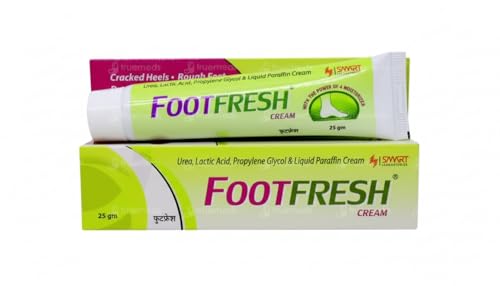
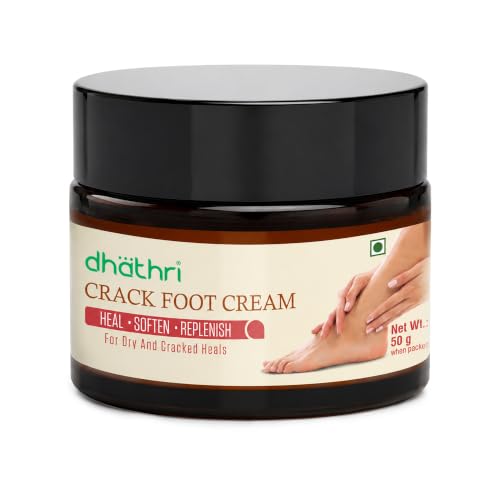
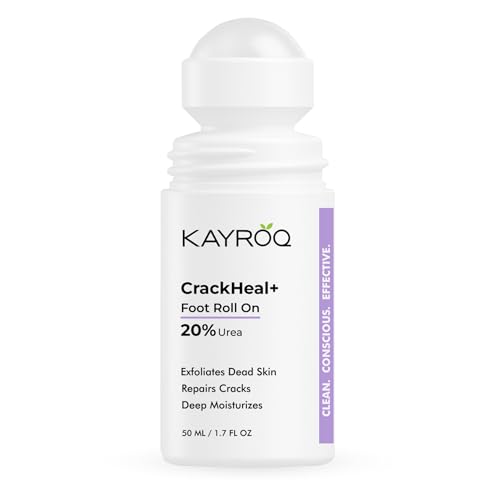
| Foot cream | A urea-based foot cream | Helps soften rough heels |
You do not need every item on this list. Start with the essentials that address your skin’s actual needs and add specialised products only when necessary.
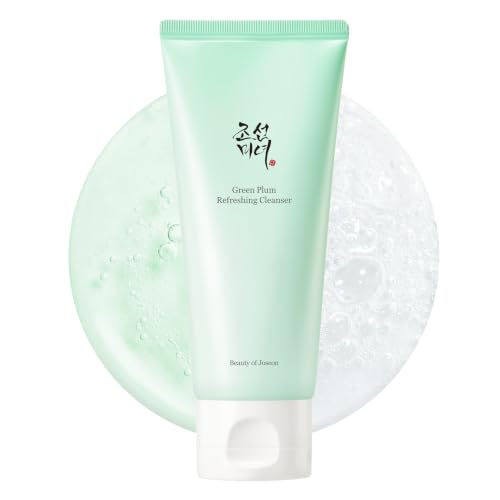
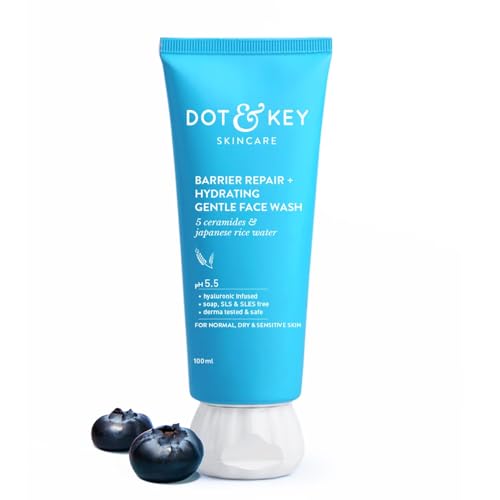
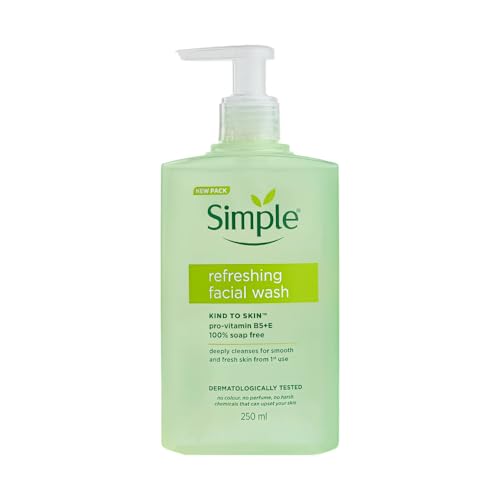
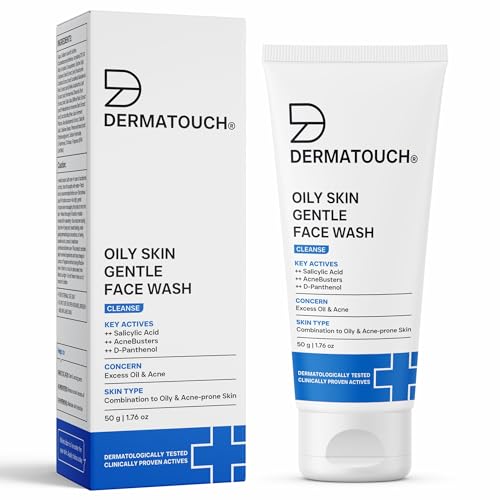
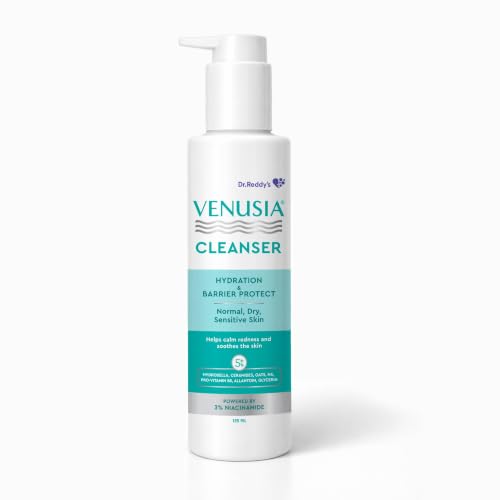
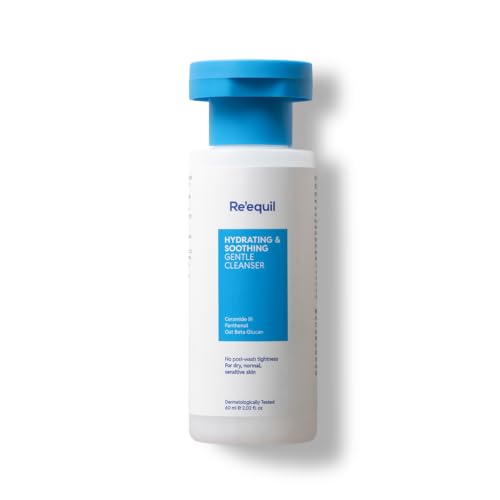
1. A Gentle Face Cleanser
Best for: Skin that feels tight or uncomfortable after washing.
A cleanser is the first step in a winter skincare routine. However, using a product that leaves your face feeling squeaky-clean or tight can make dryness more noticeable.
A gentle cleanser helps remove sweat, dirt, sunscreen and everyday impurities without unnecessarily disrupting the skin’s protective barrier.
What to look for
- A gentle, non-stripping formula.
- Ingredients that support comfortable cleansing.
- A texture suited to your skin type.
- A fragrance-free option if your skin is sensitive.
How to use it
- Wet your face with lukewarm water.
- Massage the cleanser gently without scrubbing.
- Rinse according to the product instructions.
- Pat dry and apply moisturiser while your skin is still slightly damp.
Buying tip: If your skin is very dry, you may not need an aggressive morning cleanse. Adjust cleansing frequency to your skin, activities and dermatologist’s advice.






2. A Hydrating Serum
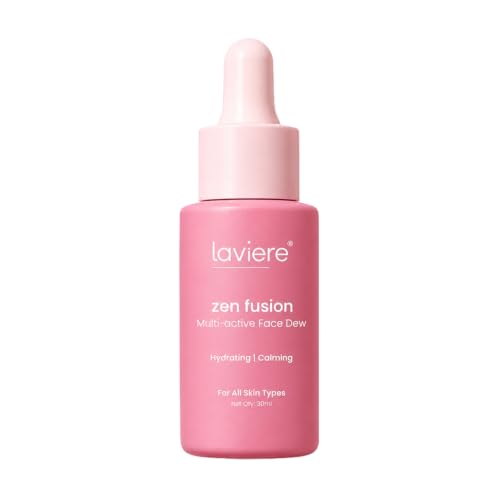
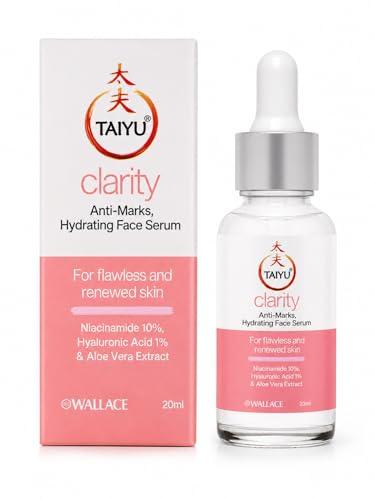
Best for: Skin that feels dehydrated despite regular moisturising.
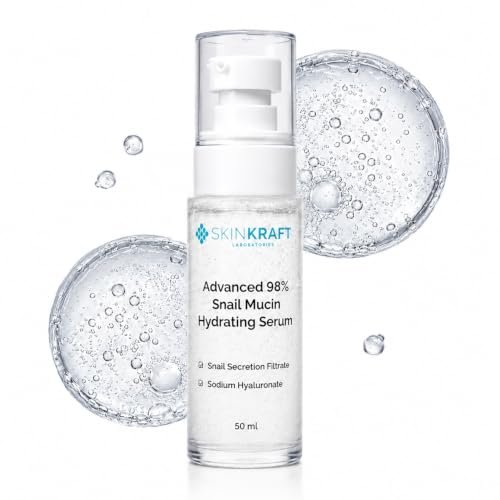
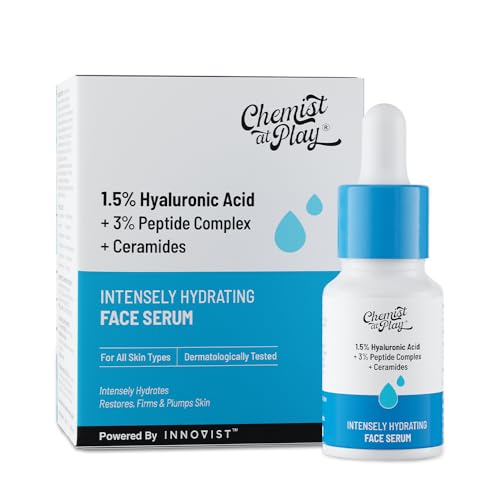
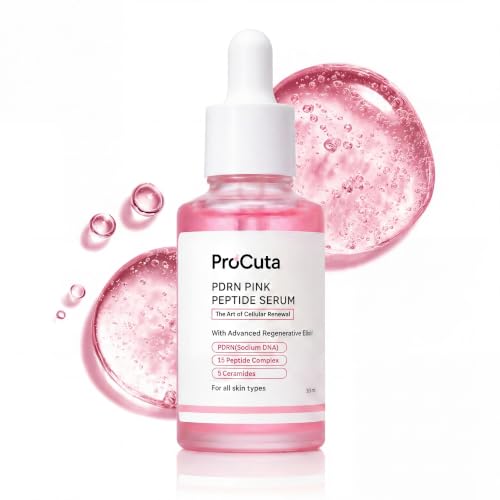
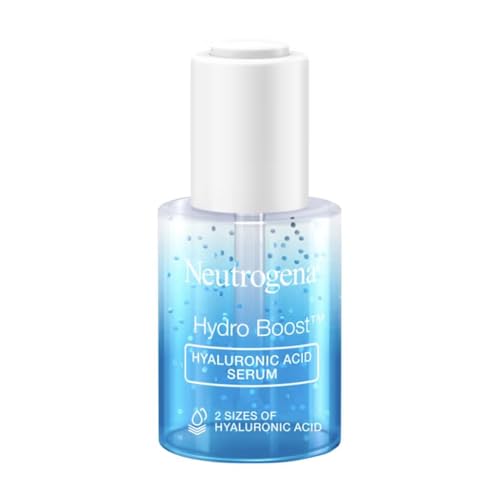
Hyaluronic acid is a humectant, which means it helps attract and retain water in the skin. A hydrating serum can be useful when your skin feels tight or looks temporarily less plump during winter.
However, a serum is not a replacement for moisturiser. The moisturiser helps reduce water loss and supports the skin barrier.
How to use a hydrating serum
- Cleanse your face gently.
- Apply the serum according to its directions, generally on slightly damp skin.
- Follow with a moisturiser.
- In the morning, finish with sunscreen.
Is a serum necessary?
No. If a suitable cleanser and moisturiser keep your skin comfortable, you can skip the serum. A simple routine that you follow consistently is often more useful than adding several products at once.
Buying tip: Check the exact Minimalist serum name and concentration before purchasing, because the brand offers multiple formulations.






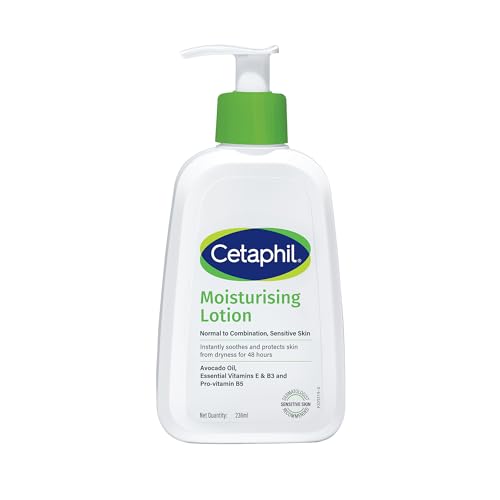
3. A Nourishing Face Moisturiser
Best for: Dryness, rough patches and skin that feels tight after cleansing.
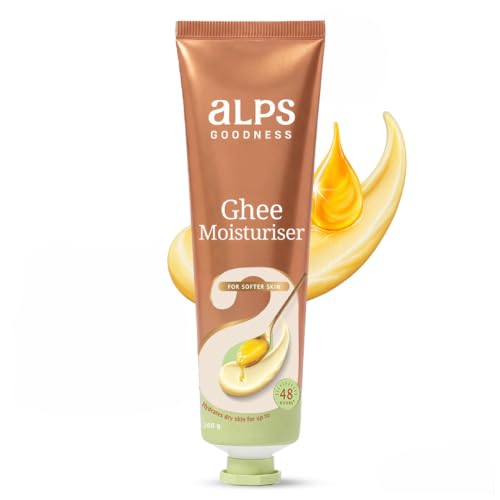
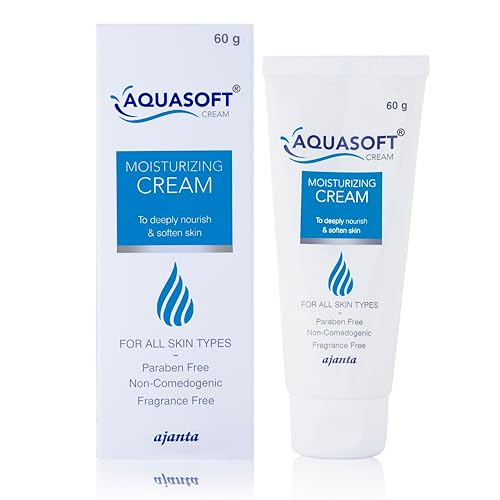
A suitable face moisturiser is one of the most important winter skincare purchases. It helps soften the skin and reduce moisture loss, making it particularly useful when cold air or frequent washing leaves your face feeling dry.
Why these products are worth considering
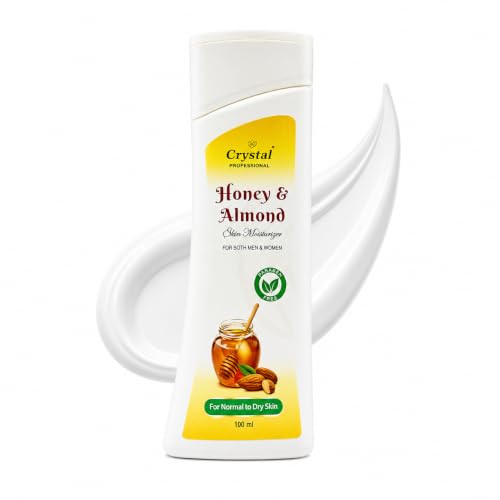
A rich cream option to consider if your skin needs more cushioning than a lightweight lotion provides. Check the current formulation and packaging for the exact ingredients.
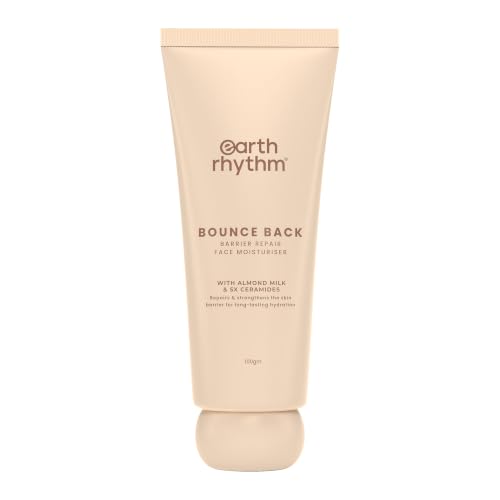
A cream formulated with ceramides and other moisturising ingredients. Ceramides are lipids that help support the skin barrier.
How to choose the right texture
| Skin Type | Texture to Consider |
|---|---|
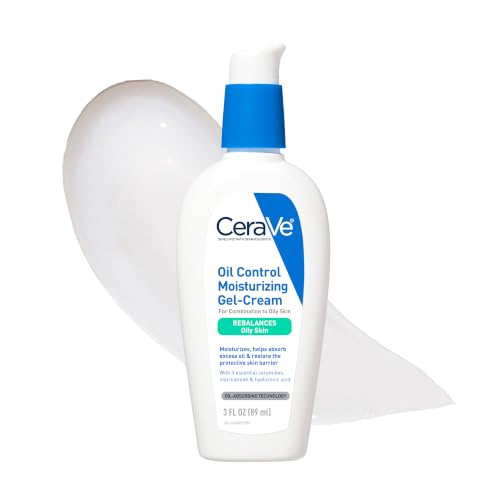
| Oily or combination | Lightweight lotion or gel-cream |
| Normal | Lotion or medium-weight cream |
| Dry | Richer cream |
| Very dry patches | A richer cream, possibly with an occlusive on top |
| Sensitive | A gentle, fragrance-free formula |
Application tip
Apply moisturiser after cleansing while your skin is slightly damp. Use enough to cover the face comfortably without rubbing aggressively.
If a new moisturiser causes persistent burning, swelling or a rash, stop using it and seek professional advice.




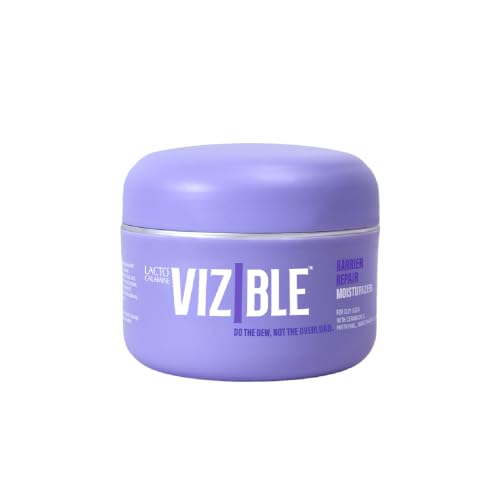
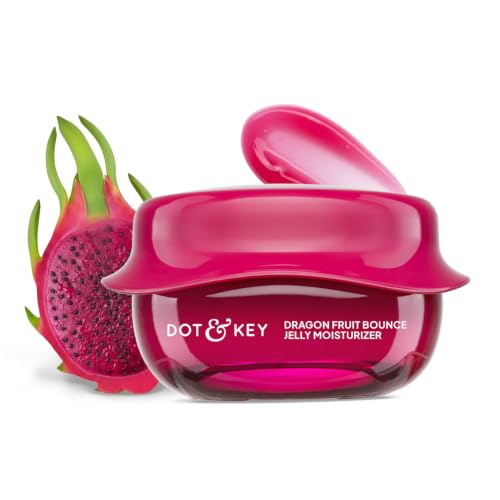
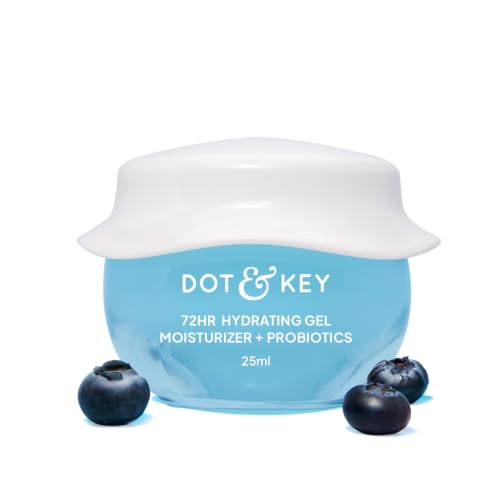
4. A Lightweight Moisturiser for Oily or Combination Skin
Best for: People who want hydration without a heavy, greasy feeling.
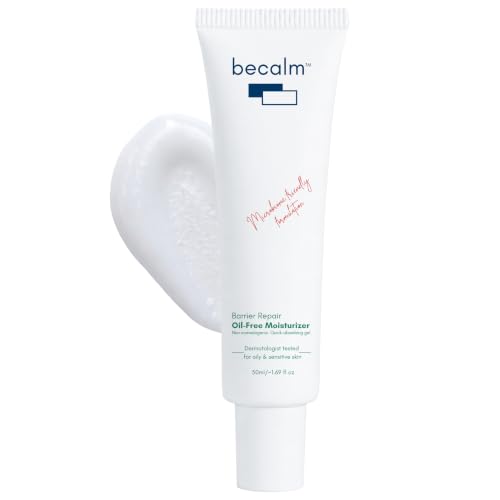
Winter does not automatically mean that every skin type needs a thick cream. If your skin becomes shiny through the day but feels tight after washing, a lightweight moisturiser may be a more comfortable option.
The Neutrogena Hydro Boost range includes hydrating gel-based products. Formulations differ, so check the exact product name, ingredients and fragrance information before buying.
Why consider a lightweight formula?
- It may feel more comfortable on oily areas.
- It can fit easily into a morning routine.
- It can provide hydration without the sensation of a heavy cream.
How to decide between a gel and a cream
Try a gel-cream if your skin is combination or oily and does not develop much flaking. Consider a richer cream if your cheeks or other areas remain rough and tight.
You can also use different textures on different areas of your face, provided each product suits your skin.



5. A Nourishing Body Lotion
Best for: Dry arms, legs, elbows and other body areas.
Face care often receives the most attention, but winter dryness can affect the entire body. Shins, elbows and knees may feel rough, especially after long showers or frequent washing.
A body lotion helps soften the skin and reduce dryness. Apply it soon after bathing, when the skin is still slightly damp.
Product options
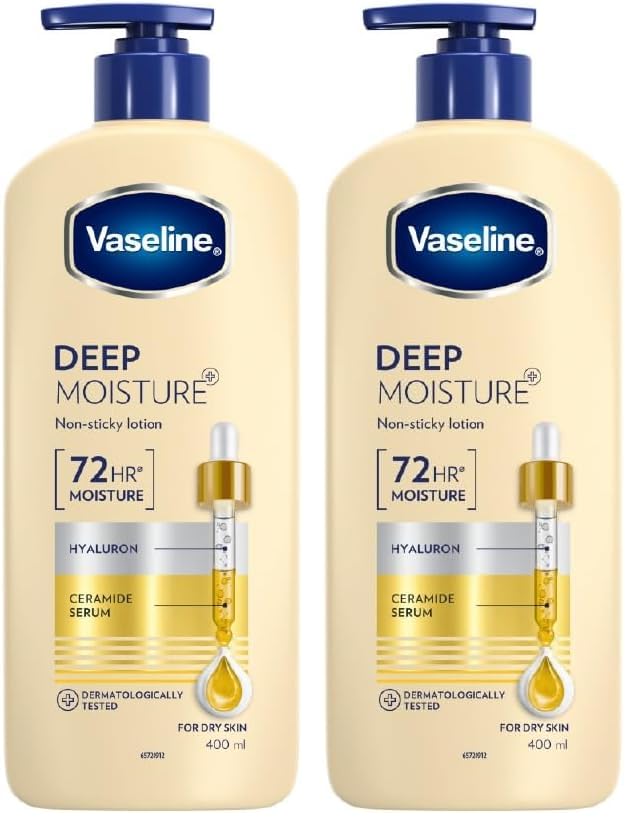
Vaseline Cocoa Glow Intensive Care Body Lotion
An option for people who prefer a moisturising body lotion with a cocoa-inspired scent and finish. Check the current label if you have fragrance-sensitive skin.
NIVEA Deep Moisture body lotion variants
Worth considering if you want a body moisturiser designed for dry skin. Check the exact variant, fragrance and ingredient list, as the range includes different formulations.
Body moisturising tips
- Take shorter showers with lukewarm water.
- Pat your skin dry instead of rubbing it vigorously.
- Apply lotion before the skin dries completely.
- Reapply to dry areas when needed.
- Consider a richer cream if a lotion is not enough.
Budget tip: You may not need a separate product for every body area. Start with one suitable body moisturiser and add specialised care only where necessary.







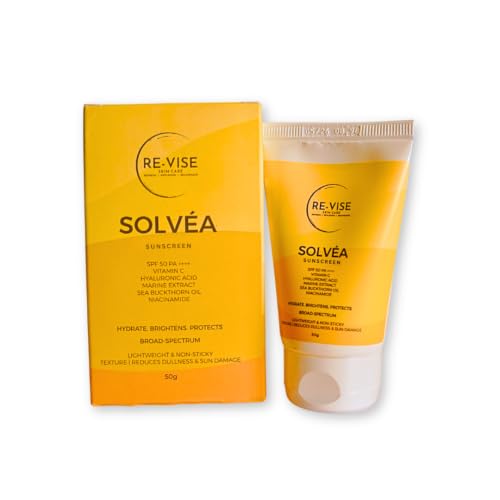
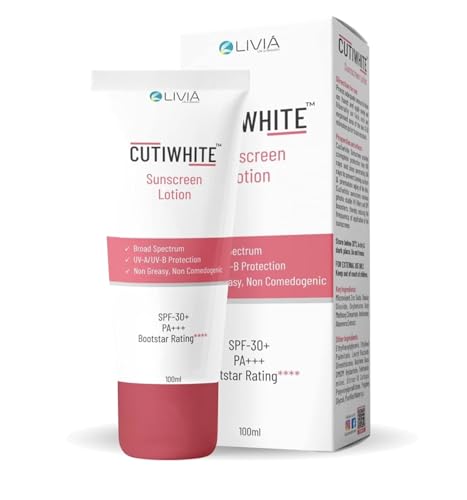
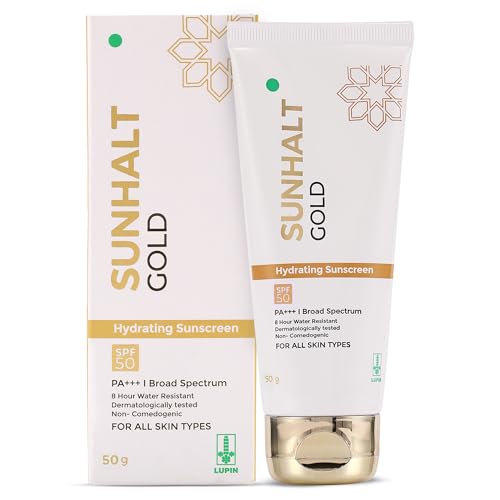
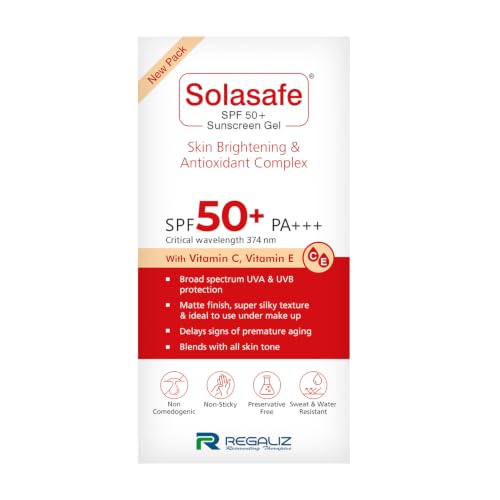
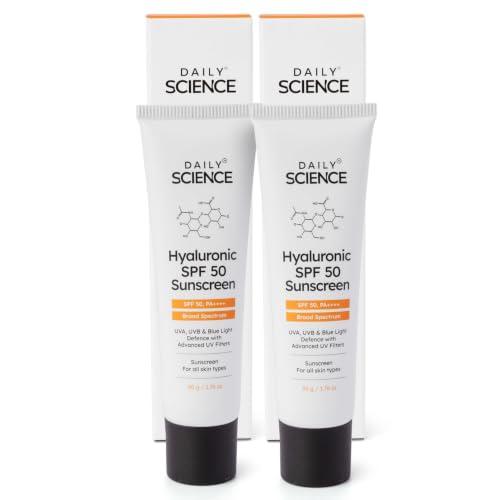
6. A Broad-Spectrum Sunscreen
Best for: Daily protection against ultraviolet radiation, even during winter.
Winter sunlight may feel less intense, but UV exposure does not disappear when temperatures drop.
A broad-spectrum sunscreen protects against UVA and UVB radiation when used correctly. Choose at least SPF 30, and consider SPF 50 for everyday outdoor exposure, depending on your needs and the product’s directions.
What to look for
- Broad-spectrum UVA and UVB protection.
- SPF 30 or higher.
- A texture that suits your skin type.
- Water resistance when needed for sweating or outdoor activities.
- A formula you can apply generously and reapply consistently.
How to use sunscreen
- Apply it as the final step of your morning skincare routine.
- Cover the face, ears, neck and other exposed areas.
- Follow the label’s directions for application and reapplication.
- Reapply approximately every two hours when outdoors, and after swimming or heavy sweating, as appropriate for the product.
Moisturiser with SPF is not always a substitute for a dedicated sunscreen, especially if you apply too little product to achieve the labelled protection.
Important: Do not stop sunscreen just because the weather is cloudy or cool.




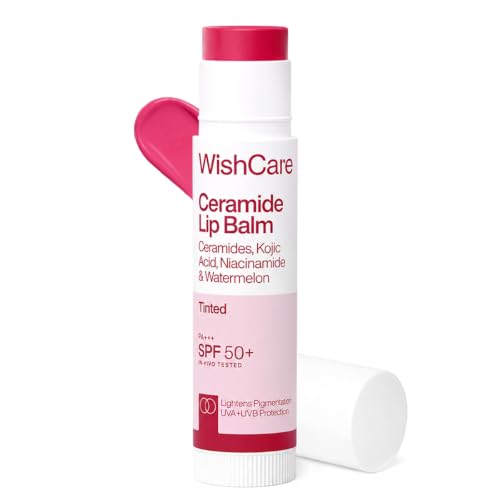
7. A Comfortable Lip Balm
Best for: Dry, flaky or chapped lips.
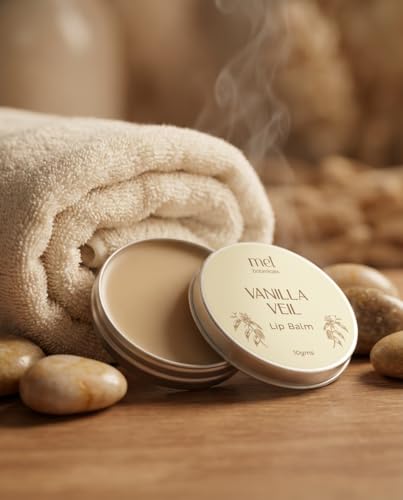
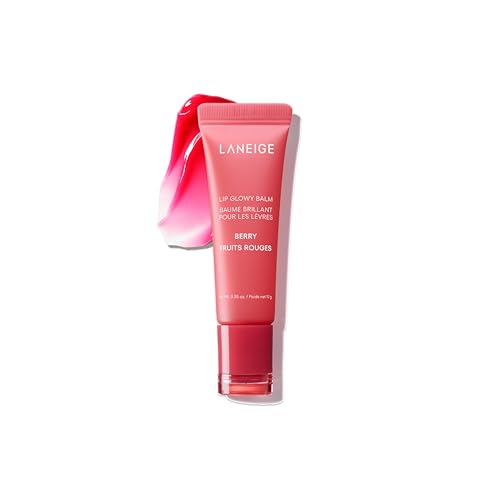
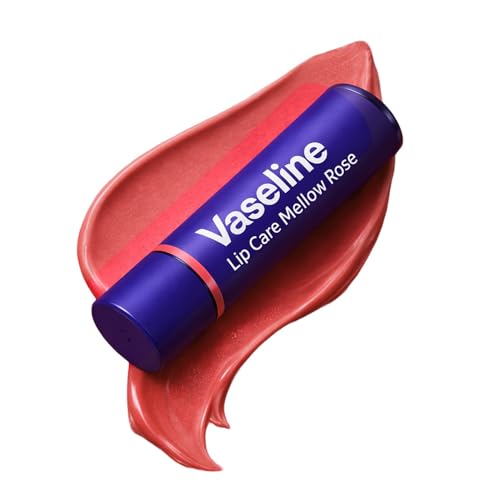
Products to consider: Himalaya lip balm variants and Dot & Key lip balm variants.
Lips can become dry quickly in cold or windy weather because their protective barrier differs from that of the surrounding facial skin. Frequent lip licking can make dryness worse.
A lip balm helps protect the lips and reduce moisture loss.
What to look for
- Ingredients that soften and protect the lips.
- A comfortable formula without irritating fragrance or flavour.
- SPF protection for daytime outdoor use, if available.
- A richer, simple balm for overnight use.
Lip care routine
- Apply lip balm when your lips begin to feel dry.
- Reapply after eating or drinking as needed.
- Use an SPF lip product during outdoor exposure.
- Avoid peeling or scrubbing flaky skin off your lips.
If a balm causes persistent stinging or irritation, discontinue it and choose a gentler alternative.
Buying tip: Check the exact product variant. Not every lip balm contains SPF, and a moisturising balm alone should not be assumed to provide sun protection.




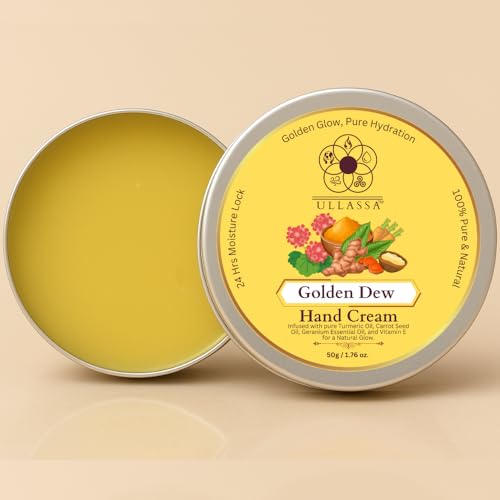
8. A Hand Cream for Dry Hands
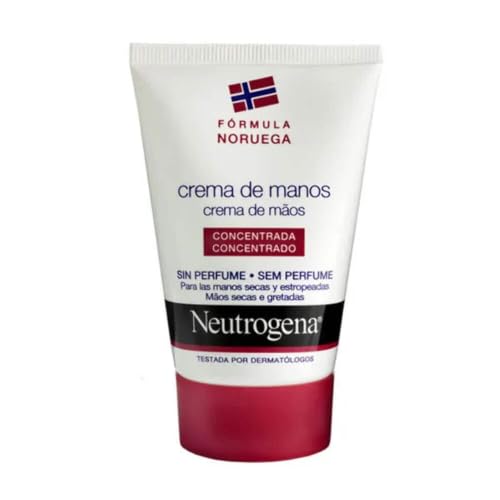
Best for: Rough knuckles, dry hands and skin exposed to frequent washing.
Product to consider: Neutrogena Norwegian Formula Hand Cream.
Hands are exposed to soap, detergents, sanitiser and repeated washing throughout the day. In winter, this can leave them feeling rough or tight.
A dedicated hand cream can be useful because it is convenient to reapply throughout the day.
How to use hand cream effectively
- Apply after washing your hands.
- Reapply before going outdoors in cold or windy weather.
- Massage a small amount into the backs of the hands and around the knuckles.
- Apply a thicker layer before bed if your hands become very dry.
If handwashing or cleaning products are contributing to irritation, use suitable protective gloves for household tasks and avoid prolonged contact with harsh detergents.
Buying tip: A small tube is easy to keep in a handbag, work bag or bedside drawer.






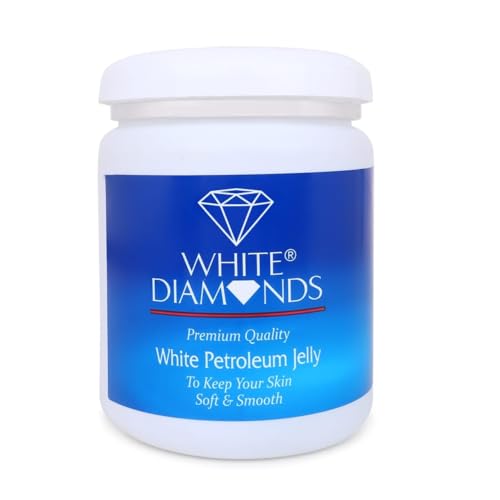
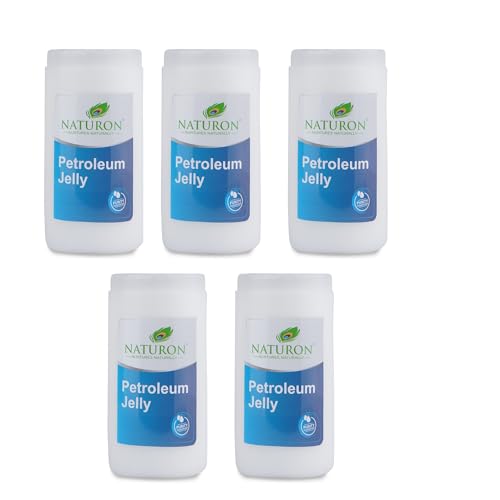
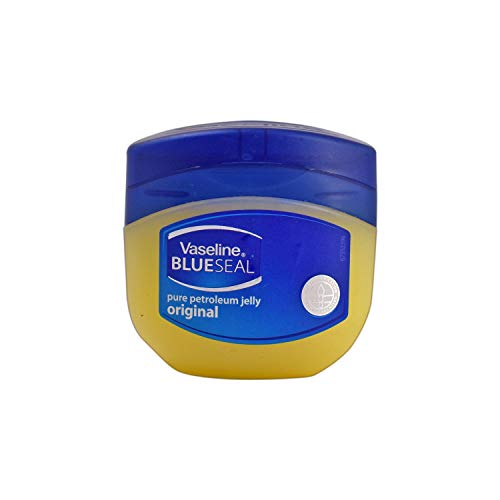
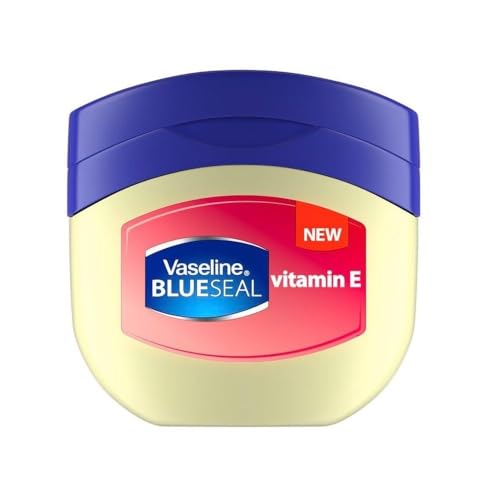
9. Petroleum Jelly for Very Dry Areas
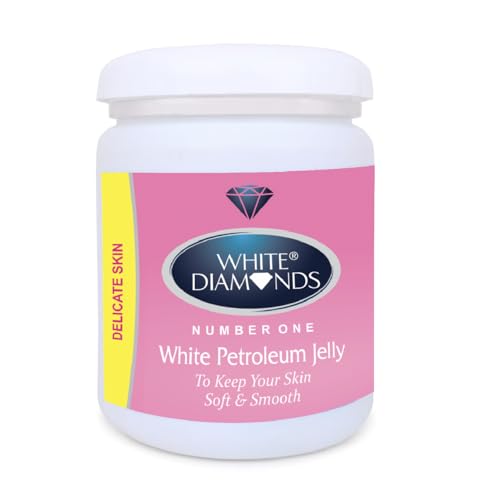
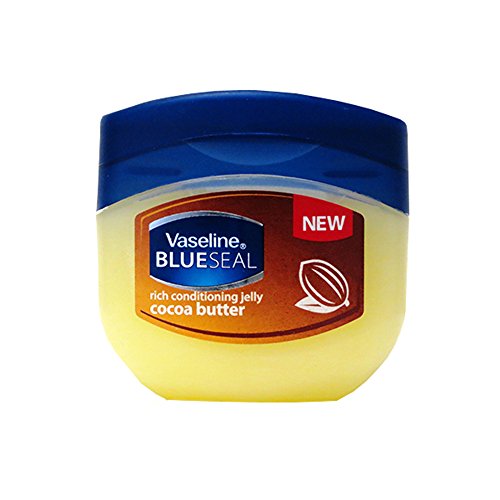
Best for: Lips, rough patches, elbows, heels and other areas that need an extra protective layer.
Product to consider: Vaseline Original Petroleum Jelly or a plain petroleum-jelly alternative.
Petroleum jelly is an occlusive: it forms a protective layer that helps reduce water loss from the skin. It is a simple option to consider when regular moisturiser does not provide enough protection for a particularly dry area.
Where it may be useful
- Chapped lips.
- Rough elbows and knees.
- Dry hands and heels.
- Small areas of flaky skin.
How to apply it
Apply a thin layer over clean skin. On dry facial skin, it can be used over moisturiser on selected areas if your skin tolerates it.
Petroleum jelly is not necessary for everyone, and it may feel too heavy for some people. If you are prone to clogged pores or breakouts, test it cautiously on facial areas.
Do not apply it to deep wounds, infected skin or a condition that needs medical treatment without appropriate advice.




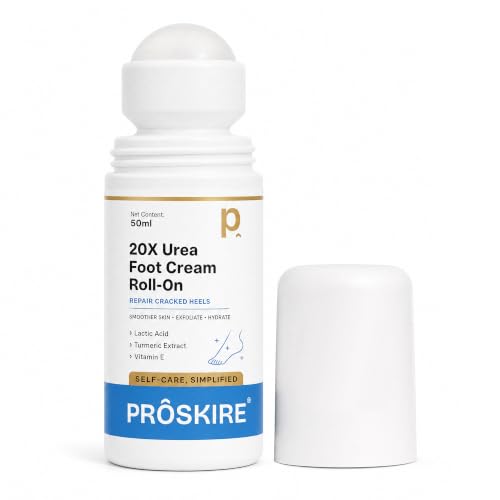
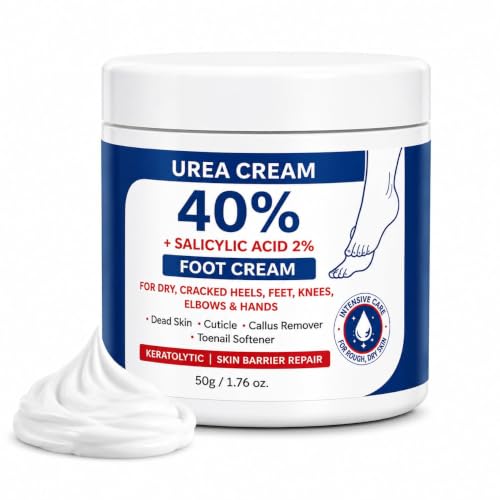
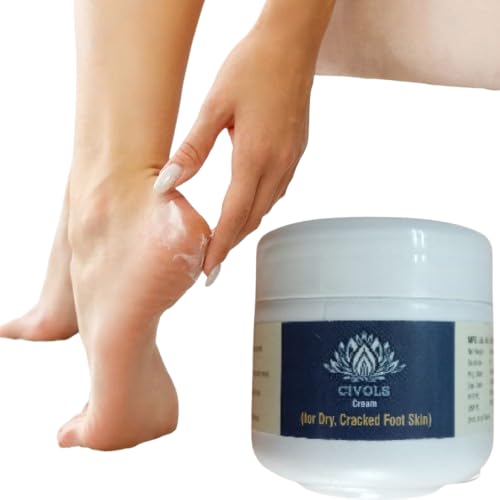
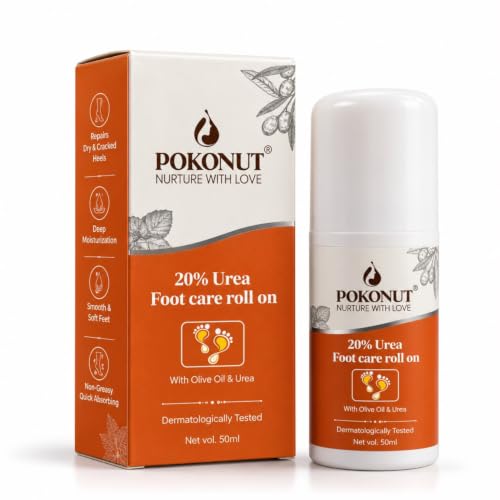
10. A Foot Cream for Rough Heels
Best for: Dry feet, rough heels and thickened skin.
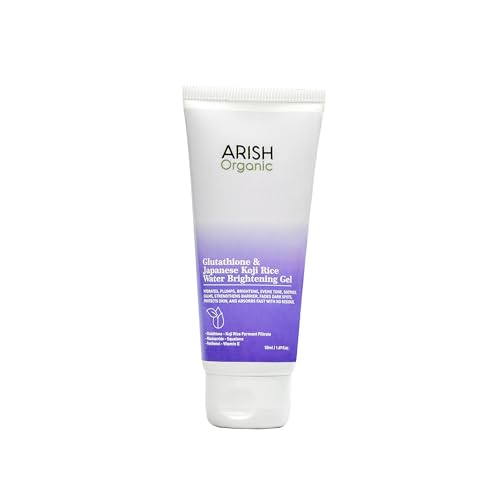
Product type to consider: A foot cream containing urea, selected according to the product’s concentration and directions.
Feet are easy to overlook until the heels start feeling rough. Closed shoes, dry weather and frequent bathing can all contribute to dry skin.
Urea is used in moisturising products and, at suitable concentrations, can help soften thickened skin. Different products are designed for different levels of dryness, so follow the label.
A simple foot-care routine
- Wash your feet with lukewarm water.
- Dry carefully, including between the toes.
- Apply a suitable foot cream to dry areas.
- Repeat according to the product directions.
- Wear comfortable footwear that reduces friction.
For mildly dry heels, a regular moisturiser may be enough. Avoid cutting thick skin or using harsh scrapers.
If you have deep heel cracks, bleeding, significant pain or diabetes-related foot concerns, seek medical advice rather than relying on cosmetic foot care alone.

The Best Winter Skincare Routine: Morning and Night
You do not need to use all 10 essentials every day. A basic routine with a few suitable products is often sufficient.
Morning routine
- Cleanse gently: Use a gentle cleanser if needed.
- Hydrate: Apply a hydrating serum if your skin benefits from one.
- Moisturise: Use a gel, lotion or cream suited to your skin.
- Protect: Finish with broad-spectrum sunscreen.
Night routine
- Remove sunscreen and makeup: Use an appropriate cleanser or makeup remover.
- Cleanse: Wash gently without scrubbing.
- Moisturise: Apply your face moisturiser.
- Target dry areas: Use a little petroleum jelly on selected dry patches if suitable.
- Care for lips and hands: Apply lip balm and hand cream before bed.
Body-care routine
After bathing, pat your skin dry and apply body lotion while it is still slightly damp. Use a richer cream on areas that remain dry.
Which Ingredients Should You Look for in Winter Skincare?
| Ingredient | Main Role | Useful For |
|---|---|---|
| Glycerin | Humectant that attracts water | General hydration |
| Hyaluronic acid | Humectant that helps bind water | Dehydrated-feeling skin |
| Ceramides | Support the skin barrier | Dry or barrier-stressed skin |
| Petrolatum | Reduces water loss by forming an occlusive layer | Very dry areas |
| Shea butter | Emollient that softens skin | Dry body skin |
| Urea | Moisturises; certain concentrations also soften thickened skin | Rough heels and very dry areas |
| Niacinamide | Supports barrier function and can help with some skin concerns | Selected moisturisers and serums |
Ingredients are only one part of the decision. The full formula, concentration, packaging and your individual skin tolerance also matter.
Common Winter Skincare Mistakes to Avoid
1. Taking very hot showers
Hot water can strip skin oils and increase dryness. Use lukewarm water and keep showers reasonably short.
2. Skipping moisturiser because your skin is oily
Oily skin can still become dehydrated or irritated in winter. Choose a lighter, suitable moisturiser rather than skipping hydration altogether.
3. Stopping sunscreen
UV exposure continues during winter. Keep sunscreen in your morning routine.
4. Over-exfoliating flaky skin
Flaking is not always a sign that you need a scrub. Strong exfoliants and rough physical scrubs can worsen irritation. Reduce exfoliation if your skin becomes dry or sensitive.
5. Buying too many new products at once
Introducing multiple new products together makes it difficult to identify what caused a reaction. Add new products gradually and patch test where appropriate.
6. Choosing a product only because it is labelled “winter”
A rich cream is not automatically better for everyone. Consider your skin type, climate, formula and comfort.
7. Ignoring persistent irritation
If your skin remains very itchy, painful, inflamed or cracked despite gentle care, seek advice from a qualified dermatologist. Persistent dryness can sometimes have causes beyond seasonal weather.
How to Choose Winter Skincare on a Budget
You can build a useful winter routine without buying every product in this guide.
If your budget is limited, prioritise:
- A gentle cleanser suited to your skin.
- One effective face moisturiser.
- A broad-spectrum sunscreen.
- A body lotion if your body becomes dry.
- A simple lip balm if your lips become chapped.
Add a serum, hand cream or foot cream only if you need the extra support.
You can also save money by using a suitable body moisturiser consistently instead of purchasing several products with overlapping purposes. However, avoid using a product on your face if it is not suitable for facial skin or if it triggers irritation.
Frequently Asked Questions – Winter Skincare Essentials
1. What are the most important winter skincare essentials?
A gentle cleanser, suitable face moisturiser and broad-spectrum sunscreen are the main foundations. A body lotion and lip balm are also useful if you experience seasonal dryness.
2. Is a thick moisturiser always better for winter?
No. A richer cream can help very dry skin, but oily and combination skin may prefer a lightweight lotion or gel-cream. Choose the texture that keeps your skin comfortable without causing congestion or irritation.
3. Should I use sunscreen during winter in India?
Yes. UV radiation remains relevant during winter. Use a broad-spectrum sunscreen with at least SPF 30 and follow the directions for application and reapplication.
4. Can I use hyaluronic acid serum in winter?
Yes, if your skin tolerates it. Apply it according to the product instructions, generally on slightly damp skin, and follow with moisturiser to help reduce water loss.
5. How can I prevent dry lips during winter?
Apply a comfortable lip balm regularly, avoid licking your lips and protect them from cold wind. For outdoor use, consider a lip product with SPF.
6. What is the difference between body lotion and body cream?
Lotions are generally lighter and easier to spread, while creams tend to have a richer consistency. The actual performance depends on the complete formula, so choose according to your skin’s dryness and comfort.
7. Can oily skin become dry in winter?
Yes. Oily skin can still experience dehydration, irritation or a weakened skin barrier. Use a gentle cleanser, a suitable moisturiser and sunscreen.
8. How often should I moisturise during winter?
Many people benefit from moisturising after bathing and at least once more during the day if needed. Dry hands and lips may need more frequent application. Adjust according to your skin and the product instructions.
9. Do I need a separate night cream?
Not necessarily. If your regular moisturiser keeps your skin comfortable overnight, you may not need a separate night cream. Choose products based on your needs rather than the time of day printed on the packaging.
10. When should I see a dermatologist for winter dryness?
Seek professional advice if dryness is persistent, severe, painful, associated with significant itching or inflammation, or does not improve with gentle skincare. Cracked or bleeding skin may require specific treatment.
Final Verdict – Winter Skincare Essentials
The best winter skincare essentials are the products that help your skin remain comfortable, moisturised and protected without making your routine unnecessarily complicated.
Start with a gentle cleanser, a suitable face moisturiser and sunscreen. Add body lotion, lip balm, hand cream, petroleum jelly or foot cream according to where you experience dryness. A hydrating serum is optional, not a requirement.
For colder, drier conditions, you may need richer moisturising products. In relatively humid parts of India, a lighter texture may be sufficient. Pay attention to how your skin responds and adjust gradually.
Remember: Consistency matters more than the number of products on your shelf. A simple routine used regularly can be more practical than an elaborate routine that irritates your skin or strains your budget.
Also Read | Best Face Moisturizers for Winter for Every Skin Type