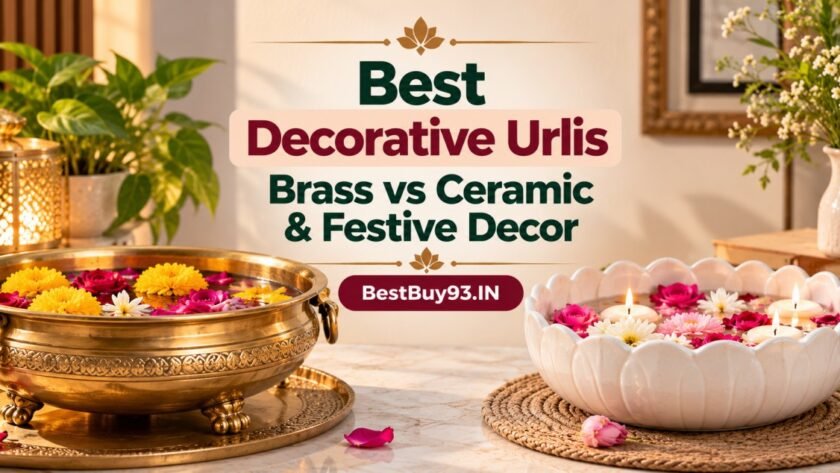

A beautifully styled urli can make an ordinary entrance, console table or puja corner feel warm, elegant and welcoming. From traditional brass bowls filled with floating marigold petals to contemporary ceramic urlis in ivory, white and earthy tones, these decorative pieces offer a versatile way to refresh your home for festivals and everyday living.
But which should you choose: a traditional brass urli or a modern ceramic urli? The answer depends on your decorating style, where you plan to place it, how you want to use it and how much maintenance you are comfortable with.
In this guide, we compare the best types of decorative urlis for Indian homes, explain the differences between brass and ceramic, share festive styling ideas and provide practical buying tips to help you choose the right piece.
Quick Answer: Which Decorative Urli Should You Buy?
- Best for traditional festive decor: Brass urli with a polished or antique finish.
- Best for modern, minimalist interiors: Ceramic urli in white, ivory or neutral shades.
- Best for floating flowers and water: A watertight brass or glazed ceramic urli.
- Best for colourful festive styling: A decorative urli with floral, hand-painted or embossed detailing.
- Best for compact homes: A small urli for a console table, shelf or puja corner.
- Best for a statement entrance: A larger, wide-rimmed urli placed on a stable, spacious surface.
Our recommendation: Choose brass if you love traditional Indian decor and golden accents. Choose ceramic if your home has a contemporary, understated or colour-coordinated aesthetic. For either material, check the finish, dimensions, water suitability and care instructions before buying.
What Is a Decorative Urli?
An urli is a traditional, wide, shallow vessel associated with South Indian households and temple traditions. Decorative versions are now popular in Indian interiors as centrepieces, entrance accents and festive decorations.
A decorative urli can be styled with water and floating flowers, or displayed dry with decorative elements such as potpourri and pebbles. Its appeal comes from its broad shape, attractive finish and ability to become a focal point without requiring an elaborate arrangement.
Urlis are available in several materials, including brass, ceramic, copper, marble, terracotta and other decorative finishes. Each offers a different look, weight, maintenance requirement and suitability for water-based displays.
Best Types of Decorative Urlis in India
Rather than choosing an urli based only on its appearance, consider how it will fit into your room and how you intend to use it.
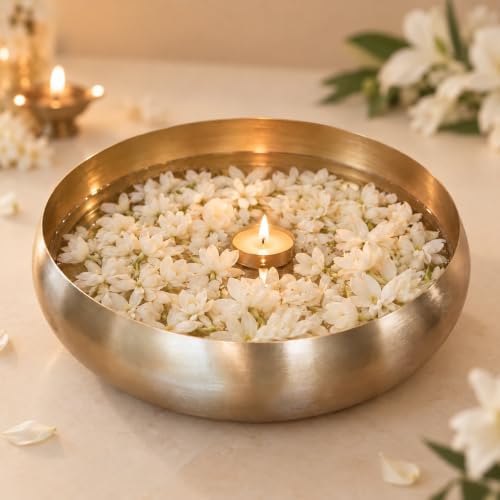
1. Brass Urli with a Traditional Finish
Best for: Festive entrances, puja corners, traditional living rooms and Diwali decorations.
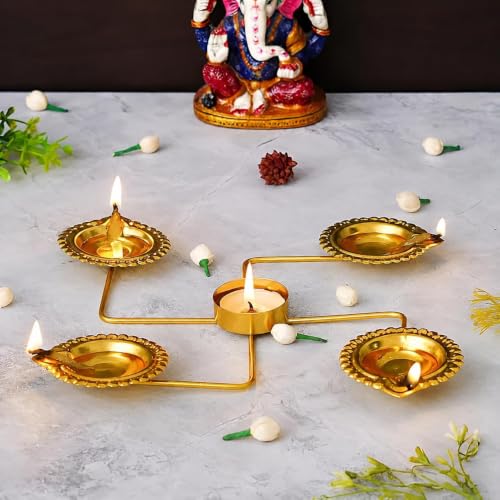
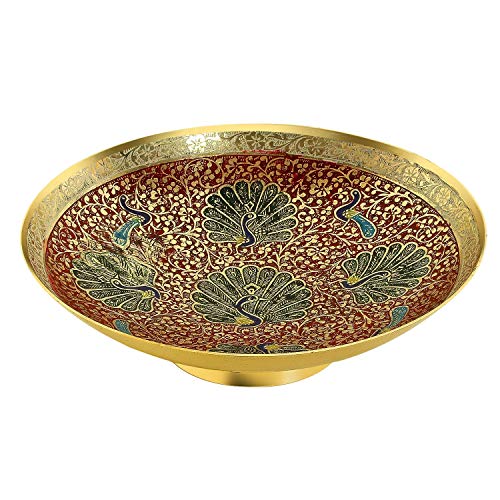
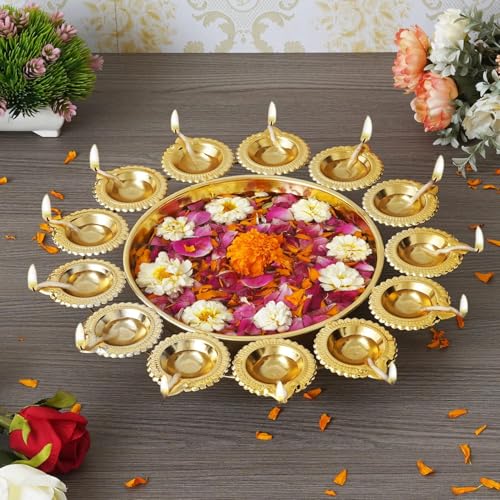
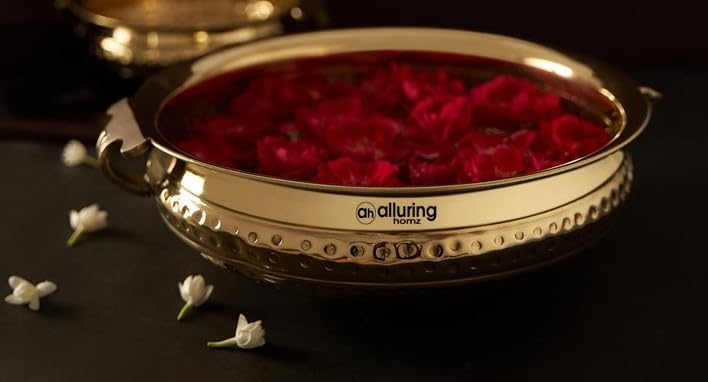
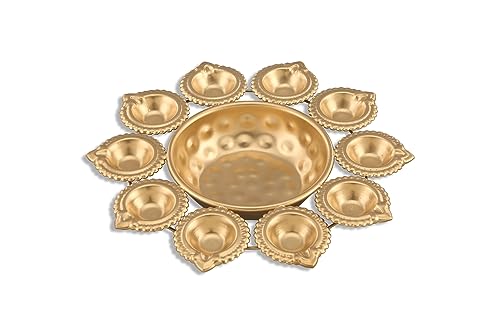
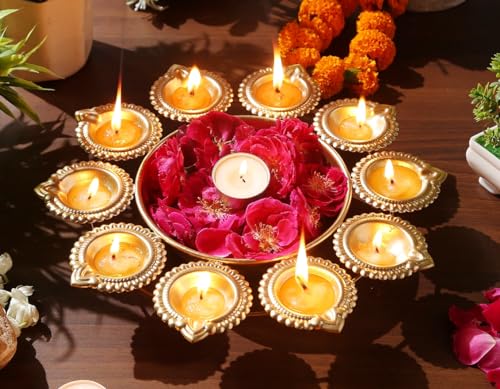
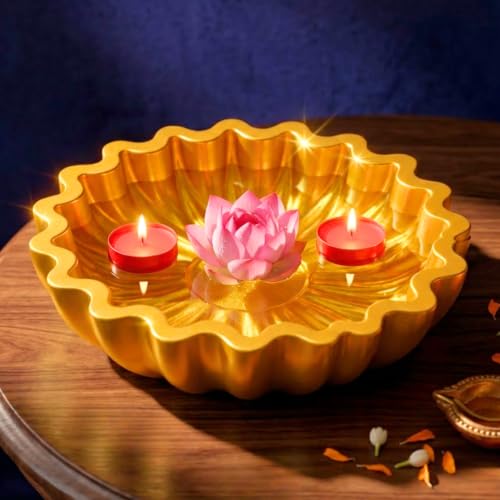
A brass urli is an excellent choice for homes that feature wooden furniture, traditional artwork, brass diyas or warm-toned accessories. Its golden appearance creates a rich decorative accent, particularly when paired with fresh flowers.
What to look for:
- A stable base and smooth, well-finished rim.
- A polished, brushed or antique finish that suits your decor.
- Clear information about the material and whether the item is solid brass or merely brass-finished.
- A size appropriate for your intended placement.
- Care instructions that explain how to maintain the finish.
Pros
- Warm, traditional appearance.
- Pairs beautifully with marigolds, rose petals and festive lighting.
- Can work as both a seasonal decoration and a reusable centrepiece.
- Offers a timeless look that can suit traditional and transitional interiors.
Cons
- May tarnish or develop a patina over time.
- Usually requires more attention to cleaning and drying.
- Some designs can be heavy, especially in larger sizes.
- Decorative brass finishes and actual brass construction are not necessarily the same.
Our verdict: Choose a brass urli if you want a traditional, festive focal point that can be reused for different occasions.


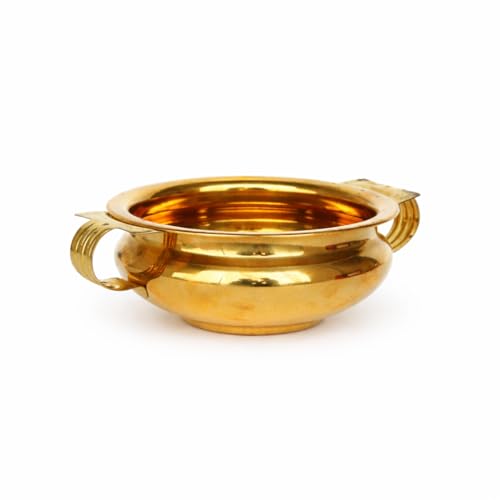
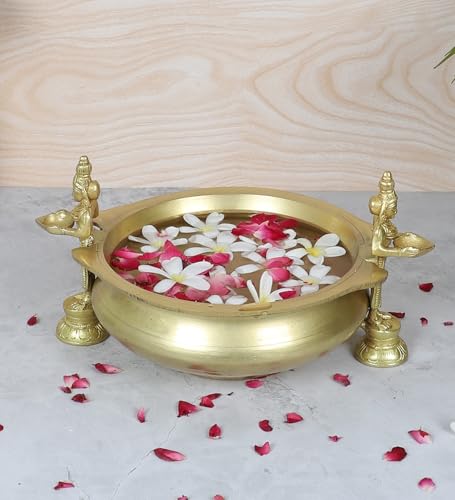
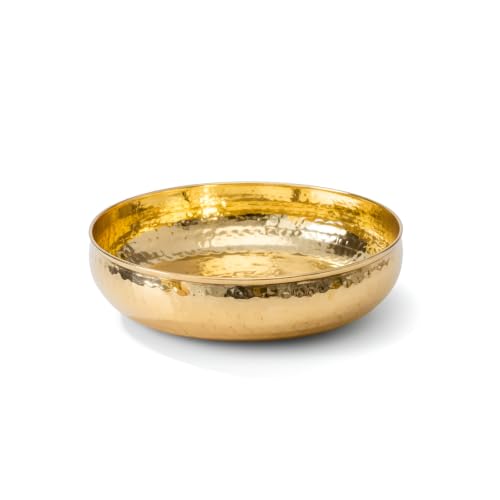


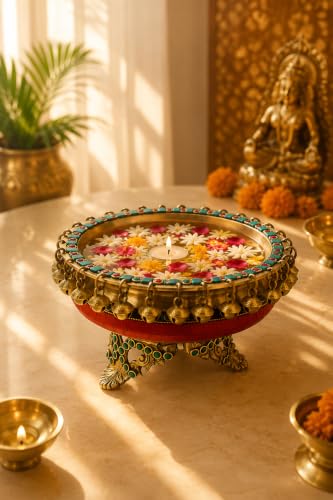
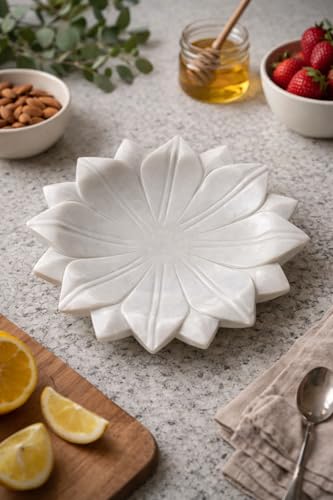
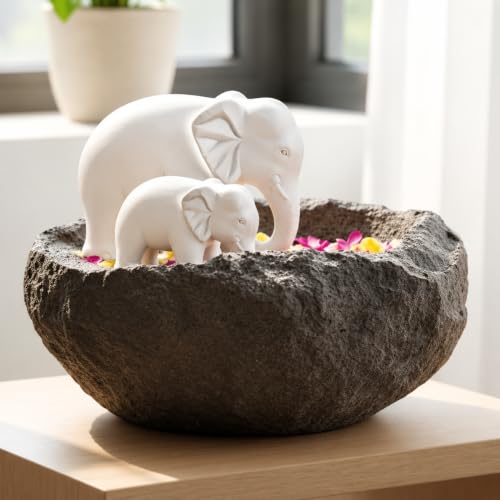
2. Ceramic Urli in White or Ivory
Best for: Modern homes, minimalist decor, neutral interiors and elegant table styling.
A white or ivory ceramic urli can look refined without introducing too much visual contrast. It works particularly well in spaces with light walls, marble-look surfaces, beige upholstery and natural wood.
What to look for:
- A glazed, water-suitable interior if you plan to add water.
- A stable base and an even finish.
- A shape that complements your table or console.
- A colour that coordinates with your existing decor.
Pros
- Clean, contemporary appearance.
- Easy to coordinate with neutral colour palettes.
- Can complement fresh flowers and understated arrangements.
- Available in glossy, matte-look and textured designs.
Cons
- Ceramic can chip or crack if knocked or dropped.
- Larger pieces can be awkward to move.
- Matte or textured surfaces may require more careful cleaning.
- Not every ceramic decorative bowl is designed to hold standing water.
Our verdict: An ivory or white ceramic urli is a strong choice if you want a modern centrepiece that looks elegant throughout the year.
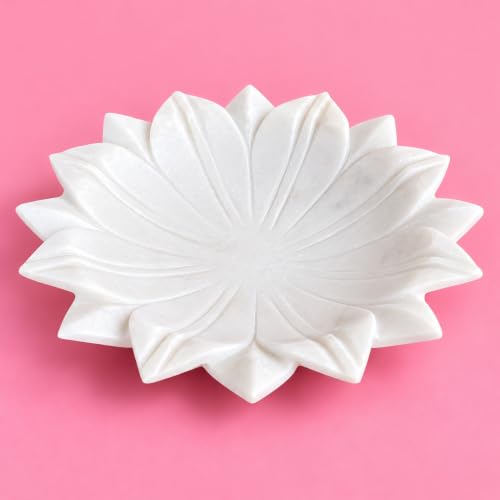
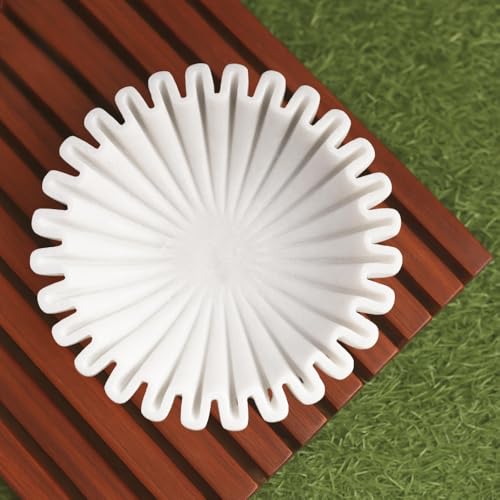
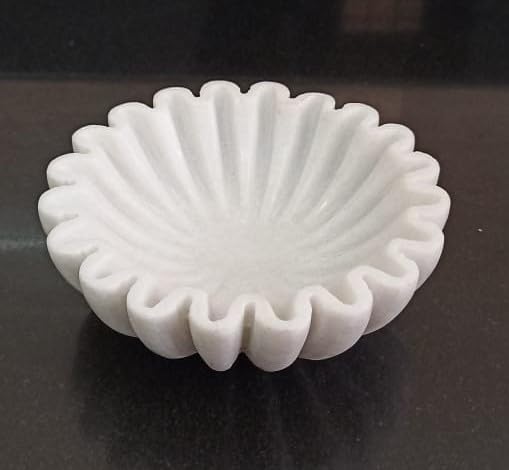
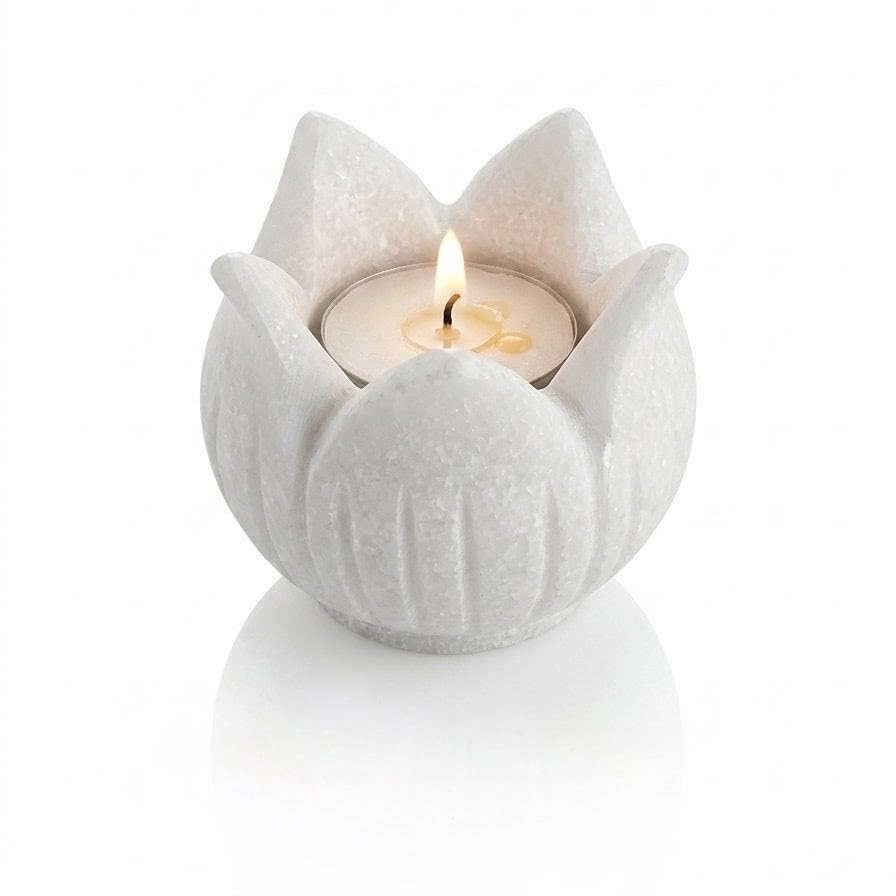


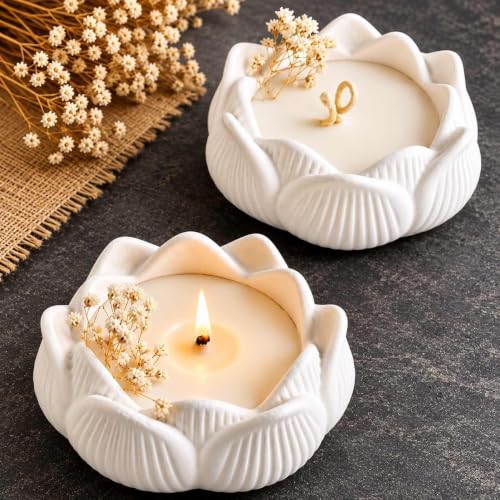
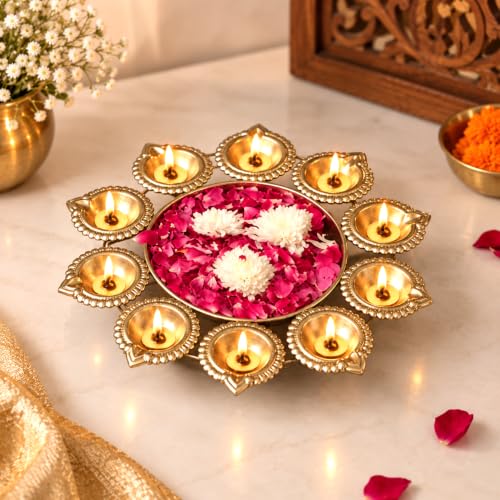
3. Decorative Ceramic Urli with Floral or Embossed Details
Best for: Festive displays, colourful interiors and decorative console tables.
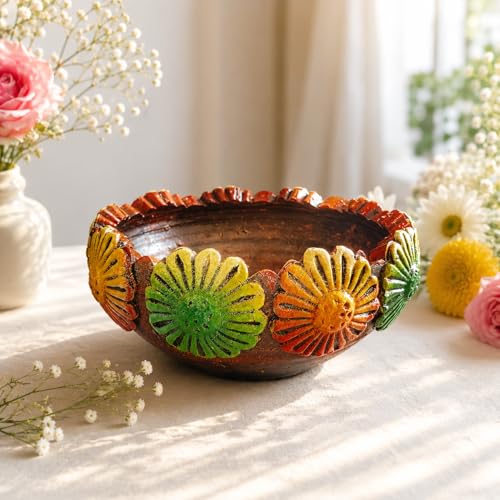
If plain ceramic feels too understated, look for a bowl with embossed motifs, painted flowers, patterned rims or subtle metallic detailing.
These designs can add personality to an otherwise simple space. However, select one that complements the room instead of competing with other decorative elements.
Pros
- Adds colour and texture.
- Can become the focal point of a console or side table.
- Works well with simple floral arrangements.
Cons
- Elaborate patterns may clash with busy wallpaper or printed furnishings.
- Decorative coatings may require gentle cleaning.
- Water suitability should be confirmed before use.
Our verdict: Choose a patterned ceramic urli when the surrounding decor is relatively simple and the bowl is intended to be the main accent.
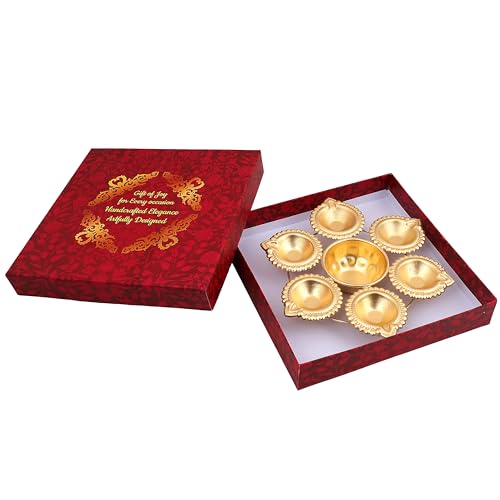
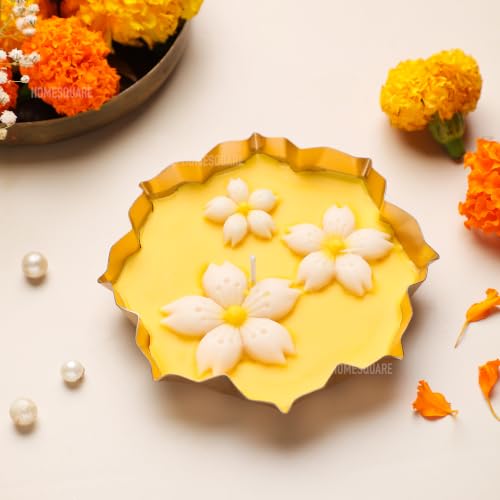
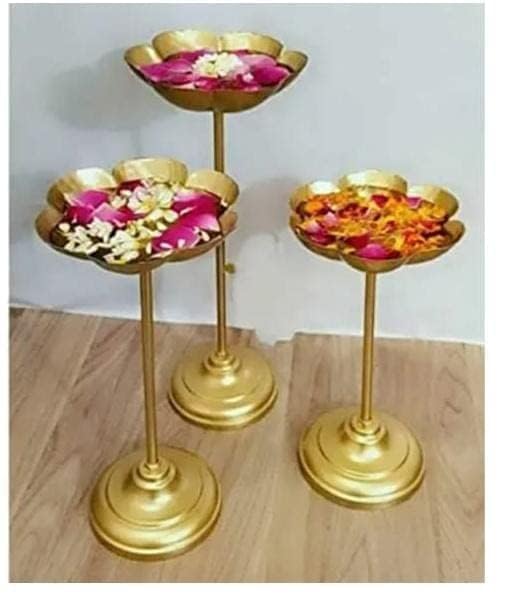

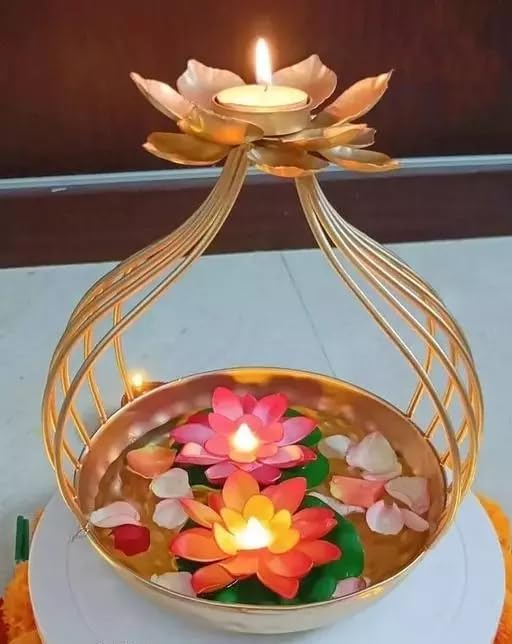
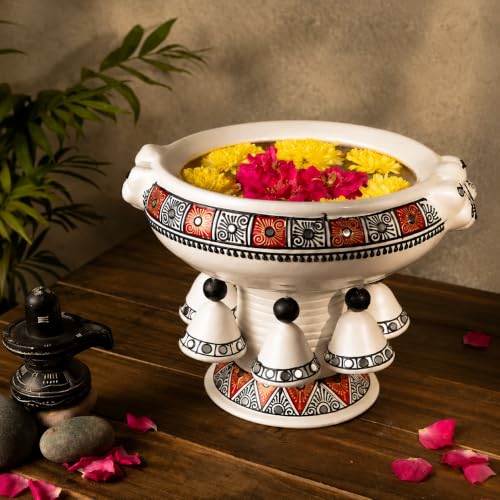
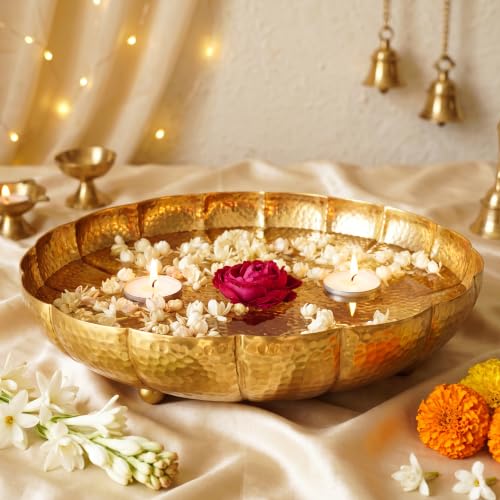
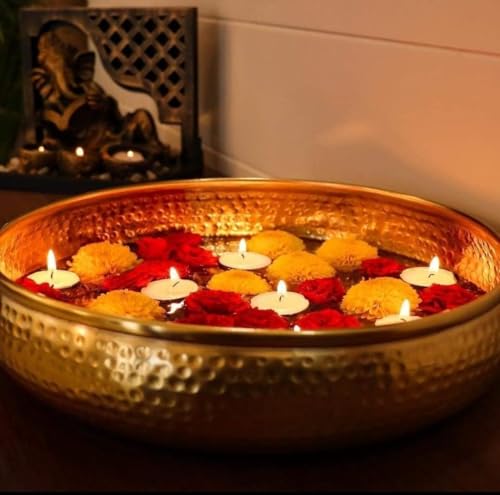
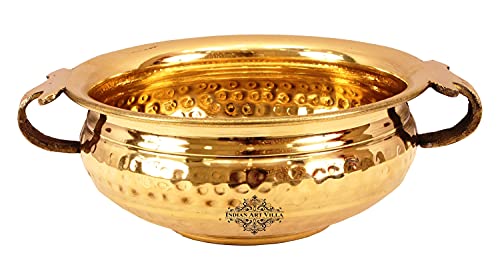
4. Antique-Finish or Hammered Brass Urli
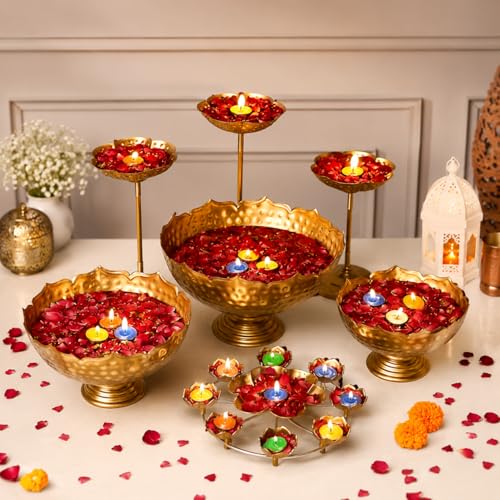
Best for: Heritage-inspired interiors, wooden consoles and understated festive decor.
Hammered textures and antique finishes offer a slightly more rustic look than highly polished brass. They are useful when you want traditional character without a mirror-like shine.
What to look for:
- Consistent texture and a well-finished rim.
- A finish that looks intentional rather than damaged.
- A sturdy construction that sits evenly on the surface.
- Clear material and care details.
Pros
- Adds texture and visual depth.
- Complements wood, terracotta and warm neutrals.
- Can look attractive even with a simple arrangement of petals.
Cons
- The textured surface may collect dust.
- The finish may need special care.
- The antique appearance may vary between products.
Our verdict: This is a good option for a warm, traditional home where subtle texture matters more than high shine.




5. Compact Decorative Urli for Small Spaces
Best for: Apartments, narrow console tables, bookshelves and compact puja areas.
A small urli allows you to enjoy the decorative effect without dedicating too much space to it. Look for a proportionate bowl rather than choosing the smallest option automatically.
What to look for:
- A diameter that leaves enough room for other items.
- A stable base.
- A finish that works with your furniture.
- A shape that does not obstruct drawers, walkways or daily use.
Pros
- Easier to accommodate in smaller homes.
- Simple to reposition when refreshing decor.
- Works well with a small number of petals or a dry arrangement.
Cons
- May look insignificant on a very large console.
- Has less room for elaborate floral arrangements.
- Can appear cluttered if too many items are added around it.
Our verdict: For compact homes, prioritise proportion and placement over elaborate detailing.



6. Large Decorative Urli for an Entrance or Statement Display
Best for: Spacious foyers, wide entrance consoles and larger living rooms.
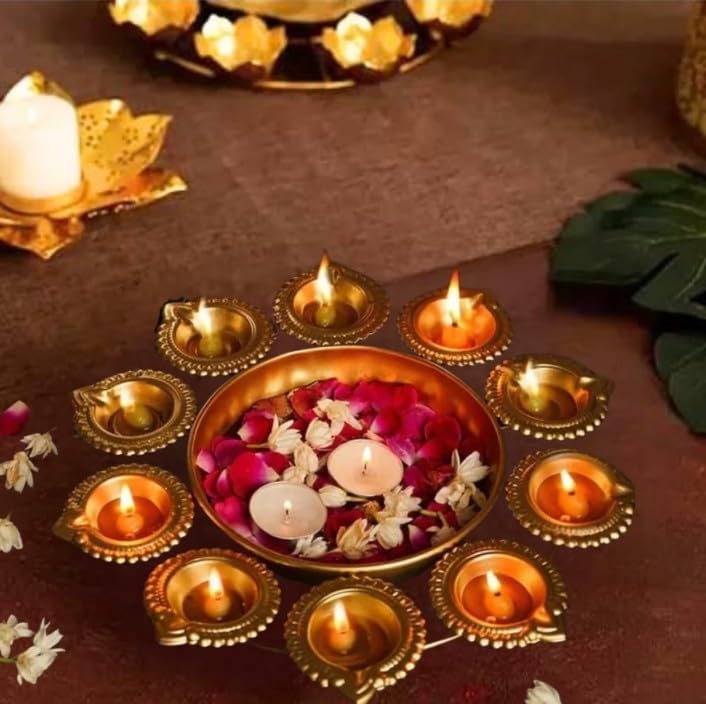
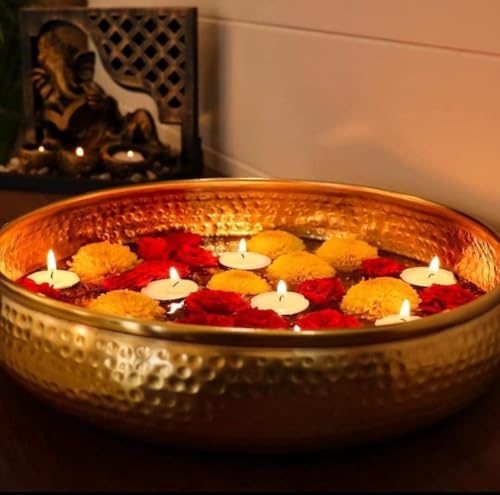
A large urli can anchor a festive display, especially when paired with a restrained arrangement of flowers and complementary lighting.
Before buying, measure the available surface and check the filled weight if you intend to use water. A large bowl filled with water can become considerably heavier than the empty product.
Pros
- Creates a strong visual focal point.
- Allows a more generous floating-flower arrangement.
- Can work well for celebrations and special occasions.
Cons
- Requires adequate space and a stable surface.
- May overwhelm a narrow console.
- Takes more effort to move, clean and refill.
Our verdict: Choose a large urli only when the surrounding space can support it comfortably.



Brass vs Ceramic Urlis: Which Is Better?
Both materials can look beautiful, but they serve different decorative preferences.
| Feature | Brass Urli | Ceramic Urli |
|---|---|---|
| Overall appearance | Traditional, warm and golden | Contemporary, colourful or understated |
| Best decor styles | Traditional, heritage, festive | Modern, minimalist, eclectic |
| Colour palette | Gold, antique gold, bronze tones | White, ivory, beige, coloured glazes |
| Water use | Suitable when designed for it | Suitable when the glaze and construction are water-safe |
| Main maintenance concern | Tarnishing and water marks | Chips, cracks and finish care |
| Handling | Can be heavy, depending on construction | Fragile and vulnerable to impact |
| Festive styling | Marigolds, rose petals and diyas nearby | White flowers, roses and coordinated accents |
| Everyday styling | Simple petals or a dry arrangement | Minimal flowers or a dry arrangement |
| Buying priority | Material authenticity and finish | Glaze, durability and water suitability |
Which One Should You Choose?
Choose brass if:
- You prefer traditional Indian festive decor.
- You already use brass diyas, bells or other metal accents.
- You want a warm golden focal point.
- You are comfortable drying and maintaining the surface.
Choose ceramic if:
- You prefer modern, minimalist styling.
- Your interiors feature white, ivory, beige or pastel shades.
- You want a particular colour or decorative pattern.
- You can place it somewhere it is unlikely to be knocked over.
There is no universally better material. The right choice is the one that fits your room, use case and maintenance preferences.
How to Choose the Right Decorative Urli
Consider the Size First
The urli should fit the surface without dominating it.
- Small: Suitable for shelves, compact side tables and smaller puja spaces.
- Medium: Often a practical choice for console tables and dining-table centrepieces.
- Large: Better suited to spacious entrances and larger display surfaces.
As a starting point, keep the bowl proportionate to the furniture and leave room around it for practical use. Measure the surface before ordering, and check the product’s actual diameter and height rather than relying on photographs alone.
Match the Finish to Your Interior
For traditional interiors, consider brass, antique gold and warm metallic tones. For contemporary rooms, ivory ceramic, soft beige, muted green or other coordinated colours can feel more integrated.
A useful rule is to let the urli complement one or two existing finishes rather than introducing several new colours at once.
Decide Whether You Will Use Water
This is an important buying decision.
If you want to float fresh flowers, choose a bowl specifically suitable for holding water. For ceramic, confirm that the interior is glazed and intended for this use. For brass, check the manufacturer’s instructions for water use and care.
If you prefer low-maintenance decor, a dry arrangement with potpourri or decorative stones may be more convenient. Avoid putting water in porous, unsealed or water-sensitive materials unless the manufacturer confirms they are suitable.
Check the Base and Rim
A decorative urli should sit evenly on its intended surface. Check for a stable base, a smooth rim and any sharp edges, loose decorative elements or visible defects.
For ceramic pieces, inspect packaging and return policies because fragile products need suitable transit protection.
Compare the Full Product Details
Before purchasing online, check:
- Exact material and finish.
- Diameter, height and approximate weight.
- Whether the product is intended for water.
- Cleaning instructions.
- Product photographs from different angles.
- Delivery, damage-replacement and return terms.
Do not assume that a gold-coloured bowl is solid brass or that a decorative ceramic bowl is automatically waterproof.
Festive Urli Decoration Ideas for Indian Homes
A decorative urli does not need an elaborate arrangement to look beautiful. The most successful displays usually have one clear focal point and just a few complementary elements.
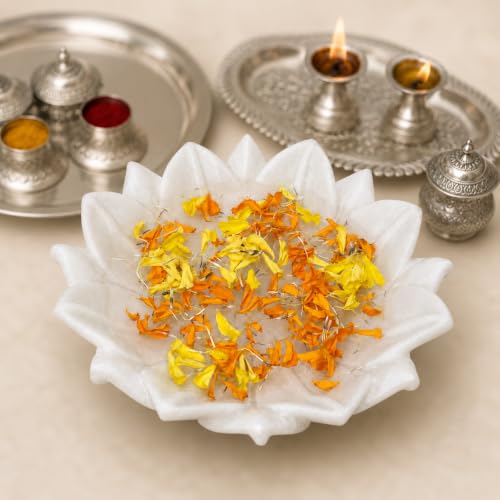
Idea 1: Brass Urli with Marigold Flowers
Marigolds are a classic festive choice, especially for Diwali and other celebrations.
How to style it:
- Place the brass urli on a stable entrance console.
- Add clean water if the bowl is suitable for it.
- Float a few marigold heads or petals.
- Keep the surrounding decor simple.
- Add a toran or a small diya display nearby if it suits your space.
The golden metal and orange flowers create a warm, traditional palette.
Idea 2: White Ceramic Urli with Rose Petals
For a softer and more contemporary look, pair an ivory or white ceramic urli with pink, red or white rose petals.
This combination works well on a console table, coffee table or dining surface. Keep the rest of the arrangement neutral so the flowers remain the focus.
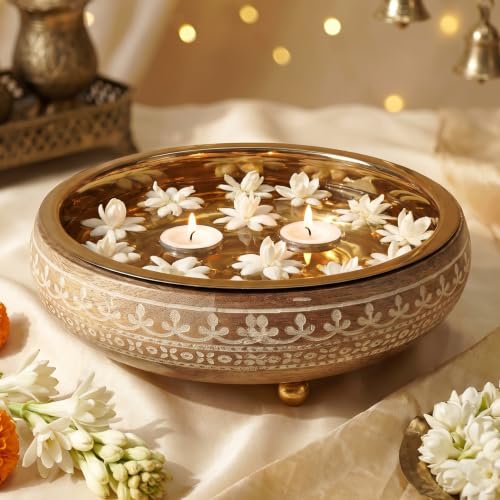
Idea 3: Brass Urli with White Flowers
White flowers can soften the rich appearance of brass. Try a restrained arrangement of white petals with a few green leaves, particularly if your room already has wooden furniture or warm lighting.
This look works beyond major festivals and can be used for everyday styling.
Idea 4: Minimal Ceramic Urli with Greenery
For an understated display, choose a neutral ceramic bowl and style it with a few decorative leaves or a suitable dry arrangement.
This is a good choice if you prefer a calm, uncluttered room instead of a highly festive setup.
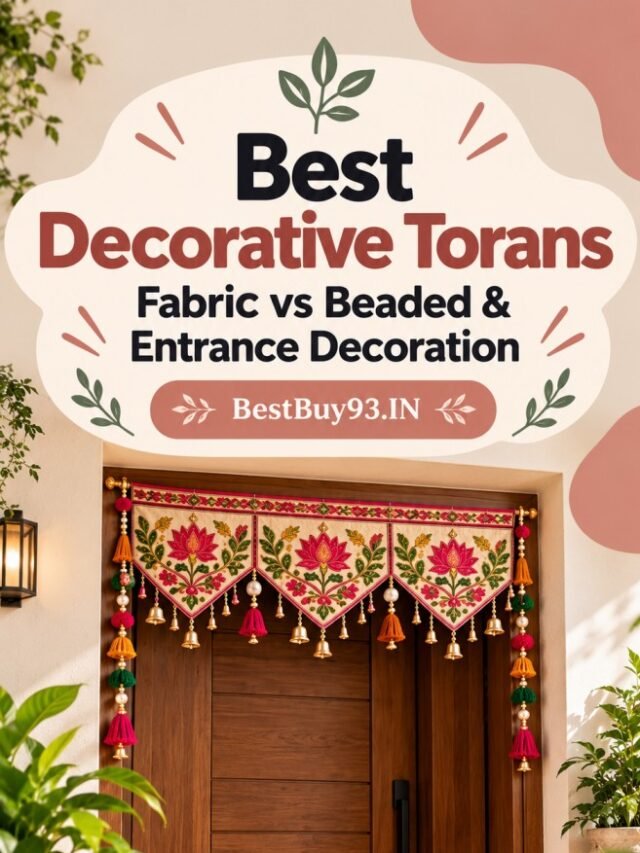
Idea 5: Festive Entrance with an Urli and Toran
Create a welcoming entrance using three coordinated elements:
- A decorative urli on a stable console or designated floor display.
- A toran above the entrance.
- One small complementary accent, such as a diya holder or flower arrangement.
Keep the colours coordinated. Brass and marigold work well for a traditional look, while ivory ceramic and white flowers offer a softer alternative.
Idea 6: Urli as a Dining-Table Centrepiece
Choose a low-profile bowl that does not obstruct conversation or take up too much dining space.
A small arrangement of petals in water can be enough. Avoid crowding the table with tall accessories, large candleholders and multiple decorative bowls.
Idea 7: Festive Coffee-Table Styling
On a coffee table, pair the urli with one or two low decorative objects, leaving enough room for cups, books and everyday use.
For a modern room, an ivory ceramic urli with neutral accessories can feel balanced. For a traditional room, a brass urli can coordinate with wooden furniture and warm metallic accents.
Important: Keep open flames away from flowers, curtains, paper, garlands and other combustible materials. Use only stable, suitable holders for candles or diyas, and never leave a flame unattended.
Where Should You Place a Decorative Urli?
| Location | Recommended style | Practical tip |
|---|---|---|
| Entrance console | Brass or ceramic | Leave enough clear surface for keys and daily essentials |
| Puja corner | Traditional brass or a suitable ceramic design | Keep the arrangement tidy and compatible with your rituals |
| Coffee table | Compact, low-profile urli | Leave space for everyday use |
| Dining table | Small or medium bowl | Keep the centrepiece low and stable |
| Side table | Compact ceramic or brass | Coordinate the finish with nearby furniture |
| Festive floor display | Larger, stable urli | Keep it out of walking paths and away from accidental knocks |
| Bookshelf | Small, preferably dry-styled urli | Check the shelf’s load capacity and protect the surface |
Placement should be guided by the furniture, available space and how frequently you use the area. An urli can be attractive without being positioned directly at the entrance or in the centre of every room.
How to Style an Urli Without Cluttering Your Home
A common decorating mistake is adding too many flowers, candles, figurines and accessories around one bowl.
Try these simple principles:
Use one focal point. Let the urli be the main decorative element on its surface.
Keep the colour palette limited. Two or three coordinated colours usually create a more cohesive look than several competing shades.
Balance scale and proportion. A large urli needs breathing room; a small urli may benefit from one complementary object nearby.
Mix textures carefully. Brass pairs well with wood and natural fabrics. Ceramic works nicely with linen, stone-look surfaces and understated accessories.
Leave negative space. An uncluttered area around the bowl makes its shape and finish more noticeable.
Adapt the arrangement to the occasion. Use fresh petals for a celebration and a simple dry arrangement for a lower-maintenance everyday display.
Cleaning and Maintenance Tips
How to Care for a Brass Urli
Brass can gradually tarnish or develop a patina through exposure to air and moisture.
- Empty the bowl after using water and flowers.
- Clean it gently with a soft cloth or sponge and mild washing liquid when appropriate.
- Rinse if required and dry thoroughly.
- Avoid steel wool and abrasive scrubbers.
- Use a suitable brass cleaner only when needed and follow its instructions.
- Check whether the item has a lacquered or special finish before using acidic household cleaning mixtures.
These steps help reduce water marks and unnecessary wear.
How to Care for a Ceramic Urli
- Handle it carefully to prevent chips and cracks.
- Use a soft cloth or non-abrasive sponge.
- Follow the manufacturer’s instructions for the glaze and decorative finish.
- Avoid sudden impacts and placing it where it can easily fall.
- Empty and dry it after water-based displays.
- Use water only if the bowl is designed to hold it.
How to Maintain a Flower-Filled Urli
If you use water and fresh flowers, empty the bowl and refresh the arrangement regularly. Remove wilted petals promptly and clean the bowl before storing it.
Keep the surface underneath dry to protect wood, veneer and other moisture-sensitive furniture.
In Case You Are Looking For:
- Best Rangoli Stencils: Reusable vs Disposable
- Best Fairy Lights: Warm White vs Multicolor
- Best Artificial Flower Garlands: Festive Floral Decor
- Best Decorative Torans for Indian Homes
Common Buying Mistakes to Avoid
1. Choosing a bowl that is too large. A statement piece can overwhelm a small console or make a narrow entrance difficult to use.
2. Buying by appearance alone. Check dimensions, material, water suitability and maintenance instructions.
3. Assuming every gold finish is brass. Verify the actual material instead of relying on colour or product photography.
4. Using water in an unsuitable bowl. Porous or unsealed decorative materials may stain or leak.
5. Ignoring maintenance. Brass needs appropriate care, while ceramic requires careful handling.
6. Overdecorating the display. Too many flowers, candles and accessories can make even an attractive urli look cluttered.
7. Forgetting safety. Water-filled bowls should sit on stable surfaces, and open flames must be kept away from combustible decorations.
8. Ignoring the return policy. This is especially important when purchasing fragile ceramic pieces online.
Frequently Asked Questions
1. Which is better: a brass urli or a ceramic urli?
Brass is ideal for traditional, warm and festive interiors. Ceramic is often better for modern, minimalist or colour-coordinated rooms. The best option depends on your style, intended use and willingness to maintain it.
2. Can I use a ceramic urli for floating flowers?
Yes, provided it is designed to hold water. Check the glaze, construction and manufacturer’s instructions before filling it.
3. What flowers are best for urli decoration?
Marigolds and rose petals are popular festive choices. White flowers can create a softer look, while a small amount of greenery adds contrast. Choose fresh flowers that suit the occasion and refresh them as needed.
4. Can I decorate an urli without water?
Yes. You can create a dry display using suitable potpourri, decorative stones or other lightweight ornaments. Choose materials that will not scratch the finish or create a cleaning problem.
5. Where should I place an urli at home?
Common choices include an entrance console, coffee table, dining table, side table or puja area. Select a stable surface and ensure the bowl does not obstruct everyday activities.
6. How do I clean a brass urli?
Use gentle cleaning methods appropriate for the finish, avoid abrasive scrubbers and dry it thoroughly after cleaning. If it has a lacquered or special coating, follow the manufacturer’s care instructions.
7. Are decorative urlis suitable for everyday decor?
Absolutely. A simple arrangement of petals, greenery or a dry decorative filling can work throughout the year. You do not need to reserve an urli exclusively for festivals.
8. What size urli should I buy for a console table?
Measure the usable surface first. Choose a bowl that leaves enough room for other essentials and does not overwhelm the furniture. Check the actual diameter and height before ordering.
9. Can I place floating candles in an urli?
Only if the bowl is stable and suitable for the arrangement. Use appropriate floating candles or holders, keep flames away from flowers and other combustible materials, and never leave them unattended.
10. Is an urli a good housewarming gift?
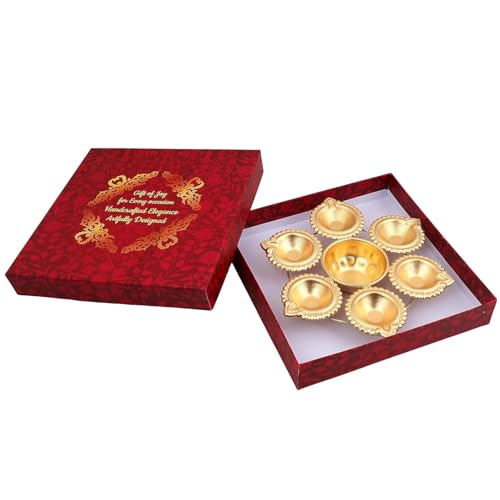
A decorative urli can be a thoughtful housewarming gift if its material, size and style suit the recipient’s home. Neutral ceramic and classic brass designs are versatile choices, but check packaging and return terms when ordering online.
Final Verdict: Which Decorative Urli Is Worth Choosing?
The best decorative urli is not necessarily the most expensive or elaborate one. It is the piece that complements your home, fits your available space and works with the way you actually decorate.
- Choose brass for traditional Indian festive decor, golden accents and flower-filled arrangements.
- Choose ceramic for contemporary interiors, neutral colour palettes and understated styling.
- Choose a compact urli for a small console, side table or puja corner.
- Choose a larger design only when you have enough space for a balanced display.
For a versatile festive setup, a brass urli with a simple arrangement of marigold petals is a classic choice. If you prefer a modern home aesthetic, an ivory ceramic urli with rose petals or white flowers can look just as elegant.
Remember: one well-chosen urli, a coordinated colour palette and a little breathing room can create a more polished display than an arrangement filled with too many accessories.
Explore more home decor ideas and practical buying guides on BestBuy93.IN.