


Choosing a face serum can feel confusing when skincare shelves are filled with ingredients promising brighter, smoother, clearer-looking skin. Two ingredients that frequently appear in skincare routines are Vitamin C and Niacinamide.
Both are popular skincare ingredients, but they are not interchangeable. Vitamin C is commonly used in routines focused on antioxidant protection and uneven-looking skin tone, while niacinamide is often chosen for supporting the skin barrier, managing excess oil, and improving the appearance of pores.
So, which serum should you buy? Should you choose Vitamin C, niacinamide, or use both?
The answer depends on your skin type, concerns, product formulation, and how well your skin tolerates the product.
In this guide, we’ll compare Vitamin C and niacinamide serums, explain what to look for on product labels, and help you build a simple routine without buying unnecessary skincare products.
Also Read | Best Night Serums for Glowing Skin
What Is Vitamin C in Skincare?
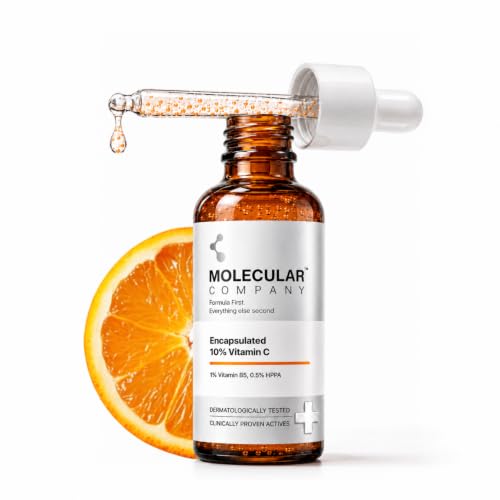
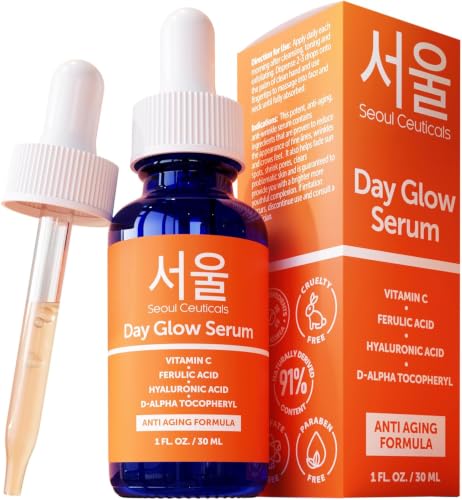
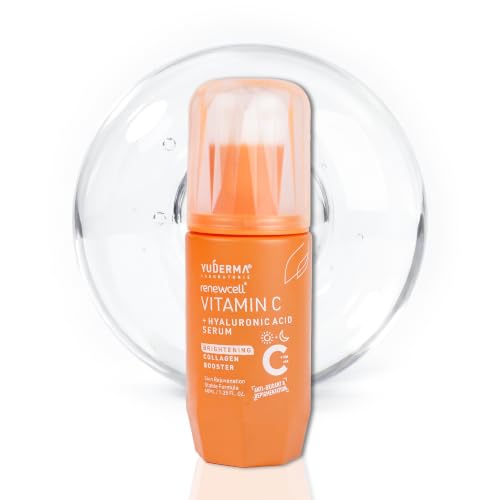
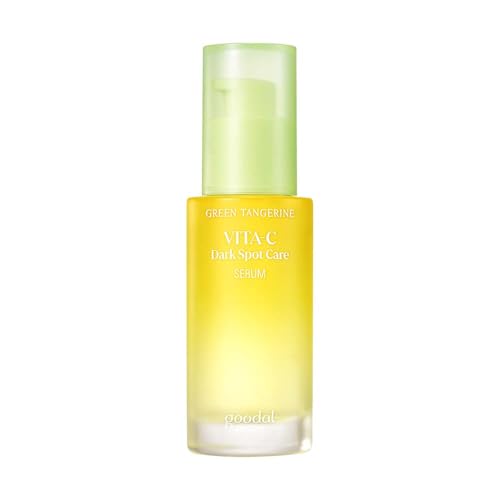
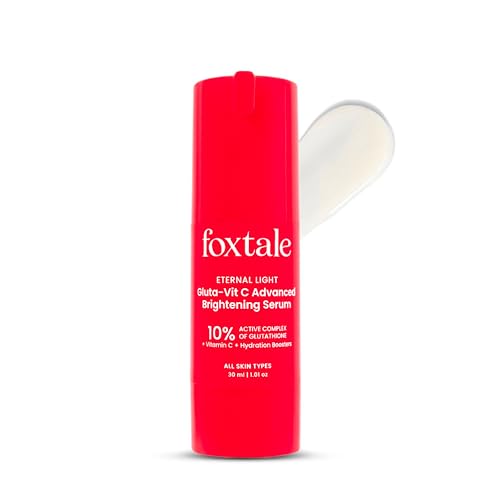
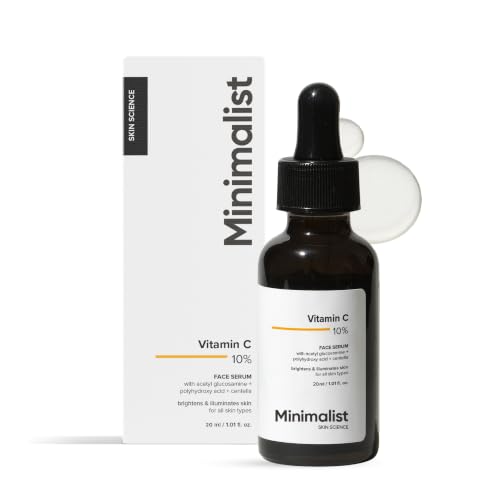
Vitamin C is an antioxidant ingredient used in skincare products, particularly serums. It is often included in routines intended to improve the appearance of dullness and uneven skin tone.
One commonly used form is L-ascorbic acid, the active form of Vitamin C. Skincare products may also contain Vitamin C derivatives, which differ in stability, formulation, and how they behave on the skin.
What is Vitamin C serum used for?
Vitamin C serums are commonly used to:
- Improve the appearance of dull-looking skin.
- Support a more even-looking skin tone.
- Provide antioxidant support against oxidative stress.
- Reduce the appearance of some forms of uneven pigmentation over time.
- Complement a daily sunscreen routine.
Vitamin C does not replace sunscreen. It should be considered a complementary skincare ingredient, not a substitute for sun protection.
Who might consider Vitamin C serum?
Vitamin C may be worth considering if your main skincare goals include:
- Addressing dull-looking skin.
- Improving the appearance of uneven skin tone.
- Adding an antioxidant product to your morning routine.
- Finding a serum focused on a brighter-looking complexion.
However, Vitamin C products can differ significantly in strength and formulation. Some people, especially those with sensitive skin, may experience stinging, redness, or irritation.






What Is Niacinamide in Skincare?
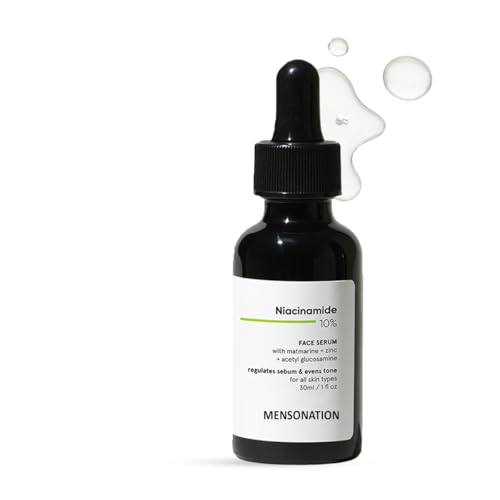
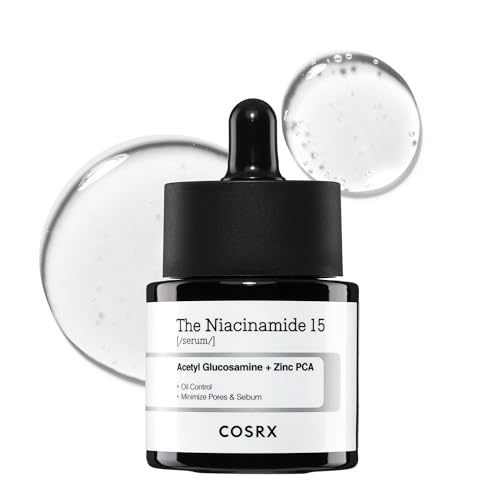
Niacinamide is a form of Vitamin B3 used in many moisturisers, serums, and other skincare products.
It is known for its versatility and is often included in routines focused on maintaining the skin barrier, managing excess oil, and improving the appearance of uneven skin texture.
What is niacinamide serum used for?
Niacinamide is commonly used to:
- Support the skin’s natural barrier.
- Help improve the appearance of oily skin.
- Reduce the appearance of enlarged pores.
- Improve the appearance of uneven skin tone.
- Support skin hydration when used in an appropriate formulation.
- Complement routines for blemish-prone skin.
Niacinamide is not a pore-erasing ingredient. It may help make pores look less noticeable, but it cannot permanently remove or close them.
Who might consider niacinamide serum?
Niacinamide may be worth considering if your main skincare goals include:
- Managing the appearance of excess oil.
- Supporting a healthy-looking skin barrier.
- Improving the appearance of pores.
- Addressing uneven-looking skin tone.
- Adding a versatile ingredient to a simple skincare routine.
It is often included in products designed for different skin types, but the overall formulation still matters. A serum containing niacinamide can also include other ingredients that may not suit everyone.




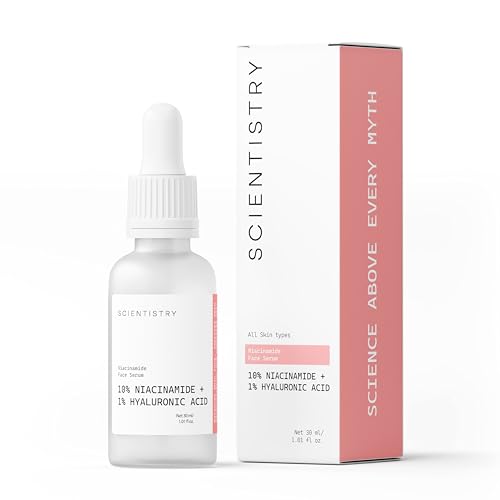
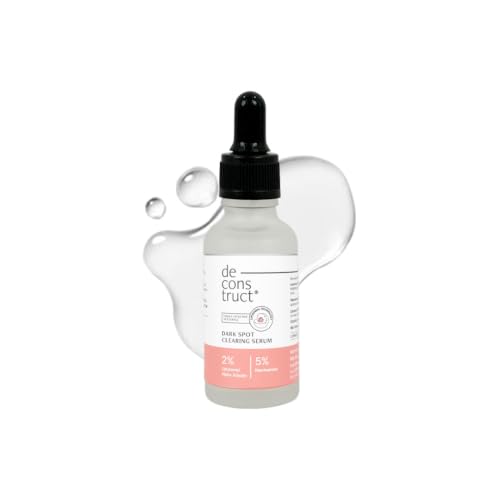
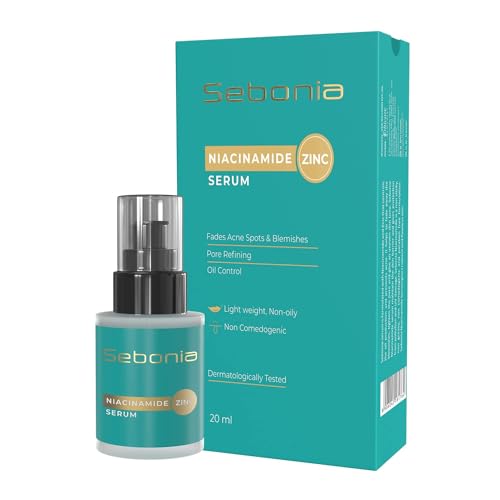


Vitamin C vs Niacinamide: Key Differences
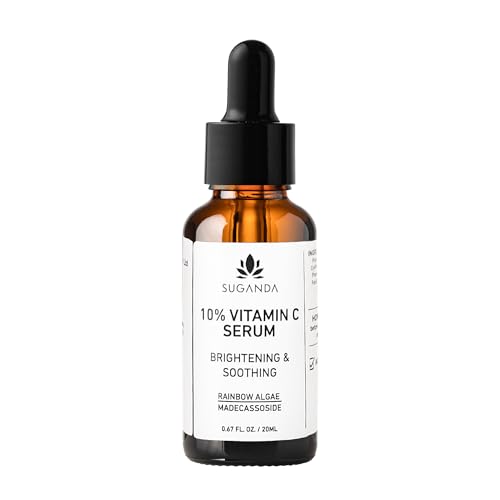
Vitamin C
Often chosen for antioxidant support and brighter-looking skin.
Niacinamide
Often chosen for skin-barrier support and managing the appearance of oil and pores.
| Feature | Vitamin C serum | Niacinamide serum |
|---|---|---|
| Main ingredient | Vitamin C or a derivative | Vitamin B3 |
| Common skincare focus | Antioxidant support, dullness, uneven-looking tone | Skin-barrier support, oiliness, pores, uneven-looking tone |
| Common routine placement | Often used in the morning | Morning or evening |
| Product forms | L-ascorbic acid and various derivatives | Niacinamide in different concentrations and formulations |
| Skin-type suitability | Depends on form, strength, and formula | Depends on concentration and overall formula |
| Possible concerns | Stinging, redness, irritation; some formulas are less stable | Irritation or redness can occur, particularly with unsuitable formulations |
| Sunscreen required? | Yes, as part of daytime sun protection | Daytime sunscreen is still recommended |
| Can they be combined? | Yes, if tolerated | Yes, if tolerated |
Important: Neither ingredient is automatically better for every skin type. The formulation, concentration, frequency of use, and your specific skincare goals all matter.
Which Serum Should You Choose Based on Your Skin Concern?
Rather than buying a serum because it is trending, start by identifying what you want to address.

Dull-looking skin
Vitamin C is commonly used in routines focused on improving the appearance of dullness. Niacinamide may also complement a routine for uneven-looking tone.

Oily-looking skin
Niacinamide may be a useful ingredient to consider because it is often included in products intended to help manage the appearance of excess oil.

Visible pores
Niacinamide is commonly used in pore-focused skincare routines. It may improve their appearance, but it cannot permanently eliminate pores.

Sensitive or easily irritated skin
Prioritise a gentle, fragrance-free routine and introduce one new product at a time. Neither ingredient is guaranteed to suit sensitive skin.

Building a simple morning routine
Vitamin C can complement a morning routine with sunscreen. Niacinamide is another option if your main focus is oiliness or barrier support.
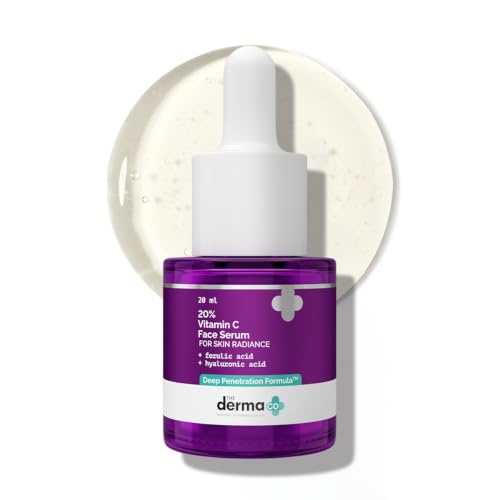
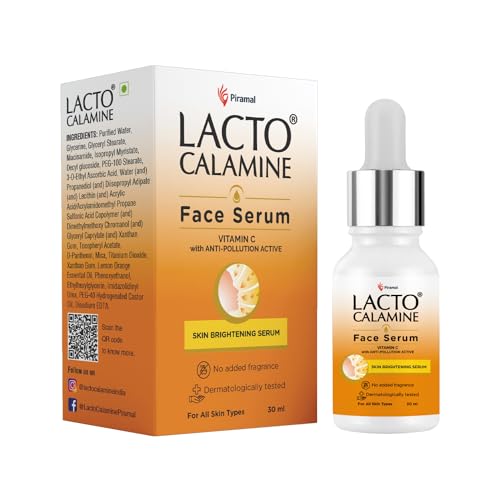
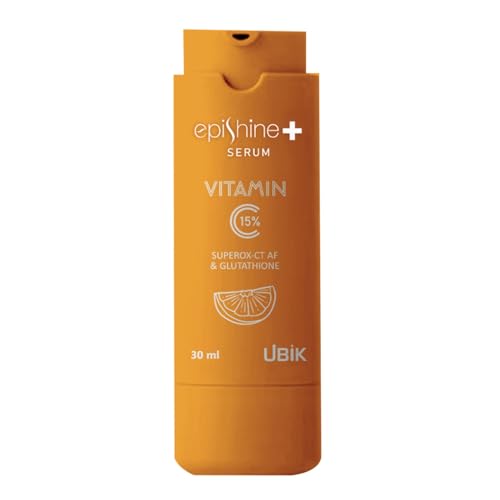
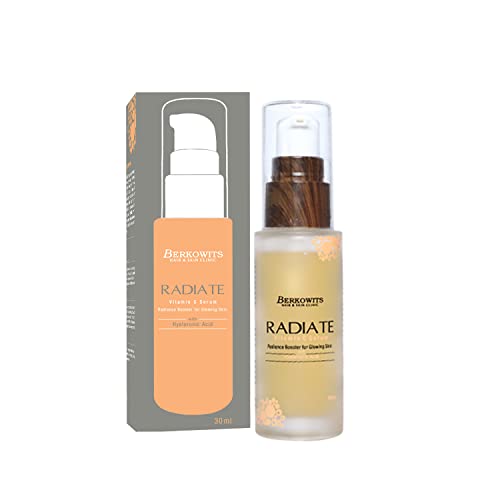
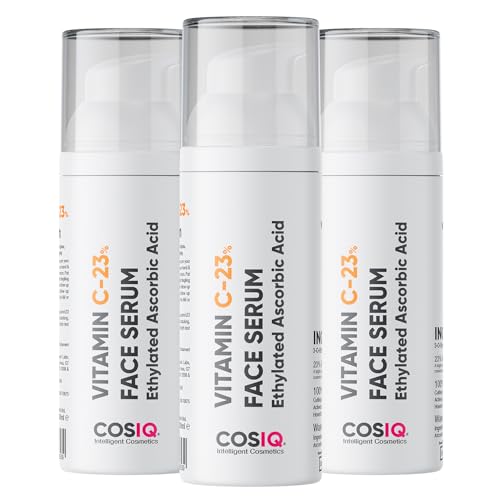
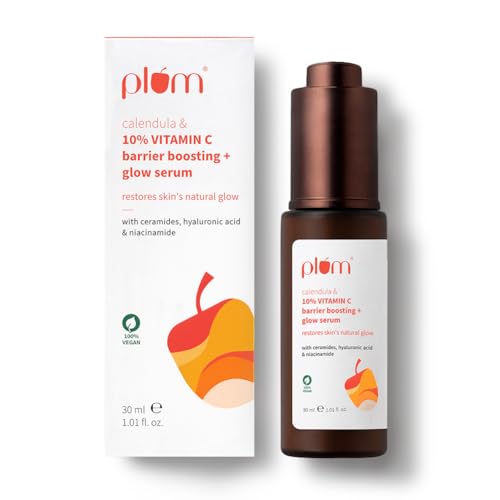
Vitamin C Serum: What to Check Before Buying
Vitamin C serums can differ considerably, so it helps to look beyond the product name.
Check the form of Vitamin C
The product label may list L-ascorbic acid or a Vitamin C derivative. These forms are not identical.
L-ascorbic acid is widely studied, but it can be more challenging to formulate because it is sensitive to factors such as light, air, and formulation conditions.
Derivatives may offer different stability and formulation characteristics. Do not assume that every derivative works identically to pure L-ascorbic acid.
Check the concentration
Vitamin C serums come in different concentrations. A higher percentage does not automatically mean better results.
If you are new to Vitamin C, avoid choosing a product based only on the highest percentage advertised. Start with a formulation designed for your experience level and skin tolerance.
Check the packaging
Vitamin C formulations, particularly those containing L-ascorbic acid, can be sensitive to oxidation.
Look for packaging that limits unnecessary exposure to air and light. Follow the product’s storage instructions.
Check the texture and other ingredients
Some Vitamin C serums are lightweight, while others may feel richer or tackier.
Check the complete ingredient list for additional acids, fragrance, or other ingredients that could affect how your skin tolerates the product.
Watch for changes in the product
Some Vitamin C formulas naturally have a slight colour. However, a noticeable change in colour, smell, or texture may indicate that the product has changed.
Follow the manufacturer’s guidance and discontinue use if the product appears spoiled or causes irritation.







Niacinamide Serum: What to Check Before Buying
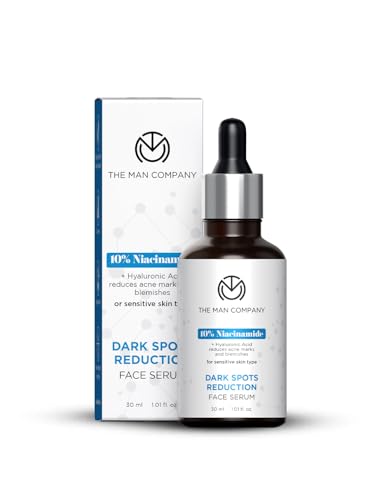
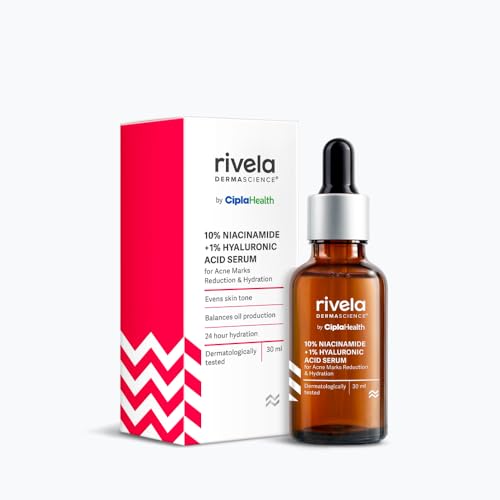
Niacinamide products are available in many strengths and combinations. The percentage is only one part of choosing a suitable serum.
Check the concentration
Niacinamide products commonly come in a range of concentrations, including lower-strength and higher-strength options.
A higher concentration is not necessarily more effective for your skin. Some people experience irritation with stronger products, so choosing a well-formulated product that your skin tolerates is important.
Check the complete formula
Niacinamide is often combined with ingredients such as:
- Hyaluronic acid.
- Glycerin.
- Ceramides.
- Panthenol.
- Zinc compounds.
These ingredients have different functions. For example, humectants such as glycerin help attract water, while ceramides are commonly used in products designed to support the skin barrier.
Do not assume that every niacinamide serum contains these ingredients. Always check the product label.
Choose a texture you will use consistently
A watery serum may feel comfortable under moisturiser, while a gel or lotion-like formula may suit someone who prefers a slightly richer texture.
Your moisturiser and sunscreen also affect how a serum feels in your routine.
Avoid buying multiple similar products unnecessarily
If your moisturiser already contains niacinamide, you may not need a separate niacinamide serum.
Consider your existing routine before adding another product with the same ingredient.





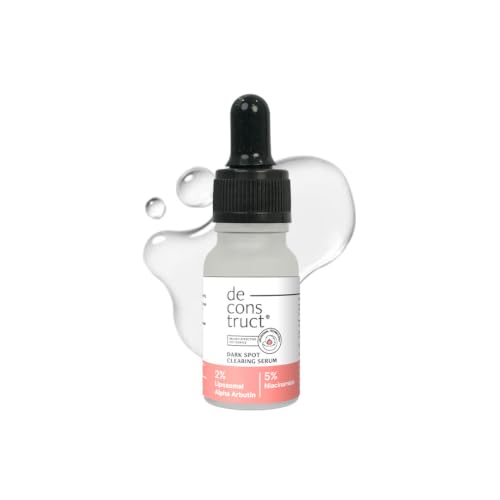
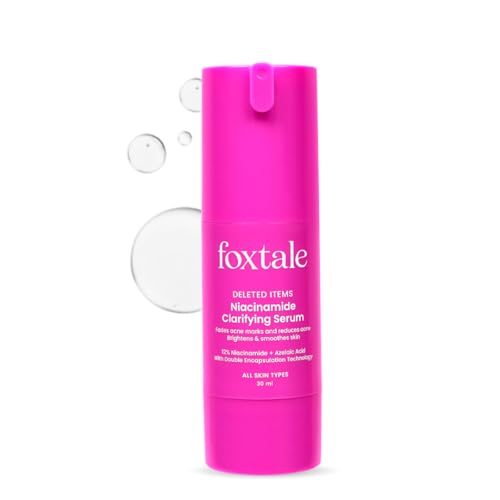
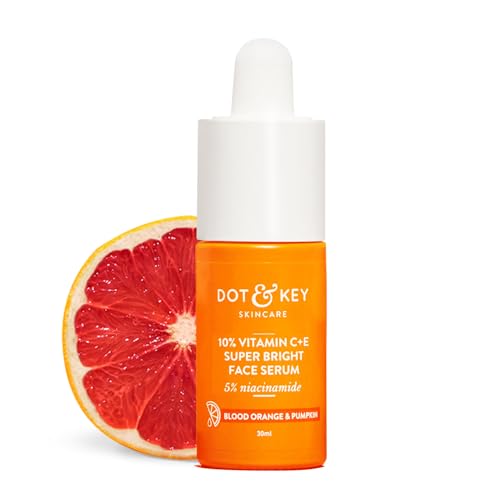
Can You Use Vitamin C and Niacinamide Together?
Yes, Vitamin C and niacinamide can generally be used in the same skincare routine if your skin tolerates both products.
The idea that these ingredients must never be combined is an oversimplification. Modern skincare formulations can include both ingredients, and many people use products containing them in the same routine.
However, using two serums at once does not guarantee faster or better results.
Option 1: Use Vitamin C in the morning and niacinamide at night
This is a simple way to introduce both ingredients without layering several products at once.
Morning routine
Gentle cleanser → Vitamin C serum → Moisturiser → Broad-spectrum sunscreen
Evening routine
Gentle cleanser → Niacinamide serum → Moisturiser
Option 2: Use both in the same routine
If you already tolerate both ingredients, you may use them together.
A simple order is:
- Cleanser.
- Lightweight serum.
- Second serum, if needed.
- Moisturiser.
- Sunscreen during the daytime.
When using two serums, follow each product’s instructions. If the textures are similar, there may be no universally necessary order; layering from thinner to thicker textures is a practical guideline rather than a strict rule.
Option 3: Start with one serum
If you are new to active skincare ingredients, start with one product first.
This makes it easier to understand how your skin responds and to identify the product if irritation develops.
How to Introduce a New Serum Safely
Even widely used skincare ingredients can irritate some people. A gradual approach can help you assess tolerance.
Patch test first
Apply a small amount of the product to a limited area of skin, following the manufacturer’s instructions. Observe for irritation before applying it more broadly.
A patch test cannot guarantee that a product will never cause a reaction, but it can help identify some obvious problems.
Introduce one product at a time
Avoid starting several new serums, exfoliants, and treatments simultaneously.
If your skin becomes irritated, it can be difficult to determine which product caused the reaction.
Begin gradually
Follow the product directions and start with a frequency your skin can tolerate. You do not need to apply a new serum several times a day to make it work.
Keep the rest of your routine simple
A basic routine with a gentle cleanser, moisturiser, and sunscreen gives you a more manageable starting point.
Stop if irritation develops
If you experience persistent burning, swelling, significant redness, or a rash, stop using the product. Seek medical advice if symptoms are severe, persistent, or worsening.
Common Serum Buying Mistakes to Avoid
Choosing the highest percentage
Stronger is not always better. Concentration, formulation, and skin tolerance matter.
Expecting overnight results
Skincare changes generally take time, and results vary. Avoid judging a product after one or two applications.
Using too many active ingredients at once
Layering multiple products can make irritation more likely and make it harder to identify what suits your skin.
Skipping sunscreen
A serum is not a replacement for daily sun protection. Use broad-spectrum sunscreen during the day.
Buying based only on social media trends
Consider your skin concerns, existing products, ingredient list, and budget before buying.
Frequently Asked Questions
Is Vitamin C better than niacinamide?
Neither is universally better. Vitamin C is commonly used for antioxidant support and brighter-looking skin, while niacinamide is often chosen for skin-barrier support and the appearance of oiliness and pores. Your choice depends on your skincare goals and tolerance.
Can I use Vitamin C and niacinamide together?
Yes. They can generally be used in the same routine if tolerated. Introduce new products gradually and follow the instructions on each product.
Which serum is better for oily skin?
Niacinamide is often considered in routines for oily-looking skin because it may help improve the appearance of excess oil. The complete formulation matters, so choose a product that feels comfortable on your skin.
Which serum is better for dull-looking skin?
Vitamin C is commonly used in routines focused on dullness and uneven-looking tone. Niacinamide may also complement a routine targeting uneven-looking skin tone.
Can niacinamide reduce the appearance of pores?
Niacinamide may help improve the appearance of pores, but it cannot permanently close or erase them.
Should I use Vitamin C in the morning or at night?
Vitamin C is commonly used in the morning as part of a routine that includes sunscreen. It may also be used at another time if the product instructions and your skin tolerance allow it.
Can niacinamide be used at night?
Yes. Niacinamide can be used in either a morning or evening routine, depending on the product instructions and your preferences.
Is a higher percentage of niacinamide always better?
No. A higher concentration does not guarantee better results and may not suit every skin type. Choose a formulation based on tolerance rather than percentage alone.
Can beginners use Vitamin C serum?
Beginners may use Vitamin C, but should choose a suitable formulation, introduce it gradually, and stop if irritation develops.
Can beginners use niacinamide serum?
Niacinamide is widely used in skincare, but beginners should still introduce it gradually and pay attention to how their skin responds.
Do I need a separate niacinamide serum if my moisturiser contains niacinamide?
Not necessarily. Check your existing products before adding another serum with the same ingredient. A separate serum may be unnecessary for a simple routine.
Does Vitamin C replace sunscreen?
No. Vitamin C does not replace sunscreen. Use a broad-spectrum sunscreen during the day and follow its application instructions.
How long does it take to see results from a serum?
Results vary depending on the ingredient, formulation, skin concern, and consistency of use. Avoid expecting overnight changes, and discontinue use if irritation develops.
Can I use Vitamin C and niacinamide every day?
Some people tolerate daily use, but the appropriate frequency depends on the products and your skin. Follow the label and increase use gradually if needed.
What should I do if a serum causes irritation?
Stop using the product and simplify your routine. If irritation is severe, persistent, or worsening, seek advice from a qualified healthcare professional.
Final Thoughts
Vitamin C and niacinamide are both useful ingredients to understand when choosing skincare products, but they serve somewhat different roles.
Vitamin C is commonly selected for antioxidant support and brighter-looking skin. Niacinamide is often chosen for supporting the skin barrier and improving the appearance of oiliness and pores.
If you are unsure where to begin, focus on your main skincare concern, check the complete formula, and introduce one serum at a time. You do not need a complicated routine or several high-strength products to get started.
Choose skincare that suits your skin not just what is trending. ❤️