
If you were born on the 3rd, 12th, 21st or 30th of any month, Indian numerology traditionally places you under Mulank 3.
And if you have been following numerology content for even five minutes, you have probably already heard something along the lines of:
“Mulank 3? Wear Pukhraj!”
Simple.
Almost too simple. 😭💛
Because while Yellow Sapphire, or Pukhraj, is the gemstone most traditionally associated with Mulank 3, gemstone traditions are considerably more nuanced than matching one birth number with one stone and ordering it immediately.
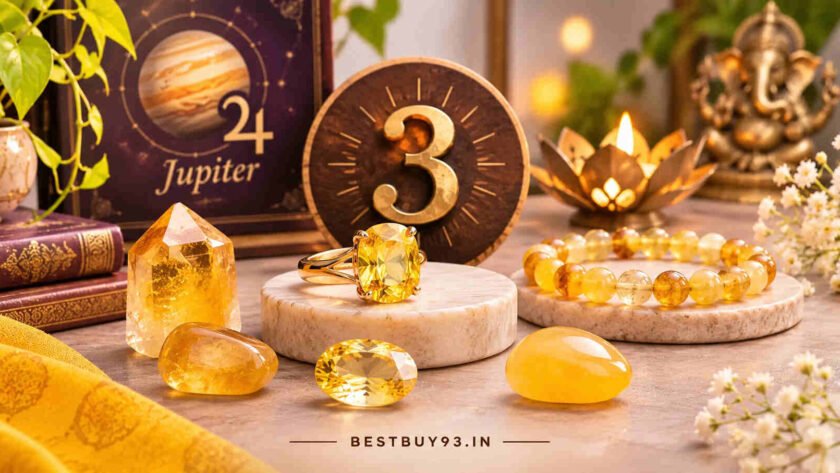
Mulank 3 is associated with Guru or Brihaspati Jupiter in Indian numerology. Jupiter is traditionally connected with wisdom, learning, expansion, guidance, principles and prosperity. Because Yellow Sapphire is the principal gemstone traditionally associated with Jupiter in Vedic gemstone systems, it naturally becomes the primary stone connected with Mulank 3.
However, modern numerology and crystal traditions also mention alternatives such as:
- Yellow Sapphire
- Citrine
- Yellow Topaz
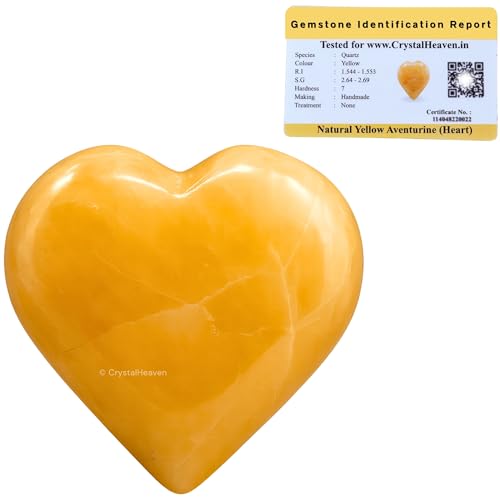
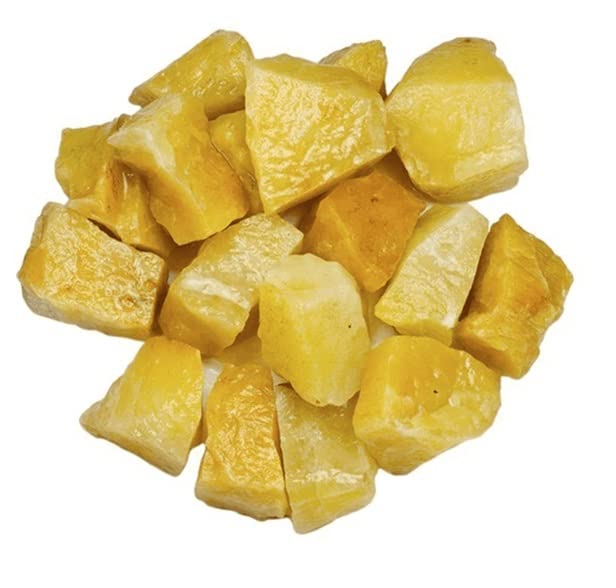
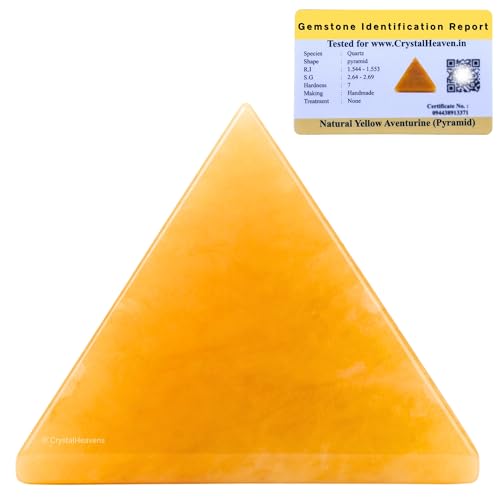
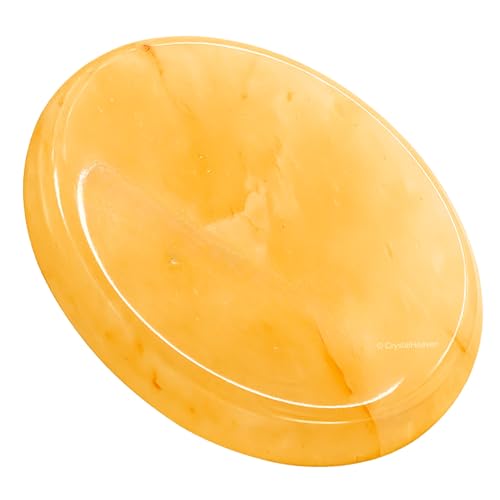
- Yellow Aventurine
- In some systems, Amethyst or Turquoise
So which one should you actually choose?
Let’s break it down carefully.
Who Is Mulank 3?
Your Mulank is calculated using only the day of the month on which you were born.
So:
3rd → 3
12th → 1 + 2 = 3
21st → 2 + 1 = 3
30th → 3 + 0 = 3
Therefore, people born on the 3rd, 12th, 21st or 30th are traditionally classified as Mulank 3.
Across contemporary Indian numerology sources, Mulank 3 is consistently associated with Jupiter, known as Guru or Brihaspati.
Mulank 3 personalities are traditionally described using qualities such as:
- Wisdom
- Discipline
- Optimism
- Leadership
- Learning
- Teaching ability
- Generosity
- Strong principles
- Communication
- Desire for growth
Naturally, these are traditional numerology interpretations, not scientifically established personality traits.
Which Planet Rules Mulank 3?
Mulank 3 is traditionally ruled by Jupiter or Brihaspati.
In Indian astrological symbolism, Jupiter is associated with:
- Knowledge
- Teachers
- Spiritual guidance
- Wisdom
- Expansion
- Prosperity
- Ethics
- Higher education
That Jupiter association is the main reason yellow and golden colours frequently appear in Mulank 3 recommendations.
Traditional guides commonly list:
Lucky day: Thursday
Colours: Yellow, saffron, gold or light purple
Gemstone: Yellow Sapphire or Pukhraj
Multiple contemporary numerology references identify Yellow Sapphire as the main gemstone for Mulank 3.
Which Gemstone Is Traditionally Associated With Mulank 3?
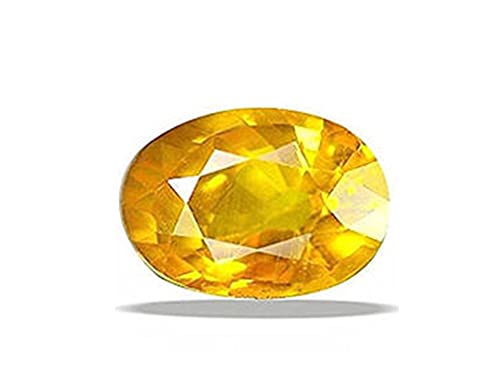
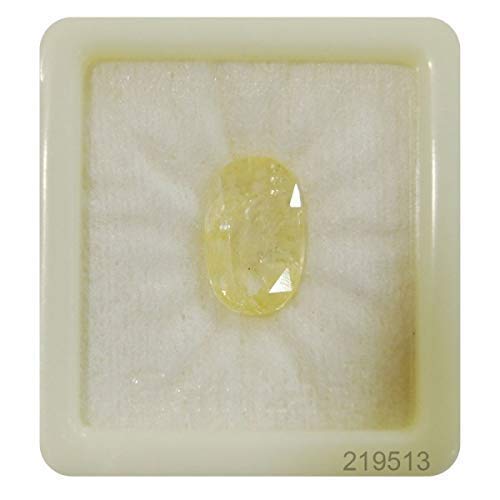
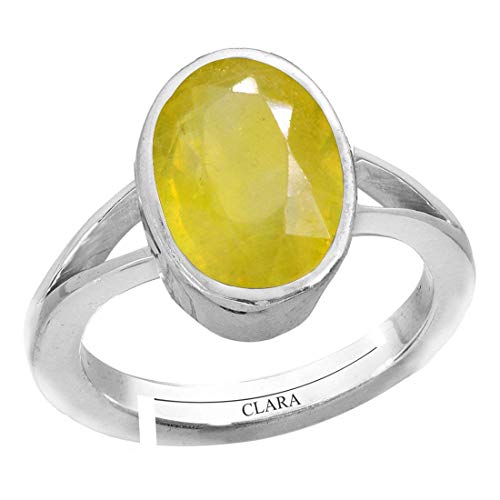
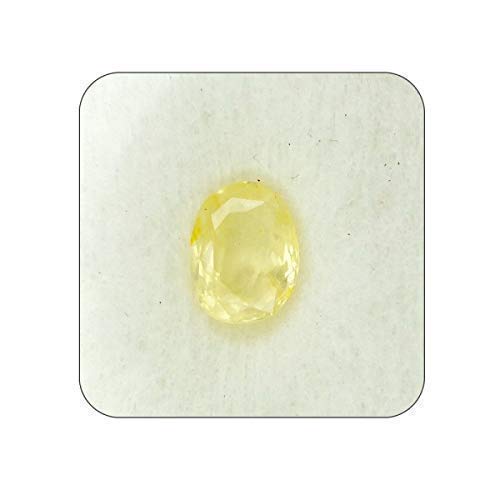
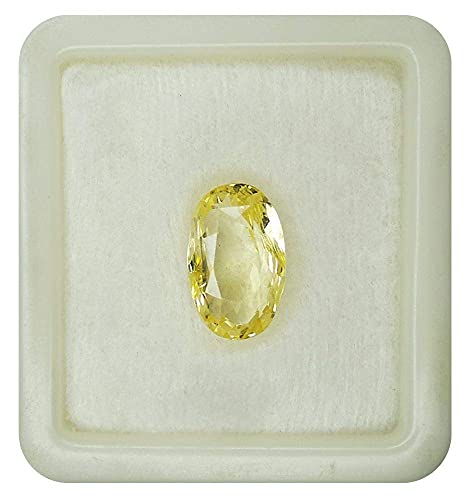
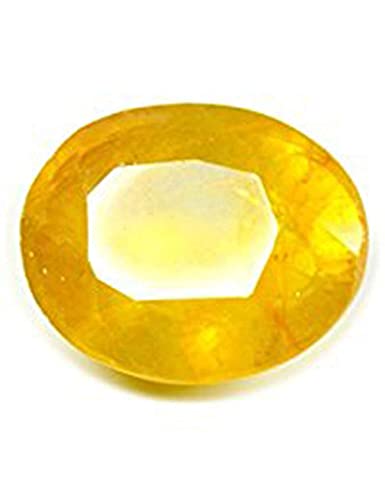
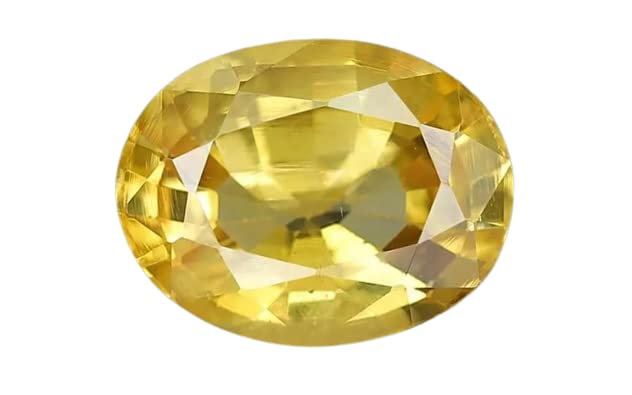
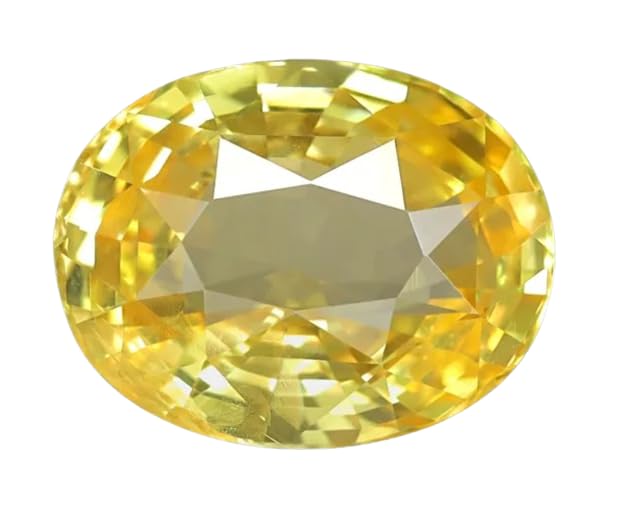
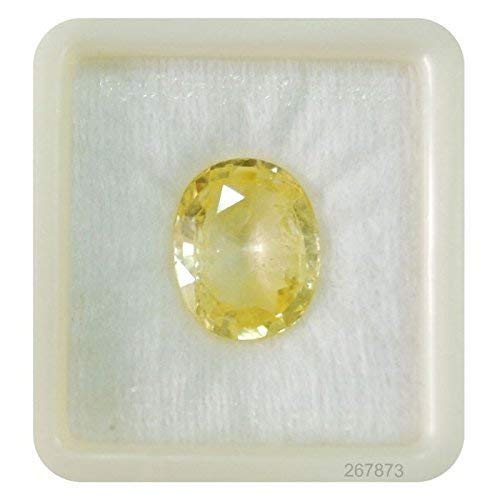
Yellow Sapphire Pukhraj
Yellow Sapphire is the primary traditional gemstone associated with Mulank 3.
This connection comes through Jupiter.
In Vedic gemstone traditions:
Jupiter → Yellow Sapphire
And in Indian numerology:
Mulank 3 → Jupiter
Therefore:
Mulank 3 → Jupiter → Yellow Sapphire
Simple enough.
But this does not automatically mean every person born on the 3rd, 12th, 21st or 30th should put a Yellow Sapphire ring on tomorrow morning.
More on that shortly.
1. Yellow Sapphire for Mulank 3
The Traditional Primary Gemstone
Yellow Sapphire, commonly called Pukhraj, is the most consistently mentioned gemstone for Mulank 3 across Indian numerology references.
It belongs to the corundum mineral family the same mineral family that includes sapphire and ruby.
Within astrological gemstone traditions, Pukhraj is associated with Brihaspati or Jupiter.
Traditional practitioners may associate it symbolically with qualities such as:
- Wisdom
- Confidence
- Knowledge
- Prosperity
- Growth
- Better judgement
- Spiritual learning
- Leadership
Again, these are traditional metaphysical associations, not medically or scientifically proven effects.
Why Mulank 3 Is Associated With Pukhraj
Mulank 3’s symbolic personality is often presented as “the teacher.”
Jupiter is also described as Guru the teacher.
So Pukhraj fits naturally into this symbolism.
A Mulank 3 gemstone guide without Yellow Sapphire would basically be like writing about chai and casually forgetting tea leaves.
It is the obvious starting point. 😄



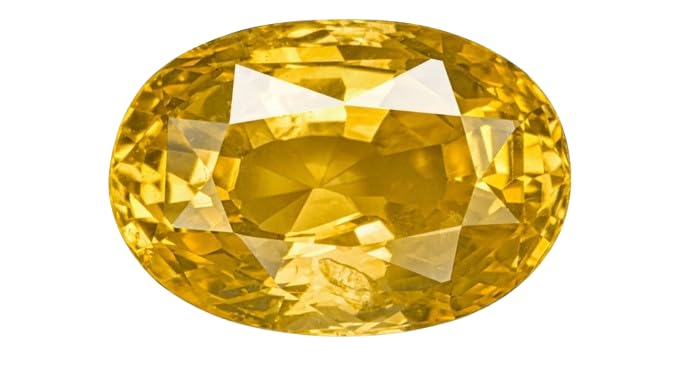
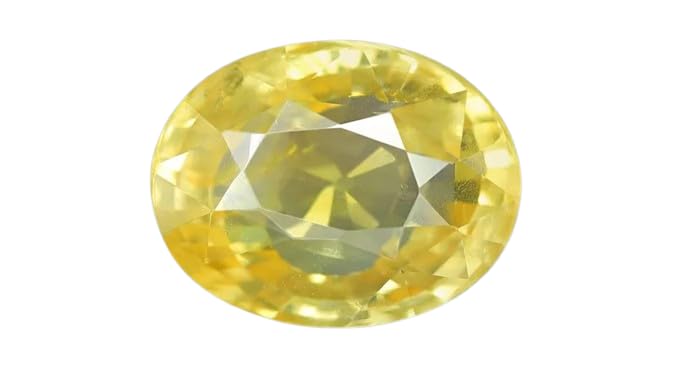
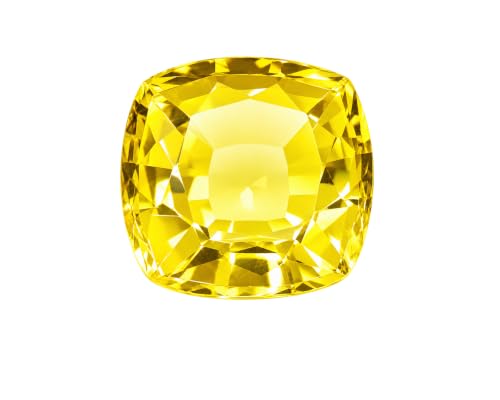
2. Citrine for Mulank 3
The Popular Affordable Alternative
Natural Yellow Sapphire can become expensive very quickly.
Enter Citrine.
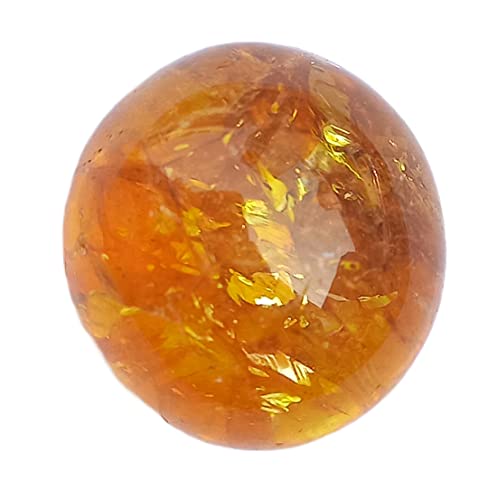
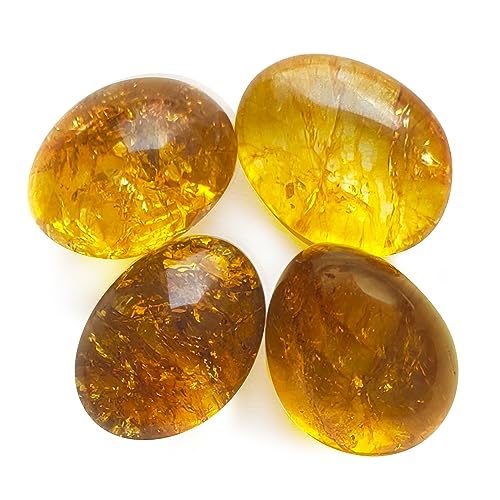
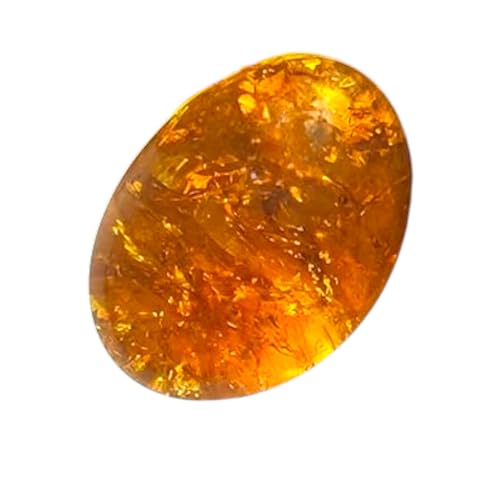
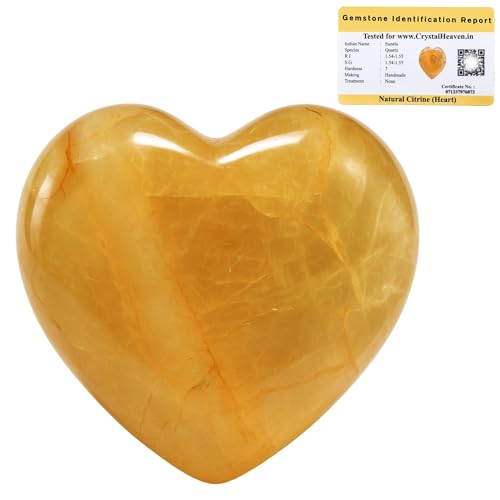
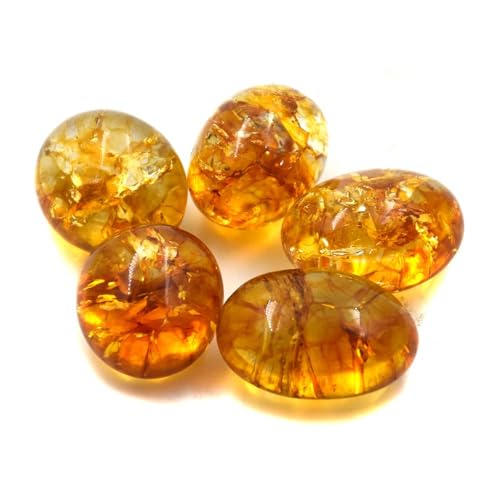
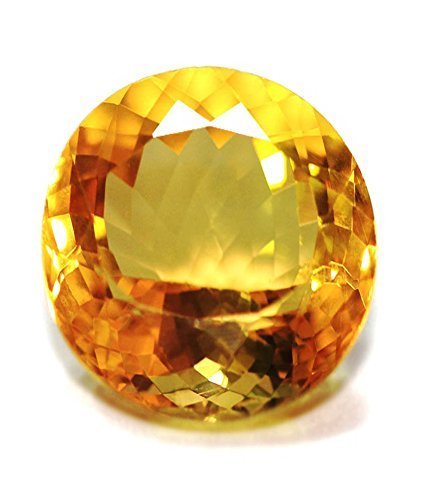
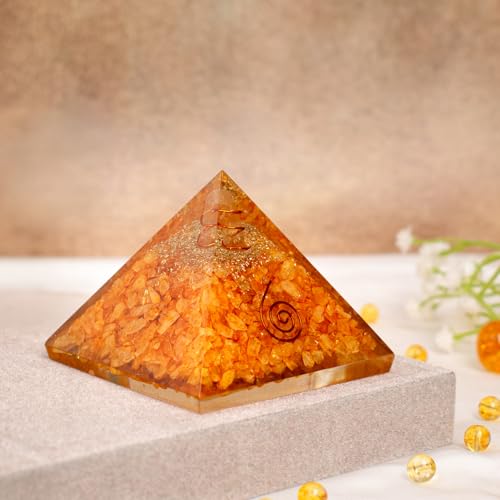
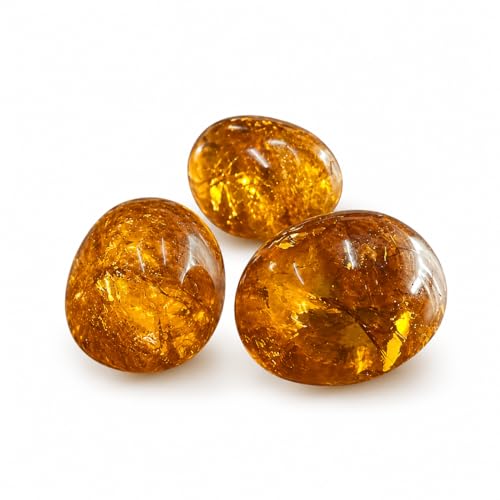
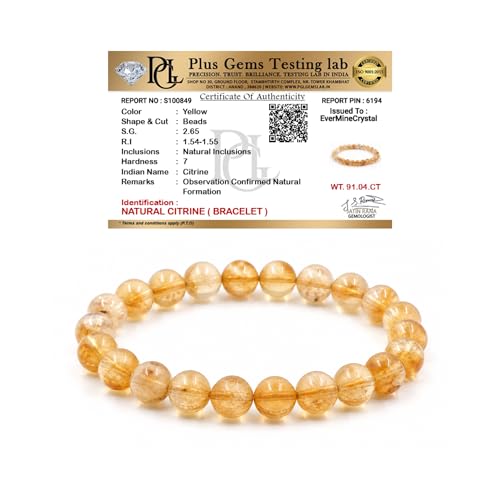
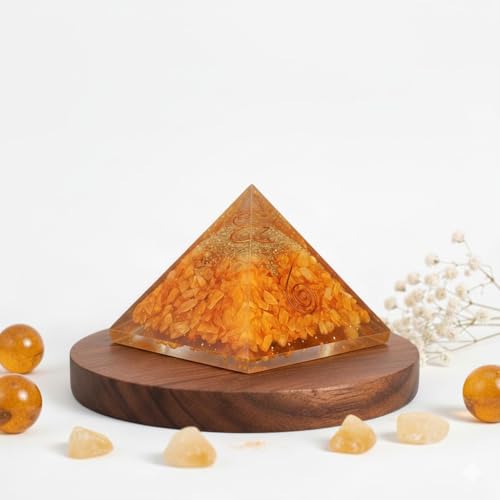
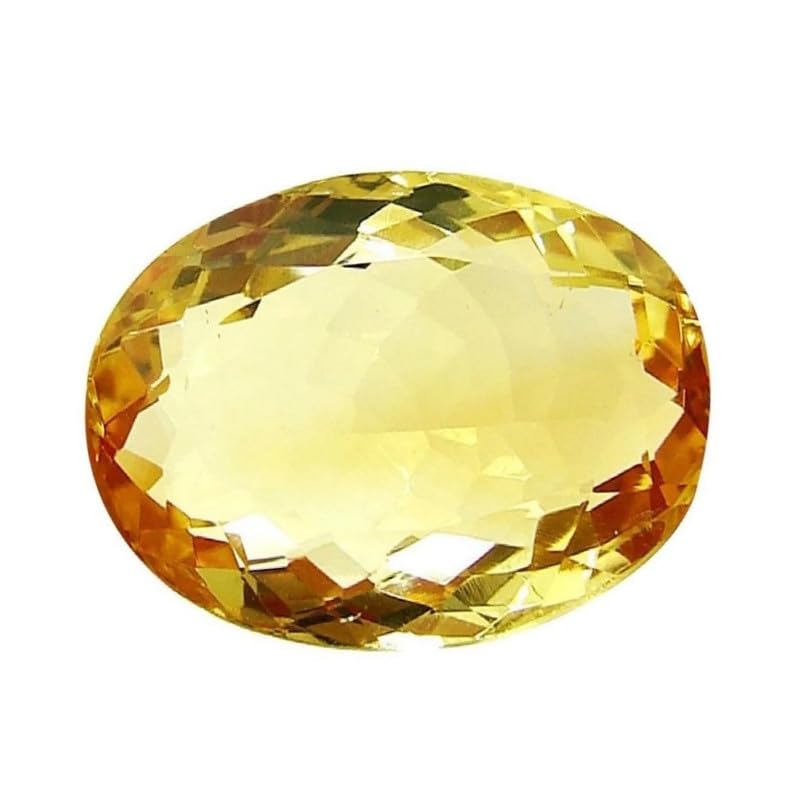
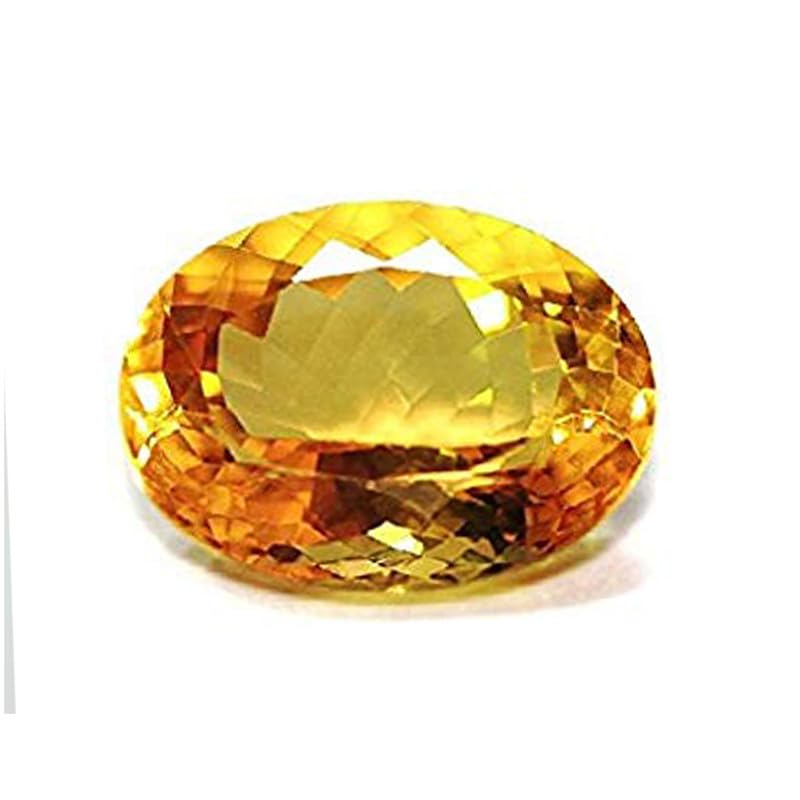
Citrine is a yellow-to-golden variety of quartz and is commonly mentioned in modern numerology and crystal traditions as a more affordable stone associated with Jupiter-style symbolism.
Several contemporary guides list Citrine as a substitute or alternative gemstone for Mulank 3.
Traditional crystal interpretations connect Citrine with:
- Optimism
- Confidence
- Abundance
- Motivation
- Positive outlook
- Personal growth
Why People Choose Citrine
The biggest advantage?
Price.
A natural Yellow Sapphire suitable for jewellery can cost substantially more than Citrine.
Citrine also works beautifully in:
- Bracelets
- Rings
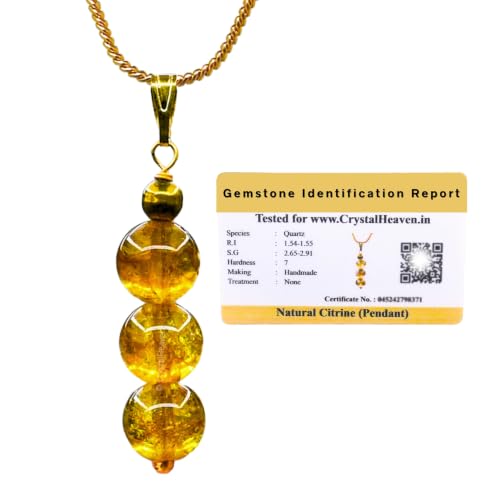
- Pendants
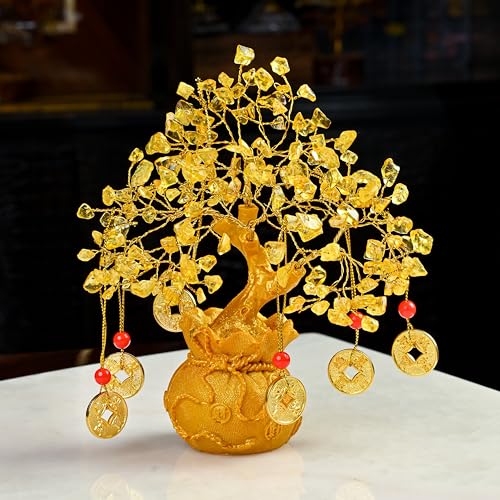
- Crystal jewellery
- Everyday accessories
That makes it especially attractive to people who enjoy numerology-inspired jewellery without wanting to make a serious gemstone investment.
Important Difference
Citrine is not the same gemstone as Yellow Sapphire.
They have completely different mineral compositions.
So when someone calls Citrine “Pukhraj,” run away from that listing faster than you run from a suspicious WhatsApp investment group. 😭
Citrine may be treated as a symbolic alternative but it is not Yellow Sapphire.

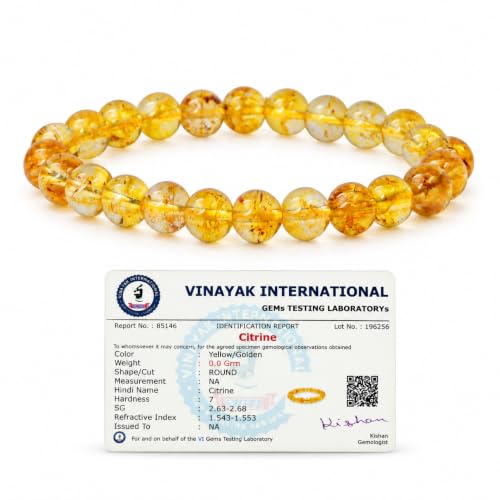

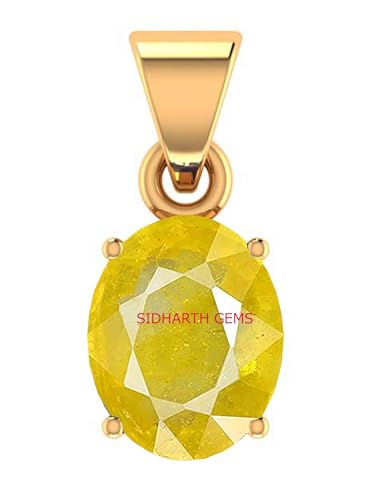
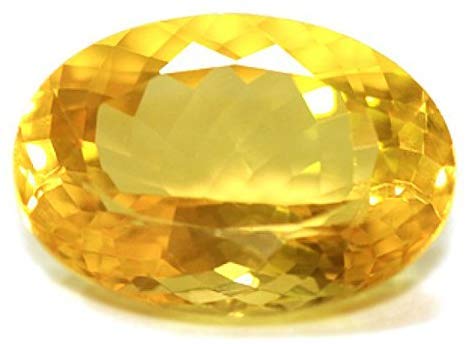
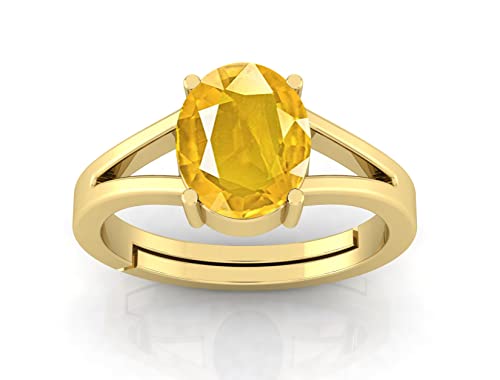
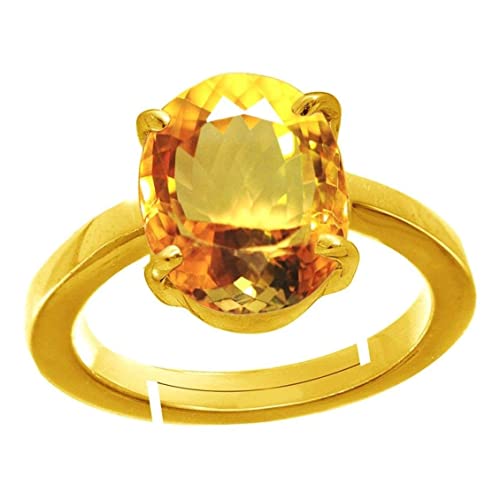
3. Yellow Topaz for Mulank 3
Another Frequently Mentioned Alternative
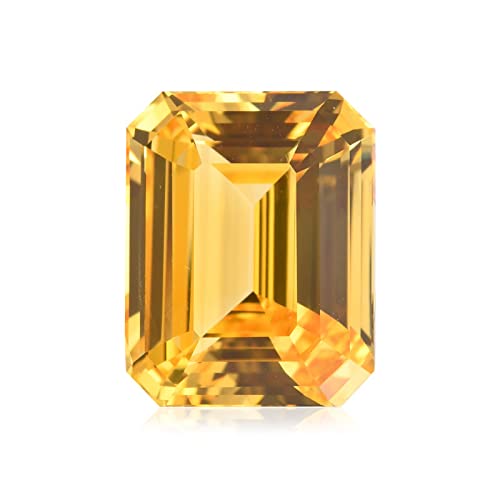
Yellow Topaz is another stone sometimes recommended as an affordable substitute for Yellow Sapphire.
Contemporary Mulank gemstone charts often list:
Mulank 3 → Yellow Sapphire → Citrine / Yellow Topaz as substitutes.
Yellow Topaz typically provides a brighter yellow appearance than many Citrines.
It can therefore appeal to someone who wants jewellery that visually resembles the yellow-gold aesthetic traditionally associated with Jupiter.
Traditional Associations
Modern crystal traditions may associate Yellow Topaz with:
- Confidence
- Mental clarity
- Optimism
- Creativity
- Success
- Personal growth
As always, these should be understood as cultural or metaphysical interpretations rather than scientific outcomes.



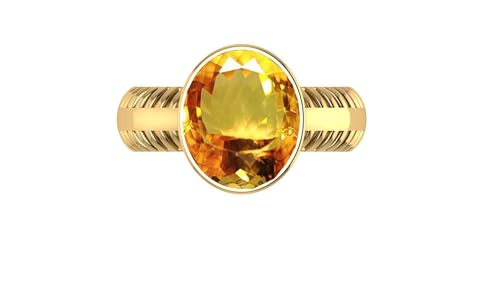
4. Yellow Aventurine for Mulank 3
A Modern Crystal Option
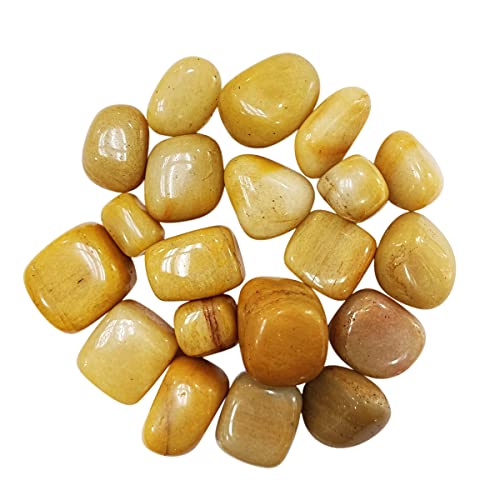
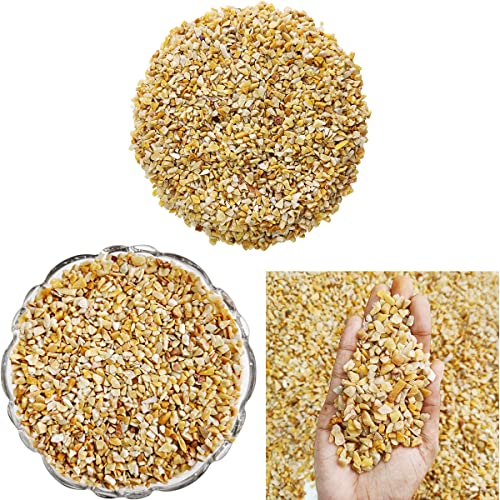
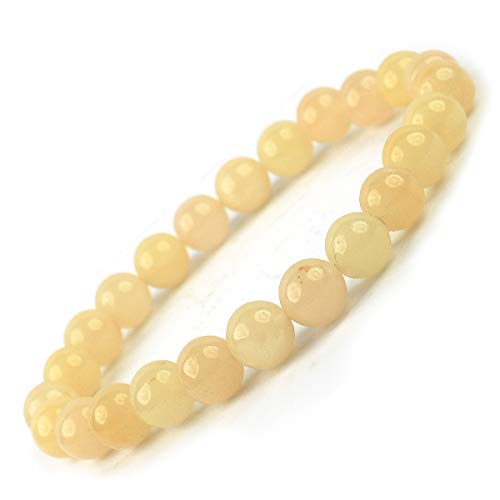
If you are exploring crystal bracelets rather than traditional Vedic gemstones, you may frequently encounter Yellow Aventurine.
Some modern crystal practitioners associate Mulank 3 with:
- Citrine
- Yellow Aventurine
rather than immediately prescribing expensive Pukhraj.
Yellow Aventurine is normally much more affordable.
It is also easy to find in:
- Stretch bracelets
- Crystal bead bracelets
- Pendants
- Tumbled stones
Modern crystal interpretations often link it with:
- Positivity
- Confidence
- Calm thinking
- Optimism
Who Might Prefer It?
Someone who wants:
- A casual bracelet
- A budget-friendly stone
- Something easy to wear daily
- A numerology-inspired accessory rather than an astrological gemstone prescription
may find Yellow Aventurine more practical.
What About Amethyst and Turquoise?
Here is where numerology sources start becoming less consistent.
Some modern Number 3 guides list a wider range of traditional crystals including:
- Yellow Sapphire
- Citrine
- Amethyst
- Turquoise
But Yellow Sapphire remains far more consistently associated with Jupiter and Mulank 3 than those additional stones.
So I would treat Amethyst and Turquoise as secondary or school-specific interpretations, rather than presenting them as universally recognised Mulank 3 gemstones.
This distinction matters.
Numerology is not one centralised system with a government-approved PDF called:
“Official Mulank Stones Final Final Updated 2026.pdf.” 😂
Different practitioners combine:
- Numerology
- Vedic astrology
- Crystal healing
- Planetary symbolism
- Western gemstone traditions
and therefore arrive at somewhat different recommendations.


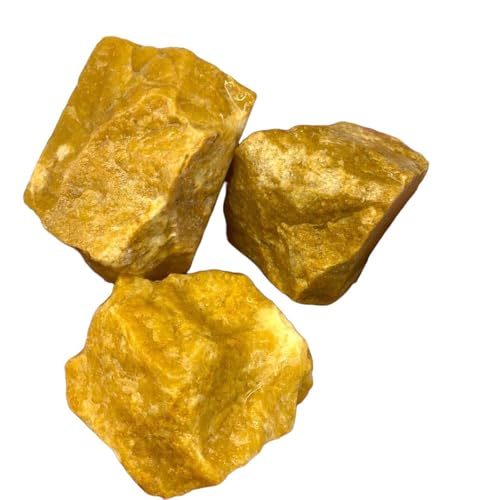
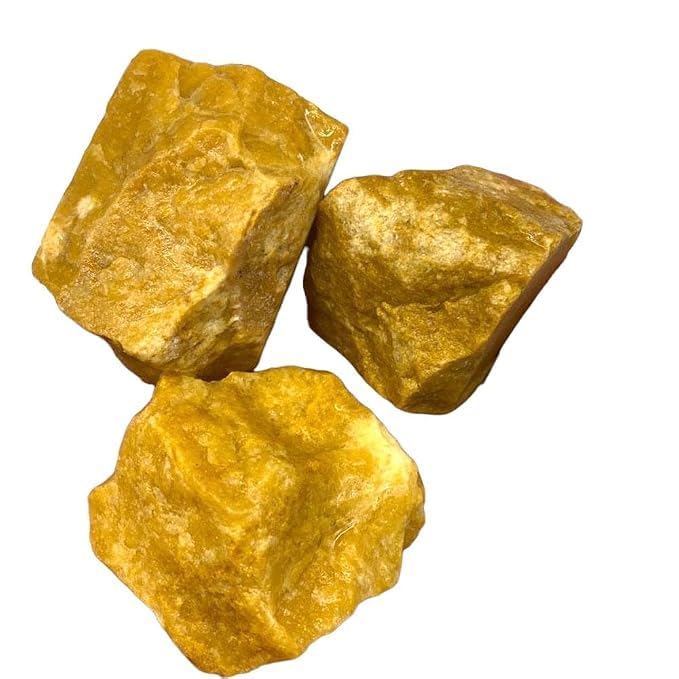
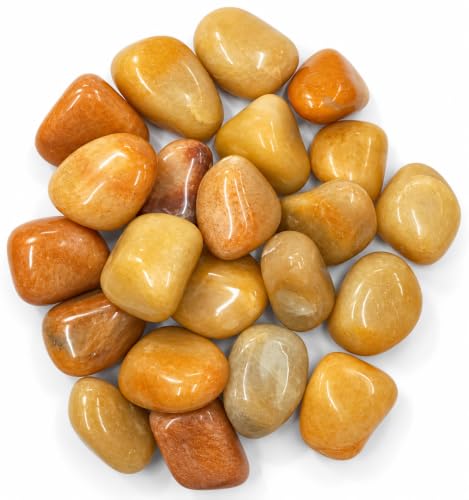
Mulank 3 Gemstones Comparison Table
| Stone | Traditional Position | Appearance | Best For |
|---|---|---|---|
| Yellow Sapphire | Primary Jupiter gemstone | Golden/yellow | Traditional gemstone followers |
| Citrine | Popular substitute | Pale yellow to golden | Budget jewellery |
| Yellow Topaz | Alternative yellow stone | Bright yellow/golden | Jewellery lovers |
| Yellow Aventurine | Modern crystal option | Soft yellow | Bracelets and everyday wear |
| Amethyst | Secondary in some systems | Purple | Crystal-based interpretations |
| Turquoise | Secondary in some systems | Blue-green | Alternative traditions |
Which Is the Best Gemstone for Mulank 3?
If you mean:
“Which stone is traditionally associated most strongly with Mulank 3?”
The answer is:
Yellow Sapphire Pukhraj.
If you mean:
“Which affordable stone is commonly recommended?”
Then:
Citrine is probably the most straightforward choice.
If you want:
“A casual crystal bracelet”
Then:
Citrine or Yellow Aventurine may be easier to wear and dramatically cheaper.
Should Everyone With Mulank 3 Wear Yellow Sapphire?
No not based on Mulank alone.
This is probably the most important part of this entire article.
Several numerology and astrology sources specifically caution that Yellow Sapphire should ideally be considered only after the full birth chart has been examined.
Why?
Because Mulank tells you only one piece of information:
your day of birth.
Astrological gemstone prescriptions may also consider factors such as:
- Ascendant
- Moon sign
- Jupiter’s position
- House rulership
- Planetary aspects
- Dasha
- Overall Kundli
Therefore:
Mulank 3 = Jupiter association
does not necessarily equal:
Everyone with Mulank 3 must wear Yellow Sapphire.
That is an important distinction.
How Is Yellow Sapphire Traditionally Worn?
Traditional practices vary, but some numerology and astrology traditions describe Pukhraj as being worn:
- On a Thursday
- In gold
- On the index finger
One contemporary Mulank guide specifically lists Yellow Sapphire in gold on the index finger.
However, these recommendations should not be treated as universal instructions.
The metal, finger, gemstone weight and timing may differ depending on the astrological method being followed.
If someone wants Pukhraj specifically as an astrological remedy, personalised chart guidance is more appropriate than simply copying a generic Internet ritual.
If you are wearing it only because you love yellow gemstones?
That is different.
Wear the jewellery you like.
Does Bhagyank Matter When Choosing a Gemstone?
Potentially, yes within numerology traditions.
Your Mulank comes from your birth day.
Your Bhagyank is calculated using your complete date of birth.
For example:
21 August 1995
2 + 1 + 0 + 8 + 1 + 9 + 9 + 5 = 35
3 + 5 = 8
So:
Mulank = 3
Bhagyank = 8
Some numerologists consider both numbers before suggesting gemstones.
One recent gemstone guide specifically notes that practitioners may consider both Mulank and Bhagyank, particularly when the associated planetary influences conflict.
That is another reason why simply shopping by:
“Lucky stone for Mulank 3”
can oversimplify things.
Yellow Sapphire vs Citrine for Mulank 3
This is probably the comparison most people actually need.
| Feature | Yellow Sapphire | Citrine |
|---|---|---|
| Traditional Jupiter association | Strong | Secondary/substitute |
| Price | High | Affordable |
| Mineral family | Corundum | Quartz |
| Everyday jewellery | Excellent | Excellent |
| Crystal bracelets | Less common | Very common |
| Astrological prescription | Common | Used as substitute |
| Beginner-friendly budget | ❌ | ✅ |
Choose Yellow Sapphire If:
You specifically want the traditional Jupiter gemstone and are comfortable spending more.
Choose Citrine If:
You primarily want affordable numerology-inspired jewellery or a crystal associated with Jupiter-like themes.
How to Choose a Mulank 3 Stone by Budget
Under ₹1,000
Look at:
- Citrine bracelets
- Yellow Aventurine bracelets
- Tumbled crystals
These are ideal for people exploring the symbolism without making a large investment.
₹1,000–₹5,000
You can consider:
- Better-quality Citrine jewellery
- Yellow Topaz jewellery
- Sterling silver crystal rings
- Pendants
Premium Budget
Natural Yellow Sapphire becomes relevant.
But this is where certification becomes especially important.
The price of Pukhraj varies tremendously depending on:
- Carat weight
- Colour
- Clarity
- Origin
- Treatment
- Certification
Do not purchase an expensive stone because someone on Instagram wrote:
“Mulank 3 = Pukhraj compulsory.”
That is not enough information for a serious jewellery purchase.
Natural vs Synthetic Gemstones
When buying premium gemstones, learn the terminology.
Natural
Created naturally in the earth.
Lab-Created / Synthetic
Created in laboratory conditions but may have similar chemical and physical properties to the natural gem.
Simulant
Looks similar but is chemically different.
For example:
Yellow cubic zirconia may visually resemble Yellow Sapphire but is not Sapphire.
Treated
A natural gemstone may undergo processes such as heat treatment to alter appearance.
None of these categories automatically means “bad.”
The problem is misrepresentation.
If something is lab-created, it should be sold as lab-created.
If it is Citrine, it should not be sold as Yellow Sapphire.
Simple.
Should You Wear a Gemstone or a Crystal Bracelet?
This depends more on your intention than numerology.
Choose Traditional Gemstone Jewellery If:
- You follow Vedic gemstone traditions
- You want Pukhraj specifically
- You have received personalised astrological guidance
- You are comfortable spending more
Choose a Crystal Bracelet If:
- You want something affordable
- You enjoy numerology-inspired accessories
- You prefer casual everyday jewellery
- You do not want an expensive precious gemstone
Neither route is automatically more “powerful” in any scientifically demonstrable sense.
They simply belong to different traditions and price categories.
Can Mulank 3 Wear Citrine?
Yes, Citrine is commonly mentioned as a modern alternative or substitute for the Yellow Sapphire traditionally associated with Jupiter.
It is especially popular in bracelets and affordable jewellery.
Can Mulank 3 Wear Yellow Aventurine?
Modern crystal traditions sometimes recommend Yellow Aventurine for Mulank 3 because of its yellow colour and symbolic Jupiter association.
It is generally treated as a crystal option rather than a classical Vedic substitute equal to Pukhraj.
Can Mulank 3 Wear Amethyst?
Some modern numerology sources include Amethyst among stones associated with Number 3, but this recommendation is less consistent than Yellow Sapphire or Citrine.
Therefore, I would consider it a secondary interpretation rather than the primary Mulank 3 gemstone.
Frequently Asked Questions
Which birth dates are Mulank 3?
People born on the 3rd, 12th, 21st or 30th of any month traditionally have Mulank 3.
Which planet rules Mulank 3?
Mulank 3 is traditionally associated with Jupiter, also known as Guru or Brihaspati.
Which gemstone is best for Mulank 3?
Yellow Sapphire or Pukhraj is the gemstone most consistently associated with Mulank 3 because it is traditionally linked with Jupiter.
What is an affordable gemstone for Mulank 3?
Citrine is widely mentioned as an affordable alternative, while Yellow Topaz is another commonly cited substitute.
Which crystal is good for Mulank 3?
Modern crystal traditions commonly associate Mulank 3 with Citrine and Yellow Aventurine.
Should Mulank 3 wear Pukhraj?
Not automatically.
Although Yellow Sapphire is traditionally connected with Mulank 3, several practitioners recommend checking the complete birth chart before wearing Pukhraj specifically as an astrological remedy.
What colour is considered lucky for Mulank 3?
Yellow and saffron are the most consistently mentioned traditional colours, with some systems also including gold or light purple.
Which day is associated with Mulank 3?
Thursday, or Guruvar, is traditionally associated with Jupiter and Mulank 3.
Can I wear Citrine instead of Yellow Sapphire?
Some modern numerology traditions treat Citrine as a more affordable substitute associated with Jupiter symbolism.
However, Citrine and Yellow Sapphire are different gemstones and should not be presented as physically equivalent.
Final Thoughts
For people born on the 3rd, 12th, 21st or 30th, Indian numerology traditionally connects Mulank 3 with Guru or Jupiter.
That makes Yellow Sapphire Pukhraj the primary traditional gemstone associated with Mulank 3.
But Pukhraj is not your only option.
If you are exploring gemstone symbolism on a smaller budget, Citrine is probably the most practical alternative.
Yellow Topaz is another commonly mentioned substitute.
And if your interest is more in modern crystal bracelets than classical astrological gemstones, Yellow Aventurine is frequently connected with Mulank 3 as well.
The key distinction is this:
A traditional association is not the same thing as a personalised gemstone prescription.
Being Mulank 3 tells you why Pukhraj is connected symbolically with your number.
It does not, by itself, prove that you personally need to wear one.
So enjoy numerology as a traditional framework, research the gemstone properly, check certification before spending serious money and do not let a ₹299 “100% original natural Pukhraj” marketplace listing bully you into ignoring common sense. 😭💛