


Diwali cleaning is a familiar part of preparing an Indian home for the festive season. From removing dust accumulated over the year to organising wardrobes, scrubbing kitchen surfaces and refreshing the entrance, the process can feel like a major project.
The good news? You do not need dozens of expensive cleaning products to get started. A thoughtfully assembled home cleaning kit can make everyday cleaning and annual deep cleaning easier, whether you prefer traditional tools such as jhadu, pocha and cotton cloths or modern options such as microfiber mops, spin mops, vacuum cleaners and electric scrubbers.
The most useful approach is to combine the strengths of both. Traditional tools remain practical and affordable for many jobs, while modern tools can reduce repetitive effort or help reach specific areas.
In this guide, we compare traditional and modern cleaning tools, explore useful products for Indian homes and provide a practical Diwali cleaning checklist you can follow without trying to finish everything in one day.
Also Read | Best Electric Spin Scrubbers for Bathrooms and Tiles
Traditional vs Modern Cleaning Tools: Which Is Better?
There is no single winner. The right choice depends on the surface, cleaning frequency, budget, storage space and the amount of effort you want to put in.
| Cleaning Task | Traditional Tool | Modern Alternative | Best Use |
|---|---|---|---|
| Sweeping floors | Traditional jhadu | Microfiber dust mop or vacuum cleaner | Choose based on floor type and dust levels |
| Wet floor cleaning | Cotton pocha and bucket | Flat mop or spin mop | Routine floor cleaning |
| Dusting furniture | Cotton cloth | Microfiber cloth | Fine dust on suitable surfaces |
| Cleaning fans | Long-handled duster or cloth | Extendable microfiber duster | Reaching high areas more conveniently |
| Scrubbing bathroom tiles | Hand brush | Long-handle scrub brush or electric scrubber | Grout, corners and stubborn surface dirt |
| Cleaning windows | Cloth and squeegee | Microfiber glass cloth and window wiper | Glass, mirrors and reachable window surfaces |
| Cleaning sofa crevices | Hand brush | Vacuum cleaner with suitable attachment | Loose dust and crumbs |
| Cleaning narrow gaps | Old, clean toothbrush | Dedicated crevice brush | Window tracks, corners and fittings |
| Wringing a mop | Hand-wringing cloth | Spin mop bucket | Frequent wet cleaning |
| Removing dust from upholstery | Manual brushing | Upholstery vacuum attachment | Sofas, mattresses and fabric furniture |
1. Essential Traditional Cleaning Tools for Every Indian Home
Traditional tools are familiar, generally easy to maintain and often inexpensive to replace. They remain useful even if you own modern cleaning equipment.
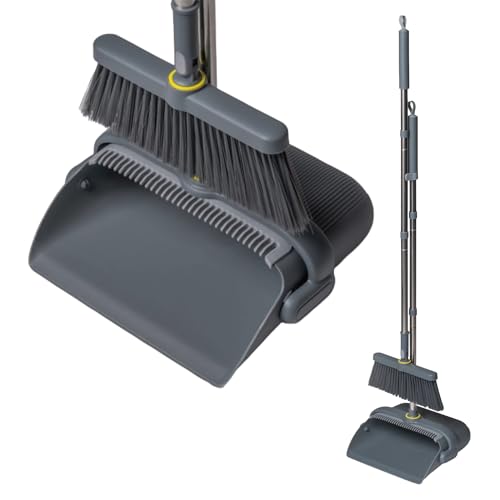
Jhadu or broom
A broom is useful for everyday sweeping, collecting loose dust and cleaning areas such as balconies and entrances.
Useful for:
- Daily floor sweeping.
- Removing dry leaves and loose dirt from balconies.
- Cleaning around furniture before mopping.
Choose a broom that feels comfortable to handle and suits your floor and cleaning routine.
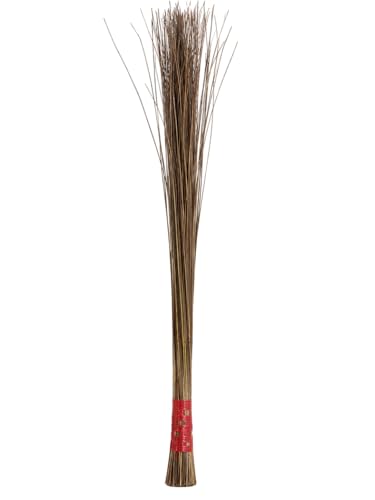
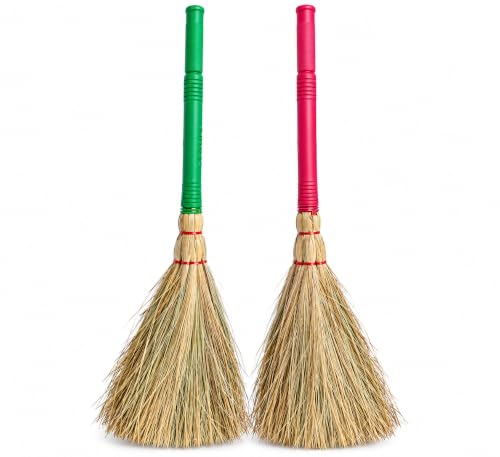
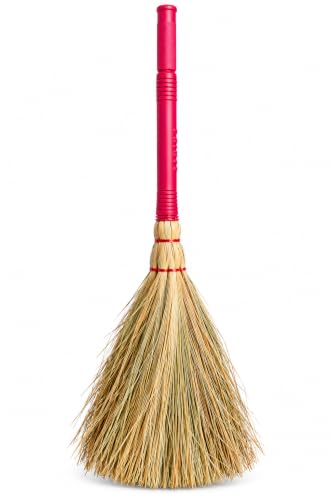

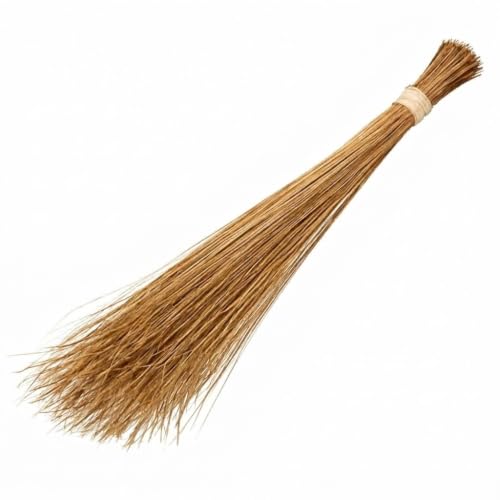
Cotton pocha and bucket
A cotton floor cloth and bucket are simple options for wet cleaning. They can be especially useful for homes where someone already follows a regular sweeping-and-mopping routine.
Useful for:
- Routine floor cleaning.
- Small spills when used appropriately.
- Areas where a mop system is unnecessary.
Wash the cloth after use and let it dry completely. Keep separate cloths for the kitchen, bathroom and other areas.
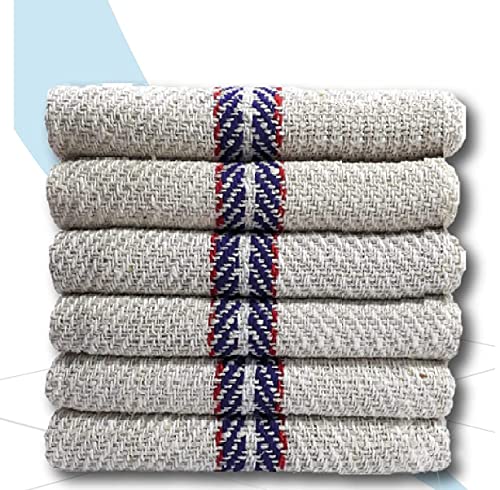
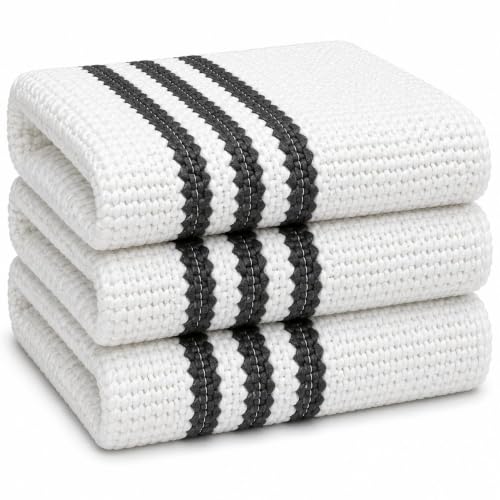
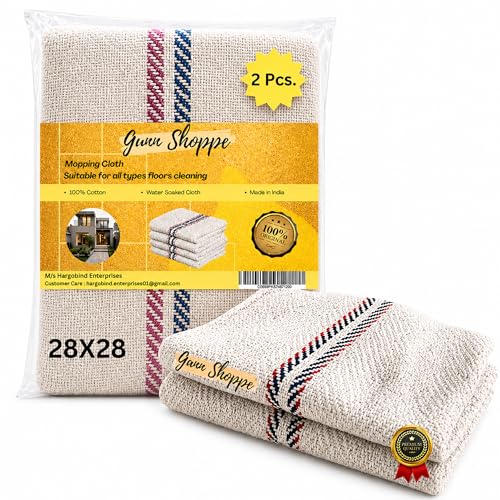
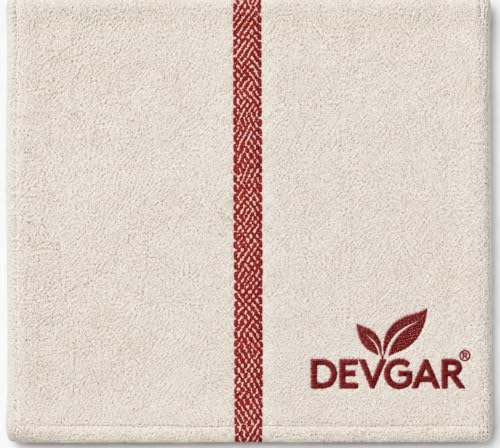
Cotton cleaning cloths
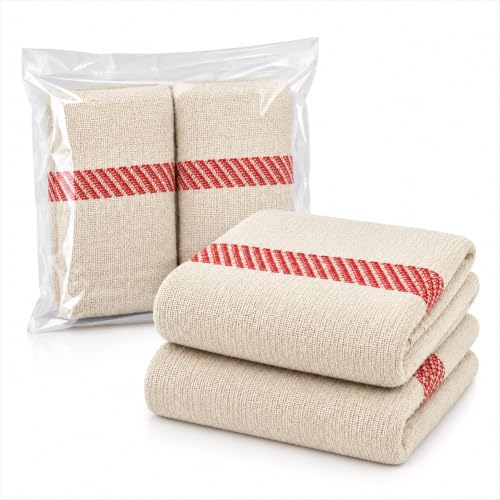
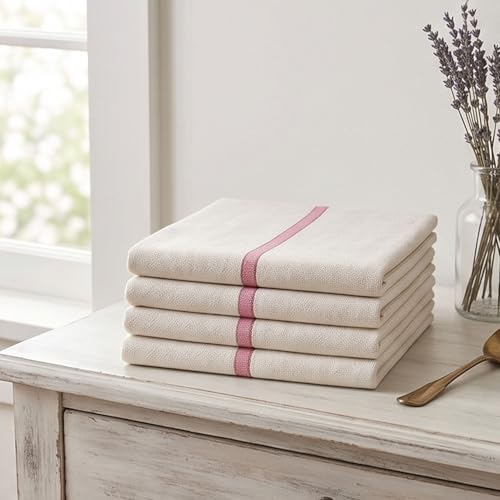
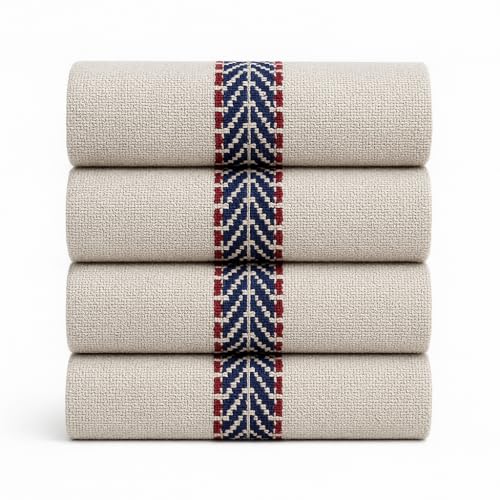
Old, clean cotton garments can be cut into reusable cleaning cloths. This is an economical option for wiping suitable surfaces and reducing textile waste.
Useful for:
- Wiping shelves and furniture.
- Cleaning the exterior of appliances.
- Removing light dust from washable surfaces.
Avoid using a rough or dirty cloth on delicate finishes, screens or polished surfaces.
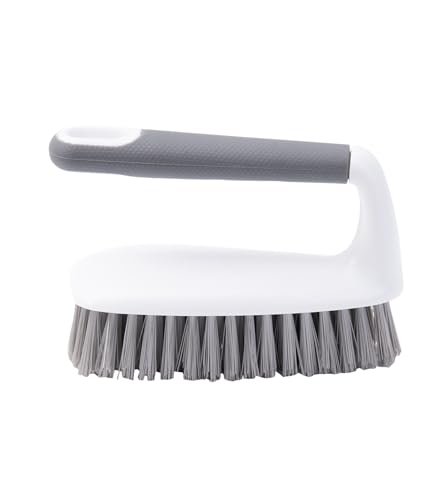
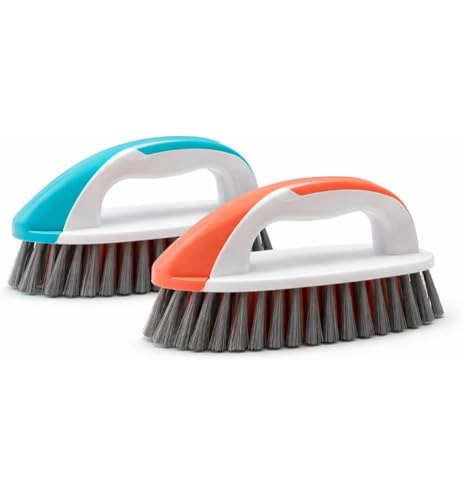
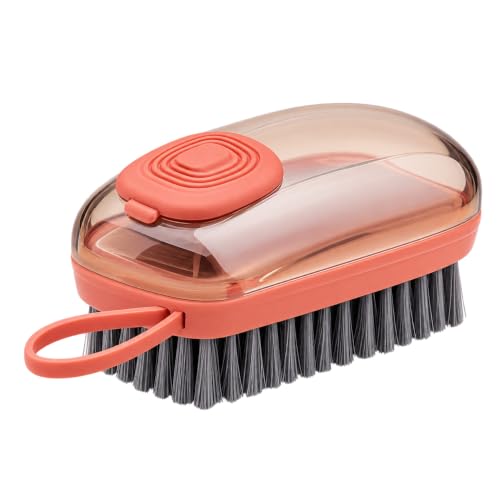
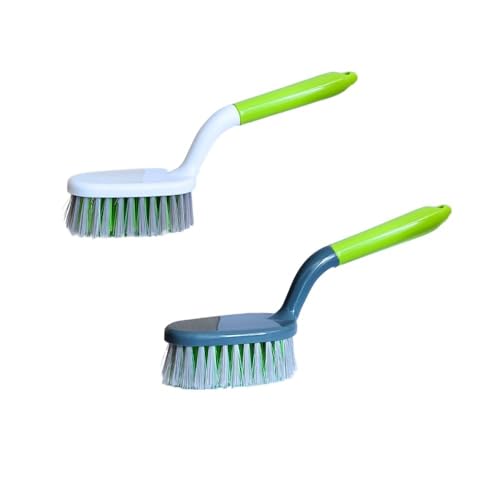
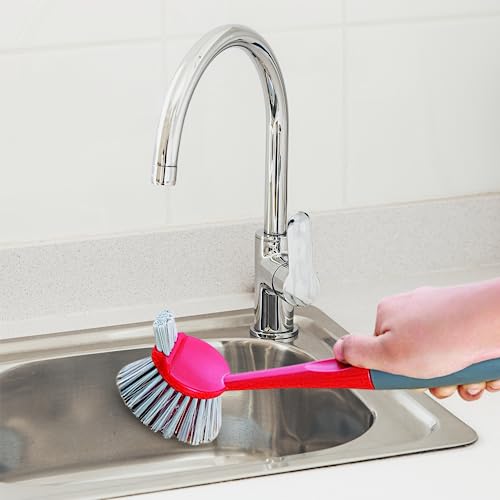
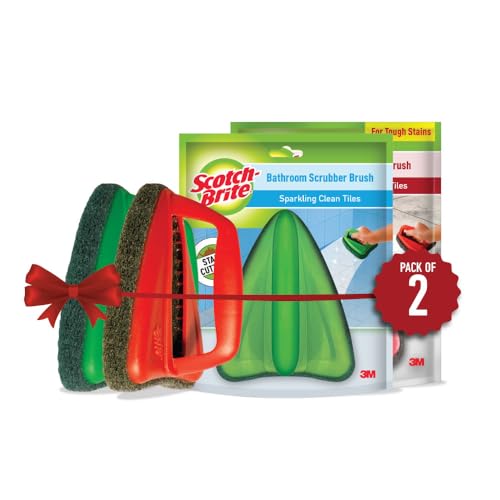
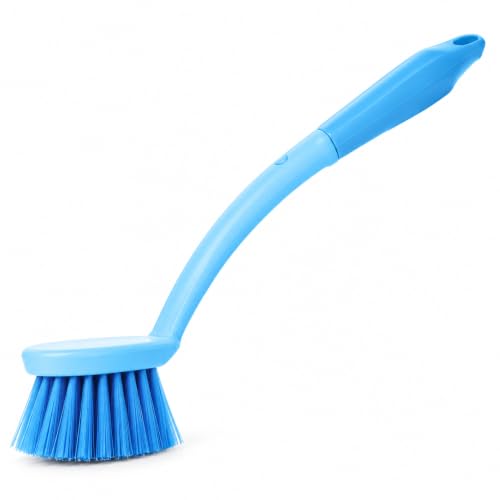
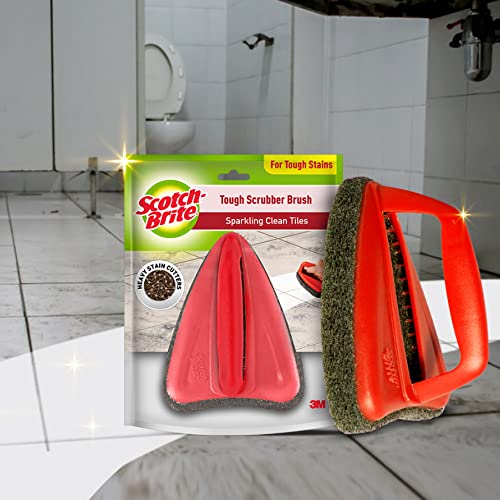
Handheld scrub brush
A basic brush can loosen dirt from tile joints, sink edges and other suitable surfaces.
Keep separate brushes for the kitchen and bathroom. Select the bristle stiffness according to the surface so you do not scratch delicate finishes.



Dustpan and small brush
This simple pair helps collect dust after sweeping and is useful for small areas, drawers and corners.
A compact set is easy to store in flats where cupboard space is limited.
2. Modern Cleaning Tools Worth Considering
Modern cleaning tools can improve convenience, especially when you have a large floor area, frequent dust accumulation or difficult-to-reach corners.
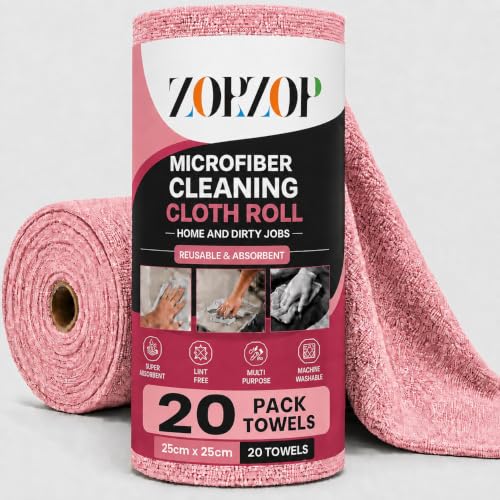
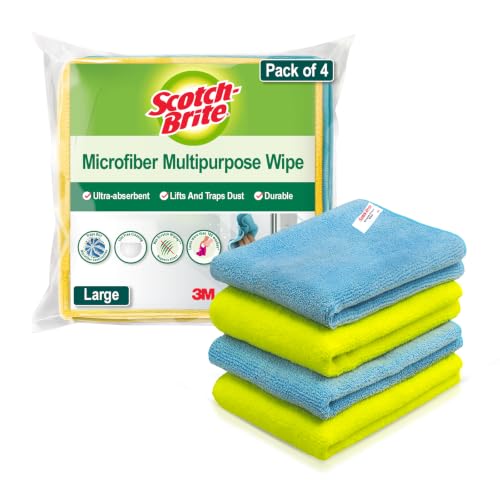
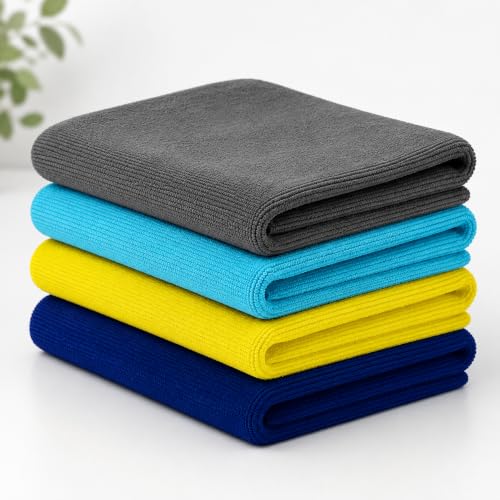
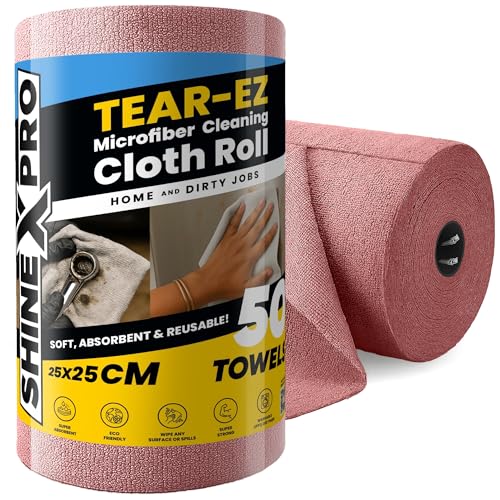
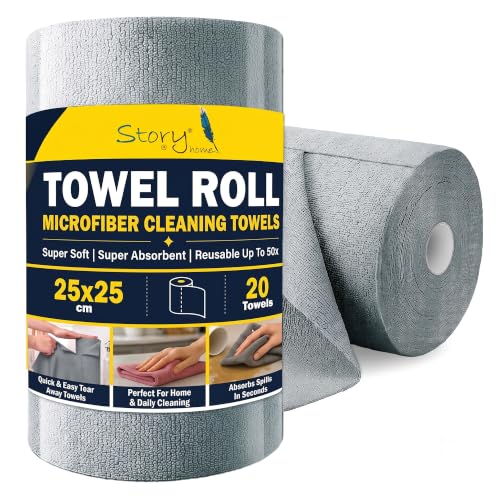
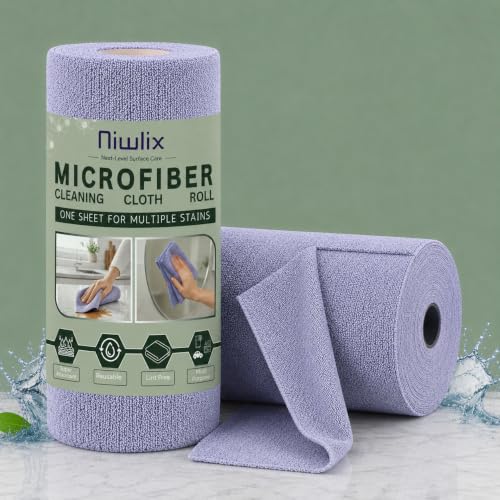
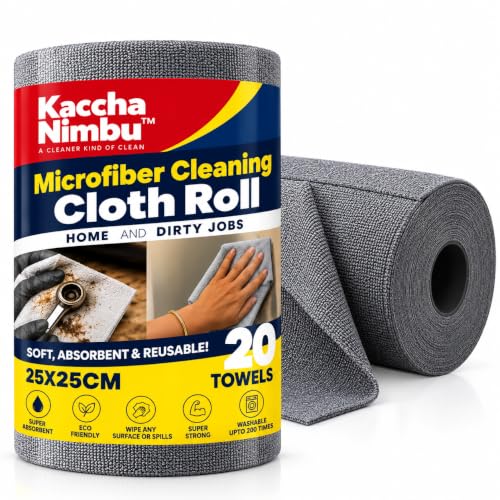
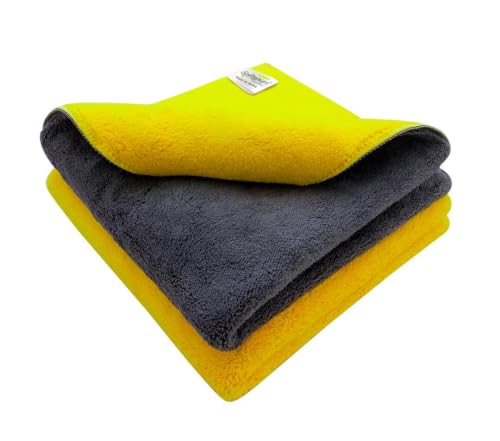
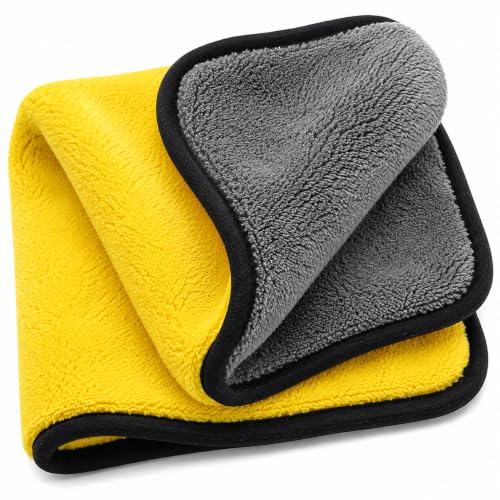
Microfiber cleaning cloths
Microfiber cloths are useful for capturing dust and wiping suitable surfaces. Keep separate cloths for glass, kitchen counters, furniture and bathroom fixtures.
Why consider them?
- Reusable after suitable washing.
- Convenient for quick dusting.
- Available in multiple sizes and pack quantities.
Avoid using a cloth that has collected grit on delicate surfaces. Follow the surface manufacturer’s care instructions..



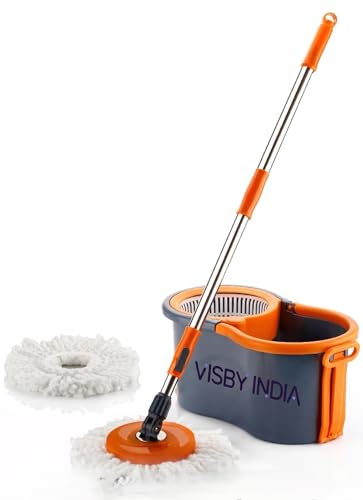
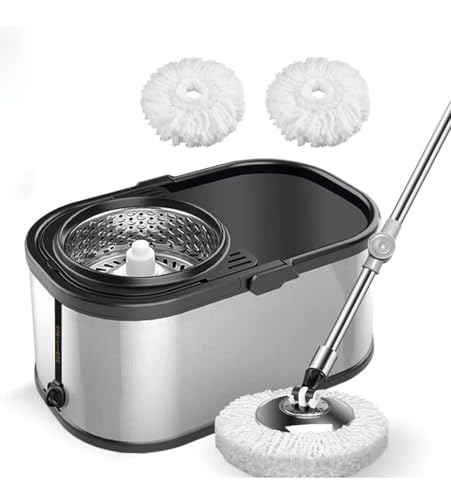
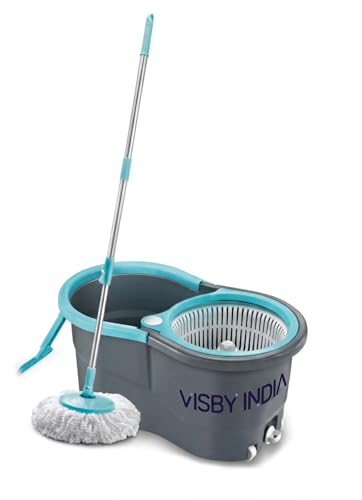
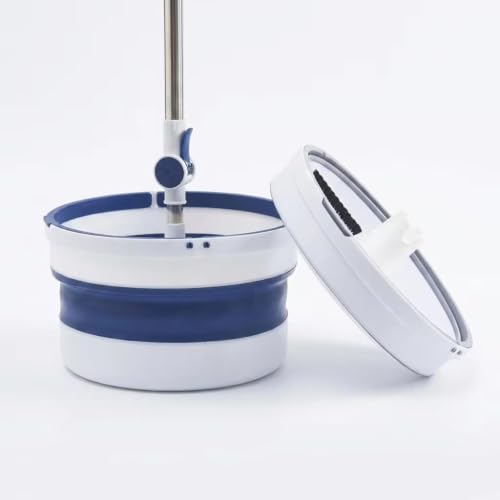
Spin mop and bucket system
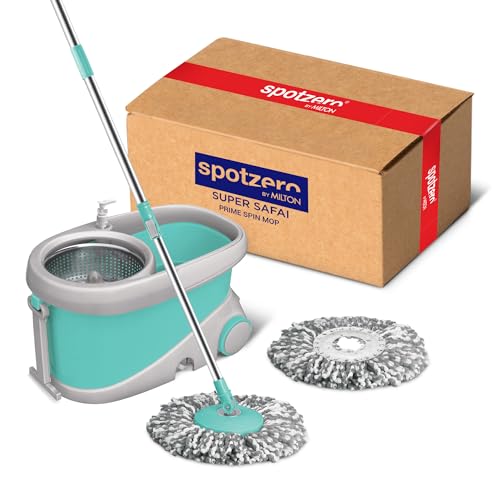
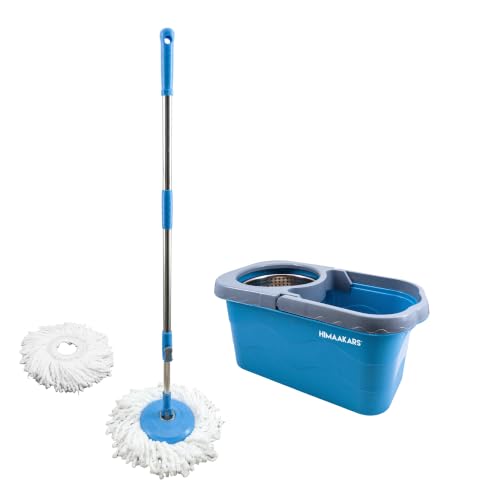
A spin mop combines a mop head with a bucket and wringing mechanism. It can be convenient for regular floor cleaning and may reduce the need to wring a wet mop by hand.
One option to compare is the Scotch-Brite 2-in-1 Bucket Spin Mop. Check the exact set, replacement-head availability and current price before buying.
Best for:
- Homes with frequent mopping needs.
- Larger floor areas.
- People who prefer a bucket-based mop system.
A spin mop is not essential for every home. A basic flat mop or cotton pocha can work perfectly well for smaller spaces.


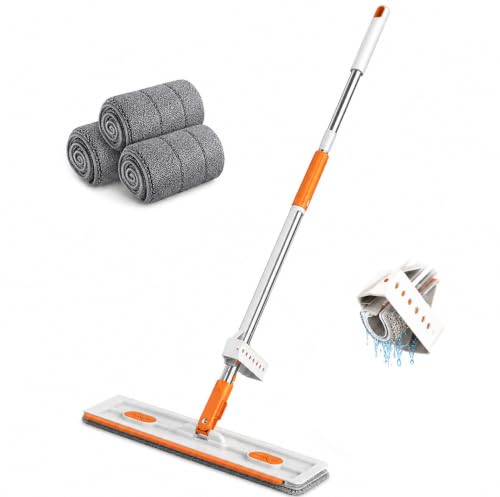
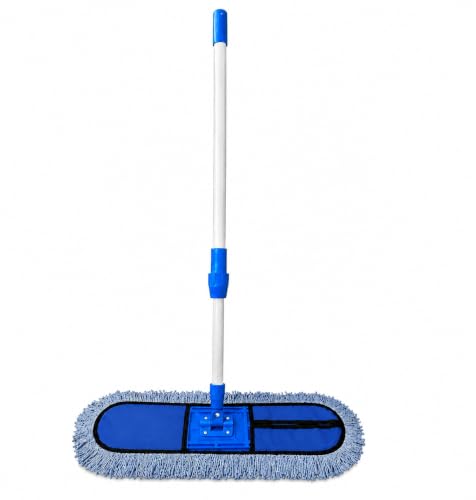
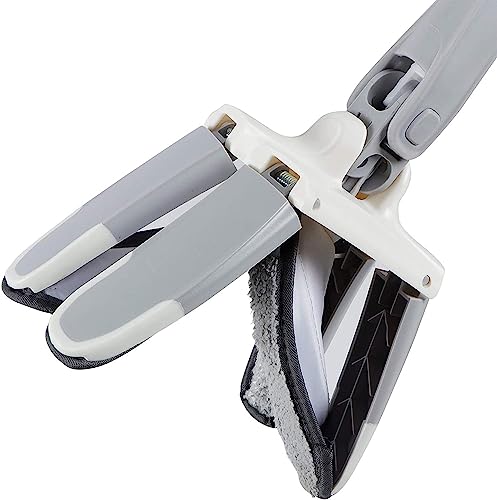
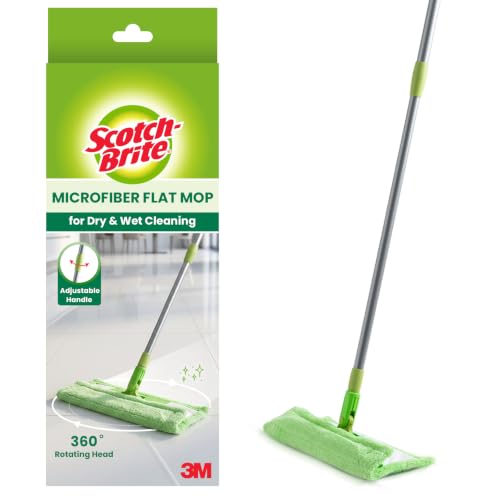
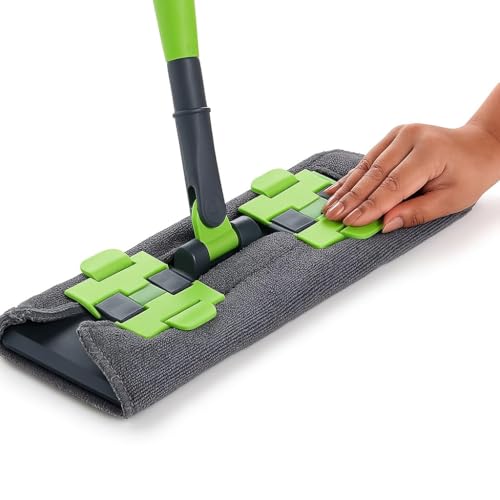
Flat microfiber mop
A flat mop can be easier to store than a large bucket-based system. Its flat head is useful for routine cleaning beneath accessible furniture and along walls.
Look for a washable, replaceable head and a handle that feels comfortable to use.





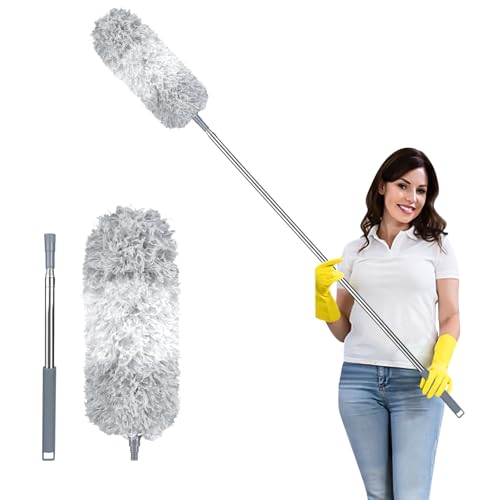
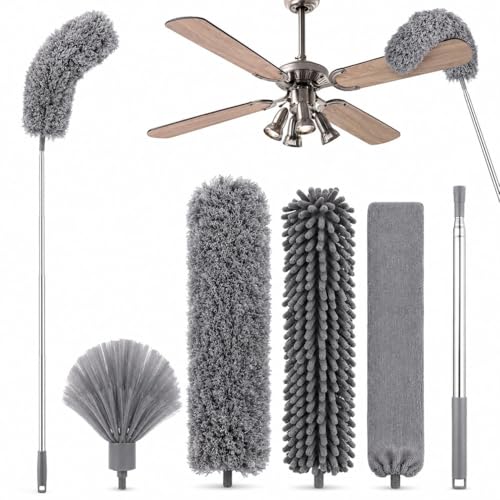
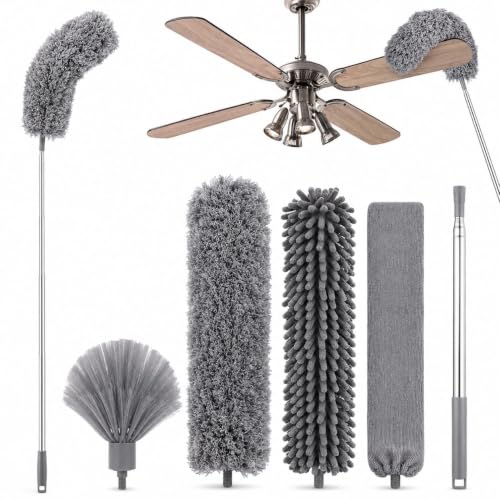
Extendable microfiber duster
An extendable duster can help remove dust from reachable high surfaces, fan blades and cupboard tops without requiring a full-sized ladder.
Use it from the floor wherever possible. If a surface cannot be reached safely, use a suitable stable step stool with assistance or arrange safe access rather than climbing on a chair or table.



Vacuum cleaner
A vacuum cleaner can collect loose dust, crumbs and debris from suitable floors and upholstery. Models vary widely in suction, filtration, attachments, capacity and maintenance requirements.
A basic vacuum may be enough for occasional sofa and mattress cleaning. You do not necessarily need a robot vacuum or premium wet-and-dry model for routine Diwali safai.
Electric scrubber
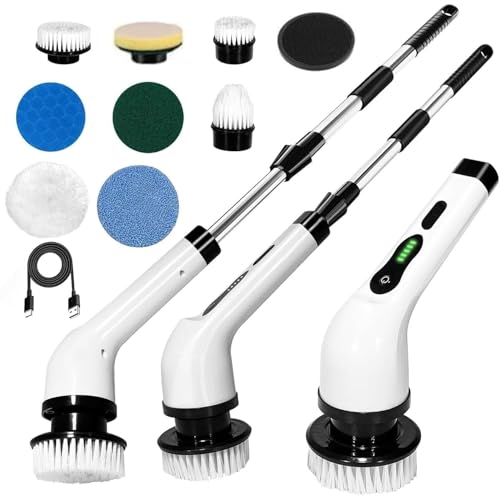
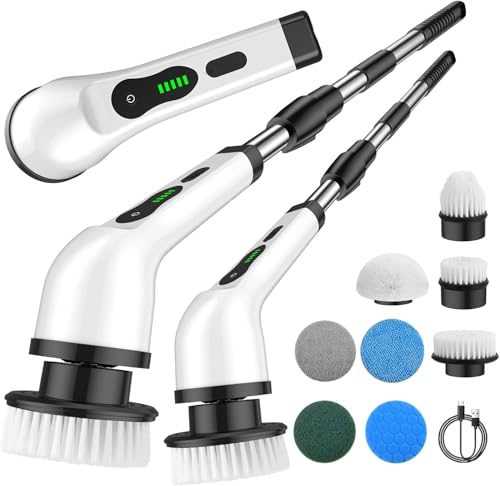
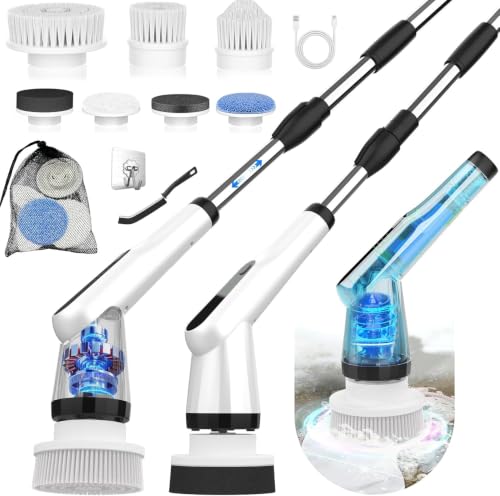
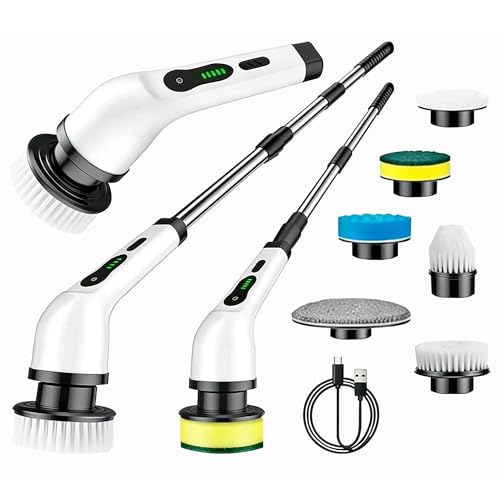
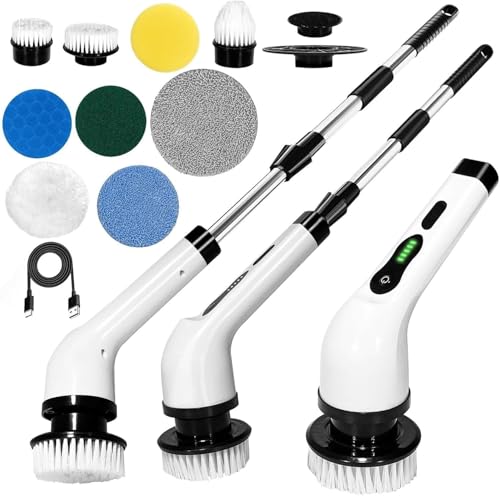
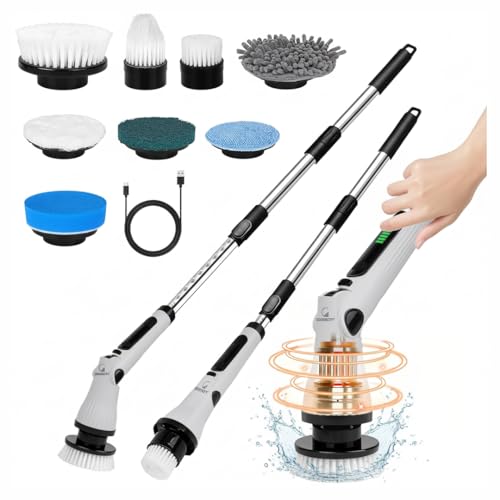
A cordless electric scrubber uses a rotating brush head to assist with selected scrubbing jobs. Depending on its attachments and instructions, it may help with suitable bathroom tiles, grout and other compatible surfaces.
Before buying:
- Check which brush heads are included.
- Verify the recommended surfaces.
- Review charging time and battery runtime.
- Confirm replacement-head availability.
Do not use abrasive brush heads on delicate tiles, painted finishes, acrylic or surfaces that the manufacturer says to protect.



Window squeegee and crevice brush
A squeegee helps remove cleaning solution from suitable glass surfaces, while a slim brush is useful for narrow window tracks and gaps.
These are small additions that can make detailed cleaning easier without requiring a large kit.
3. Best Home Cleaning Kit Combinations for Different Budgets
You can build your kit gradually instead of buying a large collection of products at once.
| Kit Type | What to Include | Suitable For |
|---|---|---|
| Basic budget kit | Jhadu, bucket, cotton pocha, cleaning cloths, dustpan and scrub brush | Small flats and routine cleaning |
| Everyday modern kit | Microfiber cloths, flat mop, extendable duster, dustpan and surface-appropriate cleaners | Homes wanting more convenience |
| Deep-cleaning kit | Basic tools, crevice brushes, grout brush, glass wiper and suitable vacuum cleaner | Detailed seasonal cleaning |
| Convenience-focused kit | Spin mop, microfiber cloths, extendable duster and optional electric scrubber | Frequent cleaning and reduced manual effort |
What should you buy first?
If you are starting from scratch, prioritise these essentials:
- A broom and dustpan.
- Reusable cleaning cloths.
- A mop and bucket.
- A small selection of suitable surface cleaners.
- Separate bathroom and kitchen brushes.
- An extendable duster if high surfaces are difficult to reach.
Consider a vacuum cleaner, spin mop or electric scrubber only if you will use it regularly.
4. Cleaning Products and Accessories to Keep Ready
Tools do most of the physical work, but the right cleaning products help with different types of dirt.
All-purpose surface cleaner
Useful for compatible washable surfaces such as selected counters, tables and cabinet exteriors. Read the label to ensure the formula suits the material.
Kitchen degreaser
A suitable kitchen degreaser can help remove grease from compatible surfaces around the hob and kitchen cabinets. Follow the label instructions and rinse surfaces that may come into contact with food.
Bathroom cleaner
Choose a cleaner suitable for your bathroom’s tiles, fittings and sanitaryware. Hard-water deposits, soap residue and general dirt may need different treatments.
Glass cleaner
Use a product intended for glass and mirrors, together with a clean, lint-free cloth or squeegee.
Floor cleaner
Select a floor cleaner compatible with your flooring. Marble, natural stone, wood and other sensitive materials may require specific products.
Gloves and storage caddy
Reusable cleaning gloves can protect your hands during suitable cleaning tasks. A caddy helps carry supplies from one room to another, while labelled bottles and separate cloths reduce mix-ups.
Important safety rule: Never mix bleach with vinegar, acids, ammonia or other cleaning products. Use one product at a time, follow its label and ventilate the room.
5. The Best Order for Diwali Cleaning
One of the biggest mistakes during deep cleaning is doing the tasks in the wrong order. If you mop first and then clean fans or curtains, dust and dirt may fall onto the floor again.
A more efficient sequence is:
- Declutter and put away items.
- Clean ceilings, cobwebs, fans and high surfaces.
- Dust shelves, wardrobes, doors and furniture.
- Clean windows, grills and tracks.
- Deep-clean the kitchen and bathrooms.
- Clean upholstery and accessible areas beneath furniture.
- Sweep or vacuum the floors.
- Mop the floors last.
- Complete entrance and puja-area touch-ups.
- Put decorations in place once surfaces are dry.
Work from high surfaces to low surfaces, and clean each room in a logical sequence. Adjust the order when a particular surface or cleaning product requires a different method.
6. Diwali Cleaning Checklist 2026: Room by Room
Use this checklist to track your progress. You can save it, copy it into your notes app or print it for your household.
A. Living Room and Common Areas
- Declutter coffee tables, shelves and side tables.
- Remove cobwebs from reachable corners.
- Dust fans, lights and high surfaces safely.
- Wipe shelves, photo frames and decorative items.
- Clean the TV unit and compatible electronic surfaces with a dry or manufacturer-approved cloth.
- Wash or refresh curtains and cushion covers.
- Vacuum or clean sofa crevices and upholstery as appropriate.
- Clean beneath and behind movable furniture where safely accessible.
- Wipe door handles and suitable switchboard surfaces without spraying liquid directly onto electrical fittings.
- Sweep or vacuum and mop the floor.
B. Bedrooms
- Sort wardrobes and remove unwanted clothing.
- Clean wardrobe shelves and drawer interiors.
- Wash bedsheets, pillow covers and suitable blankets.
- Dust bedside tables, dressing tables and mirrors.
- Clean under the bed where accessible.
- Vacuum the mattress or follow its care instructions.
- Dust fans and accessible light fixtures.
- Organise footwear, bags and accessories.
- Sweep or vacuum and mop the floor.
C. Kitchen
- Check pantry items and discard expired food.
- Wipe cabinet exteriors and suitable shelf surfaces.
- Clean the hob and surrounding splash area.
- Clean the chimney filter according to its manual.
- Wipe refrigerator shelves and drawers after safely removing food.
- Clean the microwave exterior and interior as instructed by its manufacturer.
- Wash reusable jars, containers and bottles.
- Scrub the sink and tap using a compatible cleaner.
- Clean suitable appliance handles and frequently touched areas.
- Wash kitchen cloths and replace damaged scrubbers.
- Sweep and mop the floor.
D. Bathroom
- Remove empty bottles and expired toiletries.
- Clean the basin, taps and mirror.
- Scrub tiles and grout with suitable tools.
- Clean the toilet using dedicated toilet-cleaning supplies.
- Remove visible soap residue and suitable deposits.
- Clean the shower area and drain cover.
- Wash bath mats and hand towels.
- Clean shelves and organise toiletries.
- Wash and dry bathroom brushes.
- Ventilate the bathroom and allow surfaces to dry.
E. Windows, Doors and Balconies
- Dust window frames and reachable tracks.
- Clean glass with a suitable product.
- Wipe door frames, handles and reachable surfaces.
- Clean window grills where safely accessible.
- Sweep the balcony and remove dry leaves.
- Wipe balcony furniture and railings where safe.
- Organise planters and remove dead leaves.
- Clean the entrance doormat.
- Remove unnecessary items from the doorway.
Never lean out of a window or over a railing to clean an exterior surface. Arrange professional help when access is unsafe.
F. Puja Room and Festive Items
- Dust the puja shelf and surrounding surfaces.
- Clean idols and decorative items according to their material and care instructions.
- Clean suitable brass, copper or silver items using a compatible method.
- Wash and dry puja cloths.
- Clean diyas and remove old oil residue once they are cool.
- Organise incense, cotton wicks and puja supplies.
- Check that electrical decorations and lights are undamaged.
- Arrange the puja area after cleaning is complete.
Avoid abrasive cleaners on plated, painted or delicate religious items. Test any polishing product on an inconspicuous area when appropriate.
G. Final Whole-Home Touch-Ups
- Remove all collected waste.
- Wash and dry reusable cloths and mop heads.
- Clean and store brushes separately.
- Put cleaning chemicals away from children and pets.
- Replace fresh towels and linen.
- Complete a final dusting of frequently used surfaces.
- Sweep and mop floors.
- Check that wet floors are dry before decorating or moving furniture back.
- Arrange festive decor, torans and lights.
7. A Simple Seven-Day Diwali Cleaning Plan
You do not need to deep-clean the entire home in one exhausting day. Divide the work into manageable sessions and adjust the schedule according to the size of your home and the help available.
| Day | Main Focus | Tasks |
|---|---|---|
| Day 1 | Decluttering | Sort wardrobes, drawers, shelves and storage areas |
| Day 2 | Bedrooms | Linen, wardrobes, fans, furniture and floors |
| Day 3 | Living room | Curtains, sofa, shelves, fans and common areas |
| Day 4 | Kitchen | Cabinets, hob, chimney filter, fridge and pantry |
| Day 5 | Bathrooms | Tiles, grout, sanitaryware, shelves and laundry |
| Day 6 | Windows and balcony | Glass, frames, tracks, grills and entrance |
| Day 7 | Puja area and final pass | Puja items, remaining dust, floors and decorations |
If your kitchen or bathroom needs more attention, split that day’s tasks into two shorter sessions. The schedule is a guide, not a deadline to exhaust yourself.
8. Traditional Cleaning Hacks That Still Work
Reuse clean cotton garments
Old cotton clothes can be turned into reusable wiping cloths. Cut them into practical sizes, wash them and store them by purpose.
Use a dedicated brush for narrow gaps
A clean, soft brush can help remove loose dust from suitable tracks and corners. Use a dedicated cleaning brush rather than one that has contacted food or personal-care products.
Declutter before dusting
Removing unnecessary items from shelves and counters makes cleaning easier and reduces the number of surfaces you need to work around.
Wash tools after use
A dirty cloth or mop can spread residue instead of removing it. Wash reusable tools according to their care instructions and let them dry completely.
Avoid unnecessary purchases
Check the cleaning supplies you already own before shopping. You may only need replacement cloths, a new brush or one tool for a task you repeatedly struggle with.
9. Common Diwali Cleaning Mistakes to Avoid
Cleaning floors too early: Dusting and cleaning higher surfaces first helps prevent you from repeating the floor-cleaning job.
Buying too many gadgets: A tool is worth buying when it solves a real problem in your home, not just because it looks convenient online.
Using one cloth everywhere: Keep separate cloths and brushes for kitchens, bathrooms and other areas to reduce cross-contamination.
Using the wrong cleaner: A product suitable for one surface may damage another. Read labels and check material-specific care instructions.
Mixing cleaning chemicals: This can release dangerous fumes. Never mix bleach with vinegar, acids, ammonia or other cleaners.
Climbing on unstable furniture: Use appropriate equipment or professional help for high and difficult-to-reach areas.
Leaving everything until the last day: Spreading tasks across a week or longer makes the workload more manageable.
Frequently Asked Questions
1. What should a basic home cleaning kit contain?
A basic kit can include a broom, dustpan, mop and bucket, reusable cloths, a scrub brush, gloves and a small selection of surface-appropriate cleaners. Add specialised tools only when needed.
2. Are traditional cleaning tools better than modern tools?
Neither is universally better. Traditional tools are often economical and easy to maintain, while modern tools may improve convenience for specific jobs. A combination is practical for many households.
3. Is a spin mop worth buying for Diwali cleaning?
It can be useful if you mop frequently or have a large floor area. For a small home or occasional cleaning, a basic mop may be sufficient.
4. Which modern cleaning tool is most useful for deep cleaning?
There is no single answer for every home. Microfiber cloths, an extendable duster, crevice brushes and a suitable mop cover many common tasks. A vacuum cleaner or electric scrubber may help with particular surfaces or recurring cleaning challenges.
5. When should I start Diwali cleaning in 2026?
Start as early as your schedule allows, ideally by dividing the work over one to three weeks. For Diwali 2026, which falls on 8 November, starting in late October leaves time to declutter and complete the heavier jobs before the final festive preparations.
6. How can I finish Diwali cleaning without feeling overwhelmed?
Make a room-by-room checklist, work in short sessions, start with decluttering and tackle high surfaces before floors. Share tasks with family members where possible and leave time for breaks.
7. Can I use the same brush for the kitchen and bathroom?
It is better to keep separate brushes for hygiene. Label or colour-code them so they are not accidentally interchanged.
8. How do I clean delicate marble or polished surfaces?
Follow the material manufacturer’s care guidance and use a compatible cleaner. Avoid unverified acidic or abrasive cleaning methods that may damage sensitive finishes.
9. Do I need an expensive vacuum cleaner for Diwali?
Not necessarily. Choose a vacuum based on your actual needs, such as upholstery, carpets, hard floors, available storage and maintenance costs. Traditional tools may be sufficient for many homes.
10. What should I clean last before Diwali?
Complete final dusting, sweep or vacuum, mop the floors and remove waste. Once surfaces are dry, arrange decorations and refresh the entrance and puja area.
Final Verdict
The best home cleaning kit is not necessarily the biggest or most expensive one. It is the combination of tools that suits your home, floor type, storage space, budget and cleaning habits.
Traditional essentials such as a jhadu, cotton pocha, cloths and scrub brushes remain practical for everyday cleaning. Modern additions such as microfiber cloths, spin mops, extendable dusters and vacuum cleaners can make certain tasks more convenient.
For Diwali, start by decluttering, clean from top to bottom, work room by room and mop the floors last. Use the checklist above to track your progress and keep the final days for lighter touch-ups and festive preparations.
A clean home does not require dozens of gadgets it needs a sensible plan, suitable tools and a little consistency. 🪔