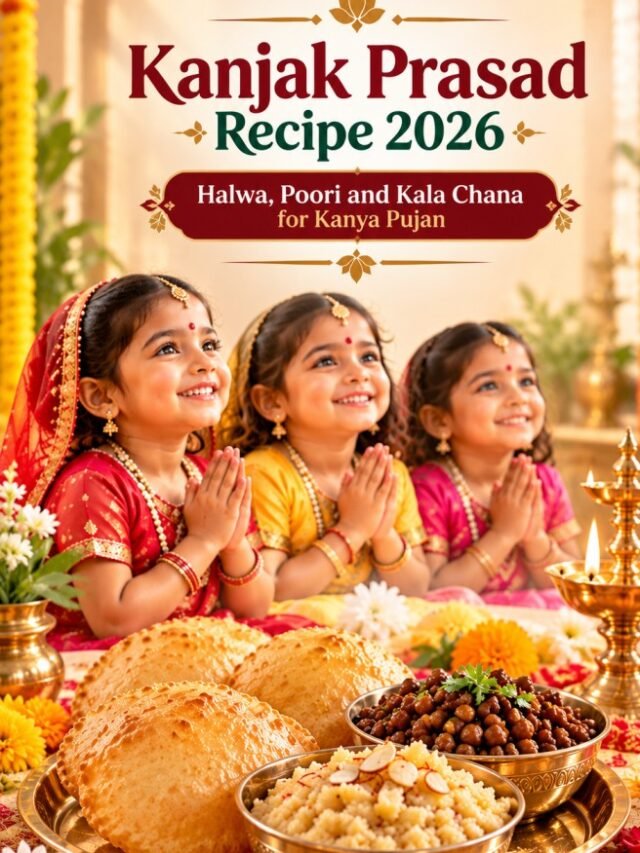


Indian festivals are a wonderful excuse to bring the entire family together around a delicious homemade meal. Whether you are celebrating Diwali, Durga Puja, Ganesh Chaturthi, Navratri or a special family occasion, a thoughtfully prepared festive thali can turn an ordinary lunch into a memorable celebration.
The best Indian festive thali recipes for family lunch combine a variety of flavours and textures: soft rotis or puris, fragrant rice, comforting dal, seasonal vegetables, flavourful curries, chutneys, cooling accompaniments and traditional sweets.
You do not need to prepare 15 different dishes to create an impressive thali. A well-planned meal with one main curry, one dal, two vegetable dishes, a bread or rice option, a side dish and a dessert can feel festive without keeping you in the kitchen all morning.
In this guide, you will discover five Indian festive thali menus inspired by different regional food traditions, easy recipes for essential dishes, vegetarian and sattvic options, and a practical cooking schedule for hosting a family lunch at home.
Also Read | Best Bengali Vegetarian Recipes for Puja Meals
What Makes an Indian Festive Thali Special?
An Indian thali is a meal served with several dishes arranged together on one plate or in individual bowls. The combination varies by region, season, festival, household tradition and personal preference.
A festive thali may include:
- Main course: Paneer curry, chole, vegetable curry or a regional speciality.
- Dal or lentils: Dal tadka, varan, sambar or another traditional preparation.
- Bread or rice: Puri, roti, paratha, steamed rice, pulao or regional rice dishes.
- Vegetable sides: Dry sabzi, seasonal vegetables or a coconut-based preparation.
- Accompaniments: Chutney, pickle, papad, raita or koshimbir.
- Dessert: Kheer, shrikhand, payasam, sandesh or another festive sweet.
A traditional thali is not a fixed formula. Some regional menus are entirely vegetarian, some include onion and garlic, and others follow specific religious or fasting customs.
North Indian Festive Thali
A North Indian festive thali is ideal for family gatherings when you want a rich, colourful and satisfying lunch. It works particularly well for Diwali get-togethers, family celebrations and special Sunday meals.
Suggested menu
| Dish | What to serve |
|---|---|
| Bread | Puri or ajwain paratha |
| Main curry | Shahi paneer |
| Second curry | Chole |
| Rice | Jeera rice |
| Side | Cucumber raita |
| Accompaniments | Pickle and papad |
| Dessert | Rice kheer |
Recipe 1: Easy Shahi Paneer
Preparation time: 15 minutes
Cooking time: 25 minutes
Serves: 4
Ingredients
- 250 g paneer, cubed
- 2 medium onions, chopped
- 3 medium tomatoes, chopped
- 10 cashews
- 1 tablespoon oil
- 1 tablespoon ghee
- 1 teaspoon ginger-garlic paste
- ½ teaspoon cumin seeds
- ½ teaspoon turmeric powder
- 1 teaspoon coriander powder
- ½ teaspoon garam masala
- ½ teaspoon Kashmiri red chilli powder
- 2 tablespoons fresh cream
- ½ cup water, or as required
- Salt to taste
- Chopped coriander for garnish
Method
- Heat a teaspoon of oil in a pan. Add the onions and cook until soft and lightly golden.
- Add the tomatoes and cashews. Cook until the tomatoes soften completely.
- Allow the mixture to cool slightly, then blend it into a smooth paste.
- Heat the remaining oil and ghee in the same pan. Add cumin seeds and ginger-garlic paste.
- Add turmeric, coriander powder and Kashmiri chilli powder. Stir briefly without burning the spices.
- Add the blended paste and cook for 5–7 minutes, stirring occasionally.
- Pour in the water and season with salt. Simmer until the gravy reaches your preferred consistency.
- Add the paneer cubes and cook gently for 3–4 minutes.
- Stir in the cream and garam masala. Garnish with coriander and serve hot.
Serving tip: Pair shahi paneer with puri or paratha and jeera rice. For a lighter lunch, choose one carbohydrate rather than serving several large portions.
Recipe 2: Jeera Rice
Preparation time: 5 minutes
Cooking time: 20 minutes
Serves: 4
Ingredients
- 1 cup basmati rice
- 2 cups water, adjusted for the rice and cooking method
- 1 tablespoon ghee
- 1 teaspoon cumin seeds
- 1 small bay leaf
- 2 green cardamom pods, optional
- Salt to taste
Method
- Rinse the rice until the water runs relatively clear. Soak for 15–20 minutes, then drain.
- Heat ghee in a heavy-bottomed pot.
- Add cumin seeds and allow them to release their aroma.
- Add the bay leaf and cardamom, if using.
- Add the drained rice and stir gently for about a minute.
- Pour in the water, add salt and bring to a boil.
- Cover and cook over low heat until the rice is tender and the water has been absorbed.
- Switch off the heat and let the rice rest, covered, for 5–10 minutes. Fluff gently with a fork.
Recipe 3: Cucumber Raita
Preparation time: 10 minutes
Serves: 4
Ingredients
- 1 cup plain curd
- 1 medium cucumber, grated
- ¼ teaspoon roasted cumin powder
- A pinch of black pepper
- Salt to taste
- Chopped coriander, optional
Method
- Whisk the curd until smooth.
- Squeeze excess water from the grated cucumber if it is particularly watery.
- Mix the cucumber into the curd.
- Add cumin powder, pepper and salt.
- Garnish with coriander and refrigerate until serving.
Complete your North Indian thali: Add homemade chole, freshly fried puris and a small bowl of rice kheer. Prepare the kheer earlier in the day so it has time to cool.
South Indian Festive Thali
A South Indian festive thali brings together rice, lentils, vegetables, tangy flavours and a traditional sweet. It is a wonderful option for a vegetarian family lunch, particularly when you want a meal with a variety of textures and comforting flavours.
Suggested menu
| Dish | What to serve |
|---|---|
| Main staple | Steamed rice |
| Lentil curry | Sambar |
| Vegetable side | Beans poriyal |
| Light accompaniment | Rasam |
| Side | Curd and papad |
| Dessert | Semiya payasam |
The exact combination varies across Tamil, Telugu, Kannada and Kerala food traditions. Use this as a flexible menu rather than a single universal festive recipe.
Recipe 4: Simple Vegetable Sambar
Preparation time: 15 minutes
Cooking time: 35–40 minutes
Serves: 4–5
Ingredients
- ¾ cup toor dal
- 1 small carrot, chopped
- 1 small drumstick, cut into pieces, optional
- 1 small onion, sliced, optional
- 1 medium tomato, chopped
- 1 small piece of bottle gourd or pumpkin, optional
- 1½–2 tablespoons sambar powder
- 1 small lemon-sized ball of tamarind
- ½ teaspoon turmeric powder
- 1 teaspoon mustard seeds
- 1 dried red chilli
- 8–10 curry leaves
- 1 tablespoon oil or ghee
- A pinch of asafoetida
- Salt to taste
- Water as required
- Chopped coriander
Method
- Wash the toor dal and pressure-cook it with turmeric and sufficient water until completely soft. Mash it.
- Soak the tamarind in warm water for 10–15 minutes. Extract the pulp and discard the solids.
- In a pot, cook the vegetables with the tomato, salt and enough water until nearly tender.
- Add the tamarind extract and simmer for several minutes.
- Mix in the sambar powder and mashed dal. Add water to achieve a pourable consistency.
- Simmer for 8–10 minutes, stirring occasionally.
- Heat oil or ghee in a small pan. Add mustard seeds and let them splutter.
- Add the dried red chilli, curry leaves and asafoetida.
- Pour the tempering into the sambar and simmer briefly.
- Finish with chopped coriander and serve with hot rice.
Cooking tip: Adjust the tamarind and sambar powder to suit your family’s preferred balance of tanginess and spice.
Recipe 5: Beans Poriyal
Preparation time: 10 minutes
Cooking time: 15 minutes
Serves: 4
Ingredients
- 250 g green beans, finely chopped
- 1 tablespoon oil
- ½ teaspoon mustard seeds
- 1 teaspoon urad dal, optional
- 1 dried red chilli
- 8 curry leaves
- ¼ teaspoon turmeric powder
- ¼ cup freshly grated coconut
- Salt to taste
- 2–4 tablespoons water
Method
- Heat oil in a pan. Add mustard seeds and allow them to splutter.
- Add urad dal, if using, and cook until lightly golden.
- Add the dried chilli and curry leaves.
- Stir in the chopped beans, turmeric and salt.
- Add a little water, cover and cook until the beans are tender but not mushy.
- Remove the lid and allow excess moisture to evaporate.
- Stir in the grated coconut and cook for another minute.
Serve with steamed rice, sambar, rasam and curd.
Dessert suggestion: Semiya Payasam
Roast ½ cup vermicelli in 1 tablespoon ghee until lightly golden. Add 4 cups milk and simmer until the vermicelli is soft. Stir in sugar to taste and a pinch of cardamom powder. Garnish with ghee-roasted cashews and raisins.
Simmer gently and stir regularly to prevent the milk from sticking to the bottom of the pan.
Bengali Festive Thali
A Bengali festive thali is perfect for readers who enjoy traditional Bengali flavours, especially during Durga Puja, Lakshmi Puja, family celebrations and special vegetarian lunches.
A festive Bengali meal may include rice, dal, seasonal vegetables, fried accompaniments, chutney and sweets. For a vegetarian festive menu, luchi, cholar dal and aloor dum make a particularly inviting combination.
Suggested menu
| Dish | What to serve |
|---|---|
| Bread | Luchi |
| Dal | Bengali cholar dal |
| Curry | Aloor dum |
| Rice | Steamed rice, optional |
| Side | Beguni or a seasonal vegetable |
| Chutney | Tomato-khejur chutney |
| Dessert | Sandesh or mishti doi |
Recipe 6: Bengali Cholar Dal
Preparation time: 15 minutes, plus soaking
Cooking time: 30–40 minutes
Serves: 4
Ingredients
- 1 cup chana dal
- 1 bay leaf
- 1 small cinnamon stick
- 2 green cardamom pods
- 2 cloves
- 1 teaspoon grated ginger
- 1 teaspoon cumin seeds
- ½ teaspoon turmeric powder
- ½ teaspoon cumin powder
- ½ teaspoon coriander powder
- 1–2 green chillies, slit
- 1 tablespoon ghee or oil
- 1–2 tablespoons raisins, optional
- 1–2 tablespoons coconut pieces, lightly fried, optional
- Salt to taste
- Sugar to taste, optional
- Water as required
Method
- Rinse the chana dal and soak it for 1–2 hours if time permits.
- Pressure-cook with turmeric and water until tender but not completely mushy.
- Heat ghee in a pan. Add the bay leaf, cinnamon, cardamom and cloves.
- Add cumin seeds and let them become aromatic.
- Add the grated ginger and green chillies.
- Stir in cumin and coriander powders with a splash of water.
- Add the cooked dal, salt and enough cooking liquid to achieve a thick but spoonable consistency.
- Simmer for 8–10 minutes so the flavours combine.
- Add the optional raisins and fried coconut pieces.
- Adjust the seasoning. A small pinch of sugar may be added if your family prefers a gently sweet Bengali-style flavour.
Serve warm with luchi or steamed rice.
Recipe 7: Simple Aloor Dum
Preparation time: 10 minutes
Cooking time: 25 minutes
Serves: 4
Ingredients
- 500 g baby potatoes or small potatoes
- 2 tablespoons oil
- 1 medium tomato, finely chopped
- 1 teaspoon ginger paste
- ½ teaspoon cumin seeds
- ½ teaspoon turmeric powder
- 1 teaspoon coriander powder
- ½ teaspoon cumin powder
- ½ teaspoon Kashmiri chilli powder
- ½ teaspoon garam masala
- Salt to taste
- ½–¾ cup water
- Chopped coriander
Method
- Boil the potatoes until just tender. Cool, peel and prick them lightly with a fork.
- Heat the oil in a pan and lightly brown the potatoes. Remove and keep aside.
- In the same pan, add cumin seeds.
- Add ginger paste and cook briefly.
- Add the tomato, turmeric, coriander powder, cumin powder and chilli powder. Cook until the tomato softens and the masala thickens.
- Add the potatoes and coat them evenly with the masala.
- Pour in the water, season with salt and cover.
- Simmer for 10–12 minutes until the gravy thickens and the potatoes absorb the flavour.
- Sprinkle garam masala and coriander before serving.
Bengali festive tip: For a more traditional menu, serve luchi, cholar dal and aloor dum together, followed by tomato-khejur chutney and a small Bengali sweet.
Maharashtrian Festive Thali
A Maharashtrian festive thali is a lovely choice for Ganesh Chaturthi, Gudi Padwa and family celebrations. Depending on the occasion and household, it may feature puran poli, varan bhaat, batata bhaji, seasonal vegetables, koshimbir and a sweet dish.
Suggested menu
| Dish | What to serve |
|---|---|
| Festive bread | Puran poli |
| Rice | Varan bhaat |
| Vegetable side | Batata bhaji |
| Fresh side | Cucumber koshimbir |
| Accompaniments | Lemon pickle and papad |
| Dessert | Shrikhand |
Recipe 8: Maharashtrian Batata Bhaji
Preparation time: 10 minutes
Cooking time: 20 minutes
Serves: 4
Ingredients
- 500 g potatoes
- 2 tablespoons oil
- 1 teaspoon mustard seeds
- ½ teaspoon cumin seeds
- ¼ teaspoon asafoetida
- 8 curry leaves
- 1 small onion, thinly sliced, optional
- 2 green chillies, slit
- ½ teaspoon turmeric powder
- Salt to taste
- Chopped coriander
- 1 teaspoon lemon juice, optional
Method
- Boil the potatoes until tender. Peel and cut into bite-sized pieces.
- Heat oil in a pan. Add mustard seeds and allow them to splutter.
- Add cumin seeds, asafoetida, curry leaves and green chillies.
- If using onion, add it now and cook until softened.
- Add turmeric and stir.
- Add the potatoes and salt. Toss gently so they are coated with the tempering.
- Sprinkle a few tablespoons of water if the mixture seems dry.
- Cover and cook for 3–5 minutes, stirring gently once or twice.
- Finish with coriander and lemon juice, if desired.
Serve with puran poli, puri or chapati.
Recipe 9: Simple Cucumber Koshimbir
Preparation time: 10 minutes
Serves: 4
Ingredients
- 1 large cucumber, finely chopped or grated
- ½ cup fresh curd
- 2 tablespoons grated coconut, optional
- 1 tablespoon chopped coriander
- ½ teaspoon roasted cumin powder
- Salt to taste
- A small squeeze of lemon, optional
Method
- Place the cucumber in a bowl.
- Add the curd and grated coconut.
- Season with cumin powder and salt.
- Add coriander and lemon juice, if desired.
- Mix gently and refrigerate until serving.
For the best texture, prepare koshimbir shortly before lunch. Cucumber releases water over time, so drain excess liquid if necessary.
Festive addition: Puran Poli
Puran poli is a sweet flatbread traditionally prepared with a filling of cooked chana dal and jaggery, flavoured with cardamom. It requires additional preparation, so make the filling in advance if you plan to serve it for a large family lunch.
Pair it with a small serving of ghee or a traditional accompaniment according to your family’s custom.
Gujarati Festive Thali
Gujarati festive food often brings together sweet, sour, savoury and spicy flavours. A Gujarati-inspired thali can include rotli, shaak, dal or kadhi, khichdi, farsan, pickle and a traditional sweet.
Suggested menu
| Dish | What to serve |
|---|---|
| Bread | Rotli or puri |
| Main | Seasonal Gujarati shaak |
| Lentil dish | Gujarati dal or kadhi |
| Rice | Khichdi |
| Accompaniment | Chutney and pickle |
| Snack | Dhokla or another farsan |
| Dessert | Shrikhand or basundi |
Recipe 10: Simple Gujarati Kadhi
Preparation time: 10 minutes
Cooking time: 20 minutes
Serves: 4
Ingredients
- 1 cup plain curd
- 2 tablespoons besan
- 3 cups water
- 1 teaspoon grated ginger
- 1–2 green chillies, slit
- ½ teaspoon mustard seeds
- ½ teaspoon cumin seeds
- 1 dried red chilli
- 8 curry leaves
- ¼ teaspoon turmeric powder
- 1 teaspoon sugar or jaggery, optional
- 1 tablespoon ghee or oil
- Salt to taste
- Chopped coriander
Method
- Whisk the curd, besan and water together until no lumps remain.
- Add turmeric, ginger, green chillies and salt.
- Pour the mixture into a heavy-bottomed pot.
- Bring it to a gentle simmer over medium heat, stirring frequently to prevent curdling.
- Reduce the heat and cook for 12–15 minutes until the kadhi thickens slightly and the raw besan flavour disappears.
- Add sugar or jaggery if your family prefers a mild sweet-and-sour taste.
- In a small pan, heat the ghee or oil.
- Add mustard seeds, cumin seeds, dried chilli and curry leaves.
- Pour the tempering into the kadhi and simmer for another minute.
- Garnish with coriander and serve hot.
Recipe 11: Vegetable Khichdi
Preparation time: 15 minutes
Cooking time: 20–25 minutes
Serves: 4
Ingredients
- ½ cup rice
- ½ cup moong dal
- 1 small carrot, diced
- ½ cup green peas
- 1 small potato, diced, optional
- 1 tablespoon ghee
- 1 teaspoon cumin seeds
- ½ teaspoon turmeric powder
- ½ teaspoon grated ginger
- Salt to taste
- 4–5 cups water, adjusted for the desired consistency
Method
- Rinse the rice and moong dal together.
- Heat ghee in a pressure cooker and add cumin seeds.
- Add ginger and the vegetables. Sauté for 2–3 minutes.
- Add the drained rice and dal, turmeric, salt and water.
- Mix well and pressure-cook until the rice, dal and vegetables are soft. Cooking time will depend on your cooker.
- Allow the pressure to release safely before opening.
- Stir the khichdi and add hot water if you prefer a softer consistency.
Serve with Gujarati kadhi, pickle and a small portion of farsan.
More Festive Dishes to Complete Your Thali
The recipes above provide a starting point. You can swap dishes according to the festival, the time available and your family’s preferences.
Popular bread options
- Puri: Ideal with chole, aloor dum and potato curry.
- Luchi: A classic choice for Bengali festive meals.
- Puran poli: A sweet Maharashtrian flatbread for special occasions.
- Rotli: A versatile option for Gujarati-inspired meals.
- Paratha: A practical choice when you want a filling bread without frying several batches of puris.
Vegetable dishes
- Aloo gobi
- Bhindi masala
- Seasonal pumpkin sabzi
- Beans poriyal
- Batata bhaji
- Mixed vegetable curry
- Cabbage and peas sabzi
Choose vegetables that are in season and easy to prepare in your kitchen.
Traditional sweets
- Rice kheer
- Semiya payasam
- Shrikhand
- Sandesh
- Mishti doi
- Puran poli
- Basundi
If your main meal includes several rich dishes, one small dessert is often enough. For large gatherings, consider making a dessert the day before.
How to Plan the Best Indian Festive Thali for Your Family
A successful festive lunch is about coordination, not the number of dishes. Use the following method to create a menu that feels generous without creating unnecessary work.
Step 1: Decide on the occasion
Choose dishes that suit the festival or celebration. For example:
- Diwali: Puri, paneer curry, dal, rice and kheer.
- Durga Puja: Luchi, cholar dal, aloor dum and Bengali sweets.
- Ganesh Chaturthi: A Maharashtrian menu with batata bhaji, puran poli or other family favourites.
- Pongal or a South Indian celebration: Rice, sambar, poriyal and payasam.
- Gujarati family gathering: Rotli, shaak, kadhi, khichdi and shrikhand.
These are suggested menus, not mandatory ritual menus. Follow the customs and dietary rules of your household.
Step 2: Pick one main dish
Choose one dish that will be the centre of the meal, such as shahi paneer, chole, aloor dum or a regional vegetable curry.
Step 3: Add a dal or lentil dish
Dal, sambar, varan or kadhi gives the menu variety and complements rice or bread.
Step 4: Include one or two vegetables
A dry vegetable dish and a fresh side provide different textures. Avoid preparing several gravies that taste similar.
Step 5: Choose your staple
Decide between rice, puri, roti, paratha or a regional speciality. You can serve more than one option for a large gathering, but plan portions so that food is not wasted.
Step 6: Keep the dessert simple
Prepare one traditional sweet, such as kheer or shrikhand. If you are serving several elaborate dishes, a simple dessert can save time and effort.
Step 7: Check dietary requirements
Ask family members about allergies, food preferences, onion and garlic restrictions, fasting rules and whether anyone needs a milder meal.
A Practical Festive Lunch Preparation Schedule
Use this example schedule when lunch is planned for 1:00 PM. Adjust the timing to your menu and the number of guests.
| Time | Task |
|---|---|
| Previous day | Check ingredients, soak chickpeas or chana dal if needed, prepare sweets that refrigerate well |
| 9:00 AM | Wash and chop vegetables; organise spices and utensils |
| 9:30 AM | Start the longest-cooking dal or curry |
| 10:15 AM | Prepare the second curry or vegetable dish |
| 11:00 AM | Cook rice or prepare the khichdi base |
| 11:30 AM | Make chutney, raita or koshimbir and refrigerate |
| 12:00 PM | Finish gravies, adjust seasonings and prepare serving bowls |
| 12:20 PM | Make fresh rotis, puris or other breads close to serving time |
| 12:45 PM | Arrange the thalis, serve hot dishes and set out accompaniments |
| 1:00 PM | Serve lunch |
Time-saving advice: Choose only one or two dishes that need last-minute frying or cooking. Prepare the remaining dishes in advance, then reheat them thoroughly before serving.
Festive Thali Serving and Presentation Tips
A little presentation can make a homemade meal feel special without requiring expensive dinnerware.
- Use a stainless-steel thali or simple ceramic dinner plate.
- Place rice or bread in the largest section.
- Serve curries and dal in small bowls to keep the plate neat.
- Keep chutney, pickle and other strong-flavoured sides in small portions.
- Add fresh coriander to dishes where appropriate.
- Serve fried items shortly after cooking for the best texture.
- Offer drinking water and keep extra portions in covered serving bowls.
- Label dishes if you are serving a large group with different dietary needs.
How much food should you prepare?
For a small family, begin with one main curry, one dal, one vegetable side, rice or bread, one accompaniment and one dessert. Increase quantities according to appetite and the number of guests.
It is usually better to offer a few well-prepared dishes with adequate portions than to make too many items and rush through the cooking.
Food Safety Tips for a Family Festive Lunch
Festive meals often stay on the table while family members eat in shifts or return for second helpings. Pay attention to storage and serving times, particularly in warm weather.
- Keep hot dishes hot and chilled dishes cold.
- Refrigerate perishable leftovers within two hours of cooking or serving. If the surrounding temperature exceeds 32°C, reduce that limit to one hour.
- Divide large quantities of leftovers into shallow containers so they cool faster.
- Refrigerate leftovers promptly and reheat them thoroughly before serving again.
- Keep curd, raita and other chilled foods refrigerated until needed.
- Use clean serving spoons for each dish and avoid mixing fresh food into a dish that has been sitting out.
Common Mistakes to Avoid When Preparing a Festive Thali
Making too many dishes: An oversized menu creates unnecessary work. Select a few complementary dishes instead.
Cooking every item at the last minute: Prepare sweets, some gravies and suitable accompaniments ahead of time.
Using the same flavour profile throughout: Balance rich curries with fresh sides, mildly seasoned vegetables or tangy accompaniments.
Forgetting dietary restrictions: Confirm whether your guests avoid onion, garlic, dairy, gluten or particular ingredients.
Preparing too much fried food: Fried dishes can become soggy if left standing. Prepare only what you can serve while fresh.
Ignoring food safety: Do not leave perishable dishes at room temperature for extended periods during a long family gathering.
Trying an unfamiliar recipe on the festival day: Choose dependable family favourites or test a new recipe before the occasion.
Frequently Asked Questions
1. What are the best Indian festive thali recipes for family lunch?
Popular options include North Indian thalis with puri, paneer curry and dal; Bengali thalis with luchi, cholar dal and aloor dum; South Indian thalis with rice, sambar and poriyal; Maharashtrian thalis with batata bhaji and puran poli; and Gujarati thalis with rotli, shaak and kadhi.
2. How many dishes should a festive thali have?
For a typical family lunch, around six to eight components—including bread or rice, a main dish, dal, vegetables, accompaniments and dessert—can make a satisfying spread. The right number depends on appetite, household traditions and the number of guests.
3. What can I prepare a day before a festive lunch?
You can prepare suitable sweets, soak dried legumes, wash and organise ingredients, and make some gravies in advance. Refrigerate perishable prepared food promptly and reheat it thoroughly before serving. Make fresh breads and delicate fried items close to mealtime.
4. Which festive thali is easiest for beginners?
A simple North Indian thali with jeera rice, one dal, a potato sabzi, cucumber raita, pickle and a ready-to-serve sweet is a practical starting point. You can add puri or paneer curry when you have more time.
5. Can I make a festive thali without onion and garlic?
Yes. Choose recipes that suit your family’s sattvic or religious requirements. You can prepare suitable vegetable curries, dal, rice, rotis and desserts without onion or garlic, but check packaged spice mixes and other ingredients as well.
6. What dessert goes best with an Indian festive thali?
Kheer, payasam, shrikhand, sandesh, mishti doi and basundi are popular choices. Select a dessert that complements the regional menu and can be prepared within your available time.
7. How do I make a festive thali on a budget?
Use seasonal vegetables, rice, lentils, homemade chutneys and one special dish. Make one dessert rather than buying several sweets, and plan quantities carefully to reduce waste.
8. What is the difference between a regular thali and a festive thali?
A regular thali may focus on everyday staples such as rice, dal and sabzi. A festive thali often includes special breads, richer curries, traditional sweets and dishes associated with a celebration or regional custom.
Final Thoughts
The best Indian festive thali recipes for family lunch are the ones that bring everyone together over food they genuinely enjoy. From a comforting North Indian spread to a traditional Bengali lunch, a South Indian rice-based meal, a Maharashtrian festive menu or a Gujarati-inspired thali, every region offers delicious ways to celebrate at home.
Start with a menu that suits your family’s traditions, prepare a few dishes ahead of time, and keep the remaining cooking manageable. A thoughtfully prepared meal does not need to be extravagant to feel festive.
This festive season, choose your favourite regional thali, bring out your best serving plates and enjoy a delicious homemade lunch with your loved ones.