

🍚🛒Buying a rice cooker sounds easy.
You might think:
“Bas capacity dekho, price dekho aur le lo.” 😄
But once you start looking at actual models, suddenly you see:
- 1L
- 1.8L
- 2.2L
- 3L
- 5L
- 450W
- 700W
- 1000W
- Non-stick bowls
- Anodised pots
- Ceramic coatings
- Keep-warm
- Steam functions
- Multiple cooking modes
- Digital controls
- Fuzzy logic
And now you’re thinking:
“Bhai, mujhe sirf rice banana hai.” 😂
That’s exactly why a proper rice cooker buying guide is useful.
The best rice cooker isn’t necessarily the most expensive one or the one with the most features.
It’s the one that matches:
your household size + your rice consumption + your cooking style + your budget.
Current India market guides commonly place rice cookers across roughly 1L–5L capacities and 400W–1200W, with basic models generally much cheaper than advanced multifunction cookers.
Also Read | Best Rice Cookers for Home in India | Rice vs Pressure Cooker: Which Is Better?
Let’s figure out what actually matters. 👇
🍚 1. Start With the Most Important Question: How Much Rice Do You Cook?
Before looking at wattage or features, decide the capacity.
This is probably the biggest buying decision you’ll make.
A cooker that’s too small means:
❌ Multiple batches
❌ Overflow risk
❌ More cooking time
❌ Frustration
A cooker that’s unnecessarily large can also be inconvenient for small portions.
Large cookers can be less suitable for small batches, and incorrect sizing can affect rice texture.
A practical starting point:
| Household | Approx. Cooker Size |
|---|---|
| 👤 1 person | 1L |
| 👫 2 people | 1–1.5L |
| 👨👩👧 3–4 people | 1.8–2.2L |
| 👨👩👧👦 4–6 people | 2.8–3L |
| 🏠 Large family | 3–5L |
These are starting points, not rigid rules. Your actual portion size and how often you batch-cook matter more than the number of people alone. Current Indian buying guides similarly place 1–1.5L around smaller households, 1.8–2.2L around couples/small families, and 3–5L for larger households.
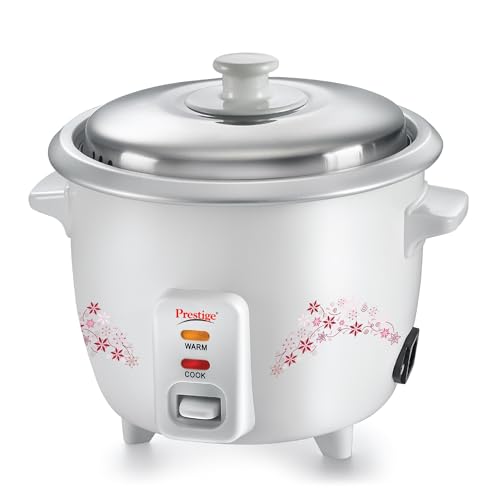
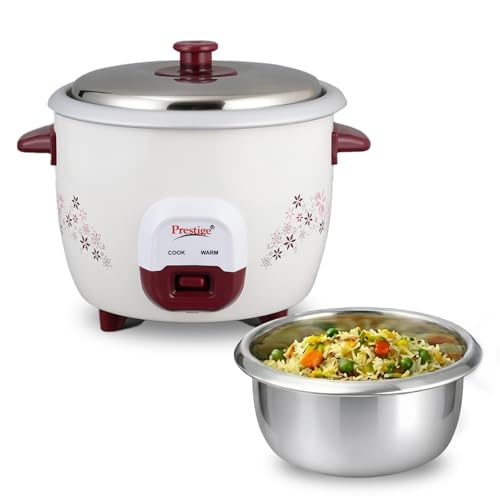
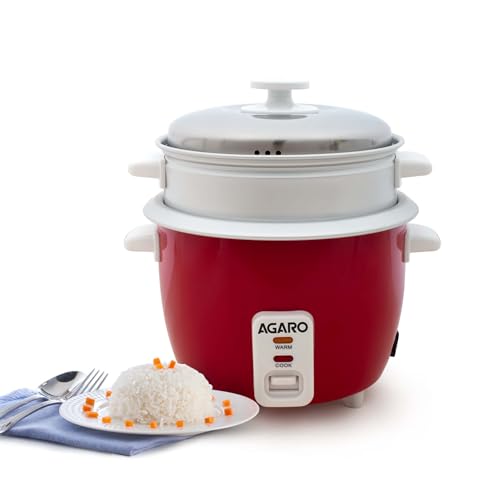
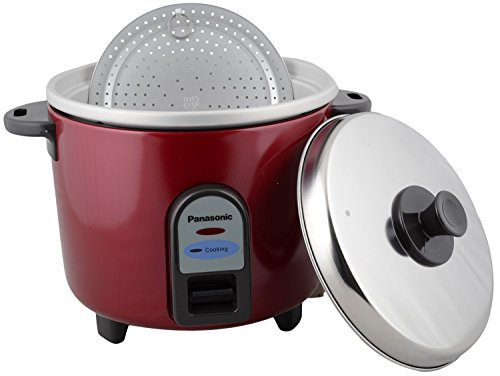
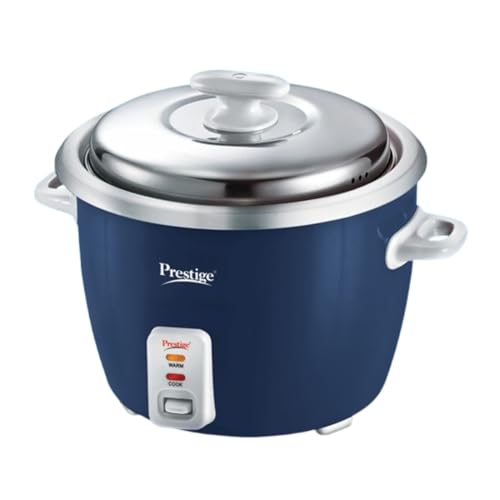
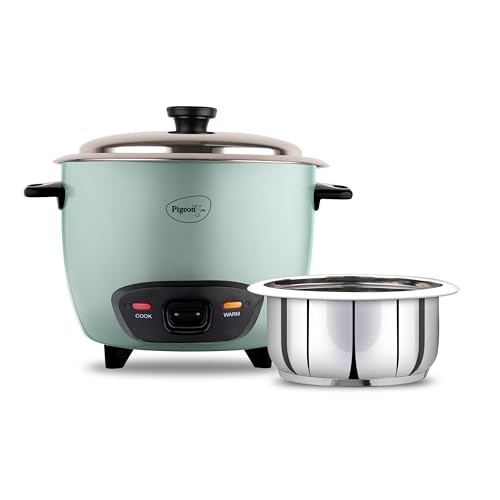
👤 2. Best Rice Cooker for One Person
If you’re living alone, don’t automatically buy a 1.8L cooker just because it’s the most commonly available size.
A 1L-class rice cooker can be more practical.
It’s suitable for smaller portions and generally takes up less counter and storage space.
Look for:
✔ Compact size
✔ Simple operation
✔ Easy cleaning
✔ Automatic cooking
✔ Keep-warm if useful
You don’t need a giant appliance to cook one person’s dinner.

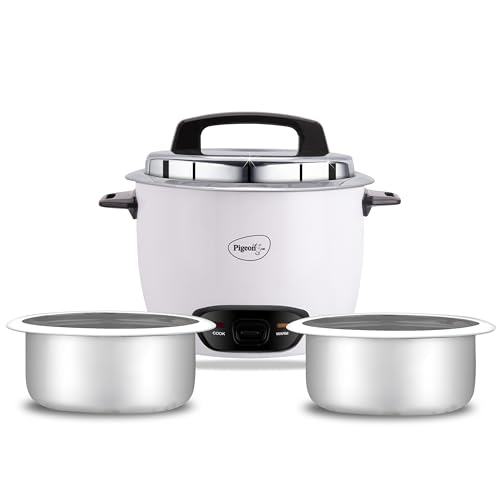
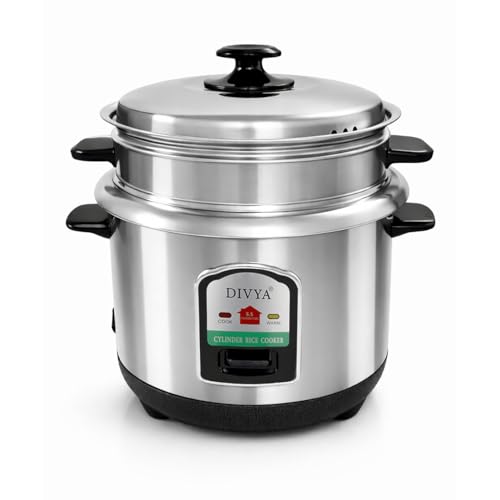
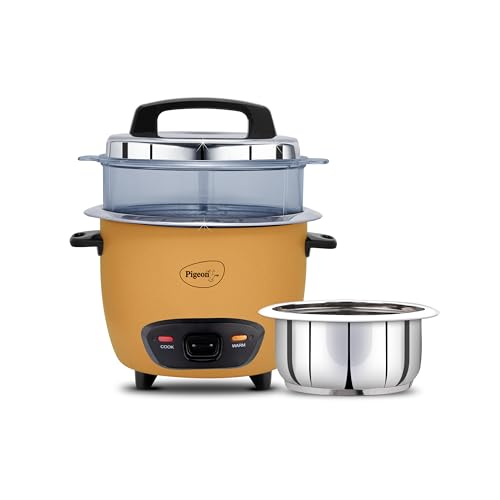
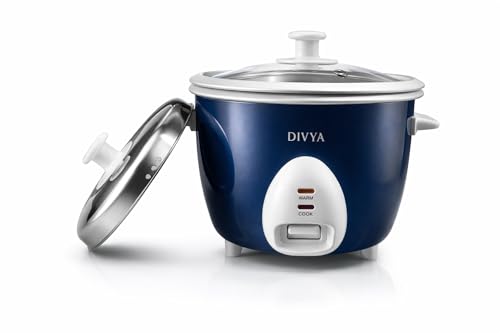
👫 3. Best Rice Cooker for Couples
For two people, you can consider:
1–1.5L
if your portions are modest.
Or:
1.8L
if you prefer cooking larger batches or want extra flexibility.
This is where buying habits matter.
If you cook:
2 cups today + leftovers tomorrow
a slightly larger cooker may make more sense.
If you cook:
exactly what you eat every meal
a smaller model can be sufficient.


👨👩👧 4. Best Rice Cooker for a Family of Four
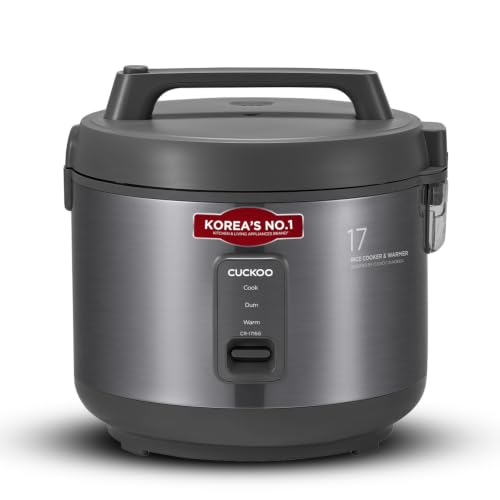
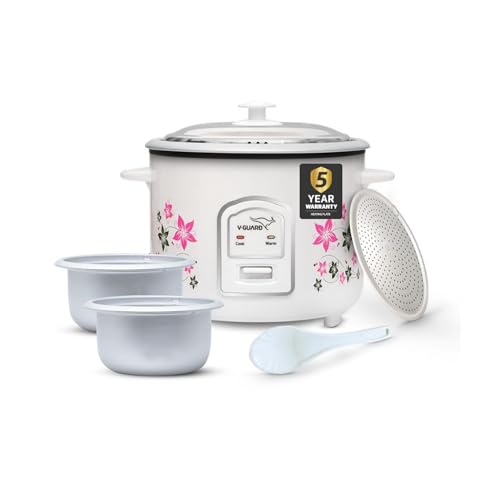
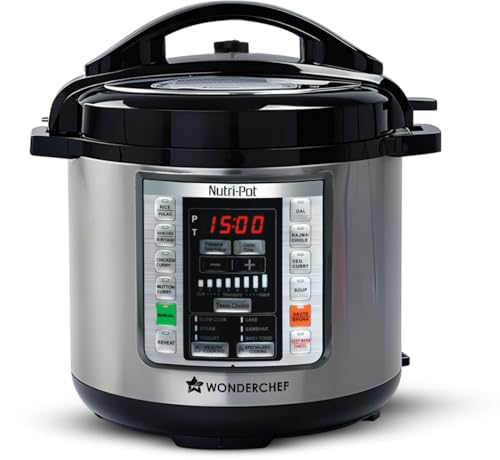
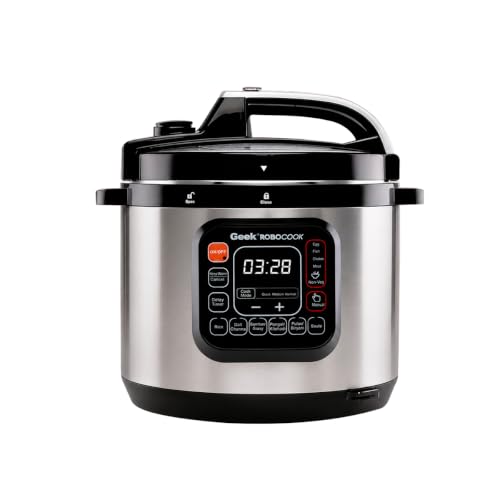
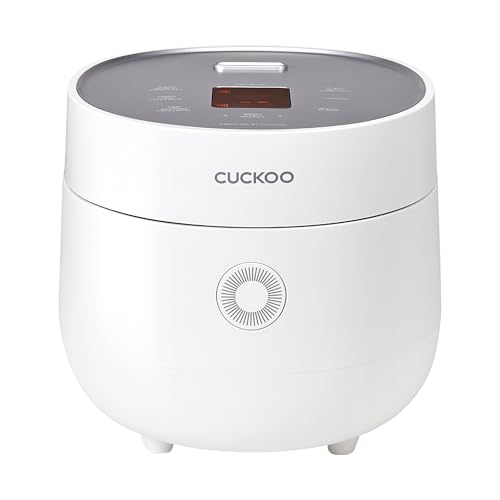
For many families of four, around 2–3L is a practical range, with 1.8–2.2L also making sense depending on portions and cooking habits.
If your household eats rice regularly, don’t buy too close to the minimum capacity.
A little extra room can be useful when:
🍚 Guests arrive
🍚 You meal-prep
🍚 You cook pulao
🍚 You prepare larger batches
But remember:
More capacity doesn’t mean you should fill it completely.
Always follow the manufacturer’s maximum recommended cooking level.

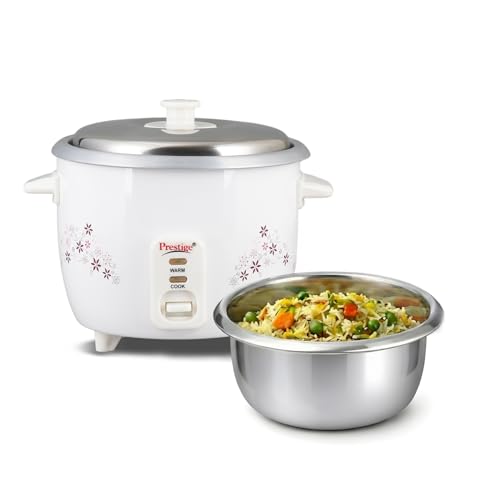


🏠 5. What About Large Families?
If you’re regularly cooking for:
👨👩👧👦 5+ people
or you frequently entertain guests, look at:
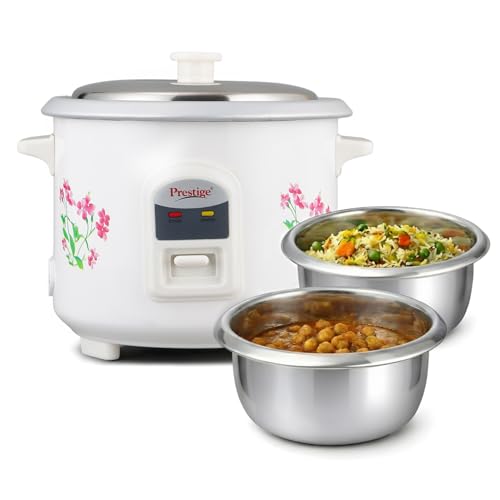
2.8L–5L models
depending on your actual cooking quantity.
But don’t buy 5L simply because:
“Bada hai toh better hai.”
A huge cooker used for tiny portions isn’t necessarily the smartest choice.
⚡ 6. Does Wattage Matter?
Yes.
But probably not in the way you think.
Rice cookers available in India can span a broad wattage range. Current market guides commonly list roughly 400W–1200W, depending on capacity and cooking technology.
You’ll commonly encounter models around:
450W–700W for many everyday cookers.
Larger or more advanced models can use more.
But here’s the important part:
Higher wattage does not automatically mean better rice.
Cooking performance also depends on:
- Heating element
- Thermostat
- Inner pot
- Capacity
- Heat distribution
- Cooking controls
A well-designed moderate-wattage cooker can cook excellent rice.
🔥 7. Should You Buy a 1000W Rice Cooker?
Not necessarily.
If you’re cooking a normal quantity of rice in a compact cooker, you don’t need to chase the highest wattage.
Think about wattage as part of the overall system, not the headline feature.
For everyday use:
450–700W can be perfectly reasonable for many smaller and medium-sized models.
For larger capacity:
Higher power may make more sense because there’s more food to heat.
For advanced cooking:
Higher power can accompany more sophisticated heating systems.
So don’t compare:
700W vs 1000W
and immediately declare:
1000W = better.
It doesn’t work that way.
🧠 8. Heating Technology Matters More Than the Number on the Box
Two cookers with similar wattage can behave differently.
Why?
Because wattage tells you how much electrical power the appliance is rated to use, not exactly how effectively it distributes heat.
Basic rice cookers generally use a heating plate and thermostat-based control.
More advanced models can use electronic sensors and more sophisticated cooking logic.
The heating system and inner pot are among the factors that have a major effect on cooking performance.
So when comparing two models:
Don’t ask only:
“Which has more watts?”
Ask:
“How is that power being used?”
🌡️ 9. Basic Thermostat vs Advanced Cooking Control
Basic Rice Cooker
Usually focuses on:
Cook → Switch → Warm
It’s simple and affordable.
For plain white rice, that’s often all you need.
Advanced Rice Cooker
May use:
🧠 Electronic sensors
🌡️ Temperature monitoring
🍚 Multiple cooking programs
⏱️ More precise cooking cycles
These models can be useful if you cook different types of rice or want more automation.
🧠 10. Do You Need Fuzzy Logic?
For most people:
No.
Fuzzy-logic technology can make sense if you regularly want:
🌾 Different rice varieties
🌾 Brown rice
🥣 Porridge
🍚 More controlled cooking
⏱️ Programmable settings
But if your kitchen routine is:
Basmati → Cook → Eat
you probably don’t need to spend a premium simply because the box says “Fuzzy Logic.”
Remember:
Feature ≠ Necessity.
🥣 11. The Inner Pot Is VERY Important
If there’s one specification I don’t want you to ignore, it’s the inner pot.
This is where your rice actually cooks.
The inner pot affects:
- Heat distribution
- Sticking
- Cleaning
- Durability
- Cooking consistency
Different models use different materials and coatings, including aluminium, anodised aluminium, stainless steel and ceramic-coated designs.
🥄 12. Non-Stick Inner Pot: Good or Bad?
A non-stick bowl can be extremely convenient.
Advantages:
✔ Less sticking
✔ Easier serving
✔ Easier cleaning
✔ Less scraping
But it requires proper care.
Avoid:
❌ Metal spoons
❌ Steel scrubbers
❌ Knives
❌ Sharp utensils
Use:
✔ Wooden spoon
✔ Silicone spatula
✔ Plastic rice paddle
Some manufacturers explicitly warn against misuse that can damage the inner-pot coating, including using the bowl on an external stove or induction cooktop.
Important:
Never place the rice cooker inner pot directly on your gas stove unless the manufacturer specifically says it’s designed for that use.
🥣 13. What About Anodised Aluminium?
Anodised aluminium is used in several rice cookers and can offer a durable cooking surface.
It’s a good option if you’re looking for something more robust than a very basic thin aluminium bowl.
For example, current Panasonic models in India use anodised aluminium bowls, while some competing models use ceramic-coated bowls.
Don’t assume one material is automatically perfect for everyone.
Consider:
Durability + cleaning + coating + replacement availability.
🏺 14. Is a Ceramic-Coated Bowl Better?
Ceramic-coated bowls are available in some rice cookers and can be attractive if you prioritise:
✔ Easy food release
✔ Different cooking surface feel
✔ Premium construction
But ceramic coating doesn’t automatically mean:
“Best rice cooker.”
The overall construction still matters.
And you should check how easily the manufacturer provides replacement bowls.
♨️ 15. Keep-Warm: One of the Most Useful Features
If you eat rice at different times, keep-warm can be incredibly useful.
The cooker automatically switches from cooking to warming after the rice is ready on many models.
This is particularly convenient for:
👨👩👧 Families
🏢 Working households
⏰ Early meal preparation
🍛 Meal prep
Current Indian models commonly offer automatic keep-warm, although the duration and behaviour vary by model.
⚠️ 16. But Don’t Assume Every Keep-Warm Mode Is Equal
Some cookers can hold rice warm for several hours.
Others may be designed for shorter periods.
And poor temperature control can result in:
🔥 Dry rice
🔥 Hardening
🔥 Browning at the bottom
🔥 Overcooked edges
So if keep-warm matters to you, don’t just look for:
“Keep Warm: Yes.”
Look at:
How long?
How does the manufacturer describe the function?
What do recurring user reviews say?
That’s much more useful.
🍚 17. Choose Based on the Rice You Actually Eat
This is an underrated buying factor.
Indian households don’t all cook the same rice.
You may use:
🌾 Basmati
🌾 Sona Masoori
🌾 Brown rice
🌾 Idli rice
🌾 Parboiled rice
🌾 Short-grain rice
Different rice varieties can need different water ratios and cooking times.
Current India rice-cooker guides specifically highlight compatibility with varieties such as basmati, sona masoori, idli rice and brown rice.
So ask yourself:
“Which rice do I cook most often?”
Not:
“Which rice can this cooker theoretically cook?”
💧 18. Water Ratio Still Matters
A rice cooker doesn’t eliminate the need to measure water.
It automates the heating process.
It doesn’t magically understand whether you’ve added:
Basmati
or
Sona Masoori.
😂
Start with the manufacturer’s recommended measurements.
Then adjust based on:
- Rice variety
- Washing
- Soaking
- Quantity
- Desired texture
One current India guide gives basmati examples around 1:1.5 to 1:2 rice-to-water, but the correct ratio varies by rice and preparation, so use the manufacturer’s markings or instructions as your primary starting point.
🍲 19. Do You Want More Than Just Rice?
Now ask yourself:
“What else do I want this cooker to do?”
Some models can support:
🥣 Porridge
🍲 Khichdi
🍛 Pulao
🥦 Steaming
🌾 Other grains
But don’t assume every rice cooker can safely cook every type of food.
Basic model:
Rice-focused
Multifunction model:
Rice + additional cooking functions
Choose according to your actual routine.
🥦 20. Is a Steamer Basket Worth It?
If you regularly steam vegetables or other suitable foods, a rice cooker with a proper steaming tray can be useful.
You can potentially prepare:
🥦 Vegetables
🥕 Carrots
🌽 Corn
🥟 Dumplings
🥚 Eggs
depending on the model and its instructions.
But if you’ll never use the steaming function, don’t pay a significant premium for it.
🛡️ 21. Don’t Ignore Safety
A rice cooker is an electrical heating appliance, so safety isn’t something to leave until the end of your shopping checklist.
Look for:
✔ Thermal protection
✔ Appropriate electrical protection
✔ Proper insulation
✔ Stable construction
✔ Safe steam management
✔ Reputable manufacturer
Indian consumer testing has evaluated electric rice cookers for protection against live parts, electrical leakage/insulation and endurance under demanding operating conditions.
Rice cookers sold in India are also subject to applicable BIS requirements, so buying from established, compliant sellers and brands is sensible.
🧼 22. Cleaning Should Be Part of Your Buying Decision
Here’s a question most people ask after buying:
“Ye clean kaise hoga?” 😂
You should ask it before buying.
Check whether:
✔ Inner pot is removable
✔ Lid is easy to clean
✔ Steam vent can be cleaned
✔ Condensation components are accessible
✔ Accessories are washable
A cooker that takes five minutes to clean is more likely to be maintained properly than one that turns every meal into a cleaning project.
🔌 23. Check the Cord and Countertop Setup
This sounds boring.
Until you buy the cooker and realise:
“Arre, socket toh yahan hai hi nahi.” 😂
Check:
- Cord length
- Base stability
- Countertop space
- Storage space
- Steam direction
Don’t position the cooker directly beneath cabinets if escaping steam could affect them.
And keep the electrical base dry.
🛒 24. Don’t Buy Based on Price Alone
Current Indian rice cooker listings span from basic models under ₹2,000 to premium multi-function models above ₹10,000.
That doesn’t mean:
₹10,000 cooker = 5× better rice.
Often you’re paying for:
- More cooking programs
- Advanced sensors
- Better interface
- Larger capacity
- More sophisticated heating
- Premium construction
For a person who simply wants everyday rice, a ₹2,000–₹5,000 model may offer much better value.
💰 25. A Simple Budget Strategy
🟢 Under ₹2,000
Best for:
Basic rice cooking
Focus on:
✔ Capacity
✔ Safety
✔ Inner pot
✔ Automatic cooking
🔵 ₹2,000–₹5,000
This can be the sweet spot for many households.
You may find:
✔ Better construction
✔ Larger capacity
✔ Keep-warm
✔ Better inner pot
✔ Steaming
✔ Additional functions
Current India market guides place many practical 2–3L models and improved functionality in this general range.
🟣 ₹5,000+
Consider this range if you genuinely want:
🧠 Advanced cooking controls
🍚 Multiple rice programs
🌾 Different grains
🔥 Advanced heating
🍲 Multifunction cooking
Don’t pay premium prices simply for a digital display.
❌ 26. Don’t Make These Buying Mistakes
Mistake #1: Buying too big
More litres ≠ better.
Mistake #2: Chasing wattage
1000W doesn’t automatically mean better rice.
Mistake #3: Ignoring the inner pot
The bowl matters enormously to everyday usability.
Mistake #4: Buying features you’ll never use
Twenty cooking programs won’t help if you only cook basmati.
Mistake #5: Ignoring keep-warm quality
“Keep Warm” is not just a checkbox.
Mistake #6: Forgetting replacement parts
Check whether the brand offers replacement bowls and relevant accessories.
Mistake #7: Ignoring cleaning
A difficult-to-clean appliance becomes a neglected appliance.
Mistake #8: Ignoring safety
Always prioritise a reputable, compliant appliance.
🧠 27. The Best Rice Cooker Buying Formula
If you want to make the decision quickly, remember:
Capacity → Rice Type → Inner Pot → Heating → Keep-Warm → Functions → Safety → Cleaning → Warranty → Price
Not:
Price → Looks → Biggest Wattage → Buy. 😂
Features That Actually Matter 🍚⚡
In Part 1, we covered the fundamentals of choosing a rice cooker capacity, wattage, heating system, inner pot, keep-warm, cooking functions and budget.
But now comes the more interesting part.
When you open a rice cooker product page, you’ll often see a huge list of features:
✨ Advanced heating
🧠 Fuzzy logic
🌡️ Temperature control
♨️ Keep-warm
🍚 Multiple rice programs
🥣 Porridge mode
🥦 Steam function
⏱️ Delay timer
📱 Smart controls
Sounds impressive.
But here’s the problem:
Not every feature is worth paying extra for.
Some features can genuinely improve your cooking experience.
Others are basically there to make the product box look more exciting. 😂
So let’s look at what actually matters when buying a rice cooker for your home.
🔥 1. Heating Technology: The Real Engine
The heating system is one of the most important components of a rice cooker.
A basic model typically uses a heating element underneath the inner pot along with temperature-based control.
More advanced models can use additional sensors and electronic controls to manage the cooking cycle more precisely.
Why does this matter?
Because the goal isn’t simply:
“Make the cooker hot.”
The goal is:
Heat the rice and water consistently enough to produce good results.
Poor heat distribution can contribute to:
❌ Unevenly cooked rice
❌ Overcooked bottom layers
❌ Undercooked portions
❌ Excessive sticking
So when comparing two rice cookers, don’t automatically choose the one with the highest wattage.
Look at the overall heating design.
🌡️ 2. Temperature Control Matters
A basic rice cooker may use a relatively simple thermostat-based system.
Once the cooking conditions change, it switches from cooking toward a lower-temperature mode.
More advanced cookers can use electronic sensors to monitor temperature more closely.
This can be useful when you’re cooking:
🍚 Different rice varieties
🌾 Brown rice
🥣 Porridge
🌾 Other grains
For basic white rice?
You probably don’t need extremely sophisticated temperature control.
For frequent experimentation?
It can become much more useful.
🧠 3. Fuzzy Logic Explained Simply
You’ve probably seen the term “Fuzzy Logic Rice Cooker.”
It sounds complicated.
The basic idea is actually quite simple.
A conventional cooker generally follows a predefined cooking process.
A fuzzy-logic cooker can use sensors and programmed logic to adjust the cooking process based on conditions it detects.
Think of it as the difference between:
Basic cooker:
“Follow the cooking cycle.”
and:
Fuzzy logic:
“Check what’s happening and adjust the cycle accordingly.”
That additional control can help when you’re cooking different types of rice or using different programs.
💰 4. Is Fuzzy Logic Worth the Extra Money?
For a basic rice eater:
Probably not.
If you mostly cook:
White rice → Eat → Repeat
a basic automatic rice cooker may be enough.
For an advanced user:
It can be worth considering if you regularly cook:
🌾 Brown rice
🍚 Different grains
🥣 Porridge
🍲 Special rice dishes
or simply want more automated control.
BestBuy93.IN rule:
Don’t pay for fuzzy logic unless you have a use for fuzzy logic. 😄
🥣 5. Inner Pot Material: A Major Buying Decision
We’ve already touched on the inner pot, but it deserves more attention.
The inner pot has direct contact with your food and plays a major role in everyday usability.
Common materials and finishes include:
- Aluminium
- Anodised aluminium
- Non-stick coated surfaces
- Stainless steel
- Ceramic-coated surfaces
Each has different characteristics.
🥄 6. Non-Stick Inner Pot
Non-stick bowls are popular because they’re convenient.
Advantages:
✔ Rice releases easily
✔ Less sticking
✔ Easy washing
✔ Simple serving
But the coating needs proper care.
Don’t use:
❌ Steel spoons
❌ Metal spatulas
❌ Knives
❌ Steel wool
Use:
✔ Silicone utensils
✔ Wooden utensils
✔ Plastic rice paddle
If the coating becomes badly scratched or damaged, check the manufacturer’s guidance regarding replacement.
🏺 7. Anodised Aluminium Inner Pot
Anodised aluminium is another common option.
It can provide a more durable surface than basic untreated aluminium and is used in several rice cooker models.
Why consider it?
✔ Good everyday durability
✔ Relatively lightweight
✔ Suitable for regular rice cooking
✔ Can be easier to maintain than some basic surfaces
However, don’t choose it solely because the word “anodised” sounds premium.
Look at the entire cooker.
🥣 8. Ceramic-Coated Inner Pot
Some premium rice cookers use ceramic-coated bowls.
These can offer a different cooking surface and may provide good food release.
But again:
Ceramic ≠ Automatically Better
The quality of the coating, construction and overall cooker design matter.
Also check:
Can you get a replacement bowl later?
That can matter more than the material name printed on the box.
🔩 9. Stainless Steel Inner Pot
Stainless steel is attractive to buyers who prefer a durable, non-coated cooking surface.
However, rice can potentially stick more than with a good non-stick surface.
So you may have to trade:
Durability
for
Convenience.
Neither choice is automatically wrong.
It depends on what you value more.
♨️ 10. Keep-Warm: One Feature Worth Taking Seriously
If you’re buying a rice cooker for everyday home use, keep-warm deserves serious consideration.
After the cooking cycle, many electric rice cookers automatically switch to a warming mode.
This is particularly useful when:
👨👩👧 Everyone eats at different times
🍛 You prepare rice before the rest of the meal
⏰ Dinner timing isn’t predictable
🏢 You’re juggling several dishes
This is one area where a rice cooker can be much more convenient than manually cooking rice on a stove.
⚠️ 11. But Keep-Warm Has Limits
Don’t assume:
“Keep-warm means I can leave rice there all day.”
Long periods of warming can affect:
- Texture
- Moisture
- Taste
- Bottom-layer quality
And food safety still matters.
If you’re not planning to eat the rice within a reasonable period, proper storage is preferable to simply leaving it warm indefinitely.
🍚 12. Multiple Rice Programs: Useful or Marketing?
Some cookers offer dedicated programs such as:
🍚 White rice
🌾 Brown rice
🌾 Multigrain
🥣 Porridge
🍚 Quick cook
These can be genuinely useful.
But ask:
Do I actually cook these foods?
If you cook only white rice, a dedicated brown-rice program isn’t going to transform your life.
😂
Pay extra when:
✔ You use multiple programs regularly
Save money when:
✔ You mainly cook one type of rice
🥦 13. Steam Function: A Useful Bonus
A rice cooker with a proper steaming basket can become more versatile.
Depending on the model, you may be able to steam:
🥦 Vegetables
🥕 Carrots
🌽 Corn
🥟 Dumplings
🥚 Eggs
This can be especially useful when cooking for a family.
Example:
Bottom: Rice
Top: Vegetables
One appliance.
Two cooking tasks.
That’s a genuinely useful feature.
🍲 14. One-Pot Cooking
Some rice cookers can be used for simple one-pot preparations.
Depending on the model, this can include dishes such as:
🍲 Khichdi
🍛 Pulao
🥣 Porridge
🌾 Grain-based meals
But this is where you need to read the manual.
A basic rice cooker isn’t automatically a multifunction cooker.
Don’t assume you can:
🔥 Fry onions
🔥 Sauté spices
🔥 Cook soup
🔥 Prepare every curry
unless the manufacturer specifically supports those functions.
🧠 15. Delay Timer: Is It Worth It?
A delay-start timer lets you program the cooker to begin later on supported models.
This can be useful for:
🌅 Breakfast preparation
🍚 Scheduled meals
🏢 Working households
⏰ Meal planning
But there’s an important consideration.
Don’t use delayed cooking carelessly with ingredients that shouldn’t sit at room temperature for extended periods.
For plain rice and water, follow the manufacturer’s instructions.
For recipes containing perishable ingredients, be much more cautious.
⚡ 16. Does More Wattage Mean Better Cooking?
No.
Let’s kill this myth right now. 😂
1000W ≠ Automatically Better Rice
Wattage indicates electrical power rating.
It doesn’t tell you everything about:
- Heat distribution
- Temperature control
- Cooking algorithm
- Inner pot
- Sensor quality
- Cooking consistency
A well-designed 600–700W cooker can be excellent for its intended capacity.
A larger cooker may need more power simply because it’s heating more food.
Compare wattage within context.
Not in isolation.
🔌 17. What About Electricity Consumption?
If you’re concerned about electricity bills, look at:
Power × operating time
rather than simply looking at the number of watts.
For example:
A 700W appliance operating at full rated power for one hour would theoretically use:
0.7 kWh
But actual cooking cycles aren’t necessarily one continuous hour at full power.
The cooker may cycle its heating system as cooking progresses.
Keep-warm also consumes energy, although generally at a lower level than active heating.
Smart habit:
Don’t leave keep-warm running when you don’t need it.
🧼 18. Cleaning: The Most Underrated Feature
Here’s a feature nobody puts in giant letters on the product box:
“Easy to clean.”
But honestly, it matters.
A rice cooker can be used several times a week.
So if cleaning is annoying, you’ll notice.
Look for:
✔ Removable inner pot
✔ Accessible lid
✔ Cleanable steam vent
✔ Removable components where provided
✔ Smooth surfaces
The simpler the cleanup, the easier it is to maintain the cooker.
💨 19. Steam Vent Design
Steam vents are important.
During cooking, steam needs to escape appropriately.
A poorly maintained vent can accumulate:
- Starch
- Rice particles
- Condensation
- Food residue
So check whether the vent is:
Easy to access
and
Easy to clean.
A cooker with a complicated vent that you can’t clean properly can become irritating over time.
💧 20. Hard Water and Mineral Deposits
If your home has hard water, mineral deposits can gradually appear on surfaces exposed to water.
You might notice:
⚪ White marks
⚪ Chalky residue
⚪ Dull surfaces
Clean the removable components according to the manufacturer’s instructions.
Don’t automatically reach for aggressive chemicals.
Better rule:
Manufacturer-approved cleaning method first.
🛡️ 21. Safety Features That Actually Matter
You don’t need twenty-seven safety features.
Prioritise the important ones.
Look for:
✔ Thermal protection
✔ Appropriate electrical protection
✔ Stable base
✔ Properly insulated body
✔ Safe steam management
✔ Reliable construction
And always:
Keep the electrical base dry.
The inner pot can be washed.
The electrical base cannot be treated like a normal cooking vessel.
🔌 22. Cord and Countertop Placement
This sounds like a tiny detail.
It isn’t.
Before buying, think about:
Where will this cooker actually sit?
Check:
- Cord length
- Socket location
- Countertop space
- Storage space
- Steam direction
Don’t position a steam-producing appliance where escaping steam can repeatedly hit cabinets or other surfaces that may be affected.
🏠 23. Small Kitchen? Prioritise Footprint
If your kitchen is compact, capacity isn’t the only size you should consider.
Look at:
Countertop footprint
A 3L cooker may fit your cooking needs but still take up valuable counter space.
For a single person or couple, a smaller cooker can be easier to:
✔ Store
✔ Move
✔ Clean
✔ Use daily
Don’t buy a commercial-looking monster when you’re cooking one bowl of rice. 😂
👨👩👧👦 24. Family Kitchen? Prioritise Capacity + Convenience
For families, I’d prioritise:
1. Capacity
Enough for your normal portions.
2. Keep-warm
Useful for different meal times.
3. Inner pot
Easy to clean and maintain.
4. Steaming
Useful if you regularly steam food.
5. Safety
Always important.
6. Warranty/service
Especially important for frequent use.
🎓 25. Students: Don’t Overbuy
If you’re buying your first rice cooker for a hostel, rented room or small apartment, keep it simple.
You probably don’t need:
❌ 15 cooking programs
❌ Smart connectivity
❌ Huge capacity
❌ Premium sensors
Instead look for:
✔ Compact size
✔ Automatic cooking
✔ Easy cleaning
✔ Safety
✔ Reasonable price
✔ Suitable capacity
The best student rice cooker is often the one you can use without reading a 50-page manual. 😂
🧠 26. Which Features Are Actually Worth Paying For?
Here’s a quick priority list.
| Feature | Priority |
|---|---|
| Correct capacity | ⭐⭐⭐⭐⭐ |
| Good inner pot | ⭐⭐⭐⭐⭐ |
| Automatic cooking | ⭐⭐⭐⭐⭐ |
| Safety | ⭐⭐⭐⭐⭐ |
| Keep-warm | ⭐⭐⭐⭐ |
| Easy cleaning | ⭐⭐⭐⭐ |
| Good heating system | ⭐⭐⭐⭐ |
| Steamer | ⭐⭐⭐ |
| Multiple programs | ⭐⭐⭐ |
| Fuzzy logic | ⭐⭐–⭐⭐⭐⭐ |
| Delay timer | ⭐⭐ |
| Smart/Wi-Fi controls | ⭐ |
| Decorative display | ⭐ |
The rating depends on how you cook.
For example, fuzzy logic can become much more valuable if you regularly cook different grains.
🛒 27. The Five-Minute Product Page Test
Before purchasing online, don’t scroll endlessly.
Check these 10 things:
1️⃣ Capacity
Does it match your household?
2️⃣ Wattage
Is it appropriate for the capacity?
3️⃣ Inner pot
What material and coating does it use?
4️⃣ Keep-warm
Yes or no?
5️⃣ Cooking programs
Which ones?
6️⃣ Steamer
Included or not?
7️⃣ Safety
What protection does the manufacturer specify?
8️⃣ Warranty
How long?
9️⃣ Spare parts
Can the bowl/accessories be replaced?
🔟 Reviews
Are there recurring complaints?
If all ten look good, you’re already ahead of most impulse buyers.
🚨 28. Red Flags While Shopping
Be cautious when a listing:
❌ Doesn’t clearly state capacity
❌ Doesn’t mention warranty
❌ Gives vague information about the inner pot
❌ Has inconsistent specifications
❌ Doesn’t identify the model number
❌ Makes unrealistic performance claims
❌ Has repeated complaints about the same issue
❌ Has no clear information about service or replacement parts
A rice cooker is a relatively simple appliance.
You shouldn’t have to solve a mystery just to understand what you’re buying.
🧪 29. How to Compare Two Rice Cookers
Suppose you’re stuck between:
Model A
₹2,500
1.8L
700W
Non-stick bowl
Keep-warm
Model B
₹4,500
1.8L
700W
Ceramic bowl
Fuzzy logic
Multiple programs
Don’t automatically choose Model B.
Ask:
Do I need the additional programs?
Do I prefer the ceramic bowl?
Is the cooking consistency better?
Is the warranty better?
Are replacement parts available?
Will I use these features regularly?
If the answer is mostly no, Model A may provide better value.
🏆 30. BestBuy93.IN Feature Priority
If I were buying a rice cooker for everyday Indian home use, my priority would be:
🥇 Capacity
Get the size right.
🥈 Inner Pot
Don’t compromise unnecessarily.
🥉 Cooking Consistency
Look beyond wattage.
4️⃣ Safety
Always important.
5️⃣ Keep-Warm
Very useful for families.
6️⃣ Cleaning
You’ll appreciate this later.
7️⃣ Warranty & Service
Important for long-term ownership.
8️⃣ Extra Programs
Only after the basics are covered.
Budget, Maintenance & Final Buying Checklist 🍚🛒
So far, we’ve covered almost everything that matters when choosing a rice cooker.
In Part 1, we looked at capacity, wattage, heating systems, inner pots, keep-warm and basic cooking requirements.
In Part 2, we went deeper into features such as fuzzy logic, temperature control, steaming, cooking programs, cleaning and which features are actually worth paying for.
Now comes the part that matters when you’re actually ready to spend your money:
💰 How much should you spend?
🧼 How do you maintain the cooker?
🛠️ What about warranty and service?
❌ Which mistakes should you avoid?
📋 And finally what should you check before buying?
Let’s finish the guide. ❤️
💰 1. How Much Should You Spend on a Rice Cooker?
Rice cookers are available across a fairly wide price range.
But spending more doesn’t automatically mean you’ll get better rice.
Your budget should match your cooking requirements.
🟢 Under ₹2,000 — Basic Everyday Cooking
This category is suitable for:
- Students
- Singles
- Couples
- First-time buyers
- People who mainly cook regular rice
Typical priorities:
✔ Automatic cooking
✔ Appropriate capacity
✔ Basic safety
✔ Simple controls
✔ Easy cleaning
You don’t necessarily need advanced programs here.
If your main requirement is:
“I just want rice without standing over the stove.”
A basic cooker can do the job.
🔵 ₹2,000–₹5,000 — The Sweet Spot
For many households, this is the most interesting price range.
You can start finding models with:
✔ Better construction
✔ Larger capacities
✔ Keep-warm
✔ Better inner pots
✔ Steaming accessories
✔ Additional cooking functions
✔ More convenient controls
This is where I’d suggest spending a little more if you use your rice cooker frequently.
Best for:
👨👩👧👦 Families
🍚 Regular rice eaters
🏠 Everyday home kitchens
🍲 People who want some additional versatility
🟣 ₹5,000+ — Advanced & Premium
At this level, you may find models offering:
🧠 Fuzzy logic
🌡️ More sophisticated temperature control
🍚 Multiple rice programs
⏱️ Timers
🥣 Special cooking modes
✨ Premium inner pots
The question isn’t:
“Is this better?”
The better question is:
“Will I actually use the additional features?”
If yes, the upgrade can make sense.
If not, you’re potentially paying for features that spend most of their lives unused.
🧮 2. Don’t Forget the Cost of Ownership
The purchase price isn’t the only cost.
Think about the cooker over several years.
Your actual ownership cost can include:
Purchase price + replacement parts + maintenance + electricity
This is why a slightly more expensive cooker can sometimes offer better value.
For example:
Cooker A
₹2,000
Cheap initially
Replacement bowl difficult to find
Cooker B
₹3,000
Slightly more expensive
Better availability of replacement parts
If you use the cooker for years, Model B could be the smarter purchase.
🥣 3. Replacement Inner Pot: Seriously Check This
Here’s something many buyers discover after purchasing.
The cooker still works.
The heating system is fine.
The lid is fine.
But…
The inner pot is damaged. 😭
If the manufacturer doesn’t sell replacement bowls, you may eventually have to replace the entire appliance.
Before buying, search the model number together with:
“replacement inner pot”
or
“spare bowl.”
This takes approximately 30 seconds.
It can save you from a lot of frustration later.
🧼 4. How to Maintain Your Rice Cooker
A rice cooker isn’t particularly difficult to maintain.
But a few habits can dramatically improve everyday usability.
After every use:
✔ Remove the inner pot
✔ Empty leftover rice
✔ Wash the pot appropriately
✔ Clean the rice paddle
✔ Wipe condensation from the lid/body
✔ Check the steam area for residue
Don’t allow food residue to build up repeatedly.
🧽 5. Take Care of the Inner Pot
This is especially important if your cooker has a non-stick coating.
Avoid:
❌ Metal scrubbers
❌ Steel wool
❌ Knives
❌ Sharp utensils
❌ Aggressive scraping
Instead use:
✔ Soft sponge
✔ Mild dishwashing liquid
✔ Suitable silicone/plastic/wooden utensils
If rice gets stuck, soaking the pot can be much better than attacking it with a scrubber. 😂
🚫 6. Don’t Put the Electrical Base Under Water
This deserves its own section because it’s one of the easiest ways to damage an electric appliance.
The removable cooking pot can be washed.
The electrical heating base should generally be cleaned according to the manufacturer’s instructions, usually with appropriate wiping rather than immersion.
Simple rule:
Pot → Wash
Electrical base → Wipe
💨 7. Clean the Steam Vent
The steam vent can collect starch and food residue over time.
If your model has a removable steam vent or condensation collector, clean it according to the instructions.
A clean vent helps maintain proper operation and keeps the appliance more hygienic.
♨️ 8. Don’t Abuse Keep-Warm Mode
Keep-warm is extremely convenient.
But it isn’t a substitute for proper food storage.
If you’ve finished eating and know the remaining rice won’t be consumed soon, don’t simply leave it warming indefinitely.
Long periods of warming can also affect:
- Texture
- Moisture
- Taste
- Bottom-layer quality
Best habit:
Cook → Serve → Store leftovers appropriately.
⚡ 9. How to Reduce Unnecessary Electricity Use
A rice cooker isn’t a massive electricity consumer for normal cooking, but you can still avoid waste.
Smart habits:
✔ Use the correct quantity of water
✔ Don’t repeatedly restart cooking
✔ Don’t leave keep-warm running unnecessarily
✔ Match cooker size to your normal cooking quantity
✔ Switch off and unplug when appropriate
The biggest practical mistake is often not the cooking cycle itself.
It’s leaving the appliance in warming mode for hours when nobody needs it.
🛠️ 10. Warranty: Don’t Ignore It
A rice cooker has electrical and heating components, so warranty support matters.
Before buying, check:
✔ Warranty period
✔ What components are covered
✔ Whether the inner pot is considered a consumable/accessory
✔ Service availability
✔ How warranty claims are handled
✔ Whether proof of purchase is required
Don’t assume every component automatically receives the same warranty coverage.
🏢 11. Brand Reputation vs Service Network
A familiar brand name can be reassuring.
But brand recognition isn’t the entire story.
For an appliance you’re planning to use for several years, also consider:
Can I actually get service or spare parts if something goes wrong?
A slightly less glamorous model with accessible spare parts can sometimes be more practical than a feature-packed model with poor after-sales support.
🛒 12. Buying Online? Check the Exact Model Number
This is one of the most important online-shopping habits.
Two products may look almost identical but have different:
- Capacities
- Wattages
- Inner pots
- Accessories
- Warranty terms
- Cooking programs
Always compare the exact model number.
Don’t rely only on the product title.
The title may say:
“1.8L Rice Cooker”
while another version from the same product family may have different specifications.
⭐ 13. Don’t Trust Ratings Alone
A product with 4.5 stars isn’t automatically perfect.
Read the reviews for recurring complaints.
Look specifically for comments about:
🔍 Inner-pot coating
🔍 Rice sticking
🔍 Cooking consistency
🔍 Keep-warm performance
🔍 Lid/steam issues
🔍 Electrical problems
🔍 Replacement parts
🔍 Customer service
One negative review means very little.
Twenty people complaining about the same problem?
Now that’s interesting.
🚨 14. Common Rice Cooker Buying Mistakes
Let’s quickly go through the biggest mistakes.
❌ Mistake #1: Buying Based Only on Wattage
1000W sounds better than 700W.
But wattage alone doesn’t guarantee better cooking.
❌ Mistake #2: Buying Too Large
A huge cooker isn’t automatically better.
If you normally cook small portions, an oversized cooker can be inconvenient and may not give the best results for small quantities.
❌ Mistake #3: Ignoring the Inner Pot
The inner pot is one of the components you’ll interact with most.
Don’t treat it like an afterthought.
❌ Mistake #4: Paying for Features You Won’t Use
If you only cook white rice, you probably don’t need twelve specialised programs.
❌ Mistake #5: Ignoring Replacement Parts
A missing replacement bowl can become a long-term headache.
❌ Mistake #6: Ignoring Cleaning
A cooker that’s annoying to clean will become annoying to own.
❌ Mistake #7: Assuming Every Rice Cooker Is a Multi-Cooker
Some rice cookers offer additional cooking functions.
Others are designed primarily for rice.
Always check the manufacturer’s instructions before using your cooker for other foods.
❌ Mistake #8: Ignoring Counter Space
Measure your kitchen.
Seriously. 😂
Your future self will thank you.
🧠 15. Should You Buy Basic or Advanced?
Here’s a simple decision system.
Choose a basic rice cooker if:
✔ You mainly cook white rice
✔ You want convenience
✔ You’re on a budget
✔ You don’t need multiple programs
✔ You want simple controls
Choose a mid-range cooker if:
✔ You cook rice frequently
✔ You want keep-warm
✔ You want steaming
✔ You cook different rice varieties occasionally
✔ You want better overall convenience
Choose an advanced/fuzzy-logic cooker if:
✔ You cook different grains frequently
✔ You want more precise automated cooking
✔ You use specialised programs
✔ You’re willing to pay more for convenience
✔ You want a more sophisticated cooking system
👨🍳 16. Which Rice Cooker Is Best for Different Users?
| User | Recommended Type |
|---|---|
| Student | Compact basic cooker |
| Single | 1L–1.5L basic cooker |
| Couple | 1L–1.8L |
| Small family | 1.8L–2.2L |
| Larger family | 2.8L–3L+ |
| Rice-focused kitchen | Basic automatic cooker |
| Frequent multi-grain user | Advanced/fuzzy logic |
| Budget buyer | Basic automatic |
| Convenience-focused family | Mid-range with keep-warm |
| Multi-purpose user | Cooker with supported steaming/cooking functions |
Remember:
These are starting points, not strict rules.
Your actual serving size and cooking habits matter more than the label “family of four.”
📋 17. The Ultimate Rice Cooker Buying Checklist
Before clicking Buy Now, run through this list.
🍚 Capacity
- Is the capacity right for my household?
- Am I buying too large or too small?
⚡ Power
- Is the wattage appropriate for the cooker size?
- Am I avoiding the “higher wattage = better” trap?
🔥 Heating
- Is the heating system clearly explained?
- Does the cooker offer the consistency I need?
🥣 Inner Pot
- What material is it?
- Is it non-stick?
- Is the coating likely to suit my usage?
- Can I buy a replacement pot?
♨️ Convenience
- Does it have keep-warm?
- Does it have a steamer?
- Are the cooking programs actually useful to me?
🛡️ Safety
- Does it have appropriate electrical/thermal protection?
- Is the steam system practical?
🧼 Maintenance
- Is the pot easy to clean?
- Can I clean the steam vent?
- Is the lid easy to maintain?
🛠️ After-Sales
- What is the warranty?
- Is service available?
- Are spare parts available?
💰 Value
- Is the price justified by features I’ll actually use?
- Am I paying for marketing rather than useful functionality?
⭐ Reviews
- Have I checked recent reviews?
- Are there recurring complaints?
If you can confidently tick most of these boxes, you’re probably looking at the right kind of rice cooker.
❓ 18. Rice Cooker Buying FAQs
Q1. What capacity rice cooker is best for a family of four?
A cooker around 1.8L–2.2L is often a practical starting point for a small family, but actual portion sizes matter. If your family eats large quantities of rice, you may prefer a larger model.
Q2. Is 700W enough for a rice cooker?
For many everyday rice cookers, yes. Don’t judge a rice cooker solely by wattage. Capacity, heating design and cooking controls also matter.
Q3. Is a 1000W rice cooker better?
Not automatically.
A higher-wattage model may be useful for larger capacities or particular designs, but wattage alone doesn’t determine cooking quality.
Q4. Is fuzzy logic worth buying?
It can be worthwhile for people who frequently cook different rice varieties, grains or specialised programs.
For basic white rice, a good conventional cooker can be perfectly adequate.
Q5. Is a non-stick rice cooker safe to use?
A quality non-stick inner pot can be convenient for rice cooking. The important thing is to follow the manufacturer’s care instructions and avoid scratching or damaging the coating.
Q6. Can I cook dal in a rice cooker?
Some models support broader cooking functions, while others are designed primarily for rice.
Always check the manufacturer’s instructions for your specific model.
Q7. Can I make khichdi in a rice cooker?
Some rice cookers can handle simple one-pot recipes, including khichdi, depending on their design and manufacturer’s instructions.
Don’t assume every basic cooker is suitable for every recipe.
Q8. Should I buy a rice cooker if I already have a pressure cooker?
If you frequently cook rice and value automatic cooking and keep-warm convenience, a rice cooker can still be useful.
If your pressure cooker already handles your rice perfectly and you don’t need extra convenience, you may not need another appliance.
Q9. Does a rice cooker use a lot of electricity?
Normal cooking doesn’t necessarily mean high electricity consumption. Actual usage depends on the cooker’s power rating, cooking duration and how often keep-warm is used.
Q10. How long can rice stay in keep-warm mode?
This varies by appliance and circumstances. Don’t treat the maximum warming period as a guarantee of food quality or safety. Follow the manufacturer’s instructions and store leftovers appropriately when they won’t be eaten soon.
🏆 19. Final Verdict: How to Choose the Right Rice Cooker
After everything we’ve covered across this three-part guide, choosing a rice cooker becomes much easier.
You don’t need to chase the biggest capacity.
You don’t need the highest wattage.
You don’t need the longest feature list.
And you definitely don’t need a ₹10,000+ appliance just because the product page uses words like:
“Advanced.”
“Smart.”
“Intelligent.”
“Premium.”
😂
Instead, focus on what you’ll actually use.
For most Indian homes, prioritise:
🥇 Correct capacity
🥈 Reliable heating
🥉 Good-quality inner pot
4️⃣ Automatic cooking
5️⃣ Keep-warm
6️⃣ Easy cleaning
7️⃣ Safety
8️⃣ Warranty & service
9️⃣ Replacement parts
🔟 Useful extras
❤️ The BestBuy93.IN Rule
Here’s the simplest way to remember this entire guide:
Buy the cooker that matches your cooking not the cooker with the longest feature list.
If you’re a student cooking one or two portions, keep it compact.
If you’re cooking for a family, prioritise capacity and keep-warm.
If you cook different grains frequently, consider better temperature control or fuzzy logic.
If you want steaming, make sure a proper steaming accessory is included.
And if you’re spending more money, make sure you’re getting something you’ll genuinely use.
Because the best rice cooker isn’t necessarily the most expensive one.
It’s the one that makes your everyday cooking easier. 🍚❤️
📌 Final 30-Second Buying Formula
Still confused?
Use this:
Your Household → Capacity
⬇️
Your Cooking Style → Basic or Advanced
⬇️
Your Rice Variety → Temperature/Program Needs
⬇️
Your Convenience → Keep-Warm/Steamer
⬇️
Your Budget → Features You Actually Need
⬇️
Your Long-Term Use → Warranty + Spare Parts
And that’s it.
Happy rice-cooker shopping! 🍚✨