


Want to make soft, fluffy khaman dhokla at home without buying an oversized kitchen appliance? The right dhokla plate or steamer can make preparation easier, especially when you regularly prepare Gujarati snacks for breakfast, evening tea or family gatherings.
But here’s the thing: not every idli stand or multi-purpose steamer is automatically suitable for khaman. Some products include solid plates for batter-based preparations, while others have perforated inserts designed for different types of steaming. The size of the plate, depth, number of tiers and compatibility with your cooker matter too.
In this guide, we’ll compare practical dhokla plate stands, multi-purpose steamers and individual stainless steel plates available in India. We’ll explain which type makes sense for small households, frequent home cooks and buyers who already own a pressure cooker. You’ll also find buying tips, common mistakes and a simple guide to preparing soft khaman.
Quick Answer: Which Dhokla Plate or Steamer Should You Buy?
Here’s the short version:
- Best multi-purpose choice: A stainless steel multi-kadai with dedicated khaman/dhokla plates and a compatible cooking vessel.
- Best budget choice: A three-plate stainless steel stand, provided its plate design and cooker compatibility suit your recipe.
- Best for an existing cooker: A standalone dhokla plate that matches the cooker or steamer’s internal dimensions.
- Best for frequent cooking: A complete multi-purpose steamer with removable plates and a stable base.
- Most important buying check: Make sure the plate can hold your khaman batter. Don’t choose a perforated insert simply because the listing mentions dhokla.
Our biggest recommendation: If you already have a suitable pressure cooker or steamer, start by checking whether you only need compatible plates. Buying an entire multi-kadai when you already own a good cooking vessel may be unnecessary.
1. Best Dhokla Plates and Steamers Compared
A dhokla plate stand and a complete multi-purpose steamer are not the same purchase. The table below helps you understand the different options before choosing one.
| Product option | Best for | Main advantage | What to check |
|---|---|---|---|
| Stainless steel multi-kadai | Frequent home cooking | Cooking vessel and steaming accessories in one set | Included khaman plates |
| Three-plate dhokla stand | Budget-conscious buyers | Multiple tiers in a compact setup | Plate shape and cooker fit |
| Complete multi-purpose steamer | Buyers without a suitable cooker | Dedicated steaming vessel | Capacity and accessories |
| Standalone dhokla plate | Existing cooker owners | Replaces or adds a single plate | Diameter and depth |
| Premium triply multi-kadai | Frequent, multi-purpose cooking | More substantial cookware construction | Whether premium features justify the price |
Prices and availability vary by seller, product variant and promotional offer. Always check the exact package contents before ordering.
Which Dhokla Plates and Steamers Are Worth Considering?
The following options represent different buying situations. Rather than assuming one product is perfect for every household, consider what you already own and how frequently you prepare steamed snacks.
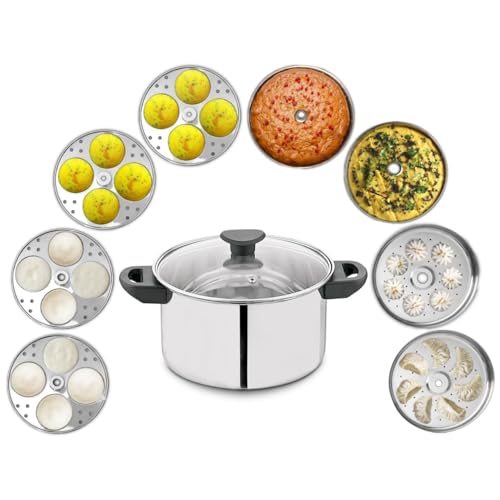
1. Best Overall: A Stainless Steel Multi-Purpose Kadai with Dedicated Dhokla Plates
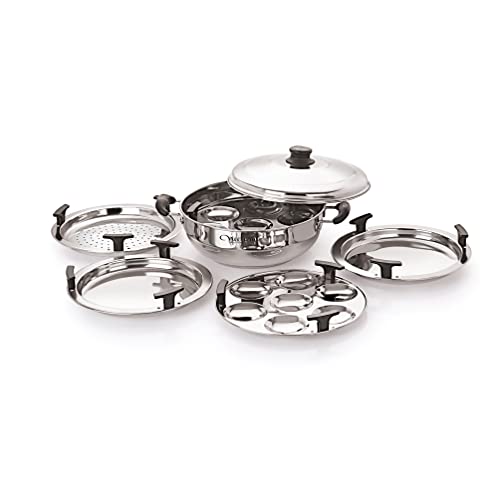
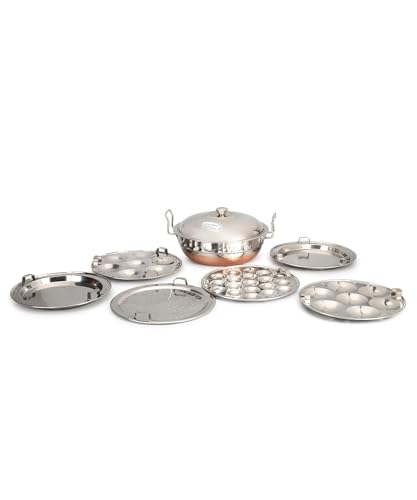
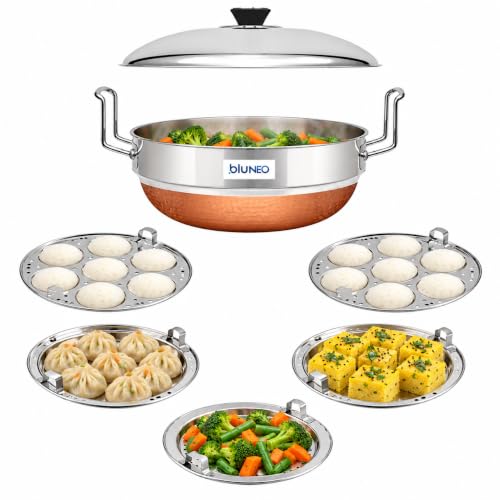
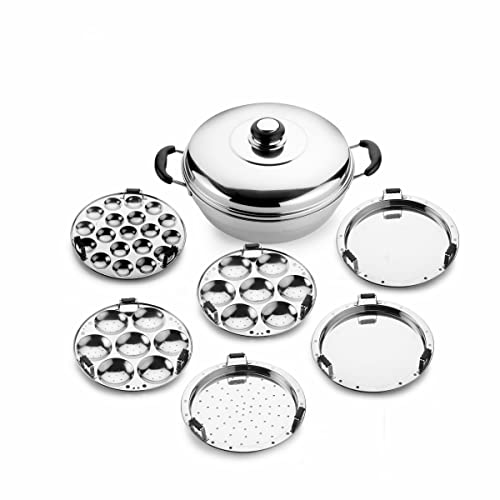
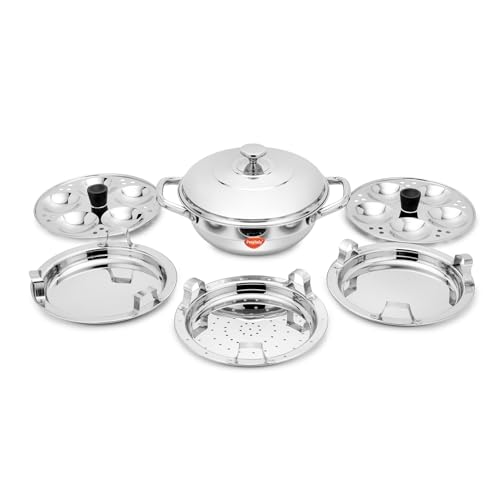
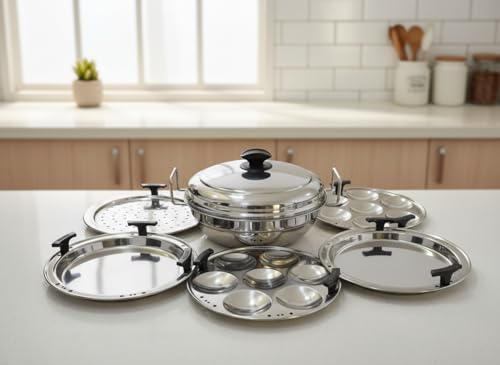
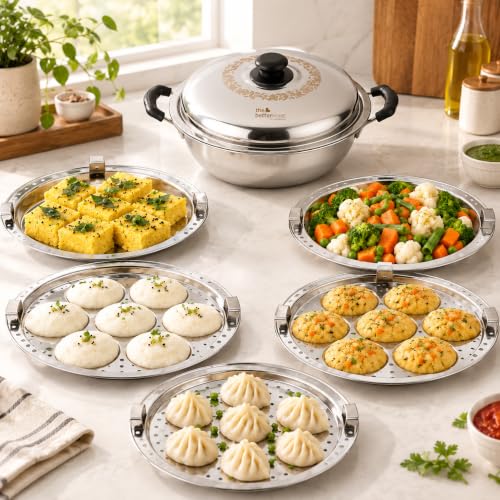
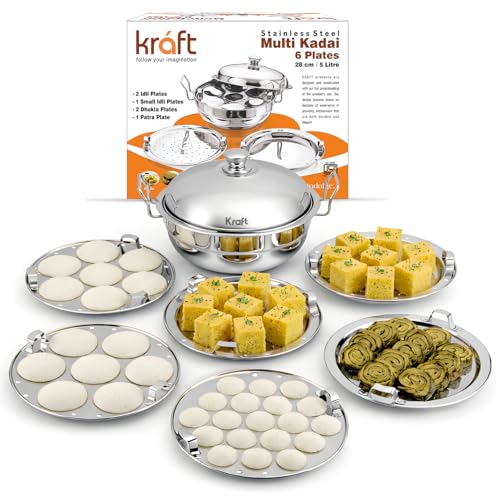
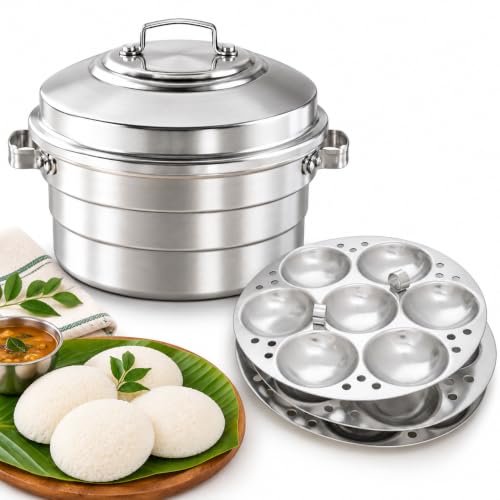
A multi-purpose stainless steel kadai is worth considering if you want more than a basic dhokla stand. A suitable set can include a cooking vessel, lid and different steaming plates for idli, khaman, patra or other snacks.
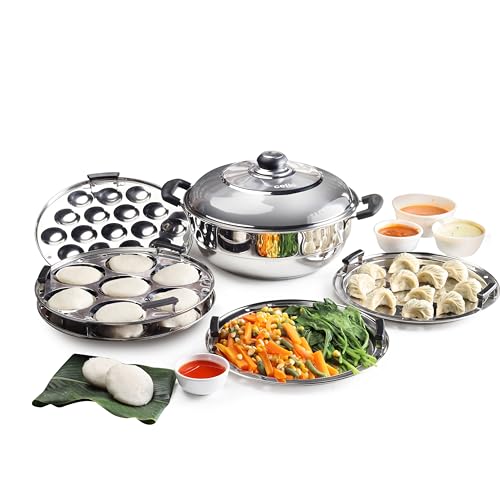
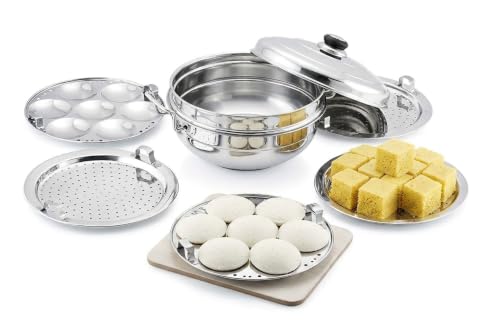
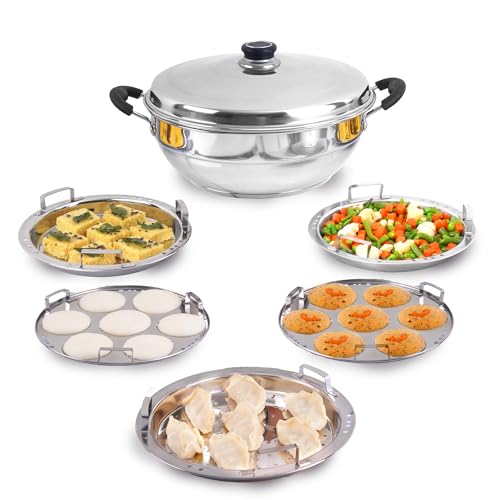
One particularly useful example is a six-plate triply multi-kadai configuration from Vinod’s Doniv range. Its official product listing specifies two idli plates, one mini-idli plate, one patra/momos plate and two khaman/dhokla plates. It also lists a 26 cm diameter and gas, ceramic, induction and halogen compatibility.
Why we recommend this type
- Dedicated khaman/dhokla plates are included in the specified configuration.
- The cooking vessel can serve other purposes.
- Multiple plate styles provide flexibility for different recipes.
- A complete set can be convenient if you don’t already own a suitable steamer.
Best for: Families who regularly prepare idli, khaman, momos and other steamed dishes.
Who should buy it
- You want a complete steaming setup.
- You cook different steamed snacks regularly.
- You need a dedicated cooking vessel and multiple accessories.
Who should skip it
- You only prepare khaman occasionally.
- You already own a compatible large steamer.
- You have limited storage space or don’t need several plate types.
Pros
- More versatile than a standalone plate.
- Dedicated khaman plates are specified in the six-plate configuration.
- Useful for multiple recipes.
Cons
- A complete set can cost considerably more than a simple stand.
- More accessories mean more storage space is required.
- Not every variant necessarily includes the same plate configuration.
Our verdict: A complete multi-kadai is the most convenient option for frequent home cooks, but check the exact variant before purchasing. A product’s name alone doesn’t tell you which plates are included.


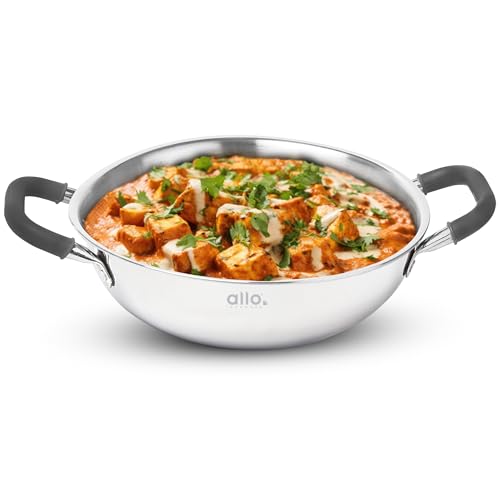

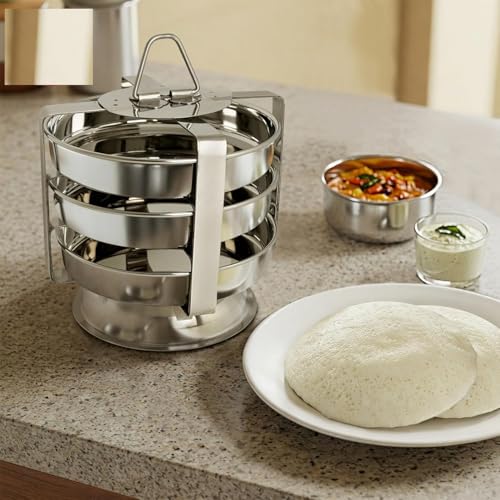
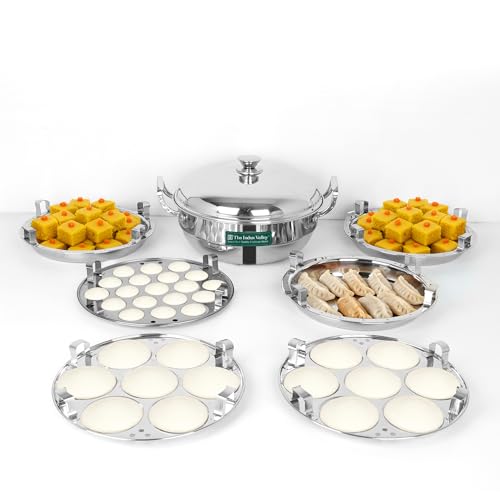
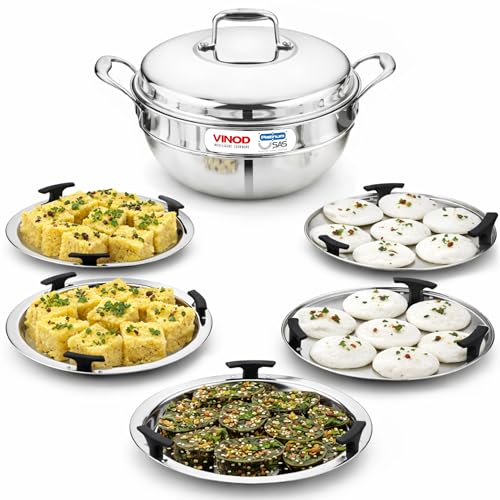
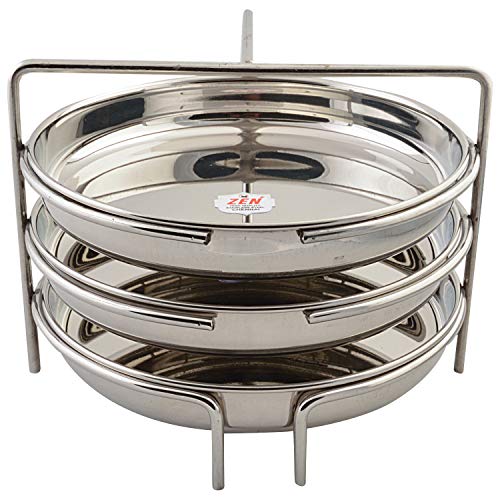
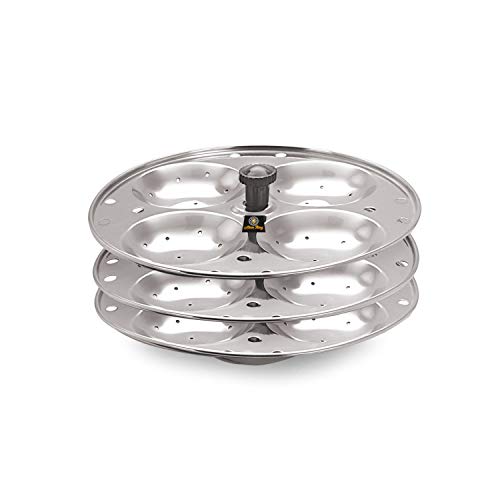
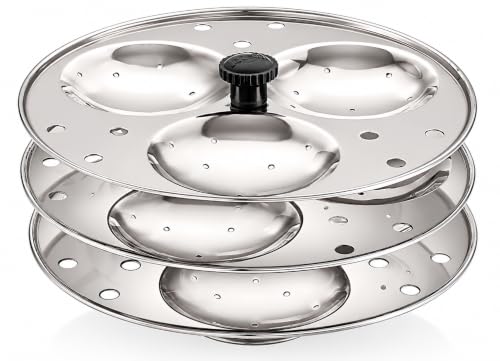
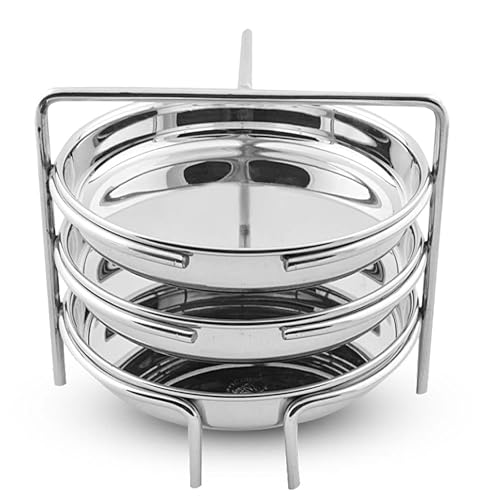
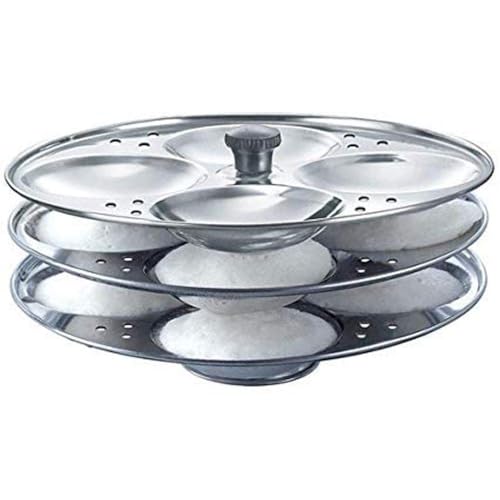
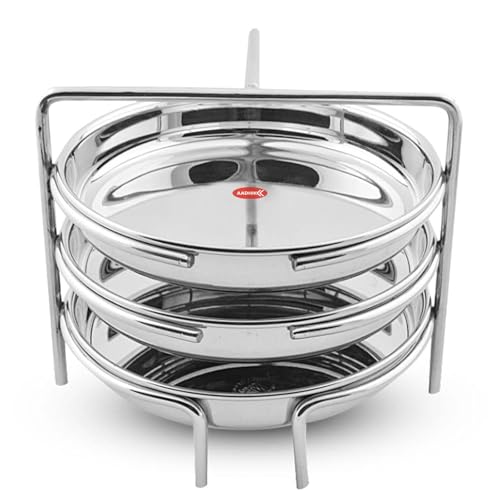
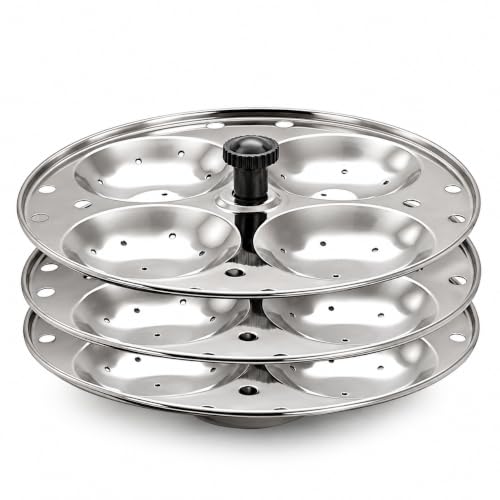
2. Best Budget Option: A Three-Plate Stainless Steel Dhokla Stand
If you already own a compatible cooker, a three-plate stand can be a more economical alternative to buying a complete steamer.
A budget stand is particularly useful for preparing small or medium batches without adding another large cooking vessel to your kitchen.
Why we recommend this type
- Usually requires less initial spending than a complete multi-kadai.
- Removable plates can be easier to store.
- Multiple tiers can make batch preparation convenient.
Best for: Beginners and households that already have a suitable pressure cooker or steamer.
Who should buy it
- You want to experiment with homemade khaman.
- You already own a compatible cooking vessel.
- You don’t need a separate multi-purpose kadai.
Who should skip it
- You need a complete steamer with its own vessel.
- The stand’s plate dimensions don’t match your cooker.
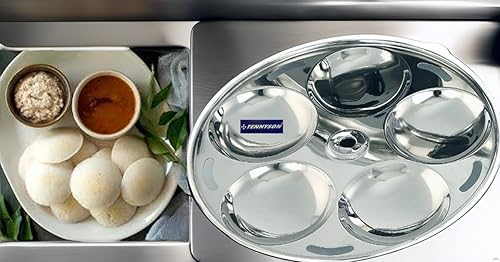
- The product includes only moulded idli plates when you need a flat khaman plate.
Pros
- Lower initial investment.
- Compact storage compared with a full cooker set.
- Multiple plate arrangement.
Cons
- Compatibility must be checked carefully.
- Plate depth and usable cooking area may be limited.
- The stand may not include a suitable lid or cooking vessel.
Our verdict: A three-plate stand is a practical starting point, but don’t buy it just because it is inexpensive. Check the plate construction and actual dimensions first.



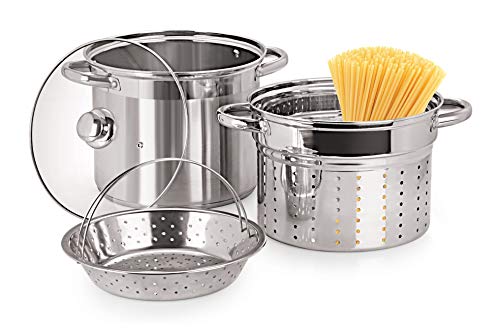
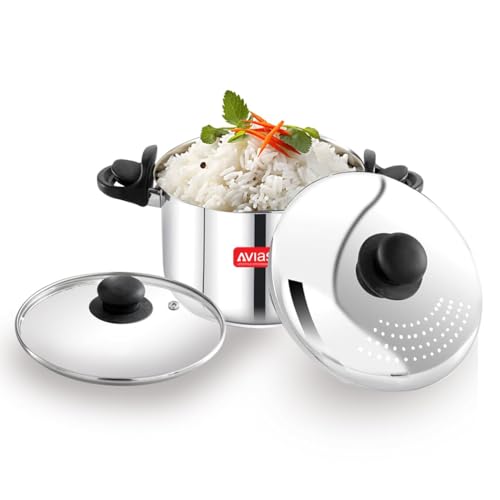
3. Best Complete Setup: A Multi-Purpose 4.5-Litre Steamer
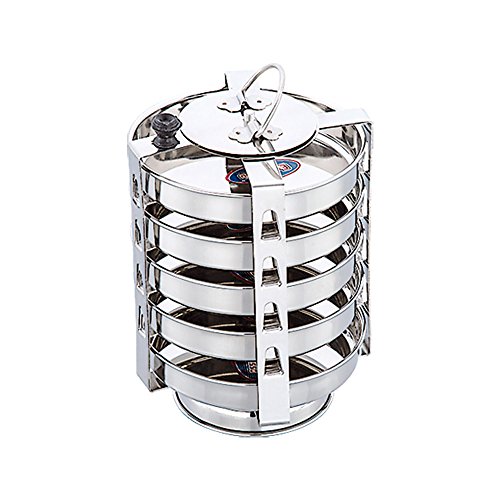
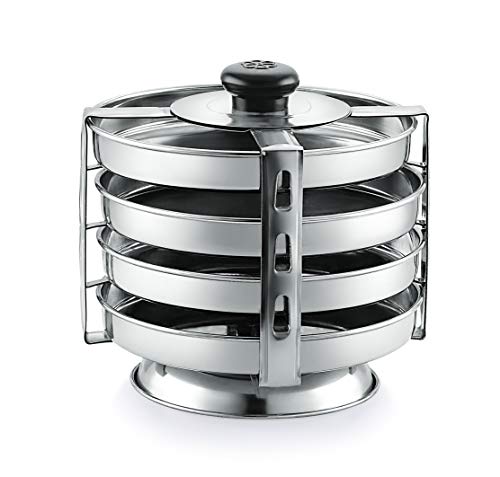
If you don’t have a suitable pressure cooker or steaming vessel, a complete multi-purpose steamer can be convenient.
A 4.5-litre steamer configuration gives you a dedicated vessel for steaming rather than requiring you to adapt an existing cooking pot.
Before ordering, confirm the number and type of included plates. Some listings combine idli, momo and dhokla terminology, even though the accessories may be designed for different foods.
Why we recommend this type
- You get a dedicated vessel and steaming arrangement.
- It can be useful for different steamed dishes.
- A complete set reduces the need to find separately compatible accessories.
Best for: Buyers setting up a kitchen or replacing an unsuitable steaming vessel.
Who should buy it
- You don’t already own a suitable steamer.
- You prepare different steamed dishes.
- You want one coordinated cooking setup.
Who should skip it
- You only need one replacement dhokla plate.
- You already own a suitable multi-purpose kadai.
- The included plate arrangement doesn’t match your recipes.
Pros
- Complete steaming arrangement.
- Useful for multiple preparations.
- Can reduce the need for separate accessories.
Cons
- Takes up more storage space.
- The actual included plate configuration needs checking.
- A larger vessel may be unnecessary for occasional small batches.
Our verdict: A complete steamer is worth considering when you need the vessel as well as the accessories. Verify that the package includes suitable khaman plates before placing an order.


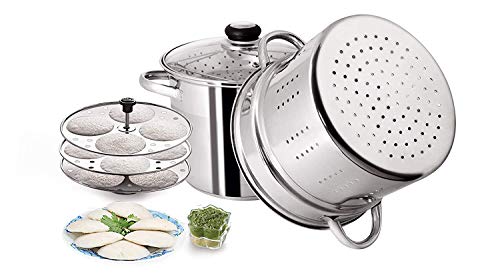
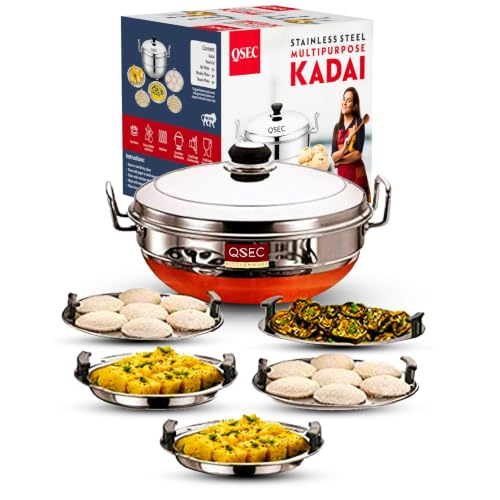


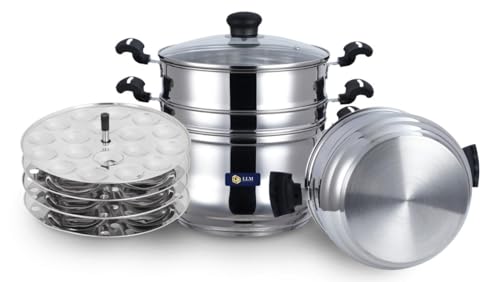
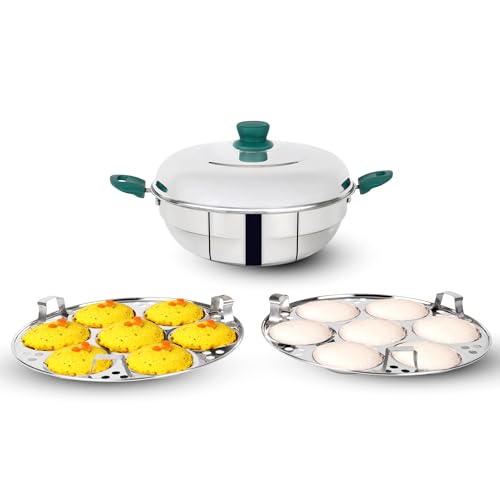
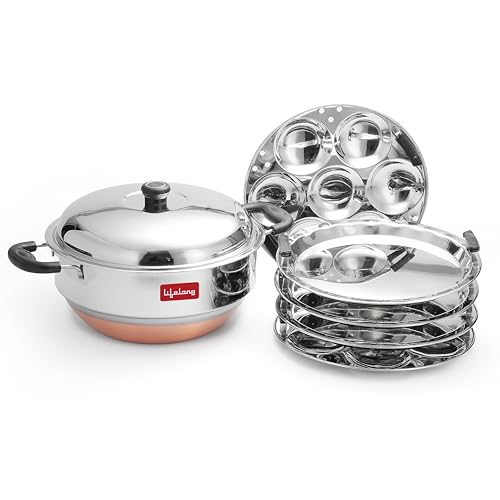


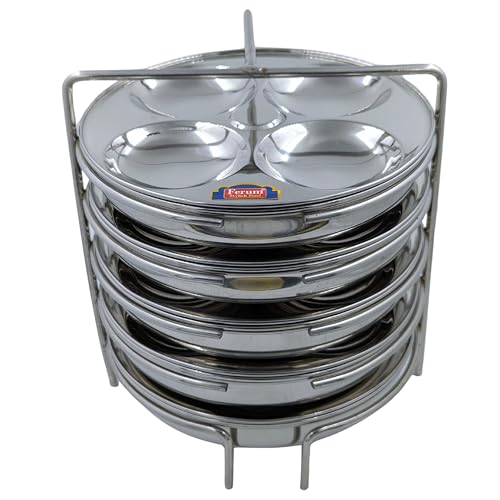
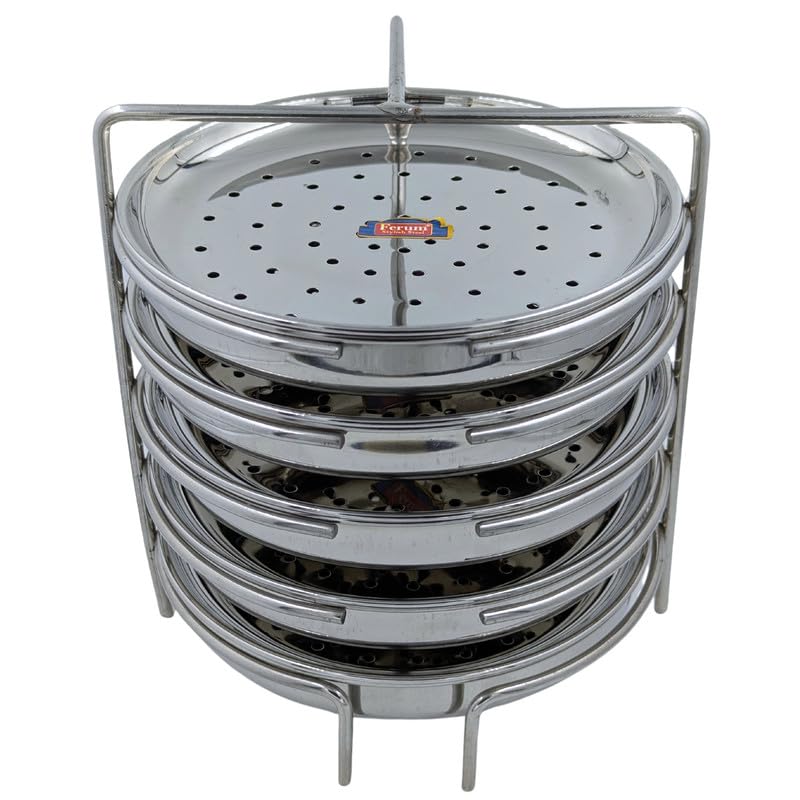
4. Best for Multiple Steamed Dishes: A Five-Plate Multi-Pot Set
A multi-pot with separate plates for idli, dhokla and other preparations can be useful for households that enjoy variety.
The key advantage is flexibility. Instead of purchasing a separate appliance for every steamed dish, you can use one vessel with compatible accessories.
However, product feedback should be considered alongside specifications. One current listing for a five-plate multi-pot has a displayed rating of 3.5/5 from 99 reviews. That doesn’t automatically make it a poor choice, but it is a reason to read recent verified reviews and check comments about construction, fit and included accessories before buying.
Why we recommend this type
- Multiple cooking accessories in one set.
- Useful for different recipes.
- May provide better value if you use several plate types.
Best for: Households that regularly prepare different steamed foods.
Who should buy it
- You want one vessel for several preparations.
- You have enough kitchen storage.
- You will use the included plates regularly.
Who should skip it
- You only need a simple khaman plate.
- You prefer a smaller cooking setup.
- Recent reviews raise concerns about the specific variant you’re considering.
Pros
- Multi-purpose cooking.
- Several plate configurations.
- Useful for batch preparation.
Cons
- More accessories to store and clean.
- Quality feedback should be checked carefully.
- Some plate types may not be useful for your cooking habits.
Our verdict: Choose a multi-pot for versatility, not simply because the package contains more accessories. The best value is the one where you actually use the included components.




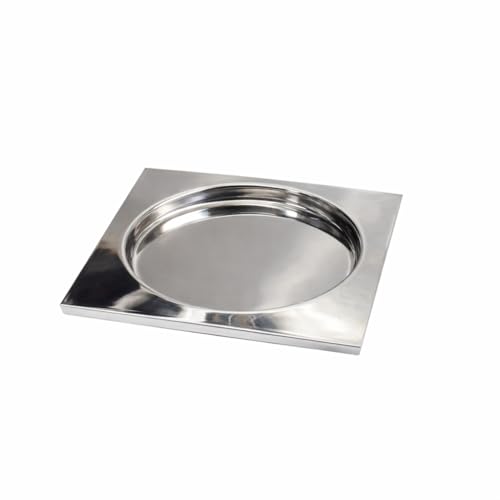
5. Best for Existing Cookers: A Standalone Stainless Steel Dhokla Plate
Already own a pressure cooker or steamer? You may not need a new appliance at all.
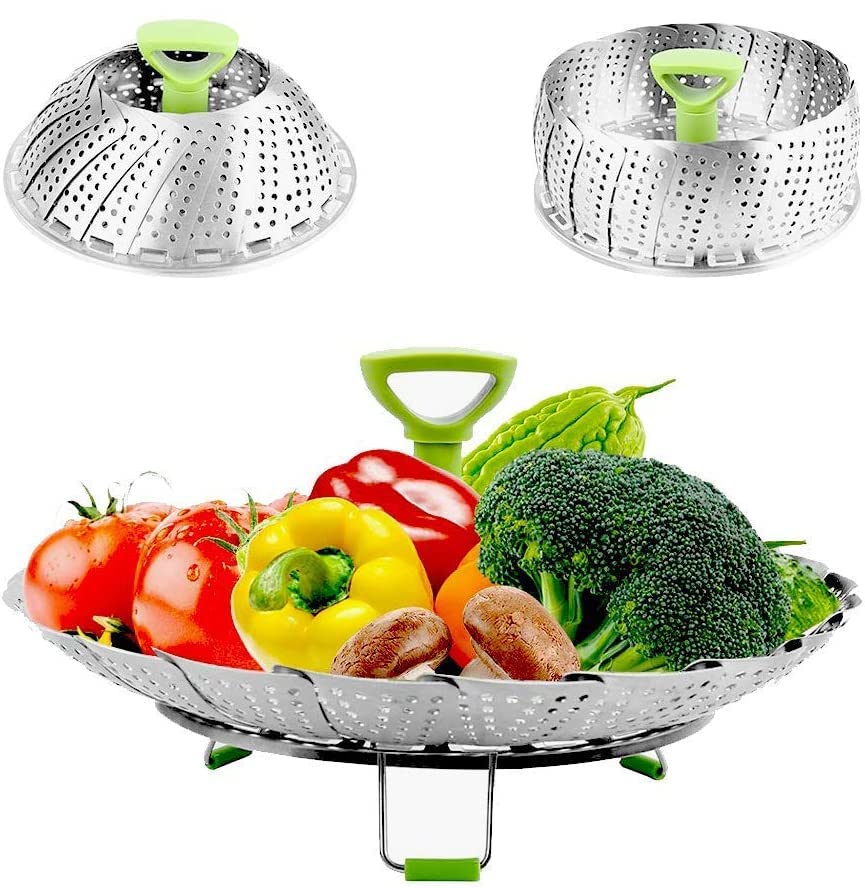
A standalone stainless steel dhokla plate is a practical choice when you only need a replacement or an additional plate. One current Four Brothers listing specifies a 6.5-inch diameter and offers single-piece and multipack options.
Why we recommend this type
- You buy only the accessory you need.
- Useful for replacing a damaged or missing plate.
- Can be more economical than purchasing a complete set.
Best for: People who already have a suitable steamer or cooker.
Who should buy it
- Your existing vessel is compatible.
- You need one extra plate.
- You prefer a simple, minimal kitchen setup.
Who should skip it
- You don’t own a suitable steaming vessel.
- The plate diameter doesn’t match your cooker.
- You need multiple tiers and a complete stand.
Pros
- No need to buy an entire appliance.
- Available in single and multipack configurations.
- Compact and easy to store.
Cons
- Doesn’t include a cooking vessel.
- Compatibility is your responsibility.
- A single plate may not be enough for larger batches.
Our verdict: This is one of the most sensible purchases for existing cooker owners. Measure the inside of your vessel before ordering.


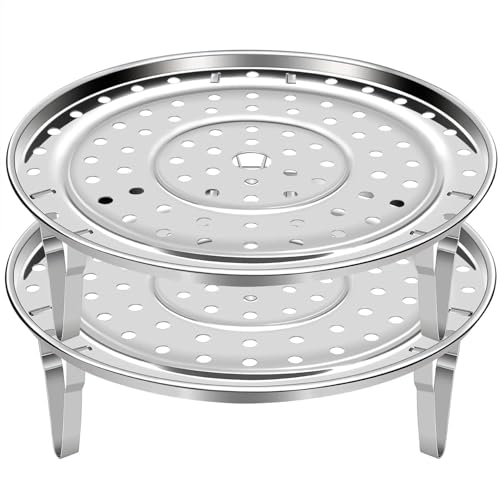
Dhokla Plate vs Dhokla Steamer: What’s the Difference?
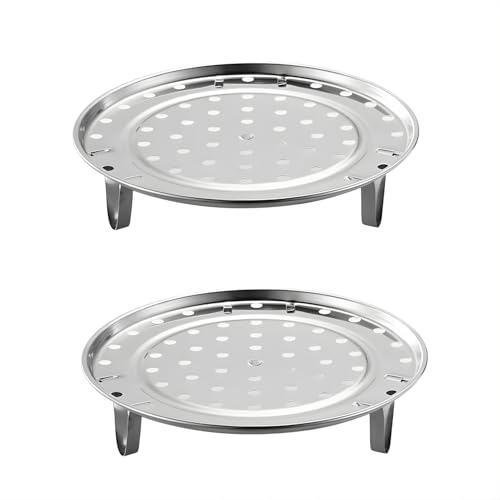
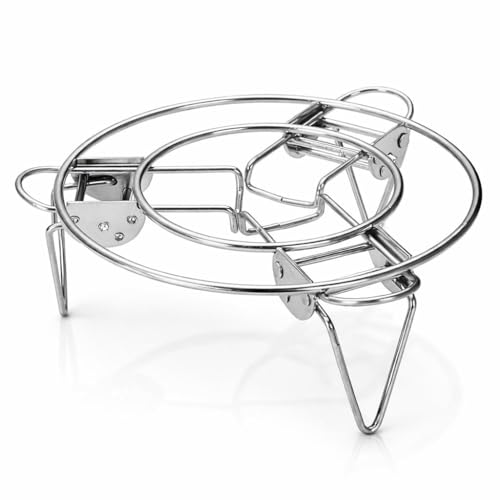
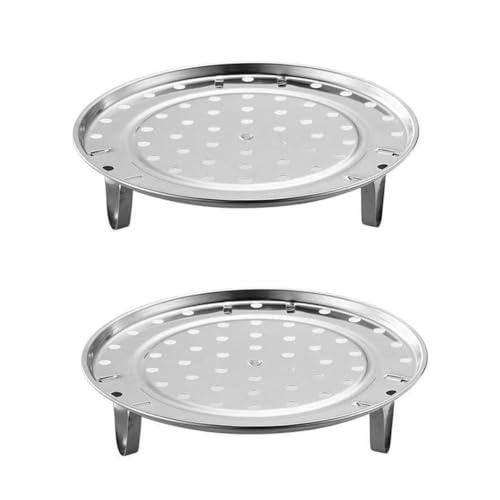
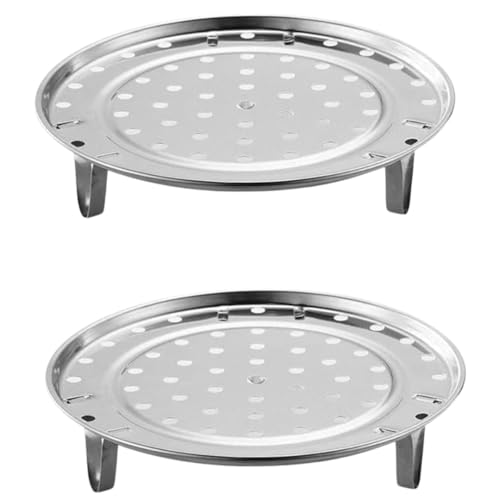
A dhokla plate is the container or accessory in which you prepare the batter. A steamer is the vessel that produces and holds the steam required for cooking.
You can use a compatible plate inside a pressure cooker, kadai or dedicated steamer, provided there is enough room for water, steam circulation and safe removal.
| Feature | Dhokla plate | Complete steamer |
|---|---|---|
| Main function | Holds batter during steaming | Provides the steaming vessel |
| Includes cooking vessel? | Usually no | Yes |
| Storage | Usually compact | Requires more space |
| Best for | Existing cooker owners | Buyers needing a complete setup |
| Initial cost | Usually lower | Usually higher |
| Flexibility | Depends on the vessel | Depends on included accessories |
Does khaman require a solid or perforated plate?
For traditional pourable khaman batter, use a solid plate or tray that can hold liquid batter. A perforated plate allows liquid batter to escape through the openings.
Some multi-purpose products include separate plate types, so inspect the actual product photographs and package description. Don’t assume that every accessory described as a dhokla plate has the same design.
What to Look for When Buying Dhokla Plates and Steamers
Before buying a dhokla maker, consider these practical factors.
1. Material and construction
Stainless steel is a popular choice for everyday kitchenware because it is durable and relatively easy to clean.
Check:
- Whether the material is clearly specified.
- Whether the surface is smooth.
- Whether the plate edges are properly finished.
- Whether the stand feels stable.
- Whether the seller provides care instructions.
If the listing mentions a particular stainless steel grade, verify that claim instead of assuming all steel products have the same composition.
2. Plate design
For pourable khaman batter, a solid plate is essential.
Look for:
- A flat bottom.
- Sufficient depth.
- A smooth surface.
- No openings that allow batter to escape.
- Enough room for the batter to rise.
A shallow mould may limit the amount of batter you can prepare in one batch.
3. Plate diameter and depth
The plate must fit inside your cooker without touching the sides or interfering with the lid.
Measure the usable internal diameter rather than relying on the cooker capacity printed on the packaging.
As a rough starting point:
| Household | General plate-size consideration |
|---|---|
| 1–2 people | Smaller single-batch plate |
| 3–4 people | Medium-sized plate |
| 5–6 people | Larger plate or multiple batches |
| Larger gatherings | Multi-tier or larger-capacity setup |
These are buying guidelines, not fixed serving guarantees. The amount of batter and thickness of the finished khaman also affect servings.
4. Number of plates
More plates can be useful when preparing multiple batches, but they don’t automatically make a product better.
Check:
- Whether the plates are all suitable for your intended recipes.
- Whether the stand is stable when fully loaded.
- Whether there is enough vertical space for steam circulation.
- Whether the cooker lid can close properly.
5. Cooker compatibility
This is one of the most important buying factors.
Check:
- Inner-lid or outer-lid cooker compatibility.
- Internal diameter.
- Total stand height.
- Available space below the lid.
- Water clearance.
- Whether the plate can be lifted safely.
Never force an oversized stand into a smaller cooker.
6. Lid and steam circulation
A suitable lid helps maintain the steaming environment. The vessel should allow steam to circulate around the plate without blocking the lid or overflowing with water.
Follow the cooker manufacturer’s instructions and use a safe method to lift hot plates.
7. Cleaning and storage
Choose removable plates with smooth surfaces and easy-to-clean edges. If you plan to use the stand regularly, check whether the components can be separated and stacked conveniently.
Which Type Is Best for Your Household?
The best option depends on how frequently you cook and what equipment you already own.
| Your situation | What makes the most sense |
|---|---|
| You make khaman occasionally | One compatible solid plate |
| You already own a pressure cooker | Standalone plate or compatible stand |
| You make idli and khaman regularly | Multi-plate stand with suitable accessories |
| You want one complete setup | Multi-purpose steamer |
| You cook several steamed snacks every week | Multi-kadai with dedicated plate types |
| You have a small kitchen | Compact plate stand instead of a large complete set |
Our practical advice: Don’t pay extra for a five- or six-plate set if you only use one plate. A smaller setup that fits your cooking routine is often the smarter purchase.
How to Make Soft Khaman Dhokla at Home
A good plate makes steaming easier, but fluffy khaman also depends on the batter, leavening agent and cooking time.
Ingredients
| Ingredient | Approximate quantity |
|---|---|
| Besan (gram flour) | 1 cup |
| Water | Approximately ¾ cup |
| Lemon juice | 1 tablespoon |
| Sugar | 1 tablespoon |
| Salt | To taste |
| Turmeric | A small pinch |
| Oil | 1 tablespoon |
| Eno fruit salt | 1 teaspoon |
Adjust water gradually to get a smooth, pourable batter. Different besan brands may absorb different amounts of water.
Ingredients for tempering
- 1 tablespoon oil
- ½ teaspoon mustard seeds
- A few curry leaves
- 2–3 green chillies
- 1 teaspoon sesame seeds (optional)
- 2 tablespoons water
- 1 teaspoon sugar
- Chopped coriander
- Fresh grated coconut (optional)
Step 1: Prepare the batter
Sieve the besan into a mixing bowl. Add water gradually and whisk until smooth.
Add lemon juice, sugar, salt, turmeric and oil. Mix thoroughly and allow the batter to rest for around 10–15 minutes.
Step 2: Prepare the steamer
Add water to your steamer or compatible pressure cooker. Bring the water to a boil.
Grease the solid dhokla plate with a thin layer of oil.
Step 3: Add the leavening agent
Add Eno fruit salt just before steaming. Mix gently until the batter becomes light and bubbly.
Avoid overmixing because you want to preserve the air introduced into the batter.
Step 4: Pour the batter
Transfer the batter into the greased plate. Leave enough room at the top for it to rise.
Don’t fill the plate to the brim.
Step 5: Steam
Place the plate carefully inside the preheated steamer.
Steam for approximately 15–20 minutes, depending on the batter depth and your equipment. Use a toothpick to check the centre. If it comes out clean, the khaman is ready.
Step 6: Prepare the tempering
Heat oil in a small pan. Add mustard seeds, curry leaves, green chillies and sesame seeds.
Add water and sugar carefully, then switch off the heat.
Step 7: Finish and serve
Allow the khaman to rest briefly before cutting it into squares.
Pour the tempering evenly over the pieces and garnish with coriander and grated coconut.
Serve with green chutney!
Common Buying and Cooking Mistakes
| Mistake | Why it causes trouble | What to do instead |
|---|---|---|
| Buying a perforated plate for liquid batter | Batter can leak through openings | Choose a suitable solid plate |
| Ignoring cooker dimensions | Stand may not fit safely | Measure internal diameter and height |
| Buying too many tiers | Unused accessories take up storage space | Choose according to cooking frequency |
| Filling the plate completely | Batter may overflow as it rises | Leave adequate headroom |
| Adding Eno too early | Leavening activity may reduce before steaming | Add immediately before cooking |
| Overmixing after adding Eno | Can reduce the batter’s aeration | Mix gently |
| Using too little water in the steamer | Water may evaporate during cooking | Follow vessel instructions and maintain adequate water |
| Oversteaming | Can dry out the texture | Check doneness and adjust timing |
| Buying based only on price | Important details may be overlooked | Compare material, dimensions and compatibility |
Also Read | Best Momos Steamers for Making Juicy Homemade Momos
Frequently Asked Questions
Which plate is best for making soft khaman dhokla?
A solid, flat-bottom stainless steel plate with sufficient depth is a practical choice for traditional pourable khaman batter. It should fit your steamer comfortably and leave enough room for the batter to rise.
Can I use an idli stand for khaman dhokla?
It depends on the plate design. Some idli stands include separate flat plates suitable for other steamed preparations, while others have moulded cavities. Check the actual plate configuration before using it for pourable khaman batter.
Can I make khaman in a regular pressure cooker?
Yes. A pressure cooker can be used as a steamer with a compatible stand and plate. Follow the cooker’s instructions and the recipe’s open-steaming method. Do not use the pressure regulator or whistle when the recipe calls for steaming without pressure.
Is stainless steel better than aluminium for dhokla plates?
Both materials are used in kitchenware. Stainless steel is popular for its durability and ease of maintenance. Aluminium can heat efficiently, but the choice should depend on construction, food-contact suitability, finish and care instructions rather than colour alone.
How many dhokla plates should I buy?
One plate may be sufficient for occasional cooking or a small household. Two or three plates can be useful for regular batch preparation, provided your cooker has enough space and the plates fit properly.
Why does khaman sometimes turn hard?
Common reasons include incorrect batter consistency, insufficient leavening, overmixing after adding Eno or excessive steaming. Use fresh ingredients, mix gently and check the centre before removing the plate.
Can I use a dhokla steamer for momos and idlis?
Many multi-purpose steamers support different foods, but the correct plate matters. Solid plates work for pourable batter, while perforated inserts are generally more appropriate for foods such as momos and idlis.
How We Selected These Products
For this guide, we reviewed available product listings, manufacturer descriptions, product dimensions, included accessories and current seller information.
Our selection criteria included:
- Material and construction.
- Plate count and configuration.
- Solid versus perforated plate design.
- Compatibility with pressure cookers and steamers.
- Ease of cleaning and storage.
- Multi-purpose cooking functionality.
- Customer feedback where available.
- Value relative to the intended use.
We prioritised products with clearly described plate configurations and practical uses. Where package details or compatibility information were incomplete, we highlighted the need to verify them before buying.
We have not personally tested these products or claimed hands-on cooking results. Product prices, ratings, stock and package contents can change. Check the latest manufacturer or seller listing before purchasing.
Final Verdict
The best dhokla plate or steamer depends on whether you need a simple accessory or a complete cooking setup.
- Best overall for frequent multi-purpose cooking: A complete stainless steel multi-kadai with dedicated khaman plates.
- Best budget option: A three-plate stainless steel stand that fits your existing cooker.
- Best for buyers without a steamer: A complete multi-purpose steaming vessel with verified accessories.
- Best for existing cooker owners: A standalone dhokla plate that matches the vessel’s dimensions.
- Best for versatile home cooking: A multi-pot with plate configurations you will actually use.
If you already own a pressure cooker, don’t rush to buy a complete steamer. First check whether a compatible plate or stand will do the job.
And remember, soft khaman isn’t just about the equipment. Fresh ingredients, properly aerated batter, the right plate and careful steaming all contribute to a delicious result.
Happy steaming! 😋